Maramureș Village Museum, Open-air ethnographic museum in Sighetu Marmației, Romania
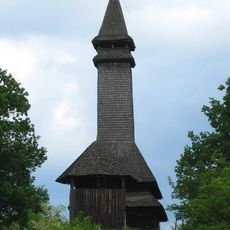
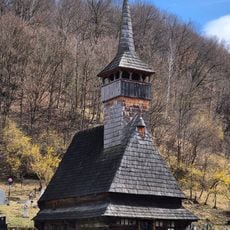
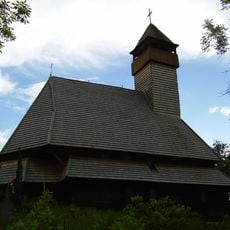
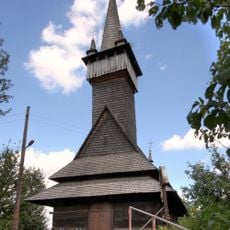
The Maramureș Village Museum is an open-air museum on Dealul Dobăieș in Sighetu Marmației, with over 30 households grouped by historic Maramureș subzones: Cosău-Mara, Lower Iza, Strâmtura, Middle Iza, Vișeu-Borșa, the Tisza area and the Ruscova basin. Besides Romanian farms, it includes a Ukrainian house, a Hungarian house and two Jewish houses, one containing a village synagogue. All lanes and paths lead to the 16th-century wooden church brought from Oncești.
The museum was inaugurated on 30 May 1981 on Dobăieș Hill, after a collecting effort begun in 1972 under the professor Mihai Dăncuș, who led its creation. Acquisition of new buildings has continued since, despite the museum's underfunding. The oldest structure is a 16th-century wooden church brought from Oncești on the Iza valley, whose beams were dendrochronologically dated between 1572 and 1614.
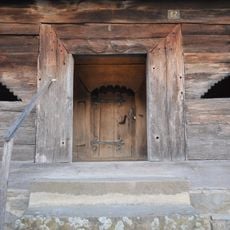
The wooden buildings reveal how craftspeople passed down their skills through generations, with intricate carvings and specific building techniques visible in every structure. Walking through the grounds shows how these methods defined the visual character of villages in this mountain region.
The grounds are easy to walk through, with access to dozens of buildings displaying traditional tools and regional customs. Guided tours help visitors understand how these farm households and workshops functioned in daily life.
The site preserves original farming tools, household goods, and textiles from across the region that document people's daily routines from earlier times. These objects reveal how inhabitants worked, cooked, and maintained their homes.
The community of curious travelers
AroundUs brings together thousands of curated places, local tips, and hidden gems, enriched daily by 94,131 contributors worldwide.