Volga–Baltic Waterway, Navigation canal in Northwestern Russia
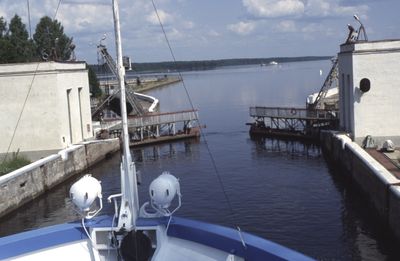
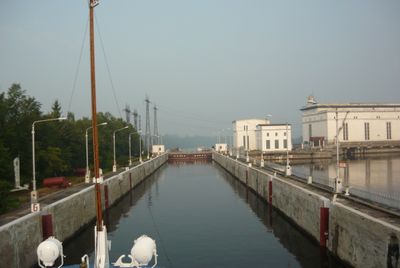
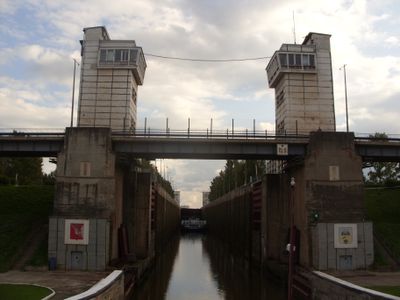
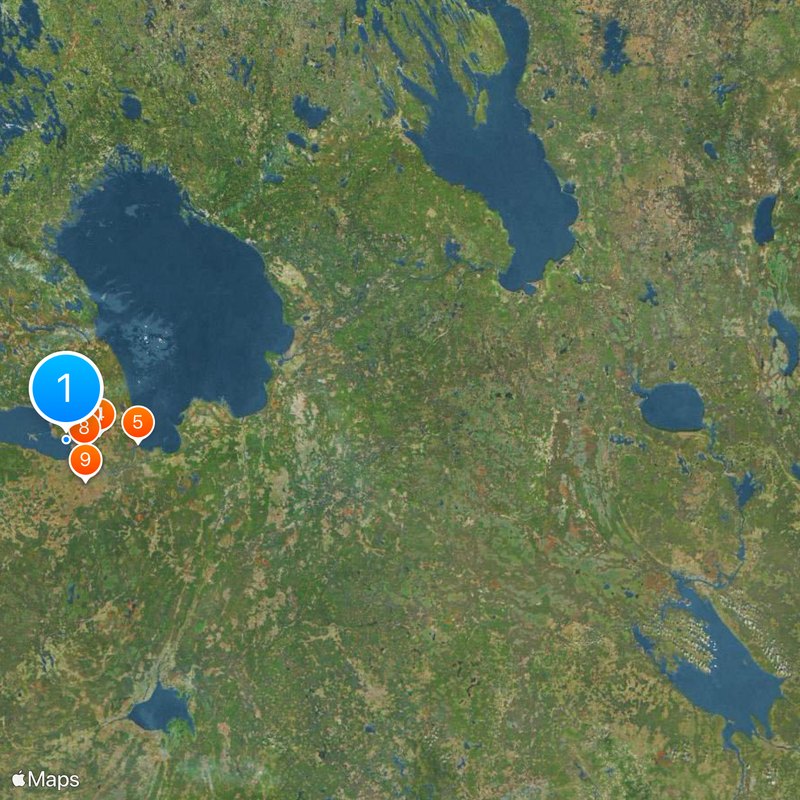
The Volga-Baltic Waterway connects the Volga River to the Baltic Sea through rivers, lakes, and artificial channels spanning about 1,100 kilometers. The system uses natural water bodies like the Rybinsk Reservoir and Lake Beloye, linked by locks that manage varying water levels.
The initial waterway projects began in the early 1800s under Alexander I to improve inland connections. Major modernization in the 1960s made it possible for larger vessels to navigate the route.
The waterway links inland regions and enables the movement of goods between the Caspian Sea region and Saint Petersburg across multiple areas. It shapes local life in the territories it passes through and serves as a vital trade route.
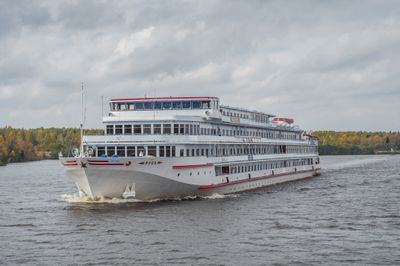
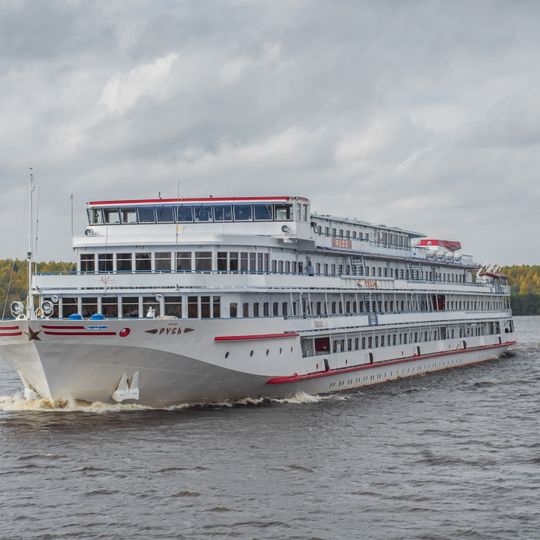
The system accommodates vessels up to 5,000 tons and maintains a minimum depth of 4 meters (13 feet). Locks throughout the route enable safe passage and water level adjustments.
The route links three distinct water bodies together: the Rybinsk Reservoir, Lake Beloye, and the Kovzha River to form a continuous passage. This arrangement allows ships to travel without interruption from the Volga all the way to the Baltic.
The community of curious travelers
AroundUs brings together thousands of curated places, local tips, and hidden gems, enriched daily by 90,740 contributors worldwide.