Gimry, human settlement in Russia
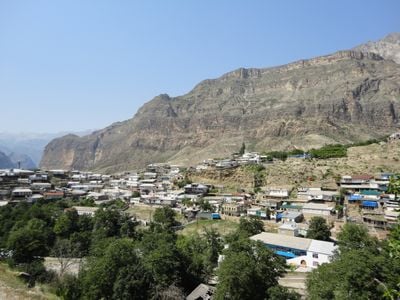
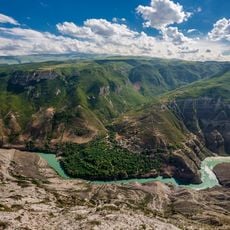
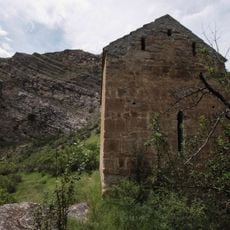
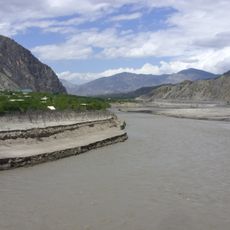
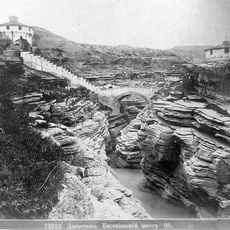
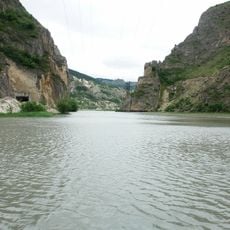
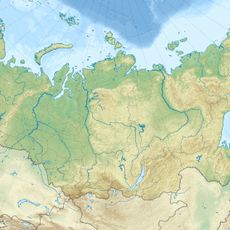
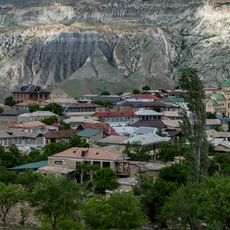
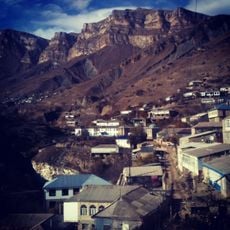
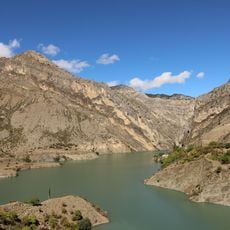
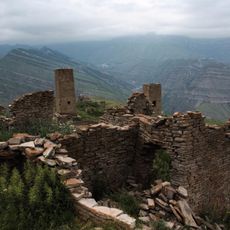
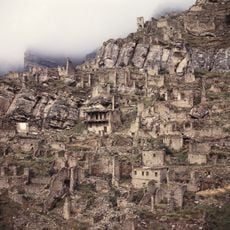
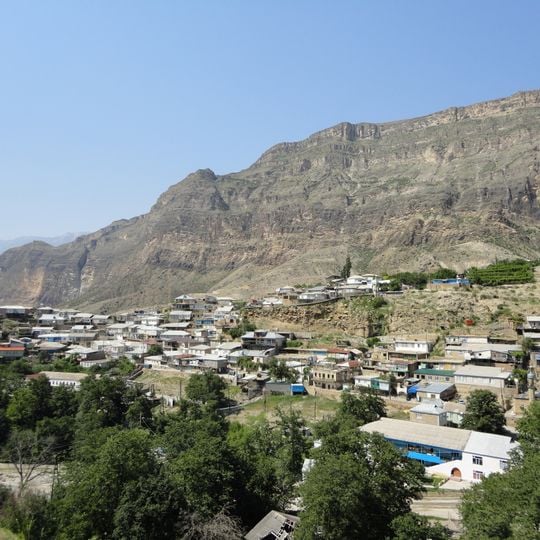
Gimry is a mountain village in the Russian republic of Dagestan, set on the east bank of the Avar Koysu river at the base of a deep canyon. Steep cliffs rise on all sides around the settlement, and the hillsides are lined with terraced gardens where fruit trees and vines grow.
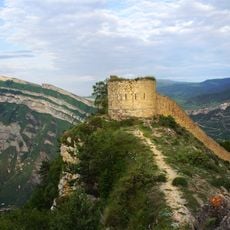
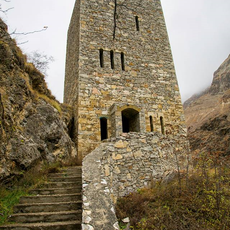
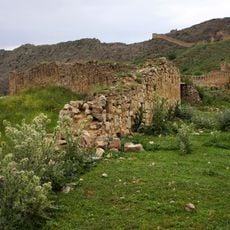
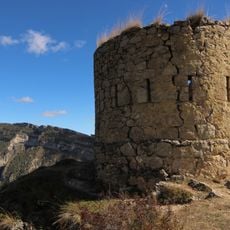
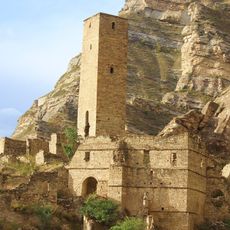
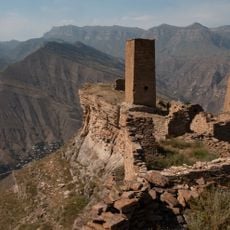
In the 19th century, Gimry became a focal point of resistance in the Caucasus, when highland communities built defensive structures throughout the area. The village is known as the birthplace of Shamil, the leader who organized armed resistance against Russian expansion in the region.
The name Gimry comes from the Avar language and refers to the canyon setting of the village. Visitors today can see how the terraced gardens on the hillsides are still actively farmed, shaping the rhythm of daily life here.
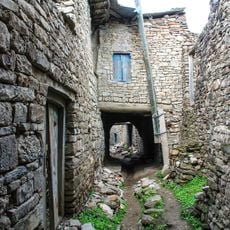
The village sits in a remote canyon and can only be reached by winding mountain roads, so the journey requires planning and enough time. Once there, the narrow streets are best explored on foot, as that is the only way to get close to the stone houses and terraced gardens.
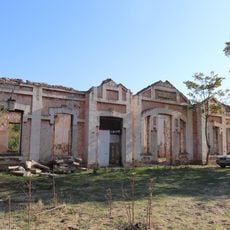
A bathhouse built by Sheikh Abdullah-haji Gimrinsky served for generations as one of the main places where men gathered to talk and spend time together. It is one of the few surviving examples of this type of communal building still found in the mountain villages of Dagestan.
The community of curious travelers
AroundUs brings together thousands of curated places, local tips, and hidden gems, enriched daily by 92,679 contributors worldwide.