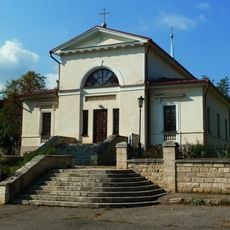
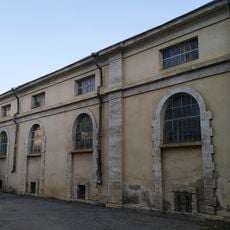
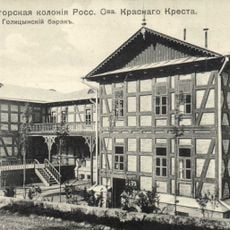
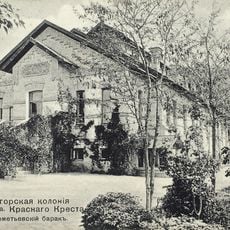
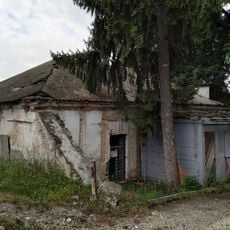
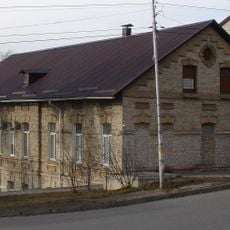
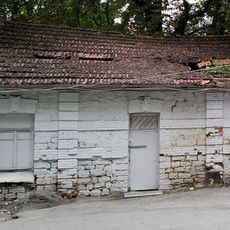
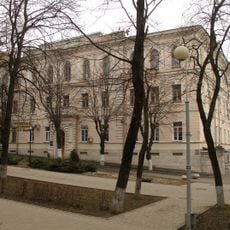
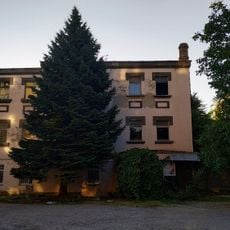
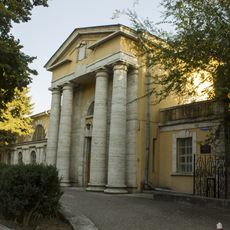
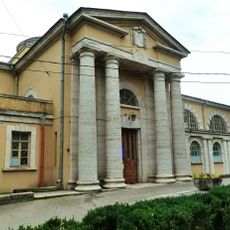
Пятигорский краеведческий музей, Regional history museum in Pyatigorsk, Russia.
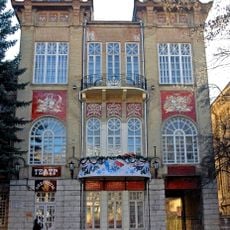
Pyatigorsk Regional Museum is a museum in central Pyatigorsk dedicated to the history of the Stavropol region and Northern Caucasus. Its collections include archaeological discoveries, ethnographic objects, art, and historical photographs that document how this area developed over time.
The museum opened on 4 June 1903, founded in Pyatigorsk by the Caucasian Mountain Society; it later became a provincial, city, regional and municipal institution. In 1906 the society gained the right to conduct archaeological excavations in the North Caucasus, and the collections absorbed exhibits from the open-air Museum of Antiquities founded in 1850. In 1941 the museum was briefly closed for lack of funds, and during the German occupation its ethnographic and numismatic collections were looted and destroyed; it reopened on 1 May 1943.
The museum displays weapons from different centuries and everyday objects that show how people lived and worked in this region. These items reveal the crafts and traditions that mattered to local communities.
The museum is located on Brothers Bernardazzi Street in the city center and is easy to reach on foot. Its collections are arranged in separate thematic rooms, allowing visitors to explore different aspects of regional history in a single visit.
The museum houses rare fossils of large prehistoric animals, including the skull of a southern elephant that lived around one million years ago. These paleontological finds show what kind of animals once roamed this landscape.
The community of curious travelers
AroundUs brings together thousands of curated places, local tips, and hidden gems, enriched daily by 94,550 contributors worldwide.