See the monuments around you in AROpen chests in the app
Around Us is built for your phone — point your camera at the streets and discover the monuments and places around you in augmented reality.Around Us is built for your phone — chests unlock when you walk, explore and capture nearby places.
The Finnish city combines free saunas, hundred-year-old markets, and protected natural spaces for those looking for authenticity with a touch of modernity.
Helsinki offers a unique mix of Nordic traditions and modern urban spaces. The city features public saunas like Sompasauna by the sea, where entry is free thanks to volunteer work, as well as century-old market halls such as Hakaniemi, built in 1914. Surrounding islands like Sisä-Hattu allow visitors to view ancient rock carvings in preserved natural surroundings, while Kivinokka beach provides direct access to the sea from a wooded area.
Downtown combines various architectural styles, from granite churches to wooden buildings like Kamppi Chapel, a quiet spot amid the city's activity. Art enthusiasts will find the graffiti wall at Suvilahti, a legal space for artistic expression, and those seeking less-known locations will discover themed bars like Trillby & Chadwick, decorated in the 1920s style. A few kilometers away, Liesjärvi National Park offers hiking trails through forests abundant in berries and mushrooms, while the abandoned villas of Kruunuvuori reflect a bygone era.
The Finnish city combines free saunas, hundred-year-old markets, and protected natural spaces for those looking for authenticity with a touch of modernity.
Helsinki offers a unique mix of Nordic traditions and modern urban spaces. The city features public saunas like Sompasauna by the sea, where entry is free thanks to volunteer work, as well as century-old market halls such as Hakaniemi, built in 1914. Surrounding islands like Sisä-Hattu allow visitors to view ancient rock carvings in preserved natural surroundings, while Kivinokka beach provides direct access to the sea from a wooded area.
Downtown combines various architectural styles, from granite churches to wooden buildings like Kamppi Chapel, a quiet spot amid the city's activity. Art enthusiasts will find the graffiti wall at Suvilahti, a legal space for artistic expression, and those seeking less-known locations will discover themed bars like Trillby & Chadwick, decorated in the 1920s style. A few kilometers away, Liesjärvi National Park offers hiking trails through forests abundant in berries and mushrooms, while the abandoned villas of Kruunuvuori reflect a bygone era.
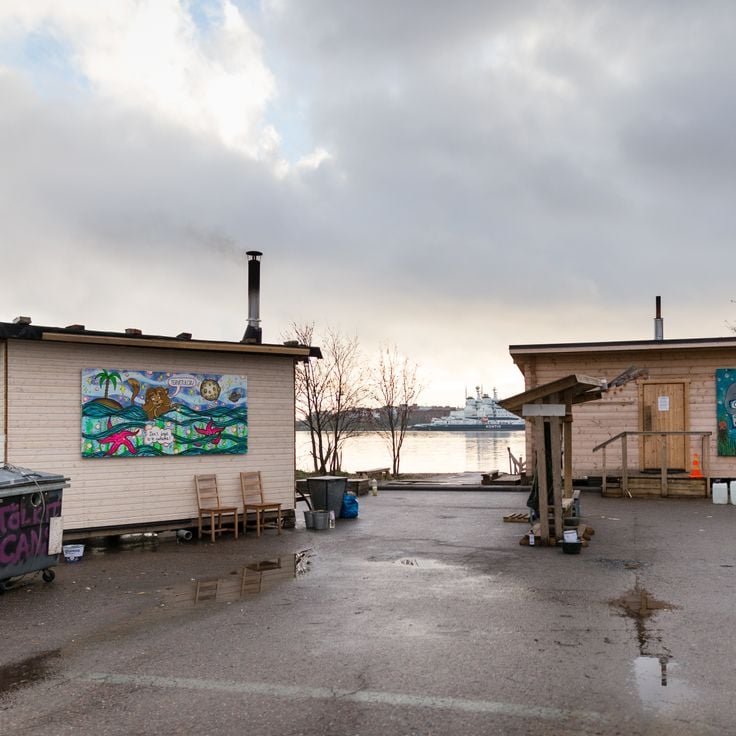
Sompasauna is part of Helsinki's unique mix of Nordic traditions and modern city spaces. This public sauna runs thanks to volunteers from the local community. Entrance is free, and it stays open at all hours. Located by the sea, it offers an authentic place to learn about Finnish sauna culture.
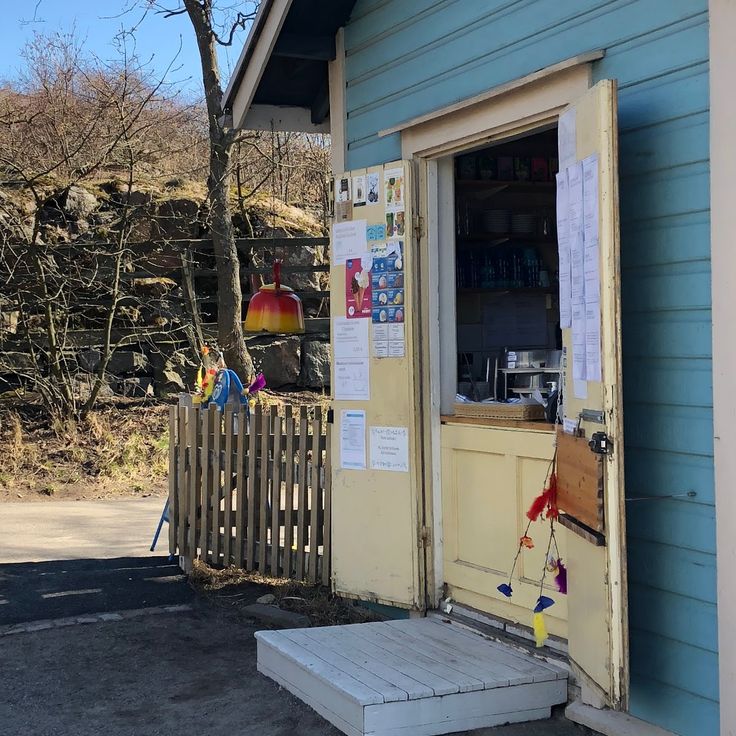
The Sininen Huvila Café fits well into the mix of Nordic traditions and modern city spaces in Helsinki. This café is open from May to September and offers traditional Finnish pastries with a view of the city harbor. It is a quiet spot in the heart of the city, similar to other popular places in Helsinki where visitors can enjoy local culture and food.
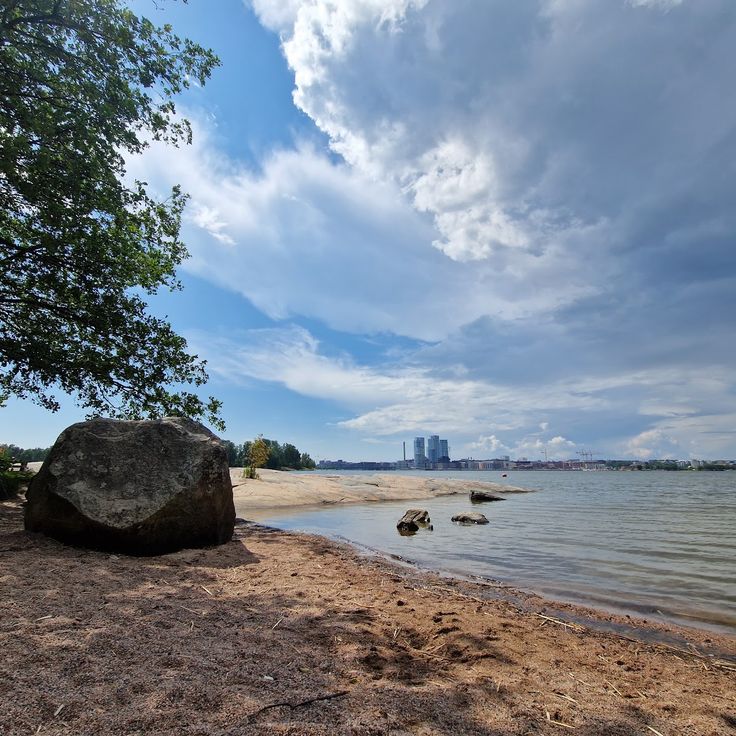
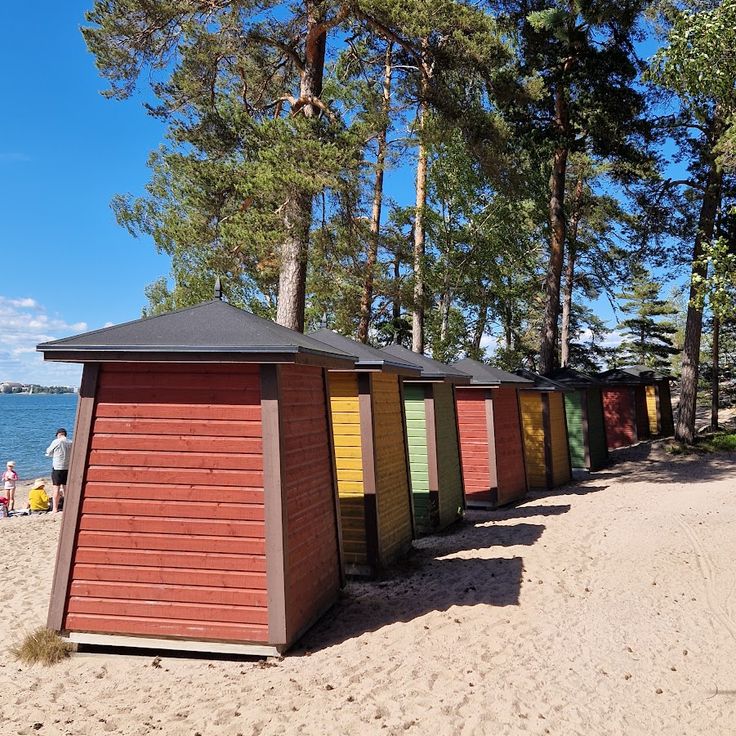
Kivinokka Beach is part of Helsinki's mix of nature and city access, providing direct contact with the sea from within a wooded area. The sandy beach sits surrounded by forest with pathways, and from here visitors can watch the sun descend into the water.
Le Trillby & Chadwick is a hidden bar behind a concealed door, decorated in the style of the 1920s. The cocktail menu is inspired by detective novels. This secret place is worth a visit for a taste of Helsinki's modern urban life, where you can discover creative spaces like this alongside public saunas and old market halls.
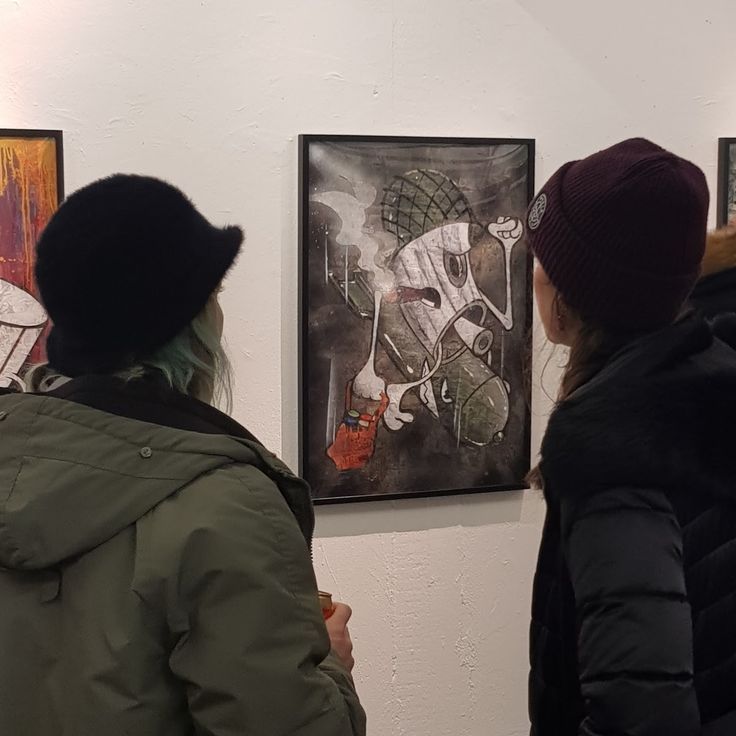
The graffiti wall at Suvilahti is a key part of Helsinki's urban art scene. This legal space allows artists to freely create and display their work for anyone to see. The wall constantly changes as new pieces appear, drawing art lovers who want to experience the city's modern creative side. Suvilahti itself functions as a cultural center that supports various forms of artistic expression beyond just this wall.
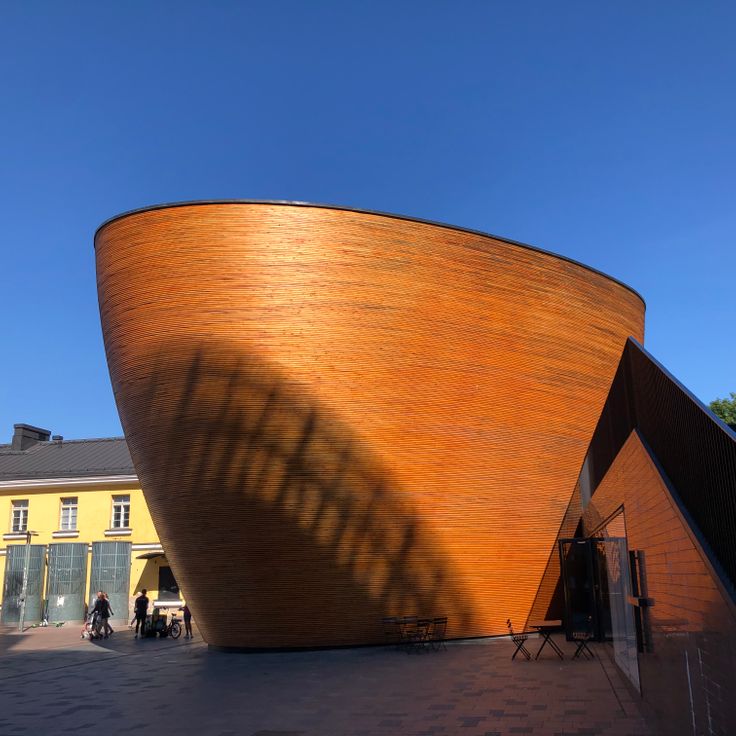
The Kamppi chapel is a wooden building in the center of Helsinki that provides a quiet space for prayer and reflection without religious symbols. This structure shows how the city combines northern traditions with modern design. Visitors can find silence amid the busy city life, and the building reflects the style seen throughout the city, from stone churches to modern wooden structures.
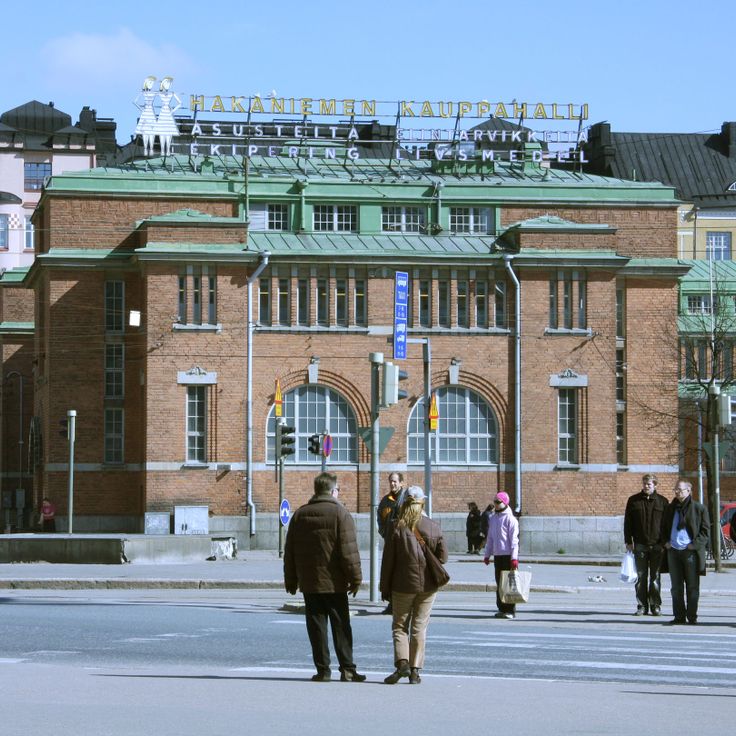
The Hakaniemi market hall combines Northern traditions with the modern parts of Helsinki. This market hall from 1914 offers Finnish specialties, fresh products, handmade items, and traditional goods on two floors. You can meet local sellers and discover Finnish foods that show how people live day by day in the city.
The island of Sisä-Hattu in Helsinki offers a quiet place to explore old stone carvings in a natural setting. This uninhabited island lets visitors walk through a preserved landscape and see the marks of the past carved in the stone, alongside daily visits from birds and small animals.
Liesjärvi National Park features marked trails through forests with blueberry fields and various mushroom species for foraging. This park complements Helsinki's mix of Nordic traditions and modern urban spaces, offering visitors a chance to experience the natural landscapes that define the region.
The ghost town of Kruunuvuori is a collection of wooden villas from the 1920s that stand in the forest. They are abandoned and show signs of many years of neglect. These forgotten buildings reveal what the city once was and give a look into a past era. This place shows the history behind the current city structures.
Allas Sea Pool is a swimming complex at the Helsinki harbor with three pools, including a seawater pool and a heated freshwater pool all year round. In this collection, it shows how the city maintains its connection with water, like the free sea-side saunas. The place gives direct access to the sea, like other popular spots in Helsinki.
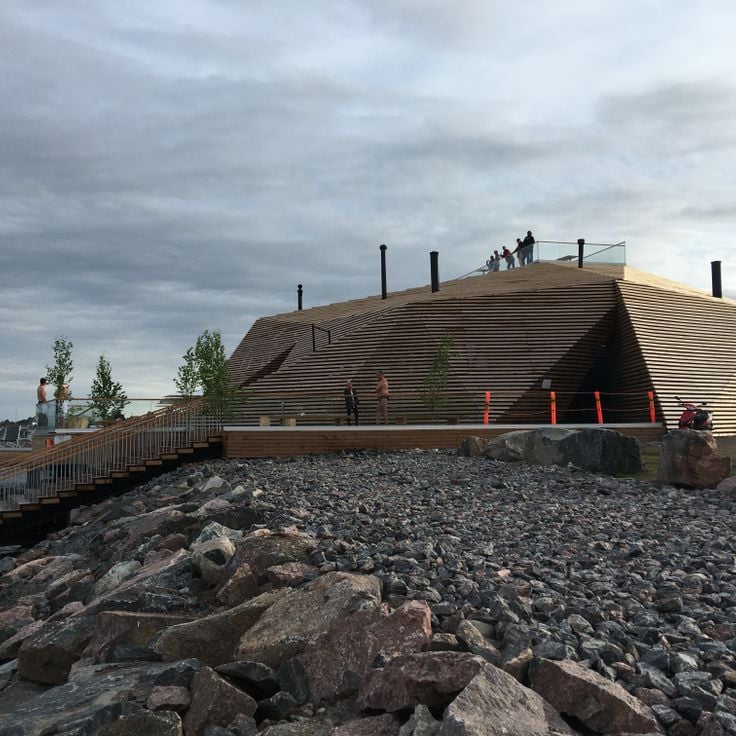
Löyly is a modern sauna with wooden walls located right on the Helsinki beach. It fits well with the northern traditions of the city, where public saunas like this are part of everyday life. The building has two saunas, a terrace, and a restaurant serving Finnish cuisine. From here, you can jump into the sea or just enjoy the view.
Pihlajasaari Island offers sand beaches, hiking trails, and swimming areas that connect visitors to nature just outside the city. As part of Helsinki's mix of Nordic traditions and modern urban spaces, this nature reserve provides an escape to the sea and forests that surround the city. Regular ferry service operates from the mainland during summer months.
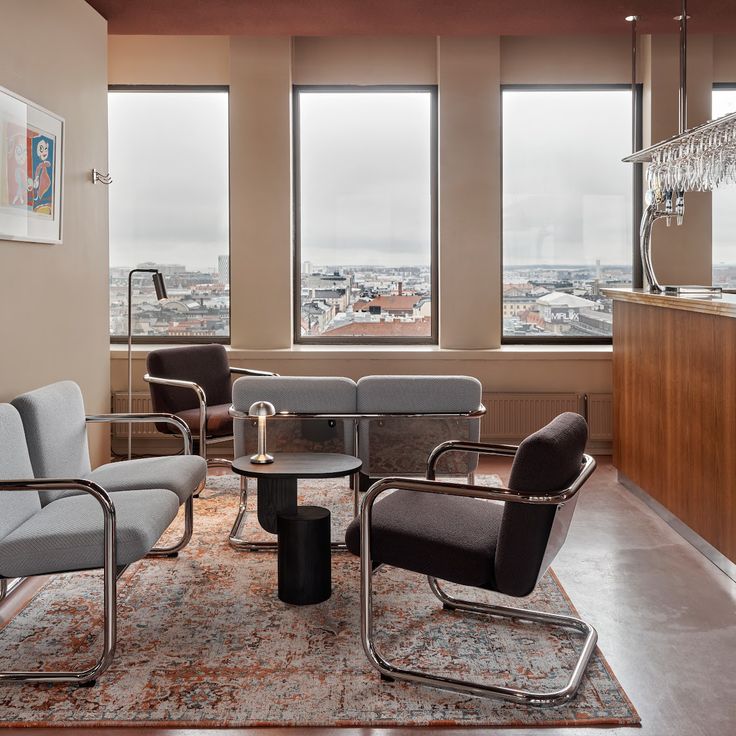
The Ateljee Bar on the 14th floor of the Torni hotel is a central part of Helsinki's city life. This rooftop bar offers 360-degree views of the whole city and serves drinks inspired by many styles for a fun time with friends!
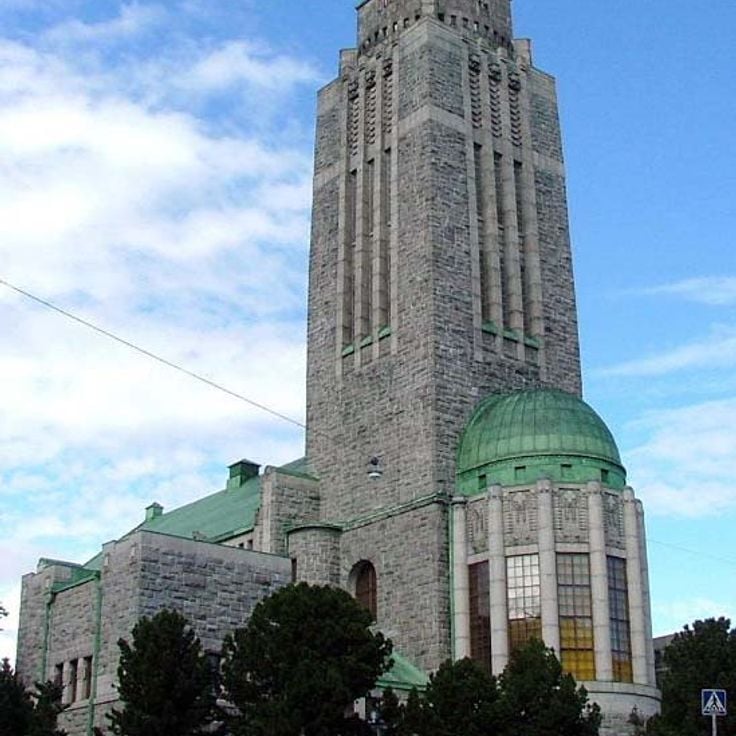
The church in Kallio was built in 1912 from granite and has a tower that is 65 meters tall. Its interior shows features typical of Nordic religious architecture from the early 20th century. The church stands alongside other notable buildings in the city, such as historic markets and wooden structures, providing a quiet space amid the busy city center.
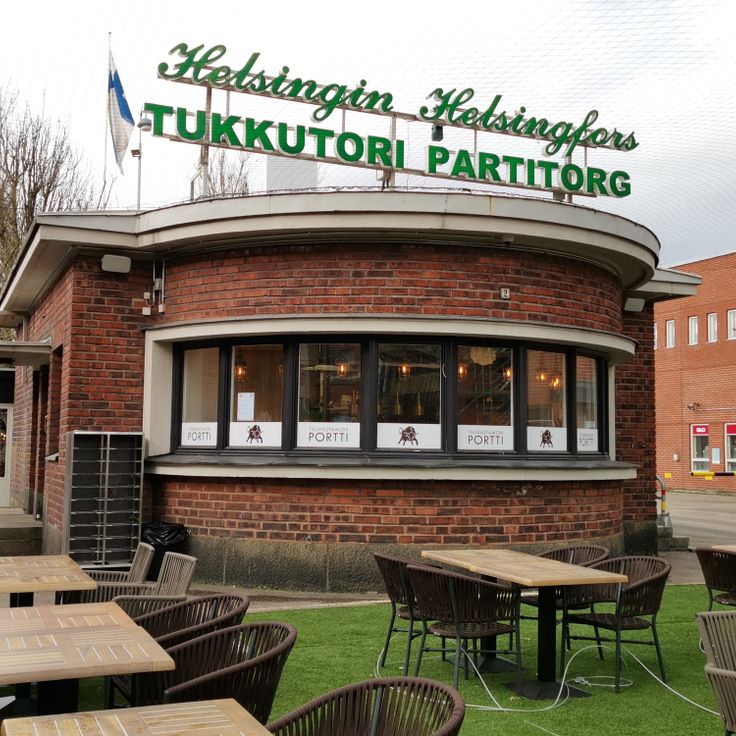
Within Helsinki's mix of Nordic traditions and modern urban spaces, Teurastamo exemplifies the city's creative reuse of historic buildings. This former slaughterhouse complex now functions as a vibrant hub with restaurants, cafes, and event spaces. Regular markets and festivals here showcase the dynamic character of the city's contemporary culture.
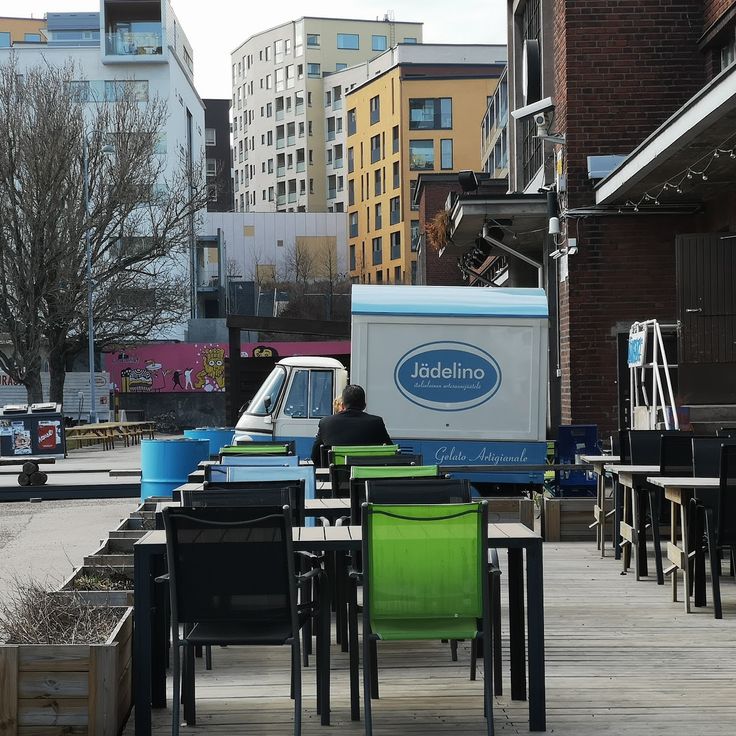
Jädelino is an ice cream shop in the Teurastamo area in Helsinki. It makes Italian-style ice cream with fresh ingredients and seasonal flavors. The shop shows that everyone here enjoys international influences.
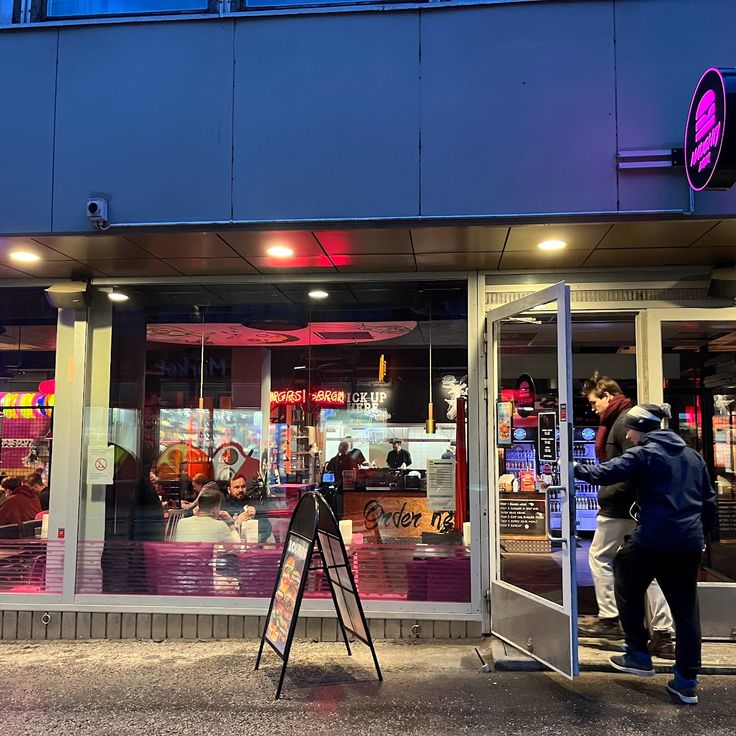
Naughty BRGR is part of the modern food scene in Helsinki. This restaurant serves burgers made from local meat and homemade sauces, with sweet potato fries. The very welcoming place allows you to enjoy a good meal with friends or family.
Tempere Hall is a cultural center in Helsinki where music, art, and community come together. The concert hall can hold about 500 people for shows throughout the year. On the ground floor, exhibition spaces display works by local and guest artists, while a café provides a place to meet and relax. This center shows Helsinki's effort to combine traditions with a lively, creative, and artistic city life.
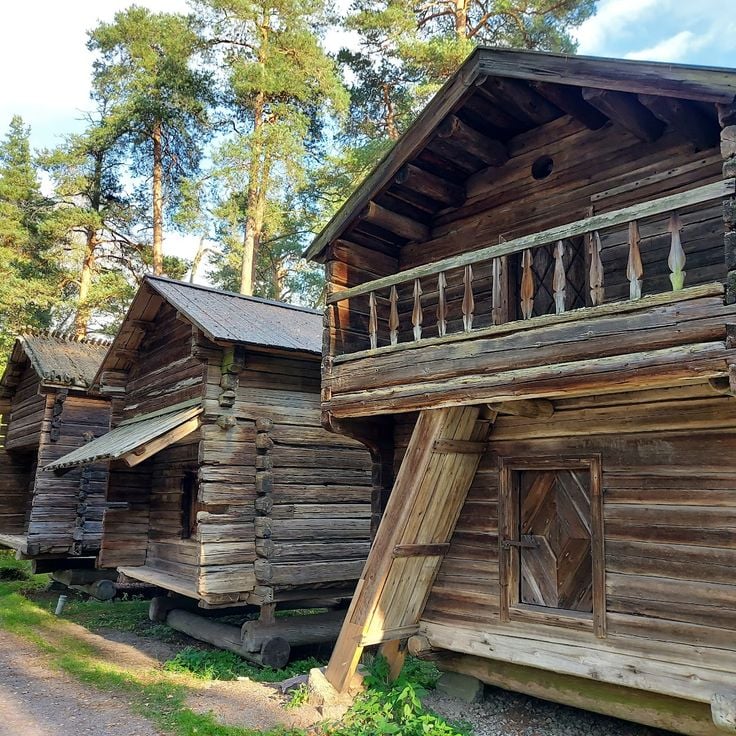
The Seurasaari Open-Air Museum displays historical wooden buildings from various Finnish regions dating from the 18th to 20th centuries on an island setting. Within Helsinki's offerings of Nordic traditions and modern urban spaces, this museum provides a window into the past. The structures come from different eras and regions of Finland, showing how people lived in earlier times. Visitors can walk through the island and observe traditional craftsmanship, period furnishings, and everyday objects from the past.
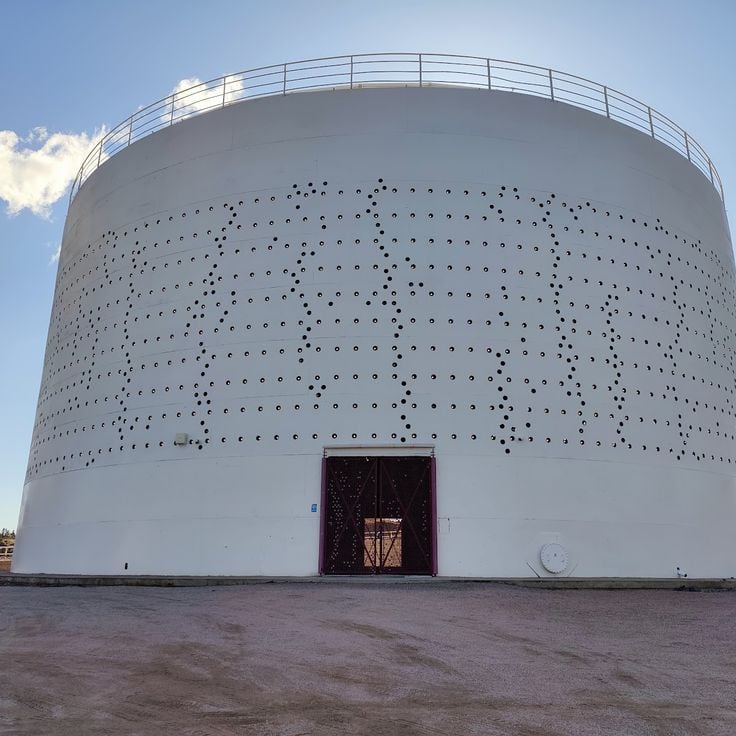
The Laajasalo Oil Tanks are former industrial facilities perched on rock cliffs that now function as a public viewpoint. These abandoned structures are covered with graffiti and street art, offering open views of the sea and surrounding islands. This location fits well into Helsinki's blend of industrial heritage and artistic expression, similar to the legal graffiti wall at Suvilahti.
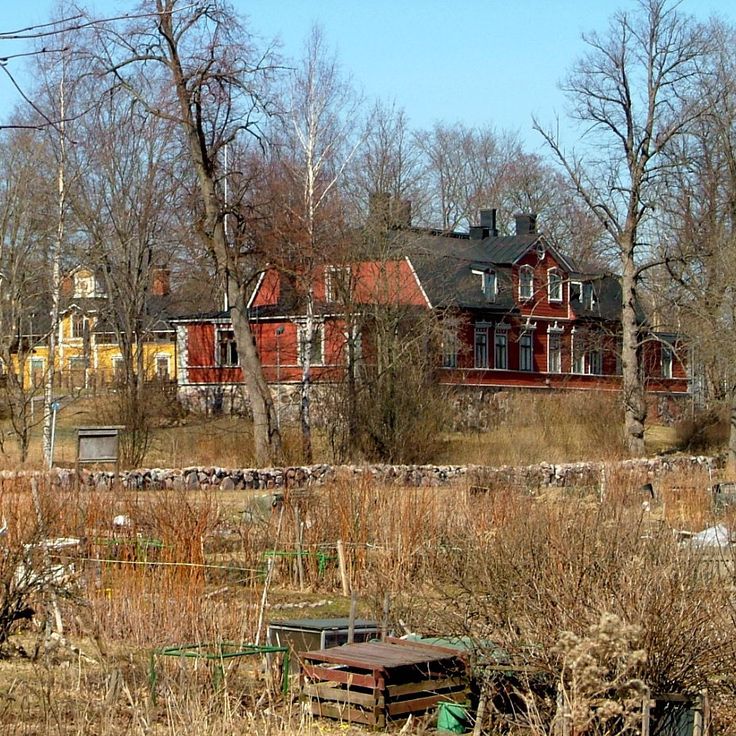
Puotila Manor is a building from the 18th century that shows how people used to live in this area. Today, the place works as a restaurant and event space where visitors can eat and gather while learning about the history of the site. This manor fits naturally into the mix of Nordic traditions and modern life that Helsinki offers, bringing together old skills and current use.
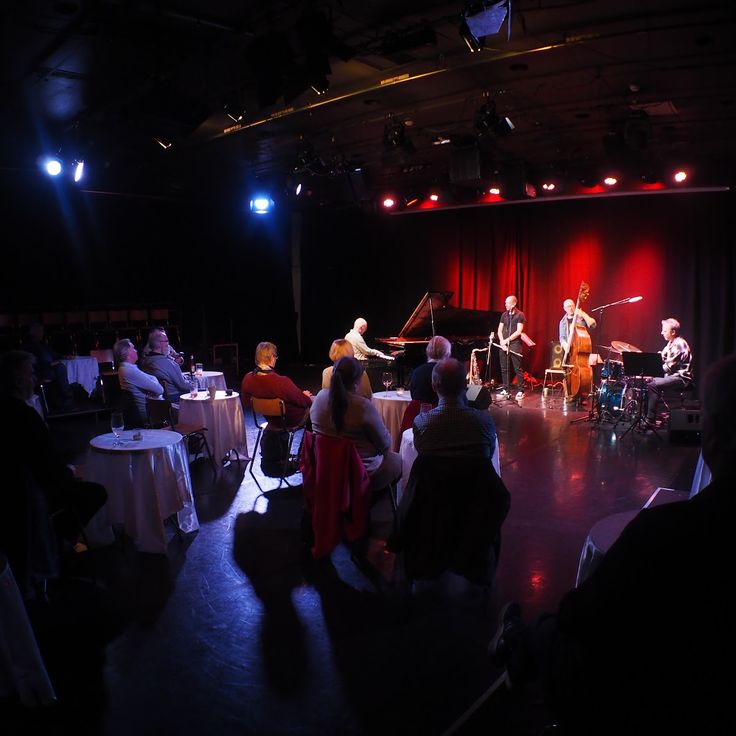
The Jazz Club Espa is a place in the capital of Finland where local and international jazz musicians regularly perform. The club can hold about 120 people and provides a space where music lovers can enjoy live concerts.
This bay is a nice natural space to visit when you are in Helsinki. Vartiokylänlahti has walking paths that wind through wooded areas along the shore. In winter, when the bay freezes over, it becomes a place for cross-country skiing, linking the northern traditions that shape the city.
This main street in Helsinki hosts several Finnish fashion houses and local clothing shops with contemporary collections. It fits well into the collection and shows how the city combines northern traditions with modern urban spaces.
Sompasauna is part of Helsinki's unique mix of Nordic traditions and modern city spaces. This public sauna runs thanks to volunteers from the local community. Entrance is free, and it stays open at all hours. Located by the sea, it offers an authentic place to learn about Finnish sauna culture.
The Sininen Huvila Café fits well into the mix of Nordic traditions and modern city spaces in Helsinki. This café is open from May to September and offers traditional Finnish pastries with a view of the city harbor. It is a quiet spot in the heart of the city, similar to other popular places in Helsinki where visitors can enjoy local culture and food.
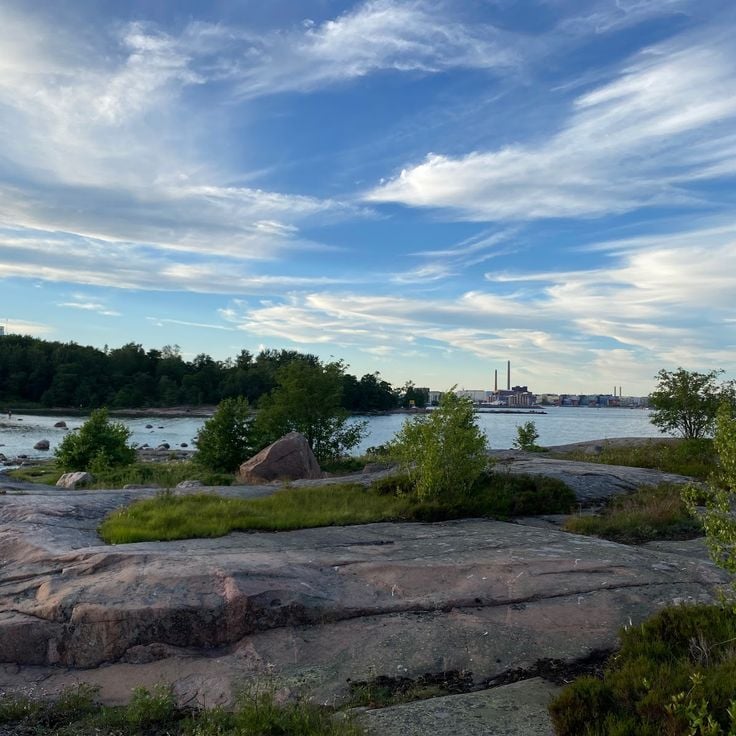
Kivinokka Beach is part of Helsinki's mix of nature and city access, providing direct contact with the sea from within a wooded area. The sandy beach sits surrounded by forest with pathways, and from here visitors can watch the sun descend into the water.
Le Trillby & Chadwick is a hidden bar behind a concealed door, decorated in the style of the 1920s. The cocktail menu is inspired by detective novels. This secret place is worth a visit for a taste of Helsinki's modern urban life, where you can discover creative spaces like this alongside public saunas and old market halls.
The graffiti wall at Suvilahti is a key part of Helsinki's urban art scene. This legal space allows artists to freely create and display their work for anyone to see. The wall constantly changes as new pieces appear, drawing art lovers who want to experience the city's modern creative side. Suvilahti itself functions as a cultural center that supports various forms of artistic expression beyond just this wall.
The Kamppi chapel is a wooden building in the center of Helsinki that provides a quiet space for prayer and reflection without religious symbols. This structure shows how the city combines northern traditions with modern design. Visitors can find silence amid the busy city life, and the building reflects the style seen throughout the city, from stone churches to modern wooden structures.
The Hakaniemi market hall combines Northern traditions with the modern parts of Helsinki. This market hall from 1914 offers Finnish specialties, fresh products, handmade items, and traditional goods on two floors. You can meet local sellers and discover Finnish foods that show how people live day by day in the city.
The island of Sisä-Hattu in Helsinki offers a quiet place to explore old stone carvings in a natural setting. This uninhabited island lets visitors walk through a preserved landscape and see the marks of the past carved in the stone, alongside daily visits from birds and small animals.
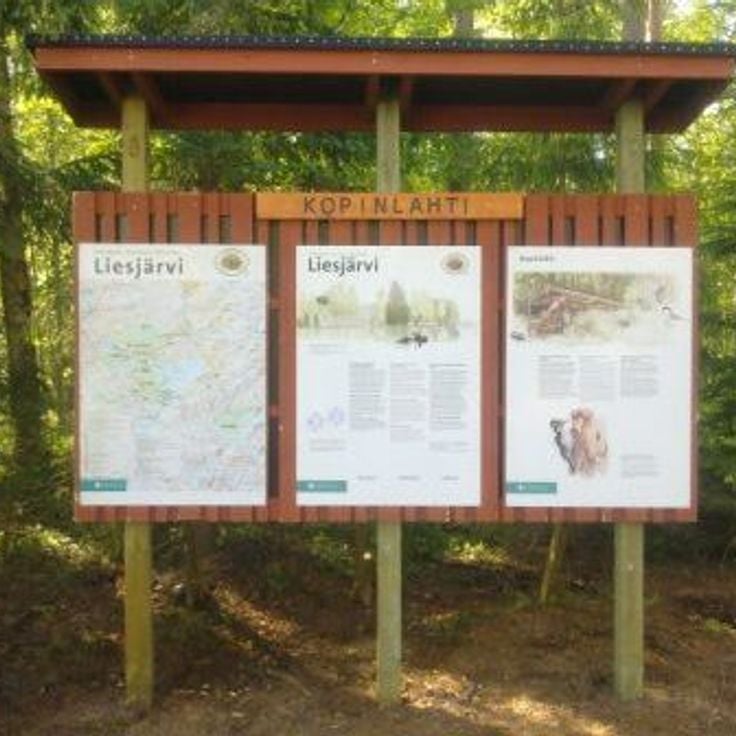
Liesjärvi National Park features marked trails through forests with blueberry fields and various mushroom species for foraging. This park complements Helsinki's mix of Nordic traditions and modern urban spaces, offering visitors a chance to experience the natural landscapes that define the region.
The ghost town of Kruunuvuori is a collection of wooden villas from the 1920s that stand in the forest. They are abandoned and show signs of many years of neglect. These forgotten buildings reveal what the city once was and give a look into a past era. This place shows the history behind the current city structures.
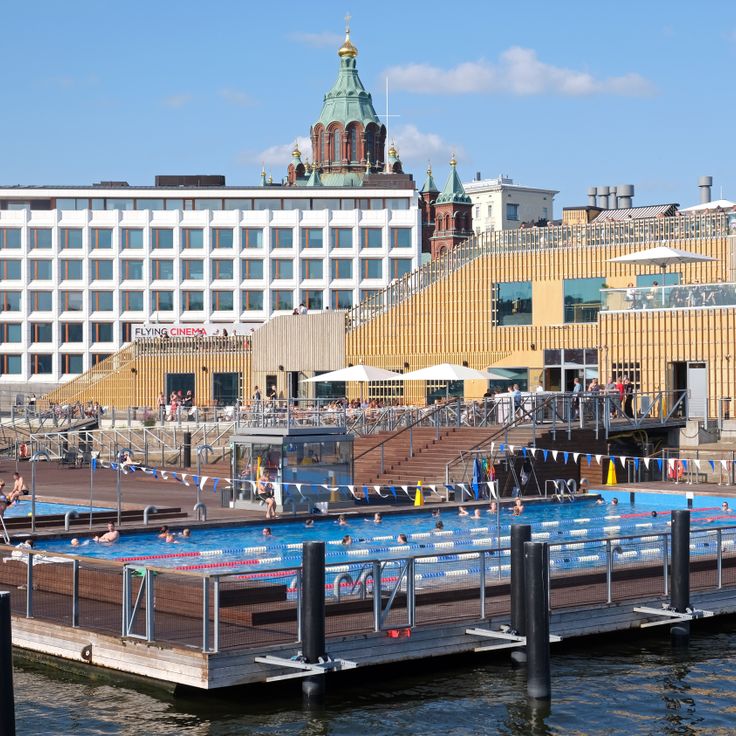
Allas Sea Pool is a swimming complex at the Helsinki harbor with three pools, including a seawater pool and a heated freshwater pool all year round. In this collection, it shows how the city maintains its connection with water, like the free sea-side saunas. The place gives direct access to the sea, like other popular spots in Helsinki.
Löyly is a modern sauna with wooden walls located right on the Helsinki beach. It fits well with the northern traditions of the city, where public saunas like this are part of everyday life. The building has two saunas, a terrace, and a restaurant serving Finnish cuisine. From here, you can jump into the sea or just enjoy the view.
Pihlajasaari Island offers sand beaches, hiking trails, and swimming areas that connect visitors to nature just outside the city. As part of Helsinki's mix of Nordic traditions and modern urban spaces, this nature reserve provides an escape to the sea and forests that surround the city. Regular ferry service operates from the mainland during summer months.
The Ateljee Bar on the 14th floor of the Torni hotel is a central part of Helsinki's city life. This rooftop bar offers 360-degree views of the whole city and serves drinks inspired by many styles for a fun time with friends!
The church in Kallio was built in 1912 from granite and has a tower that is 65 meters tall. Its interior shows features typical of Nordic religious architecture from the early 20th century. The church stands alongside other notable buildings in the city, such as historic markets and wooden structures, providing a quiet space amid the busy city center.
Within Helsinki's mix of Nordic traditions and modern urban spaces, Teurastamo exemplifies the city's creative reuse of historic buildings. This former slaughterhouse complex now functions as a vibrant hub with restaurants, cafes, and event spaces. Regular markets and festivals here showcase the dynamic character of the city's contemporary culture.
Jädelino is an ice cream shop in the Teurastamo area in Helsinki. It makes Italian-style ice cream with fresh ingredients and seasonal flavors. The shop shows that everyone here enjoys international influences.
Naughty BRGR is part of the modern food scene in Helsinki. This restaurant serves burgers made from local meat and homemade sauces, with sweet potato fries. The very welcoming place allows you to enjoy a good meal with friends or family.
Tempere Hall is a cultural center in Helsinki where music, art, and community come together. The concert hall can hold about 500 people for shows throughout the year. On the ground floor, exhibition spaces display works by local and guest artists, while a café provides a place to meet and relax. This center shows Helsinki's effort to combine traditions with a lively, creative, and artistic city life.
The Seurasaari Open-Air Museum displays historical wooden buildings from various Finnish regions dating from the 18th to 20th centuries on an island setting. Within Helsinki's offerings of Nordic traditions and modern urban spaces, this museum provides a window into the past. The structures come from different eras and regions of Finland, showing how people lived in earlier times. Visitors can walk through the island and observe traditional craftsmanship, period furnishings, and everyday objects from the past.
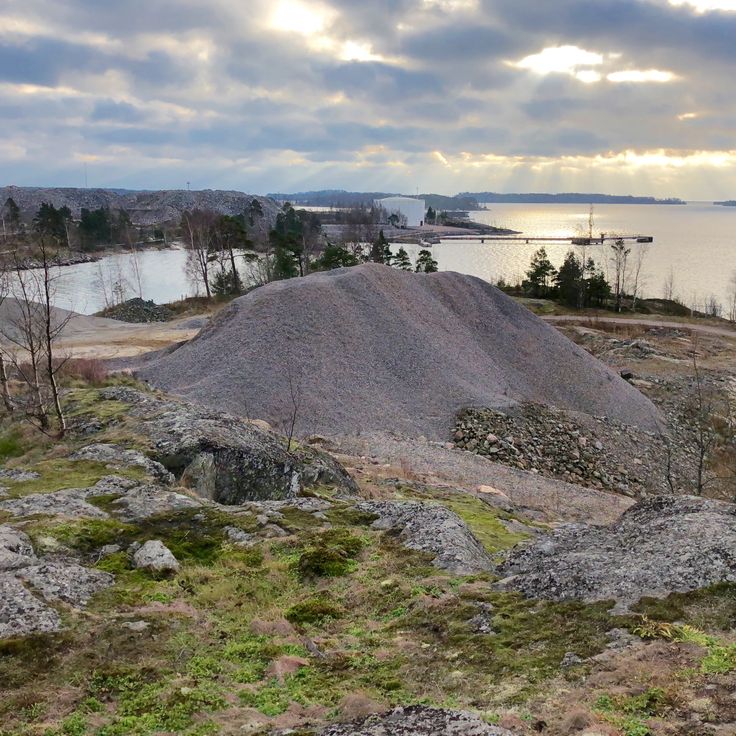
The Laajasalo Oil Tanks are former industrial facilities perched on rock cliffs that now function as a public viewpoint. These abandoned structures are covered with graffiti and street art, offering open views of the sea and surrounding islands. This location fits well into Helsinki's blend of industrial heritage and artistic expression, similar to the legal graffiti wall at Suvilahti.
Puotila Manor is a building from the 18th century that shows how people used to live in this area. Today, the place works as a restaurant and event space where visitors can eat and gather while learning about the history of the site. This manor fits naturally into the mix of Nordic traditions and modern life that Helsinki offers, bringing together old skills and current use.
The Jazz Club Espa is a place in the capital of Finland where local and international jazz musicians regularly perform. The club can hold about 120 people and provides a space where music lovers can enjoy live concerts.
This bay is a nice natural space to visit when you are in Helsinki. Vartiokylänlahti has walking paths that wind through wooded areas along the shore. In winter, when the bay freezes over, it becomes a place for cross-country skiing, linking the northern traditions that shape the city.
This main street in Helsinki hosts several Finnish fashion houses and local clothing shops with contemporary collections. It fits well into the collection and shows how the city combines northern traditions with modern urban spaces.
Sompasauna is part of Helsinki's unique mix of Nordic traditions and modern city spaces. This public sauna runs thanks to volunteers from the local community. Entrance is free, and it stays open at all hours. Located by the sea, it offers an authentic place to learn about Finnish sauna culture.
The Sininen Huvila Café fits well into the mix of Nordic traditions and modern city spaces in Helsinki. This café is open from May to September and offers traditional Finnish pastries with a view of the city harbor. It is a quiet spot in the heart of the city, similar to other popular places in Helsinki where visitors can enjoy local culture and food.
Kivinokka Beach is part of Helsinki's mix of nature and city access, providing direct contact with the sea from within a wooded area. The sandy beach sits surrounded by forest with pathways, and from here visitors can watch the sun descend into the water.
Le Trillby & Chadwick is a hidden bar behind a concealed door, decorated in the style of the 1920s. The cocktail menu is inspired by detective novels. This secret place is worth a visit for a taste of Helsinki's modern urban life, where you can discover creative spaces like this alongside public saunas and old market halls.
The graffiti wall at Suvilahti is a key part of Helsinki's urban art scene. This legal space allows artists to freely create and display their work for anyone to see. The wall constantly changes as new pieces appear, drawing art lovers who want to experience the city's modern creative side. Suvilahti itself functions as a cultural center that supports various forms of artistic expression beyond just this wall.
The Kamppi chapel is a wooden building in the center of Helsinki that provides a quiet space for prayer and reflection without religious symbols. This structure shows how the city combines northern traditions with modern design. Visitors can find silence amid the busy city life, and the building reflects the style seen throughout the city, from stone churches to modern wooden structures.
The Hakaniemi market hall combines Northern traditions with the modern parts of Helsinki. This market hall from 1914 offers Finnish specialties, fresh products, handmade items, and traditional goods on two floors. You can meet local sellers and discover Finnish foods that show how people live day by day in the city.
The island of Sisä-Hattu in Helsinki offers a quiet place to explore old stone carvings in a natural setting. This uninhabited island lets visitors walk through a preserved landscape and see the marks of the past carved in the stone, alongside daily visits from birds and small animals.
Liesjärvi National Park features marked trails through forests with blueberry fields and various mushroom species for foraging. This park complements Helsinki's mix of Nordic traditions and modern urban spaces, offering visitors a chance to experience the natural landscapes that define the region.
The ghost town of Kruunuvuori is a collection of wooden villas from the 1920s that stand in the forest. They are abandoned and show signs of many years of neglect. These forgotten buildings reveal what the city once was and give a look into a past era. This place shows the history behind the current city structures.
Allas Sea Pool is a swimming complex at the Helsinki harbor with three pools, including a seawater pool and a heated freshwater pool all year round. In this collection, it shows how the city maintains its connection with water, like the free sea-side saunas. The place gives direct access to the sea, like other popular spots in Helsinki.
Löyly is a modern sauna with wooden walls located right on the Helsinki beach. It fits well with the northern traditions of the city, where public saunas like this are part of everyday life. The building has two saunas, a terrace, and a restaurant serving Finnish cuisine. From here, you can jump into the sea or just enjoy the view.
Pihlajasaari Island offers sand beaches, hiking trails, and swimming areas that connect visitors to nature just outside the city. As part of Helsinki's mix of Nordic traditions and modern urban spaces, this nature reserve provides an escape to the sea and forests that surround the city. Regular ferry service operates from the mainland during summer months.
The Ateljee Bar on the 14th floor of the Torni hotel is a central part of Helsinki's city life. This rooftop bar offers 360-degree views of the whole city and serves drinks inspired by many styles for a fun time with friends!
The church in Kallio was built in 1912 from granite and has a tower that is 65 meters tall. Its interior shows features typical of Nordic religious architecture from the early 20th century. The church stands alongside other notable buildings in the city, such as historic markets and wooden structures, providing a quiet space amid the busy city center.
Within Helsinki's mix of Nordic traditions and modern urban spaces, Teurastamo exemplifies the city's creative reuse of historic buildings. This former slaughterhouse complex now functions as a vibrant hub with restaurants, cafes, and event spaces. Regular markets and festivals here showcase the dynamic character of the city's contemporary culture.
Jädelino is an ice cream shop in the Teurastamo area in Helsinki. It makes Italian-style ice cream with fresh ingredients and seasonal flavors. The shop shows that everyone here enjoys international influences.
Naughty BRGR is part of the modern food scene in Helsinki. This restaurant serves burgers made from local meat and homemade sauces, with sweet potato fries. The very welcoming place allows you to enjoy a good meal with friends or family.
Tempere Hall is a cultural center in Helsinki where music, art, and community come together. The concert hall can hold about 500 people for shows throughout the year. On the ground floor, exhibition spaces display works by local and guest artists, while a café provides a place to meet and relax. This center shows Helsinki's effort to combine traditions with a lively, creative, and artistic city life.
The Seurasaari Open-Air Museum displays historical wooden buildings from various Finnish regions dating from the 18th to 20th centuries on an island setting. Within Helsinki's offerings of Nordic traditions and modern urban spaces, this museum provides a window into the past. The structures come from different eras and regions of Finland, showing how people lived in earlier times. Visitors can walk through the island and observe traditional craftsmanship, period furnishings, and everyday objects from the past.
The Laajasalo Oil Tanks are former industrial facilities perched on rock cliffs that now function as a public viewpoint. These abandoned structures are covered with graffiti and street art, offering open views of the sea and surrounding islands. This location fits well into Helsinki's blend of industrial heritage and artistic expression, similar to the legal graffiti wall at Suvilahti.
Puotila Manor is a building from the 18th century that shows how people used to live in this area. Today, the place works as a restaurant and event space where visitors can eat and gather while learning about the history of the site. This manor fits naturally into the mix of Nordic traditions and modern life that Helsinki offers, bringing together old skills and current use.
The Jazz Club Espa is a place in the capital of Finland where local and international jazz musicians regularly perform. The club can hold about 120 people and provides a space where music lovers can enjoy live concerts.
This bay is a nice natural space to visit when you are in Helsinki. Vartiokylänlahti has walking paths that wind through wooded areas along the shore. In winter, when the bay freezes over, it becomes a place for cross-country skiing, linking the northern traditions that shape the city.
This main street in Helsinki hosts several Finnish fashion houses and local clothing shops with contemporary collections. It fits well into the collection and shows how the city combines northern traditions with modern urban spaces.
Visit Helsinki in summer to enjoy seaside saunas and islands without fearing the cold. Public saunas operate all year, but swimming in the sea after a session is something few forget when the weather is right.