Edinburgh sits on volcanic rock, with its castle overlooking a medieval street that runs down to a royal palace. The Old Town preserves buildings from centuries past, while the New Town displays Georgian architecture in wide streets and elegant squares. Museums hold collections from Scottish history, art galleries show works by local and international painters, and parks offer views across the city and the Firth of Forth.
Visitors can climb an extinct volcano, walk through botanical gardens, or explore underground passages where people once lived. Historic churches stand near modern government buildings, and converted warehouses along the waterfront now host markets and restaurants. From distilleries to science centers, the city presents both its heritage and its present day without pushing either aside. You can spend mornings in galleries and afternoons in parks, or reverse the order depending on the weather.
Edinburgh sits on volcanic rock, with its castle overlooking a medieval street that runs down to a royal palace. The Old Town preserves buildings from centuries past, while the New Town displays Georgian architecture in wide streets and elegant squares. Museums hold collections from Scottish history, art galleries show works by local and international painters, and parks offer views across the city and the Firth of Forth.
Visitors can climb an extinct volcano, walk through botanical gardens, or explore underground passages where people once lived. Historic churches stand near modern government buildings, and converted warehouses along the waterfront now host markets and restaurants. From distilleries to science centers, the city presents both its heritage and its present day without pushing either aside. You can spend mornings in galleries and afternoons in parks, or reverse the order depending on the weather.
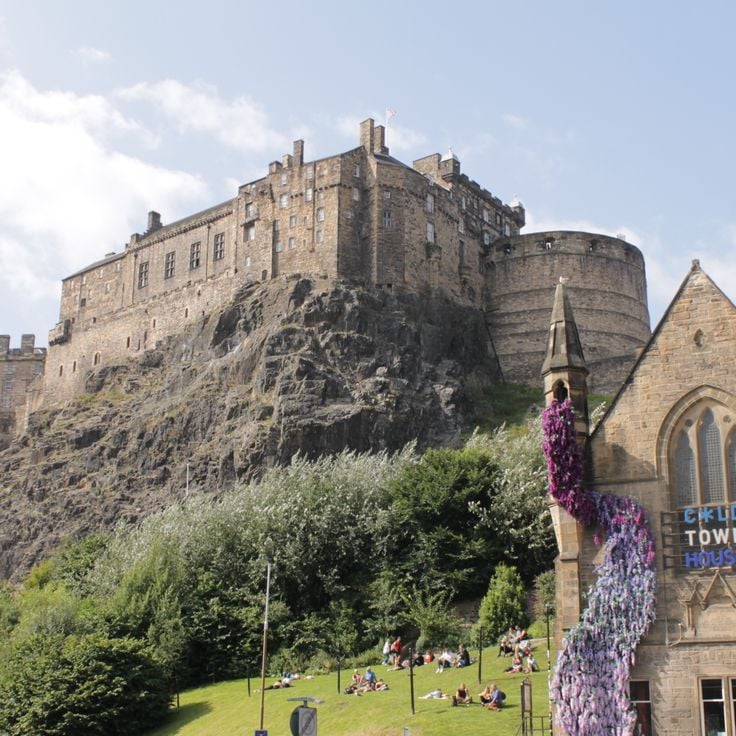
This fortress sits on an extinct volcano above Edinburgh and has shaped the city skyline for centuries. Walking through the gates, you see courtyards with old buildings, defensive towers, and narrow passageways. The view stretches across rooftops and parks toward the sea. The Scottish Crown Jewels and a medieval chapel are part of the tour. At one o'clock each afternoon, a cannon fires, a tradition since the 19th century. Footsteps echo in the corridors, and wind moves through stone archways.
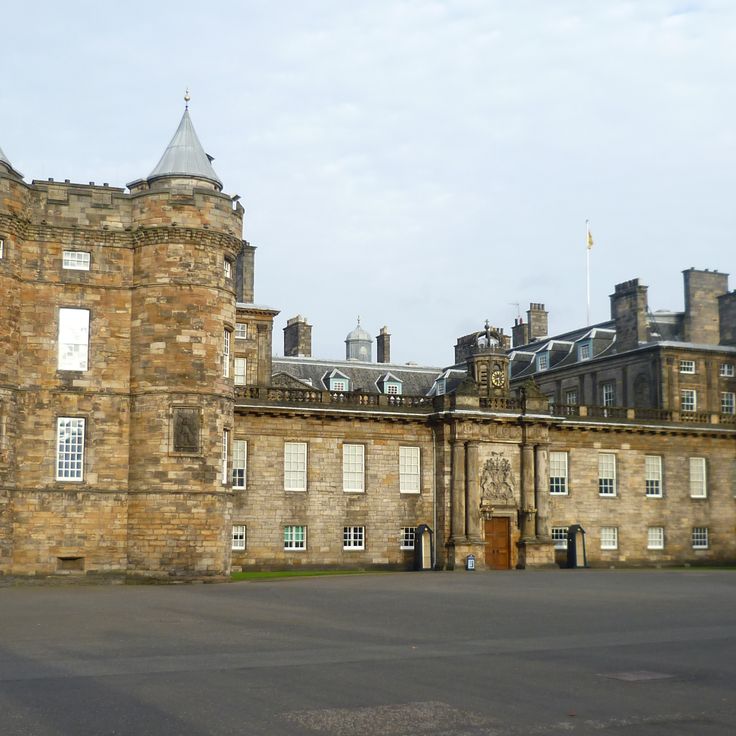
This palace is the official residence of the British monarch in Scotland and stands at the eastern end of the Royal Mile. The building connects royal history with daily life, as it still hosts state ceremonies today. In the 16th century, it was home to Mary, Queen of Scots, and her former chambers can be visited. The architecture shows different periods, from medieval abbey ruins to baroque halls. Inside, portraits and tapestries line the walls, while the state apartments feature gilded furniture and decorated ceilings. The adjoining garden extends below Arthur's Seat and offers space for walking. Visitors experience how royal tradition unfolds in a working palace.
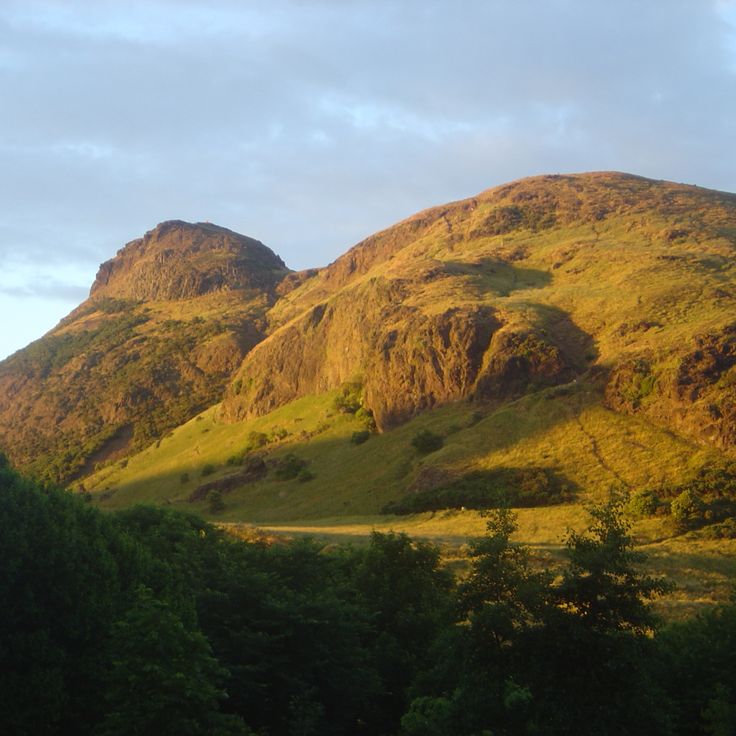
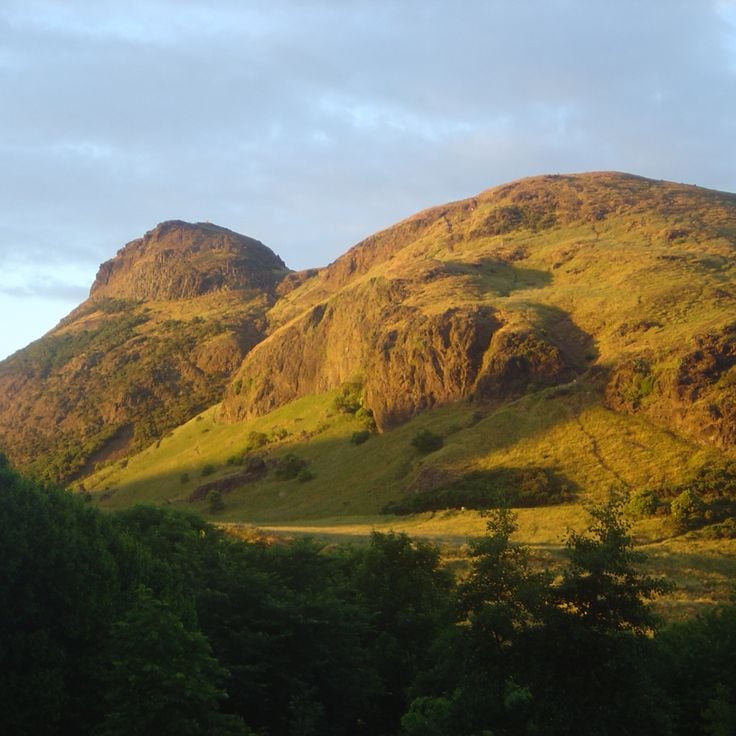
This extinct volcano rises in the middle of the city and offers a full view of Edinburgh and the surrounding area. Arthur's Seat is the highest point in Holyrood Park and locals often walk here. Paths lead through open grassland and rocky terrain up to the summit. From the top you see the Old Town, the castle, the Firth of Forth, and the coastline. On clear days the view reaches the hills to the north and south. The climb takes about half an hour and can become slippery in wind or rain. In the mornings and evenings many joggers and walkers come here. The volcano has been inactive for about 350 million years and its shape defines the city skyline.
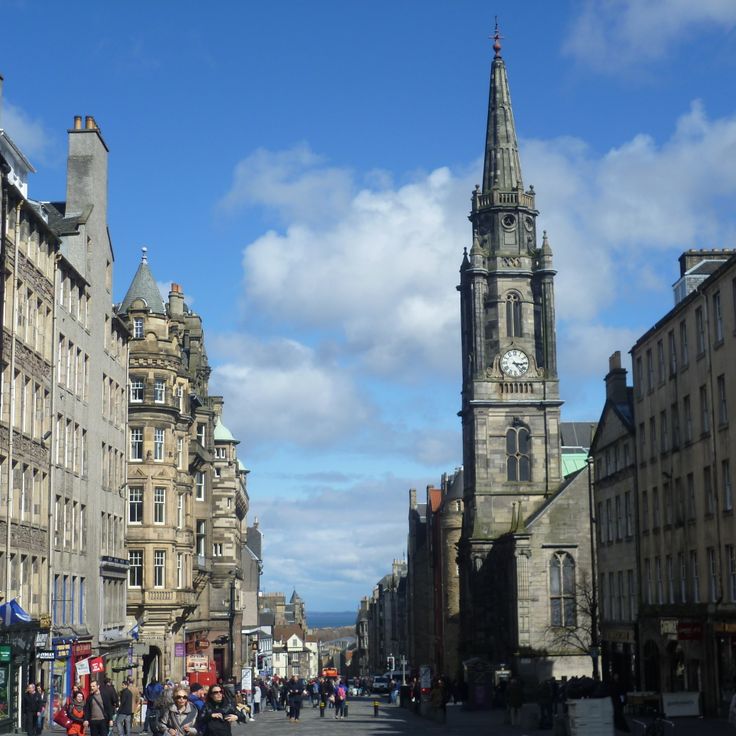
The Royal Mile connects Edinburgh Castle with Holyrood Palace and runs along the ridge of an extinct volcano through the heart of the Old Town. This main route actually consists of several consecutive streets forming a single thoroughfare. Stone buildings from different centuries line both sides, housing shops, cafes, and small museums. Narrow alleyways called closes branch off at intervals, leading down the steep slopes. Street performers often appear here, and the road itself slopes gradually downhill from the castle to the palace, making the walk feel like a journey through Scottish history.
This park surrounds Arthur's Seat and offers open meadows, hills, and small lochs within the city. Walkers follow paths through grassy expanses, past rocks and cliffs that rise from the landscape. The park preserves a wild character with rough contours and windswept slopes. Families picnic on the lawns while hikers explore trails leading to viewpoints. Vegetation shifts between short grasses and scattered shrubs. From higher ground, you can see the city and the sea in the distance. The park connects natural forms with urban proximity, creating a space where people escape the rush of daily life.
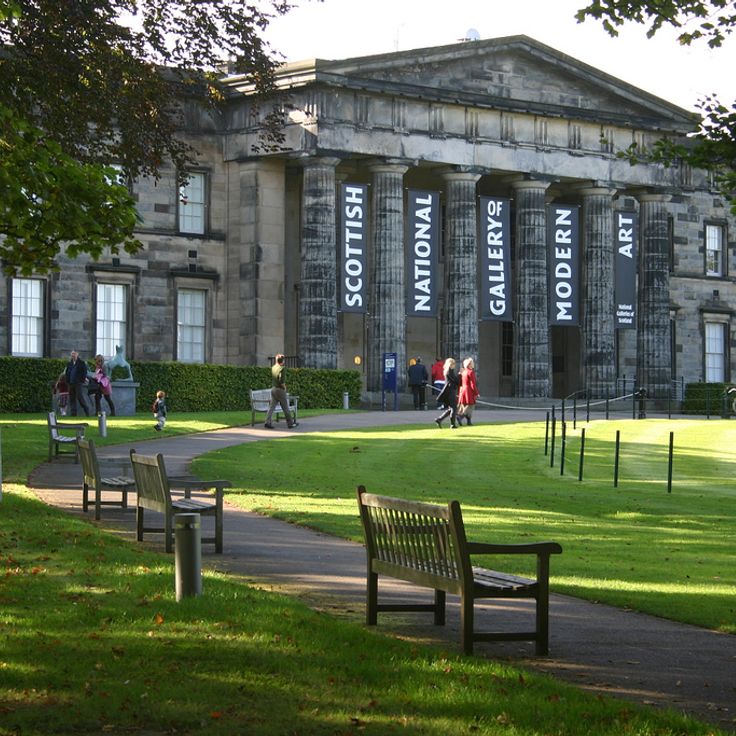
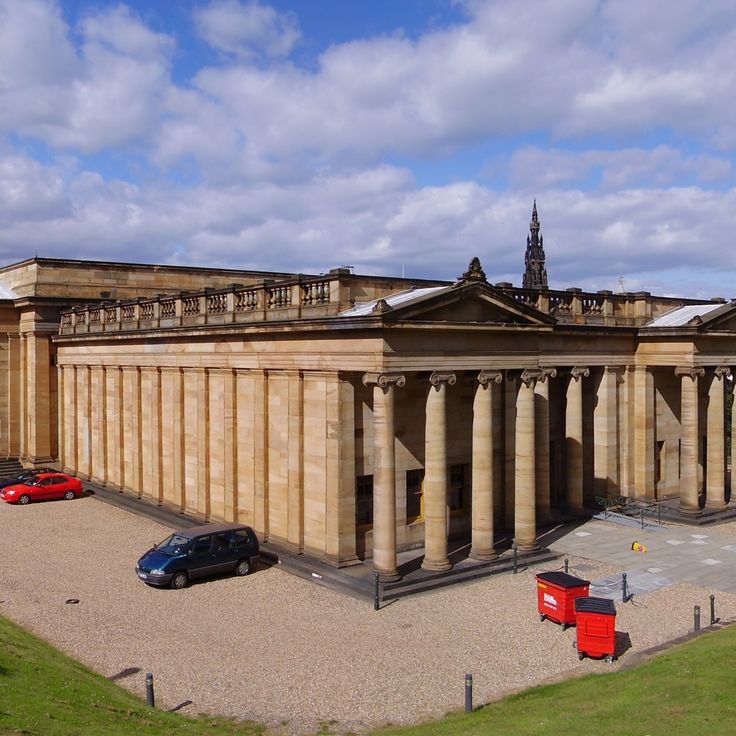
The Scottish National Gallery holds the country's national collection of fine art. In this neoclassical building you see paintings, drawings and sculptures by European masters from the Middle Ages to the early 20th century. The rooms display works by Scottish painters alongside pieces from France, Italy, the Netherlands and Spain. You can look at paintings by Titian, Rembrandt, Vermeer, Velázquez, Monet and Cézanne. The museum sits at the foot of the Mound, between the Old Town and Princes Street. Entry to the permanent collection is free. The rooms are manageable and bright. Many visitors come for an hour or two.
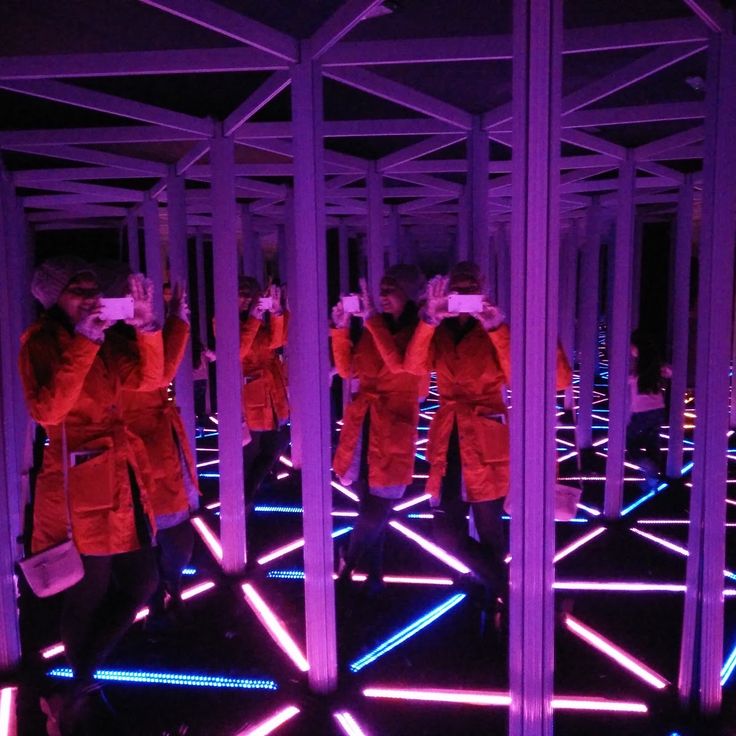
This collection of interactive exhibits stands in the Old Town, near Edinburgh Castle. The building dates from the 19th century and houses the rooftop Camera Obscura, a historic projection device that casts images of the city into a darkened room. On the floors below, optical illusions, mirror mazes, light sculptures, and holograms wait. Visitors experience perceptual effects, photograph themselves in warped mirrors, or explore rooms with altered perspectives. From the rooftop terrace, you overlook the Old Town, the castle, and the surrounding hills.
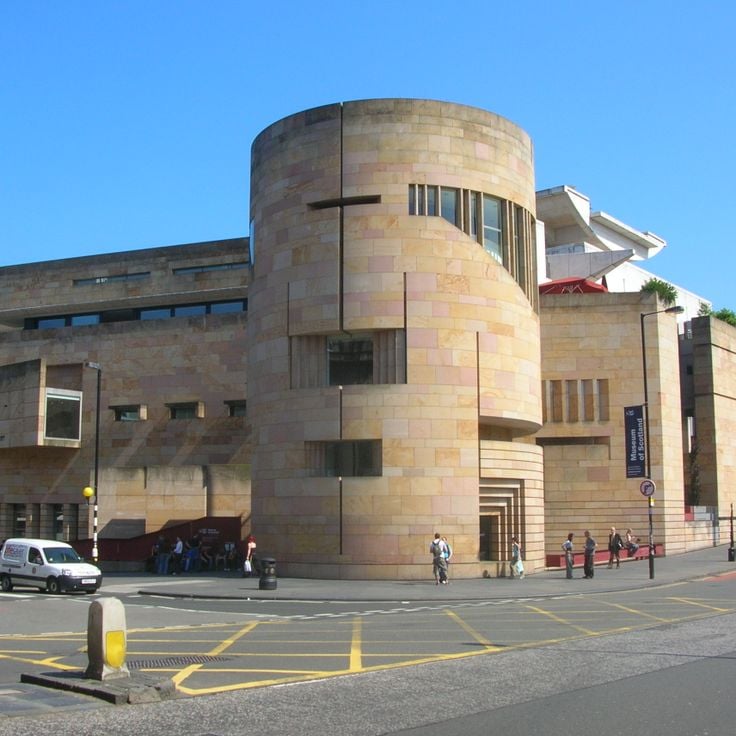
This museum tells the story of Scotland through several floors, covering natural history, cultures from around the world, and the development of the country over centuries. Collections range from fossils and geological finds to tools, clothing from distant regions, and objects from Scottish daily life across different periods. The architecture connects older halls with modern spaces, where visitors stroll through galleries, examine display cases, and discover new themes on different levels.
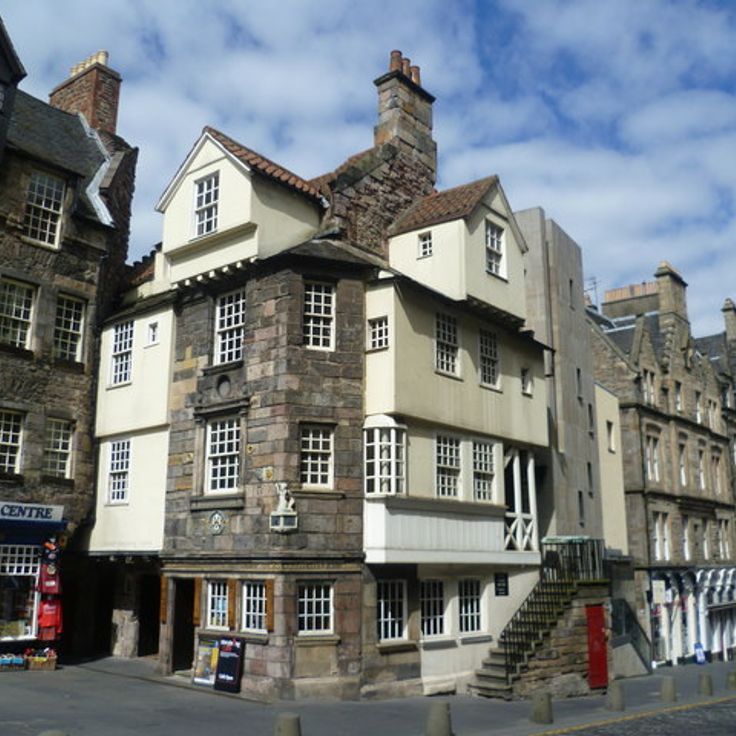
This timber-framed building from the late 15th century stands on the Royal Mile and is among the few houses from that period still standing. The façade shows hand-painted wooden paneling and projecting upper floors, typical of medieval Edinburgh. The house carries the name of the Scottish reformer who may have spent his final years here. Inside, a spiral staircase leads through several levels with low ceilings and small rooms. The exhibition tells about religious change in the 16th century and the daily life of residents. From the upper floor you look directly onto the Royal Mile. The building stands between newer façades and shows how the city once looked.
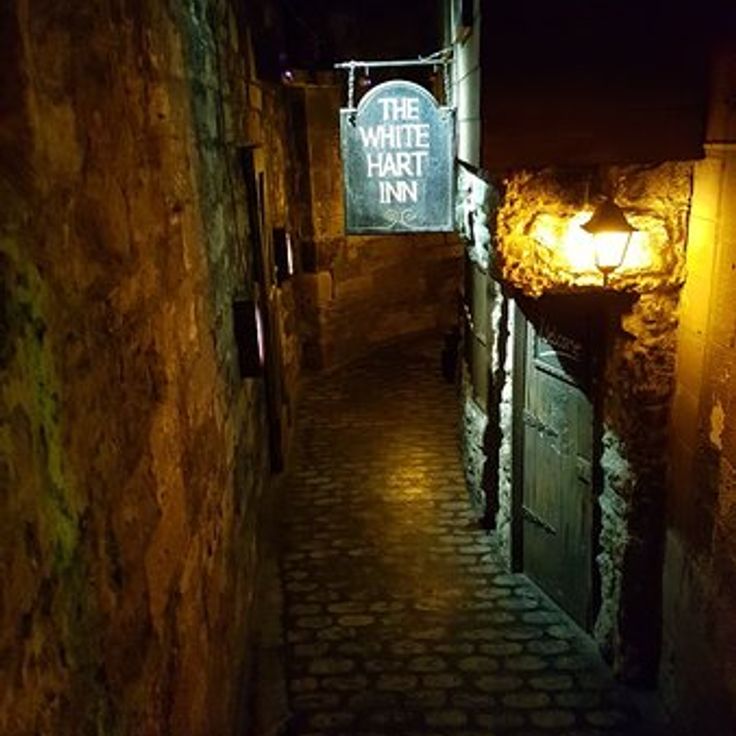
This underground lane lies hidden beneath the Old Town streets. It leads through preserved rooms and apartments from the 17th century, where merchants, craftspeople, and families once lived. The narrow passages and low ceilings give a sense of daily life during a time when the city grew in layers. Guided tours reveal original stone walls, small chambers, and stories about life in this underground settlement, later covered by newer buildings above.
This public park sits at the foot of the castle and divides into an eastern and western section. In spring and summer, thousands of plants bloom in shaped beds, while lawns invite people to rest. The gardens follow a former hollow that once held water and was drained in the 18th century. From the paths, the castle on its rock stands clear above. The green space links the old town with newer districts and serves locals as a meeting point and quiet zone. In summer, concerts and events take place here.
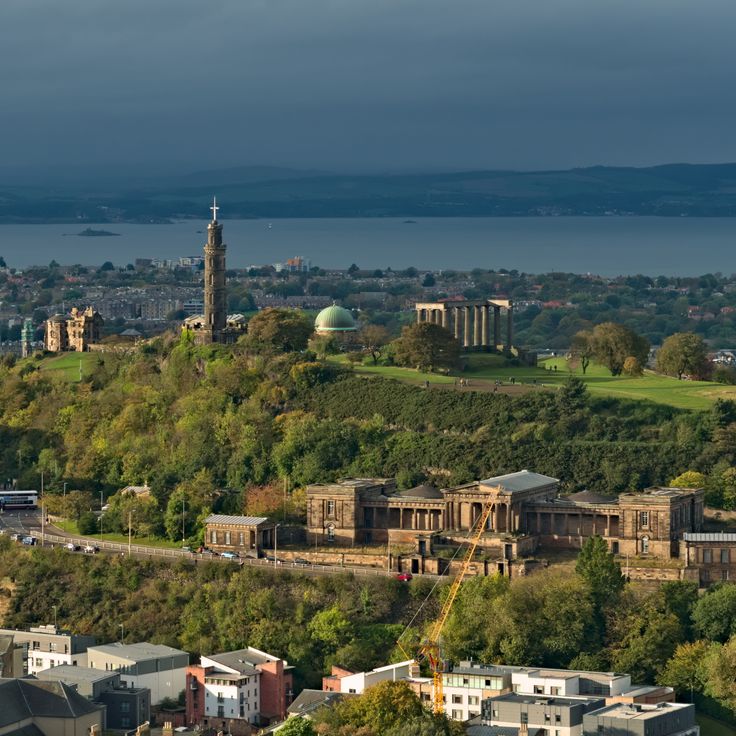
Calton Hill rises east of the city center and provides several viewpoints over the Old Town, the Firth of Forth, and the surrounding hills. The plateau holds 19th-century monuments including the Greek-style National Monument, the tower-shaped Nelson Monument, and the circular Dugald Stewart Monument. Pathways cross open grassland between the structures, while visitors gain different perspectives on Edinburgh Castle, Arthur's Seat, and the Georgian buildings of the New Town from various levels. This hill serves as a quiet place for walking with direct views across the urban landscape.
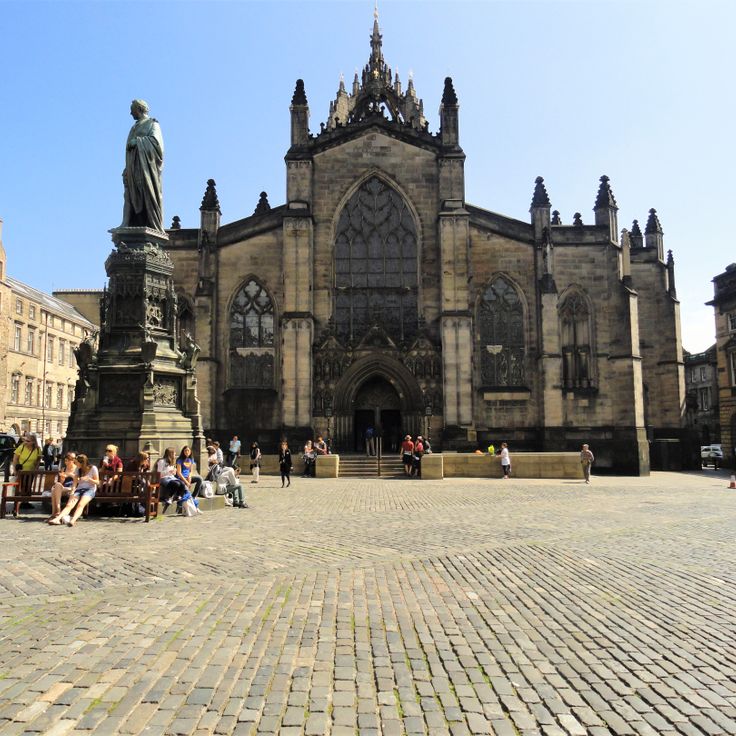
This cathedral stands in the heart of the Old Town and has shaped the city's profile since medieval times. Construction began in the 14th century, and the church served for hundreds of years as a center of the Reformation in Scotland. The interior shows stained glass windows, stonework, and the Thistle Chapel from the early 20th century. The towers rise above the surrounding lanes, and visitors find memorials to historical figures. This church connects religious heritage with Edinburgh's history and sits directly on the Royal Mile.
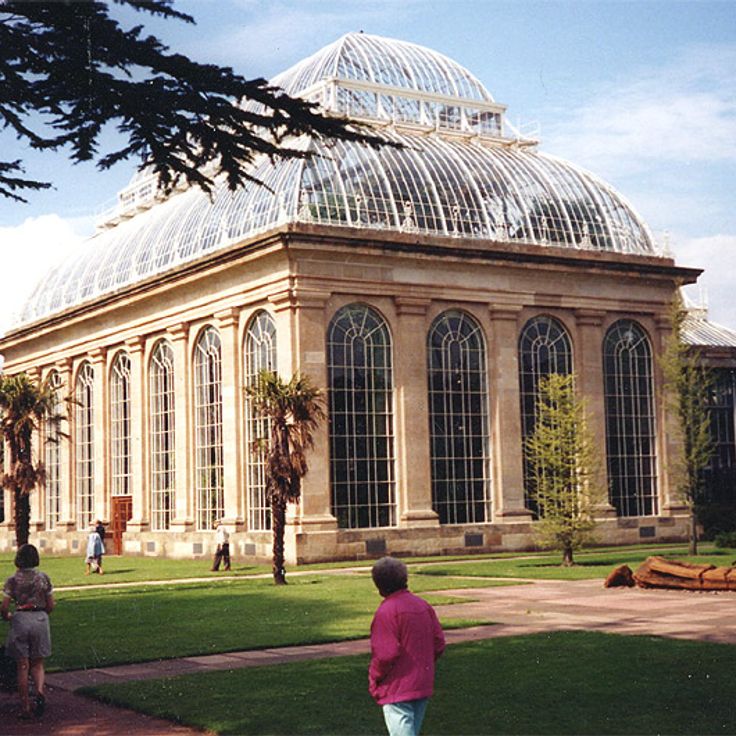
This botanic garden covers 70 acres (28 hectares) and shows plant collections from different climate zones, including tropical glasshouses with palms and ferns, rock gardens with alpine species, and a Chinese hillside with rhododendrons. Visitors can walk through the Victorian palm house, look at tree canopies from the 1700s, or follow paths that pass ponds and lawns. The garden sits north of the city center and offers views across Edinburgh's skyline and the Firth of Forth. Glasshouses keep plants from tropical rainforests, while outdoor beds display Scottish wildflowers and species from the Himalayas.
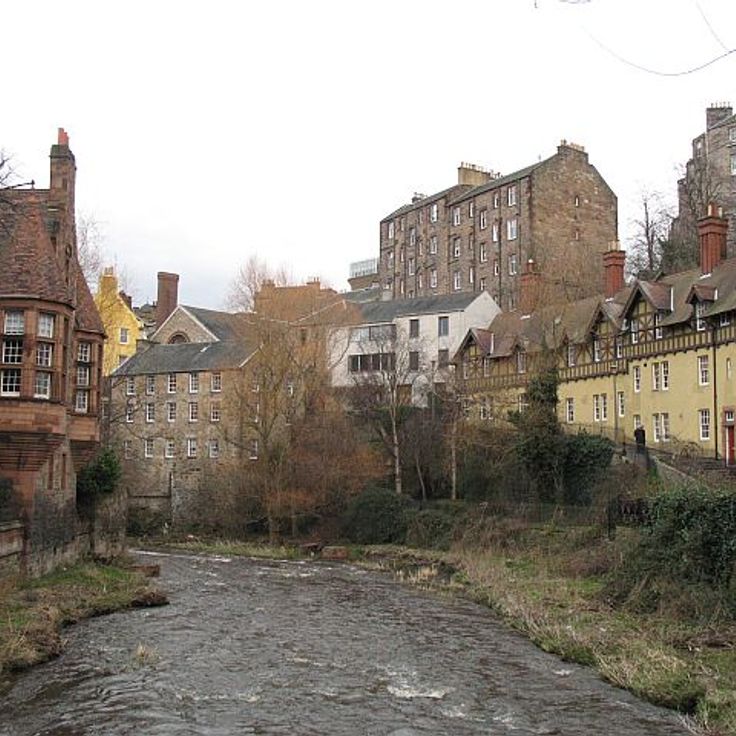
This village sits in the valley of the Water of Leith, just a few minutes' walk from the city center. Old stone mill houses line the river that once powered twelve mills. Today the buildings look quiet among trees and old bridges. Dean Village shows how Edinburgh used to work when grinding grain here shaped daily life for centuries. Stairs lead down to the water where you can walk along the river.
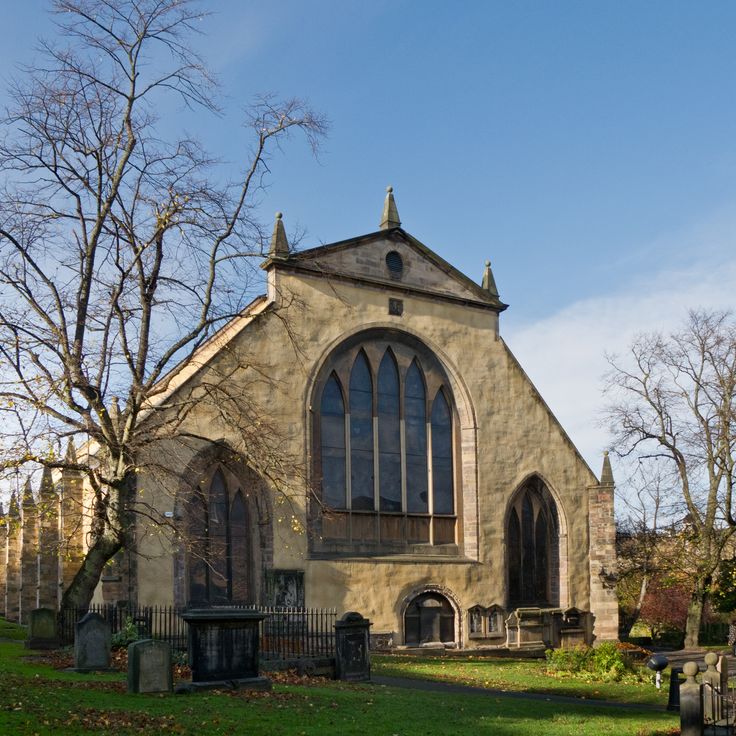
This church was built in the early 1600s on the site of a former Franciscan monastery. The surrounding graveyard holds the tombs of Scottish figures from several centuries, including philosophers, poets, and signatories of the National Covenant. Inside, visitors find simple Protestant furnishings, stone memorials, and plaques along the walls. Greyfriars Kirk is known for the story of a Skye Terrier who guarded his owner's grave for fourteen years and was later buried near the church entrance himself. The church sits just off the Royal Mile, tucked among the narrow lanes of the Old Town, and offers a quiet retreat away from the crowds.
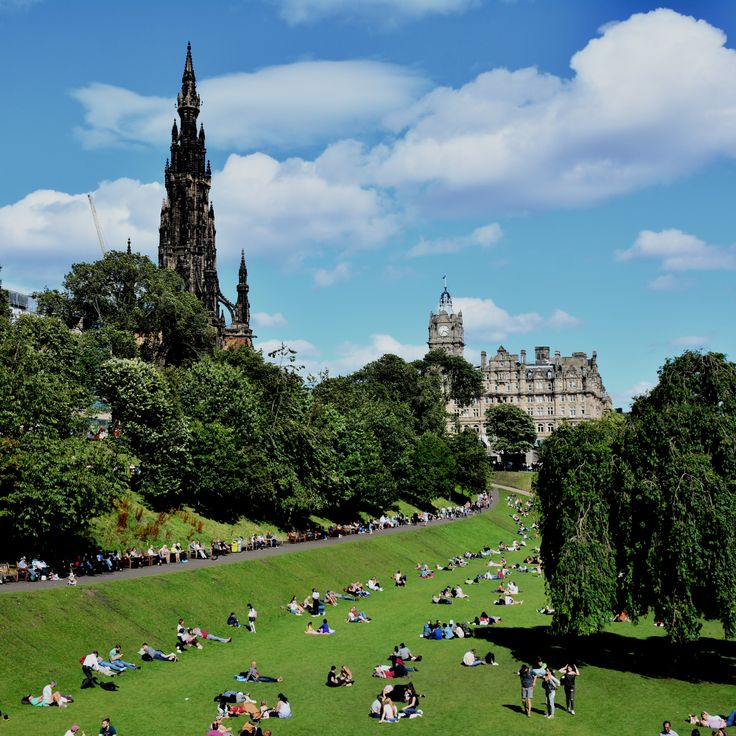
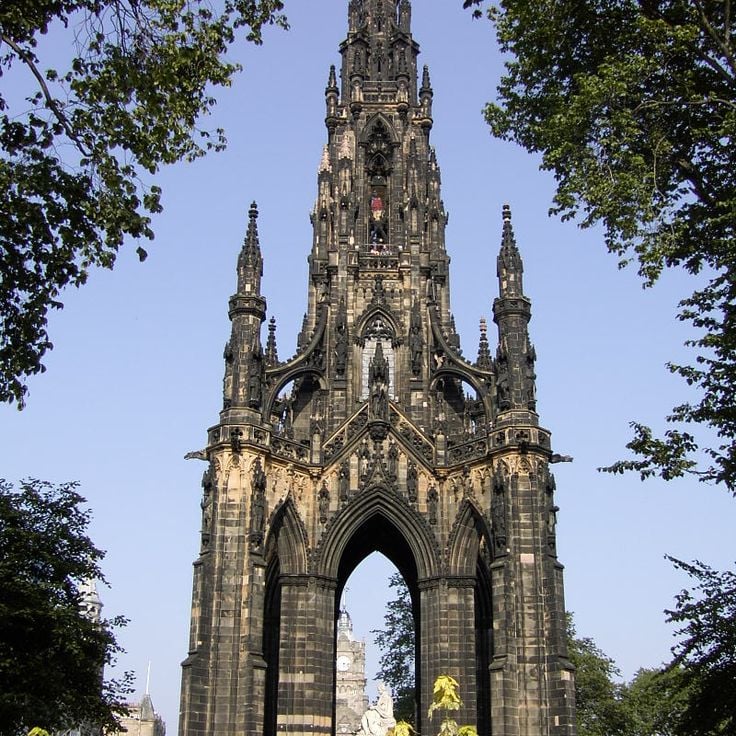
This Gothic monument rises in honor of the writer Sir Walter Scott, whose novels and poems brought Scotland to international attention in the 19th century. The structure stands in Princes Street Gardens and reaches a height of around 200 feet (61 meters), allowing visitors to climb stairs to view Edinburgh from above. A central niche holds a marble statue of Scott with his dog, surrounded by sculptures depicting characters from his literary works. The dark sandstone facade displays pointed arches and intricate carvings that recall medieval church architecture. From the viewing platform you see the castle, the Old Town, and the gardens stretching toward the Firth of Forth.
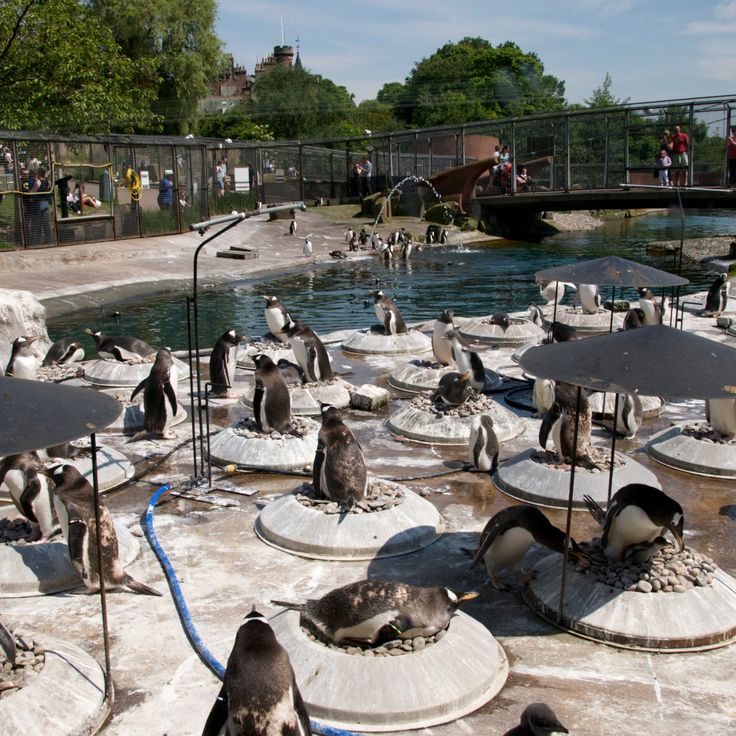
This zoological garden houses animals from different continents, including penguins, pandas, and Scottish wildlife. Paths wind through enclosures that recreate various habitats, from savannas to temperate forests. Visitors can watch feedings and learn about conservation programs focused on endangered species. The grounds sit on a hillside overlooking Edinburgh, so walks between enclosures also offer views across the city.
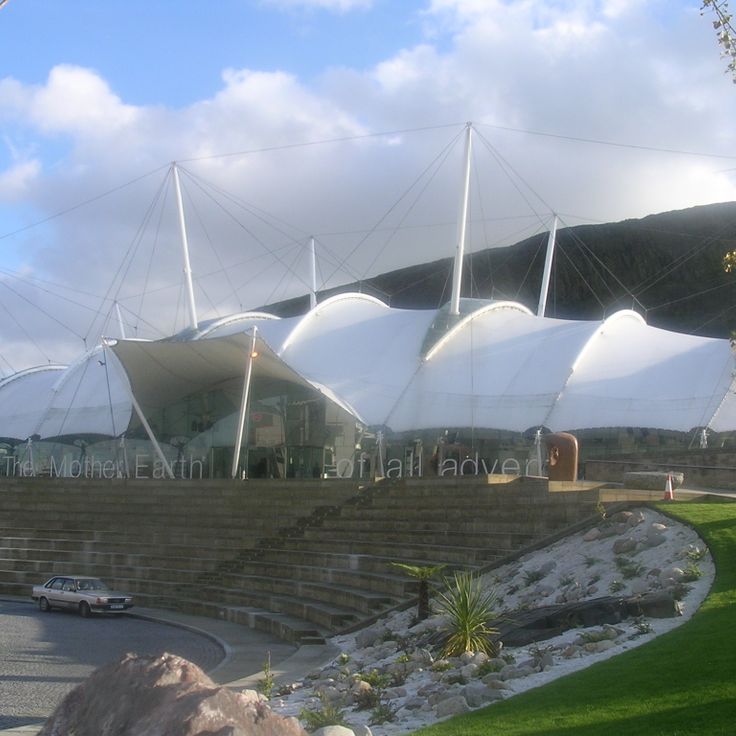
This hands-on experience takes visitors through the story of Earth, from the formation of the planet to the present day. Exhibits combine scientific displays with sensory environments where you can feel tremors, watch ice sheets form, and see how continents shifted over time. The building sits at the base of an extinct volcano and uses projections, models, and multimedia stations to explain how oceans, mountains, and life itself came into being. The journey covers volcanoes, ice ages, tropical forests, and the climate today, with each section focusing on a different chapter in geological history. For those visiting Edinburgh, this center offers a way to explore natural science while understanding the volcanic landscape that shaped the city itself.
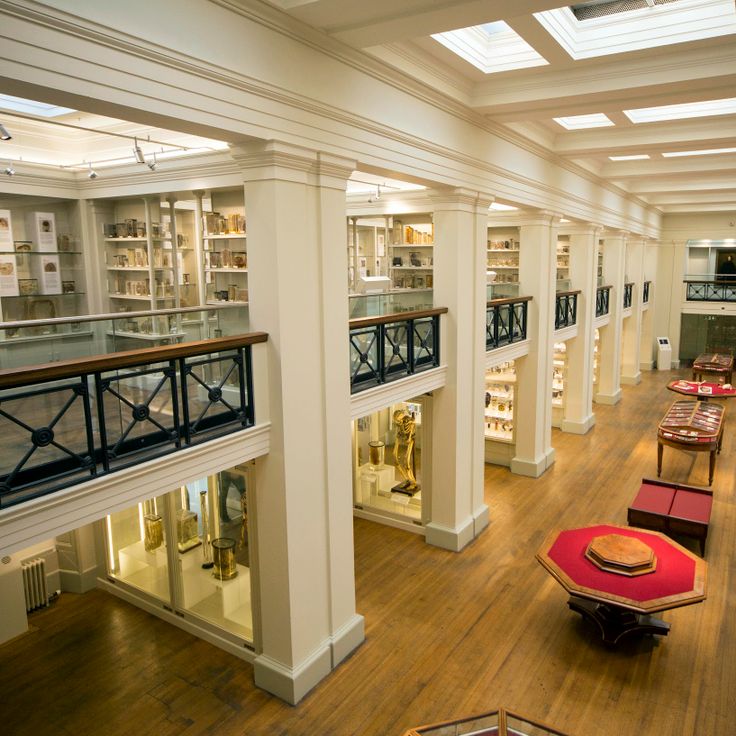
This collection of anatomical specimens, surgical instruments, and medical documents fills three galleries inside the Royal College of Surgeons building and shows how healing practices changed over centuries. The specimens date back to the 18th century, when anatomists began to study the human body in systematic ways. Visitors see operating tools from the time before anesthesia, wax models of internal organs, and accounts of early procedures that seem hard to imagine today. One room focuses on the history of dentistry, another on the development of pathology. The collection makes clear how close progress and error stood in medicine for a long time, and how surgeons learned from mistakes.
The Scottish Parliament is home to the democratic institution that has passed legislation for Scotland since 1999. The building rose from a design by Enric Miralles and opened its doors in 2004. The architecture uses concrete, granite, oak and steel, combining geometric forms with references to the Scottish landscape. Visitors can view the debating chamber, walk through the entrance hall and enter the garden where sculptures stand. The building sits at the foot of the Royal Mile, opposite the Palace of Holyroodhouse, fitting into the historic surroundings while showing a contemporary face.
This former royal vessel sits permanently moored in Leith, Edinburgh's port area. The Britannia served the royal family for over four decades and is now a floating museum. Visitors walk through the State Apartments, explore the royal family's living quarters, and see the bridge where the crew steered the ship. The interiors hold furniture, artwork, and personal items from when the vessel was in service. The ship traveled around the world, supporting official state visits and private family holidays. Today you follow the same passageways and rooms once used by members of the royal household, gaining insight into life on board during their voyages.
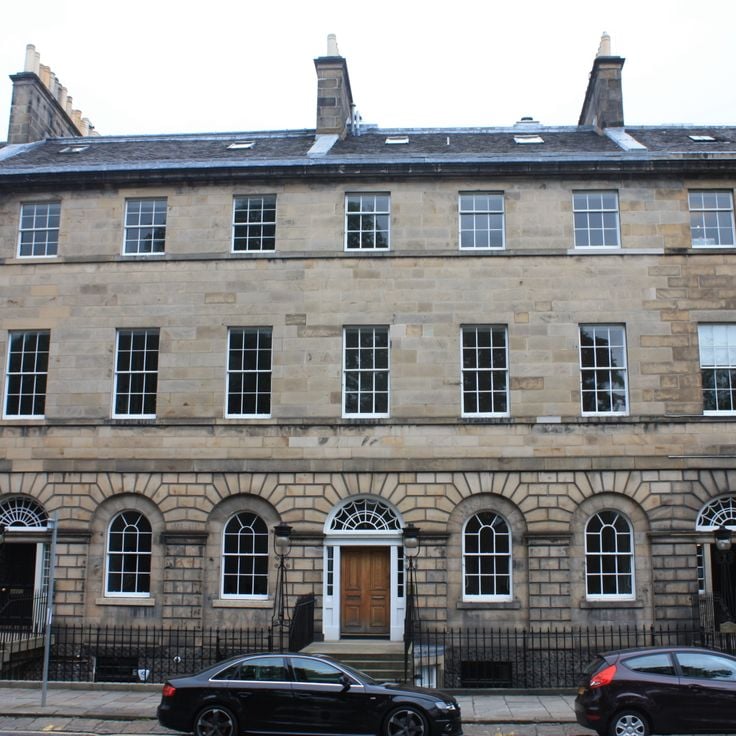
This townhouse was built in the late 18th century and shows how wealthy families lived in Edinburgh during the Georgian era. The rooms are furnished with period furniture, paintings, and everyday objects from that time. You can walk through drawing rooms where residents gathered, see the kitchen below stairs where staff worked, and visit bedrooms that reflect the social standing of the household. The house stands in the New Town, a district of wide streets and classical facades that was a modern residential quarter back then. The furnishings and decoration reveal the tastes and habits of a class that valued refinement and social convention.
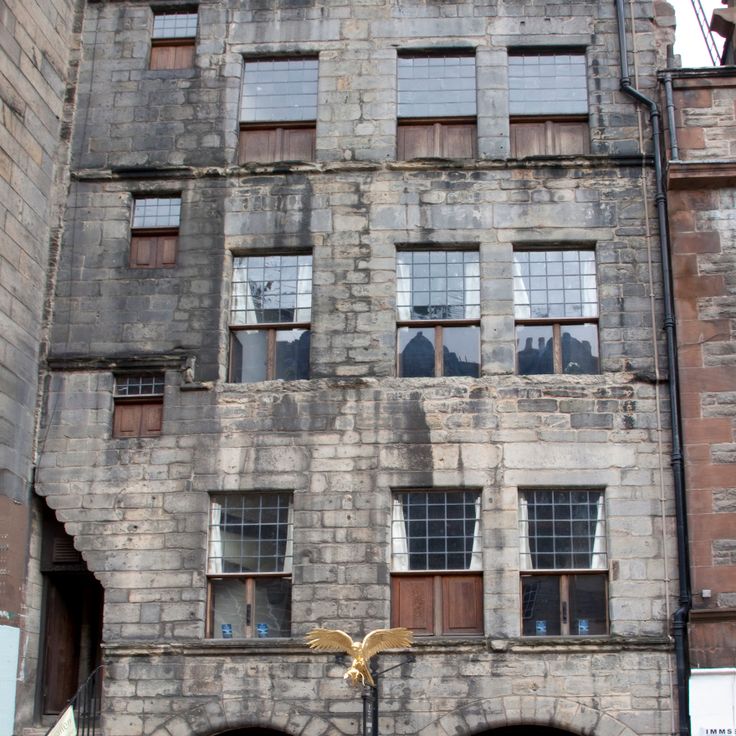
This 17th-century merchant's house stands on the Royal Mile and shows how wealthy traders lived in Edinburgh at that time. Gladstone's Land preserves painted wooden ceilings, narrow spiral staircases, and small rooms that were typical of the Old Town when space was scarce and expensive. The ground floor held a shop, while the upper floors served as living quarters. The stone-arched facade opens onto the busy street, where today visitors walk through the reconstructed rooms and see furniture, textiles, and everyday objects from that era.
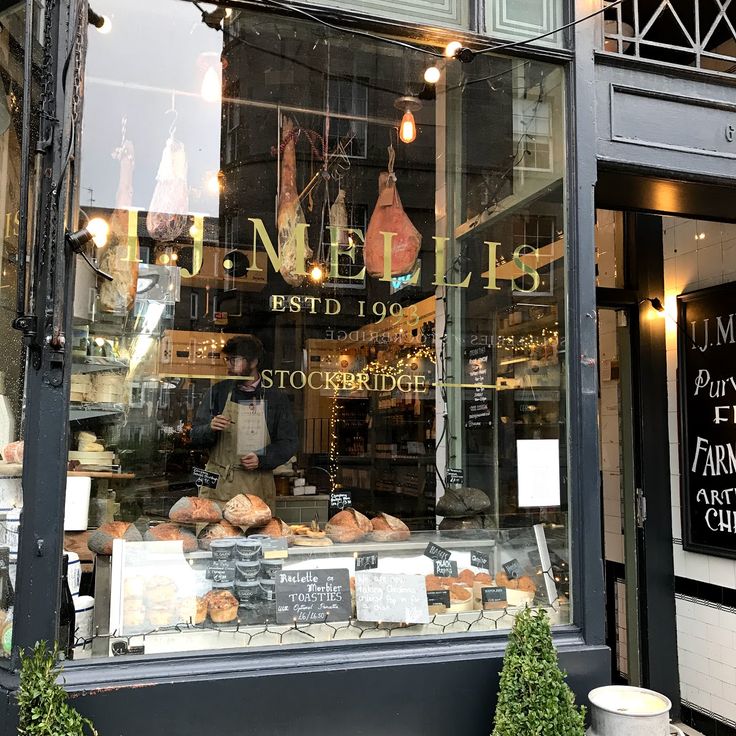
This weekly market in a residential neighborhood north of the Old Town brings together producers and craftspeople every Sunday. Stalls hold fresh vegetables, cheese, bread, homemade jams, and cakes. Others offer handmade soaps, pottery, or textiles. The mood is relaxed, with shoppers moving slowly between tables, sampling olives or speaking to vendors. Families come with children, some sit on benches with coffee and a bag of warm pastries. The market sits near bridges over the Water of Leith, where walkers often pass through. It is a place where locals spend Sunday mornings, buying supplies for the week and catching up with neighbors.
This museum occupies a 16th-century townhouse and traces the story of the city from early settlements to the present. The rooms display objects from daily life, trade, and crafts across different periods. You see clothing, furniture, tools, and documents that describe how people lived in Edinburgh over the centuries. The building itself preserves old wood paneling and narrow stairs, recalling the time when the Old Town was densely built and families lived in multi-story houses.
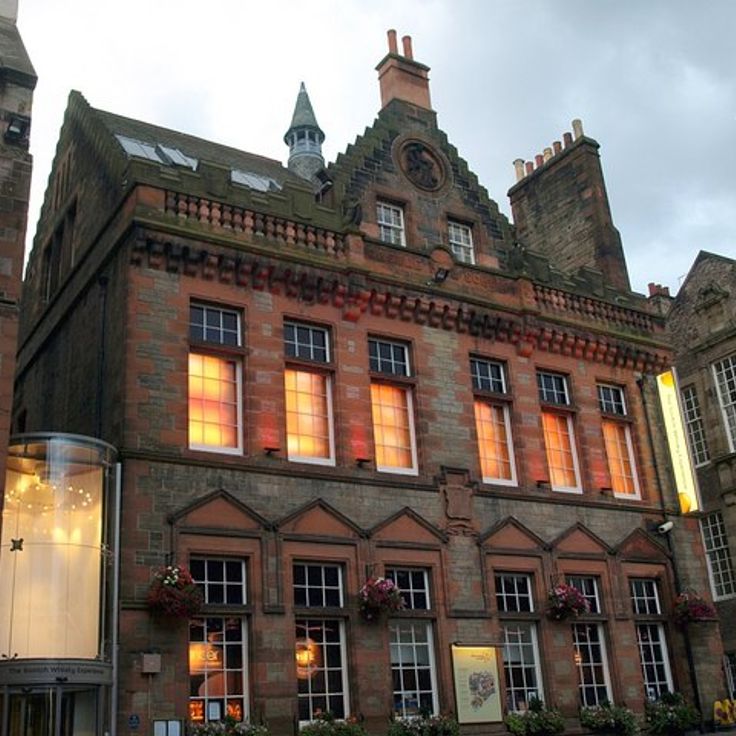
The Scotch Whisky Experience guides visitors through the history and production of Scottish whisky. This interactive attraction sits at the top of the Royal Mile, near Edinburgh Castle. The tour begins with a barrel ride through different stations showing the production process. Original tools, copper stills, and historical equipment illustrate traditional methods. In the exhibition rooms, visitors learn about the different whisky regions of Scotland and their characteristic flavors. The tour ends in a tasting room where selected whiskies can be sampled. The Scotch Whisky Experience also houses an extensive collection of whisky bottles from around the world. The visit offers both beginners and connoisseurs insight into Scottish whisky tradition.
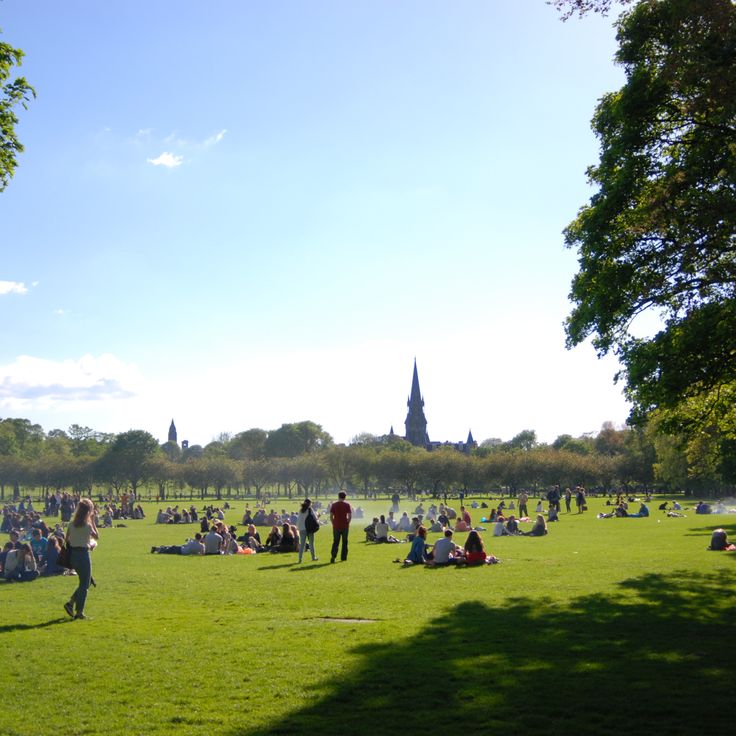
This large park spreads south of the Old Town and offers open grass fields lined with rows of trees. The Meadows is a popular spot for picnics on sunny days, when families, students, and residents sit on the lawns, play frisbee, or simply lie in the sun. Wide paths cross the park and suit walking, jogging, or cycling. In spring, cherry trees bloom along the main avenues, and the park fills with people admiring the blossoms. Victorian townhouses stand at the edges, and several cafés sit nearby. The park connects different neighborhoods and is crossed daily by many people heading to work or university.
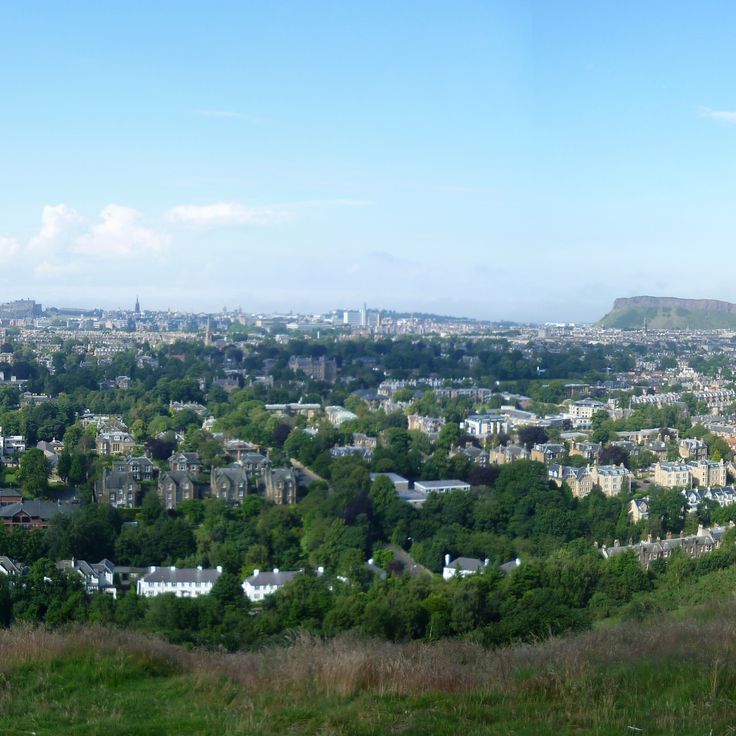
This hill stands about three kilometers south of the city center and offers a wide view over Edinburgh, the Firth of Forth, and the surrounding hills. From the top you see Castle Rock and the Arthur's Seat formation, together with the buildings of the Old and New Town spreading between streets. An observatory on the summit was built in the nineteenth century and still stands today, though its domes are now closed. Paths run through grass and low vegetation, and many people come here to walk or let their dogs run. On clear days the view reaches as far as the Pentland Hills to the south and the Highlands to the north.
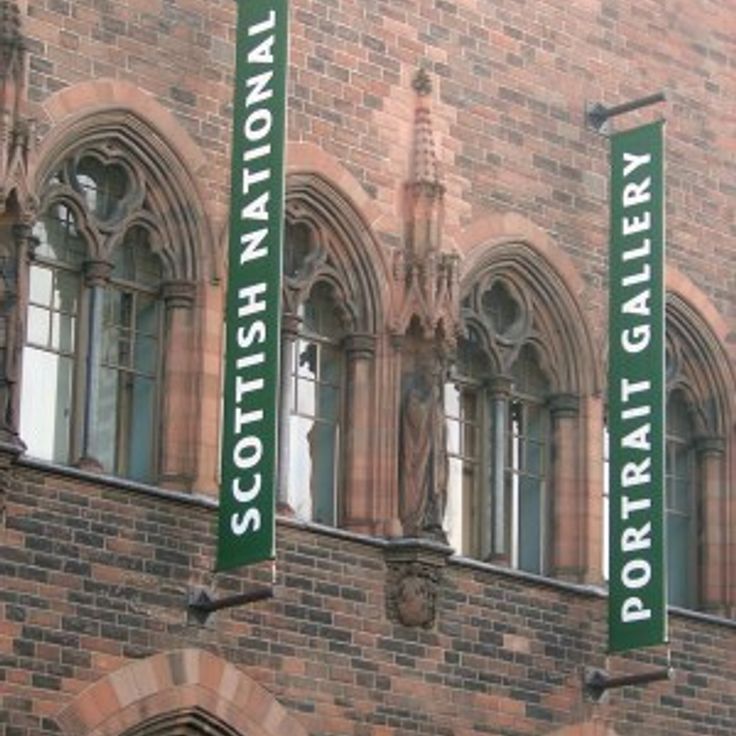
This gallery displays portraits of people who shaped Scottish history, literature, science, and politics. The collection spans from the 16th century to the present day and hangs inside a red sandstone building designed in Gothic Revival style. In the halls you see paintings, photographs, and sculptures representing monarchs, poets, inventors, and reformers. The building itself was completed in the late 1800s and combines exhibition rooms with a central hall where frescoes depict historical scenes. Visitors can study the faces that formed Scotland's past and view contemporary portraits representing the country today.
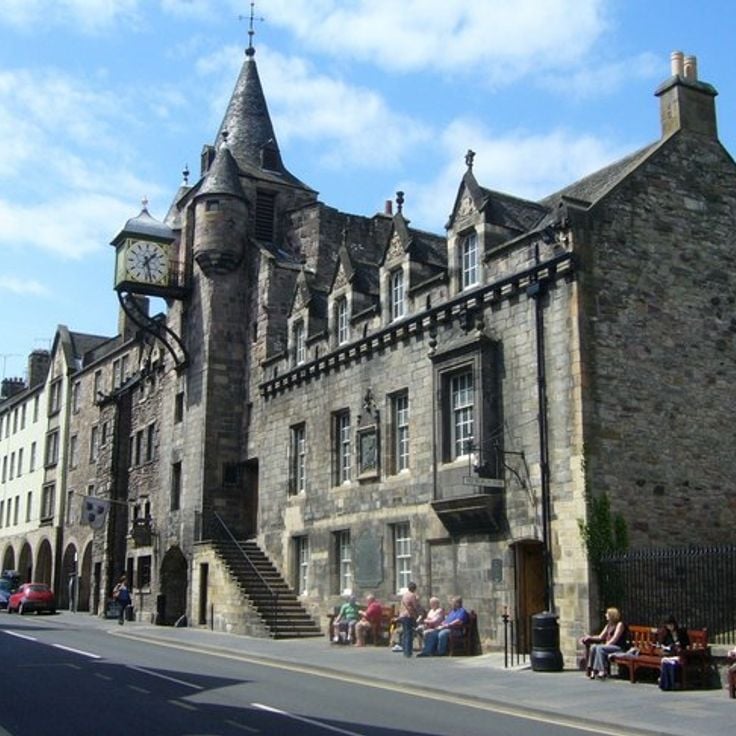
The People's Story Museum tells the lives of Edinburgh residents across the centuries. The displays show work, homes, and daily life of ordinary people from different periods. Visitors see tools, clothing, photographs, and personal belongings from earlier times. This museum brings stories of craftsmen, domestic servants, and factory workers closer. Rooms recreate historical workshops or homes. The exhibitions reveal how city life in Edinburgh changed through the years.
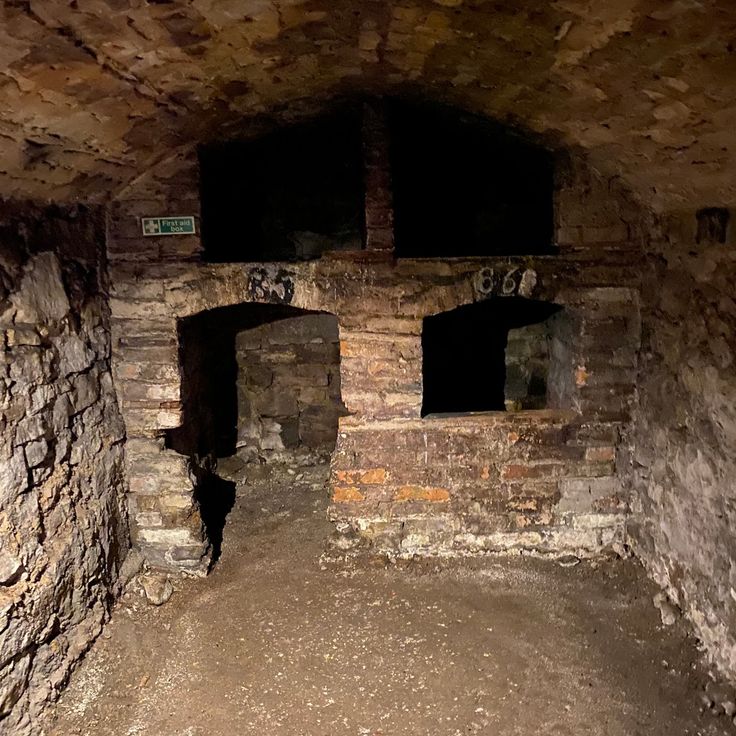
These underground chambers were built in the late 1700s when the South Bridge was constructed. The vaults first served as storage rooms and workshops for merchants and craftsmen. Later they became homes for the city's poorest residents, who lived in damp, dark spaces without natural light. Today you can walk through the narrow passages and sense what life was like beneath the ground. The stone walls and low ceilings convey a feeling of history hiding directly beneath the busy streets.
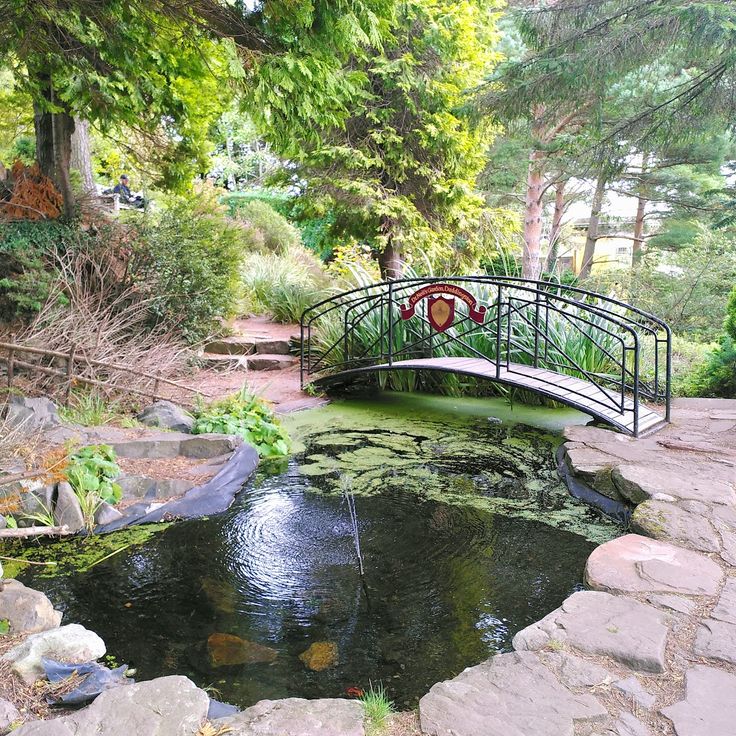
This small garden sits near the edge of Duddingston Loch on the eastern side of Edinburgh. Visitors walk among ponds, willows, and flowering beds looked after by volunteers. Trees shade curving paths. Ducks and swans from the nearby water sometimes wander in. Benches offer views toward the loch and Arthur's Seat. The grounds began as a private project and now open as a retreat for anyone seeking quiet.
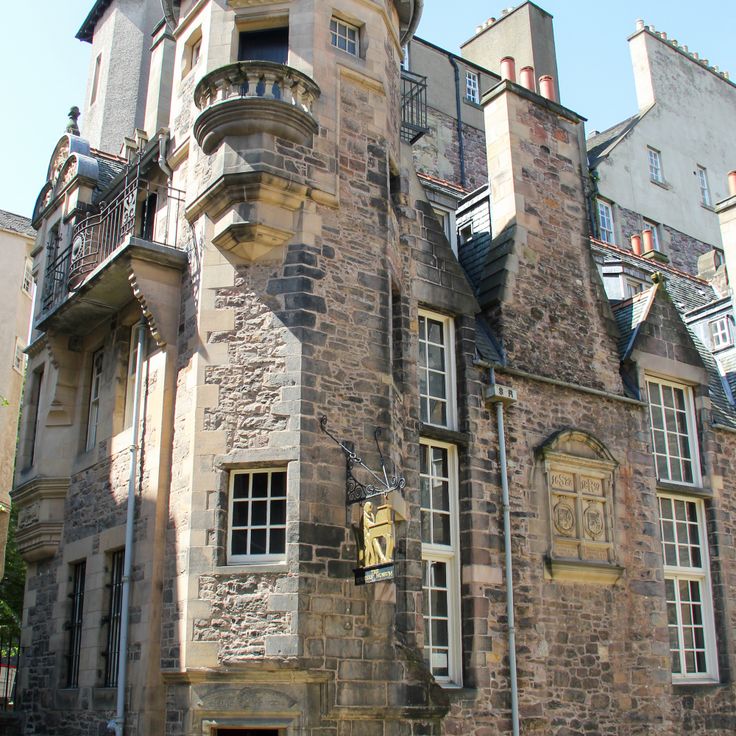
This museum honors three Scottish writers: Robert Burns, Walter Scott, and Robert Louis Stevenson. The rooms display personal belongings, manuscripts, and first editions of their works. The building itself dates from the 17th century and sits in a narrow alley near the Royal Mile. Visitors can explore the history of Scottish literature here and learn about the lives of these authors who shaped Edinburgh and Scotland.
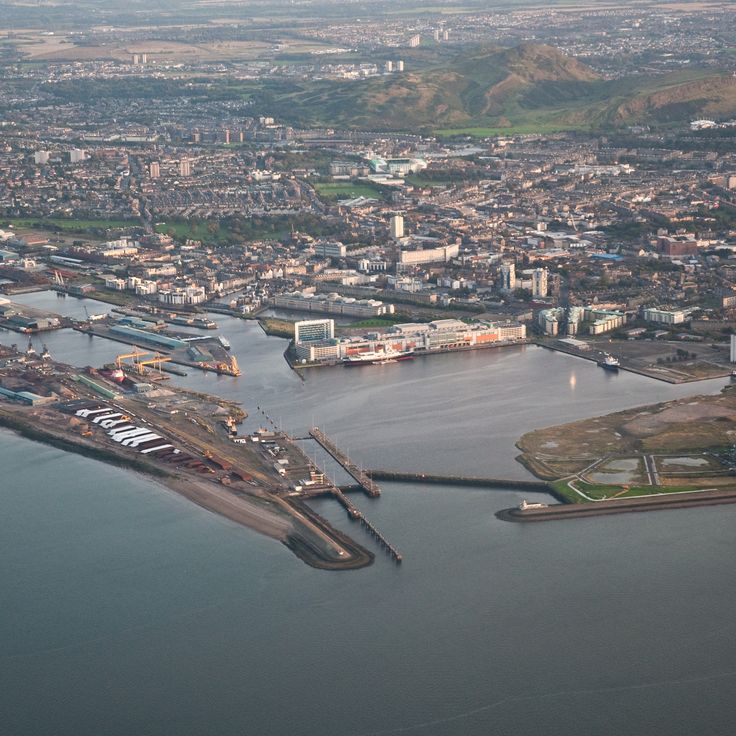
This waterfront promenade in the old harbor district of Edinburgh connects the history of maritime trade with a modern leisure area along the water. Leith Shore runs along the Water of Leith just before it flows into the North Sea and welcomes visitors with cafes, restaurants and small shops. Brick buildings from the 18th and 19th centuries have been renovated and now house dining spots and retail spaces. On warm days, people sit outside and watch the boats in the harbor. The area has changed from a working port to a popular gathering place where locals meet to eat and walk. From the shore you can see the Royal Yacht Britannia, which is moored just a few minutes away.
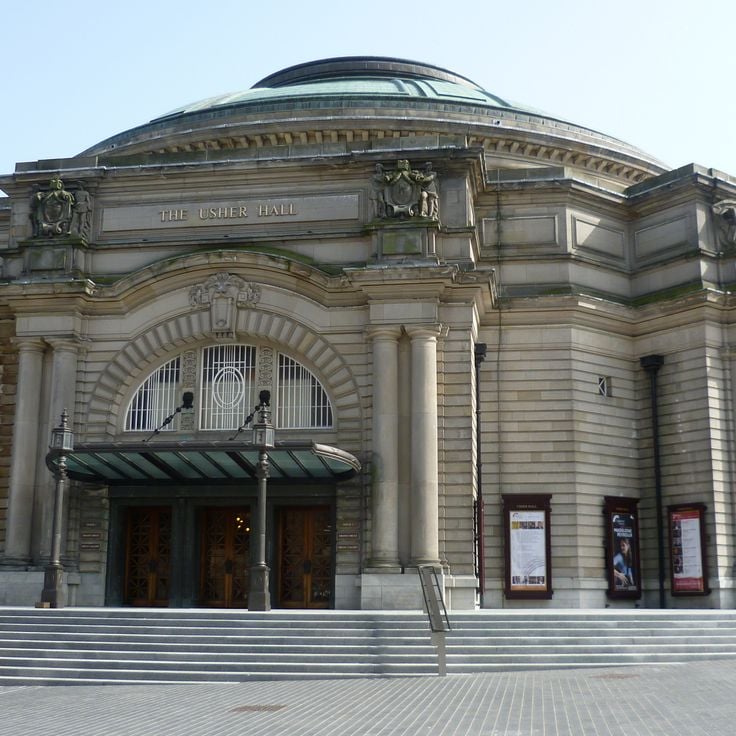
This concert hall opened in 1914 and serves as the center of Edinburgh's musical life. The round building with its dome made of red sandstone stands on Lothian Road, southwest of the Old Town. The main auditorium seats about 2,200 people, and its acoustics make it one of the most important places for classical concerts in Scotland. Orchestra performances, choirs, solo recitals, and also pop concerts fill the program. The facade clearly shows the neoclassical style of the pre-war period, and inside, wide staircases lead to the upper tiers. During the festival season in summer, the Usher Hall is a fixed part of the program and draws visitors from across the city.
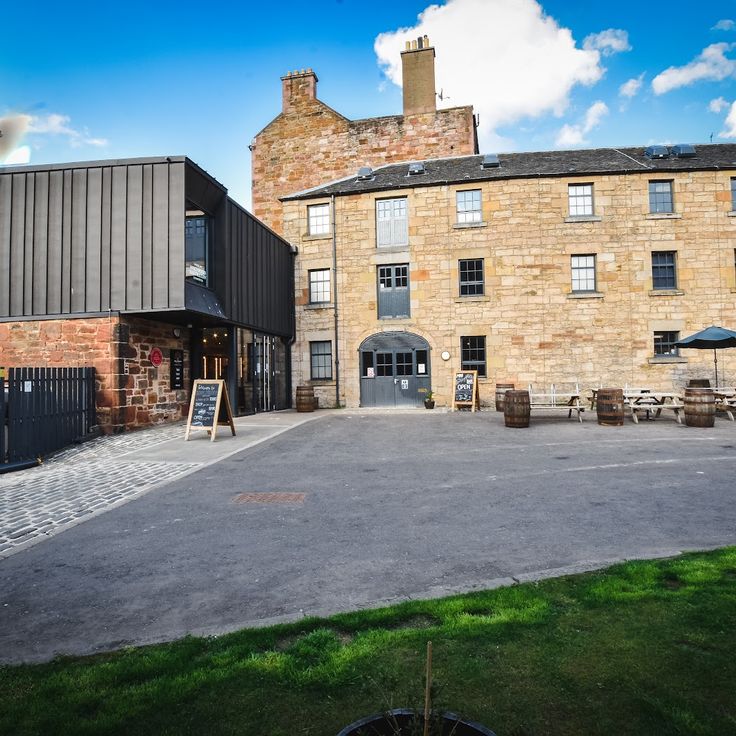
This distillery in the Old Town shows visitors the process of making gin and whisky in a modern facility near Holyrood Palace. Tours lead through production rooms with copper stills and fermentation tanks, ending with tastings of different spirits. The space combines traditional Scottish distilling methods with contemporary architecture and glass walls that frame views of Arthur's Seat. Travelers can learn about flavors, ingredients and maturation while experiencing the workings of an active distillery in the heart of Edinburgh's historic quarter.
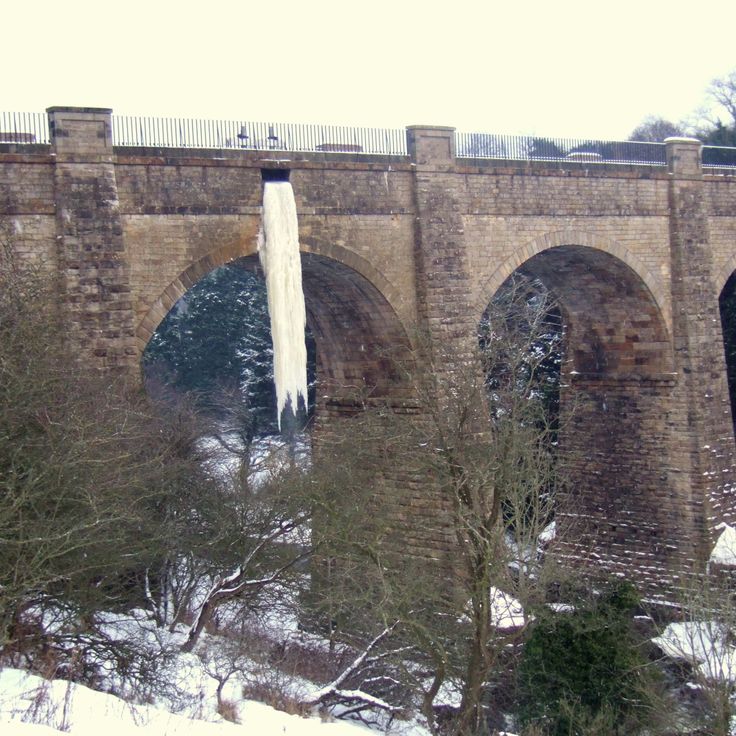
This canal runs through Edinburgh and the surrounding countryside. The waterway was built in the 19th century to carry coal from the mines west of the city to the docks at Leith. Today, walkers, cyclists, and joggers use the flat towpath along the water. Boats move slowly past, and swans or ducks often swim in the calm water. The canal passes through parks, old warehouses, and some residential neighborhoods. Trees line the banks, and stone bridges cross the water in several places.
This fortress sits on an extinct volcano above Edinburgh and has shaped the city skyline for centuries. Walking through the gates, you see courtyards with old buildings, defensive towers, and narrow passageways. The view stretches across rooftops and parks toward the sea. The Scottish Crown Jewels and a medieval chapel are part of the tour. At one o'clock each afternoon, a cannon fires, a tradition since the 19th century. Footsteps echo in the corridors, and wind moves through stone archways.
This palace is the official residence of the British monarch in Scotland and stands at the eastern end of the Royal Mile. The building connects royal history with daily life, as it still hosts state ceremonies today. In the 16th century, it was home to Mary, Queen of Scots, and her former chambers can be visited. The architecture shows different periods, from medieval abbey ruins to baroque halls. Inside, portraits and tapestries line the walls, while the state apartments feature gilded furniture and decorated ceilings. The adjoining garden extends below Arthur's Seat and offers space for walking. Visitors experience how royal tradition unfolds in a working palace.
This extinct volcano rises in the middle of the city and offers a full view of Edinburgh and the surrounding area. Arthur's Seat is the highest point in Holyrood Park and locals often walk here. Paths lead through open grassland and rocky terrain up to the summit. From the top you see the Old Town, the castle, the Firth of Forth, and the coastline. On clear days the view reaches the hills to the north and south. The climb takes about half an hour and can become slippery in wind or rain. In the mornings and evenings many joggers and walkers come here. The volcano has been inactive for about 350 million years and its shape defines the city skyline.
The Royal Mile connects Edinburgh Castle with Holyrood Palace and runs along the ridge of an extinct volcano through the heart of the Old Town. This main route actually consists of several consecutive streets forming a single thoroughfare. Stone buildings from different centuries line both sides, housing shops, cafes, and small museums. Narrow alleyways called closes branch off at intervals, leading down the steep slopes. Street performers often appear here, and the road itself slopes gradually downhill from the castle to the palace, making the walk feel like a journey through Scottish history.
This park surrounds Arthur's Seat and offers open meadows, hills, and small lochs within the city. Walkers follow paths through grassy expanses, past rocks and cliffs that rise from the landscape. The park preserves a wild character with rough contours and windswept slopes. Families picnic on the lawns while hikers explore trails leading to viewpoints. Vegetation shifts between short grasses and scattered shrubs. From higher ground, you can see the city and the sea in the distance. The park connects natural forms with urban proximity, creating a space where people escape the rush of daily life.
The Scottish National Gallery holds the country's national collection of fine art. In this neoclassical building you see paintings, drawings and sculptures by European masters from the Middle Ages to the early 20th century. The rooms display works by Scottish painters alongside pieces from France, Italy, the Netherlands and Spain. You can look at paintings by Titian, Rembrandt, Vermeer, Velázquez, Monet and Cézanne. The museum sits at the foot of the Mound, between the Old Town and Princes Street. Entry to the permanent collection is free. The rooms are manageable and bright. Many visitors come for an hour or two.
This collection of interactive exhibits stands in the Old Town, near Edinburgh Castle. The building dates from the 19th century and houses the rooftop Camera Obscura, a historic projection device that casts images of the city into a darkened room. On the floors below, optical illusions, mirror mazes, light sculptures, and holograms wait. Visitors experience perceptual effects, photograph themselves in warped mirrors, or explore rooms with altered perspectives. From the rooftop terrace, you overlook the Old Town, the castle, and the surrounding hills.
This museum tells the story of Scotland through several floors, covering natural history, cultures from around the world, and the development of the country over centuries. Collections range from fossils and geological finds to tools, clothing from distant regions, and objects from Scottish daily life across different periods. The architecture connects older halls with modern spaces, where visitors stroll through galleries, examine display cases, and discover new themes on different levels.
This timber-framed building from the late 15th century stands on the Royal Mile and is among the few houses from that period still standing. The façade shows hand-painted wooden paneling and projecting upper floors, typical of medieval Edinburgh. The house carries the name of the Scottish reformer who may have spent his final years here. Inside, a spiral staircase leads through several levels with low ceilings and small rooms. The exhibition tells about religious change in the 16th century and the daily life of residents. From the upper floor you look directly onto the Royal Mile. The building stands between newer façades and shows how the city once looked.
This underground lane lies hidden beneath the Old Town streets. It leads through preserved rooms and apartments from the 17th century, where merchants, craftspeople, and families once lived. The narrow passages and low ceilings give a sense of daily life during a time when the city grew in layers. Guided tours reveal original stone walls, small chambers, and stories about life in this underground settlement, later covered by newer buildings above.
This public park sits at the foot of the castle and divides into an eastern and western section. In spring and summer, thousands of plants bloom in shaped beds, while lawns invite people to rest. The gardens follow a former hollow that once held water and was drained in the 18th century. From the paths, the castle on its rock stands clear above. The green space links the old town with newer districts and serves locals as a meeting point and quiet zone. In summer, concerts and events take place here.
Calton Hill rises east of the city center and provides several viewpoints over the Old Town, the Firth of Forth, and the surrounding hills. The plateau holds 19th-century monuments including the Greek-style National Monument, the tower-shaped Nelson Monument, and the circular Dugald Stewart Monument. Pathways cross open grassland between the structures, while visitors gain different perspectives on Edinburgh Castle, Arthur's Seat, and the Georgian buildings of the New Town from various levels. This hill serves as a quiet place for walking with direct views across the urban landscape.
This cathedral stands in the heart of the Old Town and has shaped the city's profile since medieval times. Construction began in the 14th century, and the church served for hundreds of years as a center of the Reformation in Scotland. The interior shows stained glass windows, stonework, and the Thistle Chapel from the early 20th century. The towers rise above the surrounding lanes, and visitors find memorials to historical figures. This church connects religious heritage with Edinburgh's history and sits directly on the Royal Mile.
This botanic garden covers 70 acres (28 hectares) and shows plant collections from different climate zones, including tropical glasshouses with palms and ferns, rock gardens with alpine species, and a Chinese hillside with rhododendrons. Visitors can walk through the Victorian palm house, look at tree canopies from the 1700s, or follow paths that pass ponds and lawns. The garden sits north of the city center and offers views across Edinburgh's skyline and the Firth of Forth. Glasshouses keep plants from tropical rainforests, while outdoor beds display Scottish wildflowers and species from the Himalayas.
This village sits in the valley of the Water of Leith, just a few minutes' walk from the city center. Old stone mill houses line the river that once powered twelve mills. Today the buildings look quiet among trees and old bridges. Dean Village shows how Edinburgh used to work when grinding grain here shaped daily life for centuries. Stairs lead down to the water where you can walk along the river.
This church was built in the early 1600s on the site of a former Franciscan monastery. The surrounding graveyard holds the tombs of Scottish figures from several centuries, including philosophers, poets, and signatories of the National Covenant. Inside, visitors find simple Protestant furnishings, stone memorials, and plaques along the walls. Greyfriars Kirk is known for the story of a Skye Terrier who guarded his owner's grave for fourteen years and was later buried near the church entrance himself. The church sits just off the Royal Mile, tucked among the narrow lanes of the Old Town, and offers a quiet retreat away from the crowds.
This Gothic monument rises in honor of the writer Sir Walter Scott, whose novels and poems brought Scotland to international attention in the 19th century. The structure stands in Princes Street Gardens and reaches a height of around 200 feet (61 meters), allowing visitors to climb stairs to view Edinburgh from above. A central niche holds a marble statue of Scott with his dog, surrounded by sculptures depicting characters from his literary works. The dark sandstone facade displays pointed arches and intricate carvings that recall medieval church architecture. From the viewing platform you see the castle, the Old Town, and the gardens stretching toward the Firth of Forth.
This zoological garden houses animals from different continents, including penguins, pandas, and Scottish wildlife. Paths wind through enclosures that recreate various habitats, from savannas to temperate forests. Visitors can watch feedings and learn about conservation programs focused on endangered species. The grounds sit on a hillside overlooking Edinburgh, so walks between enclosures also offer views across the city.
This hands-on experience takes visitors through the story of Earth, from the formation of the planet to the present day. Exhibits combine scientific displays with sensory environments where you can feel tremors, watch ice sheets form, and see how continents shifted over time. The building sits at the base of an extinct volcano and uses projections, models, and multimedia stations to explain how oceans, mountains, and life itself came into being. The journey covers volcanoes, ice ages, tropical forests, and the climate today, with each section focusing on a different chapter in geological history. For those visiting Edinburgh, this center offers a way to explore natural science while understanding the volcanic landscape that shaped the city itself.
This collection of anatomical specimens, surgical instruments, and medical documents fills three galleries inside the Royal College of Surgeons building and shows how healing practices changed over centuries. The specimens date back to the 18th century, when anatomists began to study the human body in systematic ways. Visitors see operating tools from the time before anesthesia, wax models of internal organs, and accounts of early procedures that seem hard to imagine today. One room focuses on the history of dentistry, another on the development of pathology. The collection makes clear how close progress and error stood in medicine for a long time, and how surgeons learned from mistakes.
The Scottish Parliament is home to the democratic institution that has passed legislation for Scotland since 1999. The building rose from a design by Enric Miralles and opened its doors in 2004. The architecture uses concrete, granite, oak and steel, combining geometric forms with references to the Scottish landscape. Visitors can view the debating chamber, walk through the entrance hall and enter the garden where sculptures stand. The building sits at the foot of the Royal Mile, opposite the Palace of Holyroodhouse, fitting into the historic surroundings while showing a contemporary face.
This former royal vessel sits permanently moored in Leith, Edinburgh's port area. The Britannia served the royal family for over four decades and is now a floating museum. Visitors walk through the State Apartments, explore the royal family's living quarters, and see the bridge where the crew steered the ship. The interiors hold furniture, artwork, and personal items from when the vessel was in service. The ship traveled around the world, supporting official state visits and private family holidays. Today you follow the same passageways and rooms once used by members of the royal household, gaining insight into life on board during their voyages.
This townhouse was built in the late 18th century and shows how wealthy families lived in Edinburgh during the Georgian era. The rooms are furnished with period furniture, paintings, and everyday objects from that time. You can walk through drawing rooms where residents gathered, see the kitchen below stairs where staff worked, and visit bedrooms that reflect the social standing of the household. The house stands in the New Town, a district of wide streets and classical facades that was a modern residential quarter back then. The furnishings and decoration reveal the tastes and habits of a class that valued refinement and social convention.
This 17th-century merchant's house stands on the Royal Mile and shows how wealthy traders lived in Edinburgh at that time. Gladstone's Land preserves painted wooden ceilings, narrow spiral staircases, and small rooms that were typical of the Old Town when space was scarce and expensive. The ground floor held a shop, while the upper floors served as living quarters. The stone-arched facade opens onto the busy street, where today visitors walk through the reconstructed rooms and see furniture, textiles, and everyday objects from that era.
This weekly market in a residential neighborhood north of the Old Town brings together producers and craftspeople every Sunday. Stalls hold fresh vegetables, cheese, bread, homemade jams, and cakes. Others offer handmade soaps, pottery, or textiles. The mood is relaxed, with shoppers moving slowly between tables, sampling olives or speaking to vendors. Families come with children, some sit on benches with coffee and a bag of warm pastries. The market sits near bridges over the Water of Leith, where walkers often pass through. It is a place where locals spend Sunday mornings, buying supplies for the week and catching up with neighbors.
This museum occupies a 16th-century townhouse and traces the story of the city from early settlements to the present. The rooms display objects from daily life, trade, and crafts across different periods. You see clothing, furniture, tools, and documents that describe how people lived in Edinburgh over the centuries. The building itself preserves old wood paneling and narrow stairs, recalling the time when the Old Town was densely built and families lived in multi-story houses.
The Scotch Whisky Experience guides visitors through the history and production of Scottish whisky. This interactive attraction sits at the top of the Royal Mile, near Edinburgh Castle. The tour begins with a barrel ride through different stations showing the production process. Original tools, copper stills, and historical equipment illustrate traditional methods. In the exhibition rooms, visitors learn about the different whisky regions of Scotland and their characteristic flavors. The tour ends in a tasting room where selected whiskies can be sampled. The Scotch Whisky Experience also houses an extensive collection of whisky bottles from around the world. The visit offers both beginners and connoisseurs insight into Scottish whisky tradition.
This large park spreads south of the Old Town and offers open grass fields lined with rows of trees. The Meadows is a popular spot for picnics on sunny days, when families, students, and residents sit on the lawns, play frisbee, or simply lie in the sun. Wide paths cross the park and suit walking, jogging, or cycling. In spring, cherry trees bloom along the main avenues, and the park fills with people admiring the blossoms. Victorian townhouses stand at the edges, and several cafés sit nearby. The park connects different neighborhoods and is crossed daily by many people heading to work or university.
This hill stands about three kilometers south of the city center and offers a wide view over Edinburgh, the Firth of Forth, and the surrounding hills. From the top you see Castle Rock and the Arthur's Seat formation, together with the buildings of the Old and New Town spreading between streets. An observatory on the summit was built in the nineteenth century and still stands today, though its domes are now closed. Paths run through grass and low vegetation, and many people come here to walk or let their dogs run. On clear days the view reaches as far as the Pentland Hills to the south and the Highlands to the north.
This gallery displays portraits of people who shaped Scottish history, literature, science, and politics. The collection spans from the 16th century to the present day and hangs inside a red sandstone building designed in Gothic Revival style. In the halls you see paintings, photographs, and sculptures representing monarchs, poets, inventors, and reformers. The building itself was completed in the late 1800s and combines exhibition rooms with a central hall where frescoes depict historical scenes. Visitors can study the faces that formed Scotland's past and view contemporary portraits representing the country today.
The People's Story Museum tells the lives of Edinburgh residents across the centuries. The displays show work, homes, and daily life of ordinary people from different periods. Visitors see tools, clothing, photographs, and personal belongings from earlier times. This museum brings stories of craftsmen, domestic servants, and factory workers closer. Rooms recreate historical workshops or homes. The exhibitions reveal how city life in Edinburgh changed through the years.
These underground chambers were built in the late 1700s when the South Bridge was constructed. The vaults first served as storage rooms and workshops for merchants and craftsmen. Later they became homes for the city's poorest residents, who lived in damp, dark spaces without natural light. Today you can walk through the narrow passages and sense what life was like beneath the ground. The stone walls and low ceilings convey a feeling of history hiding directly beneath the busy streets.
This small garden sits near the edge of Duddingston Loch on the eastern side of Edinburgh. Visitors walk among ponds, willows, and flowering beds looked after by volunteers. Trees shade curving paths. Ducks and swans from the nearby water sometimes wander in. Benches offer views toward the loch and Arthur's Seat. The grounds began as a private project and now open as a retreat for anyone seeking quiet.
This museum honors three Scottish writers: Robert Burns, Walter Scott, and Robert Louis Stevenson. The rooms display personal belongings, manuscripts, and first editions of their works. The building itself dates from the 17th century and sits in a narrow alley near the Royal Mile. Visitors can explore the history of Scottish literature here and learn about the lives of these authors who shaped Edinburgh and Scotland.
This waterfront promenade in the old harbor district of Edinburgh connects the history of maritime trade with a modern leisure area along the water. Leith Shore runs along the Water of Leith just before it flows into the North Sea and welcomes visitors with cafes, restaurants and small shops. Brick buildings from the 18th and 19th centuries have been renovated and now house dining spots and retail spaces. On warm days, people sit outside and watch the boats in the harbor. The area has changed from a working port to a popular gathering place where locals meet to eat and walk. From the shore you can see the Royal Yacht Britannia, which is moored just a few minutes away.
This concert hall opened in 1914 and serves as the center of Edinburgh's musical life. The round building with its dome made of red sandstone stands on Lothian Road, southwest of the Old Town. The main auditorium seats about 2,200 people, and its acoustics make it one of the most important places for classical concerts in Scotland. Orchestra performances, choirs, solo recitals, and also pop concerts fill the program. The facade clearly shows the neoclassical style of the pre-war period, and inside, wide staircases lead to the upper tiers. During the festival season in summer, the Usher Hall is a fixed part of the program and draws visitors from across the city.
This distillery in the Old Town shows visitors the process of making gin and whisky in a modern facility near Holyrood Palace. Tours lead through production rooms with copper stills and fermentation tanks, ending with tastings of different spirits. The space combines traditional Scottish distilling methods with contemporary architecture and glass walls that frame views of Arthur's Seat. Travelers can learn about flavors, ingredients and maturation while experiencing the workings of an active distillery in the heart of Edinburgh's historic quarter.
This canal runs through Edinburgh and the surrounding countryside. The waterway was built in the 19th century to carry coal from the mines west of the city to the docks at Leith. Today, walkers, cyclists, and joggers use the flat towpath along the water. Boats move slowly past, and swans or ducks often swim in the calm water. The canal passes through parks, old warehouses, and some residential neighborhoods. Trees line the banks, and stone bridges cross the water in several places.
This fortress sits on an extinct volcano above Edinburgh and has shaped the city skyline for centuries. Walking through the gates, you see courtyards with old buildings, defensive towers, and narrow passageways. The view stretches across rooftops and parks toward the sea. The Scottish Crown Jewels and a medieval chapel are part of the tour. At one o'clock each afternoon, a cannon fires, a tradition since the 19th century. Footsteps echo in the corridors, and wind moves through stone archways.
This palace is the official residence of the British monarch in Scotland and stands at the eastern end of the Royal Mile. The building connects royal history with daily life, as it still hosts state ceremonies today. In the 16th century, it was home to Mary, Queen of Scots, and her former chambers can be visited. The architecture shows different periods, from medieval abbey ruins to baroque halls. Inside, portraits and tapestries line the walls, while the state apartments feature gilded furniture and decorated ceilings. The adjoining garden extends below Arthur's Seat and offers space for walking. Visitors experience how royal tradition unfolds in a working palace.
This extinct volcano rises in the middle of the city and offers a full view of Edinburgh and the surrounding area. Arthur's Seat is the highest point in Holyrood Park and locals often walk here. Paths lead through open grassland and rocky terrain up to the summit. From the top you see the Old Town, the castle, the Firth of Forth, and the coastline. On clear days the view reaches the hills to the north and south. The climb takes about half an hour and can become slippery in wind or rain. In the mornings and evenings many joggers and walkers come here. The volcano has been inactive for about 350 million years and its shape defines the city skyline.
The Royal Mile connects Edinburgh Castle with Holyrood Palace and runs along the ridge of an extinct volcano through the heart of the Old Town. This main route actually consists of several consecutive streets forming a single thoroughfare. Stone buildings from different centuries line both sides, housing shops, cafes, and small museums. Narrow alleyways called closes branch off at intervals, leading down the steep slopes. Street performers often appear here, and the road itself slopes gradually downhill from the castle to the palace, making the walk feel like a journey through Scottish history.
This park surrounds Arthur's Seat and offers open meadows, hills, and small lochs within the city. Walkers follow paths through grassy expanses, past rocks and cliffs that rise from the landscape. The park preserves a wild character with rough contours and windswept slopes. Families picnic on the lawns while hikers explore trails leading to viewpoints. Vegetation shifts between short grasses and scattered shrubs. From higher ground, you can see the city and the sea in the distance. The park connects natural forms with urban proximity, creating a space where people escape the rush of daily life.
The Scottish National Gallery holds the country's national collection of fine art. In this neoclassical building you see paintings, drawings and sculptures by European masters from the Middle Ages to the early 20th century. The rooms display works by Scottish painters alongside pieces from France, Italy, the Netherlands and Spain. You can look at paintings by Titian, Rembrandt, Vermeer, Velázquez, Monet and Cézanne. The museum sits at the foot of the Mound, between the Old Town and Princes Street. Entry to the permanent collection is free. The rooms are manageable and bright. Many visitors come for an hour or two.
This collection of interactive exhibits stands in the Old Town, near Edinburgh Castle. The building dates from the 19th century and houses the rooftop Camera Obscura, a historic projection device that casts images of the city into a darkened room. On the floors below, optical illusions, mirror mazes, light sculptures, and holograms wait. Visitors experience perceptual effects, photograph themselves in warped mirrors, or explore rooms with altered perspectives. From the rooftop terrace, you overlook the Old Town, the castle, and the surrounding hills.
This museum tells the story of Scotland through several floors, covering natural history, cultures from around the world, and the development of the country over centuries. Collections range from fossils and geological finds to tools, clothing from distant regions, and objects from Scottish daily life across different periods. The architecture connects older halls with modern spaces, where visitors stroll through galleries, examine display cases, and discover new themes on different levels.
This timber-framed building from the late 15th century stands on the Royal Mile and is among the few houses from that period still standing. The façade shows hand-painted wooden paneling and projecting upper floors, typical of medieval Edinburgh. The house carries the name of the Scottish reformer who may have spent his final years here. Inside, a spiral staircase leads through several levels with low ceilings and small rooms. The exhibition tells about religious change in the 16th century and the daily life of residents. From the upper floor you look directly onto the Royal Mile. The building stands between newer façades and shows how the city once looked.
This underground lane lies hidden beneath the Old Town streets. It leads through preserved rooms and apartments from the 17th century, where merchants, craftspeople, and families once lived. The narrow passages and low ceilings give a sense of daily life during a time when the city grew in layers. Guided tours reveal original stone walls, small chambers, and stories about life in this underground settlement, later covered by newer buildings above.
This public park sits at the foot of the castle and divides into an eastern and western section. In spring and summer, thousands of plants bloom in shaped beds, while lawns invite people to rest. The gardens follow a former hollow that once held water and was drained in the 18th century. From the paths, the castle on its rock stands clear above. The green space links the old town with newer districts and serves locals as a meeting point and quiet zone. In summer, concerts and events take place here.
Calton Hill rises east of the city center and provides several viewpoints over the Old Town, the Firth of Forth, and the surrounding hills. The plateau holds 19th-century monuments including the Greek-style National Monument, the tower-shaped Nelson Monument, and the circular Dugald Stewart Monument. Pathways cross open grassland between the structures, while visitors gain different perspectives on Edinburgh Castle, Arthur's Seat, and the Georgian buildings of the New Town from various levels. This hill serves as a quiet place for walking with direct views across the urban landscape.
This cathedral stands in the heart of the Old Town and has shaped the city's profile since medieval times. Construction began in the 14th century, and the church served for hundreds of years as a center of the Reformation in Scotland. The interior shows stained glass windows, stonework, and the Thistle Chapel from the early 20th century. The towers rise above the surrounding lanes, and visitors find memorials to historical figures. This church connects religious heritage with Edinburgh's history and sits directly on the Royal Mile.
This botanic garden covers 70 acres (28 hectares) and shows plant collections from different climate zones, including tropical glasshouses with palms and ferns, rock gardens with alpine species, and a Chinese hillside with rhododendrons. Visitors can walk through the Victorian palm house, look at tree canopies from the 1700s, or follow paths that pass ponds and lawns. The garden sits north of the city center and offers views across Edinburgh's skyline and the Firth of Forth. Glasshouses keep plants from tropical rainforests, while outdoor beds display Scottish wildflowers and species from the Himalayas.
This village sits in the valley of the Water of Leith, just a few minutes' walk from the city center. Old stone mill houses line the river that once powered twelve mills. Today the buildings look quiet among trees and old bridges. Dean Village shows how Edinburgh used to work when grinding grain here shaped daily life for centuries. Stairs lead down to the water where you can walk along the river.
This church was built in the early 1600s on the site of a former Franciscan monastery. The surrounding graveyard holds the tombs of Scottish figures from several centuries, including philosophers, poets, and signatories of the National Covenant. Inside, visitors find simple Protestant furnishings, stone memorials, and plaques along the walls. Greyfriars Kirk is known for the story of a Skye Terrier who guarded his owner's grave for fourteen years and was later buried near the church entrance himself. The church sits just off the Royal Mile, tucked among the narrow lanes of the Old Town, and offers a quiet retreat away from the crowds.
This Gothic monument rises in honor of the writer Sir Walter Scott, whose novels and poems brought Scotland to international attention in the 19th century. The structure stands in Princes Street Gardens and reaches a height of around 200 feet (61 meters), allowing visitors to climb stairs to view Edinburgh from above. A central niche holds a marble statue of Scott with his dog, surrounded by sculptures depicting characters from his literary works. The dark sandstone facade displays pointed arches and intricate carvings that recall medieval church architecture. From the viewing platform you see the castle, the Old Town, and the gardens stretching toward the Firth of Forth.
This zoological garden houses animals from different continents, including penguins, pandas, and Scottish wildlife. Paths wind through enclosures that recreate various habitats, from savannas to temperate forests. Visitors can watch feedings and learn about conservation programs focused on endangered species. The grounds sit on a hillside overlooking Edinburgh, so walks between enclosures also offer views across the city.
This hands-on experience takes visitors through the story of Earth, from the formation of the planet to the present day. Exhibits combine scientific displays with sensory environments where you can feel tremors, watch ice sheets form, and see how continents shifted over time. The building sits at the base of an extinct volcano and uses projections, models, and multimedia stations to explain how oceans, mountains, and life itself came into being. The journey covers volcanoes, ice ages, tropical forests, and the climate today, with each section focusing on a different chapter in geological history. For those visiting Edinburgh, this center offers a way to explore natural science while understanding the volcanic landscape that shaped the city itself.
This collection of anatomical specimens, surgical instruments, and medical documents fills three galleries inside the Royal College of Surgeons building and shows how healing practices changed over centuries. The specimens date back to the 18th century, when anatomists began to study the human body in systematic ways. Visitors see operating tools from the time before anesthesia, wax models of internal organs, and accounts of early procedures that seem hard to imagine today. One room focuses on the history of dentistry, another on the development of pathology. The collection makes clear how close progress and error stood in medicine for a long time, and how surgeons learned from mistakes.
The Scottish Parliament is home to the democratic institution that has passed legislation for Scotland since 1999. The building rose from a design by Enric Miralles and opened its doors in 2004. The architecture uses concrete, granite, oak and steel, combining geometric forms with references to the Scottish landscape. Visitors can view the debating chamber, walk through the entrance hall and enter the garden where sculptures stand. The building sits at the foot of the Royal Mile, opposite the Palace of Holyroodhouse, fitting into the historic surroundings while showing a contemporary face.
This former royal vessel sits permanently moored in Leith, Edinburgh's port area. The Britannia served the royal family for over four decades and is now a floating museum. Visitors walk through the State Apartments, explore the royal family's living quarters, and see the bridge where the crew steered the ship. The interiors hold furniture, artwork, and personal items from when the vessel was in service. The ship traveled around the world, supporting official state visits and private family holidays. Today you follow the same passageways and rooms once used by members of the royal household, gaining insight into life on board during their voyages.
This townhouse was built in the late 18th century and shows how wealthy families lived in Edinburgh during the Georgian era. The rooms are furnished with period furniture, paintings, and everyday objects from that time. You can walk through drawing rooms where residents gathered, see the kitchen below stairs where staff worked, and visit bedrooms that reflect the social standing of the household. The house stands in the New Town, a district of wide streets and classical facades that was a modern residential quarter back then. The furnishings and decoration reveal the tastes and habits of a class that valued refinement and social convention.
This 17th-century merchant's house stands on the Royal Mile and shows how wealthy traders lived in Edinburgh at that time. Gladstone's Land preserves painted wooden ceilings, narrow spiral staircases, and small rooms that were typical of the Old Town when space was scarce and expensive. The ground floor held a shop, while the upper floors served as living quarters. The stone-arched facade opens onto the busy street, where today visitors walk through the reconstructed rooms and see furniture, textiles, and everyday objects from that era.
This weekly market in a residential neighborhood north of the Old Town brings together producers and craftspeople every Sunday. Stalls hold fresh vegetables, cheese, bread, homemade jams, and cakes. Others offer handmade soaps, pottery, or textiles. The mood is relaxed, with shoppers moving slowly between tables, sampling olives or speaking to vendors. Families come with children, some sit on benches with coffee and a bag of warm pastries. The market sits near bridges over the Water of Leith, where walkers often pass through. It is a place where locals spend Sunday mornings, buying supplies for the week and catching up with neighbors.
This museum occupies a 16th-century townhouse and traces the story of the city from early settlements to the present. The rooms display objects from daily life, trade, and crafts across different periods. You see clothing, furniture, tools, and documents that describe how people lived in Edinburgh over the centuries. The building itself preserves old wood paneling and narrow stairs, recalling the time when the Old Town was densely built and families lived in multi-story houses.
The Scotch Whisky Experience guides visitors through the history and production of Scottish whisky. This interactive attraction sits at the top of the Royal Mile, near Edinburgh Castle. The tour begins with a barrel ride through different stations showing the production process. Original tools, copper stills, and historical equipment illustrate traditional methods. In the exhibition rooms, visitors learn about the different whisky regions of Scotland and their characteristic flavors. The tour ends in a tasting room where selected whiskies can be sampled. The Scotch Whisky Experience also houses an extensive collection of whisky bottles from around the world. The visit offers both beginners and connoisseurs insight into Scottish whisky tradition.
This large park spreads south of the Old Town and offers open grass fields lined with rows of trees. The Meadows is a popular spot for picnics on sunny days, when families, students, and residents sit on the lawns, play frisbee, or simply lie in the sun. Wide paths cross the park and suit walking, jogging, or cycling. In spring, cherry trees bloom along the main avenues, and the park fills with people admiring the blossoms. Victorian townhouses stand at the edges, and several cafés sit nearby. The park connects different neighborhoods and is crossed daily by many people heading to work or university.
This hill stands about three kilometers south of the city center and offers a wide view over Edinburgh, the Firth of Forth, and the surrounding hills. From the top you see Castle Rock and the Arthur's Seat formation, together with the buildings of the Old and New Town spreading between streets. An observatory on the summit was built in the nineteenth century and still stands today, though its domes are now closed. Paths run through grass and low vegetation, and many people come here to walk or let their dogs run. On clear days the view reaches as far as the Pentland Hills to the south and the Highlands to the north.
This gallery displays portraits of people who shaped Scottish history, literature, science, and politics. The collection spans from the 16th century to the present day and hangs inside a red sandstone building designed in Gothic Revival style. In the halls you see paintings, photographs, and sculptures representing monarchs, poets, inventors, and reformers. The building itself was completed in the late 1800s and combines exhibition rooms with a central hall where frescoes depict historical scenes. Visitors can study the faces that formed Scotland's past and view contemporary portraits representing the country today.
The People's Story Museum tells the lives of Edinburgh residents across the centuries. The displays show work, homes, and daily life of ordinary people from different periods. Visitors see tools, clothing, photographs, and personal belongings from earlier times. This museum brings stories of craftsmen, domestic servants, and factory workers closer. Rooms recreate historical workshops or homes. The exhibitions reveal how city life in Edinburgh changed through the years.
These underground chambers were built in the late 1700s when the South Bridge was constructed. The vaults first served as storage rooms and workshops for merchants and craftsmen. Later they became homes for the city's poorest residents, who lived in damp, dark spaces without natural light. Today you can walk through the narrow passages and sense what life was like beneath the ground. The stone walls and low ceilings convey a feeling of history hiding directly beneath the busy streets.
This small garden sits near the edge of Duddingston Loch on the eastern side of Edinburgh. Visitors walk among ponds, willows, and flowering beds looked after by volunteers. Trees shade curving paths. Ducks and swans from the nearby water sometimes wander in. Benches offer views toward the loch and Arthur's Seat. The grounds began as a private project and now open as a retreat for anyone seeking quiet.
This museum honors three Scottish writers: Robert Burns, Walter Scott, and Robert Louis Stevenson. The rooms display personal belongings, manuscripts, and first editions of their works. The building itself dates from the 17th century and sits in a narrow alley near the Royal Mile. Visitors can explore the history of Scottish literature here and learn about the lives of these authors who shaped Edinburgh and Scotland.
This waterfront promenade in the old harbor district of Edinburgh connects the history of maritime trade with a modern leisure area along the water. Leith Shore runs along the Water of Leith just before it flows into the North Sea and welcomes visitors with cafes, restaurants and small shops. Brick buildings from the 18th and 19th centuries have been renovated and now house dining spots and retail spaces. On warm days, people sit outside and watch the boats in the harbor. The area has changed from a working port to a popular gathering place where locals meet to eat and walk. From the shore you can see the Royal Yacht Britannia, which is moored just a few minutes away.
This concert hall opened in 1914 and serves as the center of Edinburgh's musical life. The round building with its dome made of red sandstone stands on Lothian Road, southwest of the Old Town. The main auditorium seats about 2,200 people, and its acoustics make it one of the most important places for classical concerts in Scotland. Orchestra performances, choirs, solo recitals, and also pop concerts fill the program. The facade clearly shows the neoclassical style of the pre-war period, and inside, wide staircases lead to the upper tiers. During the festival season in summer, the Usher Hall is a fixed part of the program and draws visitors from across the city.
This distillery in the Old Town shows visitors the process of making gin and whisky in a modern facility near Holyrood Palace. Tours lead through production rooms with copper stills and fermentation tanks, ending with tastings of different spirits. The space combines traditional Scottish distilling methods with contemporary architecture and glass walls that frame views of Arthur's Seat. Travelers can learn about flavors, ingredients and maturation while experiencing the workings of an active distillery in the heart of Edinburgh's historic quarter.
This canal runs through Edinburgh and the surrounding countryside. The waterway was built in the 19th century to carry coal from the mines west of the city to the docks at Leith. Today, walkers, cyclists, and joggers use the flat towpath along the water. Boats move slowly past, and swans or ducks often swim in the calm water. The canal passes through parks, old warehouses, and some residential neighborhoods. Trees line the banks, and stone bridges cross the water in several places.