See the monuments around you in AROpen chests in the app
Around Us is built for your phone — point your camera at the streets and discover the monuments and places around you in augmented reality.Around Us is built for your phone — chests unlock when you walk, explore and capture nearby places.
Kaliningrad: Prussian heritage, amber museums and Curonian Spit
Kaliningrad is notable for the coexistence of its German and Russian heritage, resulting from a history that has shaped its current identity. The city hosts the 14th-century Kaliningrad Cathedral, a brick Gothic building now serving as a museum and organ concert venue. Prussian fortifications reflect the military past of the former Königsberg, such as the Bunker Museum, which recounts World War II events, and the historic Brandenburg and King’s Gates, which once marked the city entrances.
The Kaliningrad region is known for its Baltic amber deposits, displayed at the Amber Museum housed in a 19th-century tower. The Ocean Museum exhibits research ships and maritime exploration collections. 98 kilometers from the city, the Curonian Spit extends between the Baltic Sea and the lagoon, forming a strip of sand covered with pine forests and dunes. The old Königsberg Exchange and the Church of the Holy Family complete a route mixing architectural and natural discoveries.
Kaliningrad: Prussian heritage, amber museums and Curonian Spit
Kaliningrad is notable for the coexistence of its German and Russian heritage, resulting from a history that has shaped its current identity. The city hosts the 14th-century Kaliningrad Cathedral, a brick Gothic building now serving as a museum and organ concert venue. Prussian fortifications reflect the military past of the former Königsberg, such as the Bunker Museum, which recounts World War II events, and the historic Brandenburg and King’s Gates, which once marked the city entrances.
The Kaliningrad region is known for its Baltic amber deposits, displayed at the Amber Museum housed in a 19th-century tower. The Ocean Museum exhibits research ships and maritime exploration collections. 98 kilometers from the city, the Curonian Spit extends between the Baltic Sea and the lagoon, forming a strip of sand covered with pine forests and dunes. The old Königsberg Exchange and the Church of the Holy Family complete a route mixing architectural and natural discoveries.
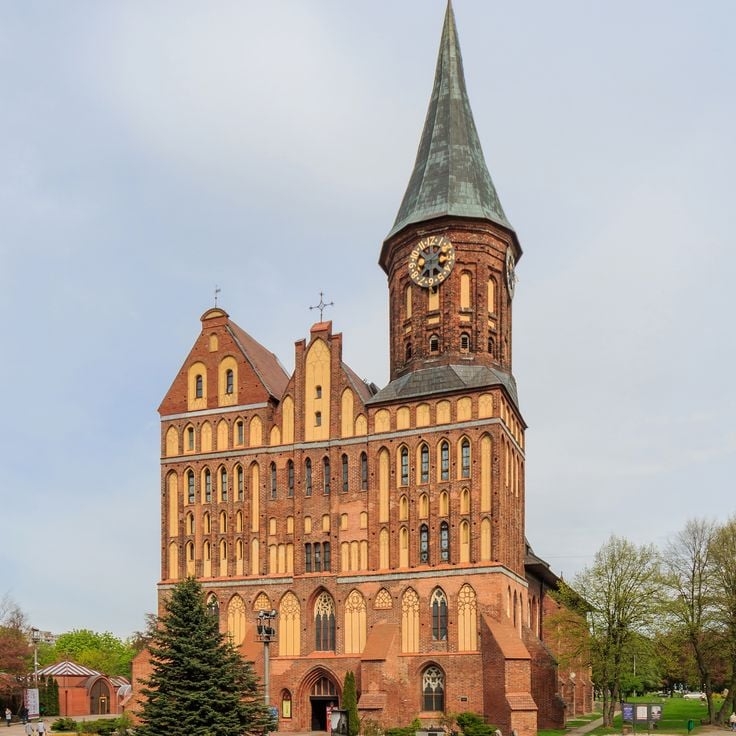
The Kaliningrad Cathedral is a 14th century building featuring brick walls, pointed arches, and ribbed vaults typical of northern European religious architecture. Today the cathedral houses a museum and concert organ. In Kaliningrad, where German and Russian heritage meet, this cathedral bears witness to the city's past as Königsberg and continues to shape its identity.
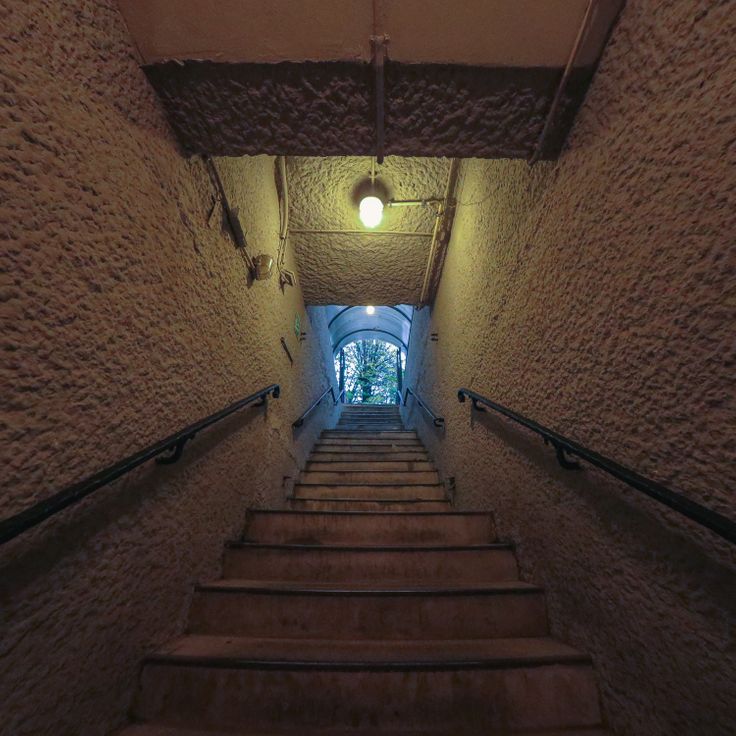
The Bunker Museum in Kaliningrad shows how the city defended itself during World War II. Inside this underground structure you will find military objects, documents, and photographs from 1939 to 1945. The museum explains the defense systems of the former city of Königsberg. This museum is part of the collection that documents the Prussian heritage and military history of Kaliningrad.
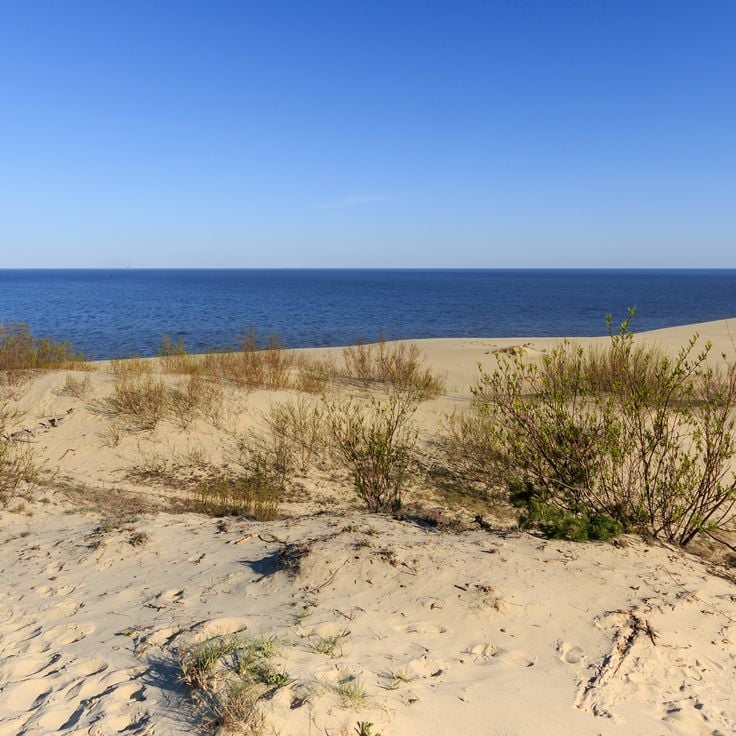
The Curonian Spit in this Kaliningrad collection is a 98-kilometer sand peninsula that separates the Baltic Sea from the Curonian Lagoon. It features pine forests, moving sand dunes, and coastal wetlands. This natural formation demonstrates how wind and water have shaped the landscape over time.
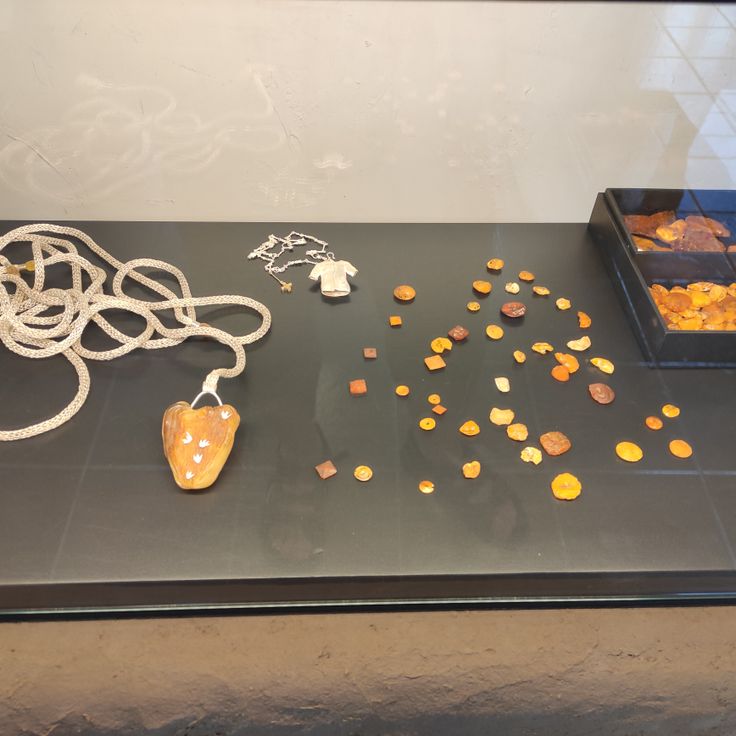
The Amber Museum in Kaliningrad displays amber specimens, tools used in amber processing, and amber jewelry. The collection includes geological and historical exhibits about Baltic amber. Housed in a 19th-century tower, this museum is part of a route exploring Kaliningrad's mix of architectural and natural discoveries.
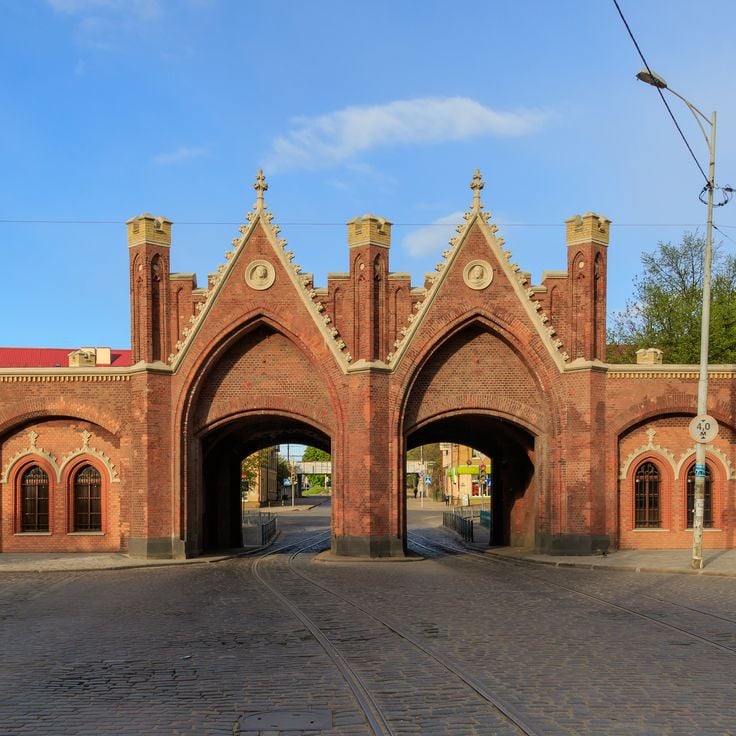
The Brandenburg Gate in Kaliningrad is one of the surviving city gates from the 17th century, displaying clear baroque features. Built from red brick with characteristic towers, it once served as an important entrance to the city. Today it stands as a reminder of Königsberg's past and represents the German architecture that shaped the city. It fits naturally into a tour of Kaliningrad that combines German and Russian heritage.
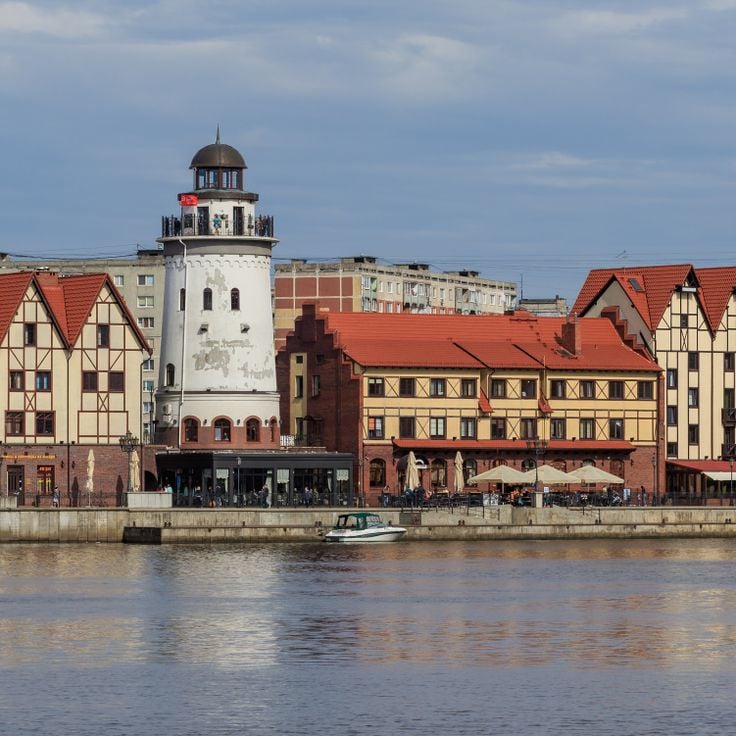
The Fishing Village in Kaliningrad brings together restaurants, shops and exhibition spaces in buildings with traditional German architecture. This reconstructed district sits on the banks of the Pregolya River and reflects the city's German past, when it was known as Königsberg. The buildings show the style from the time when the city was under Prussian rule. Today visitors can walk through the streets, dine, and learn about the region's history through exhibitions. The district combines commerce and culture in a riverside setting.
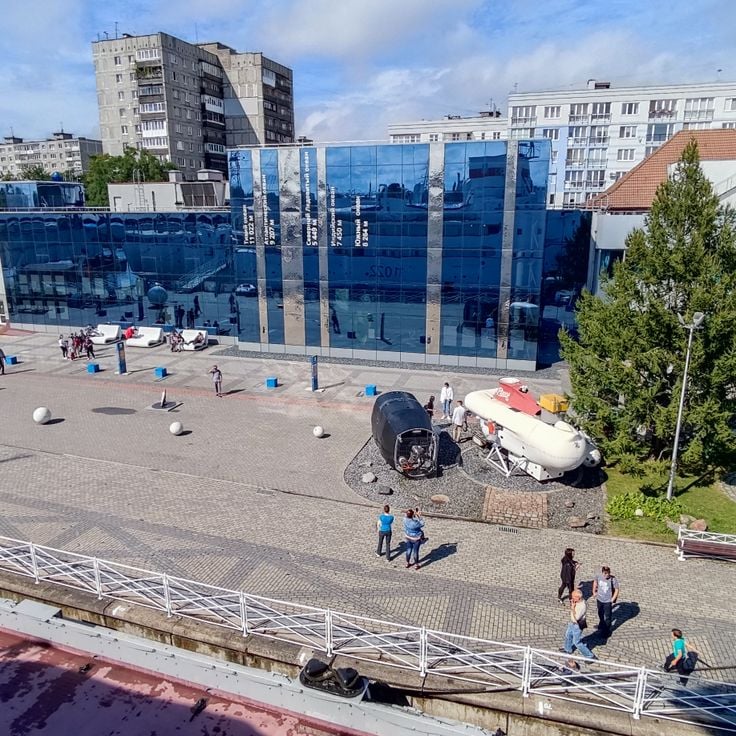
The World Ocean Museum in this collection displays research vessels, scientific equipment, aquariums and collections documenting the history of ocean exploration and navigation. A visit complements the route through Kaliningrad's architecture and nature, where German and Russian heritage meet.
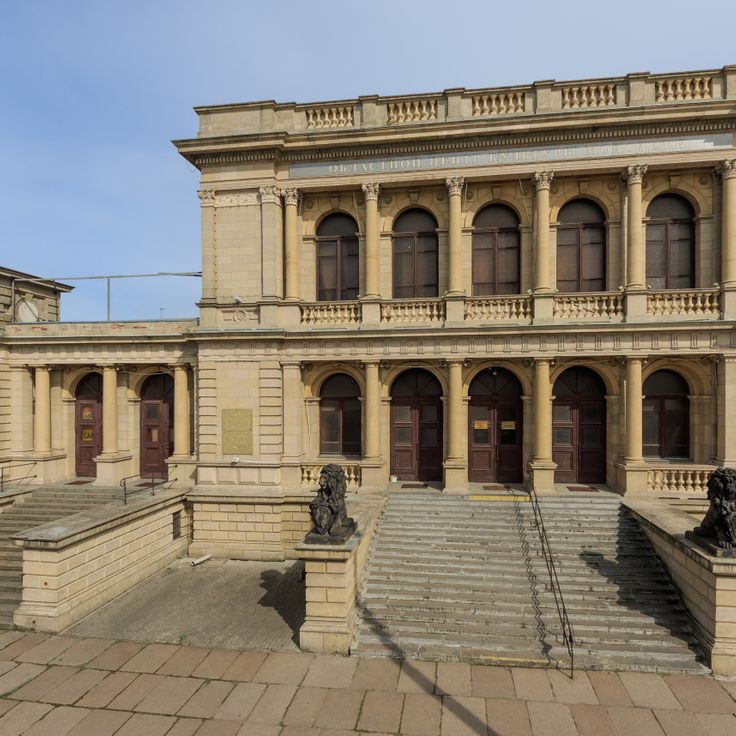
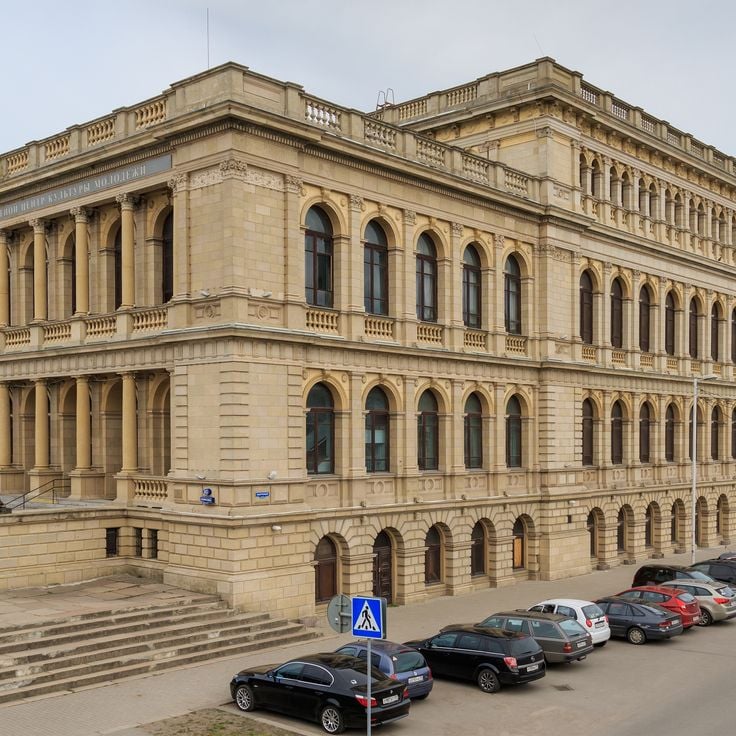
The Königsberg Stock Exchange is a handsome building from 1875, featuring columns and tall windows that showcase Prussian design. Within this collection exploring Kaliningrad's blend of German and Russian heritage, this structure represents the economic importance of the former city of Königsberg. Today, the Stock Exchange serves as a venue for concerts and art exhibitions that reflect the cultural life of the region.
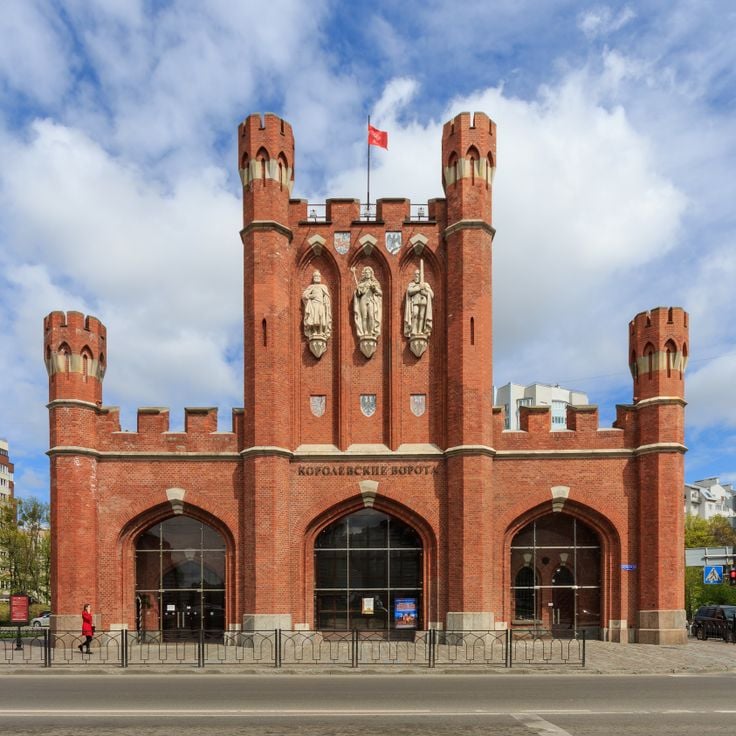
The King's Gate in Kaliningrad is a 19th century structure that displays the typical features of Prussian military architecture, with its brick facade and decorative elements. Once serving as one of the main entrances to the city when it was known as Königsberg, this gate stands as a reminder of the region's layered past. It reflects the military heritage that shaped the former fortress city and showcases the craftsmanship of Prussian builders. Today, visitors can see how this gateway once guarded the city's entry and understand the defensive strategies that were central to the settlement's design.
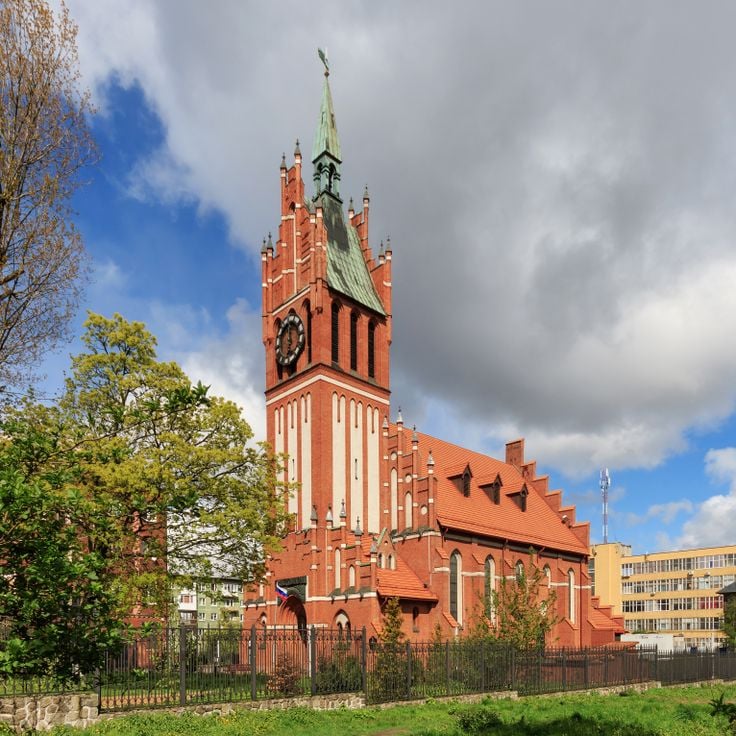
The Church of the Holy Family is part of Kaliningrad's story of German and Russian heritage. This red brick building was constructed in 1907 and showcases Gothic features with pointed arches and tall windows. The interior has excellent acoustics and provides a quiet space to pause amid the city's layered history.
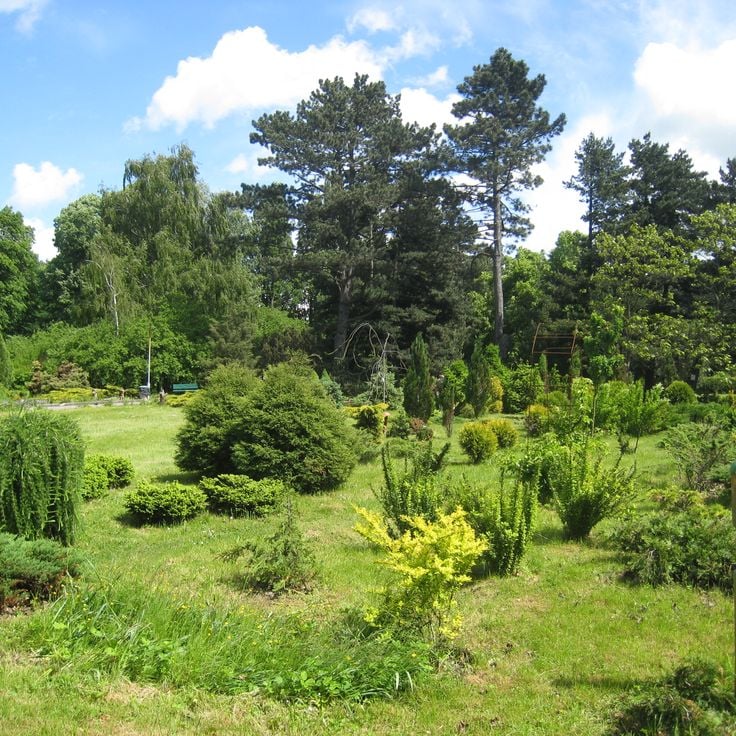
The Botanical Garden of Kaliningrad houses over 2500 plant species, including rare native vegetation and a greenhouse with tropical specimens. It complements the diverse cultural and natural landscape of the city, which blends German and Russian traditions shaped by its rich history.
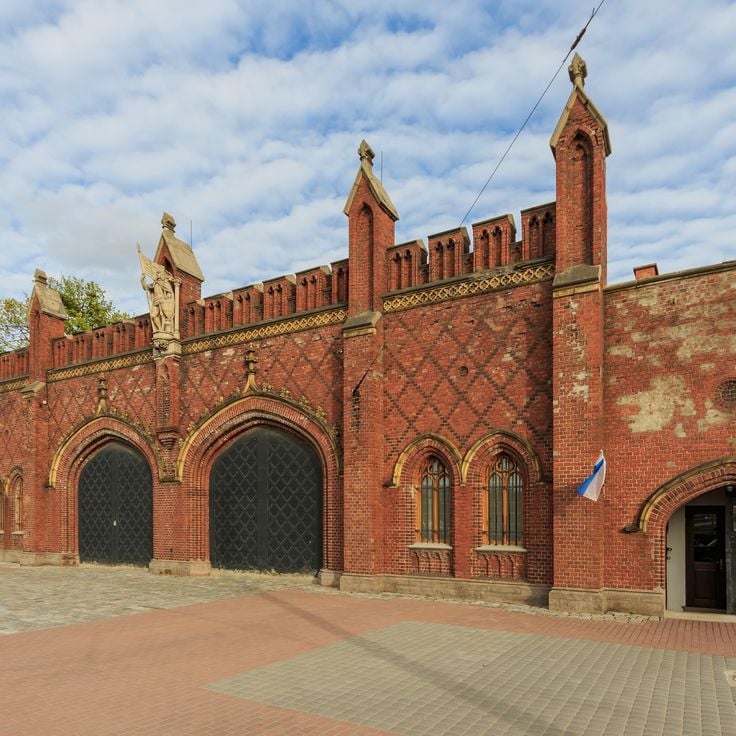
The Friedland Gate Museum in Kaliningrad occupies a fortification gate built in 1862 and displays exhibitions on Königsberg history and urban development. The museum holds historical objects and documents that tell the story of the city's German and Russian heritage. The gate stands as part of the Prussian fortifications that once protected the city and now reflect its military past.
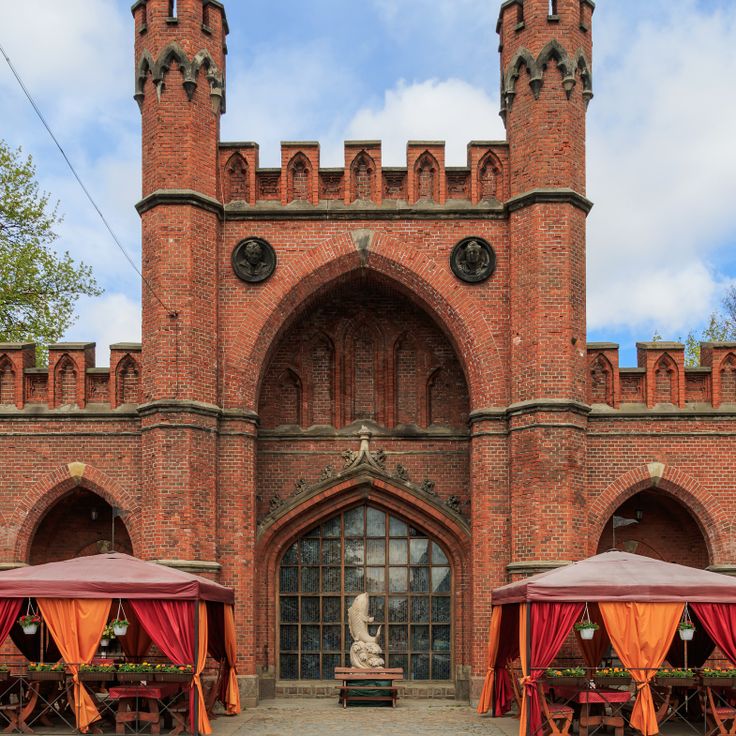
The Rossgarten Gate is a preserved 19th-century city gate that once guarded Königsberg's fortifications and now serves as a restaurant in Kaliningrad. This structure reflects the Prussian military heritage that shaped the city's past. Today, the gate welcomes visitors and locals alike, combining the city's historical legacy with everyday use. It stands as one of the few remaining witnesses to the fortified city that Königsberg once was.
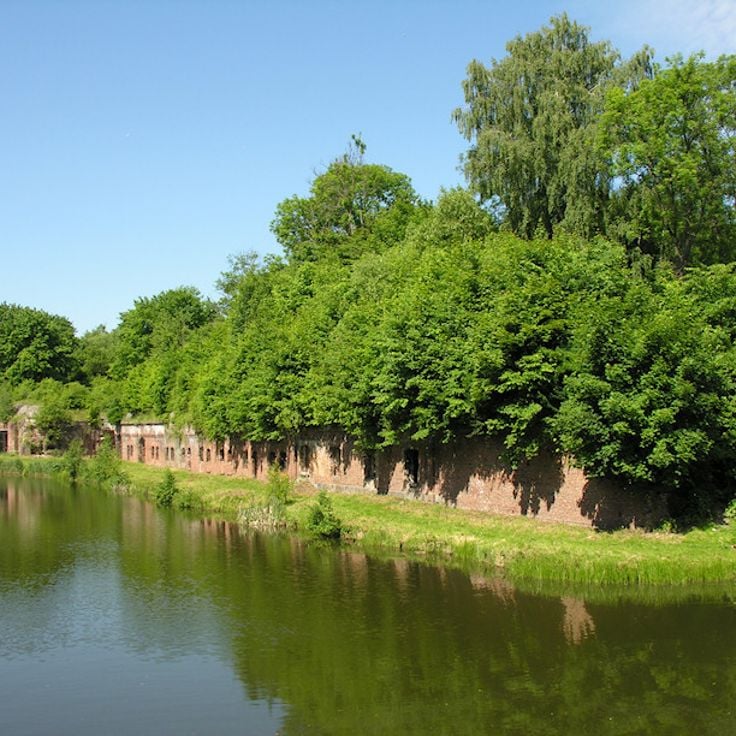
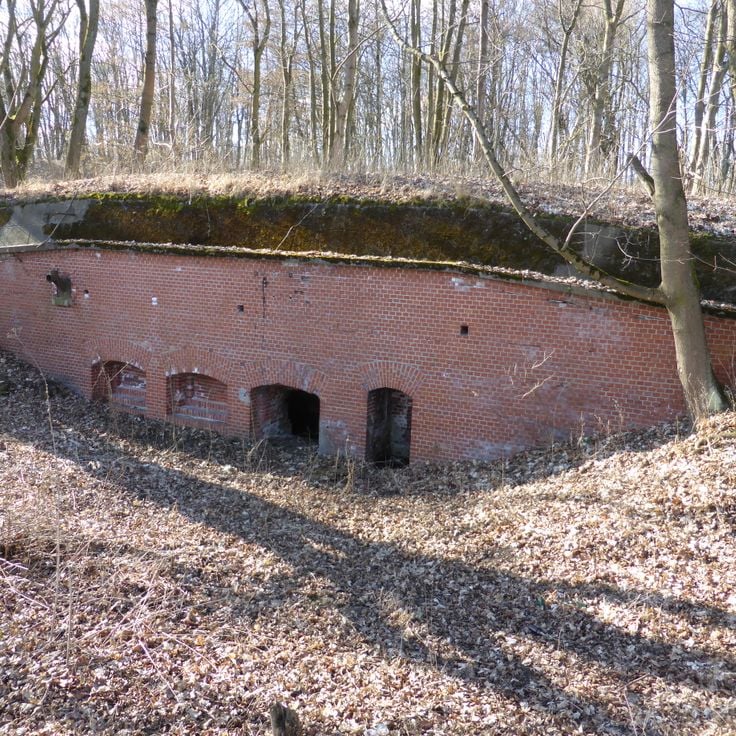
The Forts of Kaliningrad are twelve military fortifications built between 1820 and 1890 in a ring around the city, forming the Prussian defense system of Königsberg. They reveal the military history of this region and are part of the rich German and Russian heritage that shapes Kaliningrad today. These forts complement other historical sites like the 14th-century Cathedral, the historic gates, and the Bunker Museum, which together tell the story of the city's past.
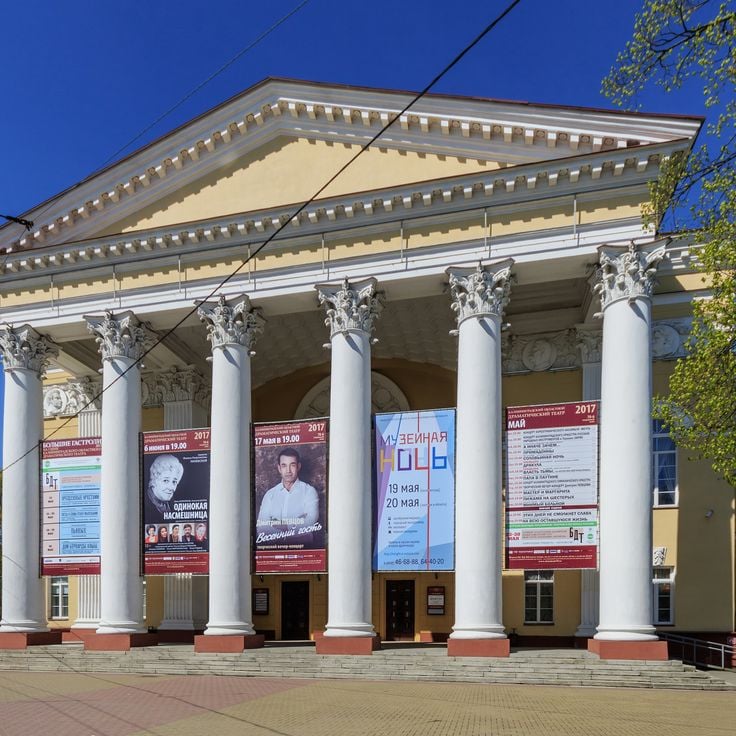
The Kaliningrad Regional Drama Theatre is the most popular theatre in the city, offering a variety of performances. It reflects the cultural life of Kaliningrad, a place shaped by both German and Russian influences that define its current character. This theatre complements other cultural venues such as the 14th-century Cathedral, now serving as a museum, and the Amber Museum, which displays Baltic amber treasures.
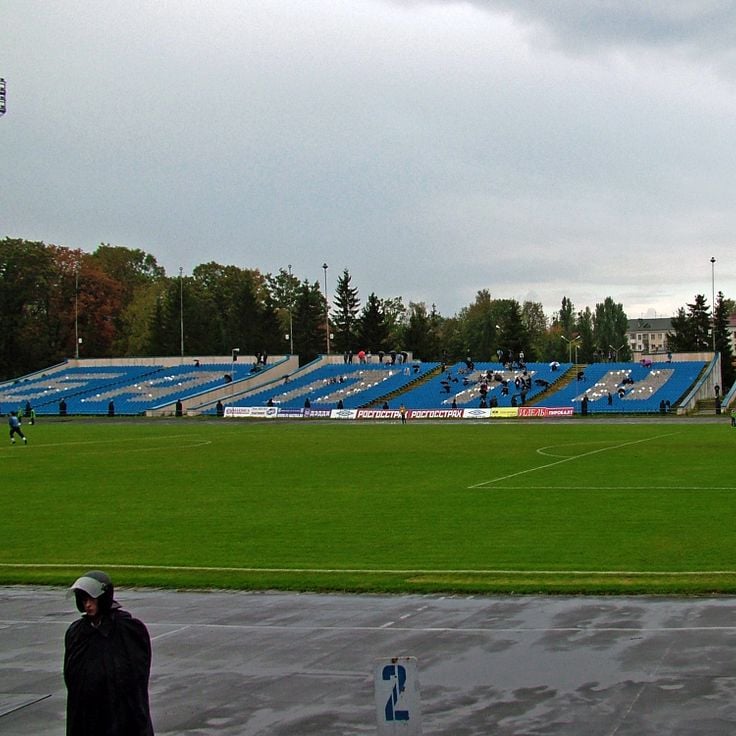
Baltika Stadium is the largest sports facility in the Kaliningrad region and serves as the home ground for FC Baltika, a football club competing in the Russian second division. Within the context of this collection about Kaliningrad's Prussian heritage and amber museums, the stadium shows the modern side of the city that has developed alongside its historic German and Russian buildings.
The Art Museum in Kaliningrad displays paintings and sculptures by Russian and German artists from the 20th and 21st centuries. As part of the city's cultural offerings, it reflects the coexistence of German and Russian heritage that defines Kaliningrad. The collection shows how artists from both nations have expressed their visions and contributes to understanding the shared artistic legacy that connects this city to its past.
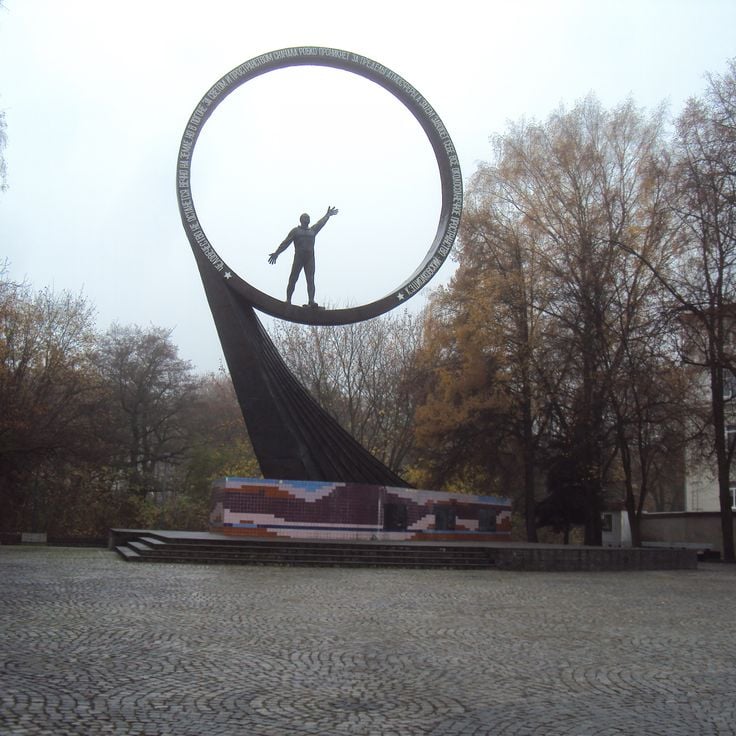
This monument and its museum in Kaliningrad document the history of Soviet space exploration. The site displays original space equipment and technical exhibits from the Soviet era. The Cosmonaut Monument offers insight into the technology and achievements of Soviet space exploration. It fits into a broader journey through the city that combines German and Russian heritage with natural features like the Curonian Spit.
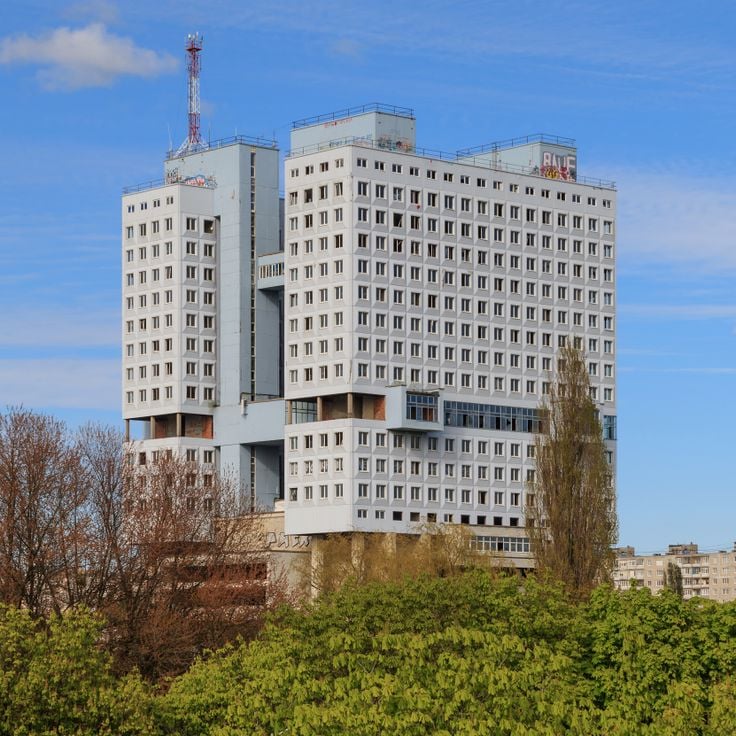
The House of Soviets is a brutalist administrative building from the 1970s that stands on the foundations of the destroyed Königsberg Castle. It remained unfinished due to structural problems. In Kaliningrad, this building reflects the layering of history where German and Russian influences coexist. The structure tells of architectural ambitions and the challenges of construction in the post-war era.
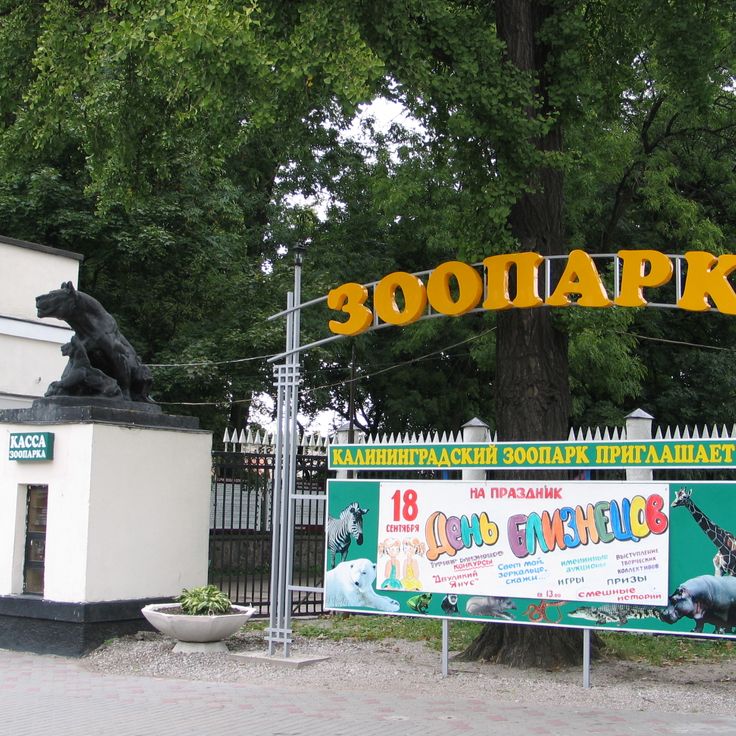
The Kaliningrad Zoo opened in 1896 and is part of the collection of attractions in this city shaped by German and Russian heritage. Spread across 16 hectares, the zoo houses more than 2000 animals from about 300 different species. It offers a place to observe wildlife and complements the experience of exploring Kaliningrad, where history and nature meet.
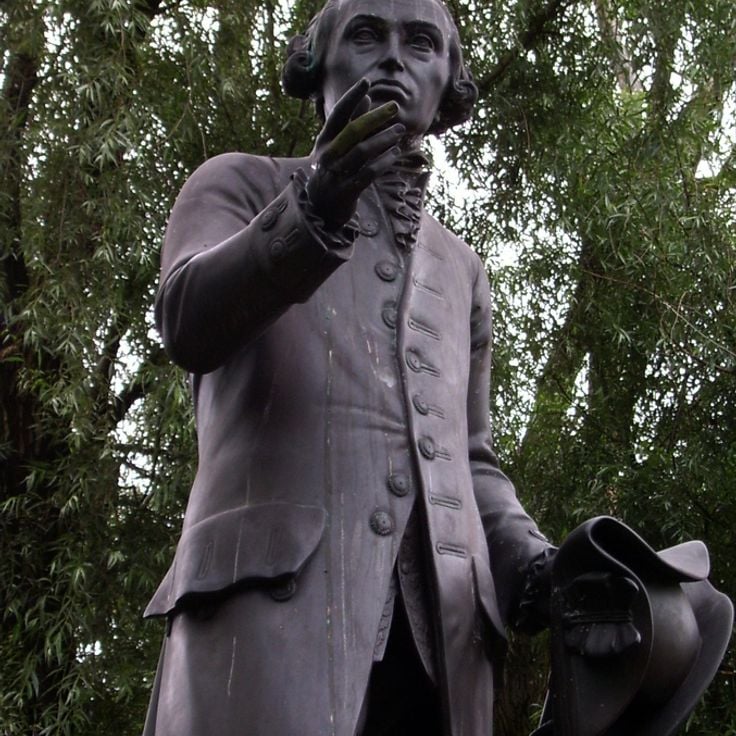
The Monument to Immanuel Kant in Kaliningrad displays the Prussian philosopher as a bronze statue on a granite pedestal in front of the university. It was erected in 1992 and is surrounded by wrought iron railings. This monument connects to the German and Russian history of the city, which has shaped its current identity. Kant taught at the University of Königsberg and left an important intellectual legacy in this region with its blend of Prussian fortifications, Gothic architecture, and Baltic heritage.
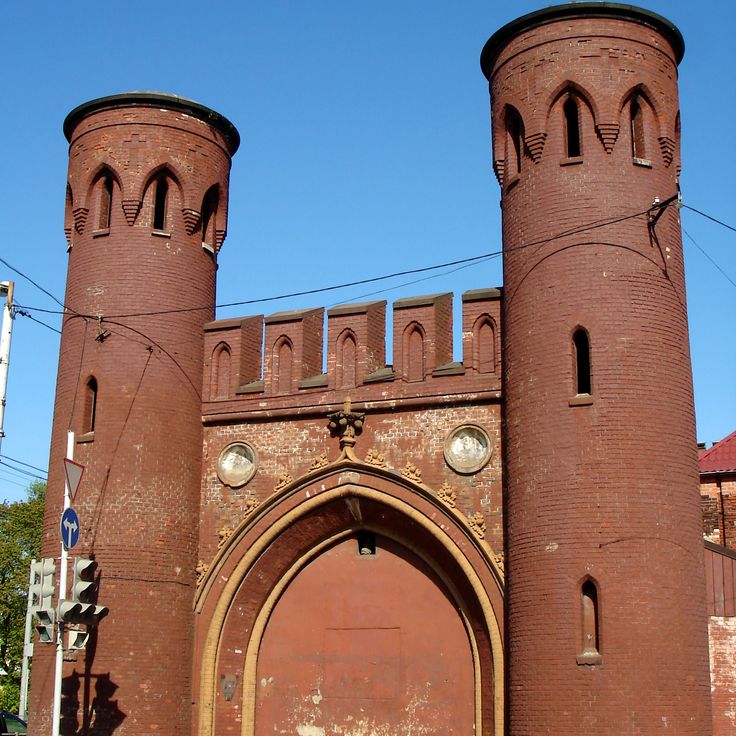
The Sackheim Gate was an important part of Kaliningrad's defenses and demonstrates 19th-century Prussian military architecture. This two-story red brick structure was part of the former Königsberg's fortification system and helps to understand the German past of the region, which now coexists with its Russian identity.
This 19th century fortification presents exhibitions about World War II and displays military equipment within its preserved casemates and defensive structures. It is part of the Prussian fortifications around Kaliningrad, which reflect the military past of the former city of Königsberg and now offer insight into the history of this region.
The Kaliningrad Cathedral is a 14th century building featuring brick walls, pointed arches, and ribbed vaults typical of northern European religious architecture. Today the cathedral houses a museum and concert organ. In Kaliningrad, where German and Russian heritage meet, this cathedral bears witness to the city's past as Königsberg and continues to shape its identity.
The Bunker Museum in Kaliningrad shows how the city defended itself during World War II. Inside this underground structure you will find military objects, documents, and photographs from 1939 to 1945. The museum explains the defense systems of the former city of Königsberg. This museum is part of the collection that documents the Prussian heritage and military history of Kaliningrad.
The Curonian Spit in this Kaliningrad collection is a 98-kilometer sand peninsula that separates the Baltic Sea from the Curonian Lagoon. It features pine forests, moving sand dunes, and coastal wetlands. This natural formation demonstrates how wind and water have shaped the landscape over time.
The Amber Museum in Kaliningrad displays amber specimens, tools used in amber processing, and amber jewelry. The collection includes geological and historical exhibits about Baltic amber. Housed in a 19th-century tower, this museum is part of a route exploring Kaliningrad's mix of architectural and natural discoveries.
The Brandenburg Gate in Kaliningrad is one of the surviving city gates from the 17th century, displaying clear baroque features. Built from red brick with characteristic towers, it once served as an important entrance to the city. Today it stands as a reminder of Königsberg's past and represents the German architecture that shaped the city. It fits naturally into a tour of Kaliningrad that combines German and Russian heritage.
The Fishing Village in Kaliningrad brings together restaurants, shops and exhibition spaces in buildings with traditional German architecture. This reconstructed district sits on the banks of the Pregolya River and reflects the city's German past, when it was known as Königsberg. The buildings show the style from the time when the city was under Prussian rule. Today visitors can walk through the streets, dine, and learn about the region's history through exhibitions. The district combines commerce and culture in a riverside setting.
The World Ocean Museum in this collection displays research vessels, scientific equipment, aquariums and collections documenting the history of ocean exploration and navigation. A visit complements the route through Kaliningrad's architecture and nature, where German and Russian heritage meet.
The Königsberg Stock Exchange is a handsome building from 1875, featuring columns and tall windows that showcase Prussian design. Within this collection exploring Kaliningrad's blend of German and Russian heritage, this structure represents the economic importance of the former city of Königsberg. Today, the Stock Exchange serves as a venue for concerts and art exhibitions that reflect the cultural life of the region.
The King's Gate in Kaliningrad is a 19th century structure that displays the typical features of Prussian military architecture, with its brick facade and decorative elements. Once serving as one of the main entrances to the city when it was known as Königsberg, this gate stands as a reminder of the region's layered past. It reflects the military heritage that shaped the former fortress city and showcases the craftsmanship of Prussian builders. Today, visitors can see how this gateway once guarded the city's entry and understand the defensive strategies that were central to the settlement's design.
The Church of the Holy Family is part of Kaliningrad's story of German and Russian heritage. This red brick building was constructed in 1907 and showcases Gothic features with pointed arches and tall windows. The interior has excellent acoustics and provides a quiet space to pause amid the city's layered history.
The Botanical Garden of Kaliningrad houses over 2500 plant species, including rare native vegetation and a greenhouse with tropical specimens. It complements the diverse cultural and natural landscape of the city, which blends German and Russian traditions shaped by its rich history.
The Friedland Gate Museum in Kaliningrad occupies a fortification gate built in 1862 and displays exhibitions on Königsberg history and urban development. The museum holds historical objects and documents that tell the story of the city's German and Russian heritage. The gate stands as part of the Prussian fortifications that once protected the city and now reflect its military past.
The Rossgarten Gate is a preserved 19th-century city gate that once guarded Königsberg's fortifications and now serves as a restaurant in Kaliningrad. This structure reflects the Prussian military heritage that shaped the city's past. Today, the gate welcomes visitors and locals alike, combining the city's historical legacy with everyday use. It stands as one of the few remaining witnesses to the fortified city that Königsberg once was.
The Forts of Kaliningrad are twelve military fortifications built between 1820 and 1890 in a ring around the city, forming the Prussian defense system of Königsberg. They reveal the military history of this region and are part of the rich German and Russian heritage that shapes Kaliningrad today. These forts complement other historical sites like the 14th-century Cathedral, the historic gates, and the Bunker Museum, which together tell the story of the city's past.
The Kaliningrad Regional Drama Theatre is the most popular theatre in the city, offering a variety of performances. It reflects the cultural life of Kaliningrad, a place shaped by both German and Russian influences that define its current character. This theatre complements other cultural venues such as the 14th-century Cathedral, now serving as a museum, and the Amber Museum, which displays Baltic amber treasures.
Baltika Stadium is the largest sports facility in the Kaliningrad region and serves as the home ground for FC Baltika, a football club competing in the Russian second division. Within the context of this collection about Kaliningrad's Prussian heritage and amber museums, the stadium shows the modern side of the city that has developed alongside its historic German and Russian buildings.
The Art Museum in Kaliningrad displays paintings and sculptures by Russian and German artists from the 20th and 21st centuries. As part of the city's cultural offerings, it reflects the coexistence of German and Russian heritage that defines Kaliningrad. The collection shows how artists from both nations have expressed their visions and contributes to understanding the shared artistic legacy that connects this city to its past.
This monument and its museum in Kaliningrad document the history of Soviet space exploration. The site displays original space equipment and technical exhibits from the Soviet era. The Cosmonaut Monument offers insight into the technology and achievements of Soviet space exploration. It fits into a broader journey through the city that combines German and Russian heritage with natural features like the Curonian Spit.
The House of Soviets is a brutalist administrative building from the 1970s that stands on the foundations of the destroyed Königsberg Castle. It remained unfinished due to structural problems. In Kaliningrad, this building reflects the layering of history where German and Russian influences coexist. The structure tells of architectural ambitions and the challenges of construction in the post-war era.
The Kaliningrad Zoo opened in 1896 and is part of the collection of attractions in this city shaped by German and Russian heritage. Spread across 16 hectares, the zoo houses more than 2000 animals from about 300 different species. It offers a place to observe wildlife and complements the experience of exploring Kaliningrad, where history and nature meet.
The Monument to Immanuel Kant in Kaliningrad displays the Prussian philosopher as a bronze statue on a granite pedestal in front of the university. It was erected in 1992 and is surrounded by wrought iron railings. This monument connects to the German and Russian history of the city, which has shaped its current identity. Kant taught at the University of Königsberg and left an important intellectual legacy in this region with its blend of Prussian fortifications, Gothic architecture, and Baltic heritage.
The Sackheim Gate was an important part of Kaliningrad's defenses and demonstrates 19th-century Prussian military architecture. This two-story red brick structure was part of the former Königsberg's fortification system and helps to understand the German past of the region, which now coexists with its Russian identity.
This 19th century fortification presents exhibitions about World War II and displays military equipment within its preserved casemates and defensive structures. It is part of the Prussian fortifications around Kaliningrad, which reflect the military past of the former city of Königsberg and now offer insight into the history of this region.
The Kaliningrad Cathedral is a 14th century building featuring brick walls, pointed arches, and ribbed vaults typical of northern European religious architecture. Today the cathedral houses a museum and concert organ. In Kaliningrad, where German and Russian heritage meet, this cathedral bears witness to the city's past as Königsberg and continues to shape its identity.
The Bunker Museum in Kaliningrad shows how the city defended itself during World War II. Inside this underground structure you will find military objects, documents, and photographs from 1939 to 1945. The museum explains the defense systems of the former city of Königsberg. This museum is part of the collection that documents the Prussian heritage and military history of Kaliningrad.
The Curonian Spit in this Kaliningrad collection is a 98-kilometer sand peninsula that separates the Baltic Sea from the Curonian Lagoon. It features pine forests, moving sand dunes, and coastal wetlands. This natural formation demonstrates how wind and water have shaped the landscape over time.
The Amber Museum in Kaliningrad displays amber specimens, tools used in amber processing, and amber jewelry. The collection includes geological and historical exhibits about Baltic amber. Housed in a 19th-century tower, this museum is part of a route exploring Kaliningrad's mix of architectural and natural discoveries.
The Brandenburg Gate in Kaliningrad is one of the surviving city gates from the 17th century, displaying clear baroque features. Built from red brick with characteristic towers, it once served as an important entrance to the city. Today it stands as a reminder of Königsberg's past and represents the German architecture that shaped the city. It fits naturally into a tour of Kaliningrad that combines German and Russian heritage.
The Fishing Village in Kaliningrad brings together restaurants, shops and exhibition spaces in buildings with traditional German architecture. This reconstructed district sits on the banks of the Pregolya River and reflects the city's German past, when it was known as Königsberg. The buildings show the style from the time when the city was under Prussian rule. Today visitors can walk through the streets, dine, and learn about the region's history through exhibitions. The district combines commerce and culture in a riverside setting.
The World Ocean Museum in this collection displays research vessels, scientific equipment, aquariums and collections documenting the history of ocean exploration and navigation. A visit complements the route through Kaliningrad's architecture and nature, where German and Russian heritage meet.
The Königsberg Stock Exchange is a handsome building from 1875, featuring columns and tall windows that showcase Prussian design. Within this collection exploring Kaliningrad's blend of German and Russian heritage, this structure represents the economic importance of the former city of Königsberg. Today, the Stock Exchange serves as a venue for concerts and art exhibitions that reflect the cultural life of the region.
The King's Gate in Kaliningrad is a 19th century structure that displays the typical features of Prussian military architecture, with its brick facade and decorative elements. Once serving as one of the main entrances to the city when it was known as Königsberg, this gate stands as a reminder of the region's layered past. It reflects the military heritage that shaped the former fortress city and showcases the craftsmanship of Prussian builders. Today, visitors can see how this gateway once guarded the city's entry and understand the defensive strategies that were central to the settlement's design.
The Church of the Holy Family is part of Kaliningrad's story of German and Russian heritage. This red brick building was constructed in 1907 and showcases Gothic features with pointed arches and tall windows. The interior has excellent acoustics and provides a quiet space to pause amid the city's layered history.
The Botanical Garden of Kaliningrad houses over 2500 plant species, including rare native vegetation and a greenhouse with tropical specimens. It complements the diverse cultural and natural landscape of the city, which blends German and Russian traditions shaped by its rich history.
The Friedland Gate Museum in Kaliningrad occupies a fortification gate built in 1862 and displays exhibitions on Königsberg history and urban development. The museum holds historical objects and documents that tell the story of the city's German and Russian heritage. The gate stands as part of the Prussian fortifications that once protected the city and now reflect its military past.
The Rossgarten Gate is a preserved 19th-century city gate that once guarded Königsberg's fortifications and now serves as a restaurant in Kaliningrad. This structure reflects the Prussian military heritage that shaped the city's past. Today, the gate welcomes visitors and locals alike, combining the city's historical legacy with everyday use. It stands as one of the few remaining witnesses to the fortified city that Königsberg once was.
The Forts of Kaliningrad are twelve military fortifications built between 1820 and 1890 in a ring around the city, forming the Prussian defense system of Königsberg. They reveal the military history of this region and are part of the rich German and Russian heritage that shapes Kaliningrad today. These forts complement other historical sites like the 14th-century Cathedral, the historic gates, and the Bunker Museum, which together tell the story of the city's past.
The Kaliningrad Regional Drama Theatre is the most popular theatre in the city, offering a variety of performances. It reflects the cultural life of Kaliningrad, a place shaped by both German and Russian influences that define its current character. This theatre complements other cultural venues such as the 14th-century Cathedral, now serving as a museum, and the Amber Museum, which displays Baltic amber treasures.
Baltika Stadium is the largest sports facility in the Kaliningrad region and serves as the home ground for FC Baltika, a football club competing in the Russian second division. Within the context of this collection about Kaliningrad's Prussian heritage and amber museums, the stadium shows the modern side of the city that has developed alongside its historic German and Russian buildings.
The Art Museum in Kaliningrad displays paintings and sculptures by Russian and German artists from the 20th and 21st centuries. As part of the city's cultural offerings, it reflects the coexistence of German and Russian heritage that defines Kaliningrad. The collection shows how artists from both nations have expressed their visions and contributes to understanding the shared artistic legacy that connects this city to its past.
This monument and its museum in Kaliningrad document the history of Soviet space exploration. The site displays original space equipment and technical exhibits from the Soviet era. The Cosmonaut Monument offers insight into the technology and achievements of Soviet space exploration. It fits into a broader journey through the city that combines German and Russian heritage with natural features like the Curonian Spit.
The House of Soviets is a brutalist administrative building from the 1970s that stands on the foundations of the destroyed Königsberg Castle. It remained unfinished due to structural problems. In Kaliningrad, this building reflects the layering of history where German and Russian influences coexist. The structure tells of architectural ambitions and the challenges of construction in the post-war era.
The Kaliningrad Zoo opened in 1896 and is part of the collection of attractions in this city shaped by German and Russian heritage. Spread across 16 hectares, the zoo houses more than 2000 animals from about 300 different species. It offers a place to observe wildlife and complements the experience of exploring Kaliningrad, where history and nature meet.
The Monument to Immanuel Kant in Kaliningrad displays the Prussian philosopher as a bronze statue on a granite pedestal in front of the university. It was erected in 1992 and is surrounded by wrought iron railings. This monument connects to the German and Russian history of the city, which has shaped its current identity. Kant taught at the University of Königsberg and left an important intellectual legacy in this region with its blend of Prussian fortifications, Gothic architecture, and Baltic heritage.
The Sackheim Gate was an important part of Kaliningrad's defenses and demonstrates 19th-century Prussian military architecture. This two-story red brick structure was part of the former Königsberg's fortification system and helps to understand the German past of the region, which now coexists with its Russian identity.
This 19th century fortification presents exhibitions about World War II and displays military equipment within its preserved casemates and defensive structures. It is part of the Prussian fortifications around Kaliningrad, which reflect the military past of the former city of Königsberg and now offer insight into the history of this region.