See the monuments around you in AROpen chests in the app
Around Us is built for your phone — point your camera at the streets and discover the monuments and places around you in augmented reality.Around Us is built for your phone — chests unlock when you walk, explore and capture nearby places.
Lithuania combines medieval architecture with expansive natural areas and a complex history. The capital Vilnius presents Gediminas Tower, baroque churches such as Saints Peter and Paul Church and the Gate of Dawn, as well as reminders of Soviet occupation including the KGB Bunker Museum and Lukiškės Prison. Trakai Castle, situated on an island in a lake, ranks among the country's most recognized historical structures. Kaunas, the second-largest city, holds the baroque Pažaislis Monastery, the Christ's Resurrection Basilica, and the Ninth Fort, a memorial to Second World War victims.
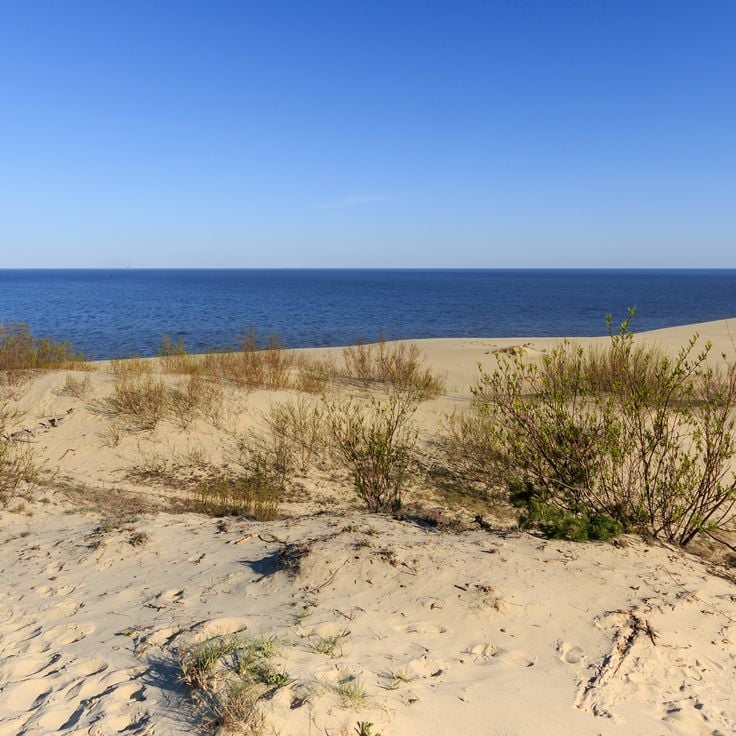
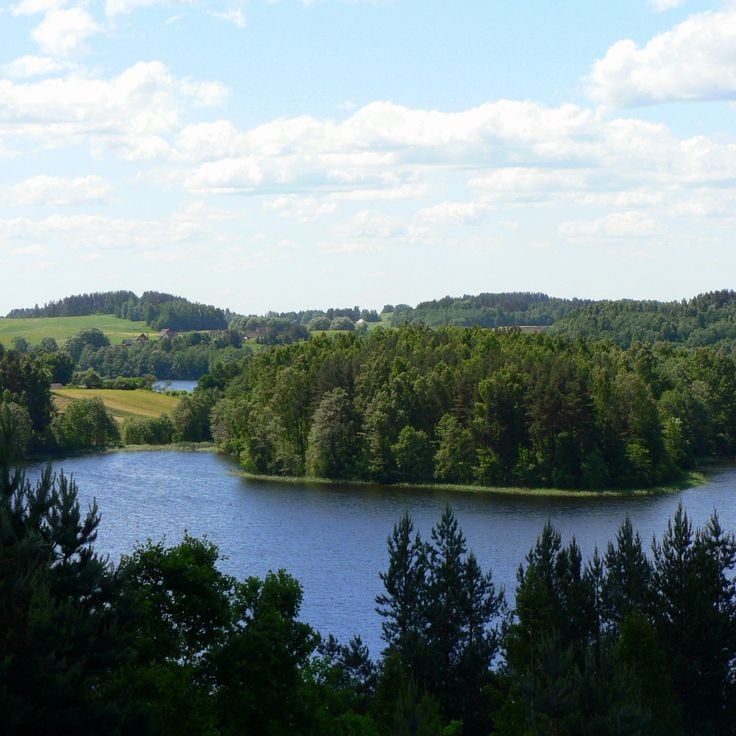
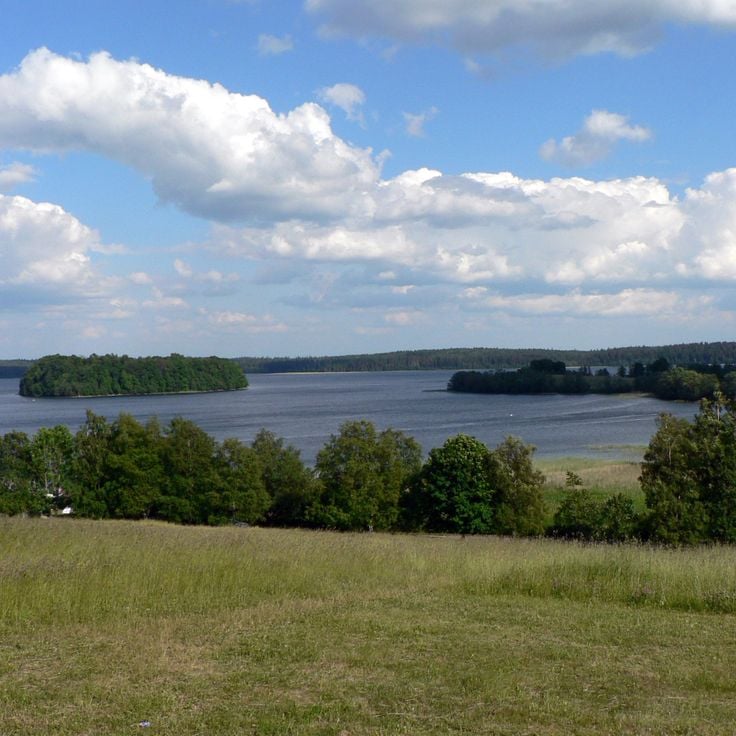
The Baltic Sea coast features the port city of Klaipėda and the Curonian Spit, a narrow land formation with shifting dunes and fishing villages. Inland, several national parks extend across the landscape, including Aukštaitija with its lakes and forests, Žemaitija surrounding Lake Plateliai, and Dzukija in the south. The spa town of Druskininkai is known for its mineral springs, wellness facilities, and Grūtas sculpture park, which exhibits Soviet-era statues. Other sites include the archaeological area of Kernavė, the Hill of Crosses near Šiauliai, the Nemunas Delta, and several castles such as Kaunas, Biržai, Medininkai, Panemunė, and Raudondvaris. The Užupis district in Vilnius draws visitors with its alternative arts scene.
Lithuania combines medieval architecture with expansive natural areas and a complex history. The capital Vilnius presents Gediminas Tower, baroque churches such as Saints Peter and Paul Church and the Gate of Dawn, as well as reminders of Soviet occupation including the KGB Bunker Museum and Lukiškės Prison. Trakai Castle, situated on an island in a lake, ranks among the country's most recognized historical structures. Kaunas, the second-largest city, holds the baroque Pažaislis Monastery, the Christ's Resurrection Basilica, and the Ninth Fort, a memorial to Second World War victims.
The Baltic Sea coast features the port city of Klaipėda and the Curonian Spit, a narrow land formation with shifting dunes and fishing villages. Inland, several national parks extend across the landscape, including Aukštaitija with its lakes and forests, Žemaitija surrounding Lake Plateliai, and Dzukija in the south. The spa town of Druskininkai is known for its mineral springs, wellness facilities, and Grūtas sculpture park, which exhibits Soviet-era statues. Other sites include the archaeological area of Kernavė, the Hill of Crosses near Šiauliai, the Nemunas Delta, and several castles such as Kaunas, Biržai, Medininkai, Panemunė, and Raudondvaris. The Užupis district in Vilnius draws visitors with its alternative arts scene.
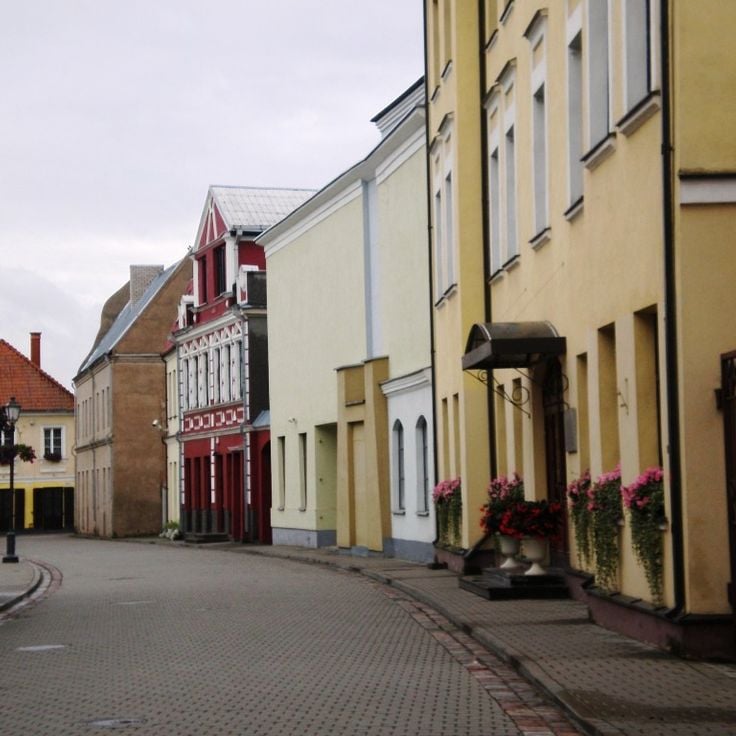
This city of 600,000 residents has served as the national capital since 1323. The historic center contains Gothic, Renaissance and Baroque buildings spanning several centuries that document different architectural periods.
Trakai Castle was built in the fourteenth century on an island in Lake Galvė and served as a residence for the Grand Dukes of Lithuania. The red brick walls and defensive towers form one of the best preserved medieval fortifications in the country. The Gothic architecture shows influences from the Teutonic Order, while the island location provided strategic defensive advantages. The restored interior houses a museum of Lithuanian history with collections of weapons, artwork and archaeological finds. The castle is accessible via two wooden footbridges.
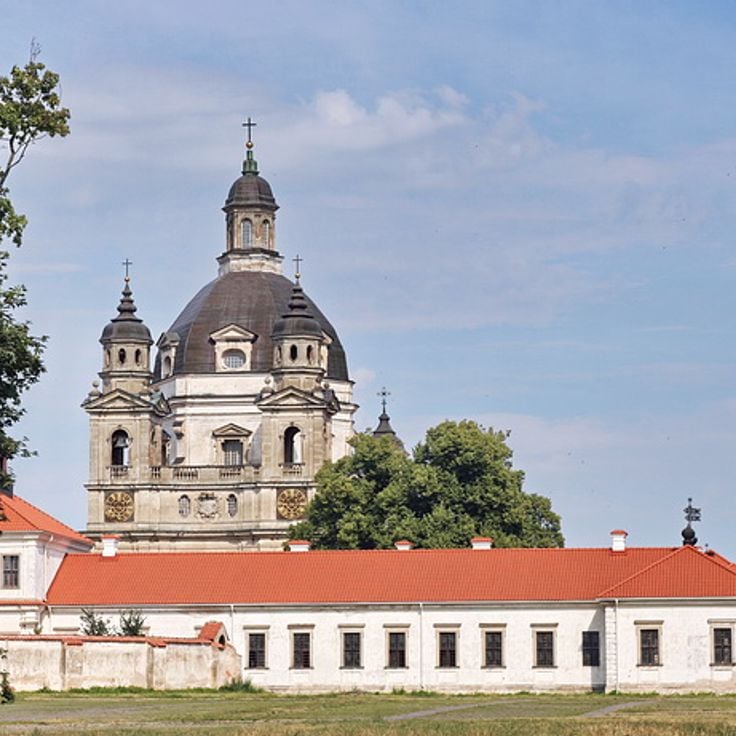
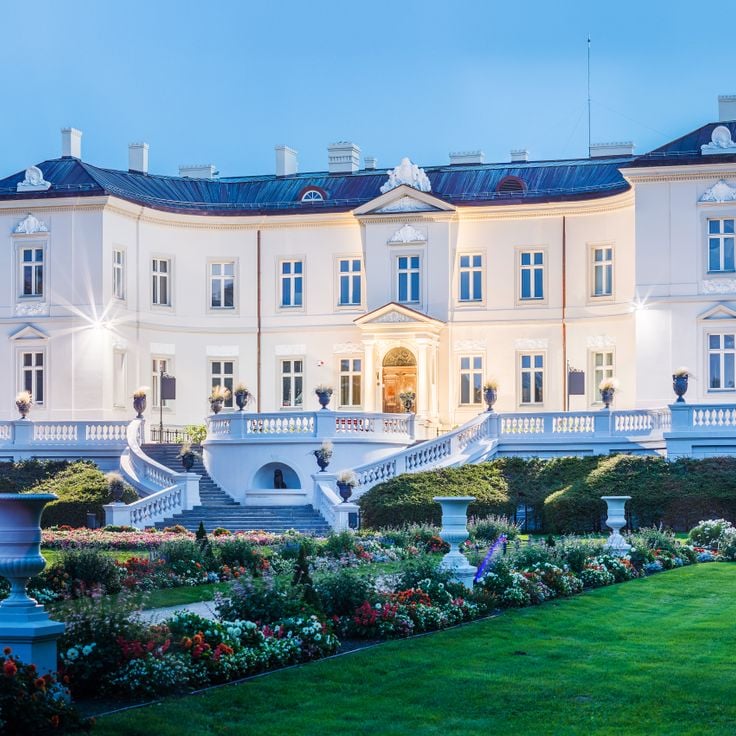
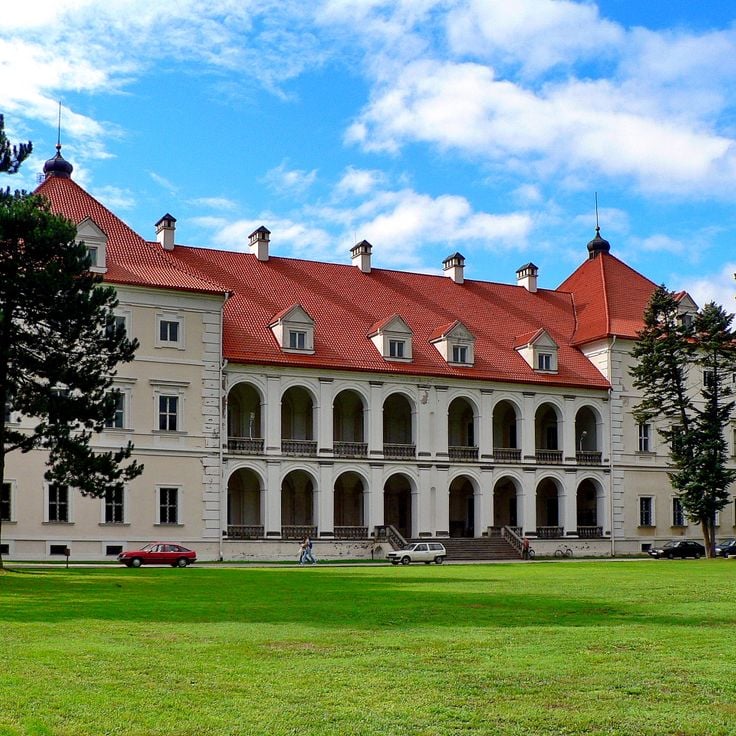
The Pažaislis Monastery was built in the 17th century for the Camaldolese order and forms one of the most important Baroque architectural complexes in Lithuania. Located on the outskirts of Kaunas, the site includes a church with elaborate stucco decoration and frescoes along with several convent buildings. The complex, designed by Italian architects, served as a monastery for centuries before being converted into a sanatorium during the Soviet period. Today, classical concerts take place at the monastery.
This narrow strip of land between the Baltic Sea and the Curonian Lagoon stretches for approximately 61 miles (98 kilometers) and features sand dunes that reach heights of up to 197 feet (60 meters). The area experienced significant deforestation during the 17th and 18th centuries, which caused the dunes to migrate. Today, the spit is largely forested and home to several fishing villages as well as the town of Nida, which houses the Thomas Mann museum. The combination of pine forest, sand dunes and coastal landscape makes this an important natural area.
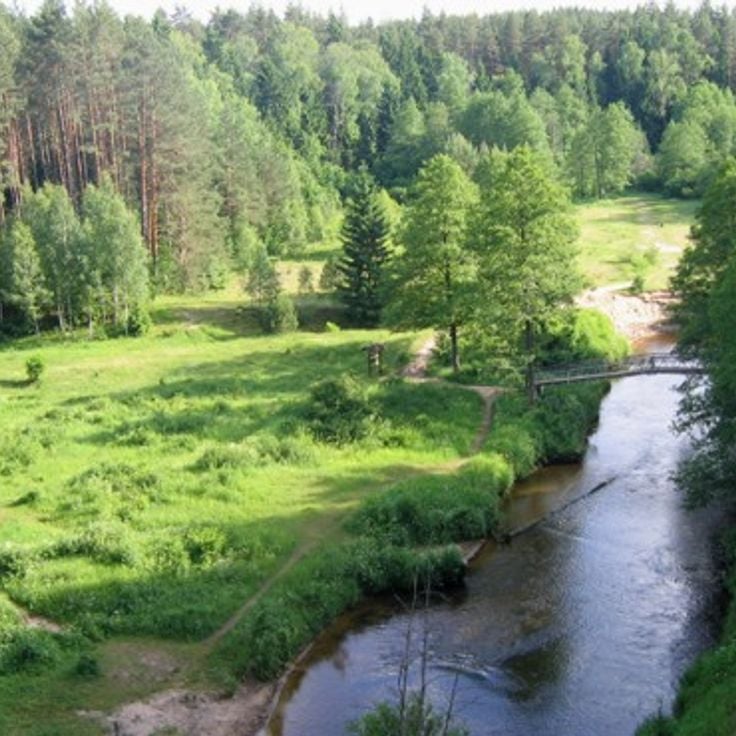
The Parc national d'Aukštaitija covers 405 square kilometers (156 square miles) of protected landscape featuring 126 lakes, extensive pine and birch forests, and marked hiking trails. The area preserves traditional wooden architecture, fishing villages, and several water mills that document the region's historic rural lifestyle. Visitors can canoe on the lakes, hike through the forests, and learn about local flora and fauna at the visitor center near Palūšė.
Žemaitija National Park protects 84 square miles (217 square kilometers) of forests and wetlands in western Lithuania, centered on Lake Plateliai surrounded by pine and deciduous woodlands. The protected area preserves traditional Samogitian architecture in several villages, a former Soviet missile base from the Cold War era, and archaeological sites dating to the Iron Age. Trails lead through mixed forests to viewpoints over the lake and historic manor houses that document Samogitian culture.
Kaunas, positioned at the confluence of the Nemunas and Neris rivers, served as Lithuania's provisional capital from 1920 to 1939. The city preserves a 13th-century medieval fortress, a historic old town with Gothic and Baroque structures, and the M. K. Čiurlionis National Museum of Art dedicated to the Lithuanian composer and painter. The 17th-century Pažaislis Monastery sits on the outskirts. As Lithuania's second-largest city, Kaunas combines industrial development with university life and provides access to nearby Trakai.
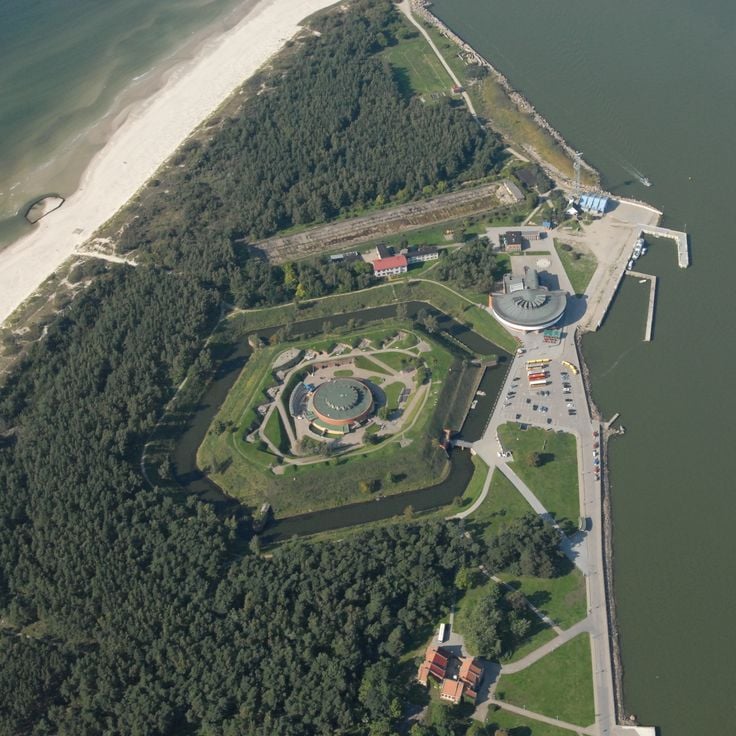
Klaipėda was founded in the thirteenth century and serves as Lithuania's main seaport. The city preserves a historic center with German architecture from its time as Memel, operates a ferry terminal with connections to Scandinavia and Germany, and houses a maritime museum with an aquarium on the Neringa peninsula.
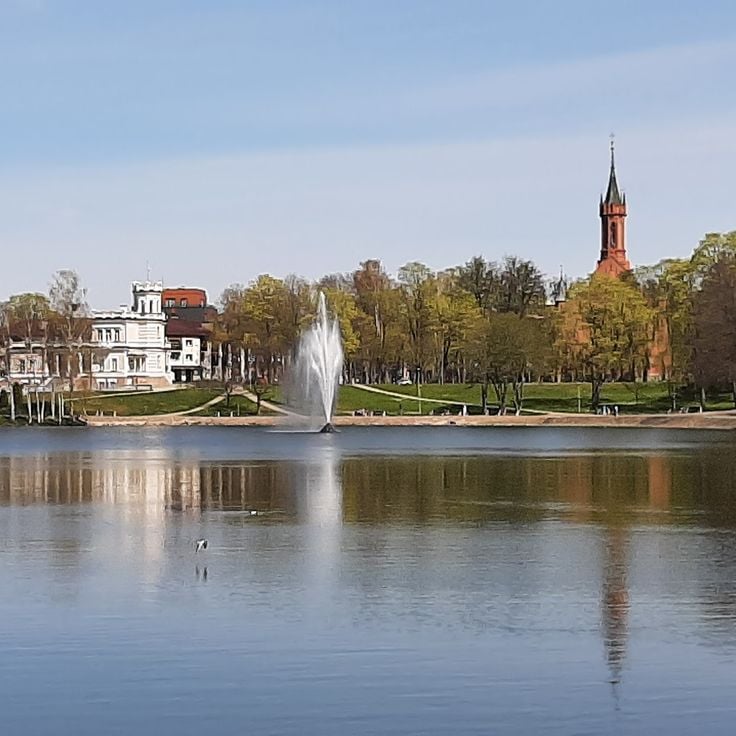
Druskininkai is a spa town near the Belarusian border that has drawn visitors seeking therapeutic treatments since the nineteenth century. The town built its reputation on mineral springs and health centers that offer a range of medical and wellness services. Treatment options include mineral baths, massage therapy and physical rehabilitation programs. Set in a forested area along the Nemunas River, Druskininkai provides parks, walking trails and cultural sites such as the Čiurlionis Museum, dedicated to the Lithuanian painter and composer. The town serves as a destination for those combining health treatments with outdoor recreation in southern Lithuania.
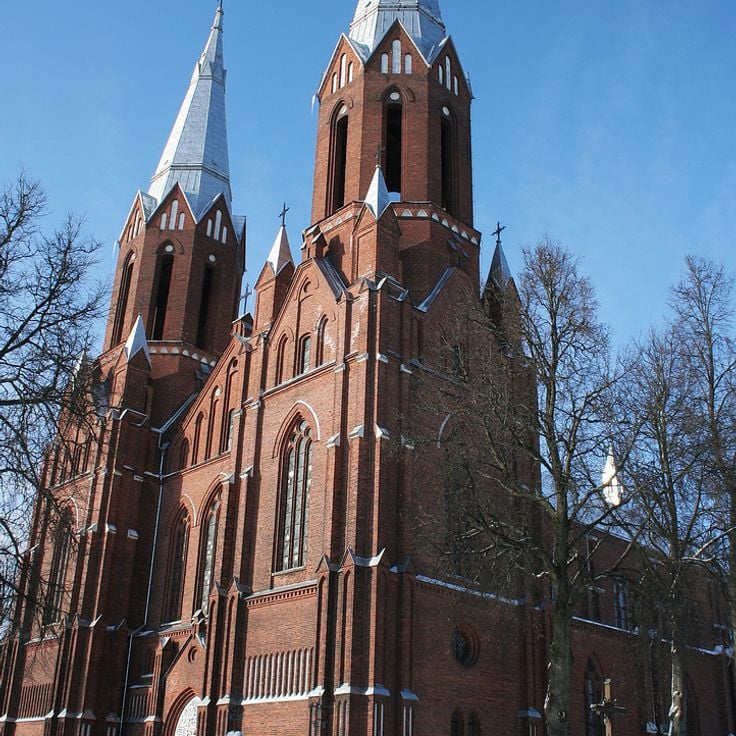
Anykščiai serves as a regional center in a forested valley along the Šventoji River, combining history with natural surroundings. The town features a twin-spired neo-Gothic church from the late 19th century and several museums dedicated to Lithuanian writer Antanas Baranauskas and local traditions. The surrounding forests offer walking trails along the river and to Puntukas Boulder, one of the largest glacial erratics in the region. Visitors find wood carving workshops, regional crafts and access to Anykščiai Regional Park with its pine forests and nature reserves.
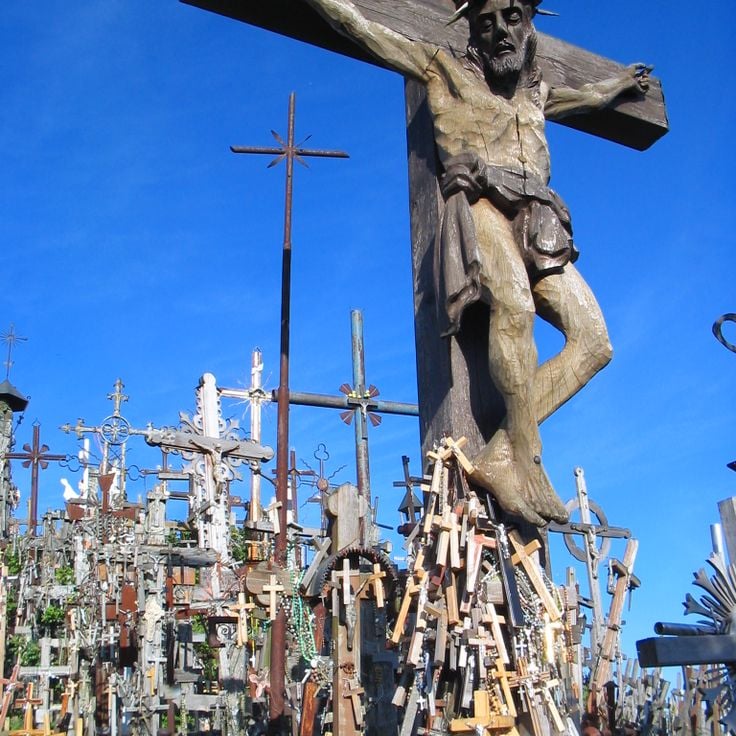
This pilgrimage site north of Šiauliai contains more than 100,000 crosses placed by believers since the 19th century. The Hill of Crosses became a symbol of national resistance during Soviet occupation, when authorities repeatedly cleared the site yet crosses continued to reappear. The grounds feature wooden and metal crosses in various sizes, accompanied by rosaries and religious figures. Pope John Paul II visited the site in 1993, reinforcing its significance for Lithuania's Catholic community.
This extensive wetland marks where the Neman River flows into the Curonian Lagoon. The region serves as an important stopover for migratory birds and hosts numerous waterfowl, wading birds and raptors during spring and fall migration. Visitors can use marked trails to reach observation points along the waterways, where bird watching opportunities are best in early morning hours.
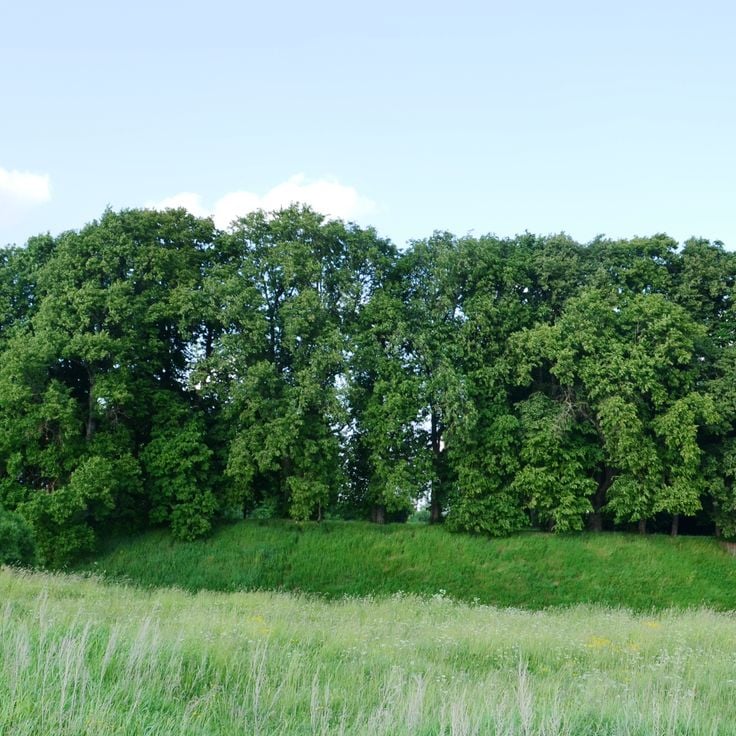
This archaeological site contains five fortified hills from the Middle Ages and served as the first capital of the Grand Duchy of Lithuania. Kernavė sits along the Neris River and preserves remains of settlements, fortifications and burial grounds from different periods dating from the 9th to the 14th century. The site was destroyed by the Knights of the Teutonic Order in 1390. Today visitors can explore the preserved earthworks, visit the on-site museum and enjoy views from the highest mound, which rises about 100 feet (30 meters) above the plain.
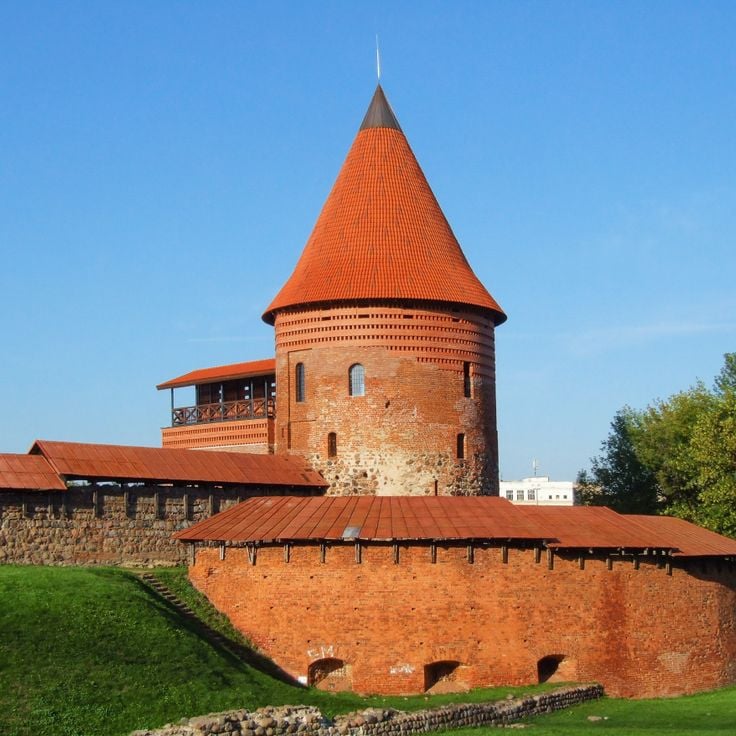
This fortress dates from the 13th century and was built to defend Kaunas against the Teutonic Order. The castle stands at the confluence of the Neris and Nemunas rivers and served as a strategic point controlling trade routes. After several sieges and destructions during the Middle Ages, portions of the walls and towers have been restored. The site includes remnants of the curtain walls, a round tower and a museum covering the castle's history and the region.
This Baltic coastal town features an 11-mile (18-kilometer) sandy beach stretching along the Lithuanian western shore. The Amber Museum displays a collection of jewelry and historical objects made from this fossilized resin.
Dzukija National Park covers 550 square miles (around 1,400 square kilometers) of pine forest in southern Lithuania, preserving traditional wooden villages and historical sites dating from the 16th century. The area offers hiking trails through dense forests, river landscapes along the Nemunas, and insights into regional rural architecture and traditional ways of life. Visitors can explore historical churches, cemeteries and museums that document Dzukija's cultural heritage.
Biržai Castle stands on an artificial island and was built in 1586 as a fortified stronghold. The thick red brick walls and defensive ramparts have defined the architectural character of the region for centuries. Following extensive restoration work completed in 1989, the castle now houses a museum dedicated to regional history, displaying collections on the local noble families and the military past of the fortress.
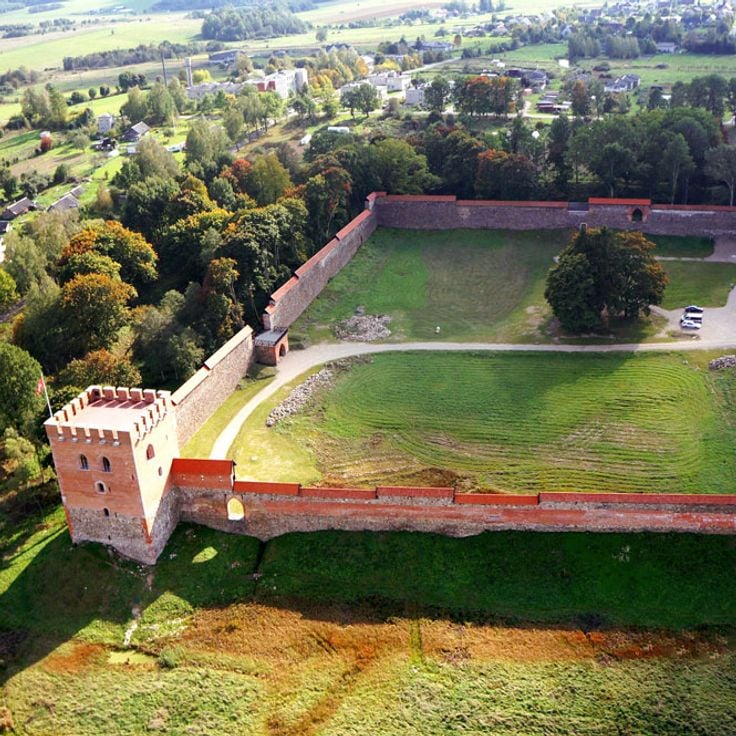
This medieval fortress from the 13th and 14th centuries comprises four towers and a rectangular enclosure wall 20 feet (6 m) thick and 50 feet (15 m) tall, representing one of Lithuania's most important Gothic defensive structures that served as a frontier stronghold of the Grand Duchy.
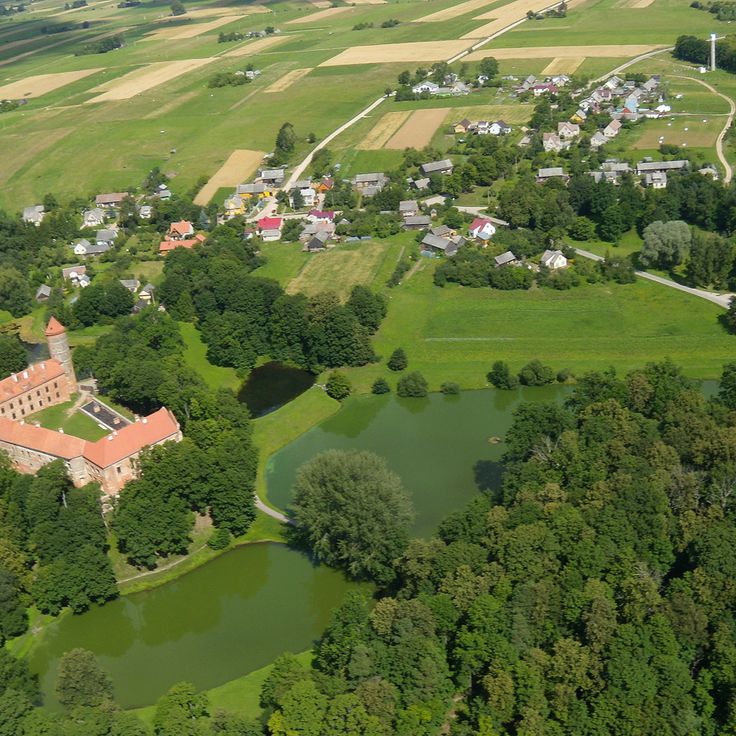
Panemunė Castle stands on a hill overlooking the Nemunas River and preserves 17th-century architecture with its four towers, interior courtyard and vaulted cellars. This historic structure ranks among Lithuania's notable fortifications and documents regional construction techniques from the transition between Renaissance and Baroque periods.
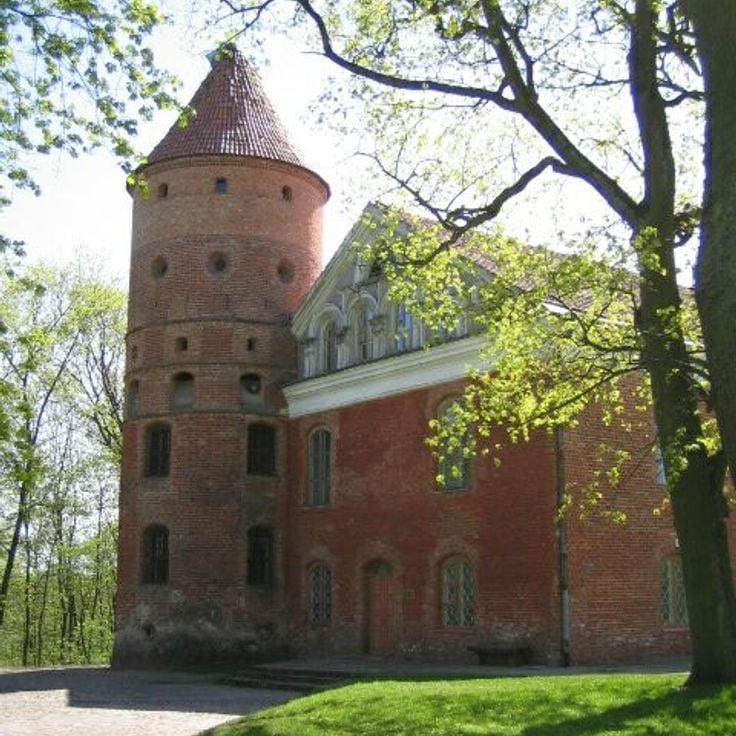
The castle features an octagonal tower structure and red brick walls dating from the mid-17th century. The estate includes stable buildings, an orangery structure and a park covering approximately 9 acres (4 hectares) that extends along the confluence of two rivers.
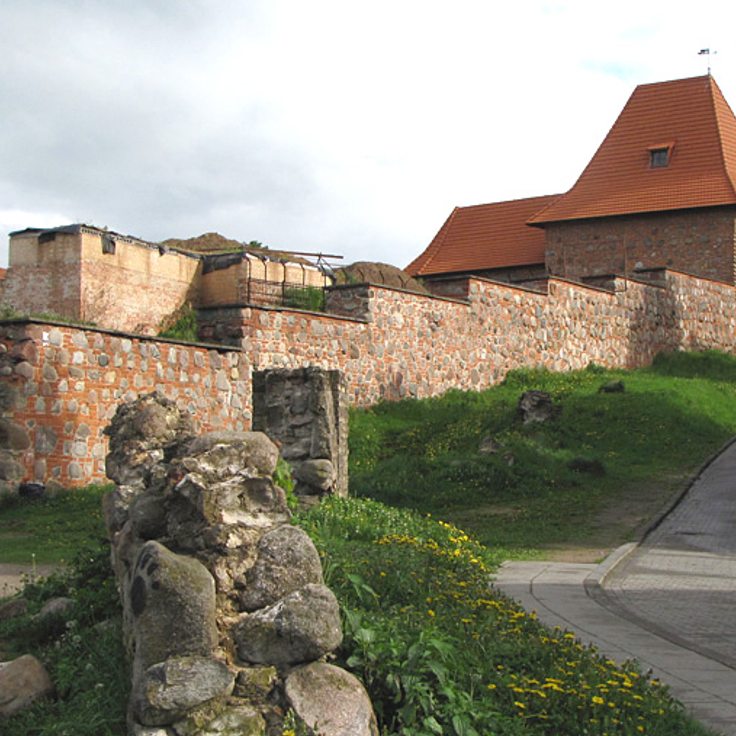
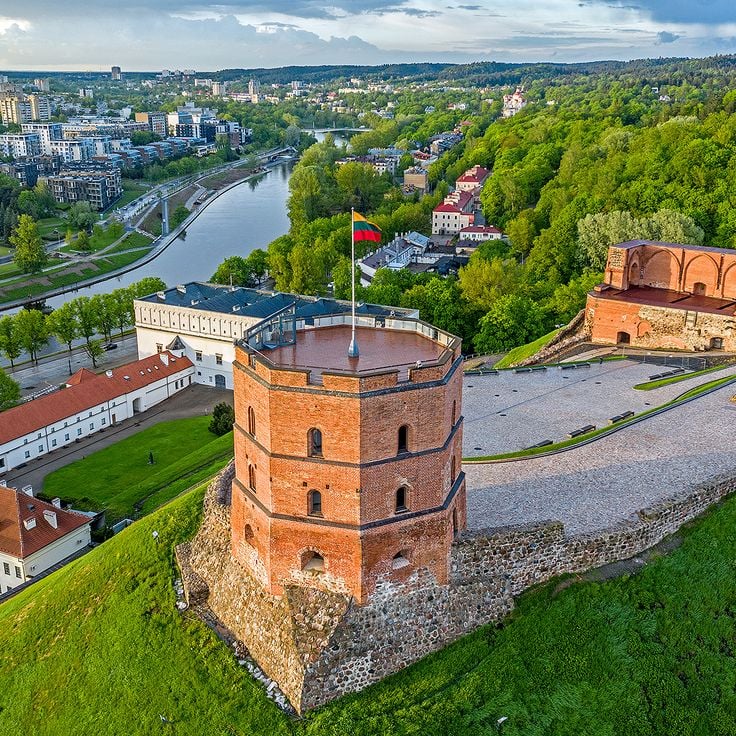
The Gediminas Tower dates from the 14th century and stands on Castle Hill as a military structure offering views across Vilnius. This fortification serves as the symbol of the Lithuanian capital and documents medieval defense architecture. The museum inside the tower displays weapons, armor and historical documents related to the city's past. Access is either by stairs or by funicular railway to the hill, where remains of the Upper Castle stand alongside the tower.
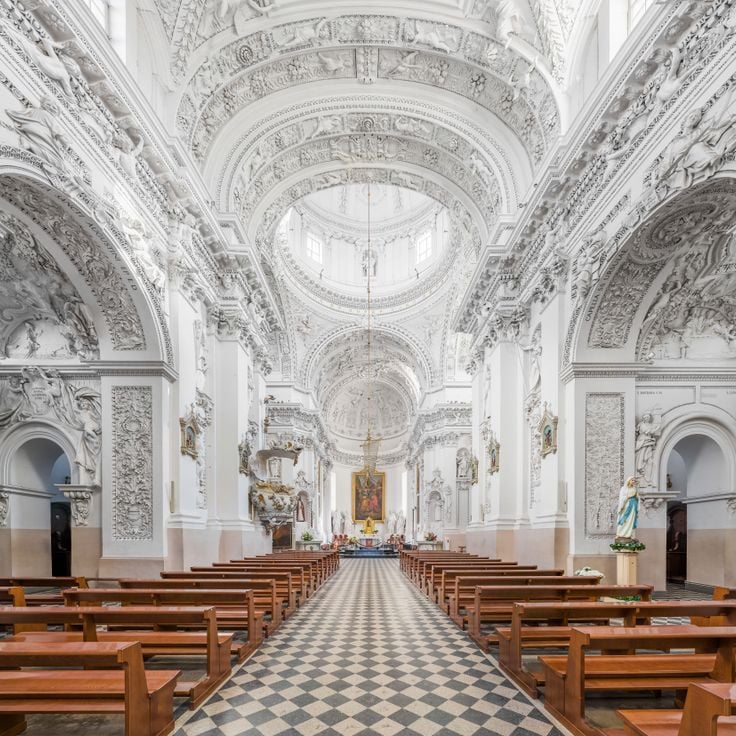
The Church of St. Peter and St. Paul stands as one of the principal Baroque religious structures in Vilnius, built during the 17th century. The interior contains over 2,000 white stucco sculptures depicting biblical scenes, saints and allegorical figures. Construction of this Jesuit church took place between 1668 and 1701 under the direction of Italian architects, serving as a Catholic response to the Protestant Reformation. Teams of Italian and Lithuanian craftsmen worked over several decades to create the stucco decorations, which form one of the most extensive Baroque stucco ensembles in Northern Europe.
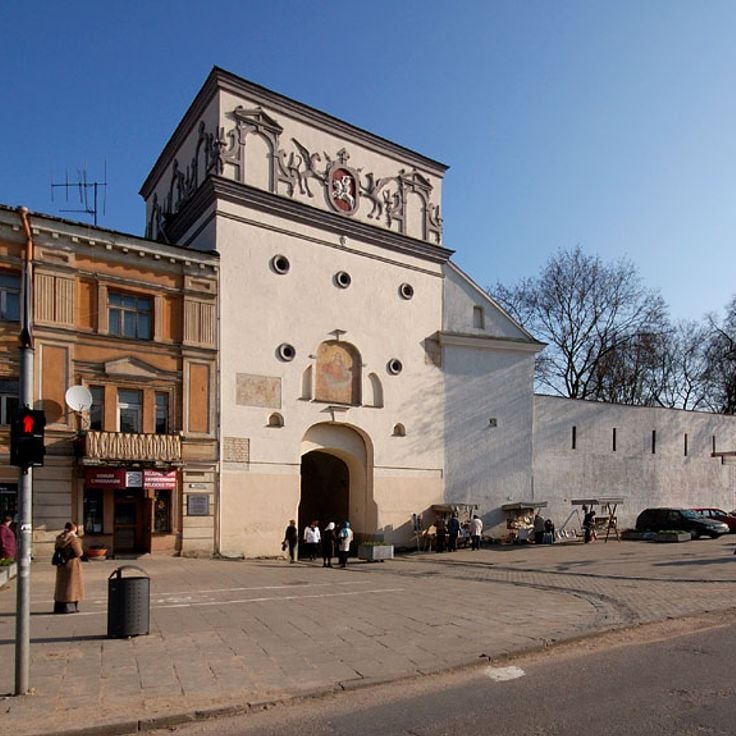
The Porte de l'Aurore was part of Vilnius's 16th-century defensive walls and houses a chapel containing a revered image of the Virgin Mary that has drawn Catholic and Orthodox pilgrims for centuries. The chapel in the upper floor of the gate tower contains the painting of Our Lady of Mercy, a significant religious artwork in the city. Visitors can walk through the passageway or access the chapel via a side staircase, where daily services and prayers take place.
This Orthodox monastery of the Holy Spirit dates from the 16th century and houses a distinctive green iconostasis in its main church. The complex stands among the significant Orthodox religious buildings in Vilnius and documents the religious diversity of the Lithuanian capital. Visitors can explore the liturgical spaces and observe traditional Orthodox architecture.
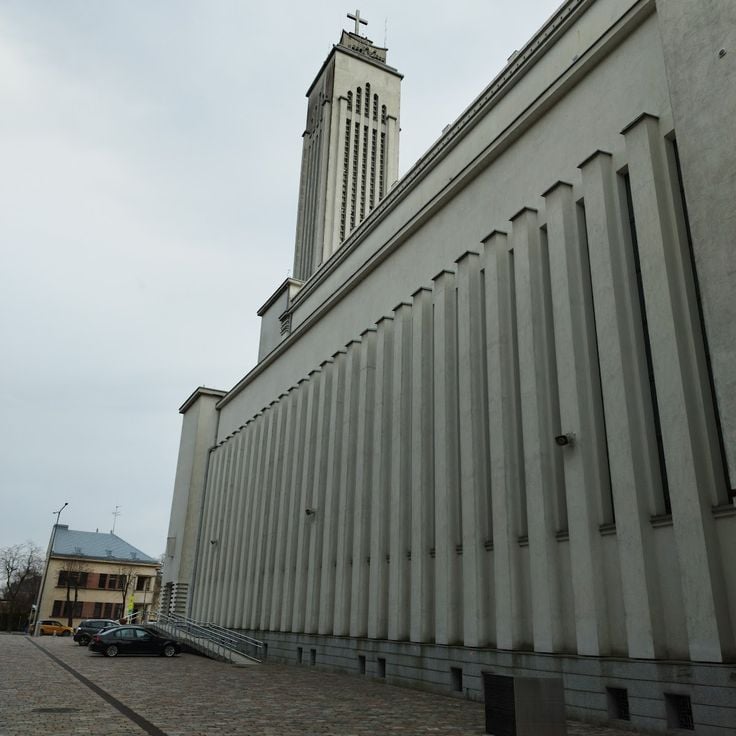
The Resurrection Basilica was built between 1932 and 1940 in a modern architectural style and rises above the city of Kaunas from its elevated position. The church features viewing terraces from which visitors can survey the city and its surroundings, and represents an unusual approach to Lithuanian church architecture from the interwar period.
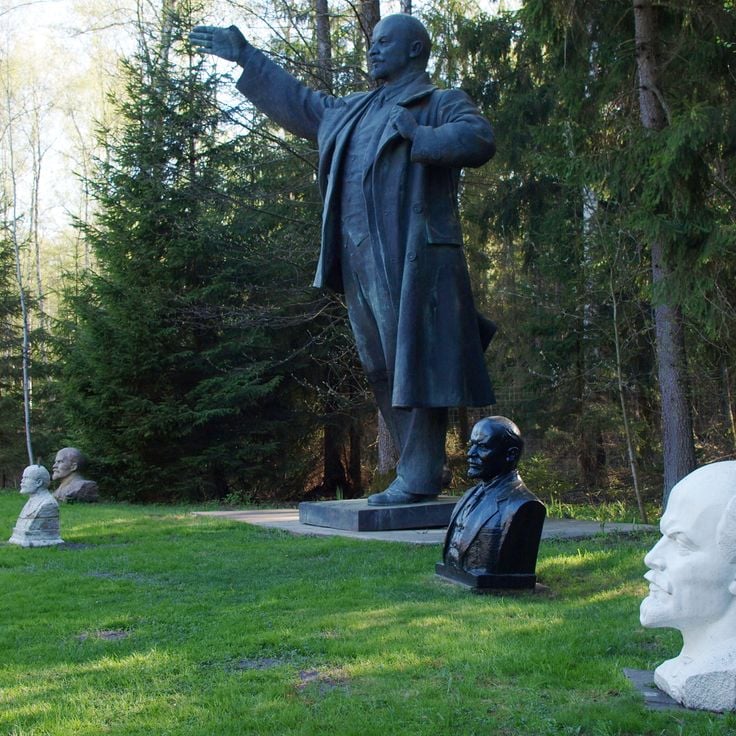
This 50-acre forested park displays more than 86 monuments and statues from the Soviet period, removed from public squares across Lithuania after 1991. Grütas presents Lenin busts, Stalin statues and other symbols of the Soviet regime in an outdoor museum setting, with historical information panels explaining the ideological significance of the objects. Located near Druskininkai, the park provides visitors with direct access to the material culture of the Soviet occupation.
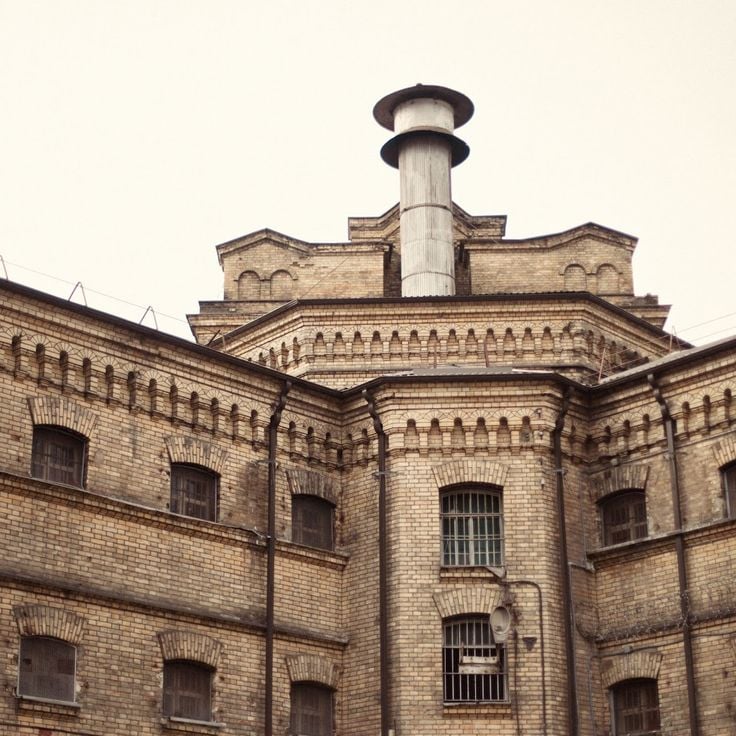
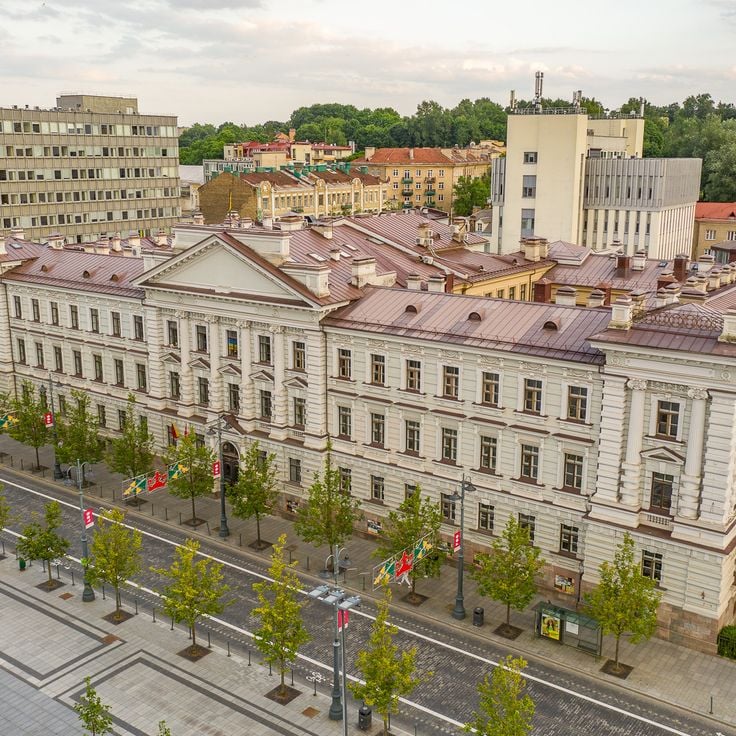
Lukiškės Prison was built in 1904, operated as a detention facility for over a century, and closed in 2019. The complex in Vilnius held political prisoners during the Soviet occupation and played a central role in twentieth century Lithuanian history. Following its closure, the facility was converted into a cultural center with galleries, restaurants and event spaces that host exhibitions on the building's history and prison architecture.
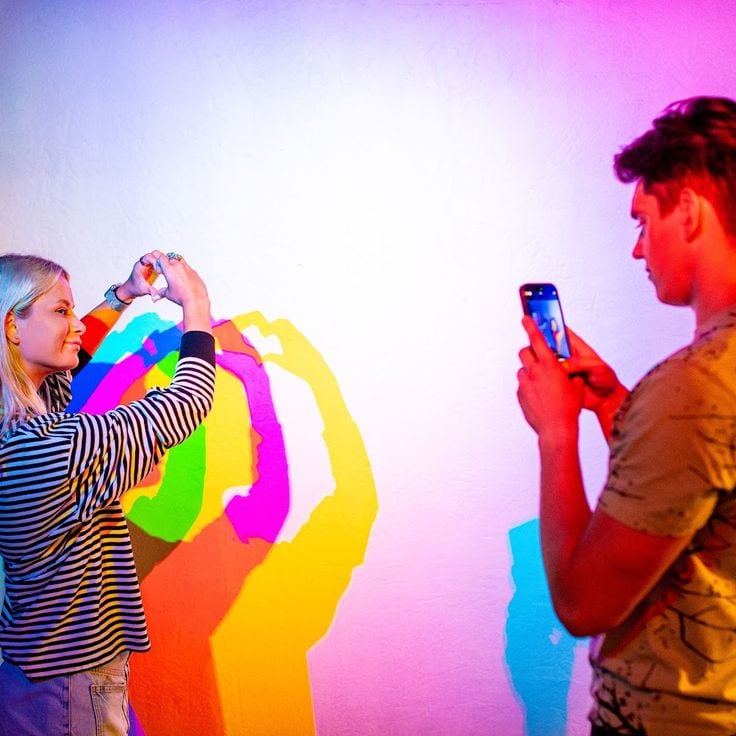
This science museum in Vilnius presents interactive exhibits on visual perception, including distorting mirrors, holograms and optical illusions. The museum explains the scientific principles behind various illusions and provides hands-on experiments for visitors of all ages. Displays cover topics such as perspective distortion, spatial perception and cognitive processing of visual information. The Musée des Illusions complements Lithuania's historic castles and religious sites with a modern approach to science education.
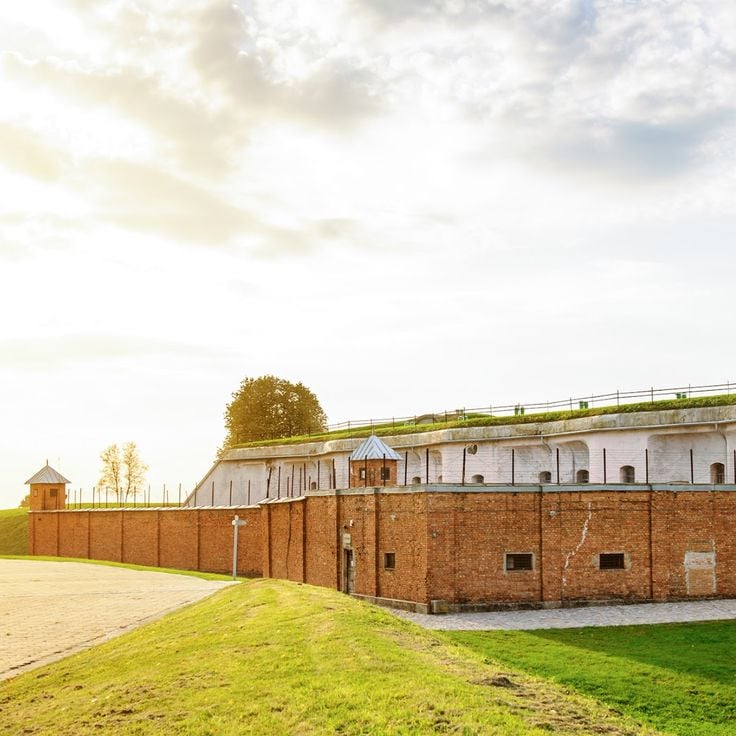
This 19th-century military fortress served as an execution site under German occupation during World War II, where over thirty thousand people died, including many Jews from Lithuania and other European countries. The museum documents Soviet deportations and the Holocaust through exhibits, photographs and testimonies. A monumental memorial on the grounds honors the victims. Preserved cells, bunkers and execution sites convey the historical reality of this period.
This museum occupies a former Soviet nuclear fallout shelter and documents the activities of the KGB in Lithuania from 1940 to 1991 through archival materials, equipment and photographs. The underground bunker was built in the 1980s for Communist Party leadership and retains its original communication systems, air filtration equipment and command rooms that illustrate the Cold War period and Soviet occupation.
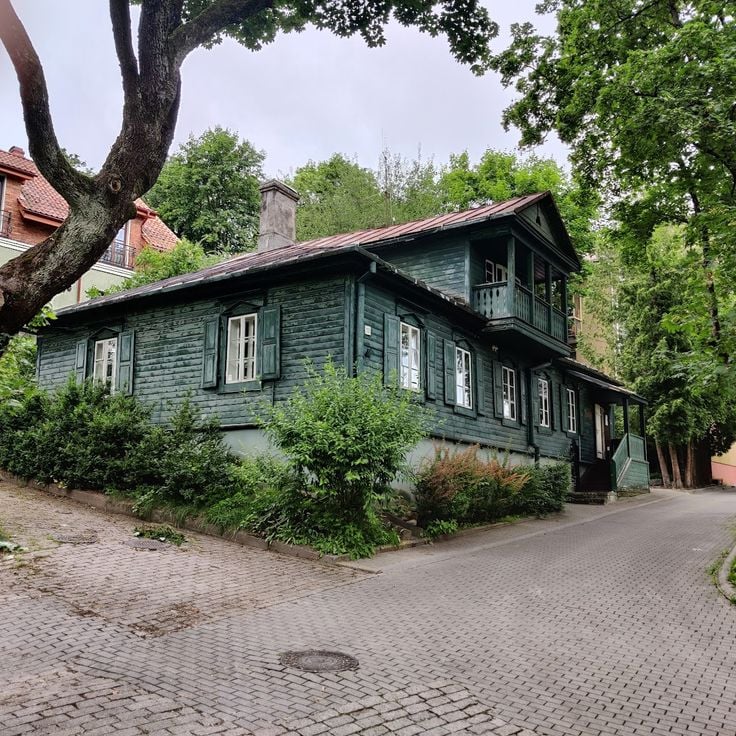
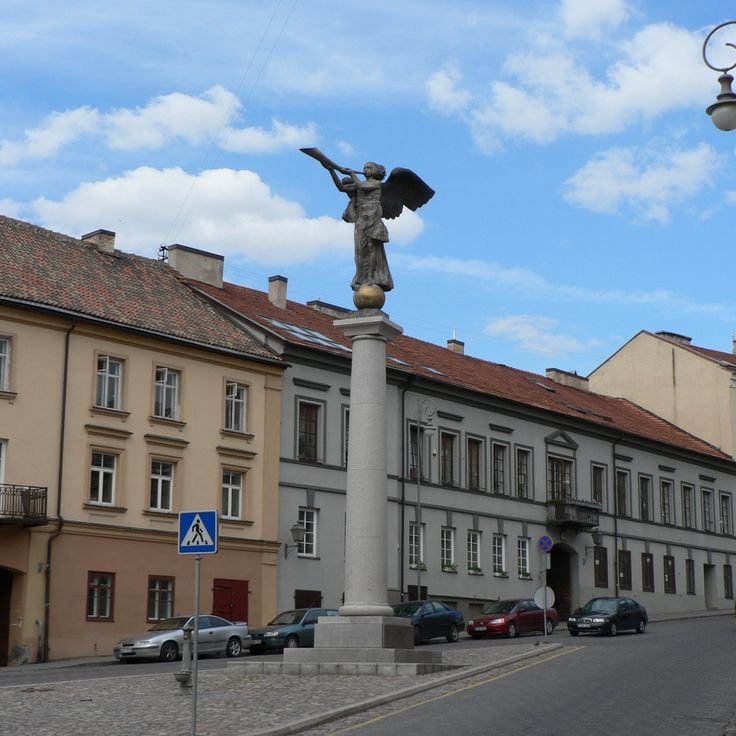
Užupis is a neighborhood in the old town of Vilnius known for its artists' studios, galleries and street installations. The district declared its own constitution in 1998, which is displayed on walls in over 40 languages and includes articles about the rights to make mistakes and be happy. After the fall of the Soviet Union, artists moved into the area's abandoned buildings, transforming it into a cultural hub. A bronze angel statue stands on the main bridge over the Vilnia River and has become a symbol of the neighborhood.
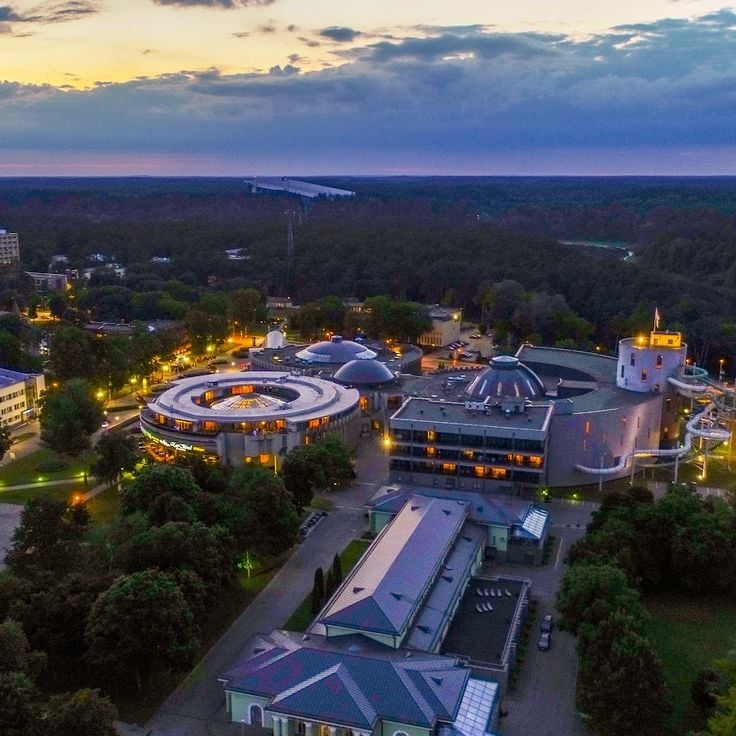
This leisure center features multiple indoor pools with varying temperatures, whirlpools and sauna areas. The facility offers year-round thermal bathing and relaxation zones. It sits in the spa town of Druskininkai, known for its mineral springs. Visitors will find different water pools for swimmers and families, along with separate wellness areas that include quiet zones.
This museum in Klaipėda houses exhibits on Baltic Sea marine biology, the history of navigation and the development of shipbuilding in the region. The collection includes historical navigation instruments, ship models and documents relating to harbor operations. An outdoor area displays restored watercraft and maritime equipment from different periods of Lithuanian seafaring.
The museum documents the persecution and murder of Lithuania's Jewish population during World War II through documents, photographs and personal belongings. The exhibition presents the history of Lithuanian Jews before the war, the occupation period and the destruction of communities. The museum preserves testimonies of victims and presents historical facts about the role of Lithuanian collaborators and resistance efforts.
This city of 600,000 residents has served as the national capital since 1323. The historic center contains Gothic, Renaissance and Baroque buildings spanning several centuries that document different architectural periods.
Trakai Castle was built in the fourteenth century on an island in Lake Galvė and served as a residence for the Grand Dukes of Lithuania. The red brick walls and defensive towers form one of the best preserved medieval fortifications in the country. The Gothic architecture shows influences from the Teutonic Order, while the island location provided strategic defensive advantages. The restored interior houses a museum of Lithuanian history with collections of weapons, artwork and archaeological finds. The castle is accessible via two wooden footbridges.
The Pažaislis Monastery was built in the 17th century for the Camaldolese order and forms one of the most important Baroque architectural complexes in Lithuania. Located on the outskirts of Kaunas, the site includes a church with elaborate stucco decoration and frescoes along with several convent buildings. The complex, designed by Italian architects, served as a monastery for centuries before being converted into a sanatorium during the Soviet period. Today, classical concerts take place at the monastery.
This narrow strip of land between the Baltic Sea and the Curonian Lagoon stretches for approximately 61 miles (98 kilometers) and features sand dunes that reach heights of up to 197 feet (60 meters). The area experienced significant deforestation during the 17th and 18th centuries, which caused the dunes to migrate. Today, the spit is largely forested and home to several fishing villages as well as the town of Nida, which houses the Thomas Mann museum. The combination of pine forest, sand dunes and coastal landscape makes this an important natural area.
The Parc national d'Aukštaitija covers 405 square kilometers (156 square miles) of protected landscape featuring 126 lakes, extensive pine and birch forests, and marked hiking trails. The area preserves traditional wooden architecture, fishing villages, and several water mills that document the region's historic rural lifestyle. Visitors can canoe on the lakes, hike through the forests, and learn about local flora and fauna at the visitor center near Palūšė.
Žemaitija National Park protects 84 square miles (217 square kilometers) of forests and wetlands in western Lithuania, centered on Lake Plateliai surrounded by pine and deciduous woodlands. The protected area preserves traditional Samogitian architecture in several villages, a former Soviet missile base from the Cold War era, and archaeological sites dating to the Iron Age. Trails lead through mixed forests to viewpoints over the lake and historic manor houses that document Samogitian culture.
Kaunas, positioned at the confluence of the Nemunas and Neris rivers, served as Lithuania's provisional capital from 1920 to 1939. The city preserves a 13th-century medieval fortress, a historic old town with Gothic and Baroque structures, and the M. K. Čiurlionis National Museum of Art dedicated to the Lithuanian composer and painter. The 17th-century Pažaislis Monastery sits on the outskirts. As Lithuania's second-largest city, Kaunas combines industrial development with university life and provides access to nearby Trakai.
Klaipėda was founded in the thirteenth century and serves as Lithuania's main seaport. The city preserves a historic center with German architecture from its time as Memel, operates a ferry terminal with connections to Scandinavia and Germany, and houses a maritime museum with an aquarium on the Neringa peninsula.
Druskininkai is a spa town near the Belarusian border that has drawn visitors seeking therapeutic treatments since the nineteenth century. The town built its reputation on mineral springs and health centers that offer a range of medical and wellness services. Treatment options include mineral baths, massage therapy and physical rehabilitation programs. Set in a forested area along the Nemunas River, Druskininkai provides parks, walking trails and cultural sites such as the Čiurlionis Museum, dedicated to the Lithuanian painter and composer. The town serves as a destination for those combining health treatments with outdoor recreation in southern Lithuania.
Anykščiai serves as a regional center in a forested valley along the Šventoji River, combining history with natural surroundings. The town features a twin-spired neo-Gothic church from the late 19th century and several museums dedicated to Lithuanian writer Antanas Baranauskas and local traditions. The surrounding forests offer walking trails along the river and to Puntukas Boulder, one of the largest glacial erratics in the region. Visitors find wood carving workshops, regional crafts and access to Anykščiai Regional Park with its pine forests and nature reserves.
This pilgrimage site north of Šiauliai contains more than 100,000 crosses placed by believers since the 19th century. The Hill of Crosses became a symbol of national resistance during Soviet occupation, when authorities repeatedly cleared the site yet crosses continued to reappear. The grounds feature wooden and metal crosses in various sizes, accompanied by rosaries and religious figures. Pope John Paul II visited the site in 1993, reinforcing its significance for Lithuania's Catholic community.
This extensive wetland marks where the Neman River flows into the Curonian Lagoon. The region serves as an important stopover for migratory birds and hosts numerous waterfowl, wading birds and raptors during spring and fall migration. Visitors can use marked trails to reach observation points along the waterways, where bird watching opportunities are best in early morning hours.
This archaeological site contains five fortified hills from the Middle Ages and served as the first capital of the Grand Duchy of Lithuania. Kernavė sits along the Neris River and preserves remains of settlements, fortifications and burial grounds from different periods dating from the 9th to the 14th century. The site was destroyed by the Knights of the Teutonic Order in 1390. Today visitors can explore the preserved earthworks, visit the on-site museum and enjoy views from the highest mound, which rises about 100 feet (30 meters) above the plain.
This fortress dates from the 13th century and was built to defend Kaunas against the Teutonic Order. The castle stands at the confluence of the Neris and Nemunas rivers and served as a strategic point controlling trade routes. After several sieges and destructions during the Middle Ages, portions of the walls and towers have been restored. The site includes remnants of the curtain walls, a round tower and a museum covering the castle's history and the region.
This Baltic coastal town features an 11-mile (18-kilometer) sandy beach stretching along the Lithuanian western shore. The Amber Museum displays a collection of jewelry and historical objects made from this fossilized resin.
Dzukija National Park covers 550 square miles (around 1,400 square kilometers) of pine forest in southern Lithuania, preserving traditional wooden villages and historical sites dating from the 16th century. The area offers hiking trails through dense forests, river landscapes along the Nemunas, and insights into regional rural architecture and traditional ways of life. Visitors can explore historical churches, cemeteries and museums that document Dzukija's cultural heritage.
Biržai Castle stands on an artificial island and was built in 1586 as a fortified stronghold. The thick red brick walls and defensive ramparts have defined the architectural character of the region for centuries. Following extensive restoration work completed in 1989, the castle now houses a museum dedicated to regional history, displaying collections on the local noble families and the military past of the fortress.
This medieval fortress from the 13th and 14th centuries comprises four towers and a rectangular enclosure wall 20 feet (6 m) thick and 50 feet (15 m) tall, representing one of Lithuania's most important Gothic defensive structures that served as a frontier stronghold of the Grand Duchy.
Panemunė Castle stands on a hill overlooking the Nemunas River and preserves 17th-century architecture with its four towers, interior courtyard and vaulted cellars. This historic structure ranks among Lithuania's notable fortifications and documents regional construction techniques from the transition between Renaissance and Baroque periods.
The castle features an octagonal tower structure and red brick walls dating from the mid-17th century. The estate includes stable buildings, an orangery structure and a park covering approximately 9 acres (4 hectares) that extends along the confluence of two rivers.
The Gediminas Tower dates from the 14th century and stands on Castle Hill as a military structure offering views across Vilnius. This fortification serves as the symbol of the Lithuanian capital and documents medieval defense architecture. The museum inside the tower displays weapons, armor and historical documents related to the city's past. Access is either by stairs or by funicular railway to the hill, where remains of the Upper Castle stand alongside the tower.
The Church of St. Peter and St. Paul stands as one of the principal Baroque religious structures in Vilnius, built during the 17th century. The interior contains over 2,000 white stucco sculptures depicting biblical scenes, saints and allegorical figures. Construction of this Jesuit church took place between 1668 and 1701 under the direction of Italian architects, serving as a Catholic response to the Protestant Reformation. Teams of Italian and Lithuanian craftsmen worked over several decades to create the stucco decorations, which form one of the most extensive Baroque stucco ensembles in Northern Europe.
The Porte de l'Aurore was part of Vilnius's 16th-century defensive walls and houses a chapel containing a revered image of the Virgin Mary that has drawn Catholic and Orthodox pilgrims for centuries. The chapel in the upper floor of the gate tower contains the painting of Our Lady of Mercy, a significant religious artwork in the city. Visitors can walk through the passageway or access the chapel via a side staircase, where daily services and prayers take place.
This Orthodox monastery of the Holy Spirit dates from the 16th century and houses a distinctive green iconostasis in its main church. The complex stands among the significant Orthodox religious buildings in Vilnius and documents the religious diversity of the Lithuanian capital. Visitors can explore the liturgical spaces and observe traditional Orthodox architecture.
The Resurrection Basilica was built between 1932 and 1940 in a modern architectural style and rises above the city of Kaunas from its elevated position. The church features viewing terraces from which visitors can survey the city and its surroundings, and represents an unusual approach to Lithuanian church architecture from the interwar period.
This 50-acre forested park displays more than 86 monuments and statues from the Soviet period, removed from public squares across Lithuania after 1991. Grütas presents Lenin busts, Stalin statues and other symbols of the Soviet regime in an outdoor museum setting, with historical information panels explaining the ideological significance of the objects. Located near Druskininkai, the park provides visitors with direct access to the material culture of the Soviet occupation.
Lukiškės Prison was built in 1904, operated as a detention facility for over a century, and closed in 2019. The complex in Vilnius held political prisoners during the Soviet occupation and played a central role in twentieth century Lithuanian history. Following its closure, the facility was converted into a cultural center with galleries, restaurants and event spaces that host exhibitions on the building's history and prison architecture.
This science museum in Vilnius presents interactive exhibits on visual perception, including distorting mirrors, holograms and optical illusions. The museum explains the scientific principles behind various illusions and provides hands-on experiments for visitors of all ages. Displays cover topics such as perspective distortion, spatial perception and cognitive processing of visual information. The Musée des Illusions complements Lithuania's historic castles and religious sites with a modern approach to science education.
This 19th-century military fortress served as an execution site under German occupation during World War II, where over thirty thousand people died, including many Jews from Lithuania and other European countries. The museum documents Soviet deportations and the Holocaust through exhibits, photographs and testimonies. A monumental memorial on the grounds honors the victims. Preserved cells, bunkers and execution sites convey the historical reality of this period.
This museum occupies a former Soviet nuclear fallout shelter and documents the activities of the KGB in Lithuania from 1940 to 1991 through archival materials, equipment and photographs. The underground bunker was built in the 1980s for Communist Party leadership and retains its original communication systems, air filtration equipment and command rooms that illustrate the Cold War period and Soviet occupation.
Užupis is a neighborhood in the old town of Vilnius known for its artists' studios, galleries and street installations. The district declared its own constitution in 1998, which is displayed on walls in over 40 languages and includes articles about the rights to make mistakes and be happy. After the fall of the Soviet Union, artists moved into the area's abandoned buildings, transforming it into a cultural hub. A bronze angel statue stands on the main bridge over the Vilnia River and has become a symbol of the neighborhood.
This leisure center features multiple indoor pools with varying temperatures, whirlpools and sauna areas. The facility offers year-round thermal bathing and relaxation zones. It sits in the spa town of Druskininkai, known for its mineral springs. Visitors will find different water pools for swimmers and families, along with separate wellness areas that include quiet zones.
This museum in Klaipėda houses exhibits on Baltic Sea marine biology, the history of navigation and the development of shipbuilding in the region. The collection includes historical navigation instruments, ship models and documents relating to harbor operations. An outdoor area displays restored watercraft and maritime equipment from different periods of Lithuanian seafaring.
The museum documents the persecution and murder of Lithuania's Jewish population during World War II through documents, photographs and personal belongings. The exhibition presents the history of Lithuanian Jews before the war, the occupation period and the destruction of communities. The museum preserves testimonies of victims and presents historical facts about the role of Lithuanian collaborators and resistance efforts.
This city of 600,000 residents has served as the national capital since 1323. The historic center contains Gothic, Renaissance and Baroque buildings spanning several centuries that document different architectural periods.
Trakai Castle was built in the fourteenth century on an island in Lake Galvė and served as a residence for the Grand Dukes of Lithuania. The red brick walls and defensive towers form one of the best preserved medieval fortifications in the country. The Gothic architecture shows influences from the Teutonic Order, while the island location provided strategic defensive advantages. The restored interior houses a museum of Lithuanian history with collections of weapons, artwork and archaeological finds. The castle is accessible via two wooden footbridges.
The Pažaislis Monastery was built in the 17th century for the Camaldolese order and forms one of the most important Baroque architectural complexes in Lithuania. Located on the outskirts of Kaunas, the site includes a church with elaborate stucco decoration and frescoes along with several convent buildings. The complex, designed by Italian architects, served as a monastery for centuries before being converted into a sanatorium during the Soviet period. Today, classical concerts take place at the monastery.
This narrow strip of land between the Baltic Sea and the Curonian Lagoon stretches for approximately 61 miles (98 kilometers) and features sand dunes that reach heights of up to 197 feet (60 meters). The area experienced significant deforestation during the 17th and 18th centuries, which caused the dunes to migrate. Today, the spit is largely forested and home to several fishing villages as well as the town of Nida, which houses the Thomas Mann museum. The combination of pine forest, sand dunes and coastal landscape makes this an important natural area.
The Parc national d'Aukštaitija covers 405 square kilometers (156 square miles) of protected landscape featuring 126 lakes, extensive pine and birch forests, and marked hiking trails. The area preserves traditional wooden architecture, fishing villages, and several water mills that document the region's historic rural lifestyle. Visitors can canoe on the lakes, hike through the forests, and learn about local flora and fauna at the visitor center near Palūšė.
Žemaitija National Park protects 84 square miles (217 square kilometers) of forests and wetlands in western Lithuania, centered on Lake Plateliai surrounded by pine and deciduous woodlands. The protected area preserves traditional Samogitian architecture in several villages, a former Soviet missile base from the Cold War era, and archaeological sites dating to the Iron Age. Trails lead through mixed forests to viewpoints over the lake and historic manor houses that document Samogitian culture.
Kaunas, positioned at the confluence of the Nemunas and Neris rivers, served as Lithuania's provisional capital from 1920 to 1939. The city preserves a 13th-century medieval fortress, a historic old town with Gothic and Baroque structures, and the M. K. Čiurlionis National Museum of Art dedicated to the Lithuanian composer and painter. The 17th-century Pažaislis Monastery sits on the outskirts. As Lithuania's second-largest city, Kaunas combines industrial development with university life and provides access to nearby Trakai.
Klaipėda was founded in the thirteenth century and serves as Lithuania's main seaport. The city preserves a historic center with German architecture from its time as Memel, operates a ferry terminal with connections to Scandinavia and Germany, and houses a maritime museum with an aquarium on the Neringa peninsula.
Druskininkai is a spa town near the Belarusian border that has drawn visitors seeking therapeutic treatments since the nineteenth century. The town built its reputation on mineral springs and health centers that offer a range of medical and wellness services. Treatment options include mineral baths, massage therapy and physical rehabilitation programs. Set in a forested area along the Nemunas River, Druskininkai provides parks, walking trails and cultural sites such as the Čiurlionis Museum, dedicated to the Lithuanian painter and composer. The town serves as a destination for those combining health treatments with outdoor recreation in southern Lithuania.
Anykščiai serves as a regional center in a forested valley along the Šventoji River, combining history with natural surroundings. The town features a twin-spired neo-Gothic church from the late 19th century and several museums dedicated to Lithuanian writer Antanas Baranauskas and local traditions. The surrounding forests offer walking trails along the river and to Puntukas Boulder, one of the largest glacial erratics in the region. Visitors find wood carving workshops, regional crafts and access to Anykščiai Regional Park with its pine forests and nature reserves.
This pilgrimage site north of Šiauliai contains more than 100,000 crosses placed by believers since the 19th century. The Hill of Crosses became a symbol of national resistance during Soviet occupation, when authorities repeatedly cleared the site yet crosses continued to reappear. The grounds feature wooden and metal crosses in various sizes, accompanied by rosaries and religious figures. Pope John Paul II visited the site in 1993, reinforcing its significance for Lithuania's Catholic community.
This extensive wetland marks where the Neman River flows into the Curonian Lagoon. The region serves as an important stopover for migratory birds and hosts numerous waterfowl, wading birds and raptors during spring and fall migration. Visitors can use marked trails to reach observation points along the waterways, where bird watching opportunities are best in early morning hours.
This archaeological site contains five fortified hills from the Middle Ages and served as the first capital of the Grand Duchy of Lithuania. Kernavė sits along the Neris River and preserves remains of settlements, fortifications and burial grounds from different periods dating from the 9th to the 14th century. The site was destroyed by the Knights of the Teutonic Order in 1390. Today visitors can explore the preserved earthworks, visit the on-site museum and enjoy views from the highest mound, which rises about 100 feet (30 meters) above the plain.
This fortress dates from the 13th century and was built to defend Kaunas against the Teutonic Order. The castle stands at the confluence of the Neris and Nemunas rivers and served as a strategic point controlling trade routes. After several sieges and destructions during the Middle Ages, portions of the walls and towers have been restored. The site includes remnants of the curtain walls, a round tower and a museum covering the castle's history and the region.
This Baltic coastal town features an 11-mile (18-kilometer) sandy beach stretching along the Lithuanian western shore. The Amber Museum displays a collection of jewelry and historical objects made from this fossilized resin.
Dzukija National Park covers 550 square miles (around 1,400 square kilometers) of pine forest in southern Lithuania, preserving traditional wooden villages and historical sites dating from the 16th century. The area offers hiking trails through dense forests, river landscapes along the Nemunas, and insights into regional rural architecture and traditional ways of life. Visitors can explore historical churches, cemeteries and museums that document Dzukija's cultural heritage.
Biržai Castle stands on an artificial island and was built in 1586 as a fortified stronghold. The thick red brick walls and defensive ramparts have defined the architectural character of the region for centuries. Following extensive restoration work completed in 1989, the castle now houses a museum dedicated to regional history, displaying collections on the local noble families and the military past of the fortress.
This medieval fortress from the 13th and 14th centuries comprises four towers and a rectangular enclosure wall 20 feet (6 m) thick and 50 feet (15 m) tall, representing one of Lithuania's most important Gothic defensive structures that served as a frontier stronghold of the Grand Duchy.
Panemunė Castle stands on a hill overlooking the Nemunas River and preserves 17th-century architecture with its four towers, interior courtyard and vaulted cellars. This historic structure ranks among Lithuania's notable fortifications and documents regional construction techniques from the transition between Renaissance and Baroque periods.
The castle features an octagonal tower structure and red brick walls dating from the mid-17th century. The estate includes stable buildings, an orangery structure and a park covering approximately 9 acres (4 hectares) that extends along the confluence of two rivers.
The Gediminas Tower dates from the 14th century and stands on Castle Hill as a military structure offering views across Vilnius. This fortification serves as the symbol of the Lithuanian capital and documents medieval defense architecture. The museum inside the tower displays weapons, armor and historical documents related to the city's past. Access is either by stairs or by funicular railway to the hill, where remains of the Upper Castle stand alongside the tower.
The Church of St. Peter and St. Paul stands as one of the principal Baroque religious structures in Vilnius, built during the 17th century. The interior contains over 2,000 white stucco sculptures depicting biblical scenes, saints and allegorical figures. Construction of this Jesuit church took place between 1668 and 1701 under the direction of Italian architects, serving as a Catholic response to the Protestant Reformation. Teams of Italian and Lithuanian craftsmen worked over several decades to create the stucco decorations, which form one of the most extensive Baroque stucco ensembles in Northern Europe.
The Porte de l'Aurore was part of Vilnius's 16th-century defensive walls and houses a chapel containing a revered image of the Virgin Mary that has drawn Catholic and Orthodox pilgrims for centuries. The chapel in the upper floor of the gate tower contains the painting of Our Lady of Mercy, a significant religious artwork in the city. Visitors can walk through the passageway or access the chapel via a side staircase, where daily services and prayers take place.
This Orthodox monastery of the Holy Spirit dates from the 16th century and houses a distinctive green iconostasis in its main church. The complex stands among the significant Orthodox religious buildings in Vilnius and documents the religious diversity of the Lithuanian capital. Visitors can explore the liturgical spaces and observe traditional Orthodox architecture.
The Resurrection Basilica was built between 1932 and 1940 in a modern architectural style and rises above the city of Kaunas from its elevated position. The church features viewing terraces from which visitors can survey the city and its surroundings, and represents an unusual approach to Lithuanian church architecture from the interwar period.
This 50-acre forested park displays more than 86 monuments and statues from the Soviet period, removed from public squares across Lithuania after 1991. Grütas presents Lenin busts, Stalin statues and other symbols of the Soviet regime in an outdoor museum setting, with historical information panels explaining the ideological significance of the objects. Located near Druskininkai, the park provides visitors with direct access to the material culture of the Soviet occupation.
Lukiškės Prison was built in 1904, operated as a detention facility for over a century, and closed in 2019. The complex in Vilnius held political prisoners during the Soviet occupation and played a central role in twentieth century Lithuanian history. Following its closure, the facility was converted into a cultural center with galleries, restaurants and event spaces that host exhibitions on the building's history and prison architecture.
This science museum in Vilnius presents interactive exhibits on visual perception, including distorting mirrors, holograms and optical illusions. The museum explains the scientific principles behind various illusions and provides hands-on experiments for visitors of all ages. Displays cover topics such as perspective distortion, spatial perception and cognitive processing of visual information. The Musée des Illusions complements Lithuania's historic castles and religious sites with a modern approach to science education.
This 19th-century military fortress served as an execution site under German occupation during World War II, where over thirty thousand people died, including many Jews from Lithuania and other European countries. The museum documents Soviet deportations and the Holocaust through exhibits, photographs and testimonies. A monumental memorial on the grounds honors the victims. Preserved cells, bunkers and execution sites convey the historical reality of this period.
This museum occupies a former Soviet nuclear fallout shelter and documents the activities of the KGB in Lithuania from 1940 to 1991 through archival materials, equipment and photographs. The underground bunker was built in the 1980s for Communist Party leadership and retains its original communication systems, air filtration equipment and command rooms that illustrate the Cold War period and Soviet occupation.
Užupis is a neighborhood in the old town of Vilnius known for its artists' studios, galleries and street installations. The district declared its own constitution in 1998, which is displayed on walls in over 40 languages and includes articles about the rights to make mistakes and be happy. After the fall of the Soviet Union, artists moved into the area's abandoned buildings, transforming it into a cultural hub. A bronze angel statue stands on the main bridge over the Vilnia River and has become a symbol of the neighborhood.
This leisure center features multiple indoor pools with varying temperatures, whirlpools and sauna areas. The facility offers year-round thermal bathing and relaxation zones. It sits in the spa town of Druskininkai, known for its mineral springs. Visitors will find different water pools for swimmers and families, along with separate wellness areas that include quiet zones.
This museum in Klaipėda houses exhibits on Baltic Sea marine biology, the history of navigation and the development of shipbuilding in the region. The collection includes historical navigation instruments, ship models and documents relating to harbor operations. An outdoor area displays restored watercraft and maritime equipment from different periods of Lithuanian seafaring.
The museum documents the persecution and murder of Lithuania's Jewish population during World War II through documents, photographs and personal belongings. The exhibition presents the history of Lithuanian Jews before the war, the occupation period and the destruction of communities. The museum preserves testimonies of victims and presents historical facts about the role of Lithuanian collaborators and resistance efforts.