See the monuments around you in AROpen chests in the app
Around Us is built for your phone — point your camera at the streets and discover the monuments and places around you in augmented reality.Around Us is built for your phone — chests unlock when you walk, explore and capture nearby places.
Attractions in Nantes: mechanical machines, medieval castles, botanical gardens
Nantes invites you to discover a city where history is found at every corner. The old building facades tell stories of many years of shipping and exchanges, while the main squares stay lively and full of life. Gardens along the water and stone castles that overlook the city give peaceful spots to relax and explore for all visitors.
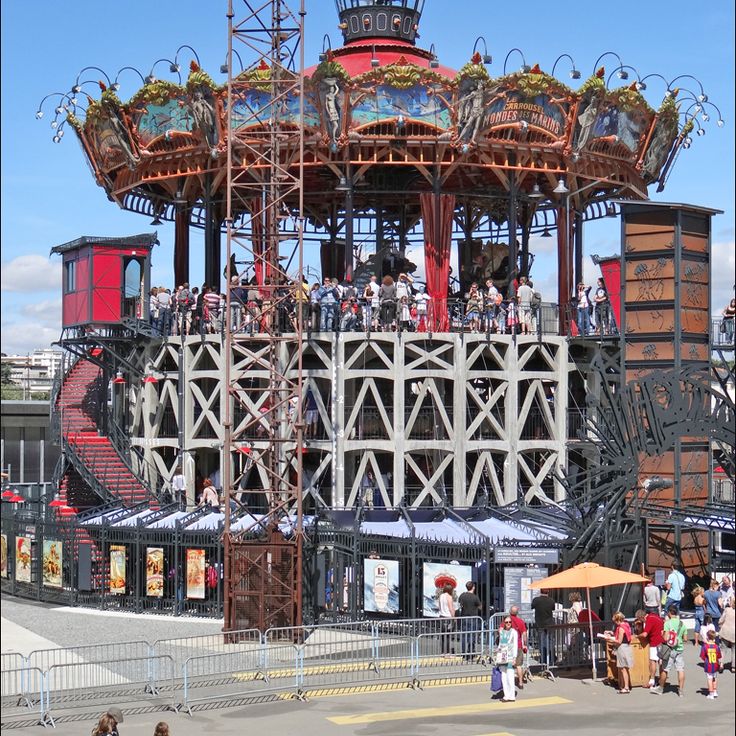
People who enjoy arts and making things will find a lot to see in Nantes. Museums have collections of paintings and sculptures from many past centuries, and art installations hide in the streets. The Machines of the Island attract visitors with large mechanical creatures, and the Passage Pommeraye, a shopping gallery from the 19th century, impresses with its decorated stairs and glass design.
The Loire river itself becomes a place for walks. Gardens near the water, like the Versailles Island with its bridges and ponds, offer quiet ways to wander. The village of Trentemoult, with its colorful houses and restaurants, keeps the feel of an old fishing port. If you want to join a guided tour, a green line painted on the ground links the main cultural and historic spots around the city.
Attractions in Nantes: mechanical machines, medieval castles, botanical gardens
Nantes invites you to discover a city where history is found at every corner. The old building facades tell stories of many years of shipping and exchanges, while the main squares stay lively and full of life. Gardens along the water and stone castles that overlook the city give peaceful spots to relax and explore for all visitors.
People who enjoy arts and making things will find a lot to see in Nantes. Museums have collections of paintings and sculptures from many past centuries, and art installations hide in the streets. The Machines of the Island attract visitors with large mechanical creatures, and the Passage Pommeraye, a shopping gallery from the 19th century, impresses with its decorated stairs and glass design.
The Loire river itself becomes a place for walks. Gardens near the water, like the Versailles Island with its bridges and ponds, offer quiet ways to wander. The village of Trentemoult, with its colorful houses and restaurants, keeps the feel of an old fishing port. If you want to join a guided tour, a green line painted on the ground links the main cultural and historic spots around the city.
Les Machines de l'Île in Nantes is a space where mechanical animals and machines come to life. Artists and engineers have created these imaginative contraptions together. The centerpiece is a mechanical elephant that towers above the site and carries visitors on its back. The machines move and tell stories of creativity and craftsmanship. Walking through this place, you see giant mechanical creatures in motion, from birds that soar to other fantastical beings that move with purpose and wonder.
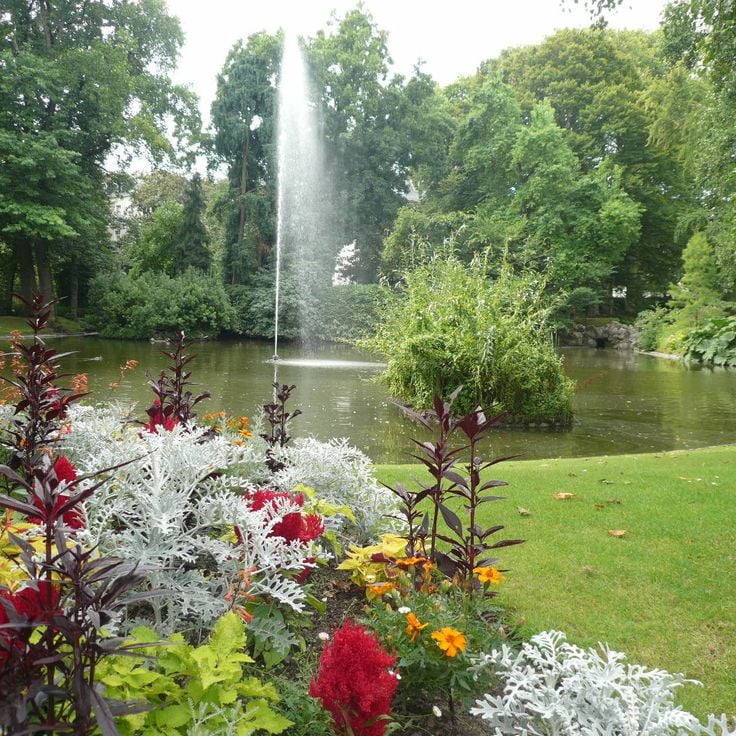
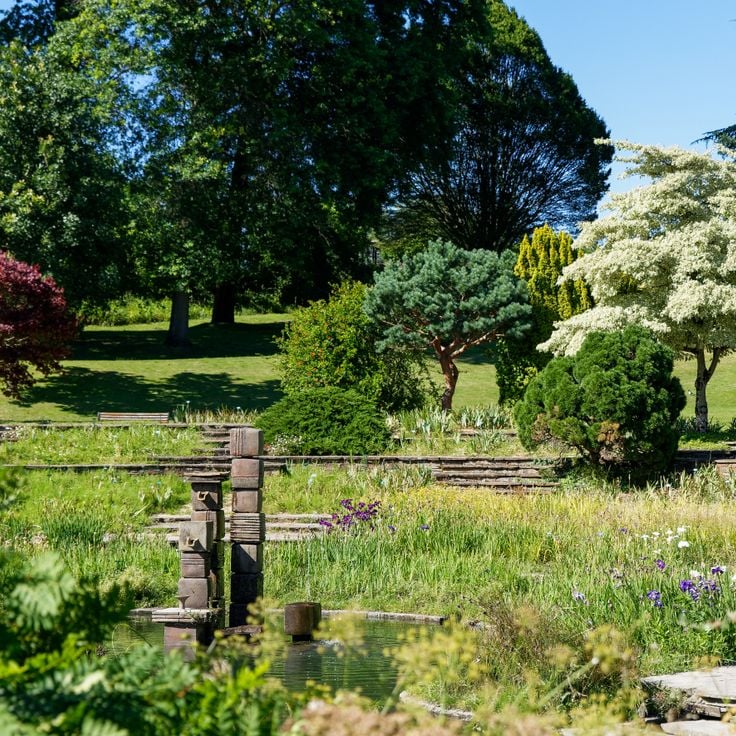
The Botanical Garden in Nantes is a public park that has existed since 1807. It spreads across large grounds with many different plant species, fountains, and ponds. Sculptures are scattered throughout the garden, integrated into the landscape. The space invites visitors to walk and find quiet moments within the city. People come here to explore different garden areas and enjoy nature at a slower pace.
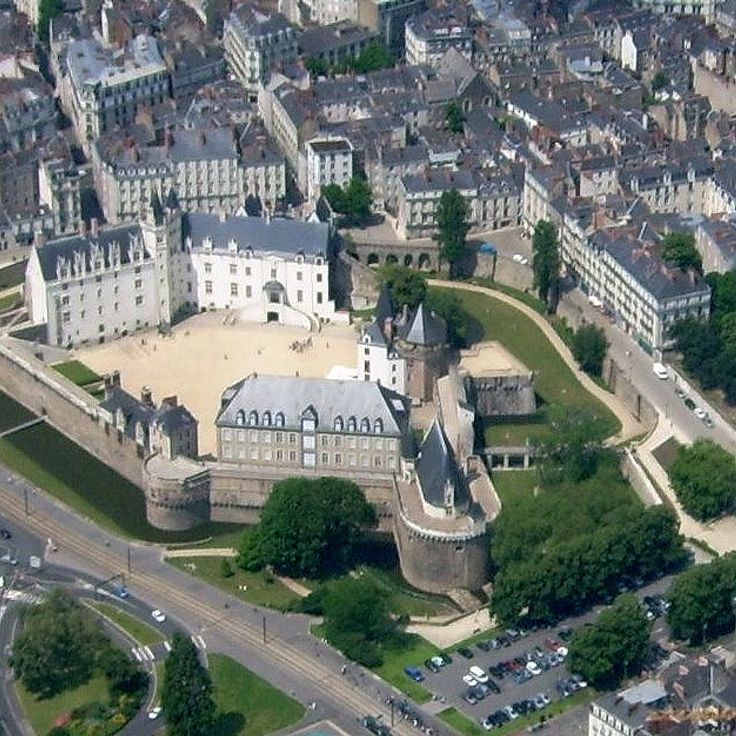
The Château des Ducs de Bretagne once served as the seat of the Dukes of Brittany and stands today as a striking 15th-century fortress in Nantes. Its white stone walls and slate roofs speak to the medieval power of this region. Inside, a museum tells the story of Nantes through exhibitions and interactive displays that cover different periods of the city's past. Walking through its gates, visitors enter spaces that belonged to rulers and gain insight into the lives and times that shaped this place.
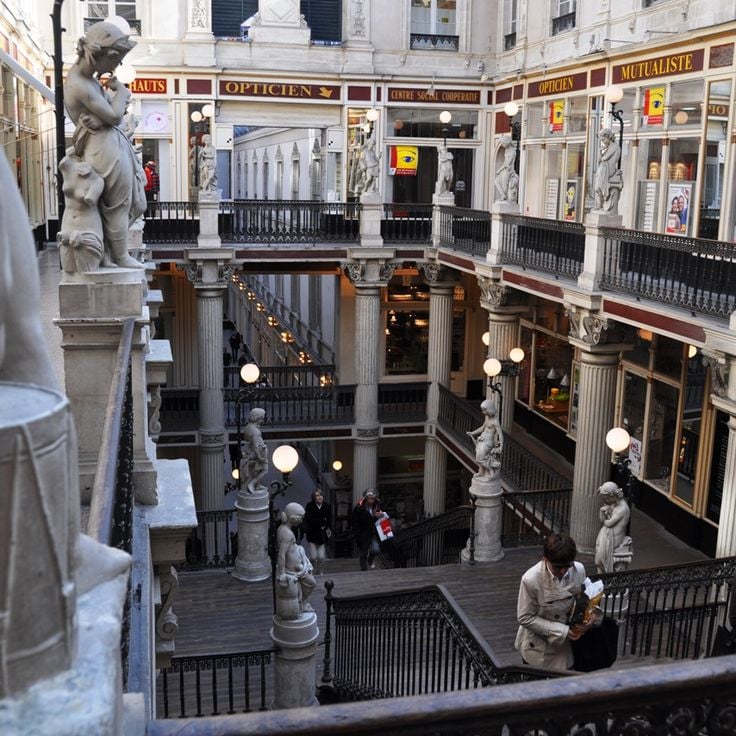
The Passage Pommeraye is a three-level shopping gallery built in 1843 that blends commerce with craftsmanship. Its glass roof structure draws natural light into the interior, creating shadows and reflections across the ornate staircases and neoclassical decorations. The gallery connects two city streets and serves as a sheltered space where visitors can stroll, browse shops, and appreciate the architectural details that reflect the ambitions of the 19th century.
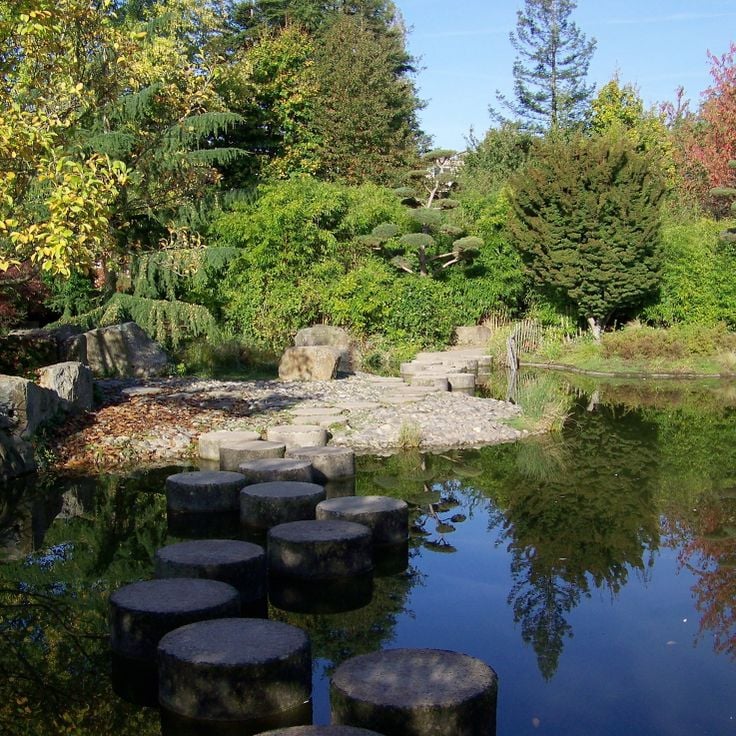
The Jardin Île de Versailles is a public garden on an artificial island in the Loire River. Visitors walk along winding paths that pass ponds, bridges, and pagodas. Aquatic plants and flowers grow throughout the garden. The paths lead past quiet water and open spaces where you can stop and watch the river. This garden is part of Nantes, a city where parks and historic sites sit side by side.
Trentemoult is a former fishing village on the banks of the Loire with colorful houses, restaurants, and narrow streets. The painted facades tell of its past as a port, and the streets invite wandering. Visitors can sample local food, walk through the lanes, and watch the river from the waterfront. This village keeps the spirit of an old harbor and offers a glimpse into daily life along the Loire.
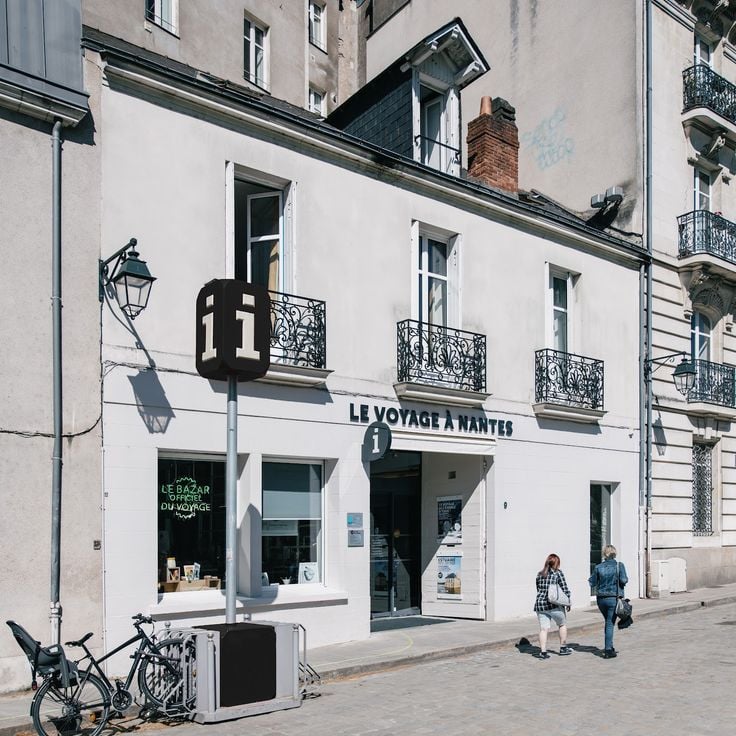
The Voyage à Nantes is a green line painted on the ground that guides visitors through the city's artistic and heritage sites. This walking route connects museums, historic buildings, and public squares. As you follow the line, you discover the story of Nantes written in its old facades and streets. The route invites you to explore the city at your own pace while encountering artworks and places of cultural interest.
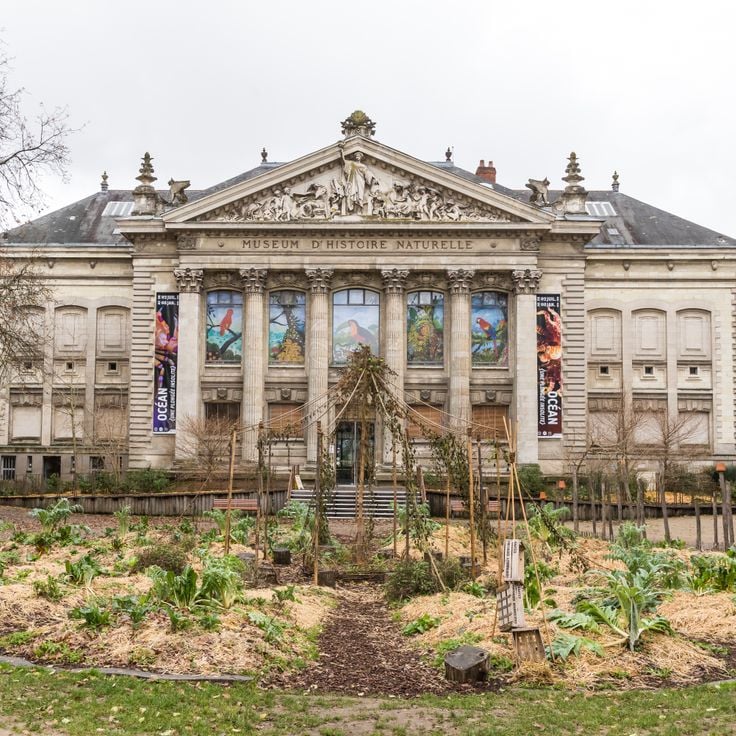
The Natural History Museum of Nantes houses a large collection of specimens and objects related to nature and the living world. The exhibitions guide visitors through different periods and environments of Earth's history. You will find fossils, minerals, and animal displays that tell the story of life on our planet. This museum in Nantes serves as a place to learn and discover the workings of the natural world.
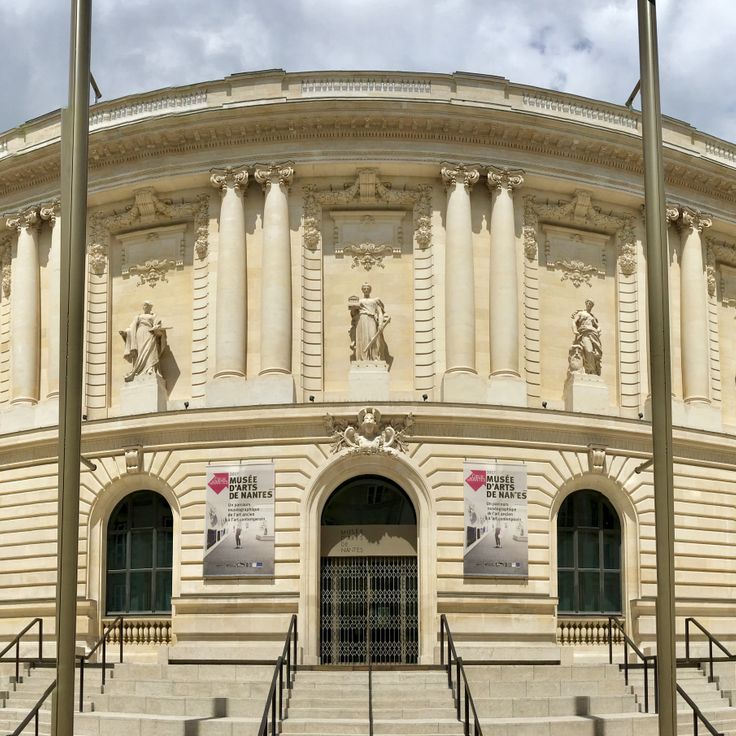
The Musée d'Arts de Nantes is the main regional museum and displays paintings and sculptures from the 13th to the 21st century. Visitors can explore works by French and European artists housed in a renovated building. The museum invites you to wander through galleries spanning centuries of artistic creation and discover how art has changed over time.
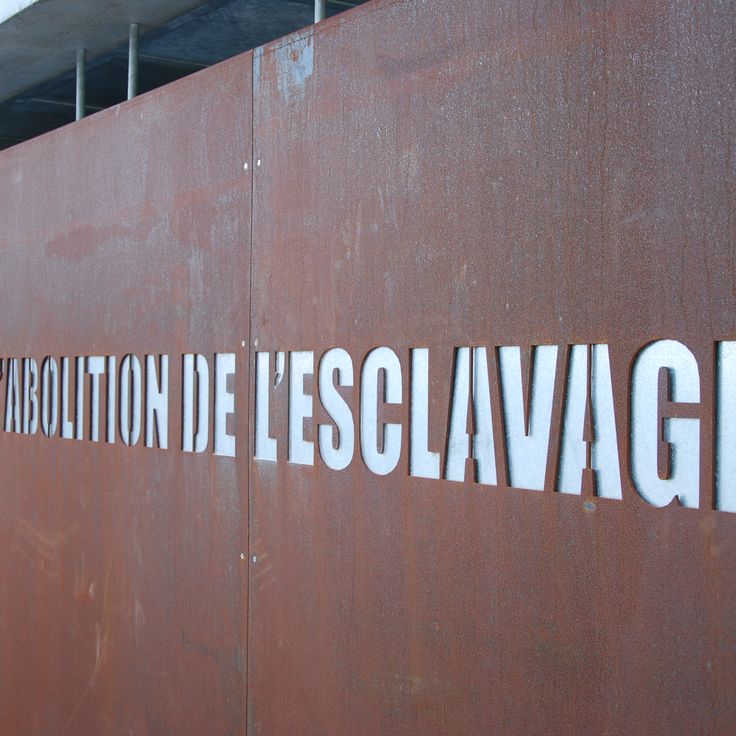
The Mémorial de l'Abolition de l'Esclavage in Nantes is an underground gallery and riverside walk dedicated to the abolition of slavery. Visitors can explore the history of the slave trade that once shaped this city. The underground passage runs along the Loire River and tells this important story through its design and displays. The site invites reflection and connects personal remembrance with historical understanding.
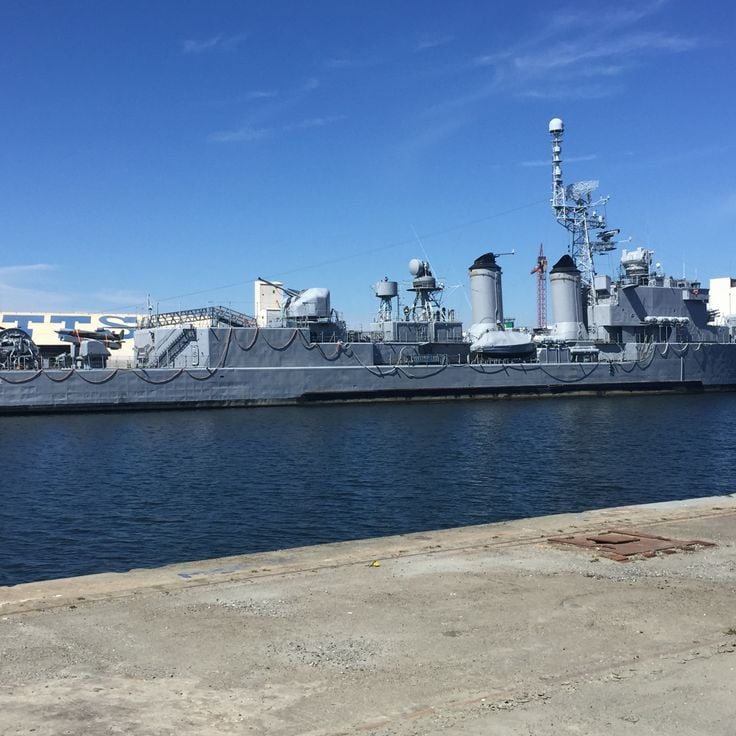
The Maillé-Brézé is a French naval destroyer from 1957, permanently moored at Nantes' waterfront. This ship displays French maritime history and naval equipment. Visitors can board and explore the narrow corridors, the command bridge, and the engine rooms. Walking through the vessel gives you a sense of how sailors lived and worked during this period. It stands as a tangible piece of maritime heritage, sitting in the Loire River and bringing Nantes' seafaring past to life.
This artificial island from the 18th century features stone townhouses with decorations of sea creatures and masks carved into the facades. The buildings reflect the prosperity that maritime trade brought to Nantes. Walking here, you can see how merchants once lived in these homes and how the wealth from the sea shaped the architecture.
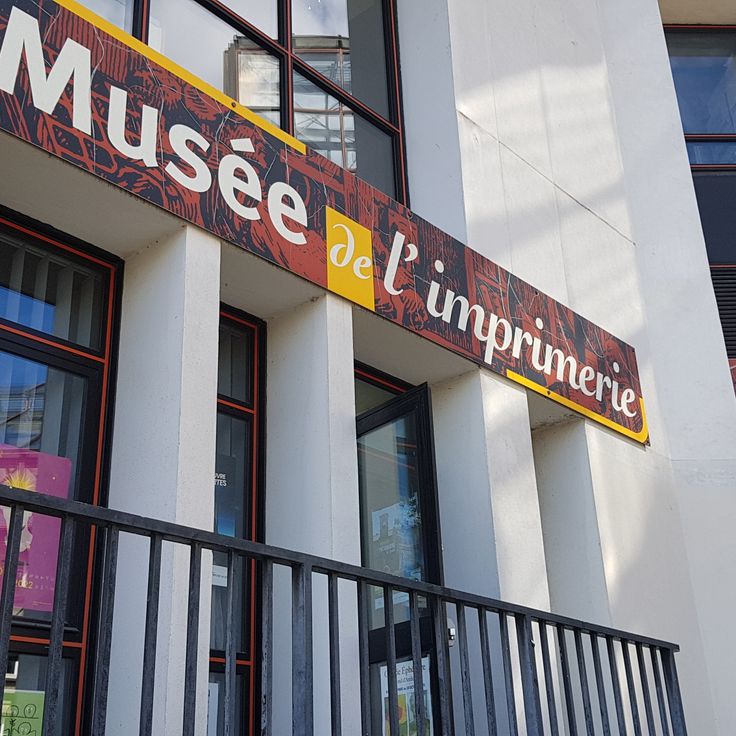
The Musée de l'Imprimerie in Nantes traces how printing changed over the centuries. Inside, old printing machines, tools, and equipment that once filled working print shops are on display. Craftspeople regularly show how these machines worked and how much skill they required. The museum connects the history of communication with Nantes itself, a city that was once an important center for trade and craft.
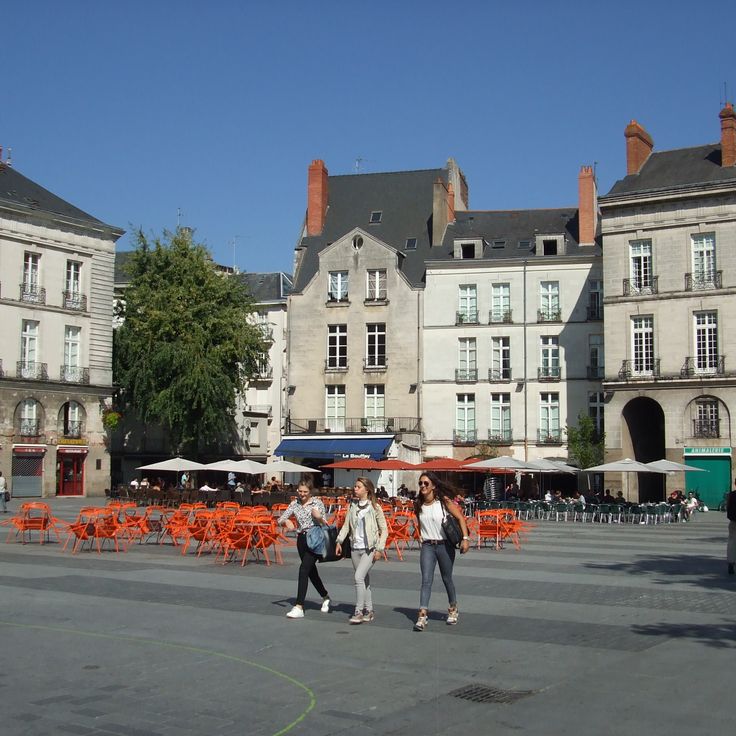
The Place du Bouffay is a medieval square in the heart of Nantes, surrounded by 15th-century buildings. This is where the city's life unfolds, with restaurants, shops, and people gathering throughout the day. The old stone facades speak of centuries of trade and human connection. The square was once the center of city power and remains today a place where history and everyday life meet.
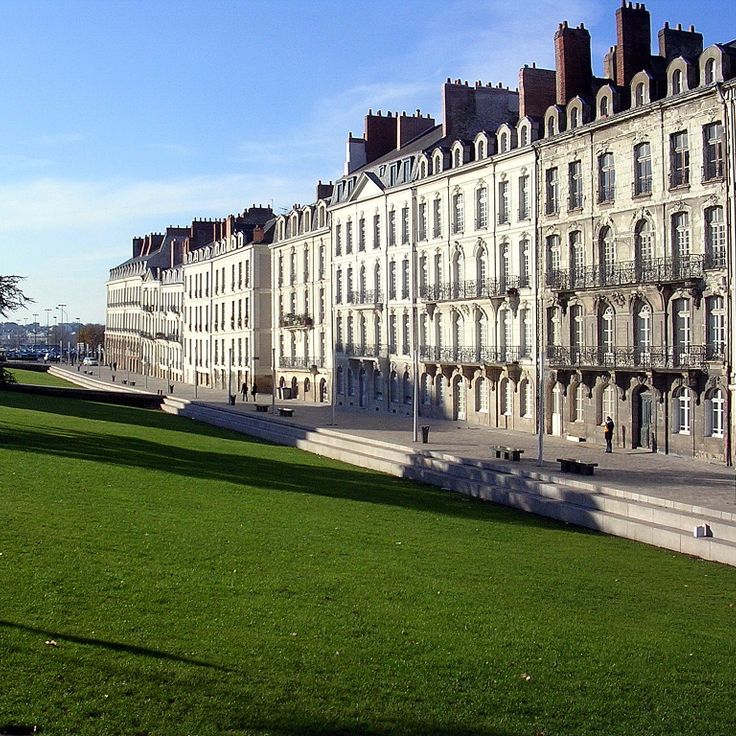
Cours Cambronne is a public garden from 1791 with stone terraces running along its length. It is surrounded by residential buildings from the 19th century that give the space a calm, lived-in character. This garden sits in the heart of Nantes and serves as a place where residents and visitors can stroll and spend time in the open air.
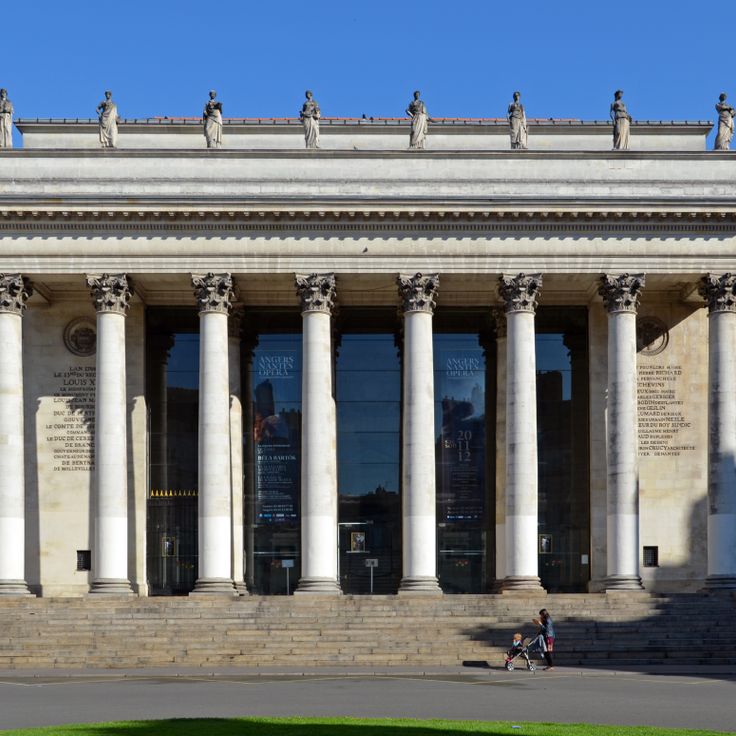
The Théâtre Graslin is a neoclassical opera house built in 1788. Stone sculptures decorate its exterior, and golden ornaments adorn the balconies inside. This building reflects how Nantes, as a prosperous port city in the 18th century, invested in arts and culture. The theater sits in the heart of the city and continues to host performances and concerts today.
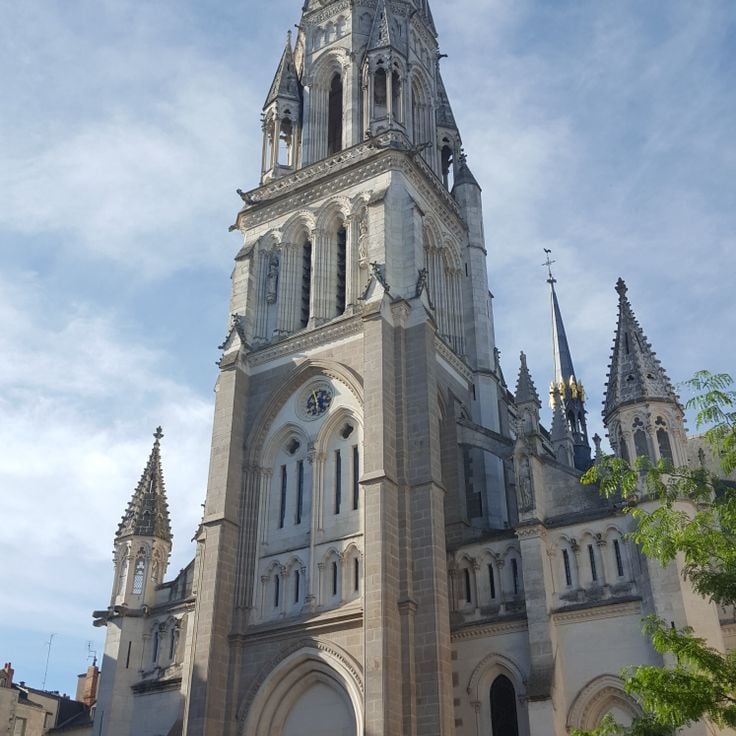
The Basilica of Saint-Nicolas is a Neo-Gothic church built between 1844 and 1869 in Nantes, standing as one of the city's religious landmarks. Its interior features colored stained glass windows that cast light across the stone walls, while a 1901 organ fills the space with sound. This building connects visitors to the spiritual and architectural heritage that shaped Nantes over the centuries.
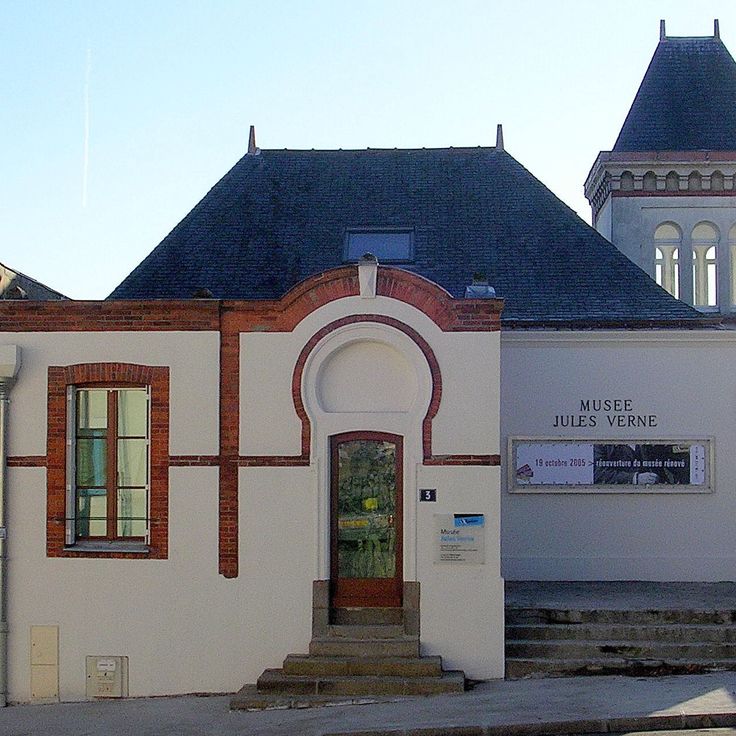
The Musée Jules Verne sits in a 19th-century building and tells the story of one of France's most influential writers. Inside, visitors discover original manuscripts, books, and personal objects from the author's life. The museum shows how this writer worked, traveled, and developed his ideas about the future. You can see the things he owned and read the documents that shaped his imagination. In Nantes, a city with much to offer for art lovers, this museum gives a direct connection to an important moment in French literary history.
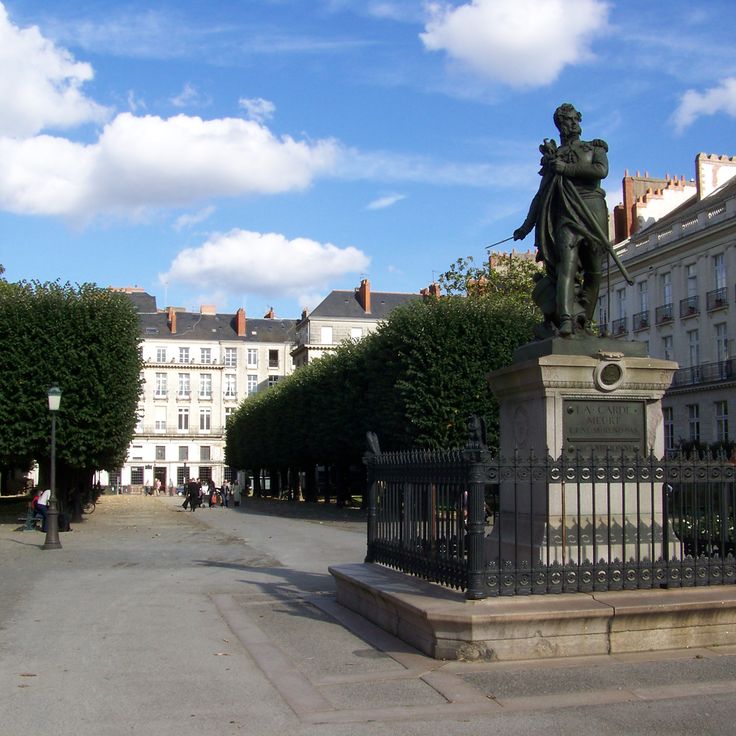
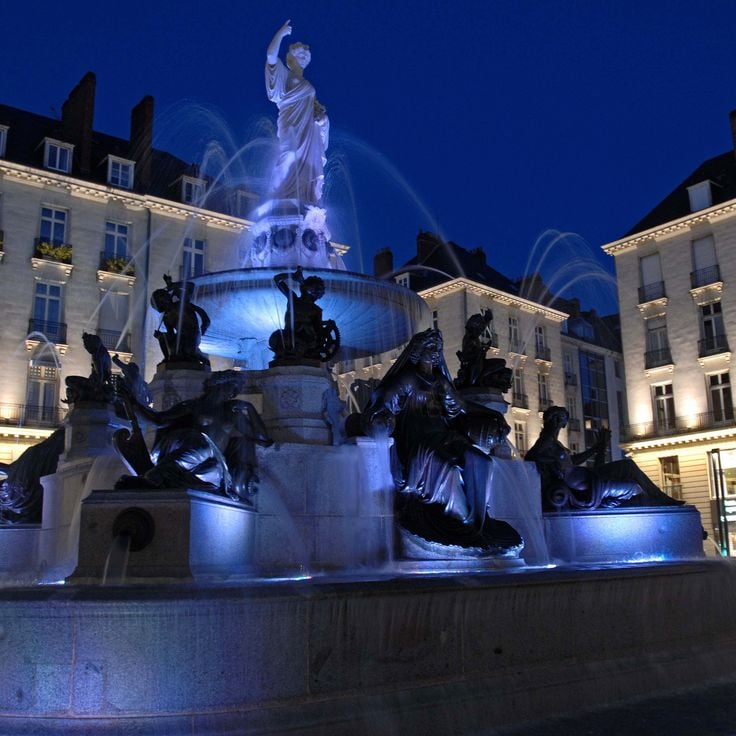
Place Royale is a public square from the 18th century that forms the heart of Nantes. Architect Mathurin Crucy designed this space with uniform stone buildings that create a harmonious frame. In the center of the square stands a fountain with a statue of Neptune, reflecting the city's maritime heritage. The spacious plaza invites visitors to linger, and from here you can easily reach the other cultural and historical sites that Nantes has to offer.
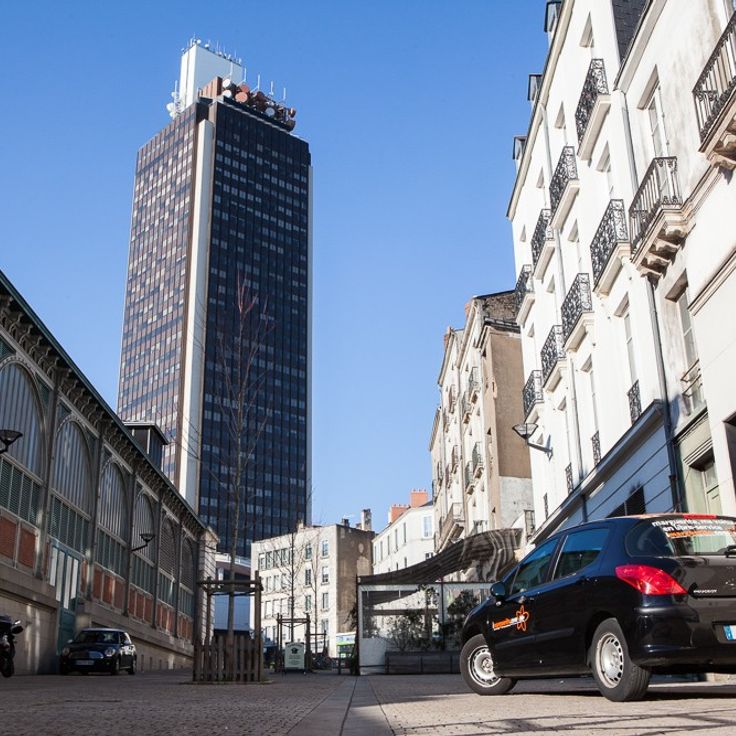
Tour Bretagne is a 37-story building that stands out in Nantes' skyline. Its publicly accessible observation platform offers views across the entire city. The building represents the modern side of Nantes and gives visitors a different perspective on the historic sites, gardens along the Loire, and old harbor districts that make up the city.
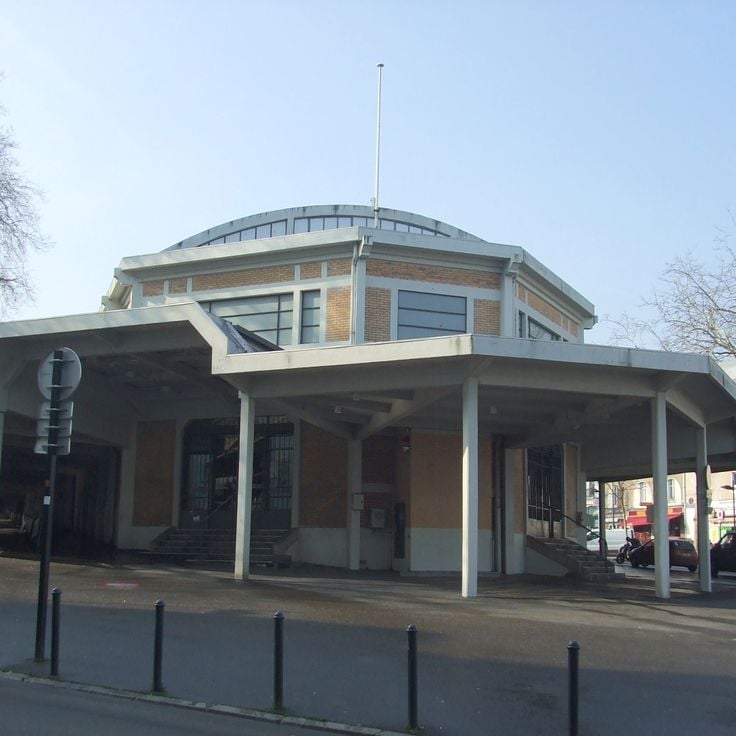
The Talensac Market is Nantes' covered central market, where daily regional produce, fish, fruits, vegetables, and international specialties are on display. This place reflects the city's active trading history and connects maritime traditions with modern urban life. The Talensac Market shows how the Loire city has been a point of exchange and meeting for centuries.
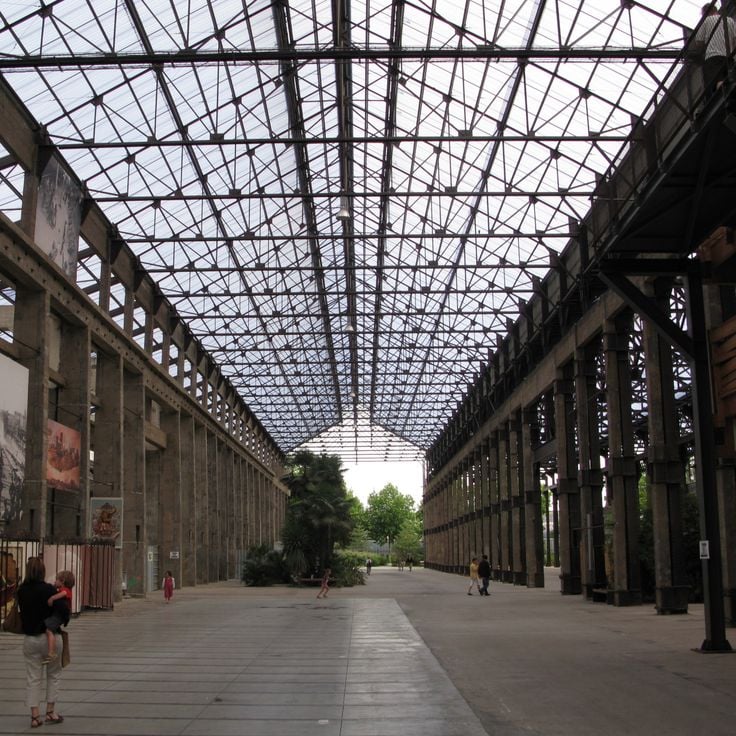
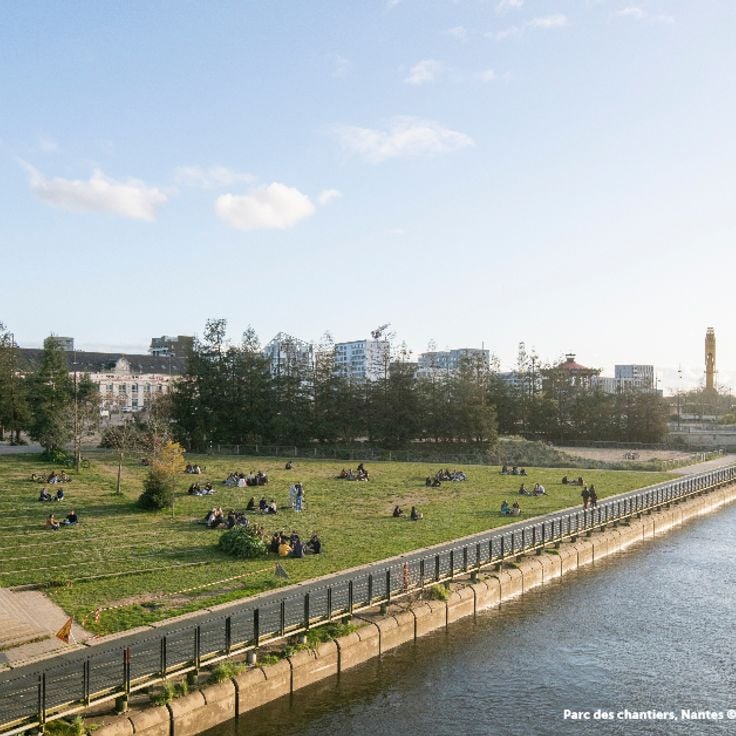
This park stands on the grounds of a former shipyard along the Loire River. Visitors can walk among art installations and enjoy views of the water. The site shows how an old industrial area has been transformed into a place for strolling and resting. Throughout the park, traces of shipbuilding history mix with contemporary artworks. The park invites you to discover Nantes' past while experiencing its present.
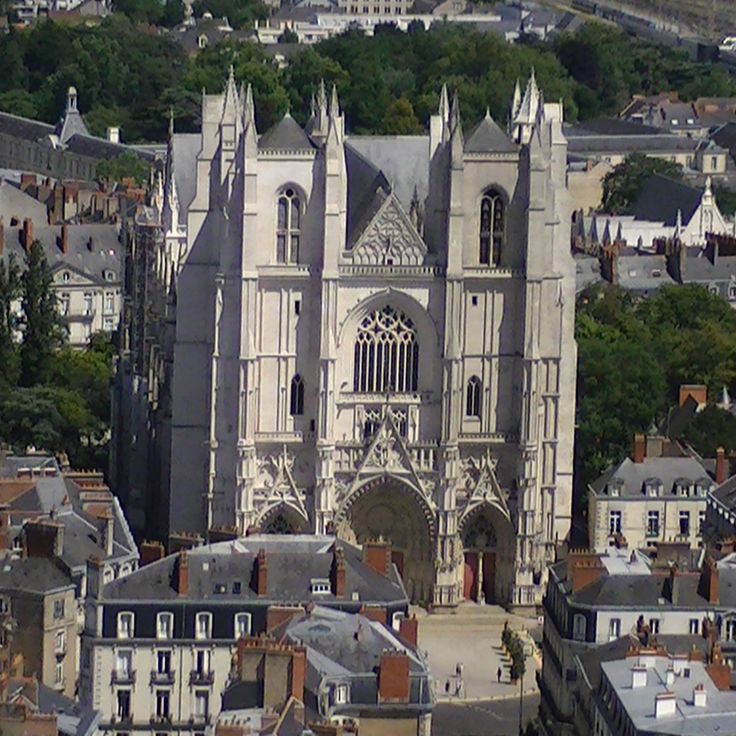
The Cathedral of Nantes is a Gothic building constructed in the 15th century. It stands out in the city skyline with its two towers and serves as the burial place of the Dukes of Brittany. Inside, you will find soaring stone vaults and windows that fill the space with light. Visitors can experience the history of Nantes and the region by walking through the halls and observing the artworks that span centuries.
The Carrousel des Mondes Marins is a three-level mechanical structure featuring moving sea creatures up to 12 meters tall. Visitors operate the figures by stepping on pedals. This attraction is part of Nantes' remarkable collection of mechanical art, where creativity appears at every corner. It complements the other mechanical artworks around the city and shows how people love crafted engineering and imagination.
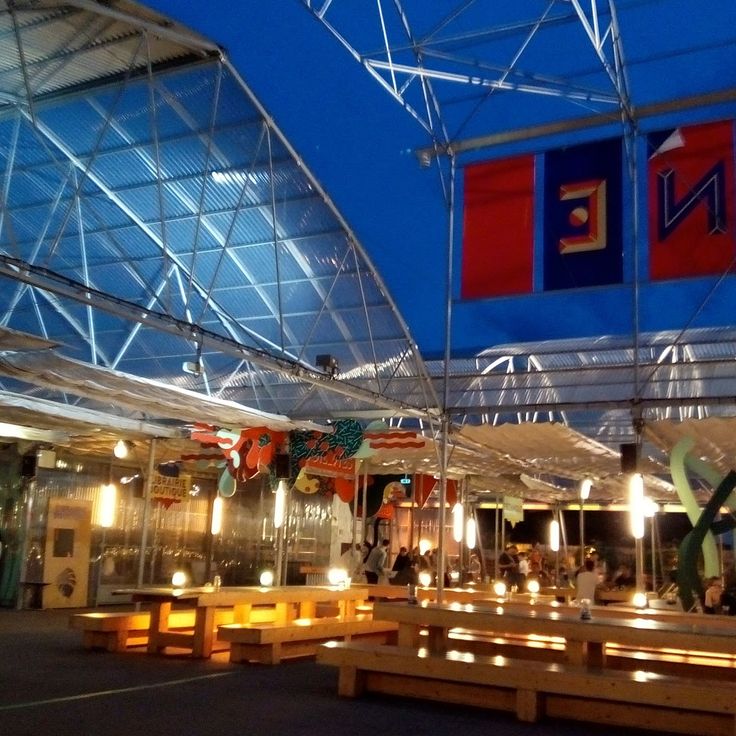
This former banana warehouse sits on Nantes Island and dates from the 1950s. The industrial building has been transformed to house bars, restaurants, exhibition spaces, and clubs. The site shows how Nantes blends its maritime past with modern nightlife and cultural activities.
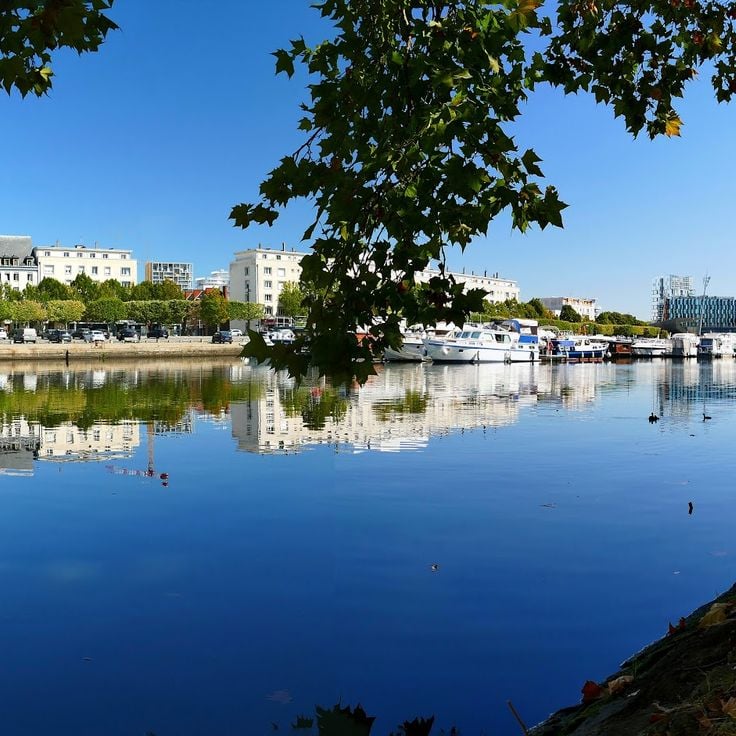
The Canal Saint-Felix is a central waterway in Nantes that connects the Loire River to the Erdre. Walking paths line its banks alongside boat docks, while green spaces frame both sides. This canal offers a quiet passage through the city, inviting visitors to explore Nantes' harbor history at a leisurely pace or by boat. The banks reflect the city's deep connection to water and its maritime past.
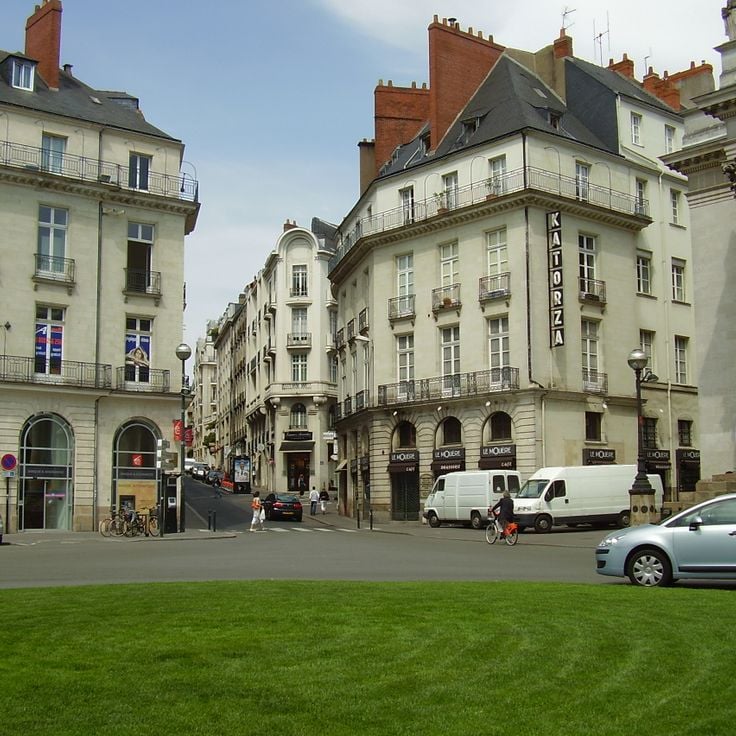
Place Graslin is a central square in Nantes, created in 1788. The Grand Théâtre stands as the focal point, an impressive building in neoclassical style. Surrounding the square are 18th-century buildings with uniform architecture featuring elegant lines and refined details. The square comes alive with cafés and restaurants where people gather to eat and watch the world around them. The symmetrical arrangement of the building facades creates a harmonious setting that reflects urban design principles of that era.
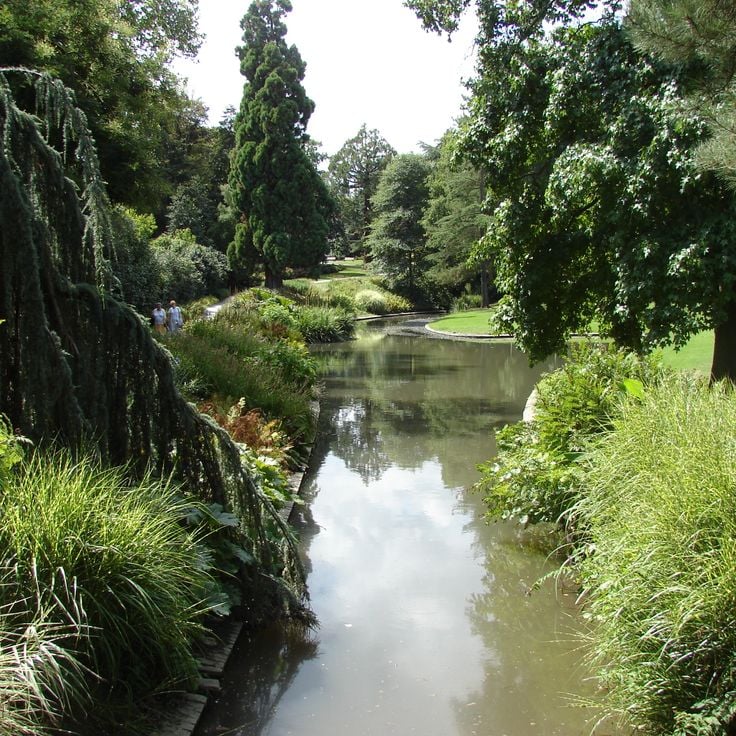
This park in Nantes is a historic garden where ancient cedar and sequoia trees stand among well-maintained paths. Throughout the park, rhododendrons, camellias, and magnolias bloom at different times of year, filling the space with color. Visitors stroll under old trees, sit on benches, and watch how the garden changes through the seasons. The park is a place where time moves slowly and you can explore nature without rush.
The Parc de la Beaujoire is a public garden in this city where you can relax under trees and explore nature. This park sits near the Erdre river and displays various plant species, including roses, iris flowers, and magnolias. The paths lead through planted beds and open spaces where visitors can stroll or sit on benches. The place is popular with locals and travelers seeking a quiet spot to spend time.
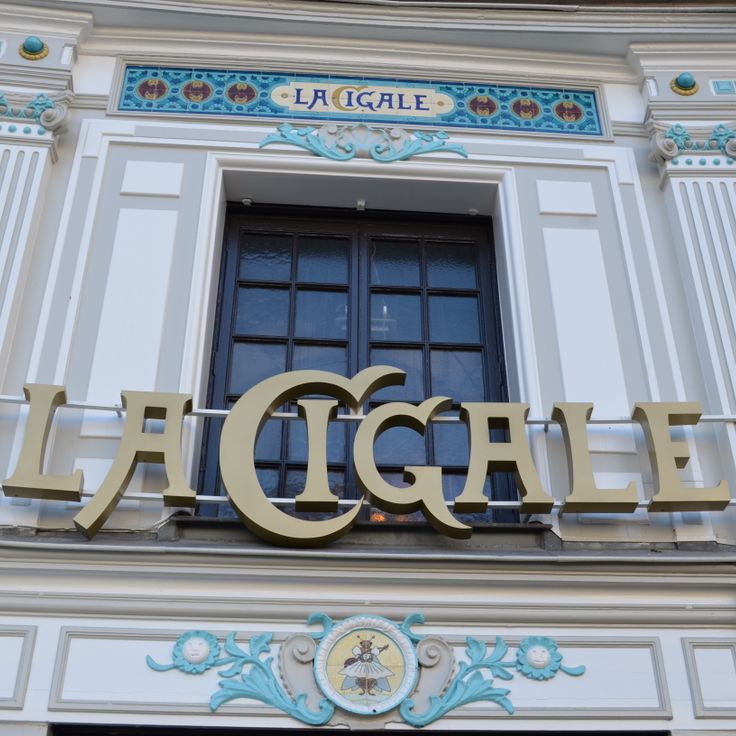
This brasserie from 1895 sits near the Graslin Theater and reflects the wealth of that era in Nantes. The interior shows skilled craftsmanship with carved wooden ceilings, decorated mirrors, and ceramic walls. La Cigale belongs to the artistic story of the city, where art and dining come together. French cuisine is served in a setting where every detail speaks of a different time.
Les Machines de l'Île in Nantes is a space where mechanical animals and machines come to life. Artists and engineers have created these imaginative contraptions together. The centerpiece is a mechanical elephant that towers above the site and carries visitors on its back. The machines move and tell stories of creativity and craftsmanship. Walking through this place, you see giant mechanical creatures in motion, from birds that soar to other fantastical beings that move with purpose and wonder.
The Botanical Garden in Nantes is a public park that has existed since 1807. It spreads across large grounds with many different plant species, fountains, and ponds. Sculptures are scattered throughout the garden, integrated into the landscape. The space invites visitors to walk and find quiet moments within the city. People come here to explore different garden areas and enjoy nature at a slower pace.
The Château des Ducs de Bretagne once served as the seat of the Dukes of Brittany and stands today as a striking 15th-century fortress in Nantes. Its white stone walls and slate roofs speak to the medieval power of this region. Inside, a museum tells the story of Nantes through exhibitions and interactive displays that cover different periods of the city's past. Walking through its gates, visitors enter spaces that belonged to rulers and gain insight into the lives and times that shaped this place.
The Passage Pommeraye is a three-level shopping gallery built in 1843 that blends commerce with craftsmanship. Its glass roof structure draws natural light into the interior, creating shadows and reflections across the ornate staircases and neoclassical decorations. The gallery connects two city streets and serves as a sheltered space where visitors can stroll, browse shops, and appreciate the architectural details that reflect the ambitions of the 19th century.
The Jardin Île de Versailles is a public garden on an artificial island in the Loire River. Visitors walk along winding paths that pass ponds, bridges, and pagodas. Aquatic plants and flowers grow throughout the garden. The paths lead past quiet water and open spaces where you can stop and watch the river. This garden is part of Nantes, a city where parks and historic sites sit side by side.
Trentemoult is a former fishing village on the banks of the Loire with colorful houses, restaurants, and narrow streets. The painted facades tell of its past as a port, and the streets invite wandering. Visitors can sample local food, walk through the lanes, and watch the river from the waterfront. This village keeps the spirit of an old harbor and offers a glimpse into daily life along the Loire.
The Voyage à Nantes is a green line painted on the ground that guides visitors through the city's artistic and heritage sites. This walking route connects museums, historic buildings, and public squares. As you follow the line, you discover the story of Nantes written in its old facades and streets. The route invites you to explore the city at your own pace while encountering artworks and places of cultural interest.
The Natural History Museum of Nantes houses a large collection of specimens and objects related to nature and the living world. The exhibitions guide visitors through different periods and environments of Earth's history. You will find fossils, minerals, and animal displays that tell the story of life on our planet. This museum in Nantes serves as a place to learn and discover the workings of the natural world.
The Musée d'Arts de Nantes is the main regional museum and displays paintings and sculptures from the 13th to the 21st century. Visitors can explore works by French and European artists housed in a renovated building. The museum invites you to wander through galleries spanning centuries of artistic creation and discover how art has changed over time.
The Mémorial de l'Abolition de l'Esclavage in Nantes is an underground gallery and riverside walk dedicated to the abolition of slavery. Visitors can explore the history of the slave trade that once shaped this city. The underground passage runs along the Loire River and tells this important story through its design and displays. The site invites reflection and connects personal remembrance with historical understanding.
The Maillé-Brézé is a French naval destroyer from 1957, permanently moored at Nantes' waterfront. This ship displays French maritime history and naval equipment. Visitors can board and explore the narrow corridors, the command bridge, and the engine rooms. Walking through the vessel gives you a sense of how sailors lived and worked during this period. It stands as a tangible piece of maritime heritage, sitting in the Loire River and bringing Nantes' seafaring past to life.
This artificial island from the 18th century features stone townhouses with decorations of sea creatures and masks carved into the facades. The buildings reflect the prosperity that maritime trade brought to Nantes. Walking here, you can see how merchants once lived in these homes and how the wealth from the sea shaped the architecture.
The Musée de l'Imprimerie in Nantes traces how printing changed over the centuries. Inside, old printing machines, tools, and equipment that once filled working print shops are on display. Craftspeople regularly show how these machines worked and how much skill they required. The museum connects the history of communication with Nantes itself, a city that was once an important center for trade and craft.
The Place du Bouffay is a medieval square in the heart of Nantes, surrounded by 15th-century buildings. This is where the city's life unfolds, with restaurants, shops, and people gathering throughout the day. The old stone facades speak of centuries of trade and human connection. The square was once the center of city power and remains today a place where history and everyday life meet.
Cours Cambronne is a public garden from 1791 with stone terraces running along its length. It is surrounded by residential buildings from the 19th century that give the space a calm, lived-in character. This garden sits in the heart of Nantes and serves as a place where residents and visitors can stroll and spend time in the open air.
The Théâtre Graslin is a neoclassical opera house built in 1788. Stone sculptures decorate its exterior, and golden ornaments adorn the balconies inside. This building reflects how Nantes, as a prosperous port city in the 18th century, invested in arts and culture. The theater sits in the heart of the city and continues to host performances and concerts today.
The Basilica of Saint-Nicolas is a Neo-Gothic church built between 1844 and 1869 in Nantes, standing as one of the city's religious landmarks. Its interior features colored stained glass windows that cast light across the stone walls, while a 1901 organ fills the space with sound. This building connects visitors to the spiritual and architectural heritage that shaped Nantes over the centuries.
The Musée Jules Verne sits in a 19th-century building and tells the story of one of France's most influential writers. Inside, visitors discover original manuscripts, books, and personal objects from the author's life. The museum shows how this writer worked, traveled, and developed his ideas about the future. You can see the things he owned and read the documents that shaped his imagination. In Nantes, a city with much to offer for art lovers, this museum gives a direct connection to an important moment in French literary history.
Place Royale is a public square from the 18th century that forms the heart of Nantes. Architect Mathurin Crucy designed this space with uniform stone buildings that create a harmonious frame. In the center of the square stands a fountain with a statue of Neptune, reflecting the city's maritime heritage. The spacious plaza invites visitors to linger, and from here you can easily reach the other cultural and historical sites that Nantes has to offer.
Tour Bretagne is a 37-story building that stands out in Nantes' skyline. Its publicly accessible observation platform offers views across the entire city. The building represents the modern side of Nantes and gives visitors a different perspective on the historic sites, gardens along the Loire, and old harbor districts that make up the city.
The Talensac Market is Nantes' covered central market, where daily regional produce, fish, fruits, vegetables, and international specialties are on display. This place reflects the city's active trading history and connects maritime traditions with modern urban life. The Talensac Market shows how the Loire city has been a point of exchange and meeting for centuries.
This park stands on the grounds of a former shipyard along the Loire River. Visitors can walk among art installations and enjoy views of the water. The site shows how an old industrial area has been transformed into a place for strolling and resting. Throughout the park, traces of shipbuilding history mix with contemporary artworks. The park invites you to discover Nantes' past while experiencing its present.
The Cathedral of Nantes is a Gothic building constructed in the 15th century. It stands out in the city skyline with its two towers and serves as the burial place of the Dukes of Brittany. Inside, you will find soaring stone vaults and windows that fill the space with light. Visitors can experience the history of Nantes and the region by walking through the halls and observing the artworks that span centuries.
The Carrousel des Mondes Marins is a three-level mechanical structure featuring moving sea creatures up to 12 meters tall. Visitors operate the figures by stepping on pedals. This attraction is part of Nantes' remarkable collection of mechanical art, where creativity appears at every corner. It complements the other mechanical artworks around the city and shows how people love crafted engineering and imagination.
This former banana warehouse sits on Nantes Island and dates from the 1950s. The industrial building has been transformed to house bars, restaurants, exhibition spaces, and clubs. The site shows how Nantes blends its maritime past with modern nightlife and cultural activities.
The Canal Saint-Felix is a central waterway in Nantes that connects the Loire River to the Erdre. Walking paths line its banks alongside boat docks, while green spaces frame both sides. This canal offers a quiet passage through the city, inviting visitors to explore Nantes' harbor history at a leisurely pace or by boat. The banks reflect the city's deep connection to water and its maritime past.
Place Graslin is a central square in Nantes, created in 1788. The Grand Théâtre stands as the focal point, an impressive building in neoclassical style. Surrounding the square are 18th-century buildings with uniform architecture featuring elegant lines and refined details. The square comes alive with cafés and restaurants where people gather to eat and watch the world around them. The symmetrical arrangement of the building facades creates a harmonious setting that reflects urban design principles of that era.
This park in Nantes is a historic garden where ancient cedar and sequoia trees stand among well-maintained paths. Throughout the park, rhododendrons, camellias, and magnolias bloom at different times of year, filling the space with color. Visitors stroll under old trees, sit on benches, and watch how the garden changes through the seasons. The park is a place where time moves slowly and you can explore nature without rush.
The Parc de la Beaujoire is a public garden in this city where you can relax under trees and explore nature. This park sits near the Erdre river and displays various plant species, including roses, iris flowers, and magnolias. The paths lead through planted beds and open spaces where visitors can stroll or sit on benches. The place is popular with locals and travelers seeking a quiet spot to spend time.
This brasserie from 1895 sits near the Graslin Theater and reflects the wealth of that era in Nantes. The interior shows skilled craftsmanship with carved wooden ceilings, decorated mirrors, and ceramic walls. La Cigale belongs to the artistic story of the city, where art and dining come together. French cuisine is served in a setting where every detail speaks of a different time.
Les Machines de l'Île in Nantes is a space where mechanical animals and machines come to life. Artists and engineers have created these imaginative contraptions together. The centerpiece is a mechanical elephant that towers above the site and carries visitors on its back. The machines move and tell stories of creativity and craftsmanship. Walking through this place, you see giant mechanical creatures in motion, from birds that soar to other fantastical beings that move with purpose and wonder.
The Botanical Garden in Nantes is a public park that has existed since 1807. It spreads across large grounds with many different plant species, fountains, and ponds. Sculptures are scattered throughout the garden, integrated into the landscape. The space invites visitors to walk and find quiet moments within the city. People come here to explore different garden areas and enjoy nature at a slower pace.
The Château des Ducs de Bretagne once served as the seat of the Dukes of Brittany and stands today as a striking 15th-century fortress in Nantes. Its white stone walls and slate roofs speak to the medieval power of this region. Inside, a museum tells the story of Nantes through exhibitions and interactive displays that cover different periods of the city's past. Walking through its gates, visitors enter spaces that belonged to rulers and gain insight into the lives and times that shaped this place.
The Passage Pommeraye is a three-level shopping gallery built in 1843 that blends commerce with craftsmanship. Its glass roof structure draws natural light into the interior, creating shadows and reflections across the ornate staircases and neoclassical decorations. The gallery connects two city streets and serves as a sheltered space where visitors can stroll, browse shops, and appreciate the architectural details that reflect the ambitions of the 19th century.
The Jardin Île de Versailles is a public garden on an artificial island in the Loire River. Visitors walk along winding paths that pass ponds, bridges, and pagodas. Aquatic plants and flowers grow throughout the garden. The paths lead past quiet water and open spaces where you can stop and watch the river. This garden is part of Nantes, a city where parks and historic sites sit side by side.
Trentemoult is a former fishing village on the banks of the Loire with colorful houses, restaurants, and narrow streets. The painted facades tell of its past as a port, and the streets invite wandering. Visitors can sample local food, walk through the lanes, and watch the river from the waterfront. This village keeps the spirit of an old harbor and offers a glimpse into daily life along the Loire.
The Voyage à Nantes is a green line painted on the ground that guides visitors through the city's artistic and heritage sites. This walking route connects museums, historic buildings, and public squares. As you follow the line, you discover the story of Nantes written in its old facades and streets. The route invites you to explore the city at your own pace while encountering artworks and places of cultural interest.
The Natural History Museum of Nantes houses a large collection of specimens and objects related to nature and the living world. The exhibitions guide visitors through different periods and environments of Earth's history. You will find fossils, minerals, and animal displays that tell the story of life on our planet. This museum in Nantes serves as a place to learn and discover the workings of the natural world.
The Musée d'Arts de Nantes is the main regional museum and displays paintings and sculptures from the 13th to the 21st century. Visitors can explore works by French and European artists housed in a renovated building. The museum invites you to wander through galleries spanning centuries of artistic creation and discover how art has changed over time.
The Mémorial de l'Abolition de l'Esclavage in Nantes is an underground gallery and riverside walk dedicated to the abolition of slavery. Visitors can explore the history of the slave trade that once shaped this city. The underground passage runs along the Loire River and tells this important story through its design and displays. The site invites reflection and connects personal remembrance with historical understanding.
The Maillé-Brézé is a French naval destroyer from 1957, permanently moored at Nantes' waterfront. This ship displays French maritime history and naval equipment. Visitors can board and explore the narrow corridors, the command bridge, and the engine rooms. Walking through the vessel gives you a sense of how sailors lived and worked during this period. It stands as a tangible piece of maritime heritage, sitting in the Loire River and bringing Nantes' seafaring past to life.
This artificial island from the 18th century features stone townhouses with decorations of sea creatures and masks carved into the facades. The buildings reflect the prosperity that maritime trade brought to Nantes. Walking here, you can see how merchants once lived in these homes and how the wealth from the sea shaped the architecture.
The Musée de l'Imprimerie in Nantes traces how printing changed over the centuries. Inside, old printing machines, tools, and equipment that once filled working print shops are on display. Craftspeople regularly show how these machines worked and how much skill they required. The museum connects the history of communication with Nantes itself, a city that was once an important center for trade and craft.
The Place du Bouffay is a medieval square in the heart of Nantes, surrounded by 15th-century buildings. This is where the city's life unfolds, with restaurants, shops, and people gathering throughout the day. The old stone facades speak of centuries of trade and human connection. The square was once the center of city power and remains today a place where history and everyday life meet.
Cours Cambronne is a public garden from 1791 with stone terraces running along its length. It is surrounded by residential buildings from the 19th century that give the space a calm, lived-in character. This garden sits in the heart of Nantes and serves as a place where residents and visitors can stroll and spend time in the open air.
The Théâtre Graslin is a neoclassical opera house built in 1788. Stone sculptures decorate its exterior, and golden ornaments adorn the balconies inside. This building reflects how Nantes, as a prosperous port city in the 18th century, invested in arts and culture. The theater sits in the heart of the city and continues to host performances and concerts today.
The Basilica of Saint-Nicolas is a Neo-Gothic church built between 1844 and 1869 in Nantes, standing as one of the city's religious landmarks. Its interior features colored stained glass windows that cast light across the stone walls, while a 1901 organ fills the space with sound. This building connects visitors to the spiritual and architectural heritage that shaped Nantes over the centuries.
The Musée Jules Verne sits in a 19th-century building and tells the story of one of France's most influential writers. Inside, visitors discover original manuscripts, books, and personal objects from the author's life. The museum shows how this writer worked, traveled, and developed his ideas about the future. You can see the things he owned and read the documents that shaped his imagination. In Nantes, a city with much to offer for art lovers, this museum gives a direct connection to an important moment in French literary history.
Place Royale is a public square from the 18th century that forms the heart of Nantes. Architect Mathurin Crucy designed this space with uniform stone buildings that create a harmonious frame. In the center of the square stands a fountain with a statue of Neptune, reflecting the city's maritime heritage. The spacious plaza invites visitors to linger, and from here you can easily reach the other cultural and historical sites that Nantes has to offer.
Tour Bretagne is a 37-story building that stands out in Nantes' skyline. Its publicly accessible observation platform offers views across the entire city. The building represents the modern side of Nantes and gives visitors a different perspective on the historic sites, gardens along the Loire, and old harbor districts that make up the city.
The Talensac Market is Nantes' covered central market, where daily regional produce, fish, fruits, vegetables, and international specialties are on display. This place reflects the city's active trading history and connects maritime traditions with modern urban life. The Talensac Market shows how the Loire city has been a point of exchange and meeting for centuries.
This park stands on the grounds of a former shipyard along the Loire River. Visitors can walk among art installations and enjoy views of the water. The site shows how an old industrial area has been transformed into a place for strolling and resting. Throughout the park, traces of shipbuilding history mix with contemporary artworks. The park invites you to discover Nantes' past while experiencing its present.
The Cathedral of Nantes is a Gothic building constructed in the 15th century. It stands out in the city skyline with its two towers and serves as the burial place of the Dukes of Brittany. Inside, you will find soaring stone vaults and windows that fill the space with light. Visitors can experience the history of Nantes and the region by walking through the halls and observing the artworks that span centuries.
The Carrousel des Mondes Marins is a three-level mechanical structure featuring moving sea creatures up to 12 meters tall. Visitors operate the figures by stepping on pedals. This attraction is part of Nantes' remarkable collection of mechanical art, where creativity appears at every corner. It complements the other mechanical artworks around the city and shows how people love crafted engineering and imagination.
This former banana warehouse sits on Nantes Island and dates from the 1950s. The industrial building has been transformed to house bars, restaurants, exhibition spaces, and clubs. The site shows how Nantes blends its maritime past with modern nightlife and cultural activities.
The Canal Saint-Felix is a central waterway in Nantes that connects the Loire River to the Erdre. Walking paths line its banks alongside boat docks, while green spaces frame both sides. This canal offers a quiet passage through the city, inviting visitors to explore Nantes' harbor history at a leisurely pace or by boat. The banks reflect the city's deep connection to water and its maritime past.
Place Graslin is a central square in Nantes, created in 1788. The Grand Théâtre stands as the focal point, an impressive building in neoclassical style. Surrounding the square are 18th-century buildings with uniform architecture featuring elegant lines and refined details. The square comes alive with cafés and restaurants where people gather to eat and watch the world around them. The symmetrical arrangement of the building facades creates a harmonious setting that reflects urban design principles of that era.
This park in Nantes is a historic garden where ancient cedar and sequoia trees stand among well-maintained paths. Throughout the park, rhododendrons, camellias, and magnolias bloom at different times of year, filling the space with color. Visitors stroll under old trees, sit on benches, and watch how the garden changes through the seasons. The park is a place where time moves slowly and you can explore nature without rush.
The Parc de la Beaujoire is a public garden in this city where you can relax under trees and explore nature. This park sits near the Erdre river and displays various plant species, including roses, iris flowers, and magnolias. The paths lead through planted beds and open spaces where visitors can stroll or sit on benches. The place is popular with locals and travelers seeking a quiet spot to spend time.
This brasserie from 1895 sits near the Graslin Theater and reflects the wealth of that era in Nantes. The interior shows skilled craftsmanship with carved wooden ceilings, decorated mirrors, and ceramic walls. La Cigale belongs to the artistic story of the city, where art and dining come together. French cuisine is served in a setting where every detail speaks of a different time.