Dortmund combines industrial heritage with contemporary cultural offerings across its different districts. The city features a variety of sites, from Signal Iduna Park, Germany's largest football stadium with 81,365 seats where Borussia Dortmund has played since 1974, to the German Football Museum, which traces the history of the sport on 7,000 square meters of interactive exhibits. Green spaces are significant, including Westfalenpark, a 70-hectare park home to the 209-meter-high Florianturm and extensive rose gardens, and Dortmund Zoo, where 1,500 animals from 230 species, mainly from South America, reside across 28 hectares. Cultural institutions reflect Dortmund's mining past and its artistic scene. Zeche Zollern, a former coal mine from 1898, displays its original machinery hall and documents the industrial era of the Ruhr. The Museum of Art and Cultural History hosts collections from the Middle Ages to today within its 1924 Art Deco building. The Dortmund Concert Hall hosts classical and jazz concerts in its 1,550-seat auditorium. Lake Phoenix exemplifies urban redevelopment: this former steelworks site transformed in 2010 offers 3.2 kilometers of pathways along the water. Mengede Castle, a 13th-century fortress surrounded by moats, illustrates medieval architecture in Westphalia.
Dortmund, Germany
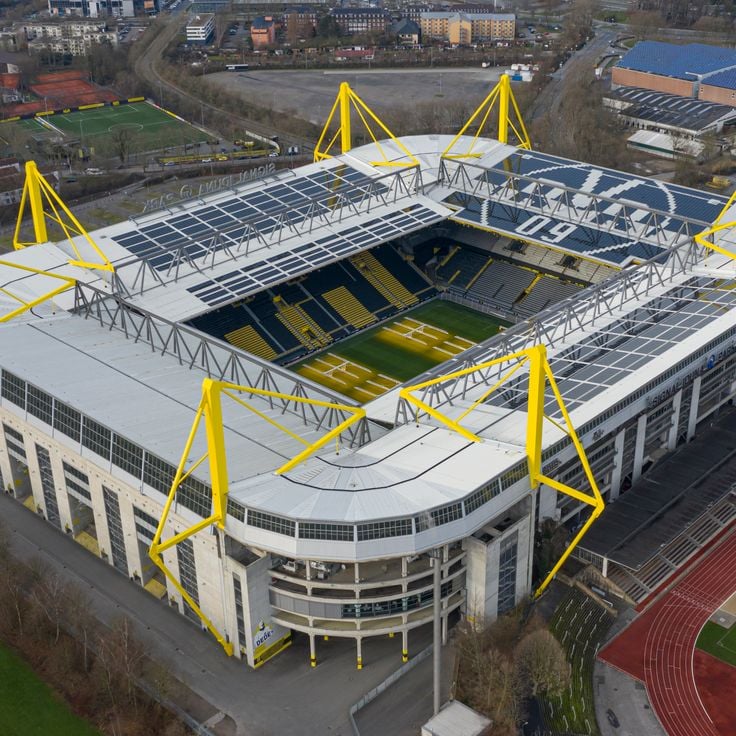
The Signal Iduna Park is home to Borussia Dortmund football club and has hosted the team since 1974. This stadium is a central landmark in Dortmund's sports culture, drawing crowds of fans throughout the year. The large stands and field reflect the importance of football in the city's identity. Walking around the stadium, visitors can feel the connection between the team and its supporters.
Dortmund, Germany
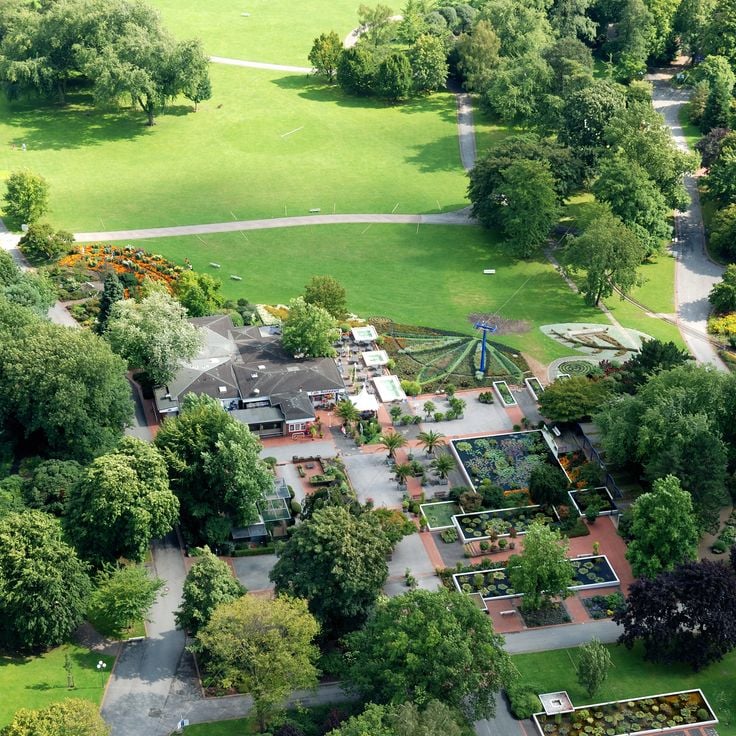
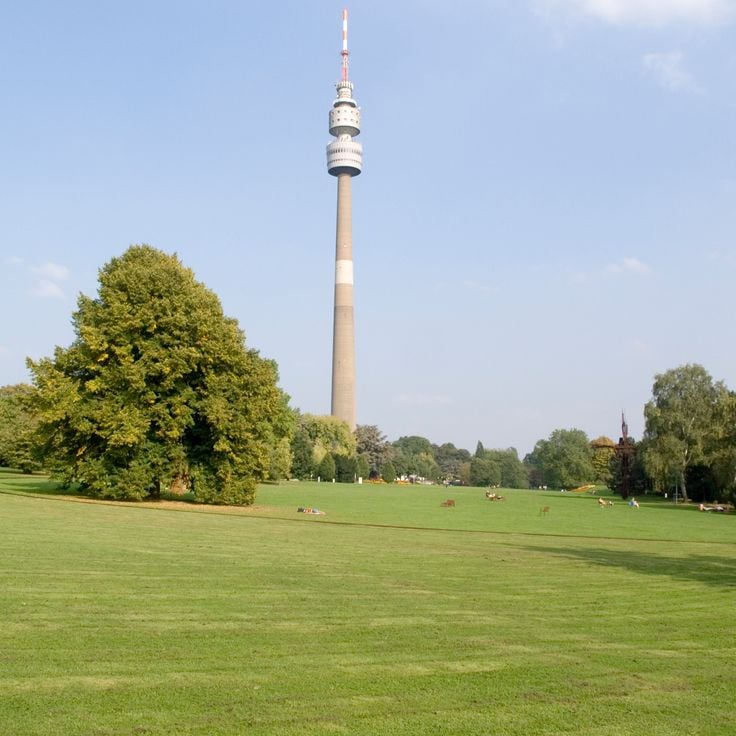
Westfalenpark is the green space in Dortmund's collection of attractions and stretches across 70 hectares in the south of the city. The Florianturm, a 209-meter-tall television tower with an observation deck, rises from the grounds. The park features several themed gardens, including extensive rose gardens with many varieties, and the German Rosarium documents the history of rose cultivation. A garden museum shows historical and contemporary garden design. The park invites visitors to walk, observe the plantings, and learn about gardening and plants.
Dortmund, Germany
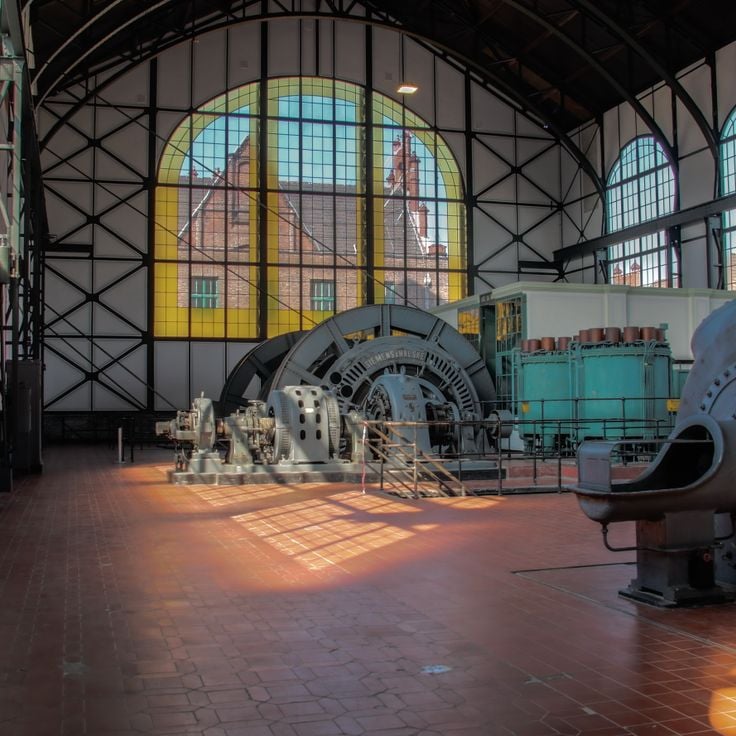
Zeche Zollern is a former hard coal mine that opened in 1898 and now serves as a museum documenting the industrial history of the Ruhr region. The site preserves its original machine hall with historic steam engines and hoisting equipment. The grounds display the working conditions of miners through preserved workshops, washrooms, and Art Nouveau administrative buildings. This mine reflects Dortmund's transformation from an industrial center into a city that honors its past while embracing contemporary cultural offerings.
Dortmund, Germany
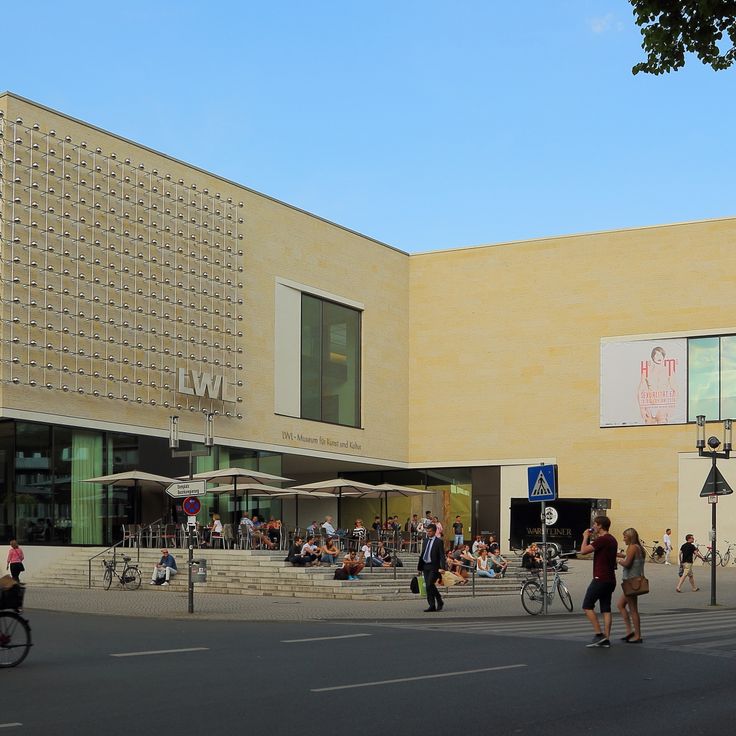
The Museum of Art and Cultural History displays artworks and objects from the Middle Ages to the present day in an Art Deco building from 1924. The collection includes paintings, sculptures, furniture and decorative arts that document the history and cultural development of the region. As part of Dortmund's cultural offerings, this museum provides insight into the artistic and historical identity of the city.
Dortmund, Germany
The Florianturm rises in Westfalenpark and serves as a landmark of Dortmund. Located at 140 meters elevation, a rotating restaurant completes a full rotation within one hour, allowing visitors to enjoy panoramic views over the city and the Ruhr region while dining. An observation platform provides a vantage point for viewing the surrounding landscape.
Dortmund, Germany
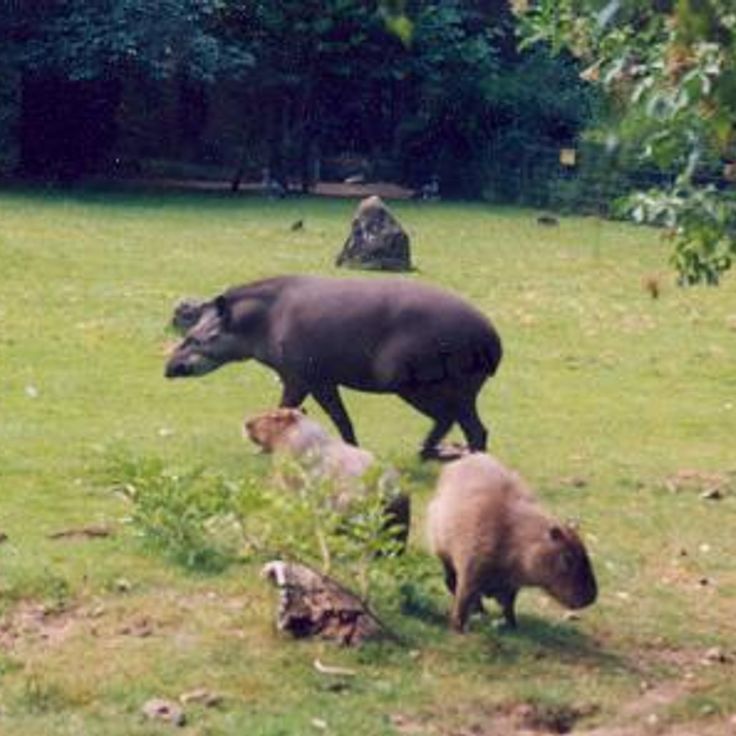
The Dortmund Zoo within this collection of Dortmund attractions showcases the city's green side beyond its industrial heritage. Spread across 28 hectares, the zoo is home to approximately 1500 animals from 230 species, with a focus on South American wildlife. Visitors can observe animals from different habitats and learn more about the natural world. The zoo serves as an important recreational space and contributes to Dortmund's diverse offerings for leisure activities.
Dortmund, Germany
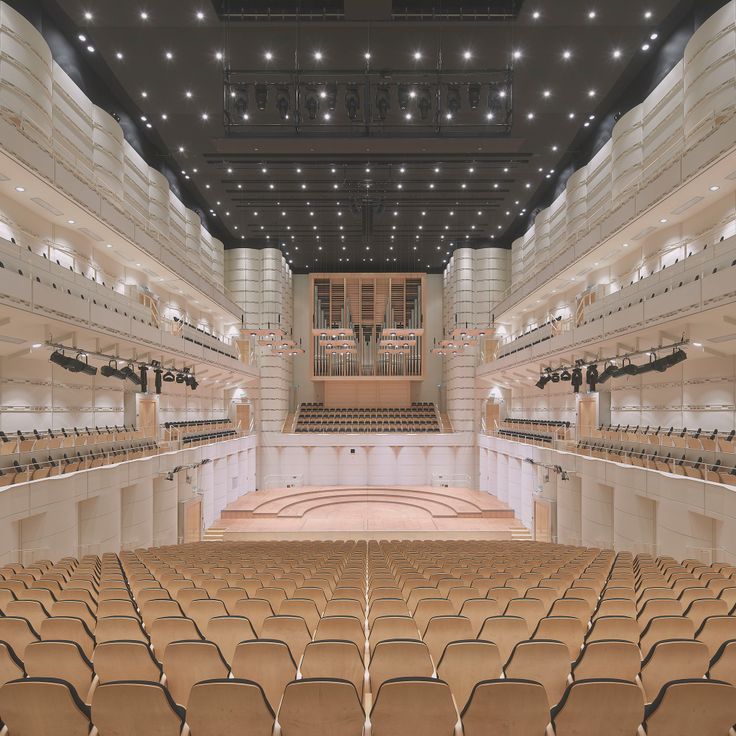
The Konzerthaus Dortmund is a concert venue with 1,550 seats that represents an important part of Dortmund's contemporary cultural scene within this collection of the city's attractions. This hall presents classical music, jazz and chamber music, hosting renowned orchestras and soloists from various musical genres in a modern building.
Dortmund, Germany
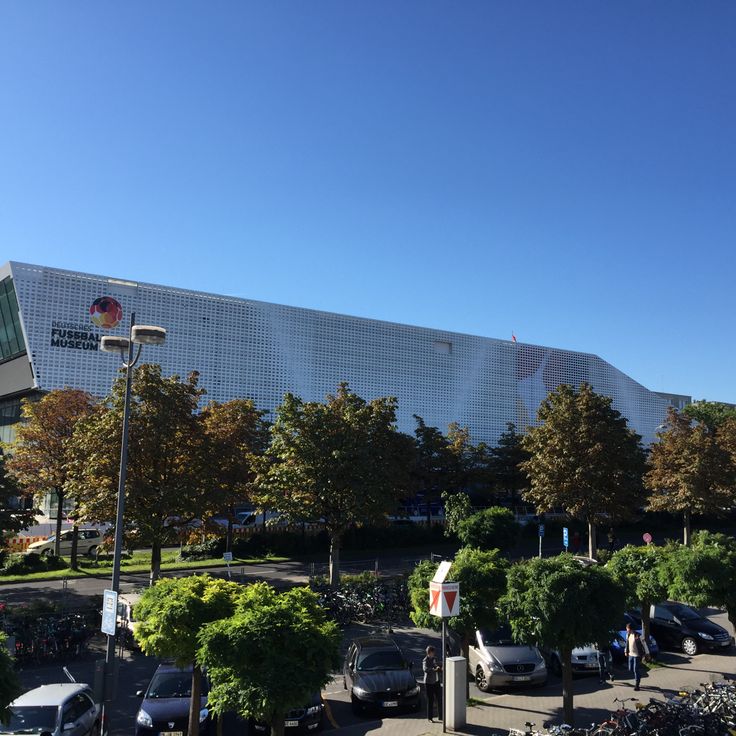
The German Football Museum documents the history of German football from its beginnings to today across 7,000 square meters. Visitors find jerseys, trophies, photographs, and historical documents from the national team. Interactive stations let you test your skills and learn about tactics. The museum preserves memories of major tournaments and celebrated players. This museum adds to Dortmund's cultural offerings and connects directly to the city's strong sporting heritage.
Dortmund, Germany
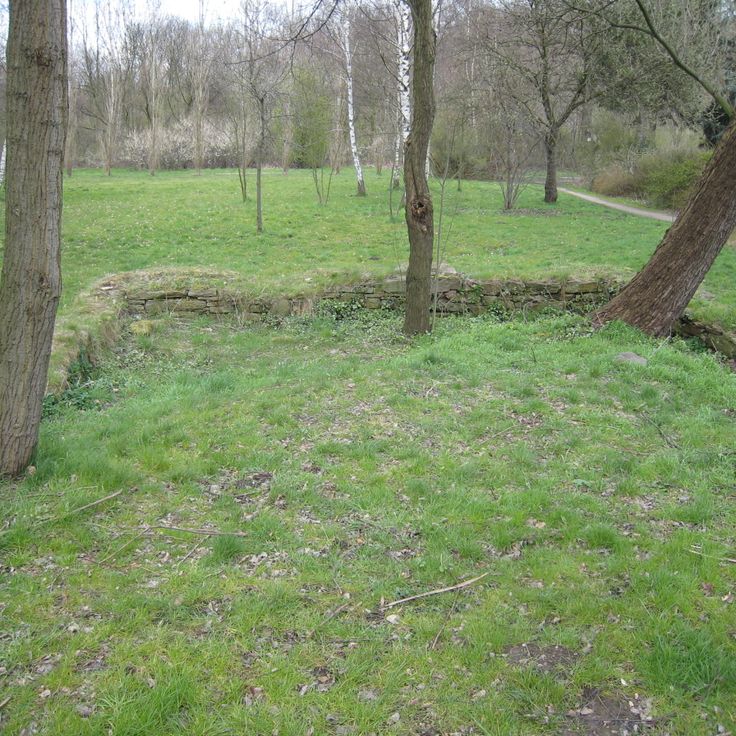
Mengede Castle is a medieval moated fortress from the 13th century that fits into Dortmund's collection of historical attractions alongside its museums and parks. The castle displays typical features of Westphalian architecture with its water moat and outer bailey, which document the historical defense systems of the era.
Dortmund, Germany
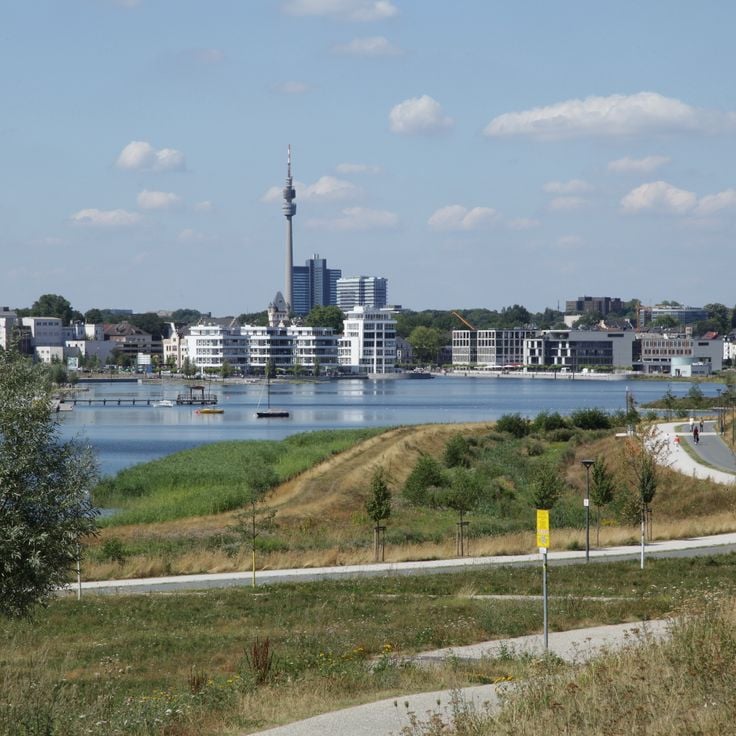
Phoenix Lake, part of Dortmund's array of attractions, demonstrates how industrial spaces can become places for people to enjoy. Created in 2010 on a former steelworks site, this lake offers paths along its shoreline where visitors walk and spend time by the water. The lake connects Dortmund's industrial past with today's city life, showing how old factories can transform into gathering spots for local residents and travelers.
Dortmund, Germany
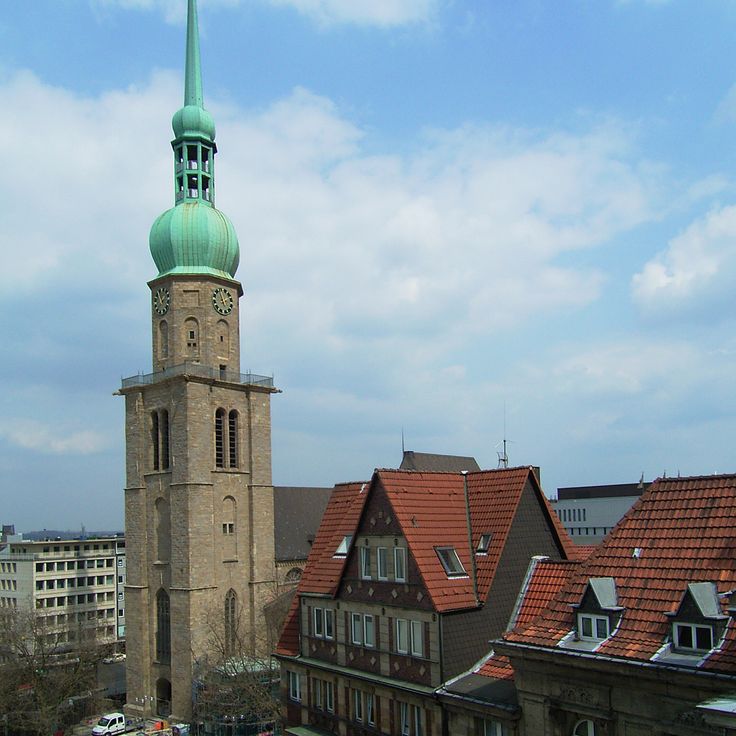
St. Reinoldi Church is the main Protestant church of Dortmund and represents the city's religious history. Built between 1250 and 1270, the building shows the medieval architecture of Westphalia. The tower of this church rises 112 meters high and features an observation platform where visitors can see across the entire city. From above, you can take in Dortmund's location among its green spaces and museums, helping you understand the different sides of the city.
Dortmund, Germany
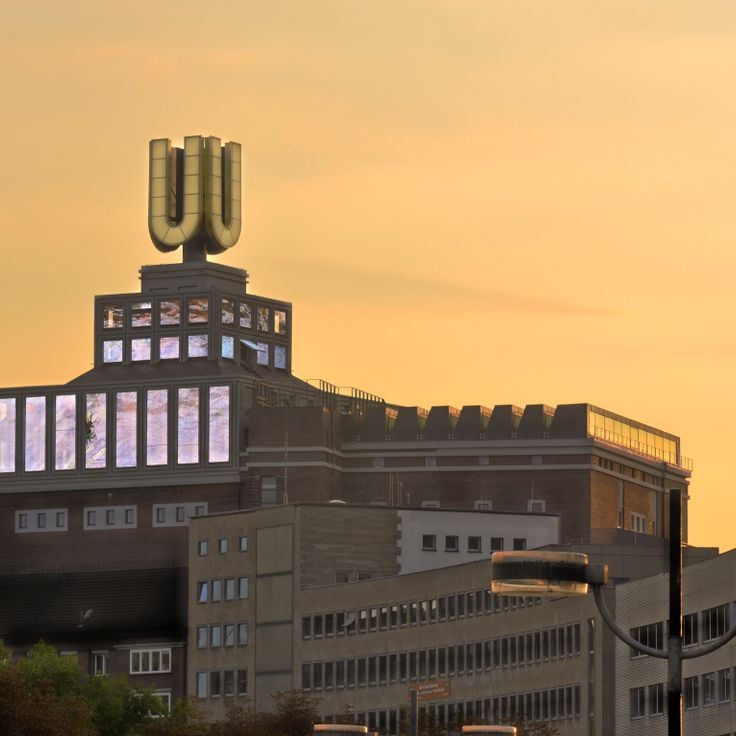
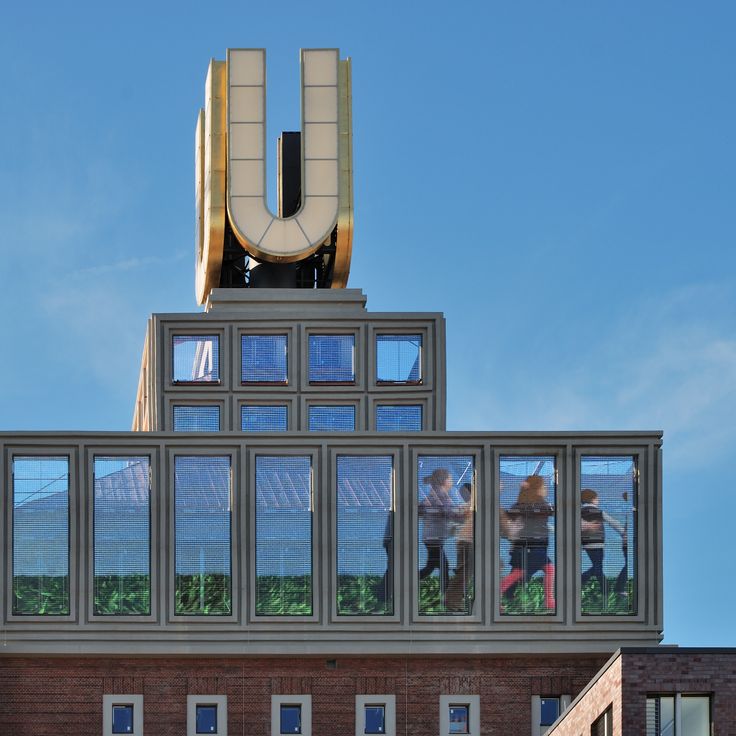
The U-Tower is a former Union Brewery building converted in 2010 that fits into Dortmund's transformation from industrial city to cultural hub. The structure now houses contemporary art exhibitions, event spaces and offices. Visitors can climb to the rooftop terrace at 38 meters to survey the city below. The golden U crown on top has become a landmark of the cultural district and draws people who want to see how industrial Dortmund has reinvented itself.
Dortmund, Germany
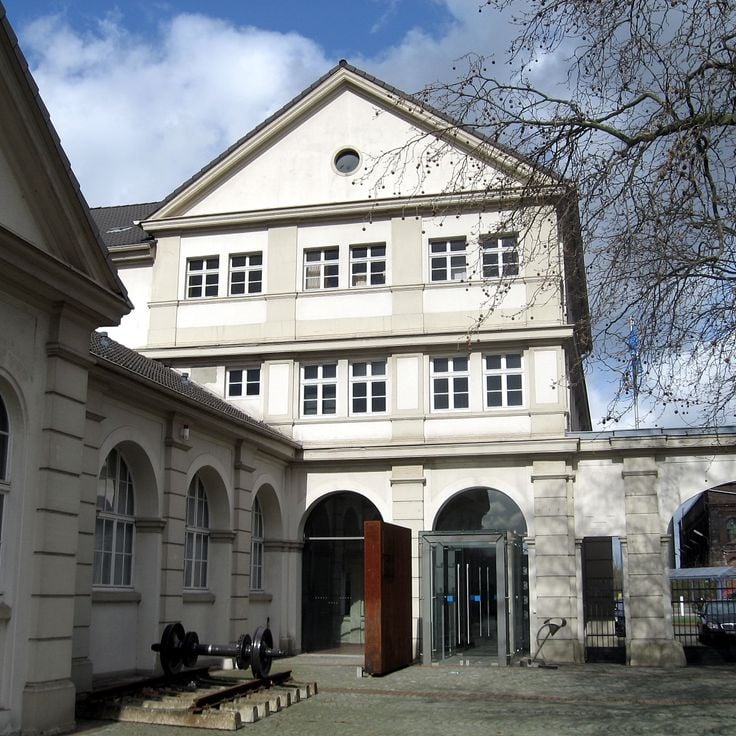
The Hoesch Museum documents steel production in Dortmund from 1871 to 2001. Inside, you can see original tools, machines, and production equipment from over 130 years of industrial history. Housed in the former administrative building of the Hoesch steelworks, the museum presents the development of the iron and steel industry in the Ruhr region through technical displays and historical documents. It adds to Dortmund's varied collection of museums and industrial heritage sites.
Dortmund, Germany
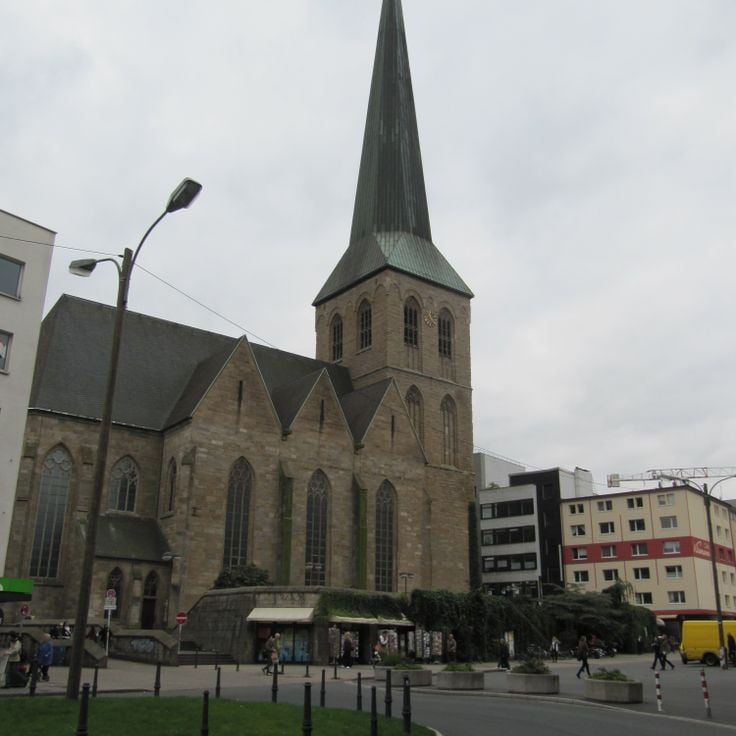
St. Peter's Church is a Gothic building from the 14th century that shapes Dortmund's skyline with its 105-meter tower. The church houses medieval stained glass windows and a historical altar from the time of its construction. It stands among Dortmund's cultural institutions, which range from medieval history to the modern art scene and help define the city's character.
Dortmund, Germany
The Museum Ostwall in this collection of Dortmund attractions displays paintings and sculptures from the 20th and 21st centuries. The museum presents modern art installations as well as works in digital media, documenting the development of contemporary art across various forms of expression. It complements Dortmund's cultural offerings alongside the Museum of Art and Cultural History and establishes the city as a destination for art enthusiasts.
Dortmund, Germany
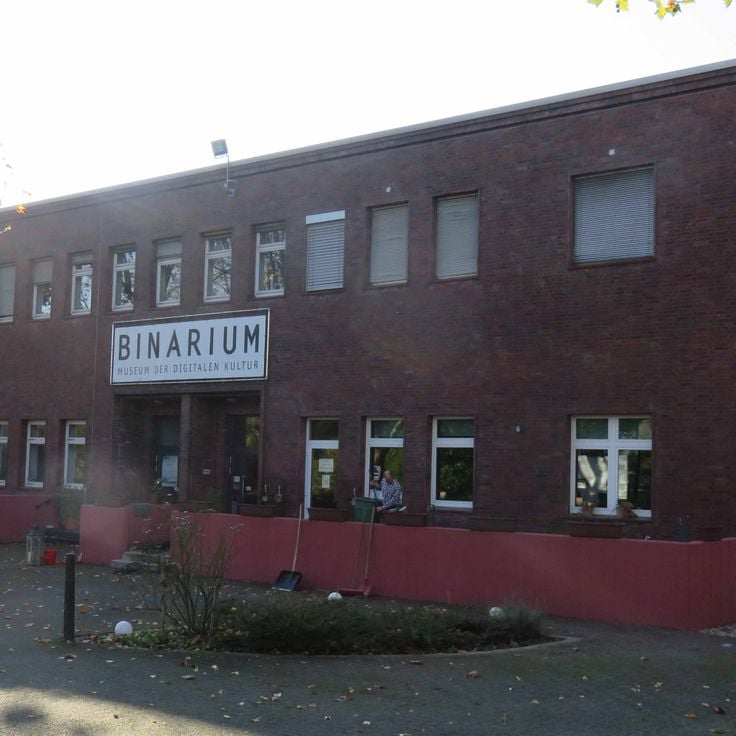
The Binarium German Digital Museum in Dortmund displays computers and digital devices from seven decades of computing history. The collection traces how technology evolved from the first mainframe computers of the 1950s to contemporary systems. Visitors can see working original machines that illustrate the progress of information technology. This museum reflects Dortmund's combination of industrial heritage with modern cultural institutions.
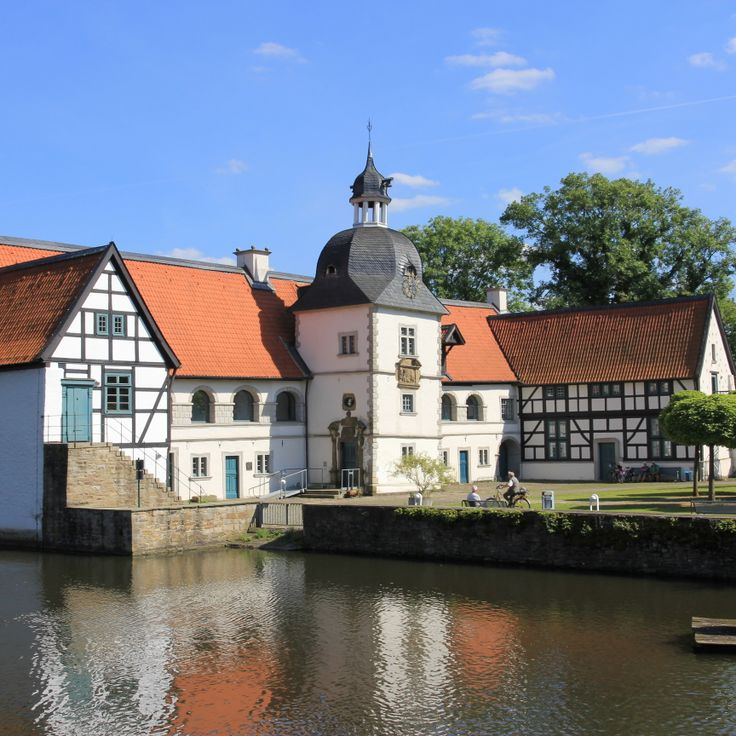
Dortmund, Germany
This 13th-century water castle is part of Dortmund's varied cultural offerings. Haus Rodenberg displays typical features of Westphalian architecture, with a moat surrounding the main structure. The building reflects traditional construction methods of the region and illustrates medieval architecture in Westphalia.
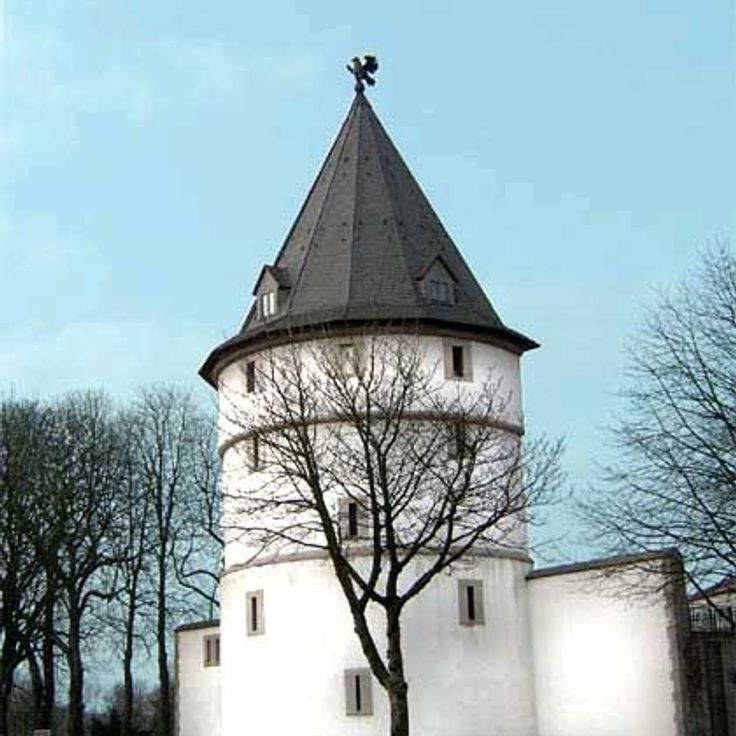
Dortmund, Germany
The Adlerturm Museum presents Dortmund's history from medieval times to the present day. This 14th-century defense tower was once part of the city's fortifications and now welcomes visitors to explore archaeological finds, medieval objects, and historical documents that trace how Dortmund developed from a fortified town into a modern city. The tower itself stands as a tangible connection to Dortmund's past and shows how the city was once protected by walls and defensive structures.
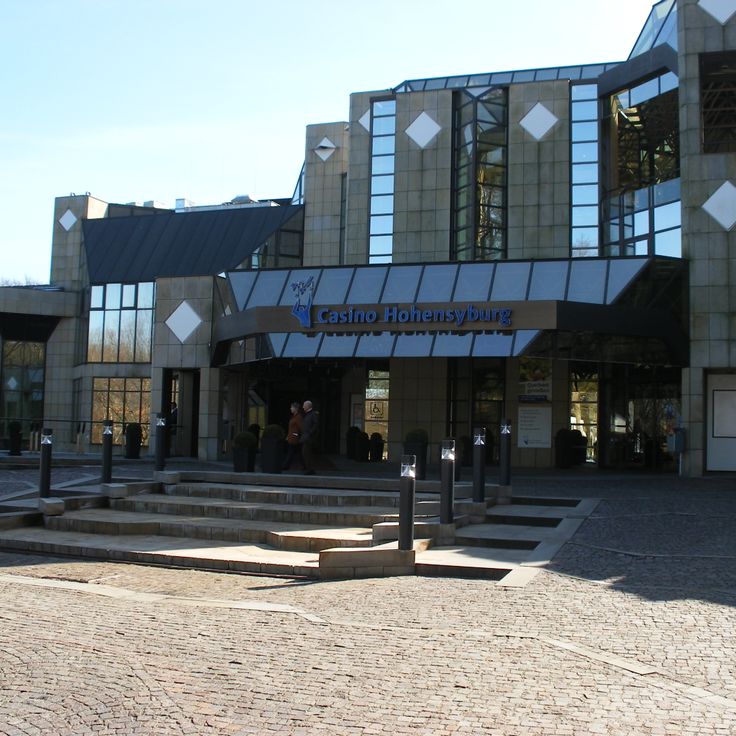
Dortmund, Germany
Hohensyburg Casino in Dortmund serves as a gaming destination set on elevated ground with views over the Ruhr valley. The casino houses slot machines and gaming tables across a spacious floor and complements the city's mix of industrial heritage and contemporary leisure offerings.
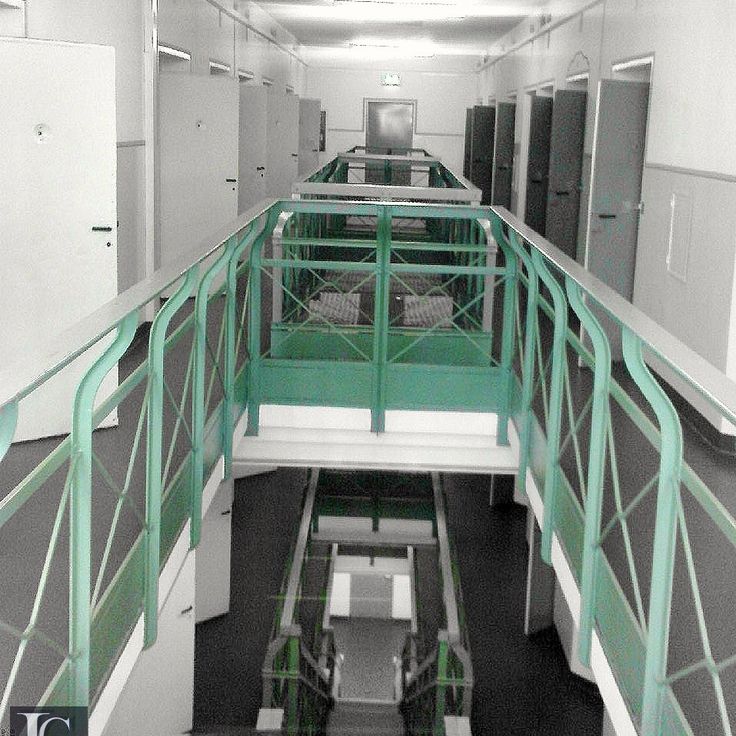
Dortmund, Germany
The Steinwache Memorial belongs to Dortmund's cultural institutions that document the city's history. This memorial occupies a former police prison that served as a Gestapo detention facility between 1933 and 1945. Permanent exhibitions document the persecution of political opponents, detention conditions, and the forced labor system during the Nazi regime. The historical cells and authentic rooms convey the reality of oppression during this period.
Dortmund, Germany
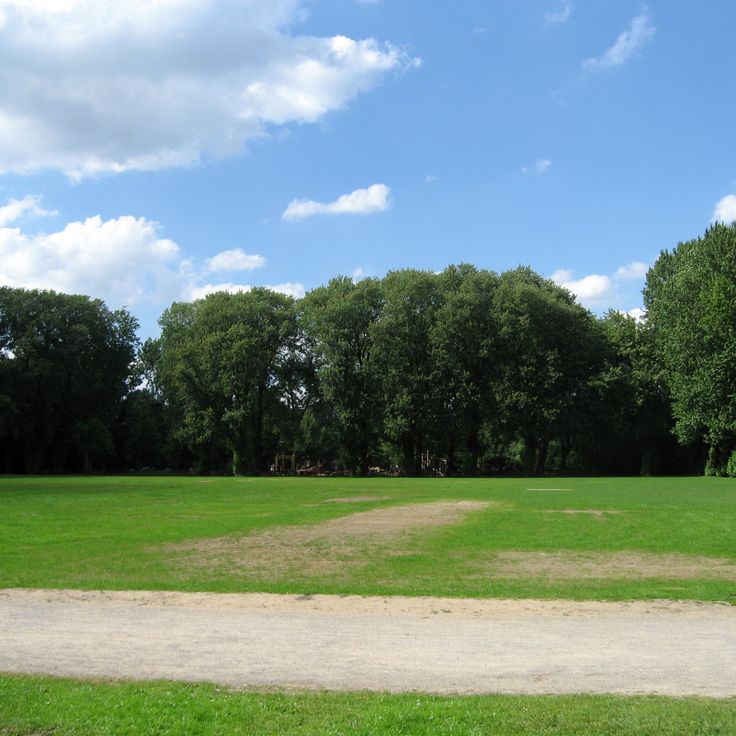
Fredenbaum Park in Dortmund is a large green space in the northern part of the city, complementing the variety of parks and outdoor areas that make up this industrial city's recreational landscape. The park features playgrounds, open lawns, and a lake where people gather to spend time outdoors. Throughout the year, the grounds host city festivals and cultural events that bring the community together. It provides space for families and sports enthusiasts to enjoy recreational activities in a green setting.
Dortmund, Germany
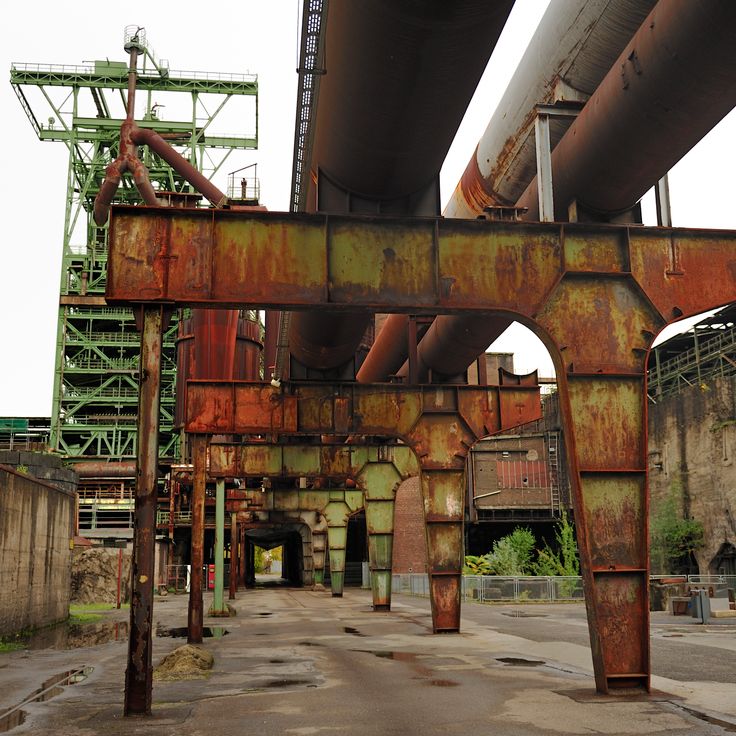
The Industrie Museum Dortmund is housed in a former coal mine and traces the industrial development of the Ruhr region. The museum displays machines, tools, and documents from the mining and heavy industry era that shaped this area. Visitors discover how Dortmund transformed from resource extraction to a modern economic center.
Dortmund, Germany
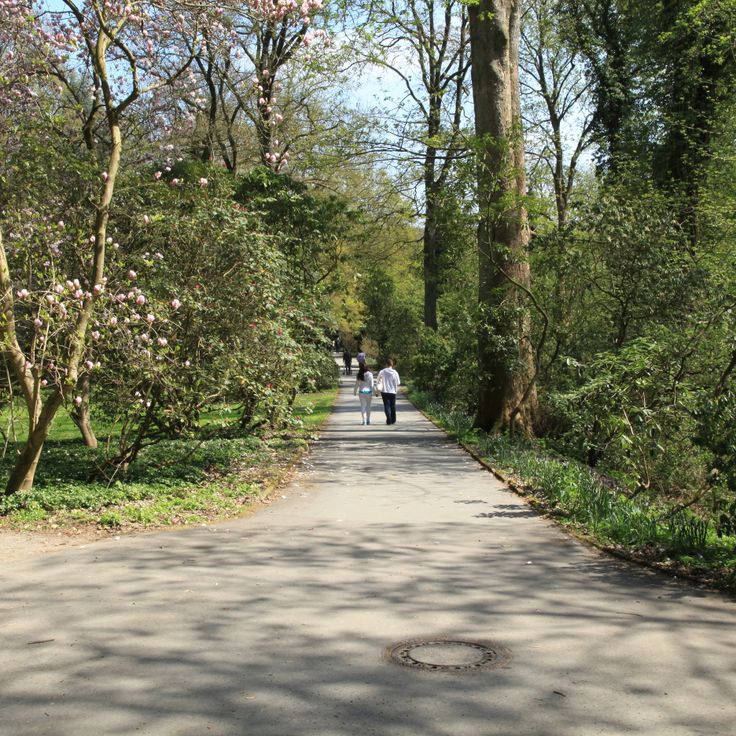
The Botanischer Garten Rombergpark in Dortmund offers visitors a space dedicated to plants and nature research, complementing the city's cultural attractions. This garden spans a large area and houses thousands of plant species from different climate zones around the world. Within its grounds, visitors find greenhouses where tropical and subtropical plants grow, as well as an arboretum featuring rare tree species. Various themed garden sections invite people to walk and discover the diversity of plant life. The park functions as both a research institution and a place where people can spend time outdoors and learn about the botanical world.
Dortmund, Germany
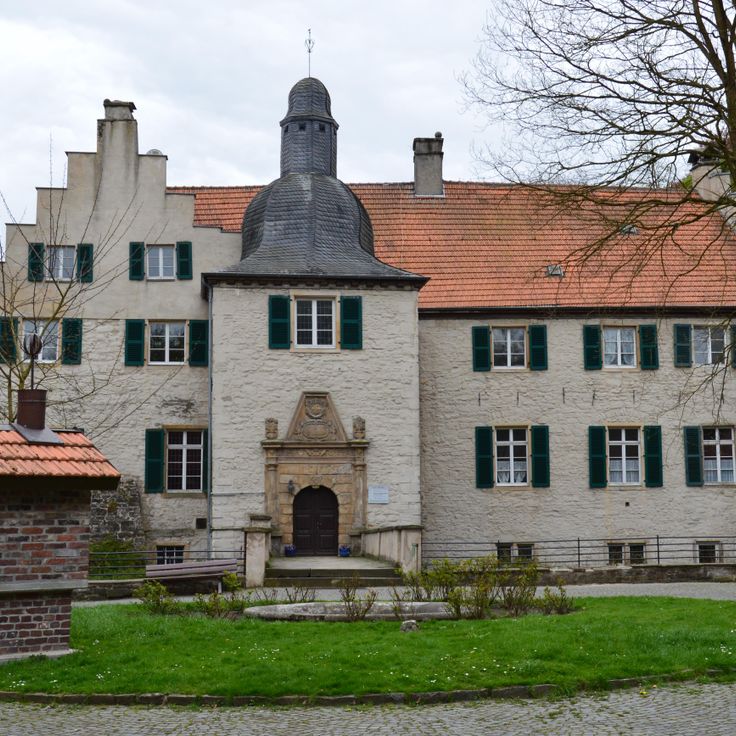
Wasserschloss Dellwig is a moated castle dating to the 13th century and represents the medieval architecture that complements Dortmund's collection of attractions spanning from historical sites to modern cultural spaces. The castle hosts rotating exhibitions about Dortmund's history and the Westphalia region. The adjacent garden offers walking paths and showcases historical garden design.
Dortmund, Germany
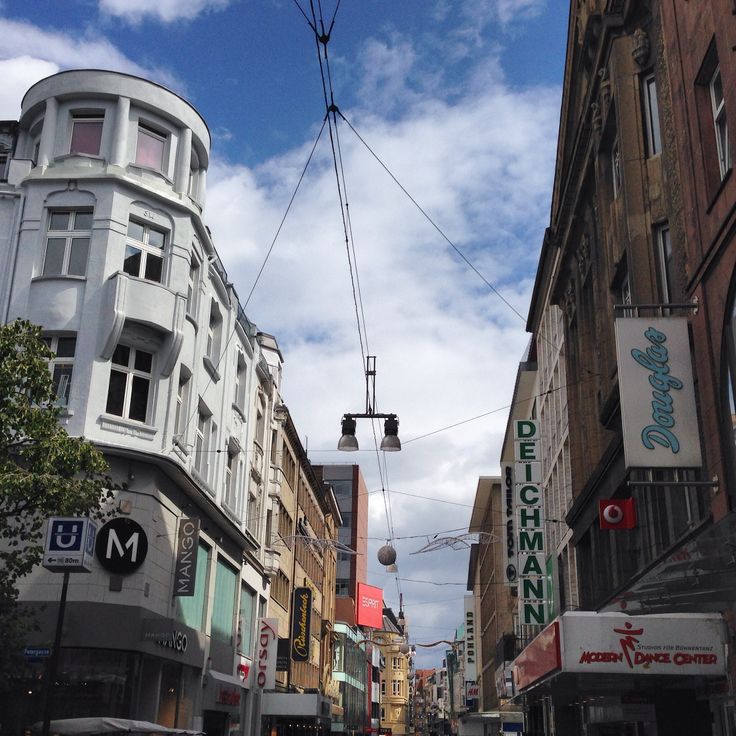
Westenhellweg is the main shopping street in downtown Dortmund and a vibrant center of daily city life. Attracting over 12,000 visitors per hour, it ranks among Germany's most frequented shopping streets. The street is lined with large department stores alongside smaller shops, cafes, and restaurants where locals and visitors walk, browse, and spend time. Westenhellweg connects different neighborhoods and forms the heart of retail activity in Dortmund, blending modern buildings with older structures that tell the city's story.
Dortmund, Germany
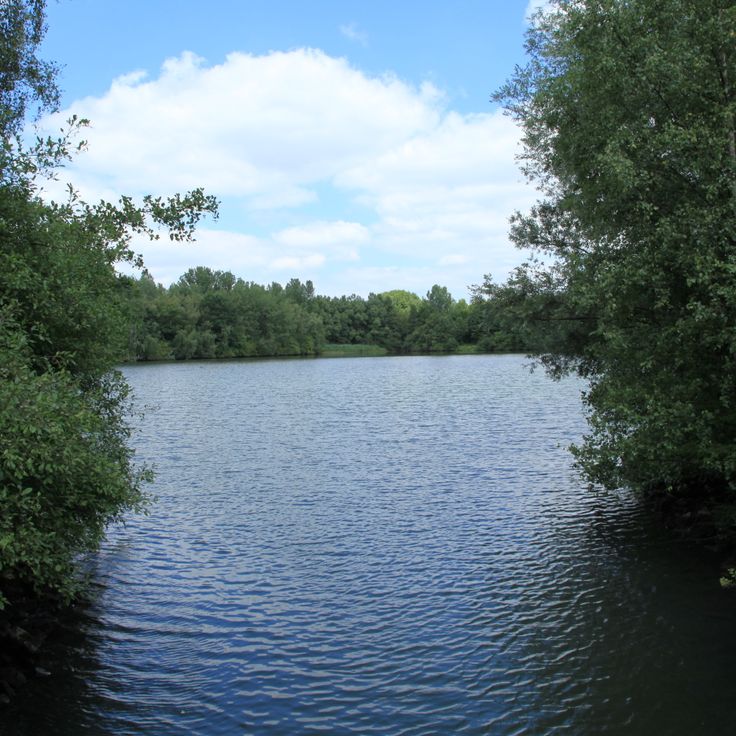
The Harpener Ponds are part of Dortmund's diverse offerings and show how the city transforms its industrial past into green spaces. These four artificial water basins arose from former mining subsidence and are now places for rest and activity. Paved paths circle the ponds and invite walks and bicycle rides. Local residents enjoy this site for outdoor leisure.
Dortmund, Germany
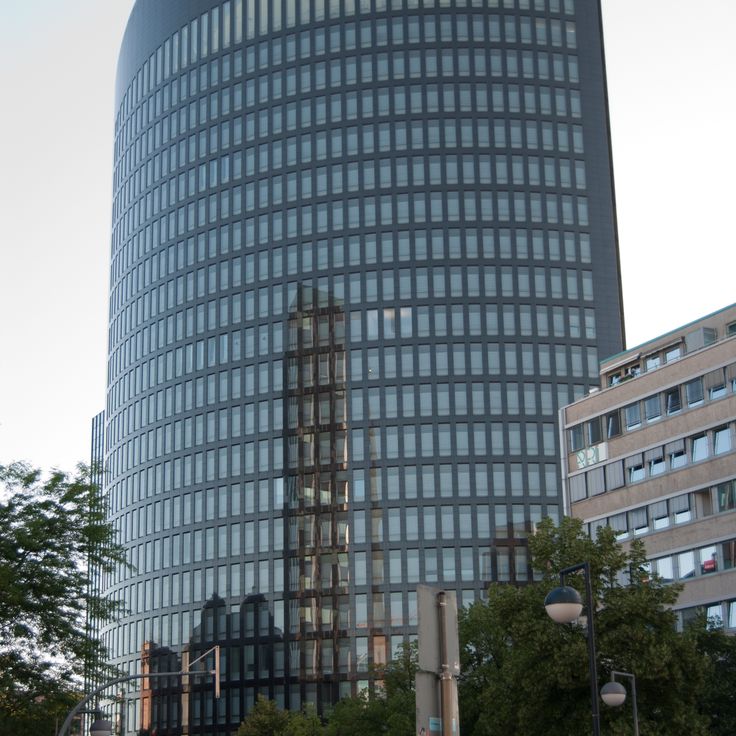
The RWE Tower is an office building that stands in the heart of Dortmund. At 100 meters tall across 22 floors, this structure is part of the city's modern skyline. An observation platform on the top floor gives visitors a wide view of Dortmund and the surrounding region. Within the context of exploring Dortmund's attractions, the RWE Tower offers a different way to see how the city sits within its landscape.
