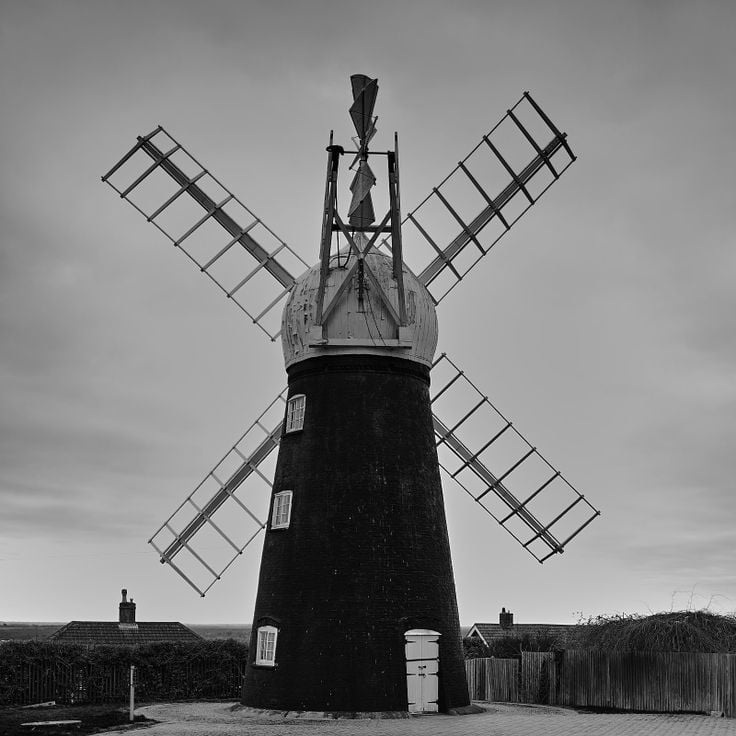
Wind and water once powered mills across the world, from brick towers in the Netherlands to white domes on Greek islands.
Windmills tell the story of how wind and water once powered work across continents. From the Netherlands to Asia, these structures stand as evidence of human ingenuity and local adaptation. They ground grain, pumped water from low lands, and ran factories. Each mill carries the mark of its region, from the sturdy brick towers in Kinderdijk to the whitewashed domes that crown the Greek islands.
The collection spans from the 1700s to modern times. Older mills like Sanssouci in Potsdam show the craftsmanship of earlier centuries. Others, such as the Murphy Windmill in San Francisco, preserve the heritage of the American West. In Spain, the windmills of Consuegra turn on hilltops above farmland, much as they have for centuries. In Iran, the ancient mills of Nashtifan use methods that have remained largely unchanged for over a thousand years.
Today visitors can walk through museums like Zaanse Schans or the American Windmill Museum in Lubbock to see how these machines worked. Some mills still stand in their original locations, while others have been moved or rebuilt. Together they form a journey through engineering, craft, and daily life across different lands and ages.
Wind and water once powered mills across the world, from brick towers in the Netherlands to white domes on Greek islands.
Windmills tell the story of how wind and water once powered work across continents. From the Netherlands to Asia, these structures stand as evidence of human ingenuity and local adaptation. They ground grain, pumped water from low lands, and ran factories. Each mill carries the mark of its region, from the sturdy brick towers in Kinderdijk to the whitewashed domes that crown the Greek islands.
The collection spans from the 1700s to modern times. Older mills like Sanssouci in Potsdam show the craftsmanship of earlier centuries. Others, such as the Murphy Windmill in San Francisco, preserve the heritage of the American West. In Spain, the windmills of Consuegra turn on hilltops above farmland, much as they have for centuries. In Iran, the ancient mills of Nashtifan use methods that have remained largely unchanged for over a thousand years.
Today visitors can walk through museums like Zaanse Schans or the American Windmill Museum in Lubbock to see how these machines worked. Some mills still stand in their original locations, while others have been moved or rebuilt. Together they form a journey through engineering, craft, and daily life across different lands and ages.
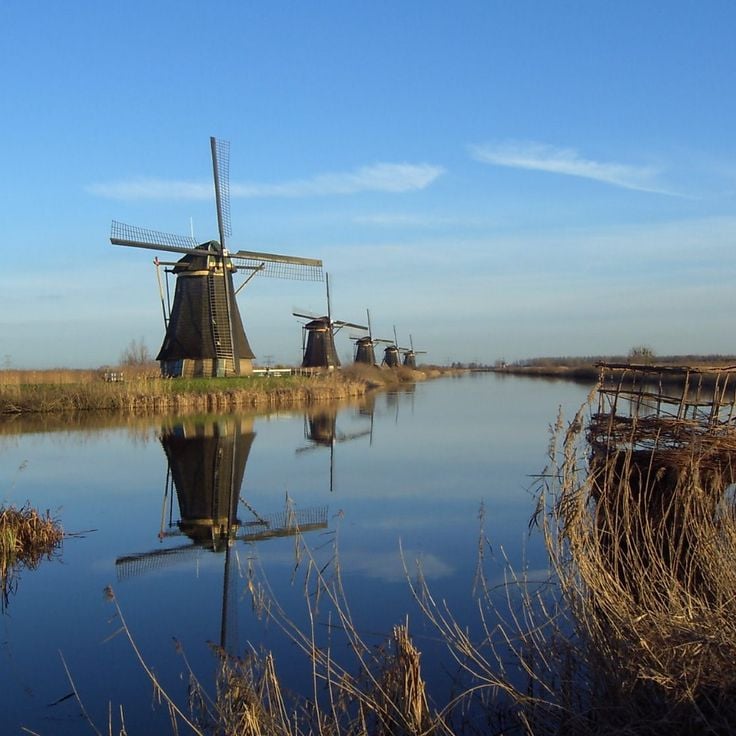
Kinderdijk Mills is a group of 19 windmills from 1740 that pump water from the lower lying polders into the River Lek. These mills show how technical innovations in water management developed. They were crucial for draining the Dutch landscape and made it possible to use wetlands. The mills document the local history and technical development of their region and are part of a collection of windmills spanning from Kinderdijk to Cape Cod that served for grain milling, drainage, and industrial production.
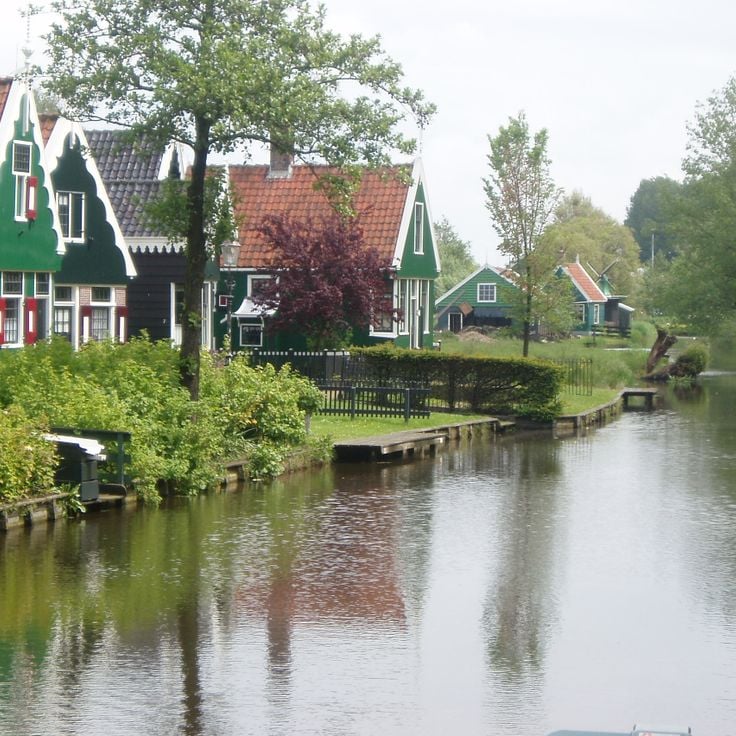
The Zaanse Schans Mill Museum displays eight windmills from the 17th and 18th centuries that were used for sawing wood and grinding spices. These mills form part of the broader collection of European windmills that document technical advancement and regional history. The buildings show how people harnessed wind power to do important work.
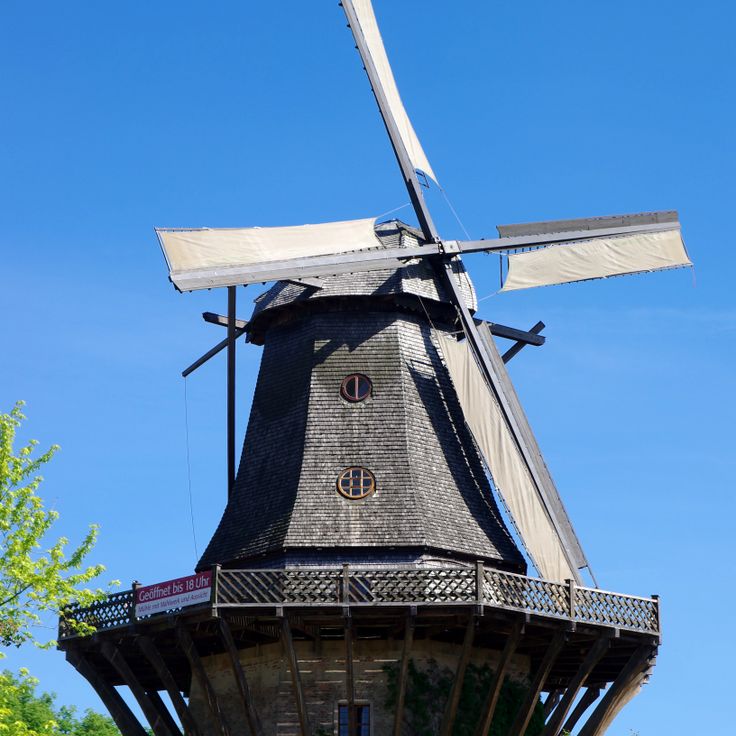
The Historic Mill Sanssouci is a reconstructed windmill from 1738 located next to Sanssouci Palace in Brandenburg. It was originally built to produce flour for the royal household. This mill shows the technical development of its time and belongs to a collection of windmills that extends from Kinderdijk in the Netherlands to Cape Cod. These structures served not only for grain milling but also for drainage and industrial production. Each mill documents the local history and technical development of its region.
This windmill from 1905 is part of a collection spanning from Kinderdijk in the Netherlands to San Francisco, showcasing how wind power was used for practical work across different regions and centuries. The Murphy Windmill stands in Golden Gate Park and served for pumping water in its area. Like other mills in the collection, it documents how communities adapted this technology to their local needs and landscape.
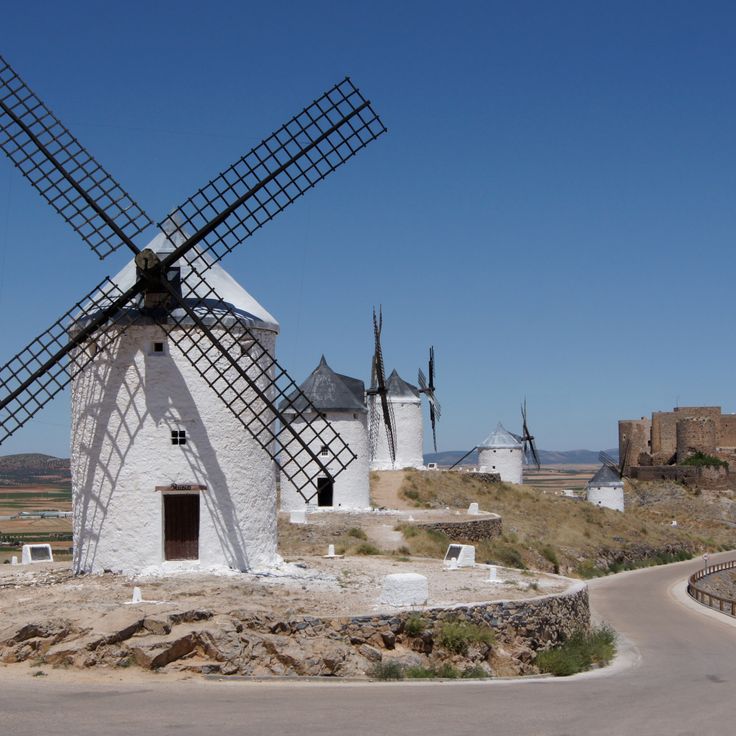
The Consuegra Windmills are part of a collection of windmills across Europe and Asia that document technical innovation and cultural history. These twelve white mills date from the 16th century and stand on Cerro Calderico. They were used for grinding grain and show how these structures played an important role in the local economy of their time.
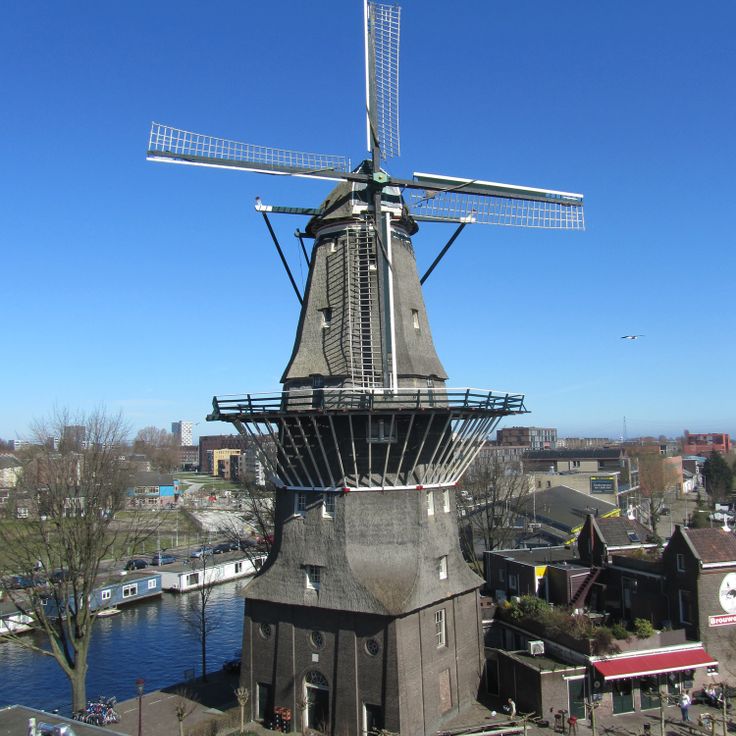
This grain mill from 1725 stands in the Oostelijke Eilanden district of Amsterdam and documents the technical development of Dutch milling craftsmanship. De Gooyer shows how windmills functioned as central production facilities and shaped daily life in the regions where they stood. Today it houses a brewery, connecting craft tradition with modern use.
The American Windmill Museum in Lubbock documents the technical evolution of windmills since the 19th century. The museum displays over 160 mills on 28 hectares of land and contributes to the collection of traditional windmills ranging from Kinderdijk in the Netherlands to Cape Cod. These structures served grain milling, drainage, and industrial production, documenting the local history and technical development of their regions.
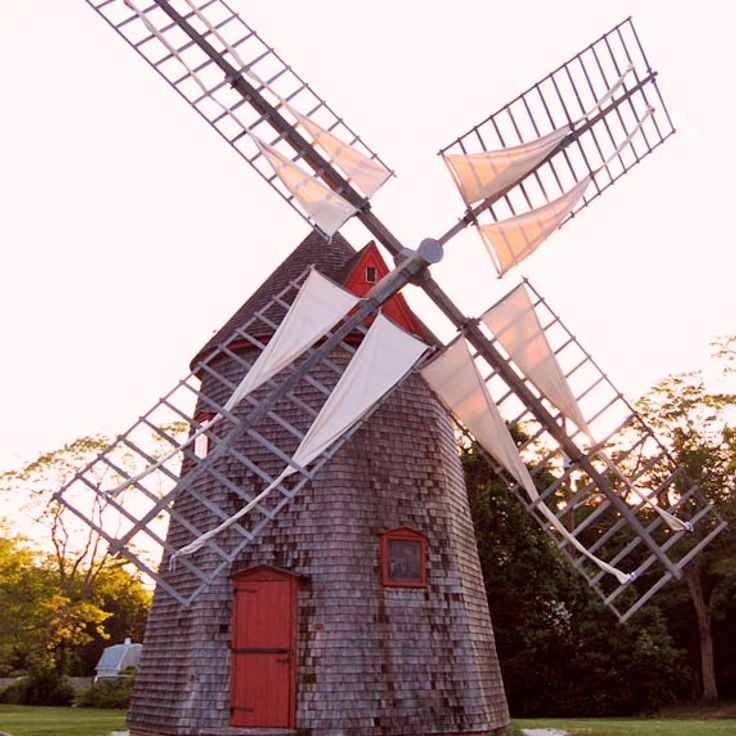
The Eastham Windmill dates from 1680 and stands in the town center of Massachusetts. This mill was formerly used for grinding grain from local farmers. It demonstrates how windmills functioned in North America and the role they played in community life.
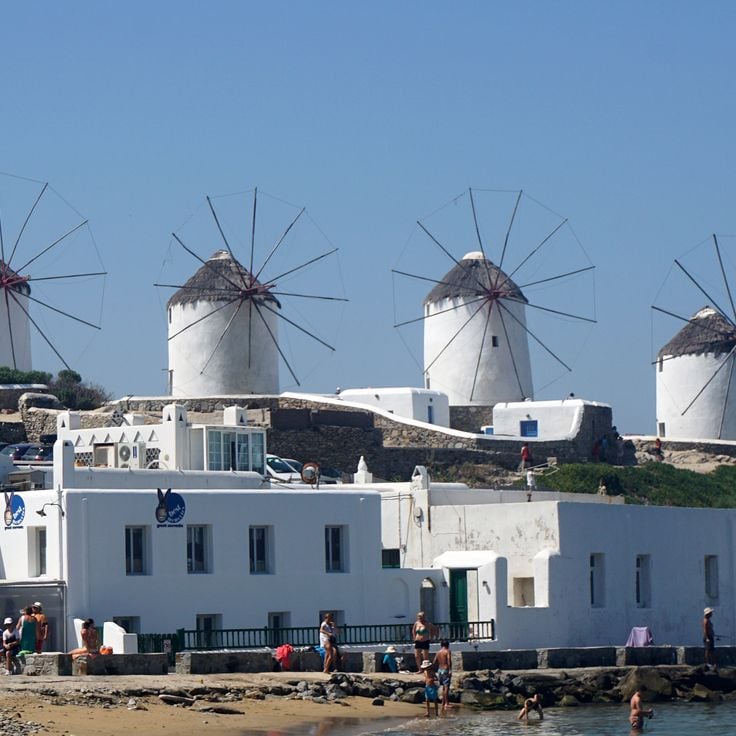
The Mykonos Windmills are part of a collection of traditional windmills from Europe and Asia that document technical innovation and cultural history. These white mills from the 16th century were used for grain processing and stand on a hill overlooking the sea. They show how local communities harnessed wind power to accomplish essential work in their daily lives.
This stone mill is part of a collection of traditional windmills from Kinderdijk to Cape Cod that demonstrates how these structures served grain milling, drainage, and industrial production. Molen de Valk has seven floors and contains original 18th century grinding tools with functioning mechanisms, documenting the craft and technical development of its region.
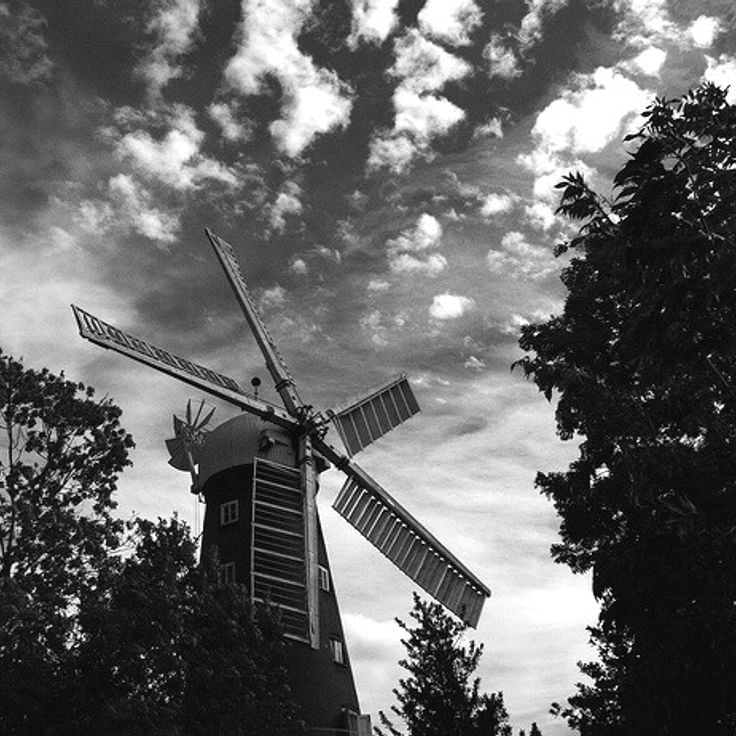
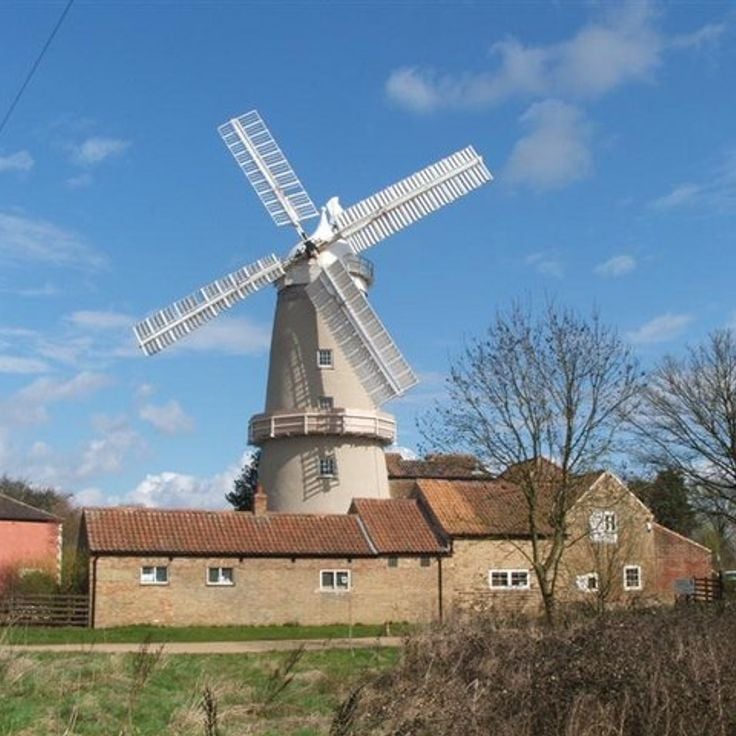
This five-story mill in Lincolnshire contributes to the collection of traditional windmills across Europe and Asia that document technical development and local history. The Alford Windmill demonstrates its original function since 1837 and continues to grind flour today using the machinery from its time of construction.
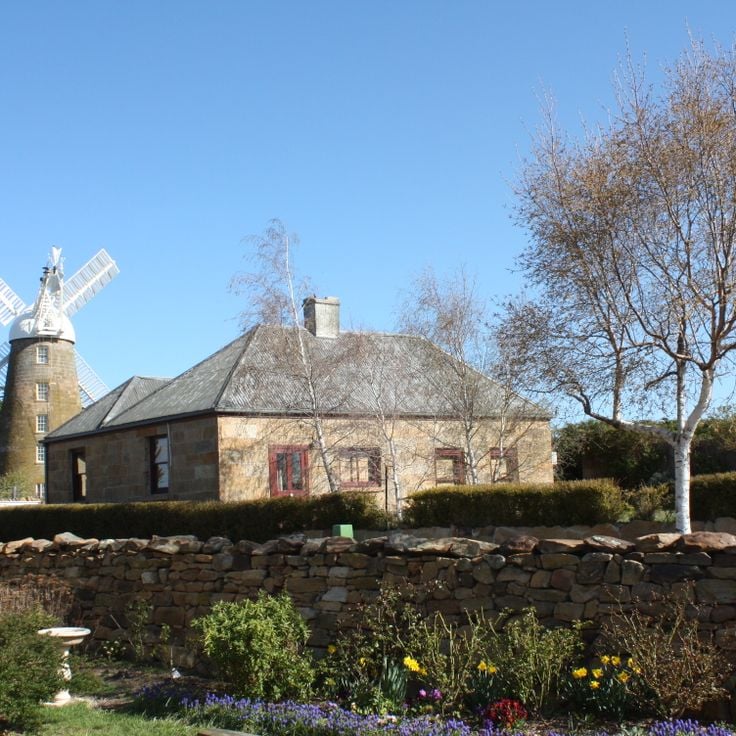
This nineteenth century stone windmill is part of a collection of traditional windmills across Europe and Asia that document technical innovation and regional history. The Oatlands Mill features four floors and remains the only complete windmill structure in southern Tasmania. These mills served multiple purposes: grinding grain, managing water drainage, and supporting industrial production across different regions.
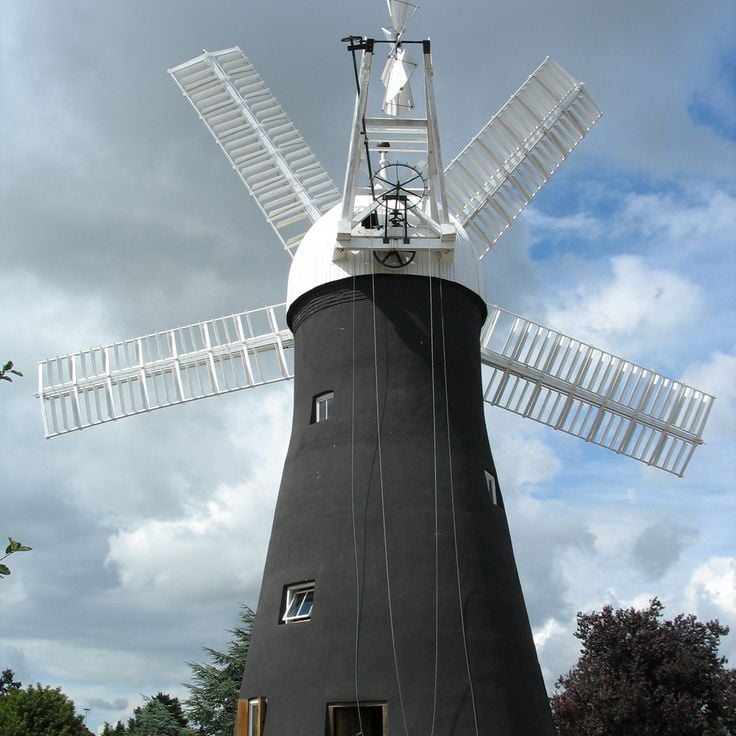
The Holgate Windmill in York is part of a collection of traditional windmills spanning from Kinderdijk in the Netherlands to Cape Cod that demonstrate technical innovation and cultural heritage. Dating to the 18th century, this restored mill in the city center once ground grain for the local community, documenting the technical development and local history of its region.
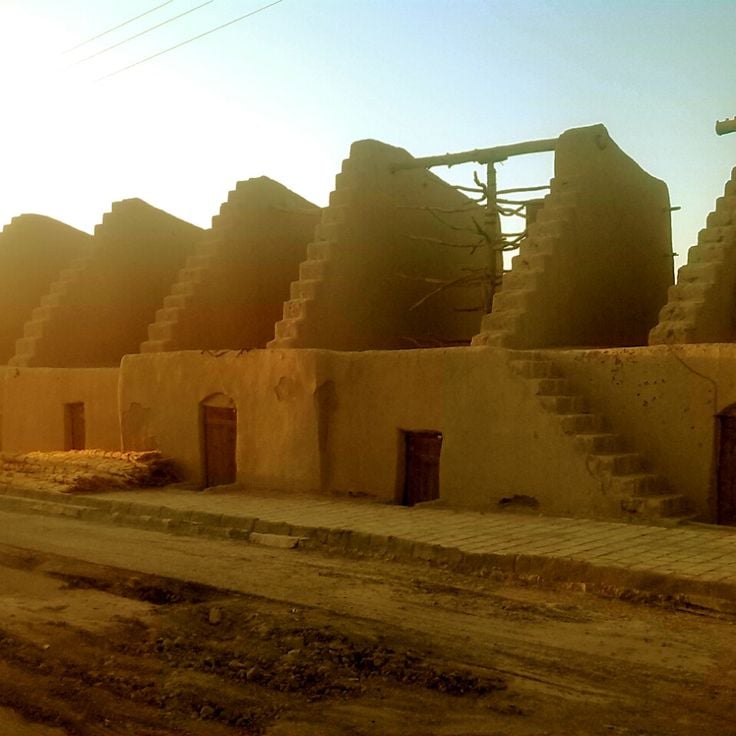
The Nashtifan Windmills showcase technical development in Asia's milling tradition. These ancient mills stand on a plateau and rank among the oldest working mills in the world, built around the 9th century. They served for grain milling. The Nashtifan mills show how local communities perfected and passed down their craftsmanship over centuries.
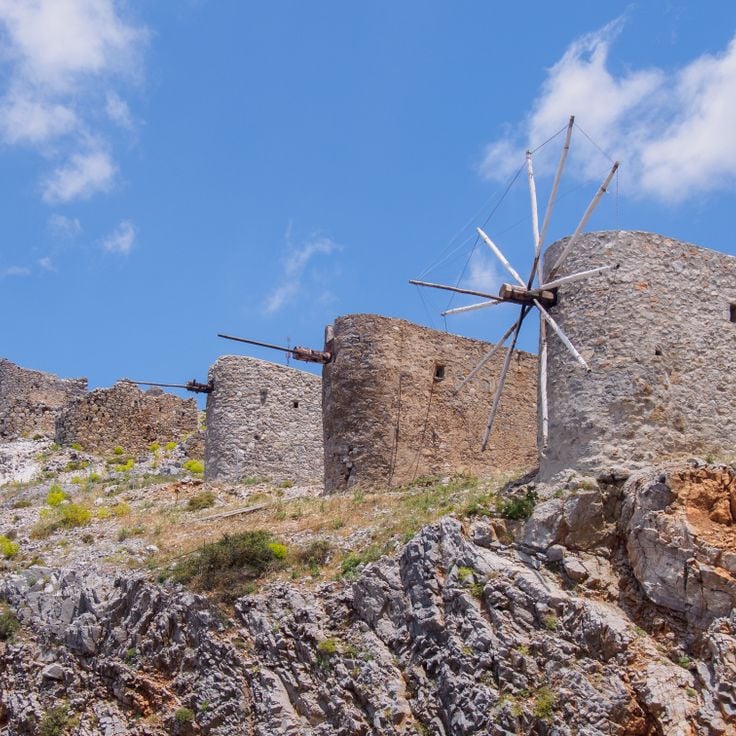
The windmills of Lassithi Plateau are part of a collection spanning from the Netherlands to Asia, documenting technical innovation and local heritage. Hundreds of white windmills dot this highland plateau on Crete and were traditionally used to pump water for irrigation. These structures demonstrate how the region managed its water resources and developed technically over time.
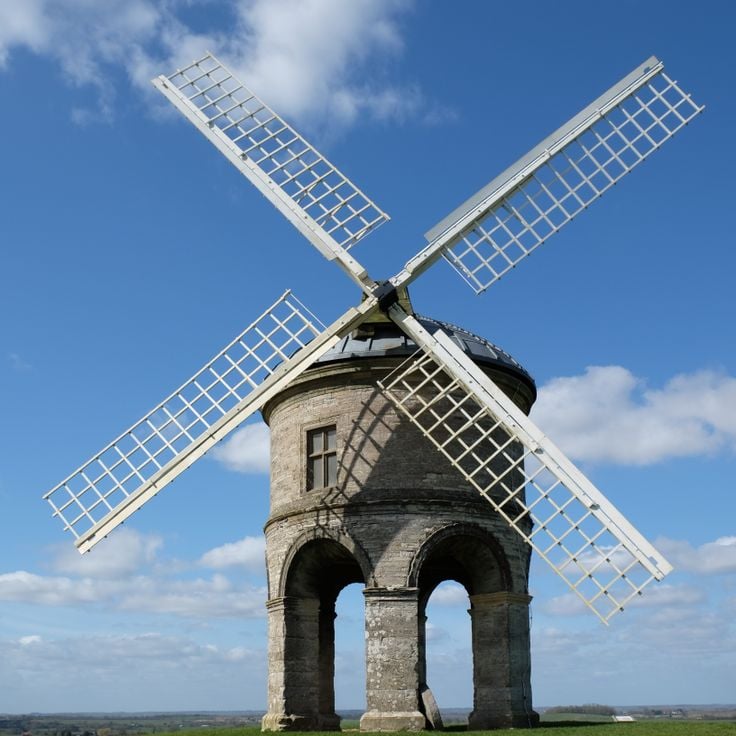
This stone tower mill from the 17th century stands in an isolated location and is one of the oldest remaining examples in the region. As part of the collection of traditional windmills in Europe and Asia, the Chesterton Windmill documents the technical development and local history of its time. The mill shows how such structures were used for grain milling, drainage, and industrial production.
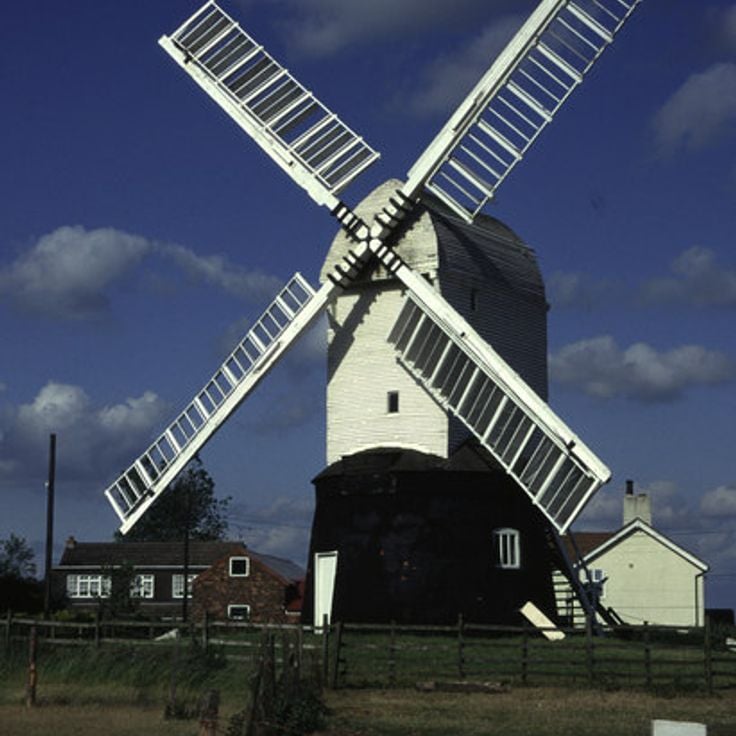
The Post Mill Wrawby is an 18th century timber-framed mill that is part of a collection documenting windmills from Kinderdijk to Cape Cod, which served for grain milling, drainage, and industrial production. This mill demonstrates the traditional construction methods that were typical of mills from that period and represents the technical knowledge of its region.
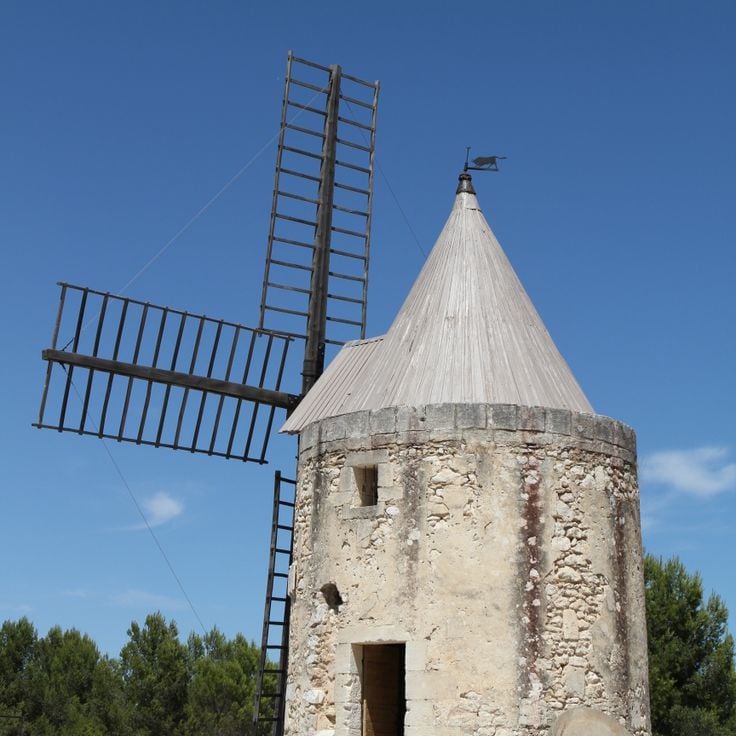
The Moulin de Daudet sits in the Provence countryside and was made famous by the writings of a local author. It belongs to a collection of windmills spanning from Kinderdijk in the Netherlands to Cape Cod that documents technical innovation and regional history. These mills served for grain milling, drainage, and industrial production. The collection shows how different regions developed their milling technology, from 18th century examples like the Sanssouci Mill in Potsdam to modern specimens like the Murphy Mill in San Francisco.
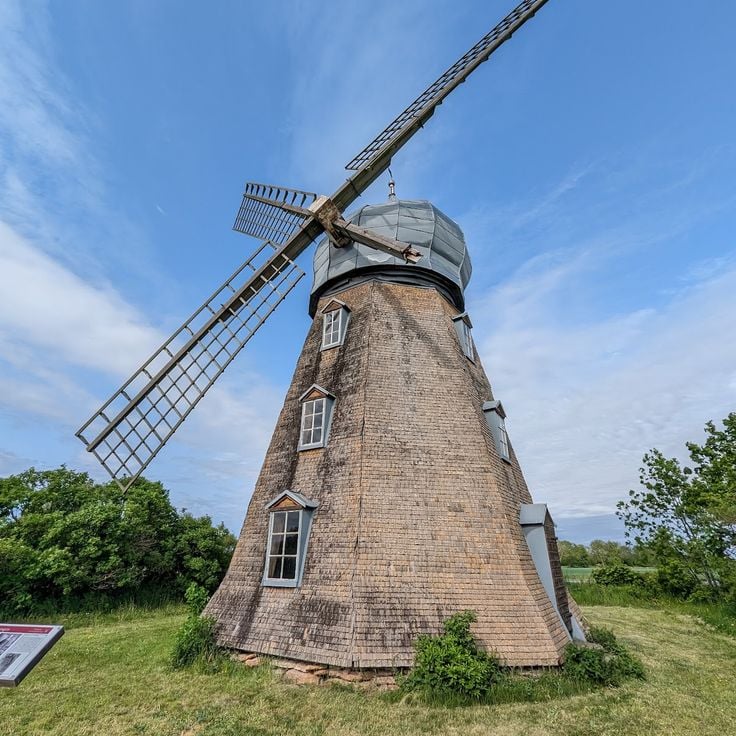
The Oland Windmills showcase technical development across several centuries. Over 600 mills on the island served grain milling, drainage, and industrial production. Each mill documents the local history and technical evolution of the region. This collection ranks among the largest windmill sites in Europe and Asia, comparable to Kinderdijk in the Netherlands and Cape Cod.
This mill in Norfolk is part of a collection of windmills from Kinderdijk in the Netherlands to Cape Cod that shows technical development and regional history. The Denver Windmill was built in the 19th century and played an important role in the local agricultural economy. Mills like this served for grain milling, drainage, and industrial production, and they document the technical progress of their regions.
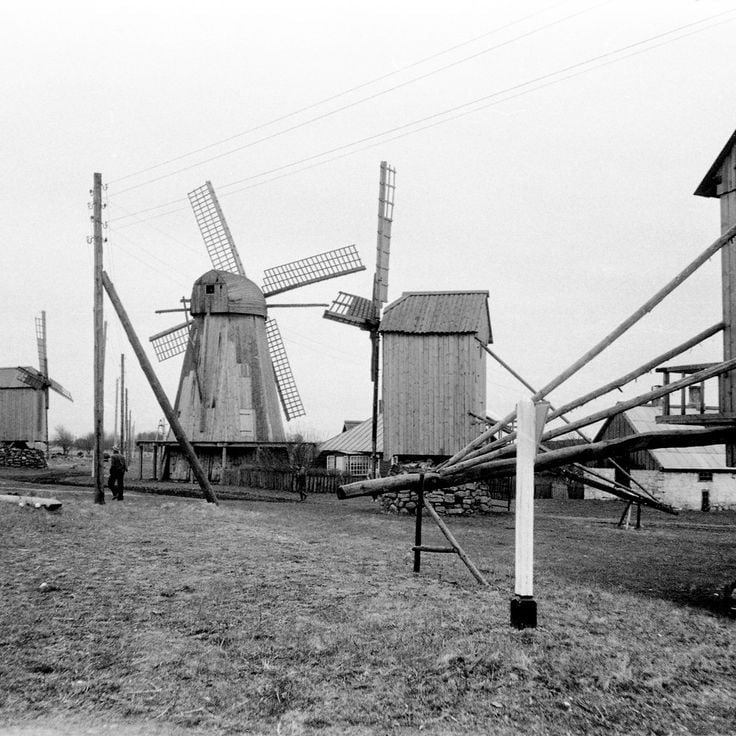
The Angla Windmills represent traditional Baltic construction and grain-milling practices from the 19th century. They are part of a European collection of windmills that document technical innovation and the culture of different regions. These mills served for grain milling, drainage, and industrial production, showing the technical development of their era.
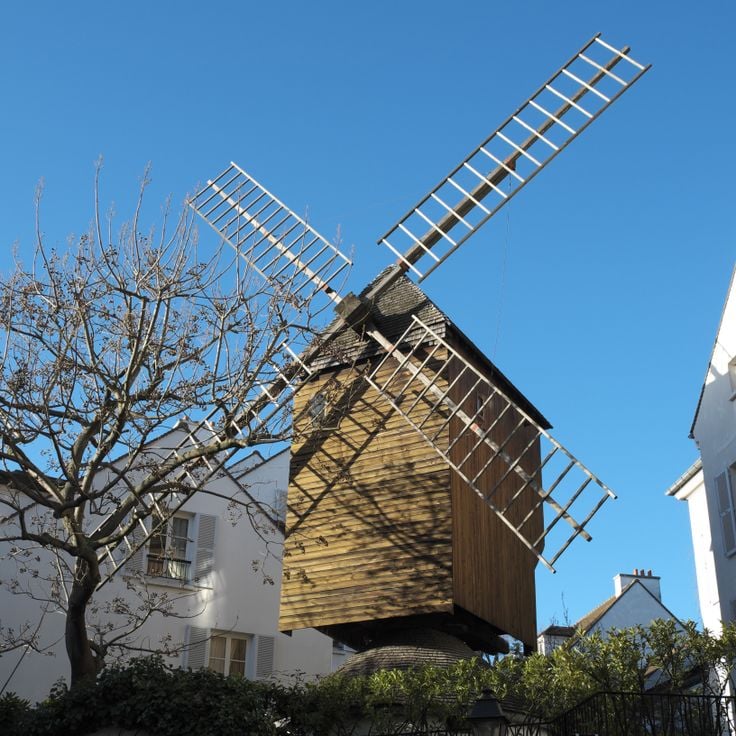
The Moulin de la Galette is a restored mill in the Montmartre neighborhood of Paris that operated for over two centuries before becoming a gathering place. This mill demonstrates how traditional mills in Europe transformed their purpose and became important centers of community life.
The Ellis Windmill in Lincoln demonstrates how grain was milled during the 19th century. This tower mill has been restored and is part of a collection of windmills across Europe and Asia that document technical innovation and local history. The mill reflects the craftsmanship and industrial development of its region.
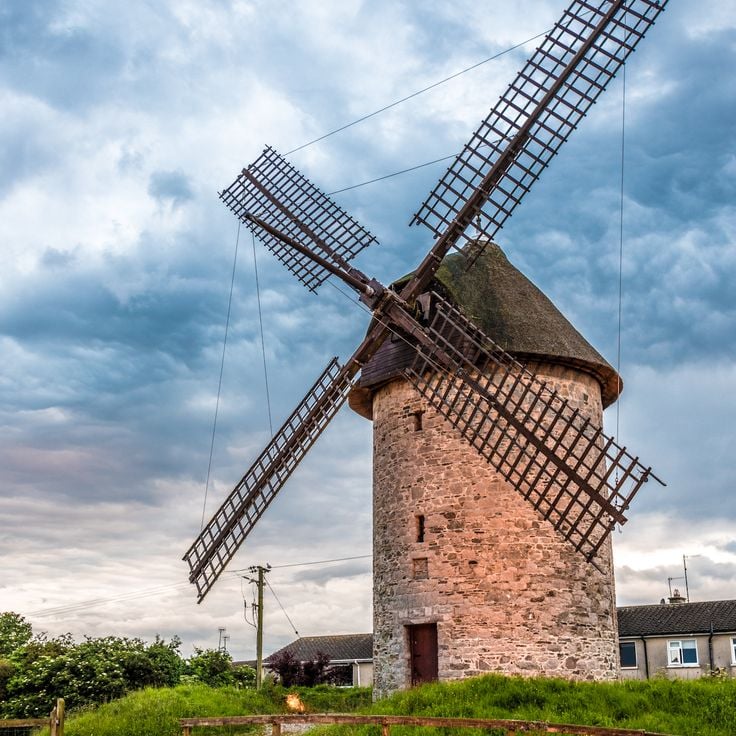
The milling complex of Skerries consists of a watermill and two windmills that have processed grain since the sixteenth century. This site is part of the European collection of windmills that document technical innovation and local history. The complex shows how mills ground grain and contributed to the economic development of their region.
Kinderdijk Mills is a group of 19 windmills from 1740 that pump water from the lower lying polders into the River Lek. These mills show how technical innovations in water management developed. They were crucial for draining the Dutch landscape and made it possible to use wetlands. The mills document the local history and technical development of their region and are part of a collection of windmills spanning from Kinderdijk to Cape Cod that served for grain milling, drainage, and industrial production.
The Zaanse Schans Mill Museum displays eight windmills from the 17th and 18th centuries that were used for sawing wood and grinding spices. These mills form part of the broader collection of European windmills that document technical advancement and regional history. The buildings show how people harnessed wind power to do important work.
The Historic Mill Sanssouci is a reconstructed windmill from 1738 located next to Sanssouci Palace in Brandenburg. It was originally built to produce flour for the royal household. This mill shows the technical development of its time and belongs to a collection of windmills that extends from Kinderdijk in the Netherlands to Cape Cod. These structures served not only for grain milling but also for drainage and industrial production. Each mill documents the local history and technical development of its region.
This windmill from 1905 is part of a collection spanning from Kinderdijk in the Netherlands to San Francisco, showcasing how wind power was used for practical work across different regions and centuries. The Murphy Windmill stands in Golden Gate Park and served for pumping water in its area. Like other mills in the collection, it documents how communities adapted this technology to their local needs and landscape.
The Consuegra Windmills are part of a collection of windmills across Europe and Asia that document technical innovation and cultural history. These twelve white mills date from the 16th century and stand on Cerro Calderico. They were used for grinding grain and show how these structures played an important role in the local economy of their time.
This grain mill from 1725 stands in the Oostelijke Eilanden district of Amsterdam and documents the technical development of Dutch milling craftsmanship. De Gooyer shows how windmills functioned as central production facilities and shaped daily life in the regions where they stood. Today it houses a brewery, connecting craft tradition with modern use.
The American Windmill Museum in Lubbock documents the technical evolution of windmills since the 19th century. The museum displays over 160 mills on 28 hectares of land and contributes to the collection of traditional windmills ranging from Kinderdijk in the Netherlands to Cape Cod. These structures served grain milling, drainage, and industrial production, documenting the local history and technical development of their regions.
The Eastham Windmill dates from 1680 and stands in the town center of Massachusetts. This mill was formerly used for grinding grain from local farmers. It demonstrates how windmills functioned in North America and the role they played in community life.
The Mykonos Windmills are part of a collection of traditional windmills from Europe and Asia that document technical innovation and cultural history. These white mills from the 16th century were used for grain processing and stand on a hill overlooking the sea. They show how local communities harnessed wind power to accomplish essential work in their daily lives.
This stone mill is part of a collection of traditional windmills from Kinderdijk to Cape Cod that demonstrates how these structures served grain milling, drainage, and industrial production. Molen de Valk has seven floors and contains original 18th century grinding tools with functioning mechanisms, documenting the craft and technical development of its region.
This five-story mill in Lincolnshire contributes to the collection of traditional windmills across Europe and Asia that document technical development and local history. The Alford Windmill demonstrates its original function since 1837 and continues to grind flour today using the machinery from its time of construction.
This nineteenth century stone windmill is part of a collection of traditional windmills across Europe and Asia that document technical innovation and regional history. The Oatlands Mill features four floors and remains the only complete windmill structure in southern Tasmania. These mills served multiple purposes: grinding grain, managing water drainage, and supporting industrial production across different regions.
The Holgate Windmill in York is part of a collection of traditional windmills spanning from Kinderdijk in the Netherlands to Cape Cod that demonstrate technical innovation and cultural heritage. Dating to the 18th century, this restored mill in the city center once ground grain for the local community, documenting the technical development and local history of its region.
The Nashtifan Windmills showcase technical development in Asia's milling tradition. These ancient mills stand on a plateau and rank among the oldest working mills in the world, built around the 9th century. They served for grain milling. The Nashtifan mills show how local communities perfected and passed down their craftsmanship over centuries.
The windmills of Lassithi Plateau are part of a collection spanning from the Netherlands to Asia, documenting technical innovation and local heritage. Hundreds of white windmills dot this highland plateau on Crete and were traditionally used to pump water for irrigation. These structures demonstrate how the region managed its water resources and developed technically over time.
This stone tower mill from the 17th century stands in an isolated location and is one of the oldest remaining examples in the region. As part of the collection of traditional windmills in Europe and Asia, the Chesterton Windmill documents the technical development and local history of its time. The mill shows how such structures were used for grain milling, drainage, and industrial production.
The Post Mill Wrawby is an 18th century timber-framed mill that is part of a collection documenting windmills from Kinderdijk to Cape Cod, which served for grain milling, drainage, and industrial production. This mill demonstrates the traditional construction methods that were typical of mills from that period and represents the technical knowledge of its region.
The Moulin de Daudet sits in the Provence countryside and was made famous by the writings of a local author. It belongs to a collection of windmills spanning from Kinderdijk in the Netherlands to Cape Cod that documents technical innovation and regional history. These mills served for grain milling, drainage, and industrial production. The collection shows how different regions developed their milling technology, from 18th century examples like the Sanssouci Mill in Potsdam to modern specimens like the Murphy Mill in San Francisco.
The Oland Windmills showcase technical development across several centuries. Over 600 mills on the island served grain milling, drainage, and industrial production. Each mill documents the local history and technical evolution of the region. This collection ranks among the largest windmill sites in Europe and Asia, comparable to Kinderdijk in the Netherlands and Cape Cod.
This mill in Norfolk is part of a collection of windmills from Kinderdijk in the Netherlands to Cape Cod that shows technical development and regional history. The Denver Windmill was built in the 19th century and played an important role in the local agricultural economy. Mills like this served for grain milling, drainage, and industrial production, and they document the technical progress of their regions.
The Angla Windmills represent traditional Baltic construction and grain-milling practices from the 19th century. They are part of a European collection of windmills that document technical innovation and the culture of different regions. These mills served for grain milling, drainage, and industrial production, showing the technical development of their era.
The Moulin de la Galette is a restored mill in the Montmartre neighborhood of Paris that operated for over two centuries before becoming a gathering place. This mill demonstrates how traditional mills in Europe transformed their purpose and became important centers of community life.
The Ellis Windmill in Lincoln demonstrates how grain was milled during the 19th century. This tower mill has been restored and is part of a collection of windmills across Europe and Asia that document technical innovation and local history. The mill reflects the craftsmanship and industrial development of its region.
The milling complex of Skerries consists of a watermill and two windmills that have processed grain since the sixteenth century. This site is part of the European collection of windmills that document technical innovation and local history. The complex shows how mills ground grain and contributed to the economic development of their region.
Kinderdijk Mills is a group of 19 windmills from 1740 that pump water from the lower lying polders into the River Lek. These mills show how technical innovations in water management developed. They were crucial for draining the Dutch landscape and made it possible to use wetlands. The mills document the local history and technical development of their region and are part of a collection of windmills spanning from Kinderdijk to Cape Cod that served for grain milling, drainage, and industrial production.
The Zaanse Schans Mill Museum displays eight windmills from the 17th and 18th centuries that were used for sawing wood and grinding spices. These mills form part of the broader collection of European windmills that document technical advancement and regional history. The buildings show how people harnessed wind power to do important work.
The Historic Mill Sanssouci is a reconstructed windmill from 1738 located next to Sanssouci Palace in Brandenburg. It was originally built to produce flour for the royal household. This mill shows the technical development of its time and belongs to a collection of windmills that extends from Kinderdijk in the Netherlands to Cape Cod. These structures served not only for grain milling but also for drainage and industrial production. Each mill documents the local history and technical development of its region.
This windmill from 1905 is part of a collection spanning from Kinderdijk in the Netherlands to San Francisco, showcasing how wind power was used for practical work across different regions and centuries. The Murphy Windmill stands in Golden Gate Park and served for pumping water in its area. Like other mills in the collection, it documents how communities adapted this technology to their local needs and landscape.
The Consuegra Windmills are part of a collection of windmills across Europe and Asia that document technical innovation and cultural history. These twelve white mills date from the 16th century and stand on Cerro Calderico. They were used for grinding grain and show how these structures played an important role in the local economy of their time.
This grain mill from 1725 stands in the Oostelijke Eilanden district of Amsterdam and documents the technical development of Dutch milling craftsmanship. De Gooyer shows how windmills functioned as central production facilities and shaped daily life in the regions where they stood. Today it houses a brewery, connecting craft tradition with modern use.
The American Windmill Museum in Lubbock documents the technical evolution of windmills since the 19th century. The museum displays over 160 mills on 28 hectares of land and contributes to the collection of traditional windmills ranging from Kinderdijk in the Netherlands to Cape Cod. These structures served grain milling, drainage, and industrial production, documenting the local history and technical development of their regions.
The Eastham Windmill dates from 1680 and stands in the town center of Massachusetts. This mill was formerly used for grinding grain from local farmers. It demonstrates how windmills functioned in North America and the role they played in community life.
The Mykonos Windmills are part of a collection of traditional windmills from Europe and Asia that document technical innovation and cultural history. These white mills from the 16th century were used for grain processing and stand on a hill overlooking the sea. They show how local communities harnessed wind power to accomplish essential work in their daily lives.
This stone mill is part of a collection of traditional windmills from Kinderdijk to Cape Cod that demonstrates how these structures served grain milling, drainage, and industrial production. Molen de Valk has seven floors and contains original 18th century grinding tools with functioning mechanisms, documenting the craft and technical development of its region.
This five-story mill in Lincolnshire contributes to the collection of traditional windmills across Europe and Asia that document technical development and local history. The Alford Windmill demonstrates its original function since 1837 and continues to grind flour today using the machinery from its time of construction.
This nineteenth century stone windmill is part of a collection of traditional windmills across Europe and Asia that document technical innovation and regional history. The Oatlands Mill features four floors and remains the only complete windmill structure in southern Tasmania. These mills served multiple purposes: grinding grain, managing water drainage, and supporting industrial production across different regions.
The Holgate Windmill in York is part of a collection of traditional windmills spanning from Kinderdijk in the Netherlands to Cape Cod that demonstrate technical innovation and cultural heritage. Dating to the 18th century, this restored mill in the city center once ground grain for the local community, documenting the technical development and local history of its region.
The Nashtifan Windmills showcase technical development in Asia's milling tradition. These ancient mills stand on a plateau and rank among the oldest working mills in the world, built around the 9th century. They served for grain milling. The Nashtifan mills show how local communities perfected and passed down their craftsmanship over centuries.
The windmills of Lassithi Plateau are part of a collection spanning from the Netherlands to Asia, documenting technical innovation and local heritage. Hundreds of white windmills dot this highland plateau on Crete and were traditionally used to pump water for irrigation. These structures demonstrate how the region managed its water resources and developed technically over time.
This stone tower mill from the 17th century stands in an isolated location and is one of the oldest remaining examples in the region. As part of the collection of traditional windmills in Europe and Asia, the Chesterton Windmill documents the technical development and local history of its time. The mill shows how such structures were used for grain milling, drainage, and industrial production.
The Post Mill Wrawby is an 18th century timber-framed mill that is part of a collection documenting windmills from Kinderdijk to Cape Cod, which served for grain milling, drainage, and industrial production. This mill demonstrates the traditional construction methods that were typical of mills from that period and represents the technical knowledge of its region.
The Moulin de Daudet sits in the Provence countryside and was made famous by the writings of a local author. It belongs to a collection of windmills spanning from Kinderdijk in the Netherlands to Cape Cod that documents technical innovation and regional history. These mills served for grain milling, drainage, and industrial production. The collection shows how different regions developed their milling technology, from 18th century examples like the Sanssouci Mill in Potsdam to modern specimens like the Murphy Mill in San Francisco.
The Oland Windmills showcase technical development across several centuries. Over 600 mills on the island served grain milling, drainage, and industrial production. Each mill documents the local history and technical evolution of the region. This collection ranks among the largest windmill sites in Europe and Asia, comparable to Kinderdijk in the Netherlands and Cape Cod.
This mill in Norfolk is part of a collection of windmills from Kinderdijk in the Netherlands to Cape Cod that shows technical development and regional history. The Denver Windmill was built in the 19th century and played an important role in the local agricultural economy. Mills like this served for grain milling, drainage, and industrial production, and they document the technical progress of their regions.
The Angla Windmills represent traditional Baltic construction and grain-milling practices from the 19th century. They are part of a European collection of windmills that document technical innovation and the culture of different regions. These mills served for grain milling, drainage, and industrial production, showing the technical development of their era.
The Moulin de la Galette is a restored mill in the Montmartre neighborhood of Paris that operated for over two centuries before becoming a gathering place. This mill demonstrates how traditional mills in Europe transformed their purpose and became important centers of community life.
The Ellis Windmill in Lincoln demonstrates how grain was milled during the 19th century. This tower mill has been restored and is part of a collection of windmills across Europe and Asia that document technical innovation and local history. The mill reflects the craftsmanship and industrial development of its region.
The milling complex of Skerries consists of a watermill and two windmills that have processed grain since the sixteenth century. This site is part of the European collection of windmills that document technical innovation and local history. The complex shows how mills ground grain and contributed to the economic development of their region.
Mills that still work today give a special experience: you can feel the vibration of the stones, hear the sound of the wind or water, and see why these machines caught people's interest for many years. But be careful: some mills are only open at certain times of the year, and some are still fragile. Check the opening hours before you go, especially if you visit remote sites.