See the monuments around you in AROpen chests in the app
Around Us is built for your phone — point your camera at the streets and discover the monuments and places around you in augmented reality.Around Us is built for your phone — chests unlock when you walk, explore and capture nearby places.
Things to do in New Caledonia: turquoise lagoons, preserved islands, and natural treasures of the Pacific
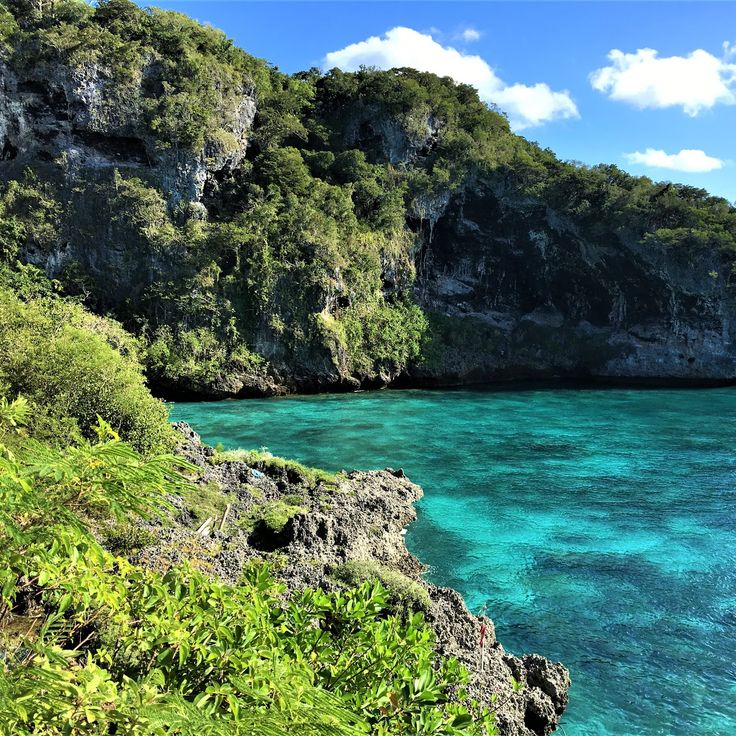
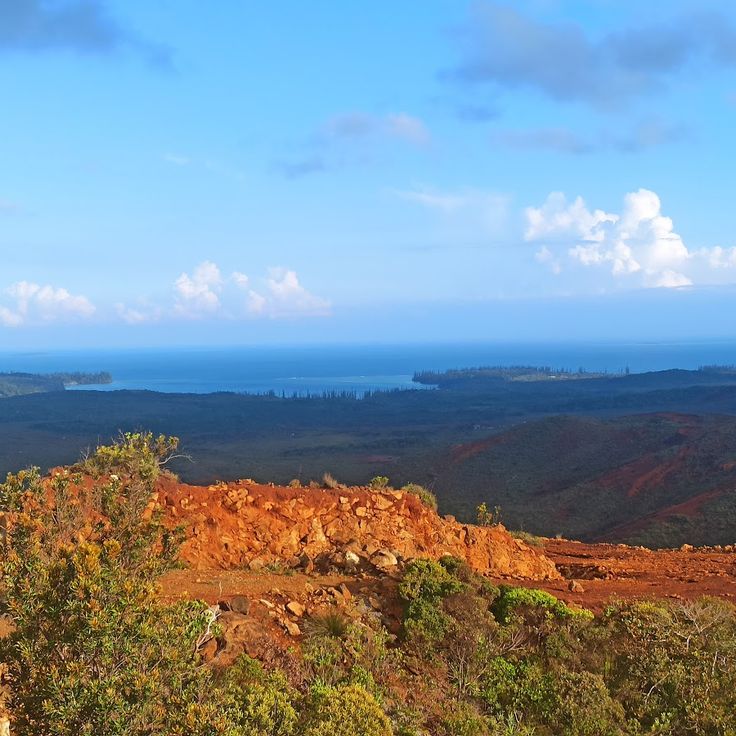
New Caledonia is a South Pacific territory known for its lagoons, islands, and varied landscapes. Visitors find beaches with turquoise water, islands with their own character and history, and nature worth exploring. The region blends European and Melanesian cultures in interesting ways.
The territory offers different activities for travelers. You can snorkel and dive in marine reserves, walk through provincial parks like Blue River Park, and visit caves such as Queen Hortense Cave on Isle of Pines. Historic sites tell the story of colonial times, while traditional Kanak locations and cultural centers like the Tjibaou Cultural Center present local people and their ways of life.
In the capital Nouméa, you can explore museums, markets, and churches. The islands of Lifou, Ouvea, and Mare have beaches, cliffs, and small chapels. Whether you want to relax on the shore, explore underwater life, or learn about history and culture, New Caledonia offers something for different interests.
Things to do in New Caledonia: turquoise lagoons, preserved islands, and natural treasures of the Pacific
New Caledonia is a South Pacific territory known for its lagoons, islands, and varied landscapes. Visitors find beaches with turquoise water, islands with their own character and history, and nature worth exploring. The region blends European and Melanesian cultures in interesting ways.
The territory offers different activities for travelers. You can snorkel and dive in marine reserves, walk through provincial parks like Blue River Park, and visit caves such as Queen Hortense Cave on Isle of Pines. Historic sites tell the story of colonial times, while traditional Kanak locations and cultural centers like the Tjibaou Cultural Center present local people and their ways of life.
In the capital Nouméa, you can explore museums, markets, and churches. The islands of Lifou, Ouvea, and Mare have beaches, cliffs, and small chapels. Whether you want to relax on the shore, explore underwater life, or learn about history and culture, New Caledonia offers something for different interests.
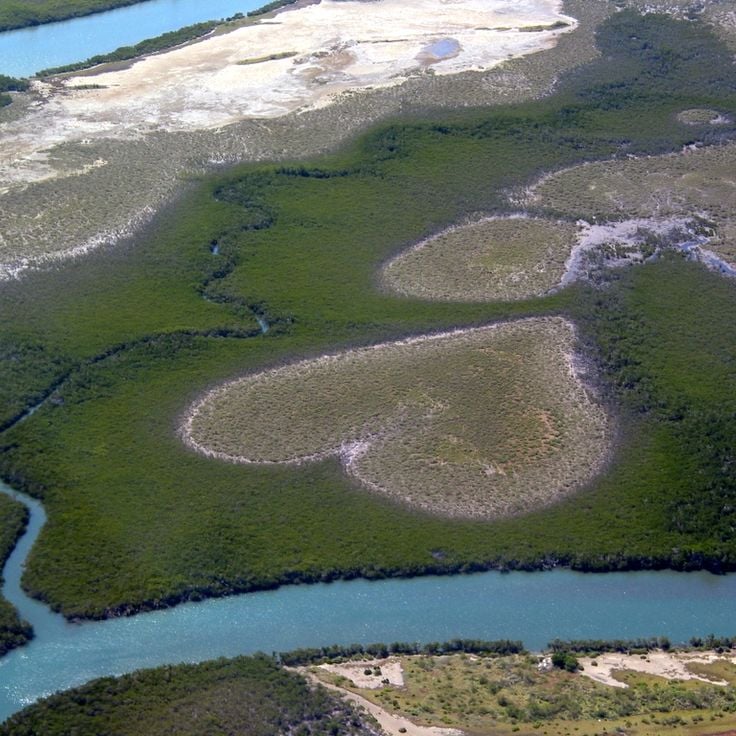
The Heart of Voh is a natural mangrove formation shaped like a heart when viewed from above. Located in northern New Caledonia, this landscape showcases the wild beauty of the Pacific region. The formation emerged from the natural growth of mangrove trees within the marshlands. The Heart of Voh represents one of the natural treasures of New Caledonia and part of the archipelago's diverse natural heritage.
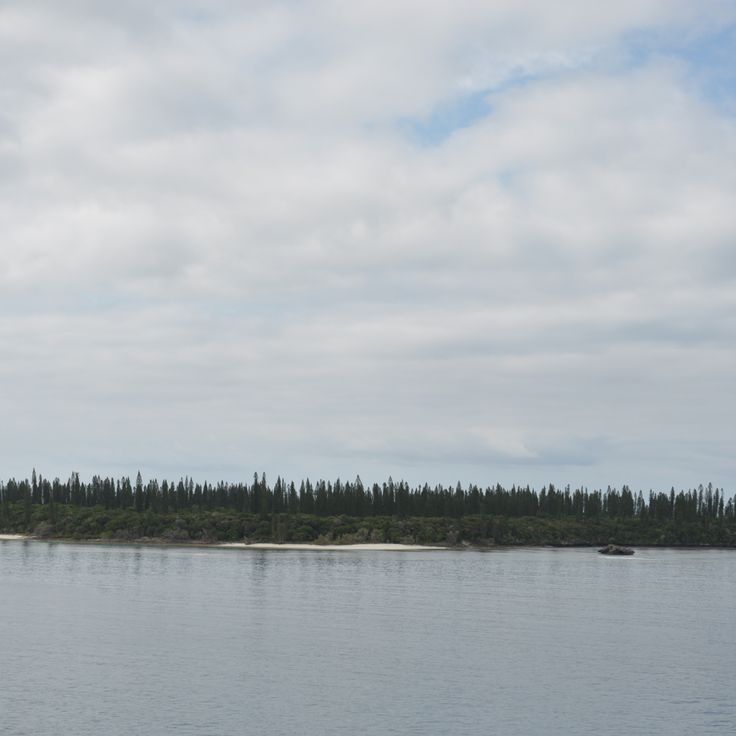
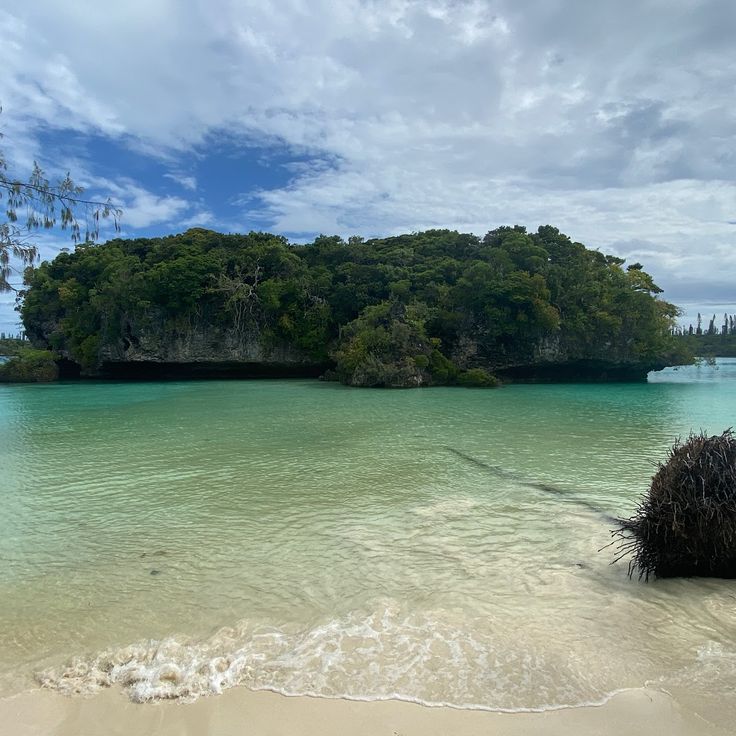
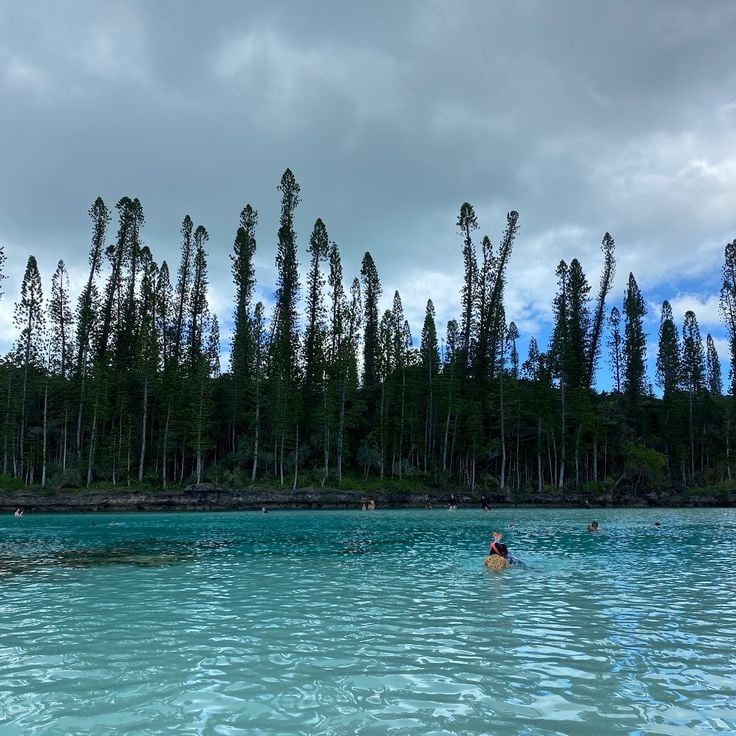
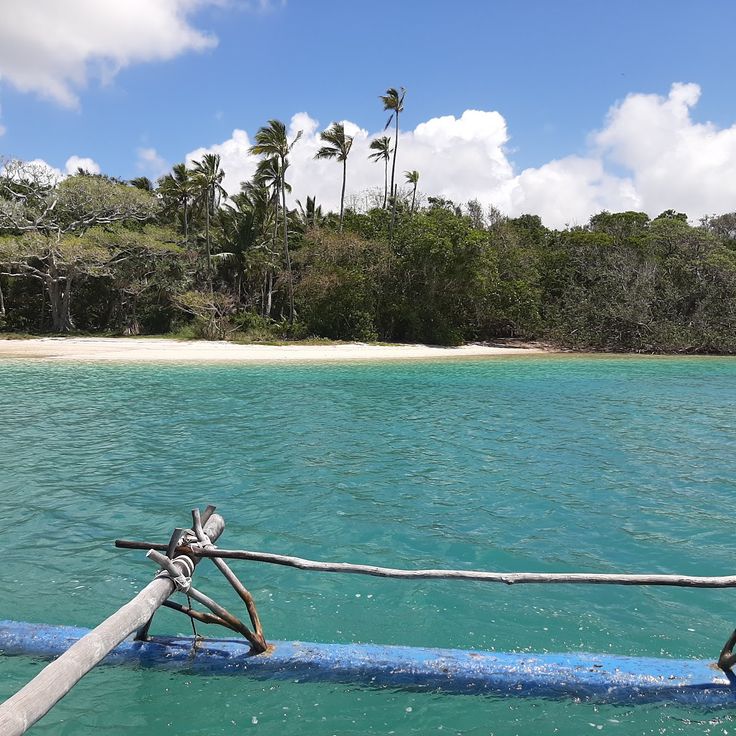
The Isle of Pines is an island destination in New Caledonia featuring white sand beaches and clear waters. Columnar pine trees line the coast, while traditional canoes glide in Upi Bay. The island displays the natural treasures of the Pacific found throughout this South Pacific region.
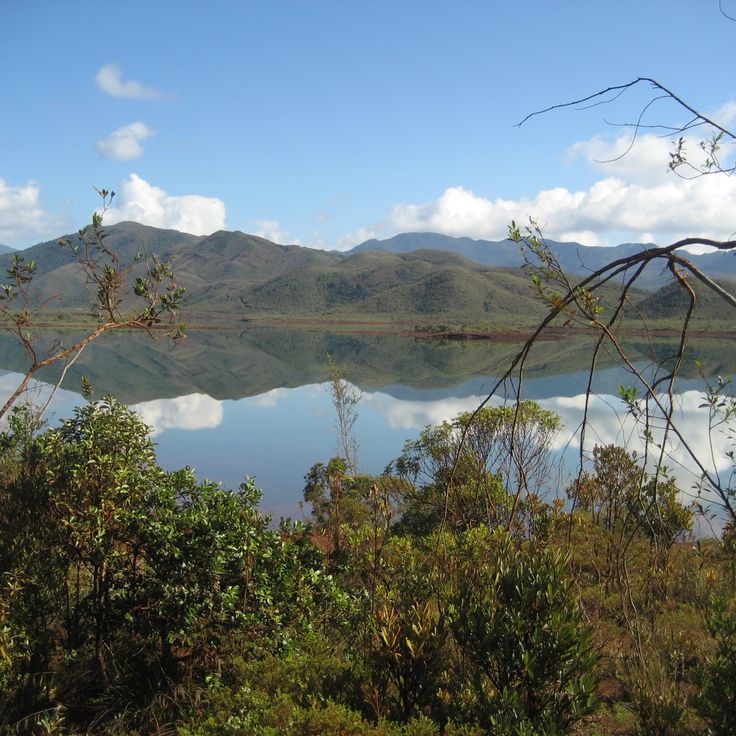
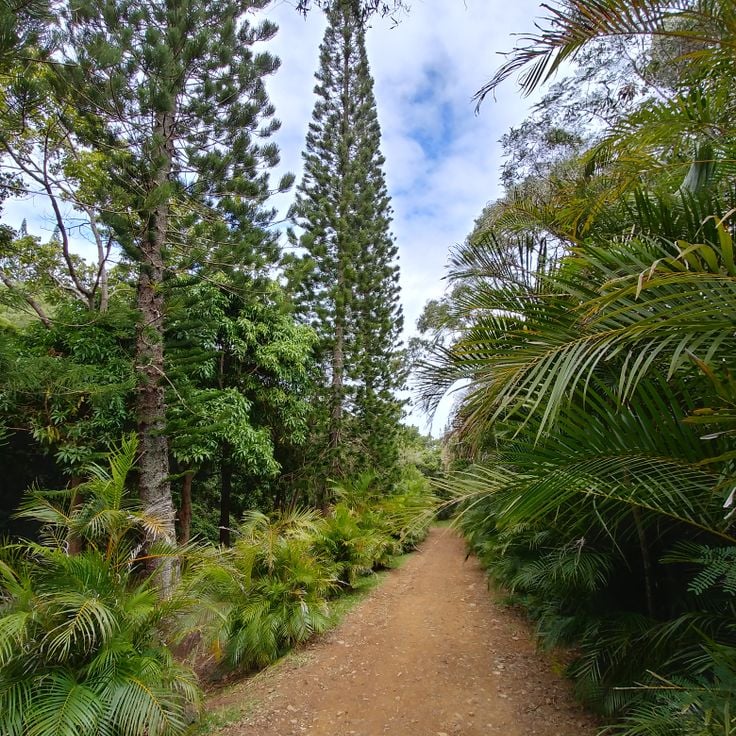
Green lung of Grande Terre, this park is home to the cagou, an iconic flightless bird. Waterfalls, trails, forests, and suspension bridges make it a must-visit for nature enthusiasts.
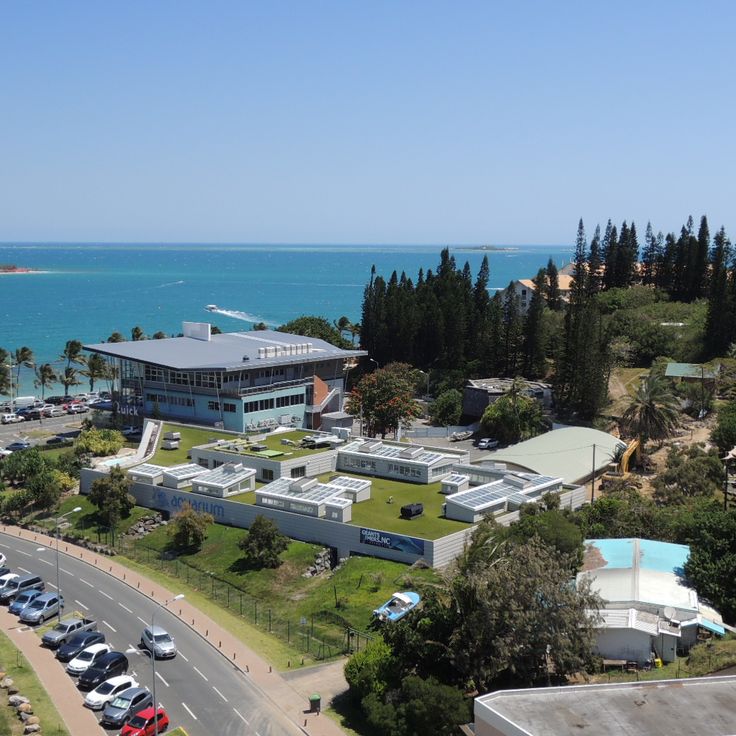
The Aquarium des Lagons in Nouméa is a marine center displaying over 2000 lagoon fish from New Caledonia, corals, and nautiluses across 33 different tanks. Visitors can explore the diverse marine life of the region and learn about the underwater world of this South Pacific territory. It offers a window into the natural treasures that make New Caledonia's lagoons so rich.
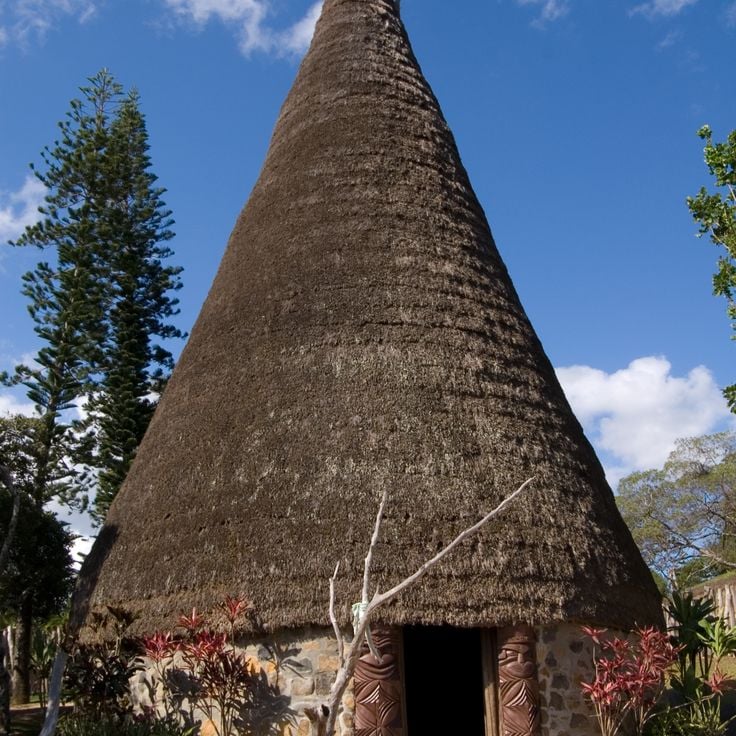
The Tjibaou Cultural Center in Nouméa blends contemporary design with Kanak traditions. Architect Renzo Piano created this landmark using monumental hut-inspired structures that reference traditional architecture. Inside, exhibitions explore the identity and history of the Caledonian people. This venue serves as a gateway to understanding the cultural roots of this South Pacific territory.
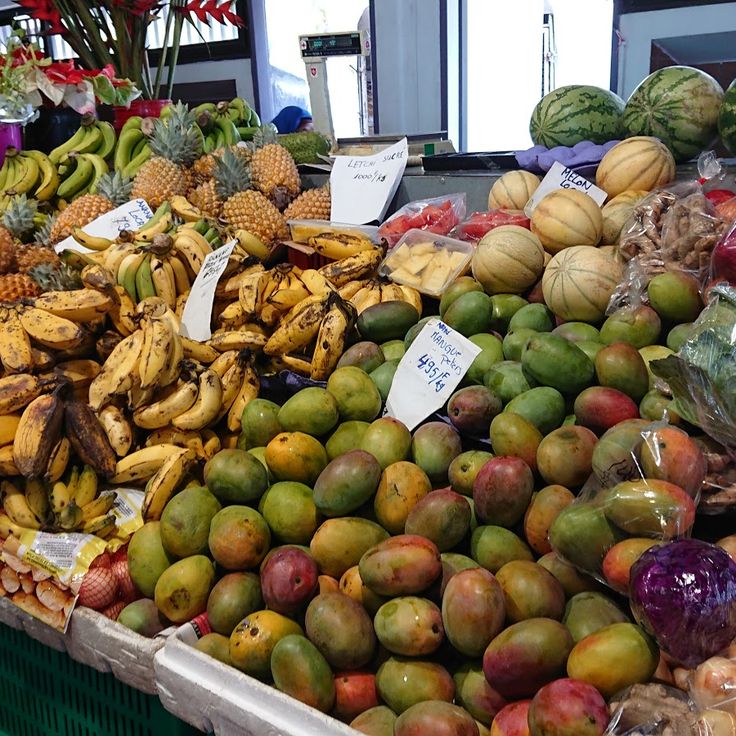
The Port Moselle Market in Nouméa is a covered market that opens every morning and has welcomed local producers since 1981. Farmers and fishers sell fresh fruits, vegetables, seafood, and handmade crafts here. The market captures the rhythm of daily city life and offers visitors a chance to experience local products and traditions firsthand. It represents the cultural identity of New Caledonia and reflects the region's natural resources and local craftsmanship.
The Mouli Bridge is a concrete structure on Ouvéa that connects two islands. Built in 1984, it stretches about 165 meters across the water. From the bridge, visitors can view the lagoon below. It represents the infrastructure that allows access to the natural and cultural treasures of New Caledonia, including national parks, beaches, islands, and traditional Kanak sites throughout the archipelago.
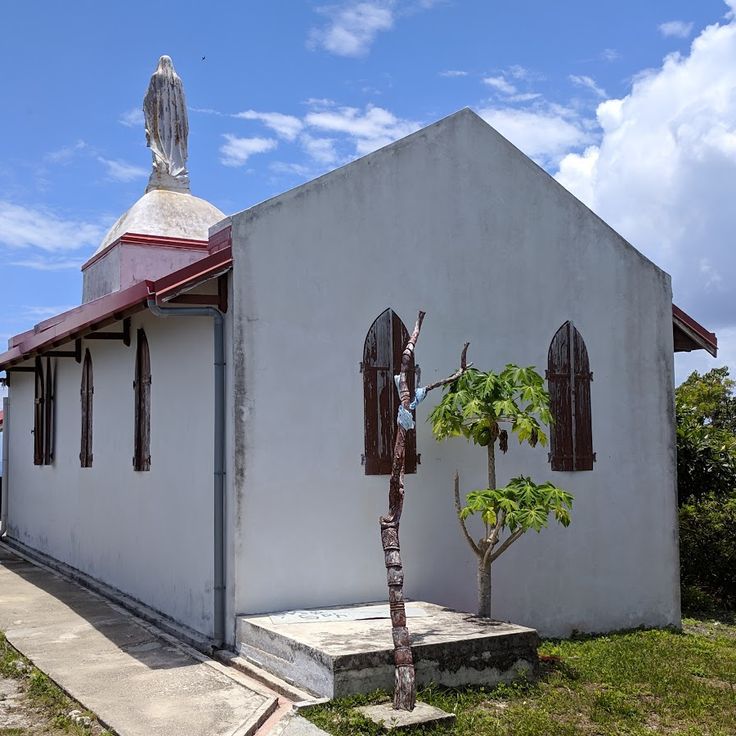
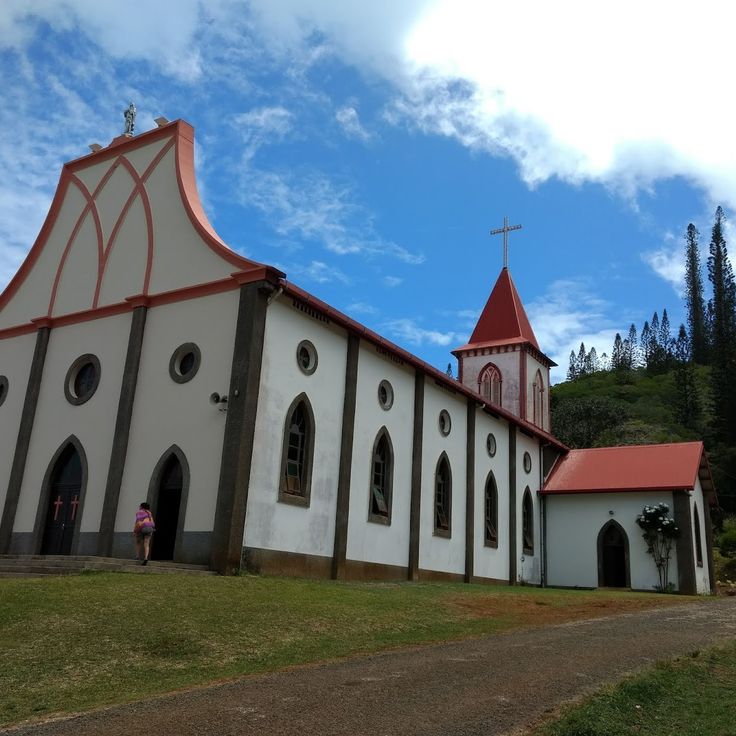
The Notre Dame de Lourdes Chapel in Lifou is a stone religious building positioned on a hilltop at 30 meters elevation. This chapel represents the religious heritage of New Caledonia and overlooks Chépénéhé Bay. It reflects the Christian history of the archipelago and displays the architectural style of the colonial period in the South Pacific.
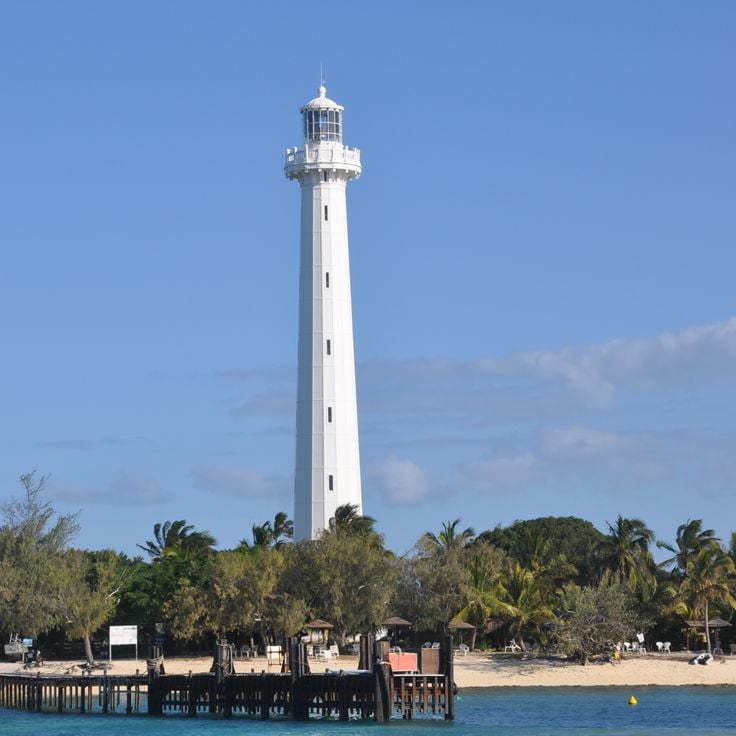
The Amédée Lighthouse stands on a white islet in Nouméa's lagoon and serves as an important navigational landmark of the region. This metal structure, built in 1862, continues to guide ships through these waters and offers visitors from its top a clear view of the coral reefs and the surrounding lagoon. The lighthouse is part of the maritime heritage and colonial history that characterizes New Caledonia.
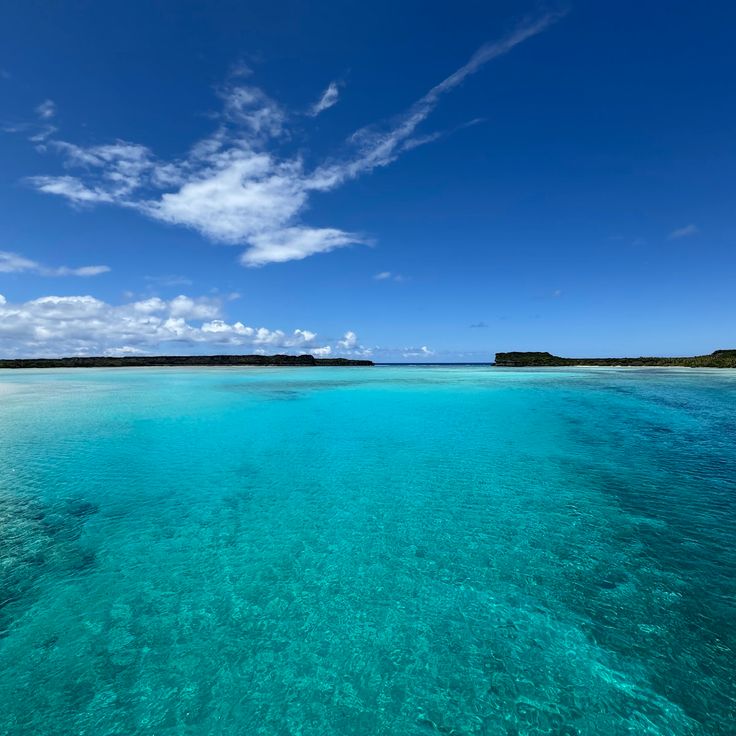
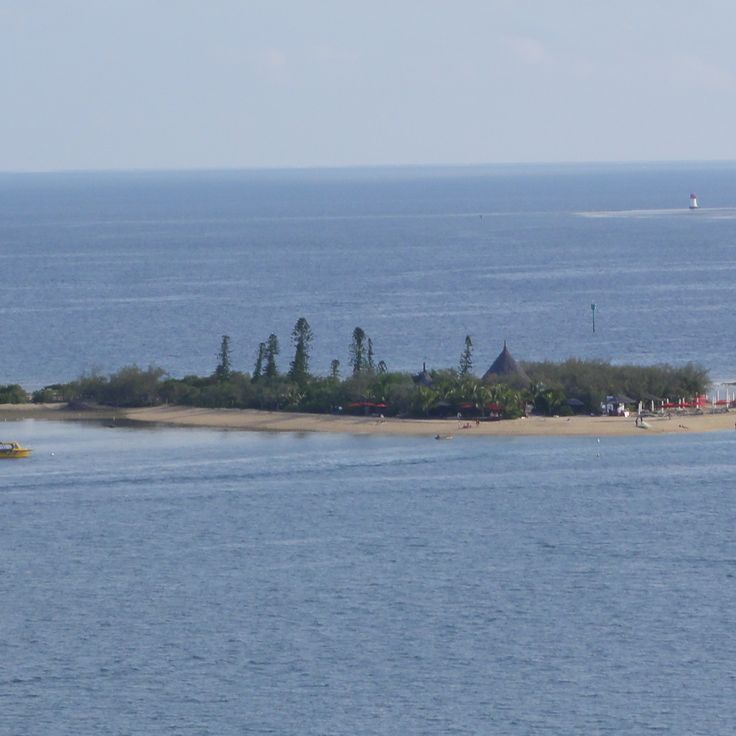
Duck Island is a small 8-hectare island surrounded by a coral reef, featured in this collection of Pacific natural treasures. Accessible by shuttle from Anse Vata Bay, this island offers visitors a chance to explore coral formations and marine life in one of New Caledonia's natural spots.
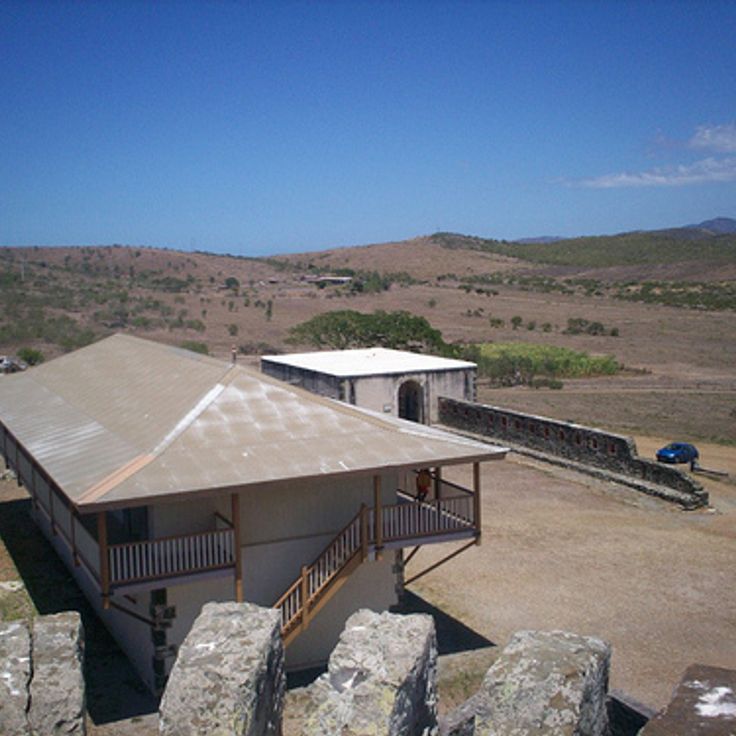
Fort Téremba in Moindou stands as a witness to New Caledonia's penal history. Built in 1871, this fort tells the story of the colonial prison and the lives of those who lived within its walls. Its simple architecture overlooks the plain, offering insight into the daily lives of inmates and guards. This historical monument represents an important part of the territory's colonial and architectural heritage.
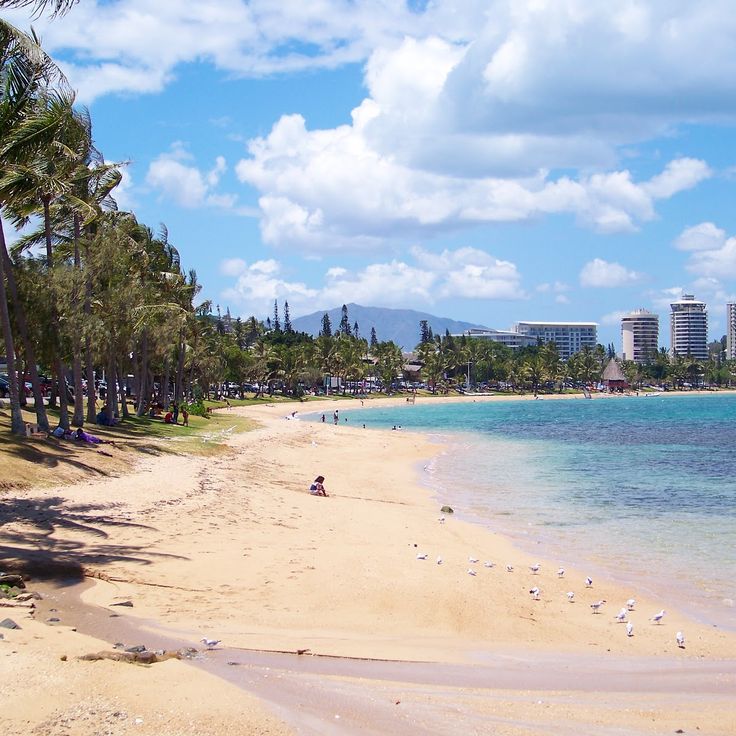
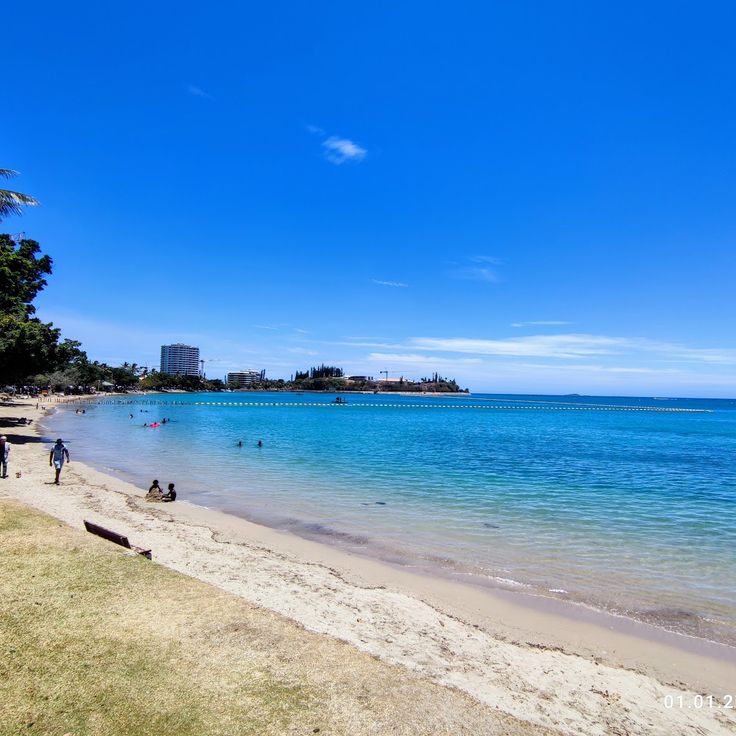
Anse Vata Beach is a white sand beach stretching 2 kilometers along the southern district of Nouméa. Palm trees line its shores, making it a popular spot for swimming and water sports. This beach is one of the natural treasures of New Caledonia, offering visitors direct access to the turquoise waters of the Pacific.
Maître Islet sits just a few minutes by boat from Nouméa and serves as a diving spot in this South Pacific territory. This coral islet allows visitors to observe turtles, parrotfish, and rays in their natural habitat. The site represents one of the natural treasures of New Caledonia and contributes to the rich marine life of the archipelago.
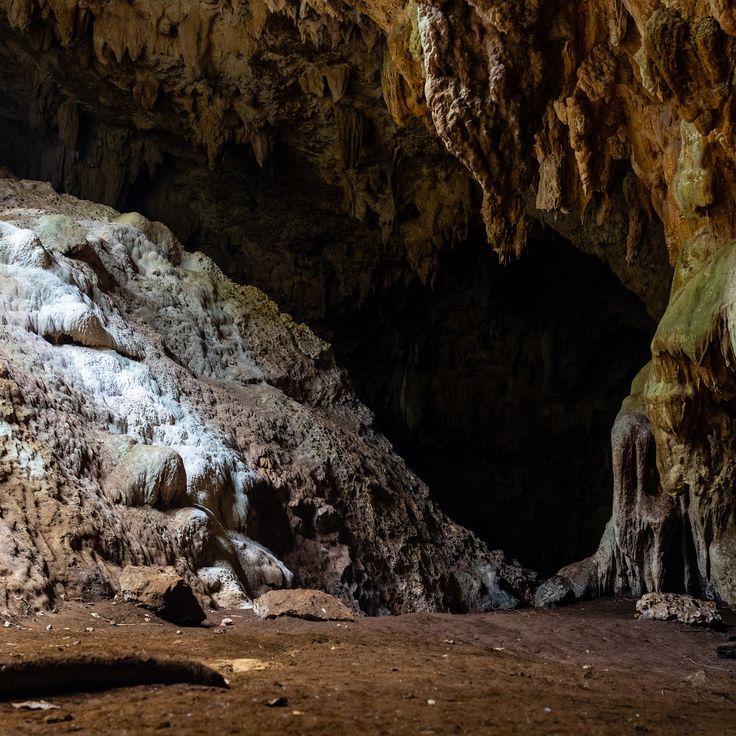
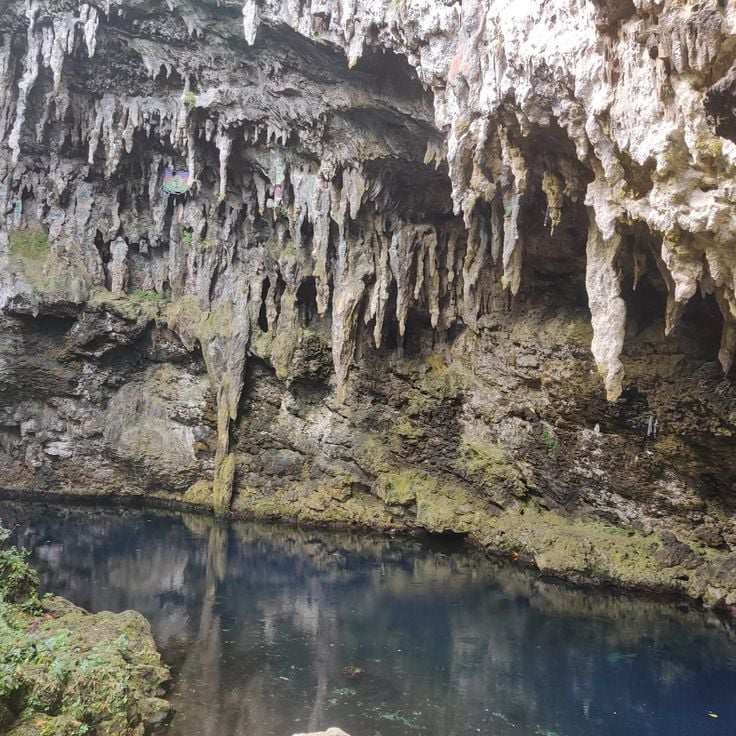
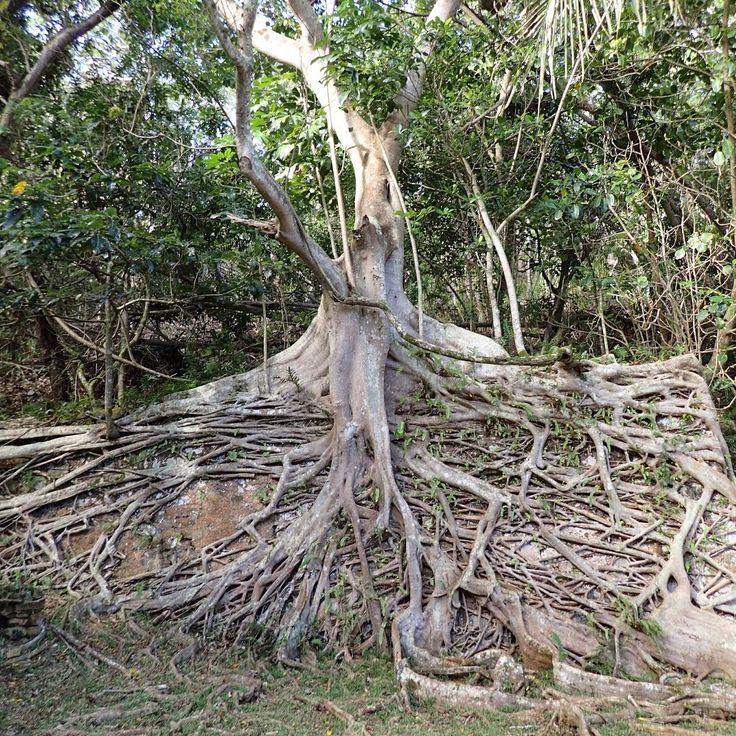
Queen Hortense Cave is one of the natural treasures of New Caledonia located on the Isle of Pines. According to legend, Queen Hortense sought refuge here during tribal conflicts. This large cavity impresses with its depth and features striking stalactites and hanging roots that descend from its ceiling.
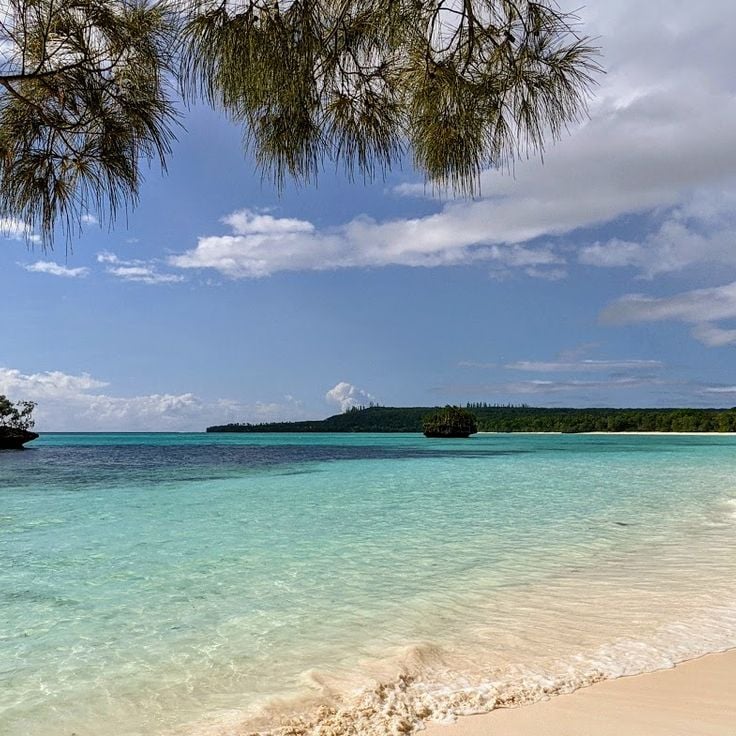
This Lifou beach features white sand, coconut palms, and coral rocks that make it one of the most photogenic beaches in the Pacific. Luengoni Beach offers excellent swimming and snorkeling opportunities, with tropical fish visible beneath the surface. The beach is part of New Caledonia's collection of natural coastal sites.
Kanumera Bay on the Isle of Pines is a protected cove with a sacred rock and a lagoon of exceptional clarity. Pine trees border the area and define the site's character. This bay is part of New Caledonia's natural and cultural sites, where Pacific treasures meet traditional Kanak locations.
Citrons Bay Beach is a long arc of white sand in Nouméa, New Caledonia, representing one of the natural treasures of the South Pacific. Several restaurants and cafés line the waterfront, and a water activities center sits nearby in downtown. The beach serves as a gathering place where visitors can experience the local way of life while enjoying the natural beauty of the archipelago.
The Zoological and Forest Park is a 34-hectare conservation space in Nouméa where visitors can observe endemic species such as the cagou, flying foxes, and parakeets. This site features a collection of local plants and plays an important role in protecting the natural treasures of New Caledonia, showcasing the wildlife and vegetation unique to this South Pacific region.
This natural pool on the Isle of Pines is a seawater basin surrounded by pine trees and coral reefs. Colorful fish and rays swim through its waters. The pool is especially striking at high tide and represents one of the natural treasures found throughout New Caledonia's Pacific archipelago.
Pethoen Cave is an underground geological formation with limestone structures that showcases the natural treasures of New Caledonia. Inside, a freshwater basin allows visitors to swim beneath rocky arches. This cave demonstrates the remarkable natural formations that characterize the South Pacific archipelago.
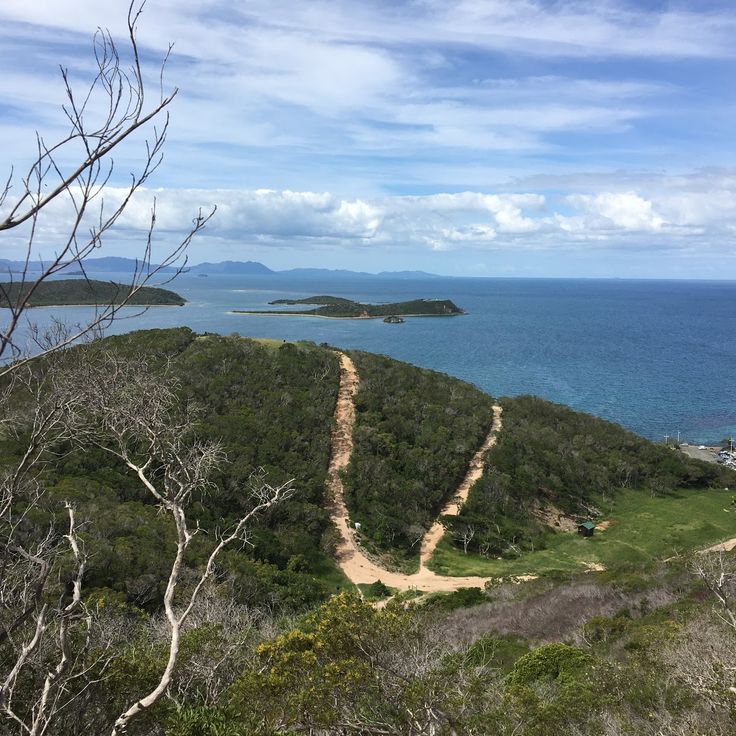
Ouen Toro is a hill overlooking Nouméa and part of New Caledonia's natural treasures. From this vantage point, you see the city in all directions and the surrounding islands. The hill is a favorite spot for walking, especially at sunset.
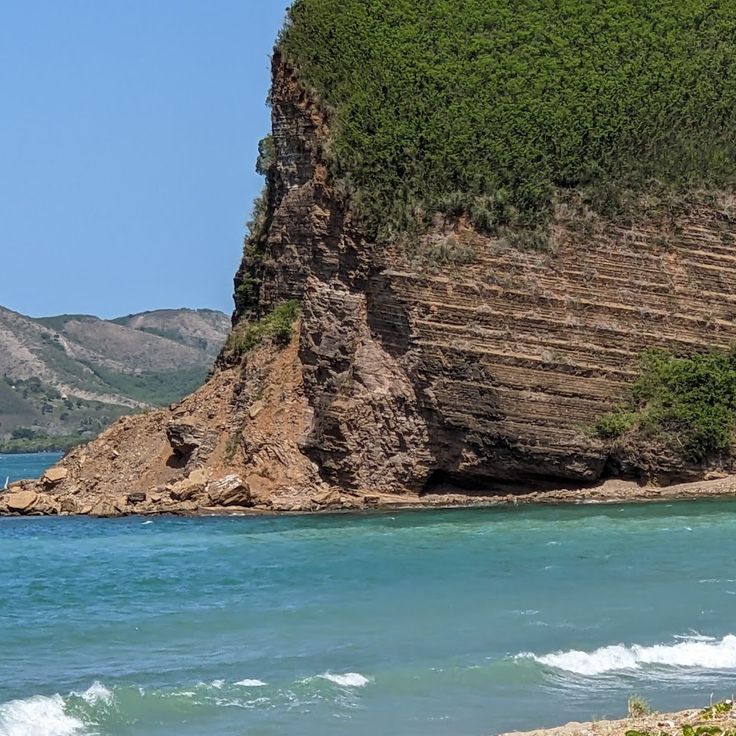
Roche Percée Beach in Bourail is a long stretch of dark sand bordered by rocky outcrops where rolling waves draw surfers from across the region. A coastal path connects the beach to the Bonhomme of Bourail, a distinctive rock formation. This beach fits perfectly within New Caledonia's collection of natural treasures, offering both water sports and coastal exploration in this South Pacific territory.
Vao Church is a Catholic religious building on Isle of Pines constructed in 1860 that represents the religious heritage of New Caledonia. The church displays colonial architecture with colorful stained glass windows and a carved wooden ceiling. This site allows you to experience the spiritual and cultural traditions that shaped the islands' history.
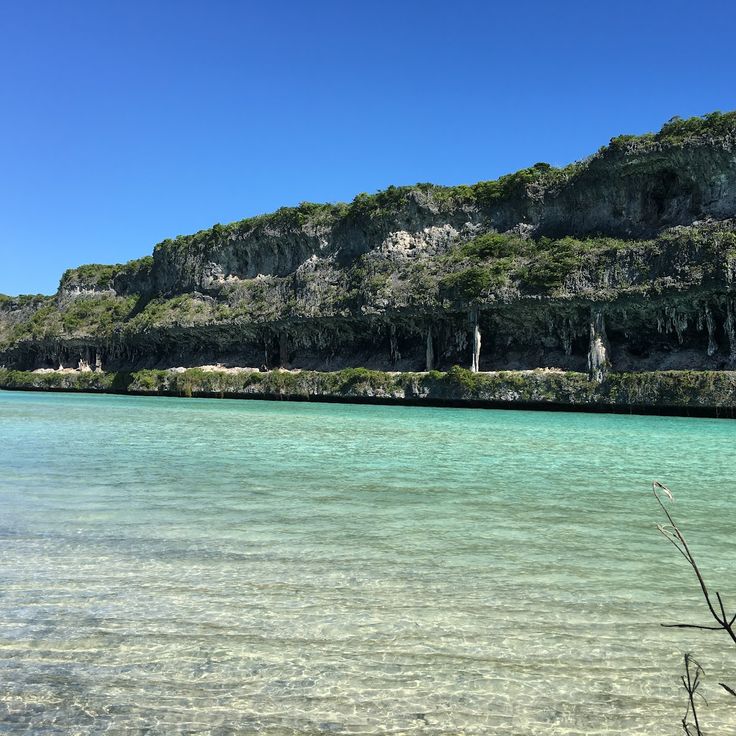
The Jokin Cliffs are vertical rock formations in Lifou that represent the natural heritage of New Caledonia. These rock faces rise about 30 meters and contain caves where the Kanak traditionally placed their dead. The site combines geological features with cultural history, showing how natural formations and Kanak traditions are connected in this Pacific island region.
Cap N'Dua is located at the southern tip of Grande Terre and serves as a nature reserve within New Caledonia's collection of natural treasures. From the cliffs, visitors can watch whale migrations during the season. This location combines geological formations with opportunities to observe marine life in its natural habitat.
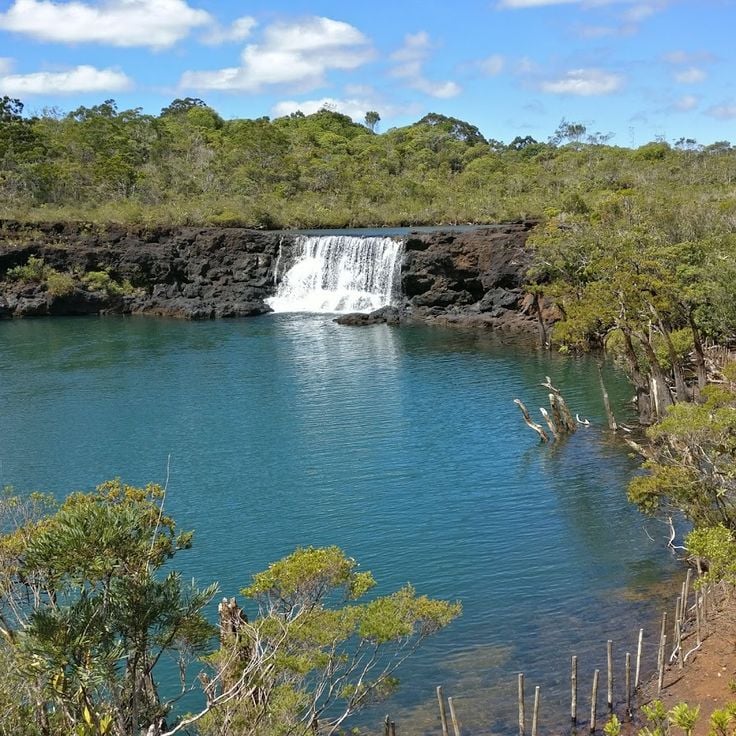
Madeleine Falls is a waterfall in the Southern Province of New Caledonia, flowing amid a botanical park. The site hosts several endemic species found nowhere else in the world. This waterfall represents part of the natural treasures of the Pacific, offering visitors a chance to explore the flora and fauna of this South Pacific region.
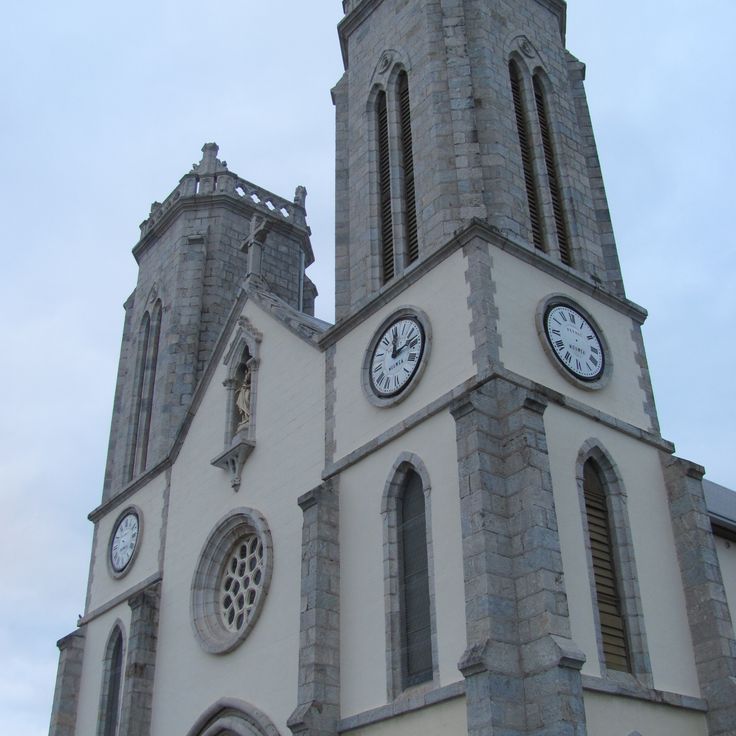
Saint Joseph's Cathedral is a stone religious building from the 19th century in Nouméa, designed with a Latin cross plan and built by prisoners of the colonial penal settlement. This cathedral stands as one of the historical monuments within New Caledonia's collection of natural and cultural sites, reflecting the territory's colonial past and religious heritage across the South Pacific archipelago.
The Lékiny Cliffs are part of New Caledonia's natural and geological treasures featured in this collection. These tall limestone formations on Ouvéa once served as burial sites for the Kanak people, with tombs carved into the rock face. Today, they offer visitors a remarkable vantage point overlooking the sea and the seabirds that inhabit the cliffs.
Prony Village was an old penal colony and is now an abandoned site that tells the story of mining and logging in New Caledonia. The ruins sit among the vegetation, showing how nature slowly reclaims the land. This site belongs to the historical monuments of New Caledonia and offers insight into the colonial past of the region.
Upi Bay on Isle of Pines embodies the spirit of the Pacific within New Caledonia's natural treasures. Traditional dugout canoes are used to sail between cliffs and clear lagoons. The silence and slow pace of the journey provide an authentic experience of how people connect with this South Pacific landscape.
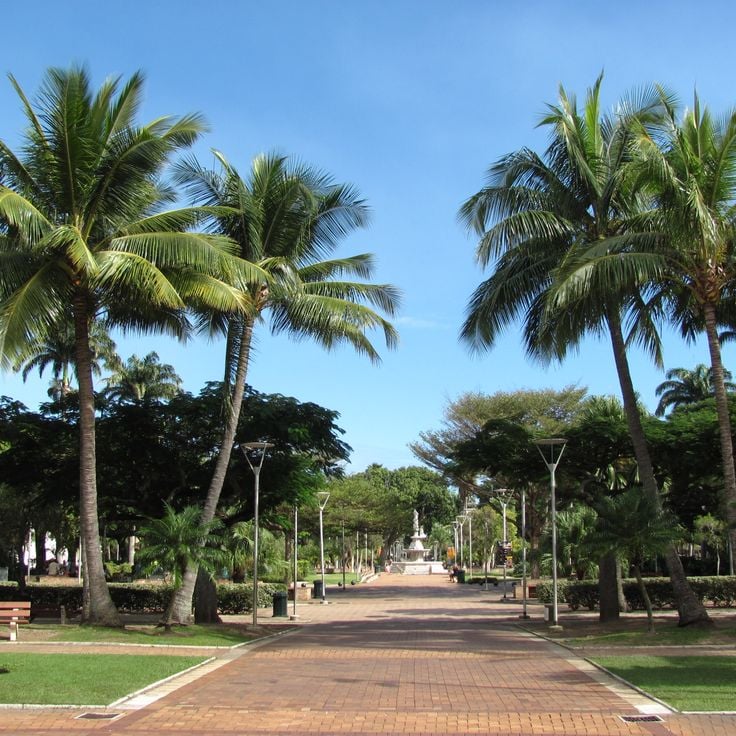
The Place des Cocotiers is a central public space in Nouméa that showcases the urban character of this South Pacific city. With its gardens, a concert kiosk, and a Celestial fountain, this square serves as a gathering spot for locals and travelers. Rows of aligned palm trees provide shade and define the character of the area.
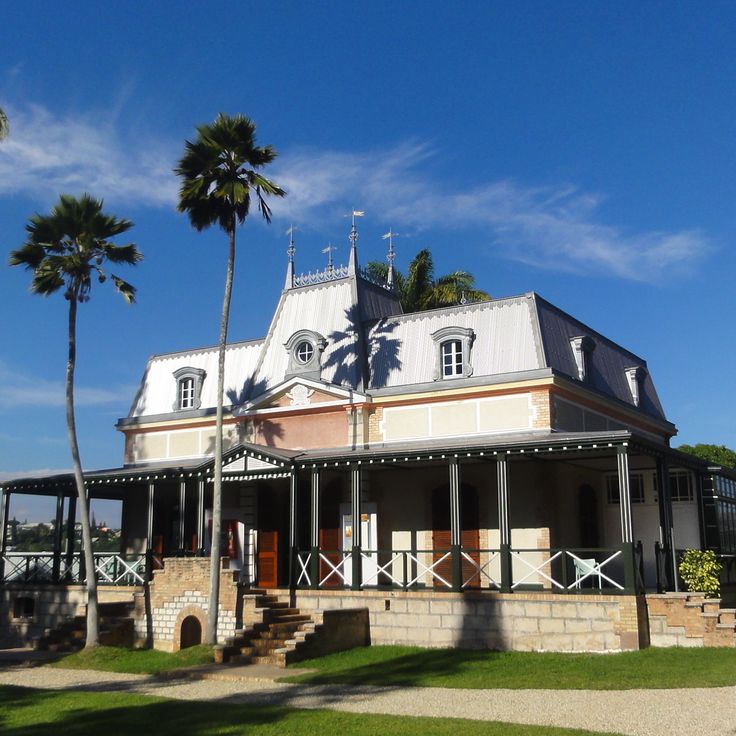
Hagen Castle is a 19th-century colonial residence in Nouméa that reflects New Caledonia's past. The house stands in a tropical garden that adds to its character. Today, the building hosts exhibitions and concerts, making it a place where visitors can experience the territory's architectural heritage and cultural life.
The Heart of Voh is a natural mangrove formation shaped like a heart when viewed from above. Located in northern New Caledonia, this landscape showcases the wild beauty of the Pacific region. The formation emerged from the natural growth of mangrove trees within the marshlands. The Heart of Voh represents one of the natural treasures of New Caledonia and part of the archipelago's diverse natural heritage.
The Isle of Pines is an island destination in New Caledonia featuring white sand beaches and clear waters. Columnar pine trees line the coast, while traditional canoes glide in Upi Bay. The island displays the natural treasures of the Pacific found throughout this South Pacific region.
Green lung of Grande Terre, this park is home to the cagou, an iconic flightless bird. Waterfalls, trails, forests, and suspension bridges make it a must-visit for nature enthusiasts.
The Aquarium des Lagons in Nouméa is a marine center displaying over 2000 lagoon fish from New Caledonia, corals, and nautiluses across 33 different tanks. Visitors can explore the diverse marine life of the region and learn about the underwater world of this South Pacific territory. It offers a window into the natural treasures that make New Caledonia's lagoons so rich.
The Tjibaou Cultural Center in Nouméa blends contemporary design with Kanak traditions. Architect Renzo Piano created this landmark using monumental hut-inspired structures that reference traditional architecture. Inside, exhibitions explore the identity and history of the Caledonian people. This venue serves as a gateway to understanding the cultural roots of this South Pacific territory.
The Port Moselle Market in Nouméa is a covered market that opens every morning and has welcomed local producers since 1981. Farmers and fishers sell fresh fruits, vegetables, seafood, and handmade crafts here. The market captures the rhythm of daily city life and offers visitors a chance to experience local products and traditions firsthand. It represents the cultural identity of New Caledonia and reflects the region's natural resources and local craftsmanship.
The Mouli Bridge is a concrete structure on Ouvéa that connects two islands. Built in 1984, it stretches about 165 meters across the water. From the bridge, visitors can view the lagoon below. It represents the infrastructure that allows access to the natural and cultural treasures of New Caledonia, including national parks, beaches, islands, and traditional Kanak sites throughout the archipelago.
The Notre Dame de Lourdes Chapel in Lifou is a stone religious building positioned on a hilltop at 30 meters elevation. This chapel represents the religious heritage of New Caledonia and overlooks Chépénéhé Bay. It reflects the Christian history of the archipelago and displays the architectural style of the colonial period in the South Pacific.
The Amédée Lighthouse stands on a white islet in Nouméa's lagoon and serves as an important navigational landmark of the region. This metal structure, built in 1862, continues to guide ships through these waters and offers visitors from its top a clear view of the coral reefs and the surrounding lagoon. The lighthouse is part of the maritime heritage and colonial history that characterizes New Caledonia.
Duck Island is a small 8-hectare island surrounded by a coral reef, featured in this collection of Pacific natural treasures. Accessible by shuttle from Anse Vata Bay, this island offers visitors a chance to explore coral formations and marine life in one of New Caledonia's natural spots.
Fort Téremba in Moindou stands as a witness to New Caledonia's penal history. Built in 1871, this fort tells the story of the colonial prison and the lives of those who lived within its walls. Its simple architecture overlooks the plain, offering insight into the daily lives of inmates and guards. This historical monument represents an important part of the territory's colonial and architectural heritage.
Anse Vata Beach is a white sand beach stretching 2 kilometers along the southern district of Nouméa. Palm trees line its shores, making it a popular spot for swimming and water sports. This beach is one of the natural treasures of New Caledonia, offering visitors direct access to the turquoise waters of the Pacific.
Maître Islet sits just a few minutes by boat from Nouméa and serves as a diving spot in this South Pacific territory. This coral islet allows visitors to observe turtles, parrotfish, and rays in their natural habitat. The site represents one of the natural treasures of New Caledonia and contributes to the rich marine life of the archipelago.
Queen Hortense Cave is one of the natural treasures of New Caledonia located on the Isle of Pines. According to legend, Queen Hortense sought refuge here during tribal conflicts. This large cavity impresses with its depth and features striking stalactites and hanging roots that descend from its ceiling.
This Lifou beach features white sand, coconut palms, and coral rocks that make it one of the most photogenic beaches in the Pacific. Luengoni Beach offers excellent swimming and snorkeling opportunities, with tropical fish visible beneath the surface. The beach is part of New Caledonia's collection of natural coastal sites.
Kanumera Bay on the Isle of Pines is a protected cove with a sacred rock and a lagoon of exceptional clarity. Pine trees border the area and define the site's character. This bay is part of New Caledonia's natural and cultural sites, where Pacific treasures meet traditional Kanak locations.
Citrons Bay Beach is a long arc of white sand in Nouméa, New Caledonia, representing one of the natural treasures of the South Pacific. Several restaurants and cafés line the waterfront, and a water activities center sits nearby in downtown. The beach serves as a gathering place where visitors can experience the local way of life while enjoying the natural beauty of the archipelago.
The Zoological and Forest Park is a 34-hectare conservation space in Nouméa where visitors can observe endemic species such as the cagou, flying foxes, and parakeets. This site features a collection of local plants and plays an important role in protecting the natural treasures of New Caledonia, showcasing the wildlife and vegetation unique to this South Pacific region.
This natural pool on the Isle of Pines is a seawater basin surrounded by pine trees and coral reefs. Colorful fish and rays swim through its waters. The pool is especially striking at high tide and represents one of the natural treasures found throughout New Caledonia's Pacific archipelago.
Pethoen Cave is an underground geological formation with limestone structures that showcases the natural treasures of New Caledonia. Inside, a freshwater basin allows visitors to swim beneath rocky arches. This cave demonstrates the remarkable natural formations that characterize the South Pacific archipelago.
Ouen Toro is a hill overlooking Nouméa and part of New Caledonia's natural treasures. From this vantage point, you see the city in all directions and the surrounding islands. The hill is a favorite spot for walking, especially at sunset.
Roche Percée Beach in Bourail is a long stretch of dark sand bordered by rocky outcrops where rolling waves draw surfers from across the region. A coastal path connects the beach to the Bonhomme of Bourail, a distinctive rock formation. This beach fits perfectly within New Caledonia's collection of natural treasures, offering both water sports and coastal exploration in this South Pacific territory.
Vao Church is a Catholic religious building on Isle of Pines constructed in 1860 that represents the religious heritage of New Caledonia. The church displays colonial architecture with colorful stained glass windows and a carved wooden ceiling. This site allows you to experience the spiritual and cultural traditions that shaped the islands' history.
The Jokin Cliffs are vertical rock formations in Lifou that represent the natural heritage of New Caledonia. These rock faces rise about 30 meters and contain caves where the Kanak traditionally placed their dead. The site combines geological features with cultural history, showing how natural formations and Kanak traditions are connected in this Pacific island region.
Cap N'Dua is located at the southern tip of Grande Terre and serves as a nature reserve within New Caledonia's collection of natural treasures. From the cliffs, visitors can watch whale migrations during the season. This location combines geological formations with opportunities to observe marine life in its natural habitat.
Madeleine Falls is a waterfall in the Southern Province of New Caledonia, flowing amid a botanical park. The site hosts several endemic species found nowhere else in the world. This waterfall represents part of the natural treasures of the Pacific, offering visitors a chance to explore the flora and fauna of this South Pacific region.
Saint Joseph's Cathedral is a stone religious building from the 19th century in Nouméa, designed with a Latin cross plan and built by prisoners of the colonial penal settlement. This cathedral stands as one of the historical monuments within New Caledonia's collection of natural and cultural sites, reflecting the territory's colonial past and religious heritage across the South Pacific archipelago.
The Lékiny Cliffs are part of New Caledonia's natural and geological treasures featured in this collection. These tall limestone formations on Ouvéa once served as burial sites for the Kanak people, with tombs carved into the rock face. Today, they offer visitors a remarkable vantage point overlooking the sea and the seabirds that inhabit the cliffs.
Prony Village was an old penal colony and is now an abandoned site that tells the story of mining and logging in New Caledonia. The ruins sit among the vegetation, showing how nature slowly reclaims the land. This site belongs to the historical monuments of New Caledonia and offers insight into the colonial past of the region.
Upi Bay on Isle of Pines embodies the spirit of the Pacific within New Caledonia's natural treasures. Traditional dugout canoes are used to sail between cliffs and clear lagoons. The silence and slow pace of the journey provide an authentic experience of how people connect with this South Pacific landscape.
The Place des Cocotiers is a central public space in Nouméa that showcases the urban character of this South Pacific city. With its gardens, a concert kiosk, and a Celestial fountain, this square serves as a gathering spot for locals and travelers. Rows of aligned palm trees provide shade and define the character of the area.
Hagen Castle is a 19th-century colonial residence in Nouméa that reflects New Caledonia's past. The house stands in a tropical garden that adds to its character. Today, the building hosts exhibitions and concerts, making it a place where visitors can experience the territory's architectural heritage and cultural life.
The Heart of Voh is a natural mangrove formation shaped like a heart when viewed from above. Located in northern New Caledonia, this landscape showcases the wild beauty of the Pacific region. The formation emerged from the natural growth of mangrove trees within the marshlands. The Heart of Voh represents one of the natural treasures of New Caledonia and part of the archipelago's diverse natural heritage.
The Isle of Pines is an island destination in New Caledonia featuring white sand beaches and clear waters. Columnar pine trees line the coast, while traditional canoes glide in Upi Bay. The island displays the natural treasures of the Pacific found throughout this South Pacific region.
Green lung of Grande Terre, this park is home to the cagou, an iconic flightless bird. Waterfalls, trails, forests, and suspension bridges make it a must-visit for nature enthusiasts.
The Aquarium des Lagons in Nouméa is a marine center displaying over 2000 lagoon fish from New Caledonia, corals, and nautiluses across 33 different tanks. Visitors can explore the diverse marine life of the region and learn about the underwater world of this South Pacific territory. It offers a window into the natural treasures that make New Caledonia's lagoons so rich.
The Tjibaou Cultural Center in Nouméa blends contemporary design with Kanak traditions. Architect Renzo Piano created this landmark using monumental hut-inspired structures that reference traditional architecture. Inside, exhibitions explore the identity and history of the Caledonian people. This venue serves as a gateway to understanding the cultural roots of this South Pacific territory.
The Port Moselle Market in Nouméa is a covered market that opens every morning and has welcomed local producers since 1981. Farmers and fishers sell fresh fruits, vegetables, seafood, and handmade crafts here. The market captures the rhythm of daily city life and offers visitors a chance to experience local products and traditions firsthand. It represents the cultural identity of New Caledonia and reflects the region's natural resources and local craftsmanship.
The Mouli Bridge is a concrete structure on Ouvéa that connects two islands. Built in 1984, it stretches about 165 meters across the water. From the bridge, visitors can view the lagoon below. It represents the infrastructure that allows access to the natural and cultural treasures of New Caledonia, including national parks, beaches, islands, and traditional Kanak sites throughout the archipelago.
The Notre Dame de Lourdes Chapel in Lifou is a stone religious building positioned on a hilltop at 30 meters elevation. This chapel represents the religious heritage of New Caledonia and overlooks Chépénéhé Bay. It reflects the Christian history of the archipelago and displays the architectural style of the colonial period in the South Pacific.
The Amédée Lighthouse stands on a white islet in Nouméa's lagoon and serves as an important navigational landmark of the region. This metal structure, built in 1862, continues to guide ships through these waters and offers visitors from its top a clear view of the coral reefs and the surrounding lagoon. The lighthouse is part of the maritime heritage and colonial history that characterizes New Caledonia.
Duck Island is a small 8-hectare island surrounded by a coral reef, featured in this collection of Pacific natural treasures. Accessible by shuttle from Anse Vata Bay, this island offers visitors a chance to explore coral formations and marine life in one of New Caledonia's natural spots.
Fort Téremba in Moindou stands as a witness to New Caledonia's penal history. Built in 1871, this fort tells the story of the colonial prison and the lives of those who lived within its walls. Its simple architecture overlooks the plain, offering insight into the daily lives of inmates and guards. This historical monument represents an important part of the territory's colonial and architectural heritage.
Anse Vata Beach is a white sand beach stretching 2 kilometers along the southern district of Nouméa. Palm trees line its shores, making it a popular spot for swimming and water sports. This beach is one of the natural treasures of New Caledonia, offering visitors direct access to the turquoise waters of the Pacific.
Maître Islet sits just a few minutes by boat from Nouméa and serves as a diving spot in this South Pacific territory. This coral islet allows visitors to observe turtles, parrotfish, and rays in their natural habitat. The site represents one of the natural treasures of New Caledonia and contributes to the rich marine life of the archipelago.
Queen Hortense Cave is one of the natural treasures of New Caledonia located on the Isle of Pines. According to legend, Queen Hortense sought refuge here during tribal conflicts. This large cavity impresses with its depth and features striking stalactites and hanging roots that descend from its ceiling.
This Lifou beach features white sand, coconut palms, and coral rocks that make it one of the most photogenic beaches in the Pacific. Luengoni Beach offers excellent swimming and snorkeling opportunities, with tropical fish visible beneath the surface. The beach is part of New Caledonia's collection of natural coastal sites.
Kanumera Bay on the Isle of Pines is a protected cove with a sacred rock and a lagoon of exceptional clarity. Pine trees border the area and define the site's character. This bay is part of New Caledonia's natural and cultural sites, where Pacific treasures meet traditional Kanak locations.
Citrons Bay Beach is a long arc of white sand in Nouméa, New Caledonia, representing one of the natural treasures of the South Pacific. Several restaurants and cafés line the waterfront, and a water activities center sits nearby in downtown. The beach serves as a gathering place where visitors can experience the local way of life while enjoying the natural beauty of the archipelago.
The Zoological and Forest Park is a 34-hectare conservation space in Nouméa where visitors can observe endemic species such as the cagou, flying foxes, and parakeets. This site features a collection of local plants and plays an important role in protecting the natural treasures of New Caledonia, showcasing the wildlife and vegetation unique to this South Pacific region.
This natural pool on the Isle of Pines is a seawater basin surrounded by pine trees and coral reefs. Colorful fish and rays swim through its waters. The pool is especially striking at high tide and represents one of the natural treasures found throughout New Caledonia's Pacific archipelago.
Pethoen Cave is an underground geological formation with limestone structures that showcases the natural treasures of New Caledonia. Inside, a freshwater basin allows visitors to swim beneath rocky arches. This cave demonstrates the remarkable natural formations that characterize the South Pacific archipelago.
Ouen Toro is a hill overlooking Nouméa and part of New Caledonia's natural treasures. From this vantage point, you see the city in all directions and the surrounding islands. The hill is a favorite spot for walking, especially at sunset.
Roche Percée Beach in Bourail is a long stretch of dark sand bordered by rocky outcrops where rolling waves draw surfers from across the region. A coastal path connects the beach to the Bonhomme of Bourail, a distinctive rock formation. This beach fits perfectly within New Caledonia's collection of natural treasures, offering both water sports and coastal exploration in this South Pacific territory.
Vao Church is a Catholic religious building on Isle of Pines constructed in 1860 that represents the religious heritage of New Caledonia. The church displays colonial architecture with colorful stained glass windows and a carved wooden ceiling. This site allows you to experience the spiritual and cultural traditions that shaped the islands' history.
The Jokin Cliffs are vertical rock formations in Lifou that represent the natural heritage of New Caledonia. These rock faces rise about 30 meters and contain caves where the Kanak traditionally placed their dead. The site combines geological features with cultural history, showing how natural formations and Kanak traditions are connected in this Pacific island region.
Cap N'Dua is located at the southern tip of Grande Terre and serves as a nature reserve within New Caledonia's collection of natural treasures. From the cliffs, visitors can watch whale migrations during the season. This location combines geological formations with opportunities to observe marine life in its natural habitat.
Madeleine Falls is a waterfall in the Southern Province of New Caledonia, flowing amid a botanical park. The site hosts several endemic species found nowhere else in the world. This waterfall represents part of the natural treasures of the Pacific, offering visitors a chance to explore the flora and fauna of this South Pacific region.
Saint Joseph's Cathedral is a stone religious building from the 19th century in Nouméa, designed with a Latin cross plan and built by prisoners of the colonial penal settlement. This cathedral stands as one of the historical monuments within New Caledonia's collection of natural and cultural sites, reflecting the territory's colonial past and religious heritage across the South Pacific archipelago.
The Lékiny Cliffs are part of New Caledonia's natural and geological treasures featured in this collection. These tall limestone formations on Ouvéa once served as burial sites for the Kanak people, with tombs carved into the rock face. Today, they offer visitors a remarkable vantage point overlooking the sea and the seabirds that inhabit the cliffs.
Prony Village was an old penal colony and is now an abandoned site that tells the story of mining and logging in New Caledonia. The ruins sit among the vegetation, showing how nature slowly reclaims the land. This site belongs to the historical monuments of New Caledonia and offers insight into the colonial past of the region.
Upi Bay on Isle of Pines embodies the spirit of the Pacific within New Caledonia's natural treasures. Traditional dugout canoes are used to sail between cliffs and clear lagoons. The silence and slow pace of the journey provide an authentic experience of how people connect with this South Pacific landscape.
The Place des Cocotiers is a central public space in Nouméa that showcases the urban character of this South Pacific city. With its gardens, a concert kiosk, and a Celestial fountain, this square serves as a gathering spot for locals and travelers. Rows of aligned palm trees provide shade and define the character of the area.
Hagen Castle is a 19th-century colonial residence in Nouméa that reflects New Caledonia's past. The house stands in a tropical garden that adds to its character. Today, the building hosts exhibitions and concerts, making it a place where visitors can experience the territory's architectural heritage and cultural life.