See the monuments around you in AROpen chests in the app
Around Us is built for your phone — point your camera at the streets and discover the monuments and places around you in augmented reality.Around Us is built for your phone — chests unlock when you walk, explore and capture nearby places.
Heart shaped geographic formations seen from above
Heart-shaped geographic formations result from natural processes including erosion, coral growth, and tectonic activity. These features appear in various landscape types, from islands and atolls to lakes and coastlines. The distinctive shape typically becomes apparent only from aerial perspectives, making these locations popular destinations for scenic flights and aerial photography.
Examples occur worldwide: the Heart Reef within Australia's Great Barrier Reef, Galešnjak Island in Croatia's Adriatic Sea, and Lake Toyoni on Japan's Hokkaido Island. Additional formations exist in the waters of French Polynesia and along North American coastlines. These sites combine geological interest with their symbolic shape, attracting visitors who seek both natural environments and the opportunity to witness these formations from above.
Heart shaped geographic formations seen from above
Heart-shaped geographic formations result from natural processes including erosion, coral growth, and tectonic activity. These features appear in various landscape types, from islands and atolls to lakes and coastlines. The distinctive shape typically becomes apparent only from aerial perspectives, making these locations popular destinations for scenic flights and aerial photography.
Examples occur worldwide: the Heart Reef within Australia's Great Barrier Reef, Galešnjak Island in Croatia's Adriatic Sea, and Lake Toyoni on Japan's Hokkaido Island. Additional formations exist in the waters of French Polynesia and along North American coastlines. These sites combine geological interest with their symbolic shape, attracting visitors who seek both natural environments and the opportunity to witness these formations from above.
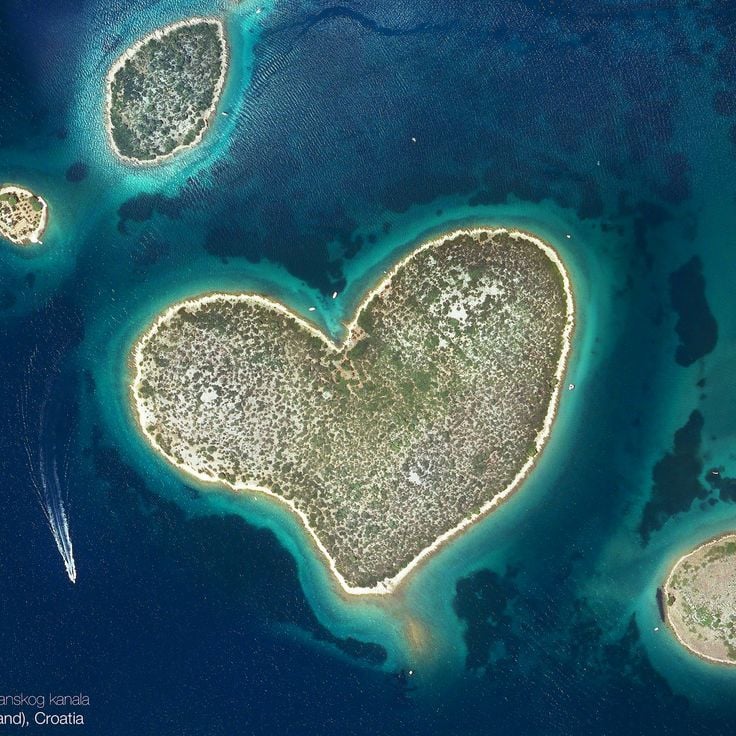
Galesnjak Island sits in the Pašman Channel between the islands of Pašman and Ruje off the Dalmatian coast. The uninhabited island covers 132,000 square meters and displays a natural heart shape with symmetrical contours when viewed from above. Vegetation consists primarily of Mediterranean scrubland and low trees. The islet remains privately owned and does not function as a tourist destination. The shape formed through natural geological processes and coastal erosion over thousands of years.
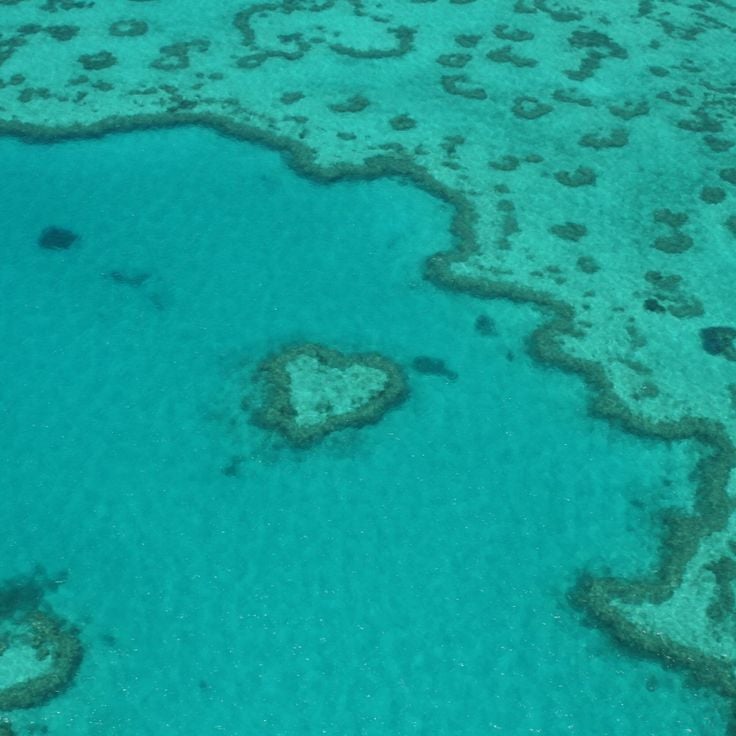
Heart Reef is a natural coral formation located in the Great Barrier Reef off the coast of Queensland. This heart-shaped structure is composed of various coral species and measures approximately 17 meters in diameter. The formation sits within the Hardy Reef platform and represents one of the photographed natural phenomena in the region. Heart Reef can only be viewed from the air, as diving and snorkeling are prohibited to protect the coral structure.
Shimshal Lake rests at 4755 meters altitude in the Hindu Kush mountain range and is encircled by several glaciers. The body of water is located in a remote region of Gilgit-Baltistan, framed by rugged mountain peaks. The natural heart shape of this lake becomes particularly visible from an aerial perspective. The area is part of a high alpine landscape with extreme climatic conditions.
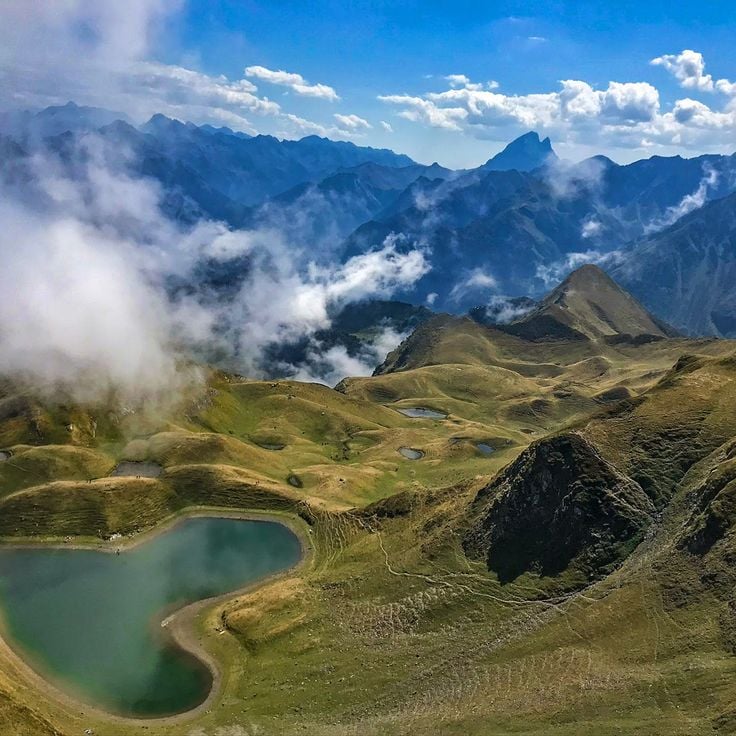
Montagnon Lake sits at an elevation of 1976 meters in the French Pyrenees and displays a natural heart shape. This alpine lake is located in the Pyrénées-Atlantiques department and belongs to the high mountain lakes of the region. The lake's distinctive shape becomes particularly visible from aerial perspectives. The water body is fed by snowmelt and precipitation.
Lake Toyoni is a natural lake in Hokkaido that displays a distinct heart shape when viewed from above. This particular geographic formation became known through aerial photographs in Japanese media and attracts photographers and visitors who wish to experience the natural phenomenon from a bird's eye perspective.
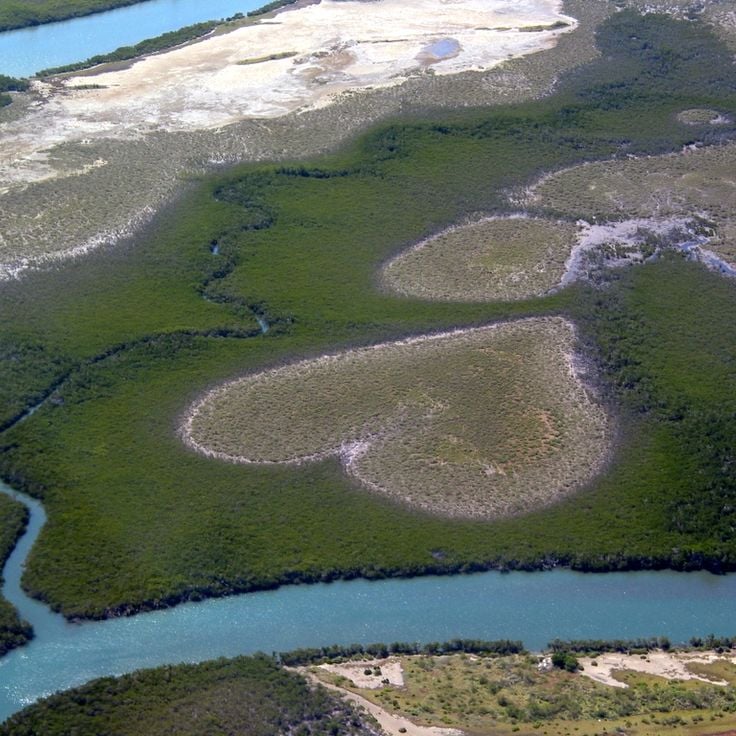
The Coeur de Voh is a natural mangrove formation in the Voh lagoon that forms a heart shape when viewed from above. This formation developed through differential mangrove growth in the brackish waters and gained worldwide recognition through photographs by Yann Arthus-Bertrand. The heart-shaped clearing measures approximately 300 meters across and sits within dense mangrove forests. The area forms part of a protected ecosystem and serves as habitat for numerous bird species.
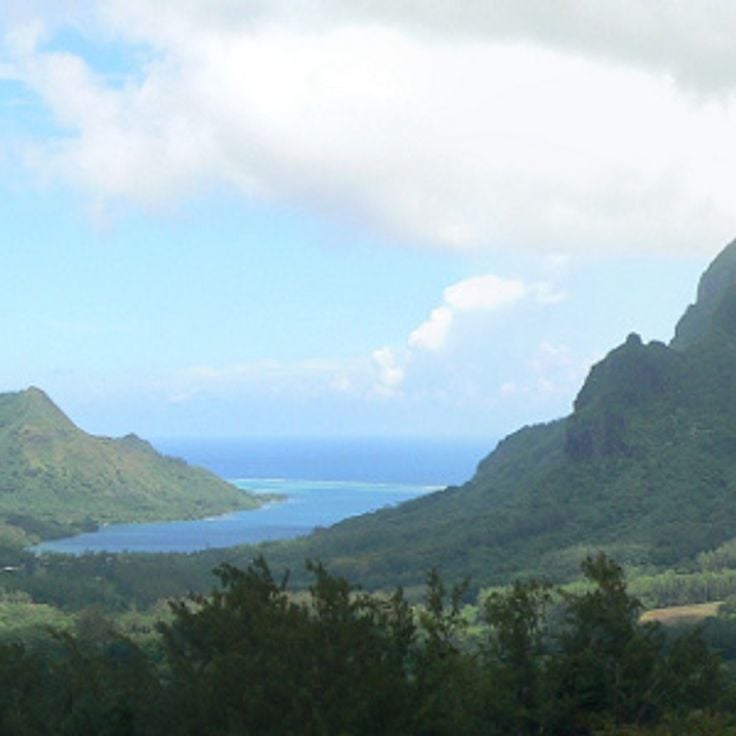
Moorea is a volcanic island that presents a heart shape when viewed from above. This natural silhouette results from the arrangement of central mountains and deep bays that define the coastal relief. The two main bays, Cook's Bay and Opunohu Bay, cut deeply into the interior and form the characteristic shape together with the surrounding peaks. This geological feature makes the island a recognizable landmark from an aerial perspective.
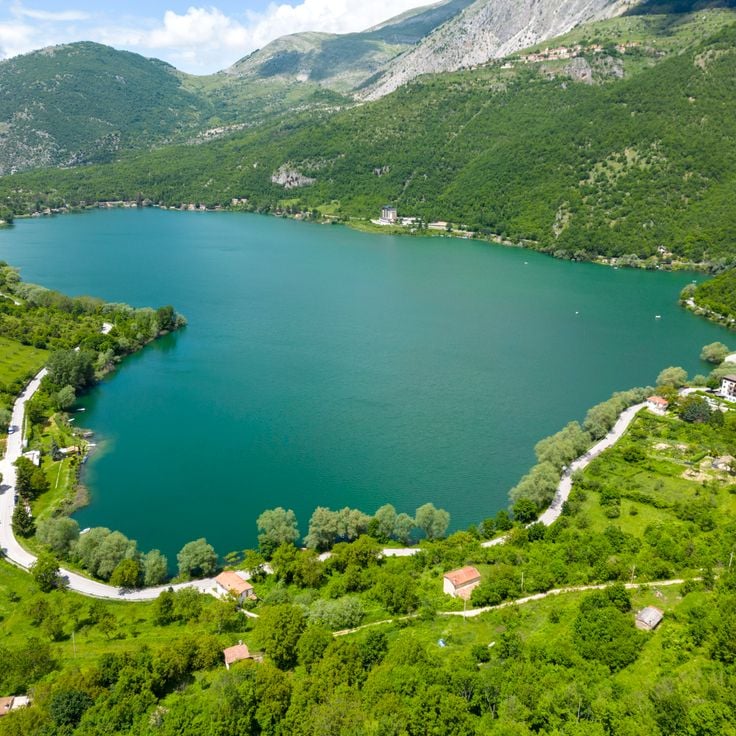
Lago di Scanno sits in the Apennine Mountains at an elevation of 922 meters. This mountain lake formed approximately 12,800 years ago when a landslide blocked the Tasso River, creating a natural dam. The distinctive heart shape is most visible from above and results from the natural erosion of the surrounding limestone formations. The lake reaches a maximum depth of 32 meters and covers an area of 1.4 square kilometers. The Monti Marsicani mountain range surrounds the body of water completely.
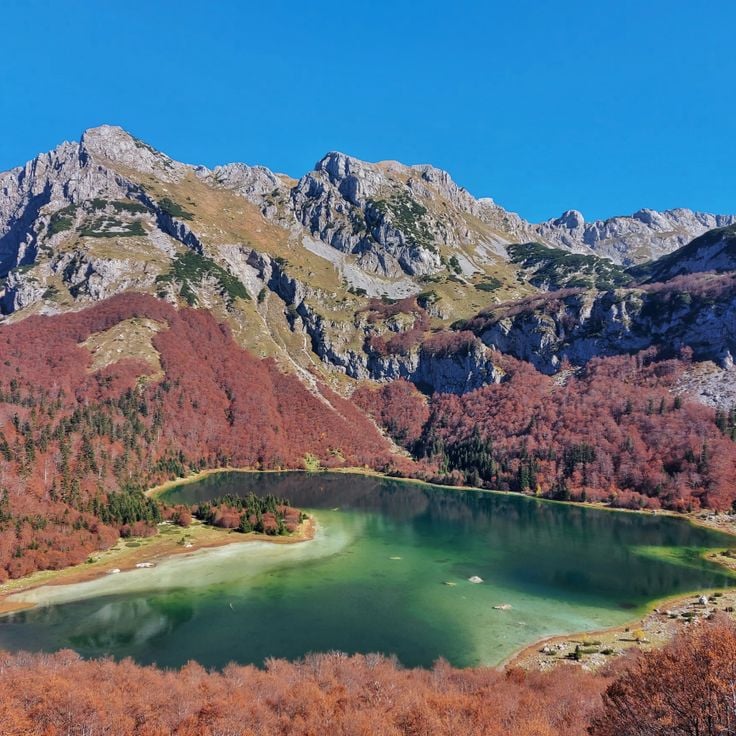
Trnovacko Lake occupies a mountain basin at 1517 meters elevation on the border between Montenegro and Bosnia and Herzegovina. The water body displays a distinctive heart shape formed by the surrounding mountain ridge. Marked hiking trails lead through the Sutjeska mountain range to reach the lake. The area consists of limestone formations and alpine vegetation.
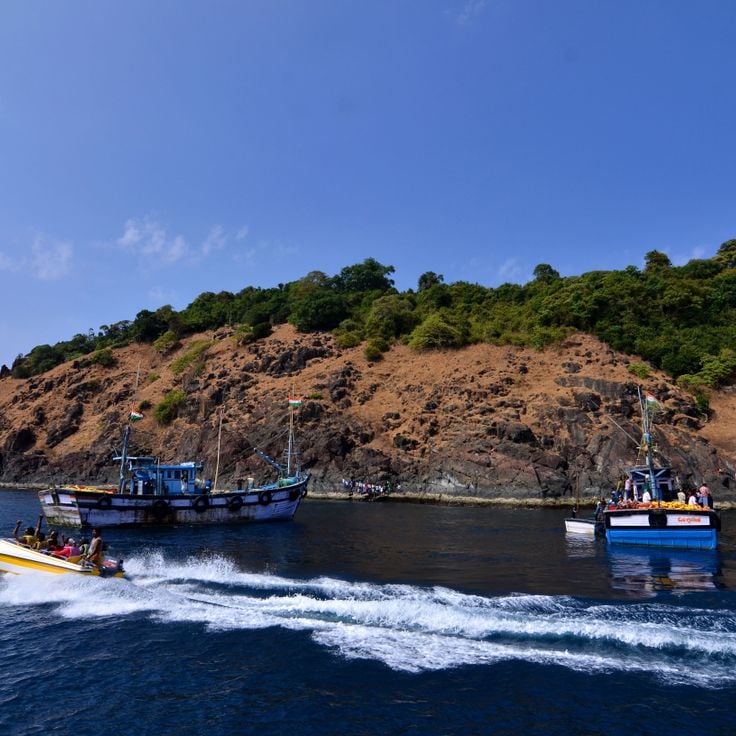
Netrani Island rises from the Arabian Sea, approximately 19 kilometers off the Karnataka coast. The island is surrounded by coral reefs that host numerous marine species. Divers explore the underwater environment with tropical fish, moray eels, and occasionally larger species such as manta rays. Underwater visibility varies between 10 and 30 meters depending on the season. Boat trips to the island depart from Murudeshwar and take about 90 minutes.
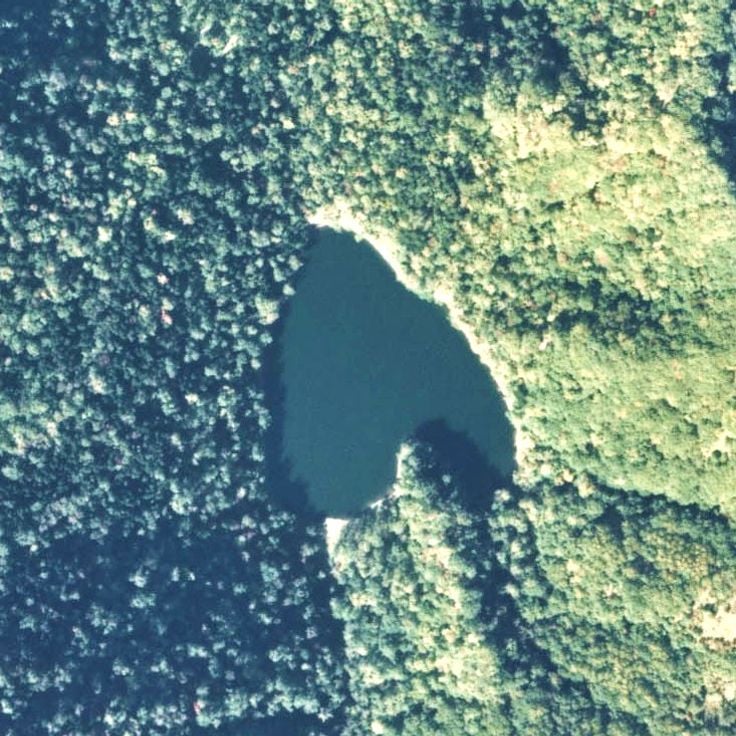
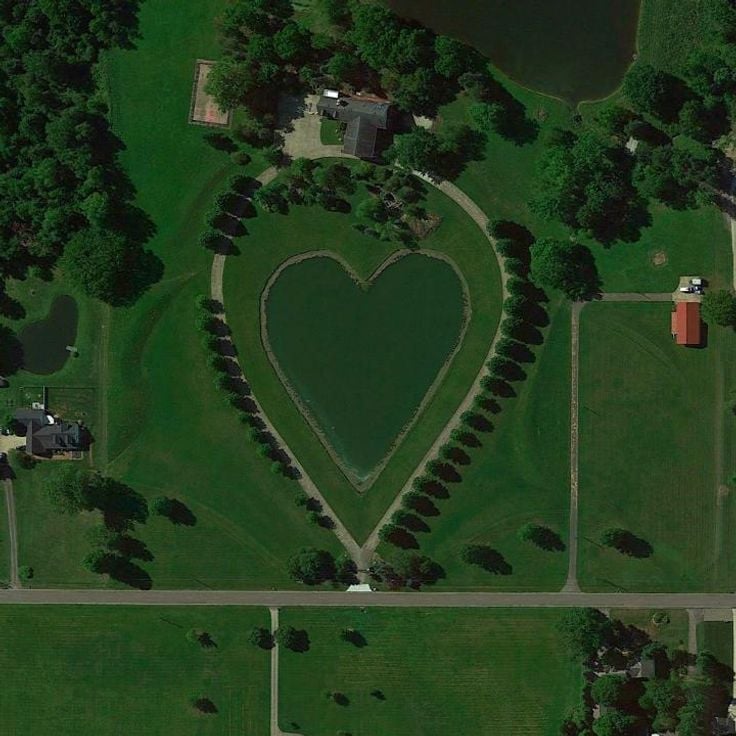
This lake in Ohio is located on private property and displays a characteristic heart shape visible from above. The water body is surrounded by a dense belt of trees that forms a natural boundary between the lake and the surrounding land. The forest vegetation frames the shoreline and emphasizes the unusual geometric form of the lake.
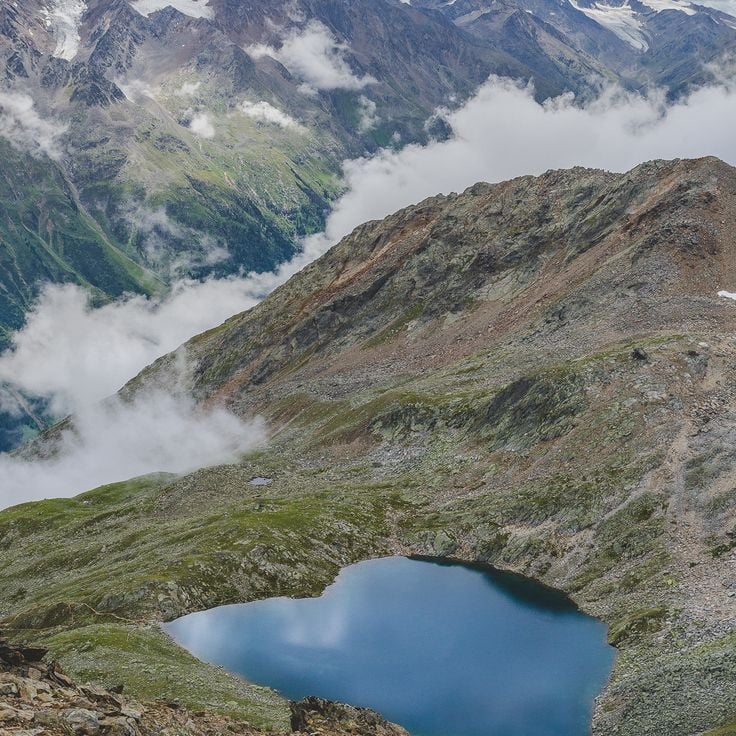
Gaislacher See is an alpine mountain lake located in the Tyrolean Alps at approximately 2,000 meters elevation. The clear water mirrors the surrounding peaks and sky. When viewed from above, the lake displays a heart-shaped outline. The surrounding area consists of alpine meadows and rock formations. The lake is accessible via hiking trails and serves as a starting point for mountain tours in the region.
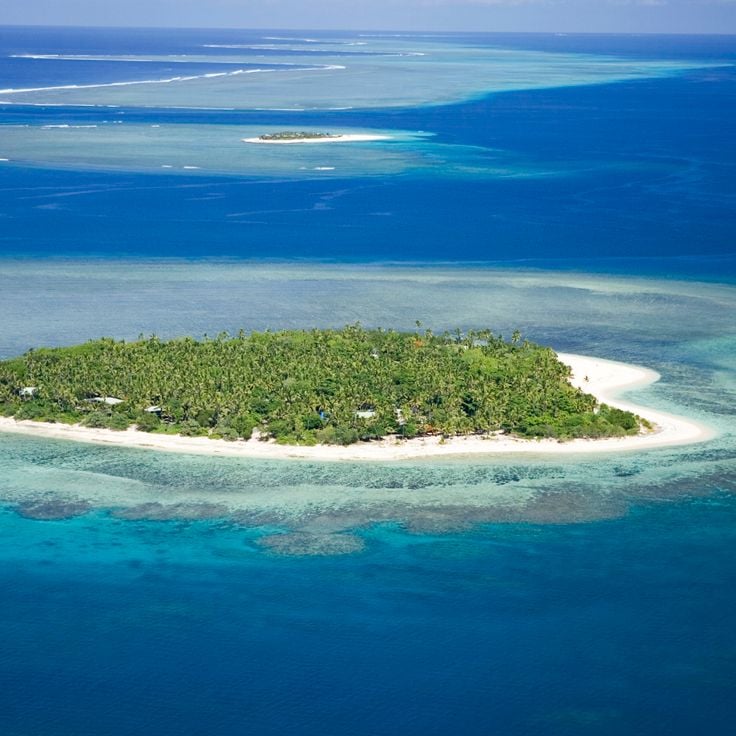
Tavarua Island is located in the South Pacific Ocean and displays a natural heart shape visible from above. The island spans 29 hectares and provides seven distinct surf breaks that deliver waves of varying difficulty levels. The island's accommodation facilities host a maximum of 36 guests at any given time, focusing on surf tourism.
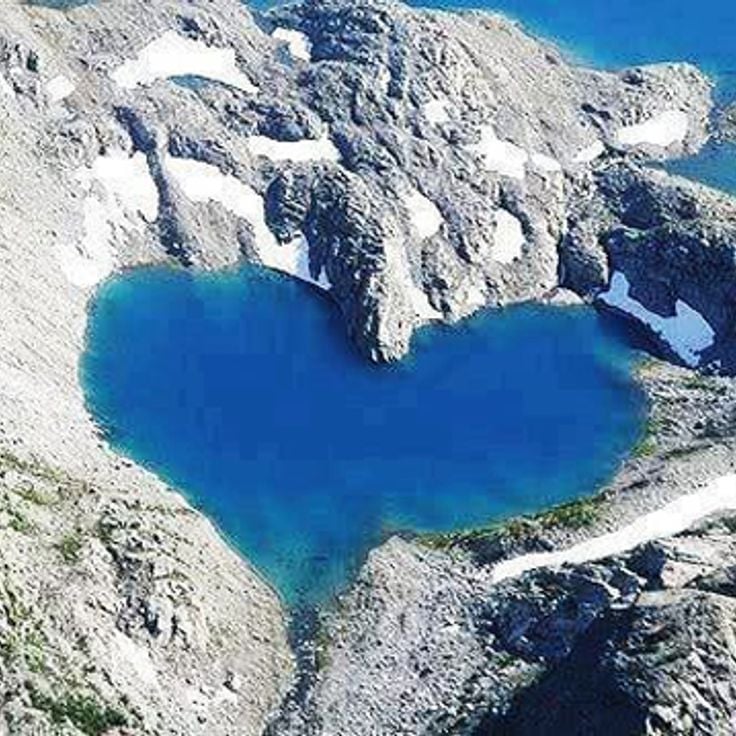
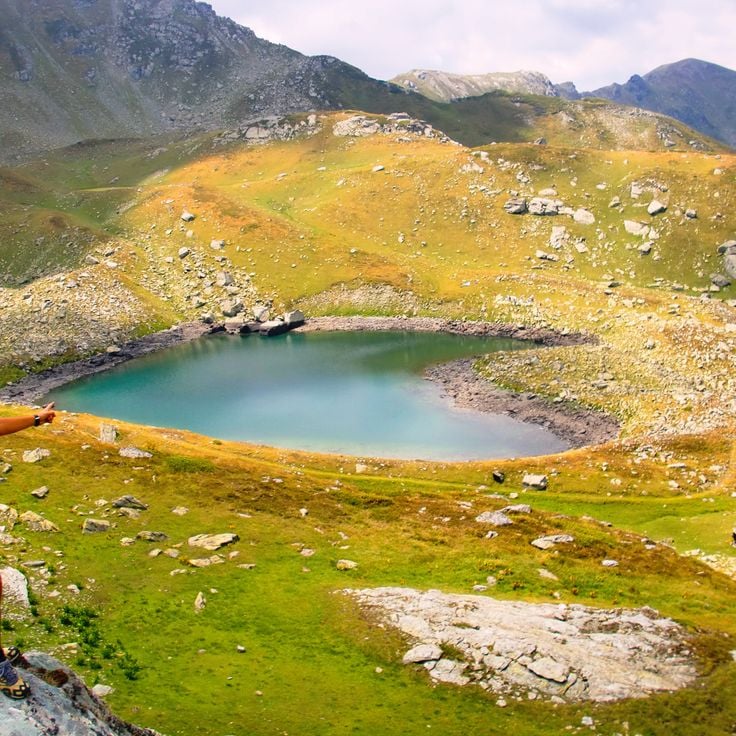
Zemra Lake sits at 2000 meters altitude in the Prokletije mountains and is fed by melting snow. This mountain lake features a heart-shaped outline that becomes visible when viewed from above. The surrounding terrain consists of rocky slopes and alpine meadows that frame the lake.
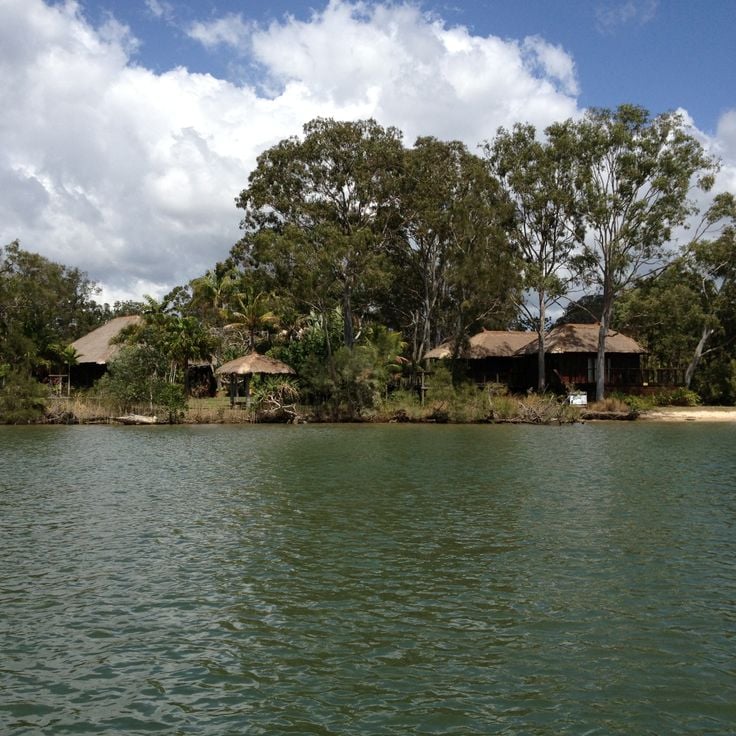
Makepeace Island sits in the Noosa River and covers 10 hectares with several villas, a swimming pool and a tennis court. The island features a natural heart-shaped outline visible from above. This private estate was designed as a retreat and combines tropical vegetation with modern facilities for guests.
Galesnjak Island sits in the Pašman Channel between the islands of Pašman and Ruje off the Dalmatian coast. The uninhabited island covers 132,000 square meters and displays a natural heart shape with symmetrical contours when viewed from above. Vegetation consists primarily of Mediterranean scrubland and low trees. The islet remains privately owned and does not function as a tourist destination. The shape formed through natural geological processes and coastal erosion over thousands of years.
Heart Reef is a natural coral formation located in the Great Barrier Reef off the coast of Queensland. This heart-shaped structure is composed of various coral species and measures approximately 17 meters in diameter. The formation sits within the Hardy Reef platform and represents one of the photographed natural phenomena in the region. Heart Reef can only be viewed from the air, as diving and snorkeling are prohibited to protect the coral structure.
Shimshal Lake rests at 4755 meters altitude in the Hindu Kush mountain range and is encircled by several glaciers. The body of water is located in a remote region of Gilgit-Baltistan, framed by rugged mountain peaks. The natural heart shape of this lake becomes particularly visible from an aerial perspective. The area is part of a high alpine landscape with extreme climatic conditions.
Montagnon Lake sits at an elevation of 1976 meters in the French Pyrenees and displays a natural heart shape. This alpine lake is located in the Pyrénées-Atlantiques department and belongs to the high mountain lakes of the region. The lake's distinctive shape becomes particularly visible from aerial perspectives. The water body is fed by snowmelt and precipitation.
Lake Toyoni is a natural lake in Hokkaido that displays a distinct heart shape when viewed from above. This particular geographic formation became known through aerial photographs in Japanese media and attracts photographers and visitors who wish to experience the natural phenomenon from a bird's eye perspective.
The Coeur de Voh is a natural mangrove formation in the Voh lagoon that forms a heart shape when viewed from above. This formation developed through differential mangrove growth in the brackish waters and gained worldwide recognition through photographs by Yann Arthus-Bertrand. The heart-shaped clearing measures approximately 300 meters across and sits within dense mangrove forests. The area forms part of a protected ecosystem and serves as habitat for numerous bird species.
Moorea is a volcanic island that presents a heart shape when viewed from above. This natural silhouette results from the arrangement of central mountains and deep bays that define the coastal relief. The two main bays, Cook's Bay and Opunohu Bay, cut deeply into the interior and form the characteristic shape together with the surrounding peaks. This geological feature makes the island a recognizable landmark from an aerial perspective.
Lago di Scanno sits in the Apennine Mountains at an elevation of 922 meters. This mountain lake formed approximately 12,800 years ago when a landslide blocked the Tasso River, creating a natural dam. The distinctive heart shape is most visible from above and results from the natural erosion of the surrounding limestone formations. The lake reaches a maximum depth of 32 meters and covers an area of 1.4 square kilometers. The Monti Marsicani mountain range surrounds the body of water completely.
Trnovacko Lake occupies a mountain basin at 1517 meters elevation on the border between Montenegro and Bosnia and Herzegovina. The water body displays a distinctive heart shape formed by the surrounding mountain ridge. Marked hiking trails lead through the Sutjeska mountain range to reach the lake. The area consists of limestone formations and alpine vegetation.
Netrani Island rises from the Arabian Sea, approximately 19 kilometers off the Karnataka coast. The island is surrounded by coral reefs that host numerous marine species. Divers explore the underwater environment with tropical fish, moray eels, and occasionally larger species such as manta rays. Underwater visibility varies between 10 and 30 meters depending on the season. Boat trips to the island depart from Murudeshwar and take about 90 minutes.
This lake in Ohio is located on private property and displays a characteristic heart shape visible from above. The water body is surrounded by a dense belt of trees that forms a natural boundary between the lake and the surrounding land. The forest vegetation frames the shoreline and emphasizes the unusual geometric form of the lake.
Gaislacher See is an alpine mountain lake located in the Tyrolean Alps at approximately 2,000 meters elevation. The clear water mirrors the surrounding peaks and sky. When viewed from above, the lake displays a heart-shaped outline. The surrounding area consists of alpine meadows and rock formations. The lake is accessible via hiking trails and serves as a starting point for mountain tours in the region.
Tavarua Island is located in the South Pacific Ocean and displays a natural heart shape visible from above. The island spans 29 hectares and provides seven distinct surf breaks that deliver waves of varying difficulty levels. The island's accommodation facilities host a maximum of 36 guests at any given time, focusing on surf tourism.
Zemra Lake sits at 2000 meters altitude in the Prokletije mountains and is fed by melting snow. This mountain lake features a heart-shaped outline that becomes visible when viewed from above. The surrounding terrain consists of rocky slopes and alpine meadows that frame the lake.
Makepeace Island sits in the Noosa River and covers 10 hectares with several villas, a swimming pool and a tennis court. The island features a natural heart-shaped outline visible from above. This private estate was designed as a retreat and combines tropical vegetation with modern facilities for guests.
Galesnjak Island sits in the Pašman Channel between the islands of Pašman and Ruje off the Dalmatian coast. The uninhabited island covers 132,000 square meters and displays a natural heart shape with symmetrical contours when viewed from above. Vegetation consists primarily of Mediterranean scrubland and low trees. The islet remains privately owned and does not function as a tourist destination. The shape formed through natural geological processes and coastal erosion over thousands of years.
Heart Reef is a natural coral formation located in the Great Barrier Reef off the coast of Queensland. This heart-shaped structure is composed of various coral species and measures approximately 17 meters in diameter. The formation sits within the Hardy Reef platform and represents one of the photographed natural phenomena in the region. Heart Reef can only be viewed from the air, as diving and snorkeling are prohibited to protect the coral structure.
Shimshal Lake rests at 4755 meters altitude in the Hindu Kush mountain range and is encircled by several glaciers. The body of water is located in a remote region of Gilgit-Baltistan, framed by rugged mountain peaks. The natural heart shape of this lake becomes particularly visible from an aerial perspective. The area is part of a high alpine landscape with extreme climatic conditions.
Montagnon Lake sits at an elevation of 1976 meters in the French Pyrenees and displays a natural heart shape. This alpine lake is located in the Pyrénées-Atlantiques department and belongs to the high mountain lakes of the region. The lake's distinctive shape becomes particularly visible from aerial perspectives. The water body is fed by snowmelt and precipitation.
Lake Toyoni is a natural lake in Hokkaido that displays a distinct heart shape when viewed from above. This particular geographic formation became known through aerial photographs in Japanese media and attracts photographers and visitors who wish to experience the natural phenomenon from a bird's eye perspective.
The Coeur de Voh is a natural mangrove formation in the Voh lagoon that forms a heart shape when viewed from above. This formation developed through differential mangrove growth in the brackish waters and gained worldwide recognition through photographs by Yann Arthus-Bertrand. The heart-shaped clearing measures approximately 300 meters across and sits within dense mangrove forests. The area forms part of a protected ecosystem and serves as habitat for numerous bird species.
Moorea is a volcanic island that presents a heart shape when viewed from above. This natural silhouette results from the arrangement of central mountains and deep bays that define the coastal relief. The two main bays, Cook's Bay and Opunohu Bay, cut deeply into the interior and form the characteristic shape together with the surrounding peaks. This geological feature makes the island a recognizable landmark from an aerial perspective.
Lago di Scanno sits in the Apennine Mountains at an elevation of 922 meters. This mountain lake formed approximately 12,800 years ago when a landslide blocked the Tasso River, creating a natural dam. The distinctive heart shape is most visible from above and results from the natural erosion of the surrounding limestone formations. The lake reaches a maximum depth of 32 meters and covers an area of 1.4 square kilometers. The Monti Marsicani mountain range surrounds the body of water completely.
Trnovacko Lake occupies a mountain basin at 1517 meters elevation on the border between Montenegro and Bosnia and Herzegovina. The water body displays a distinctive heart shape formed by the surrounding mountain ridge. Marked hiking trails lead through the Sutjeska mountain range to reach the lake. The area consists of limestone formations and alpine vegetation.
Netrani Island rises from the Arabian Sea, approximately 19 kilometers off the Karnataka coast. The island is surrounded by coral reefs that host numerous marine species. Divers explore the underwater environment with tropical fish, moray eels, and occasionally larger species such as manta rays. Underwater visibility varies between 10 and 30 meters depending on the season. Boat trips to the island depart from Murudeshwar and take about 90 minutes.
This lake in Ohio is located on private property and displays a characteristic heart shape visible from above. The water body is surrounded by a dense belt of trees that forms a natural boundary between the lake and the surrounding land. The forest vegetation frames the shoreline and emphasizes the unusual geometric form of the lake.
Gaislacher See is an alpine mountain lake located in the Tyrolean Alps at approximately 2,000 meters elevation. The clear water mirrors the surrounding peaks and sky. When viewed from above, the lake displays a heart-shaped outline. The surrounding area consists of alpine meadows and rock formations. The lake is accessible via hiking trails and serves as a starting point for mountain tours in the region.
Tavarua Island is located in the South Pacific Ocean and displays a natural heart shape visible from above. The island spans 29 hectares and provides seven distinct surf breaks that deliver waves of varying difficulty levels. The island's accommodation facilities host a maximum of 36 guests at any given time, focusing on surf tourism.
Zemra Lake sits at 2000 meters altitude in the Prokletije mountains and is fed by melting snow. This mountain lake features a heart-shaped outline that becomes visible when viewed from above. The surrounding terrain consists of rocky slopes and alpine meadows that frame the lake.
Makepeace Island sits in the Noosa River and covers 10 hectares with several villas, a swimming pool and a tennis court. The island features a natural heart-shaped outline visible from above. This private estate was designed as a retreat and combines tropical vegetation with modern facilities for guests.