See the monuments around you in AROpen chests in the app
Around Us is built for your phone — point your camera at the streets and discover the monuments and places around you in augmented reality.Around Us is built for your phone — chests unlock when you walk, explore and capture nearby places.
Abruzzes: nature, mountain villages, Italian history sites
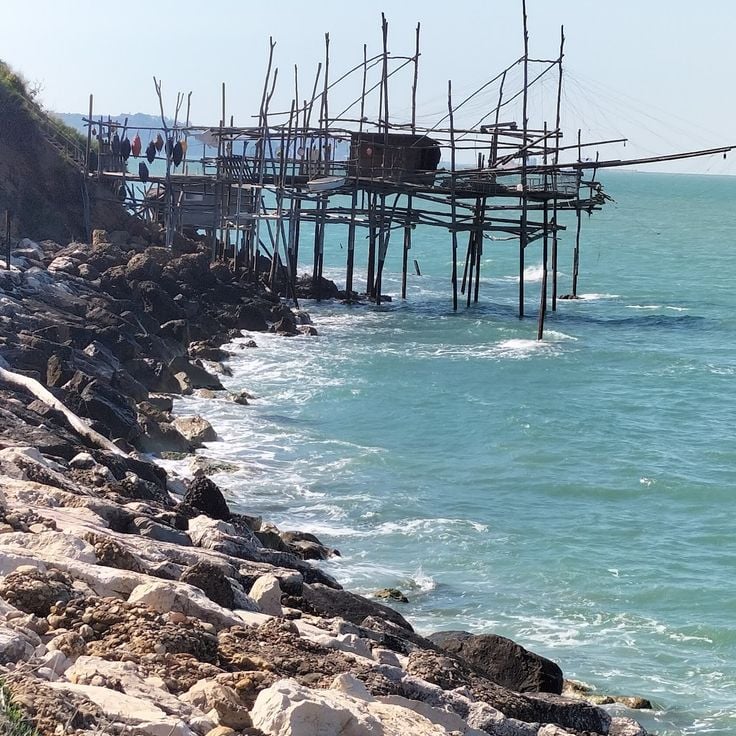
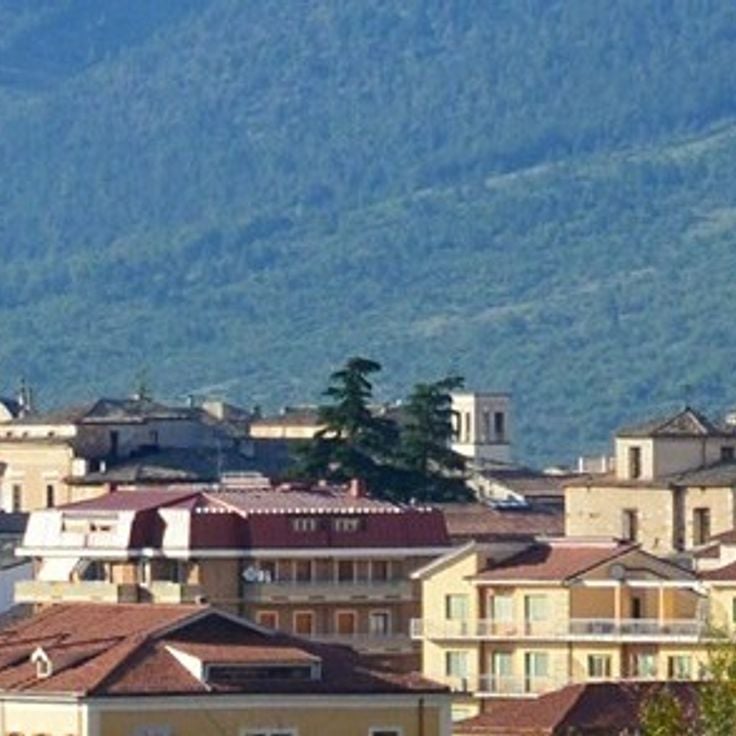
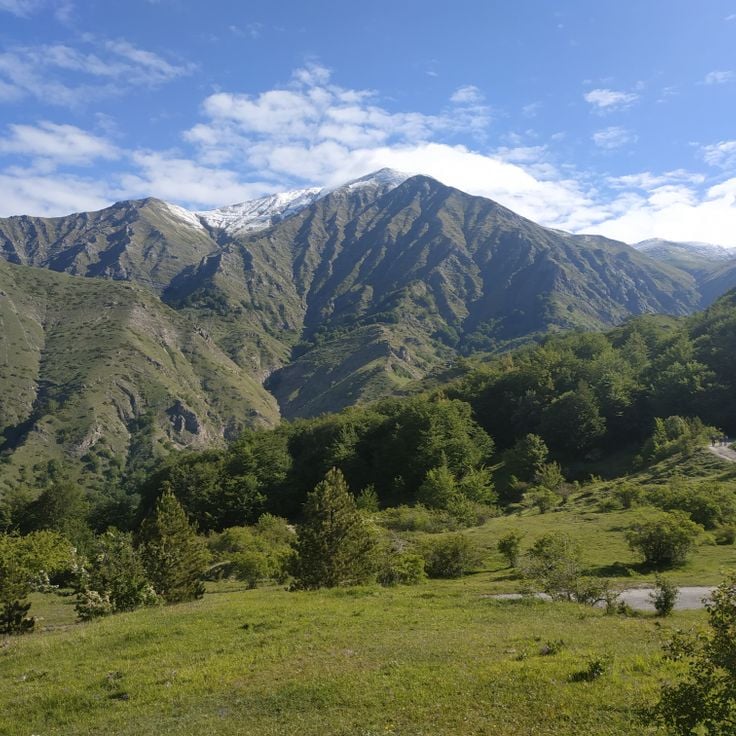
The Abruzzes stretch between the peaks of the Apennines and the Adriatic Sea. The landscape changes from high mountains to sandy beaches in a few miles. This part of Italy has three parks where hikers and skiers walk the paths in the Gran Sasso and Majella. Along the coast, old fishing platforms called trabocchi stand facing the waves.
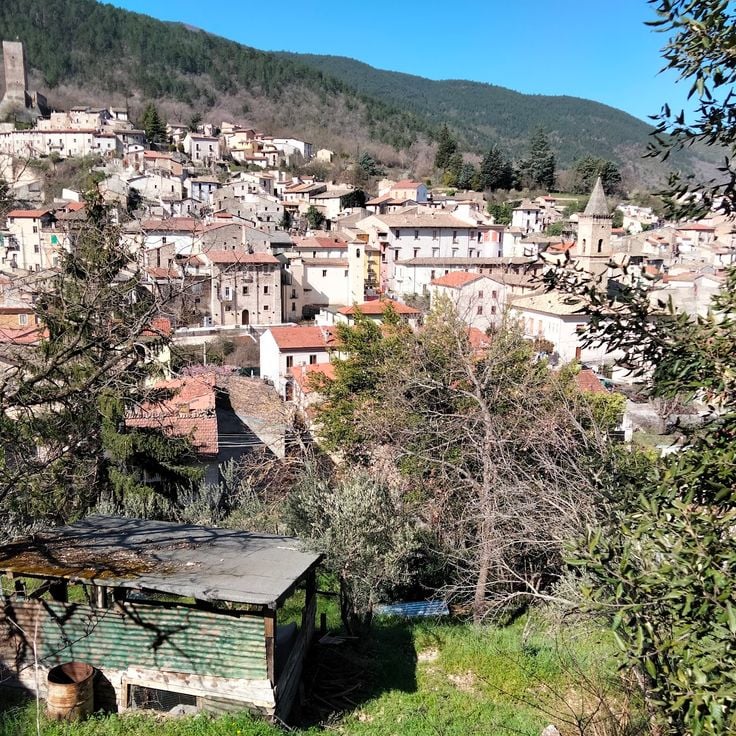
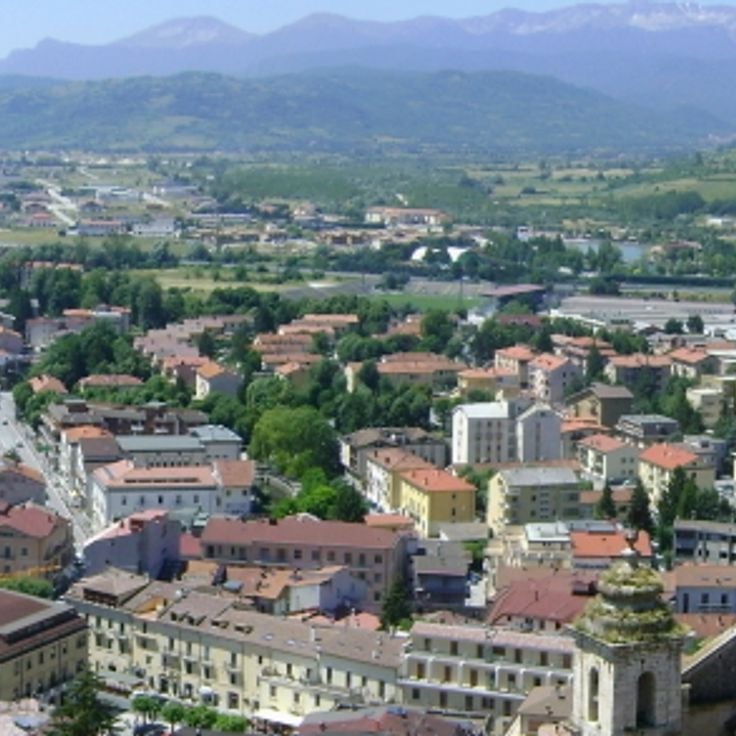
L'Aquila and nearby towns have many old buildings. The Basilica di Santa Maria di Collemaggio and the Fountain of the 99 Spouts tell about the medieval past. In the mountains, small stone villages like Santo Stefano di Sessanio, Rocca Calascio, and Scanno have kept their old look. To the south, the caves of San Bartolomeo in Legio and the Sagittario Gorge show another face of the region. They are carved into limestone.
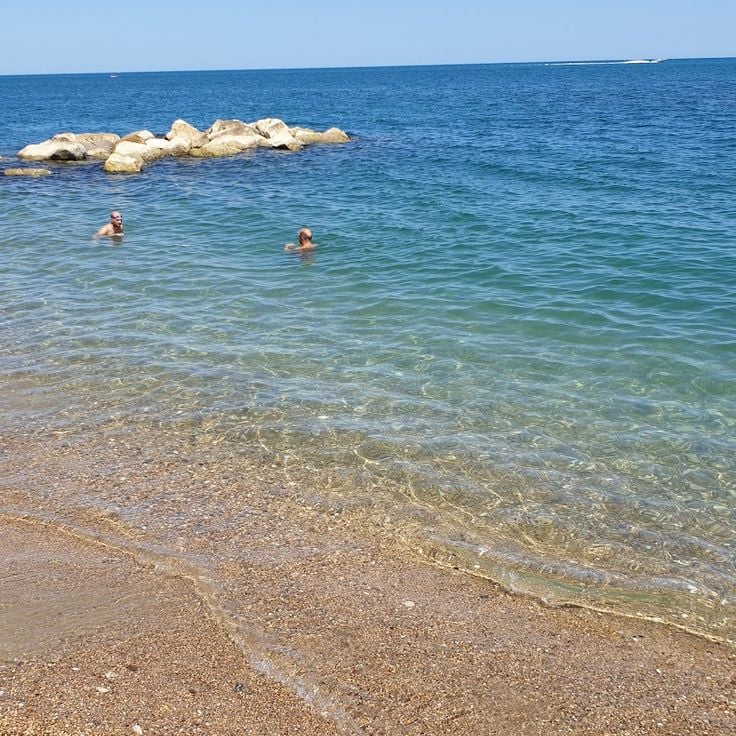
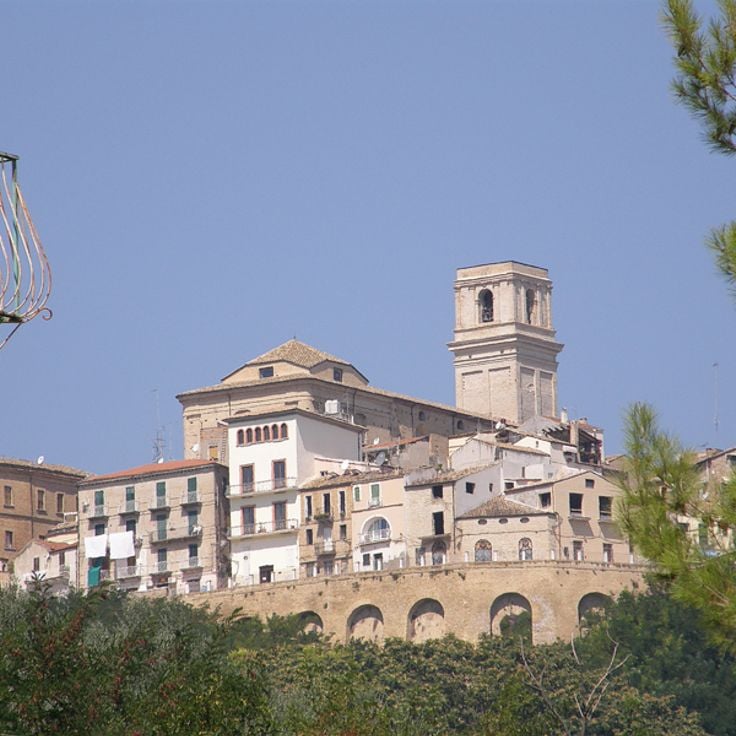
The Adriatic coast offers seaside resorts like Vasto and Giulianova. There are also quiet villages like Atri, with its cathedral, and Civitella del Tronto, with its fortress. Between the sea and mountains, the Abruzzes invite visitors to find places where nature and history come together at every turn.
Abruzzes: nature, mountain villages, Italian history sites
The Abruzzes stretch between the peaks of the Apennines and the Adriatic Sea. The landscape changes from high mountains to sandy beaches in a few miles. This part of Italy has three parks where hikers and skiers walk the paths in the Gran Sasso and Majella. Along the coast, old fishing platforms called trabocchi stand facing the waves.
L'Aquila and nearby towns have many old buildings. The Basilica di Santa Maria di Collemaggio and the Fountain of the 99 Spouts tell about the medieval past. In the mountains, small stone villages like Santo Stefano di Sessanio, Rocca Calascio, and Scanno have kept their old look. To the south, the caves of San Bartolomeo in Legio and the Sagittario Gorge show another face of the region. They are carved into limestone.
The Adriatic coast offers seaside resorts like Vasto and Giulianova. There are also quiet villages like Atri, with its cathedral, and Civitella del Tronto, with its fortress. Between the sea and mountains, the Abruzzes invite visitors to find places where nature and history come together at every turn.
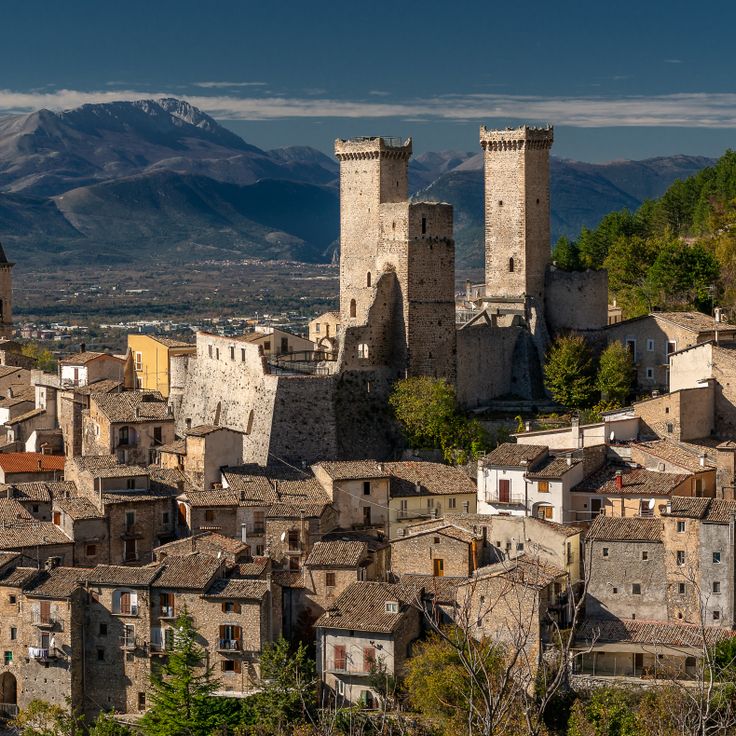
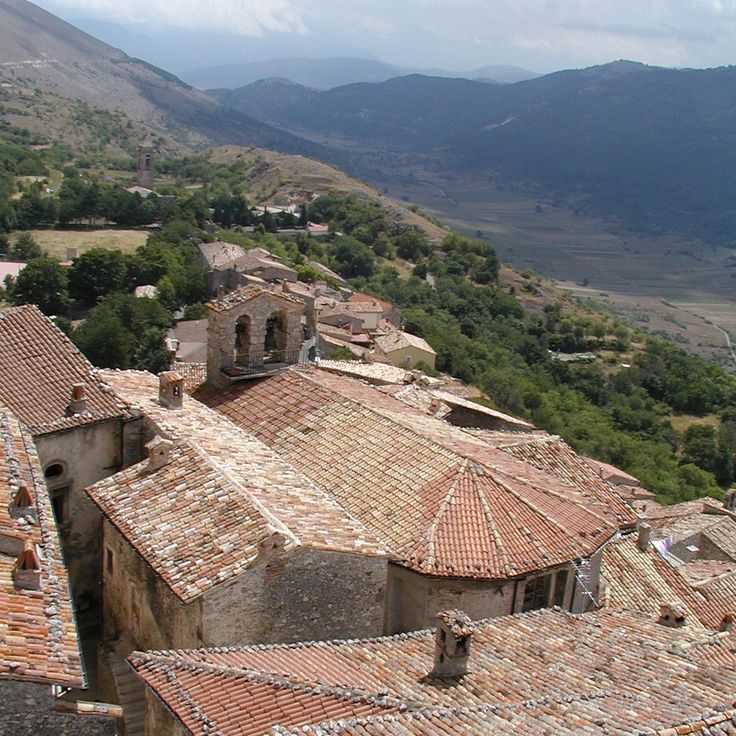
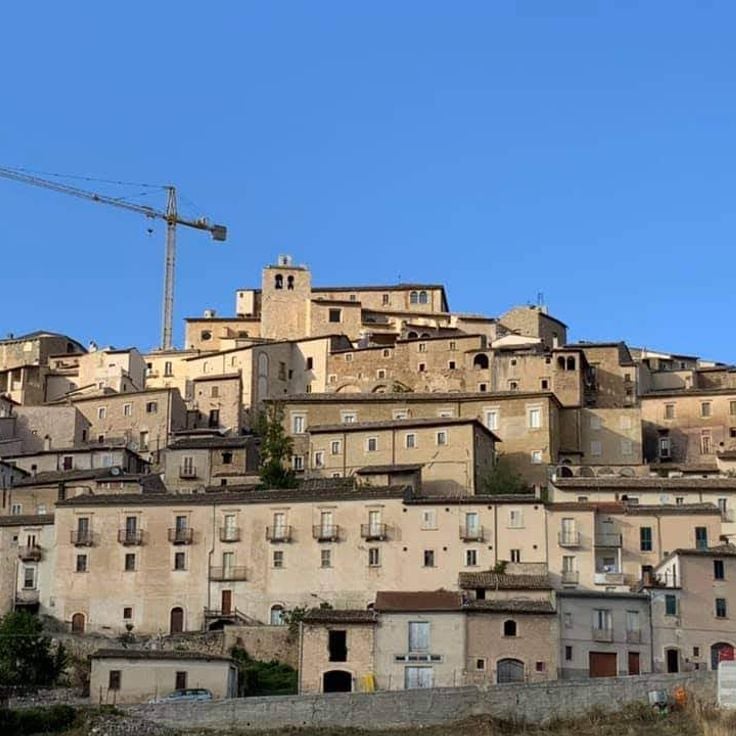
Pacentro sits on a hillside in the Abruzzes as a medieval village with old towers and stone houses that have stood for centuries. Walking through the narrow streets, you see the traces of its past in every corner - the walls, the windows, the way buildings connect to one another. The village sits high up, giving views toward the surrounding mountains and valleys. Life here moves at the pace of the seasons and the rhythms of mountain living.
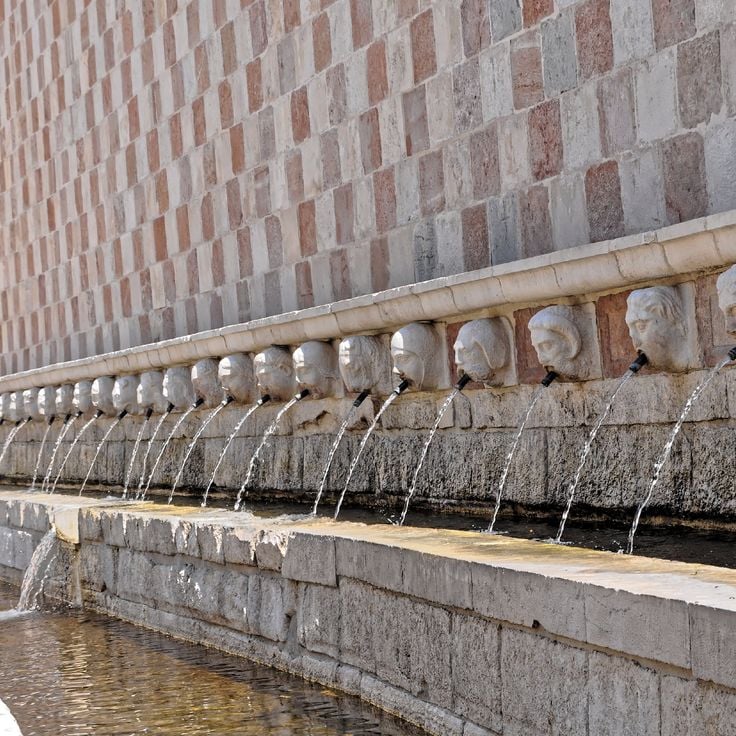
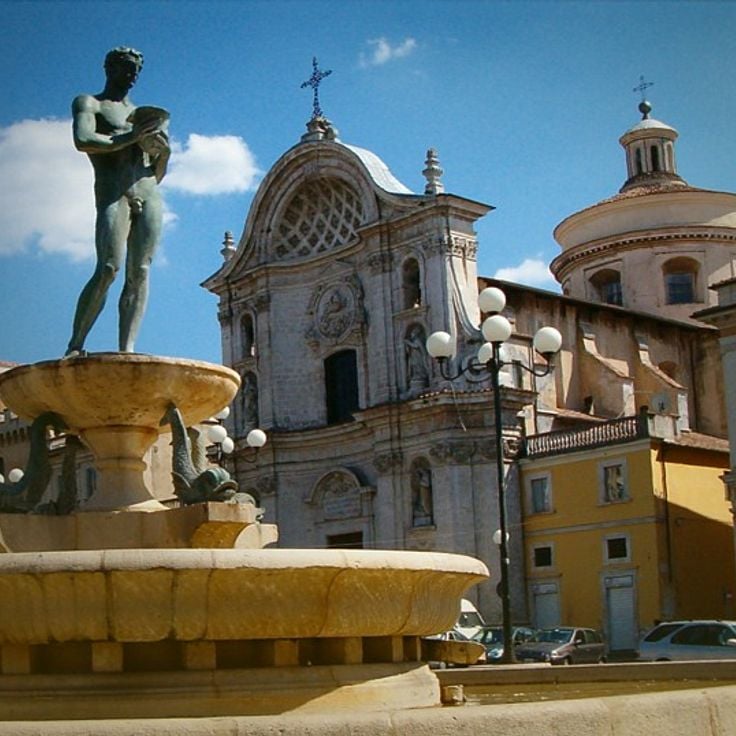
The Fontana delle 99 Cannelle is a public fountain in L'Aquila featuring 99 water jets that has served as a symbol of the city since the 16th century. This fountain reflects the medieval heritage of the region and stands at the heart of urban life. Water flows from numerous openings, creating a soothing display amid historic architecture. The fountain connects the past with the daily life of residents today.
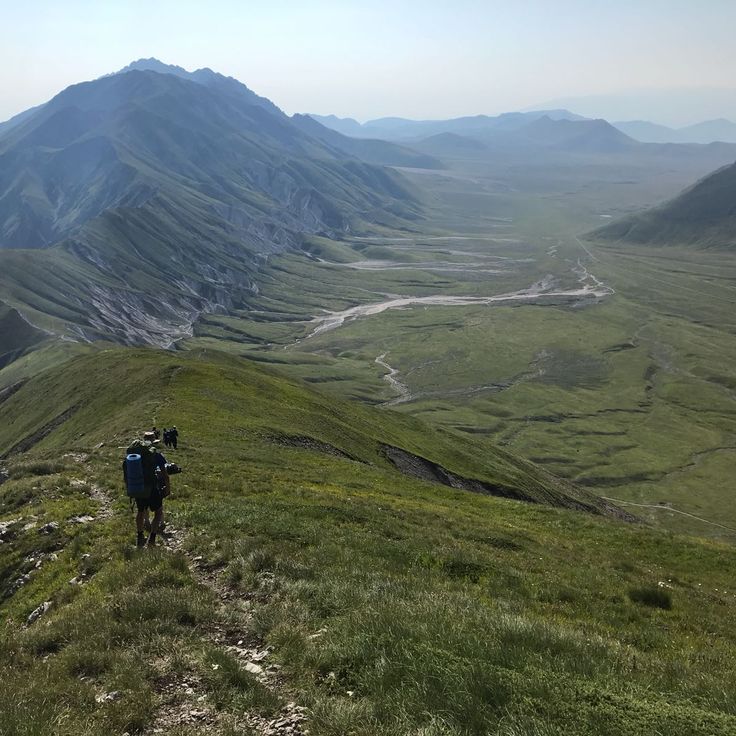
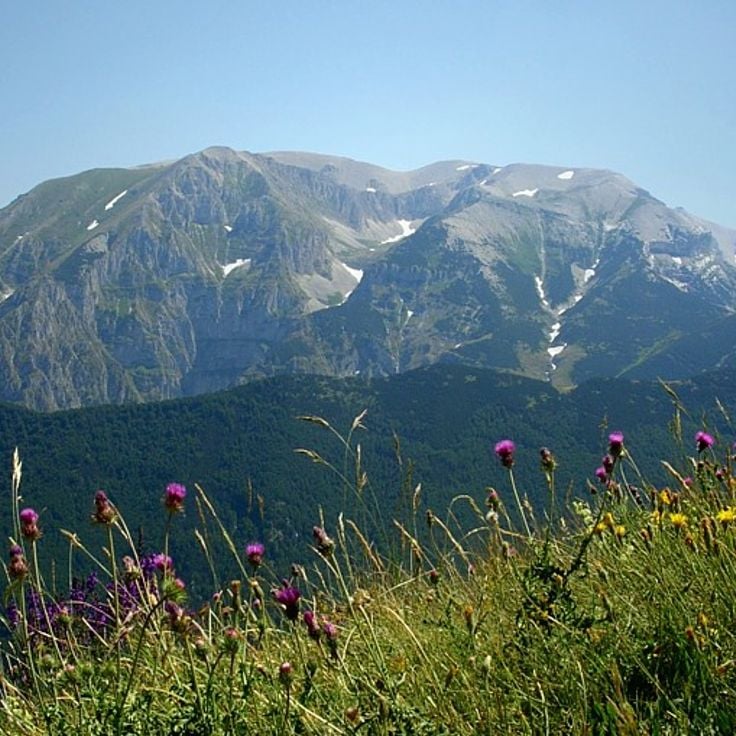
Campo Imperatore is a high mountain plateau situated at over 6500 feet (2000 meters) at the foot of Gran Sasso. Its gentle slopes are covered with wild grasses and flowering plants that stretch across an open landscape. Hikers use this location as a starting point for treks through the Apennines. In winter, the plateau transforms into a popular ski area. The openness and stillness of this high altitude create a striking contrast to the tight-knit villages nestled in the valleys below.
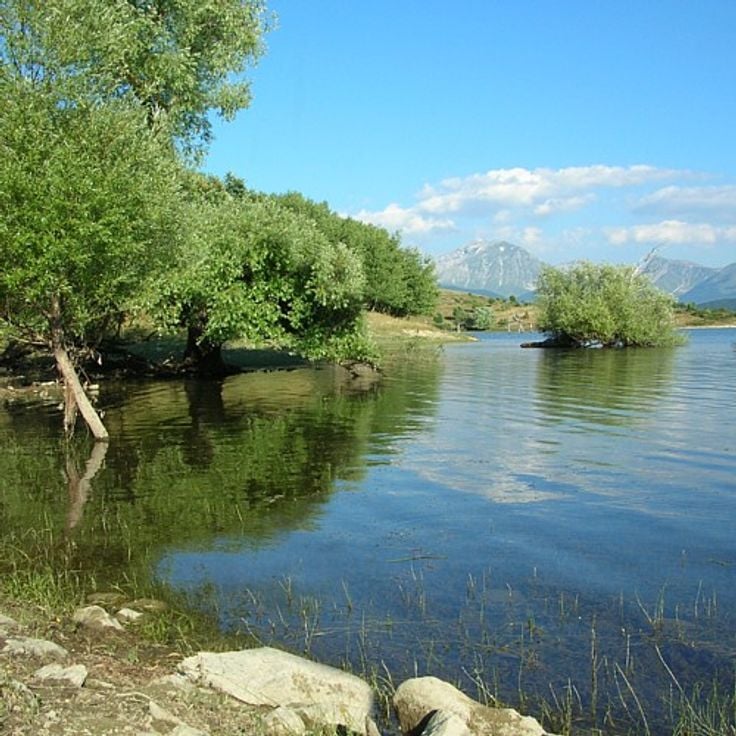
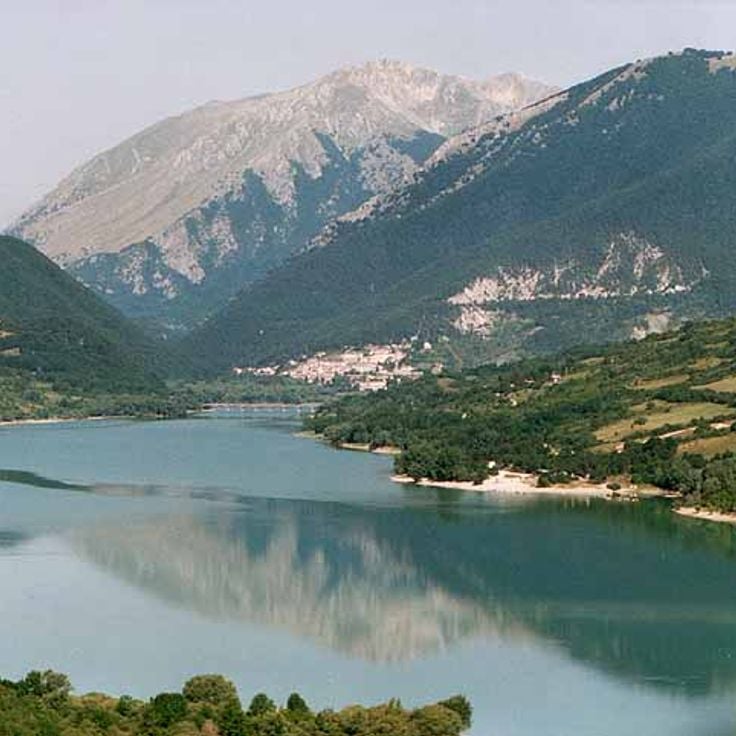
Lago di Campotosto is a mountain lake surrounded by rocky peaks and green slopes in the Apennines. The water reflects the surrounding mountains. The lake sits in a quiet area, far from cities. Hikers come here to explore nature and enjoy the silence. In winter, the mountains can be snow-covered. The lake is an important place in the region and shows the variety of the Abruzzes between high mountains and water.
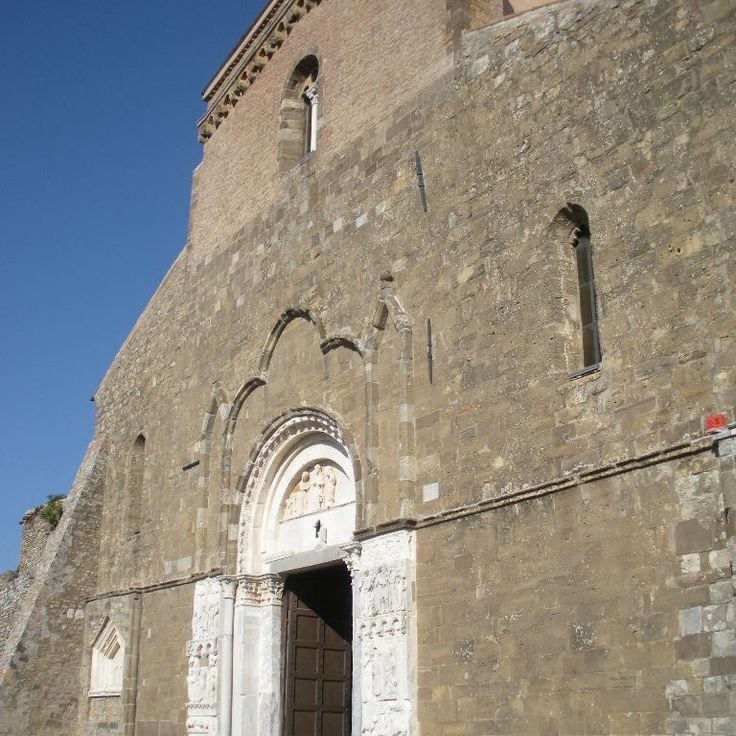
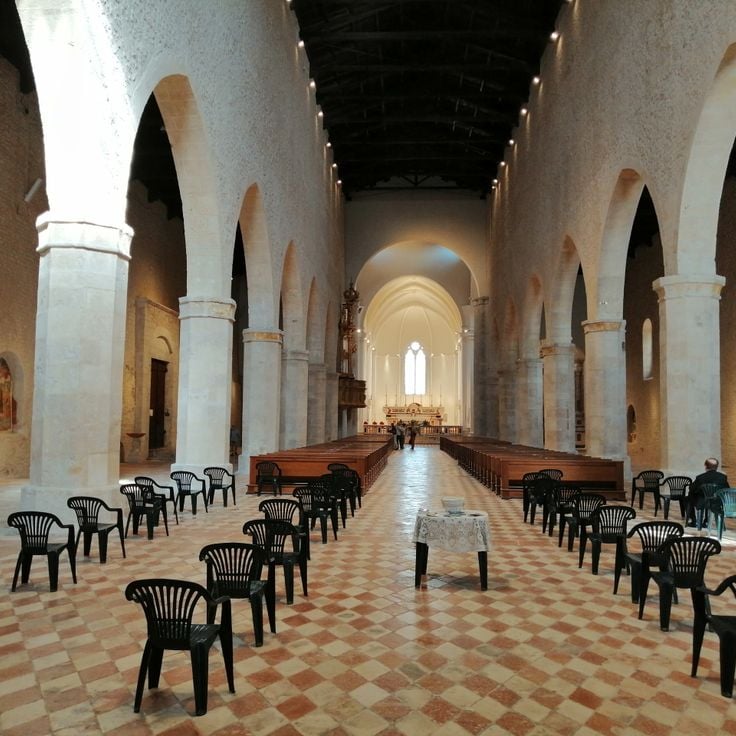
The Basilica di Santa Maria di Collemaggio in L'Aquila is a medieval church with a facade of white and pink stone. It shows how people in this region built their religious structures and is considered one of the important works of church architecture in the Abruzzes. The geometric patterns made from colored stone shape the appearance of the square in front of the basilica.
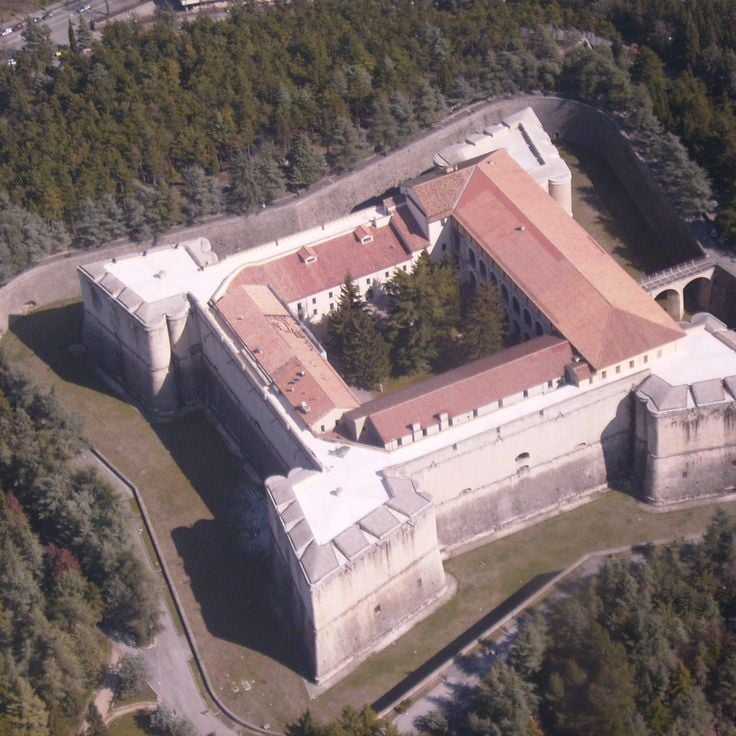
The Forte Spagnolo in L'Aquila is a 16th-century fortress that now houses the National Museum of Abruzzo. Its rooms contain important collections of religious art and archaeological finds that illustrate the region's history from ancient times to the modern era. The museum preserves works by locally significant artists and objects from various periods that document the cultural heritage of Abruzzo.
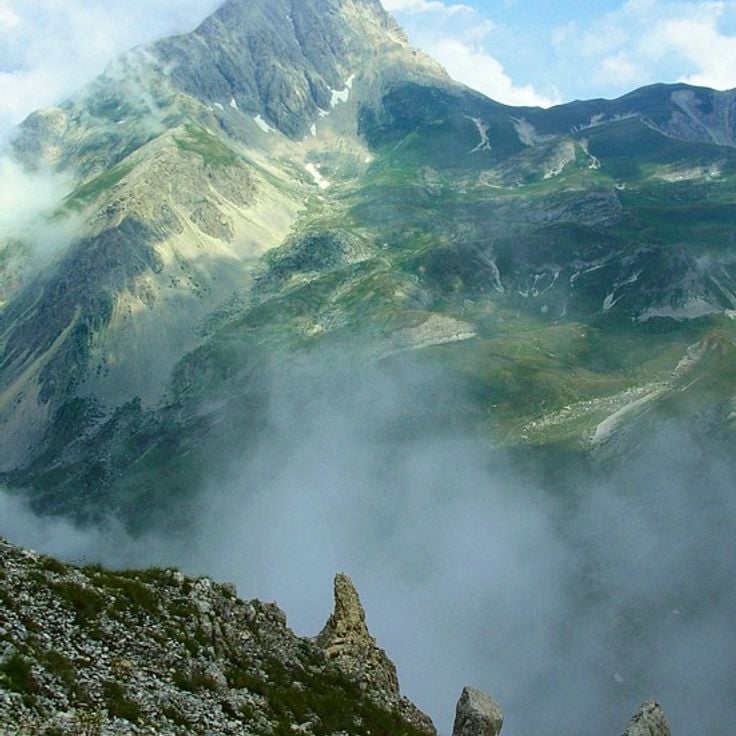
The Majella National Park is a mountain area in the Abruzzes with white limestone peaks and deep ravines. Hikers find numerous trails that wind through the landscape, passing ancient hermitages carved into the rock. The terrain shifts between steep cliffs and green slopes. Wildlife and rare plants thrive in this setting. The white stone dominates the views at every turn. Here visitors encounter nature in its raw form.
Santo Stefano di Sessanio is a village situated high in the Abruzzes mountains, where stone houses cluster together on the slopes. The narrow streets and old walls tell the story of a place that has remained largely unchanged through the centuries. This village is part of the mountain landscape where the Abruzzes reveal their historical character, surrounded by the peaks of the Apennines.
The historic center of L'Aquila forms the heart of this city in the Abruzzes. Medieval streets and squares reveal the region's rich past. The Basilica of Santa Maria di Collemaggio and the Fountain of 99 Cannelles stand as witnesses to this history. Walking through the narrow streets, you discover old stone buildings and small squares where the city's daily life unfolds.
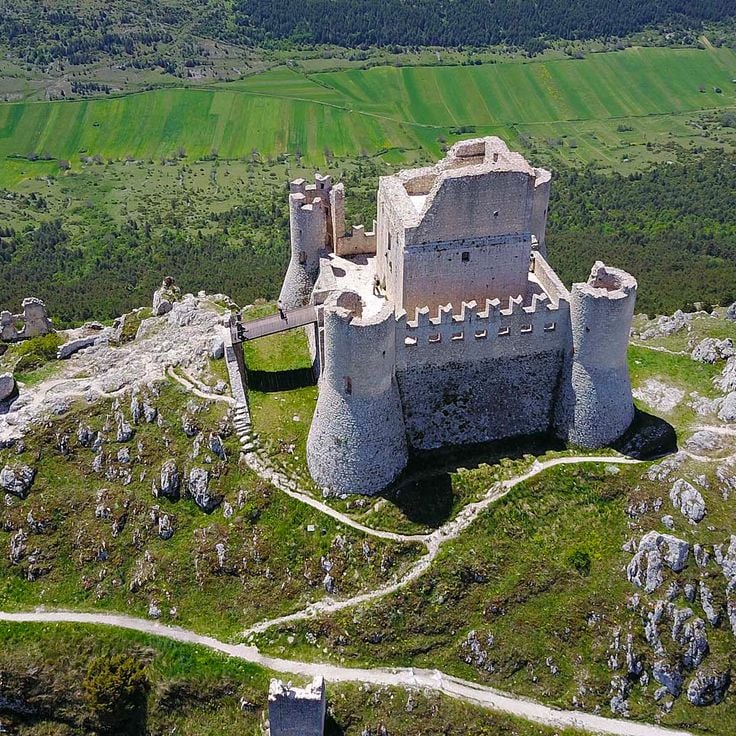
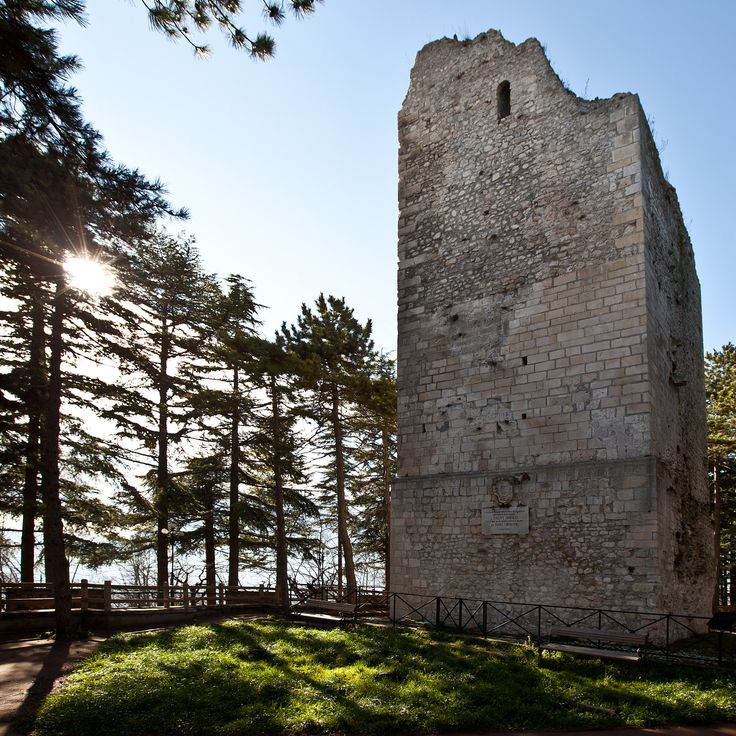
Rocca Calascio stands on a mountain peak in the Abruzzo region, a fortress now in ruins that has shaped the landscape for centuries. From this height, you can see across the Apennine Mountains and down to the plain below. The fortress was built in the Middle Ages and for many decades watched over the mountain life in this area. Today, hikers reach the ruins by following a path through the mountains and encounter a piece of Italian history along the way.
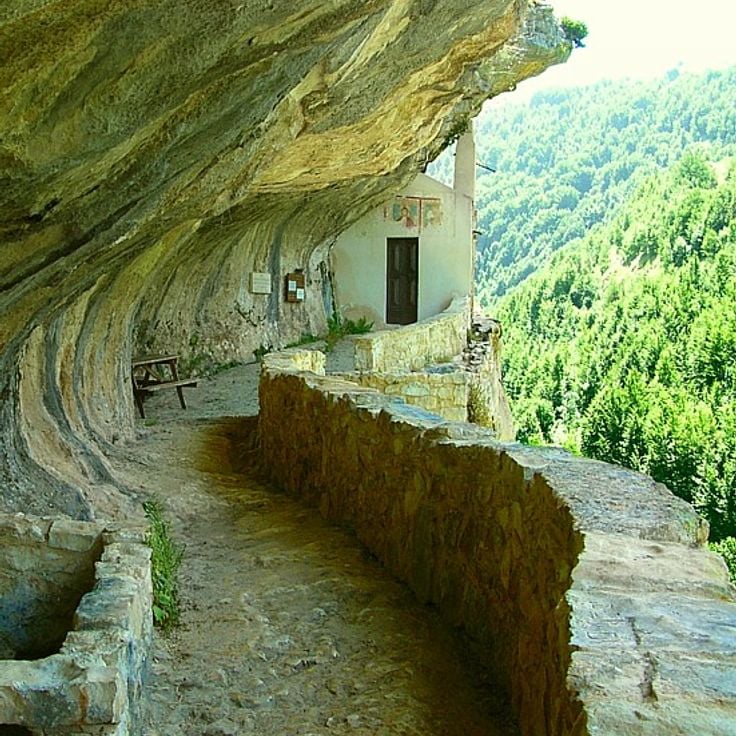
The Eremo di Santo Spirito a Majella is an ancient hermitage carved into the rocky slopes of Mount Majella. This medieval retreat served as a shelter for monks and pilgrims seeking refuge in the mountain wilderness. Simple stone chambers and chapels show how people once lived far from settlements, surrounded only by cliffs and forest. The site sits high and isolated, offering visitors a glimpse of how austere and remote this spiritual refuge truly was.
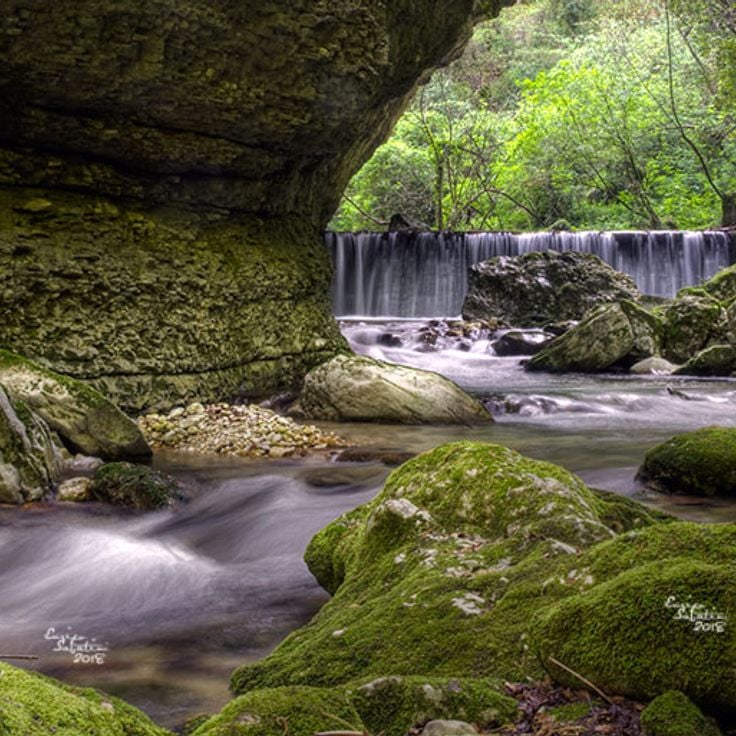
The Valle dell'Orfento is a valley with limestone gorges where a stream flows. Walking paths wind through rocky landscapes, and the water cuts through steep stone walls. This place sits in the Abruzzes, a region where mountains and water shape the land.
Navelli sits on a high plateau in the Abruzzes and has been known for saffron cultivation for centuries. The old village with its narrow streets and stone houses still shows traces of this long tradition. Saffron fields surround the village and shape the landscape. In the center stands the church and old stone houses built close together. The village is reached by narrow roads that wind through the plateau. People here have passed down their craft through generations. Saffron is still grown and harvested using traditional methods.
The Camosciara in Pescasseroli is a valley within the Abruzzo National Park that draws hikers and nature lovers. Streams flow through thick forests, and waterfalls cascade down rocky walls. Many hiking trails begin from this location and lead deeper into the mountains. The valley reveals the raw character of the Apennines with their stone slopes and wild terrain.
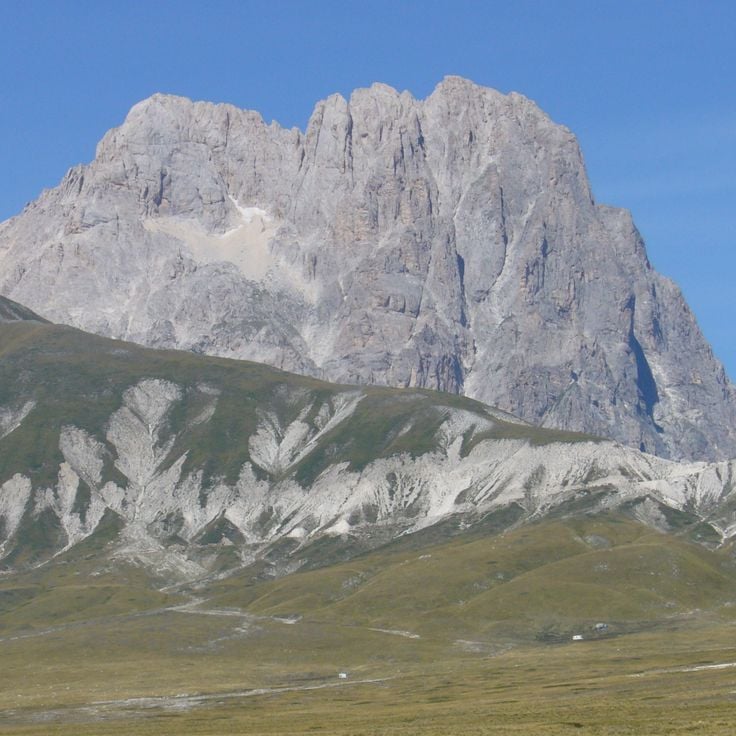
Gran Sasso and Monti della Laga National Park protects one of the most important mountain landscapes in the central Italian Apennines. Here, hikers and nature enthusiasts find high-altitude trails that wind through ridges, gorges, and alpine meadows. The park safeguards a terrain shaped by rock and vegetation, where eagles soar and rare plants thrive. It connects people with the raw character of the mountain environment and offers a refuge far from everyday life.
Corno Grande is the highest peak of the Apennines and shapes the landscape of the Abruzzes. From the Campo Imperatore plateau, hikers can climb this mountain and experience the diverse character of this central Italian region. The ascent passes through mountain terrain that shifts between snow-covered ridges and Mediterranean valleys. From the summit, the view extends across the entire region, from the Apennines to the Adriatic Sea.
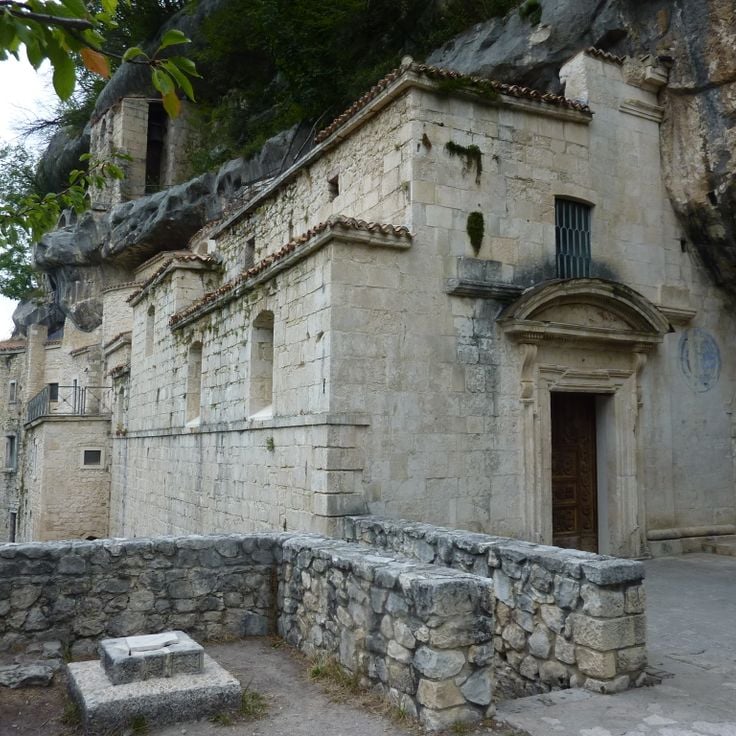
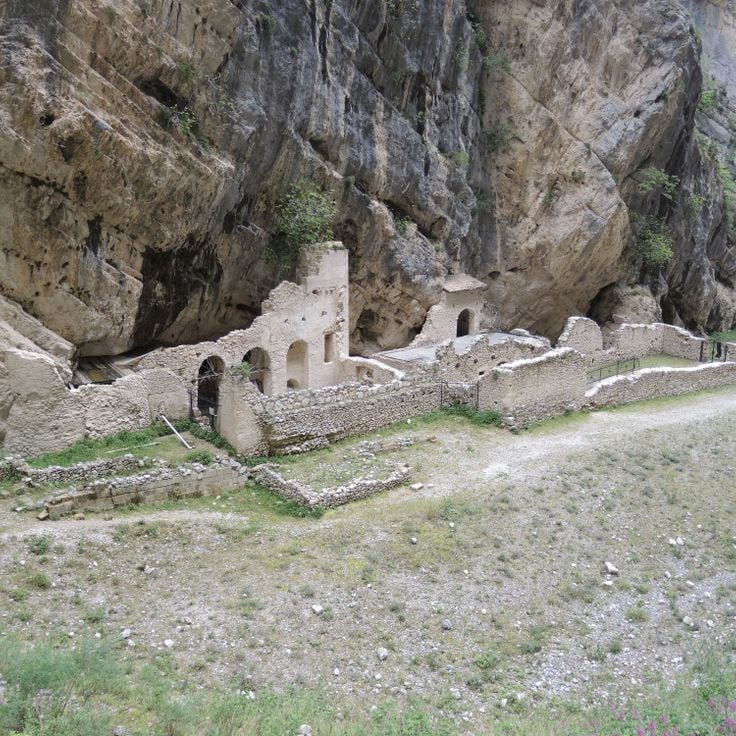
The Eremo di San Bartolomeo in Legio is a rock-cut hermitage carved into the stone in the Abruzzes, an ancient place of spiritual retreat. This sanctuary shows how people in this region sought refuge in nature by creating spaces directly from the limestone. The site sits within the mountain landscape and tells of a spiritual life deeply connected to the surroundings. The cave provides insight into the lives of hermits who withdrew here to spend their time in silence and prayer.
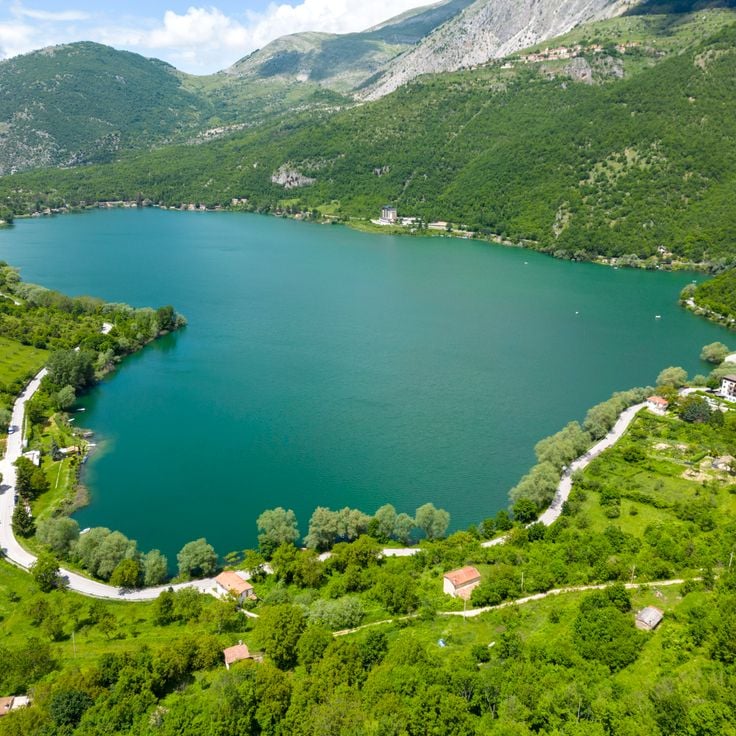
Lago di Scanno is a mountain lake located near the village of Scanno in the Abruzzes. Steep peaks surround the water, creating a dramatic setting in the heart of the hills. The lake offers swimming and hiking opportunities for visitors exploring the region. The surrounding area provides trails for different skill levels and rest spots along the shore.
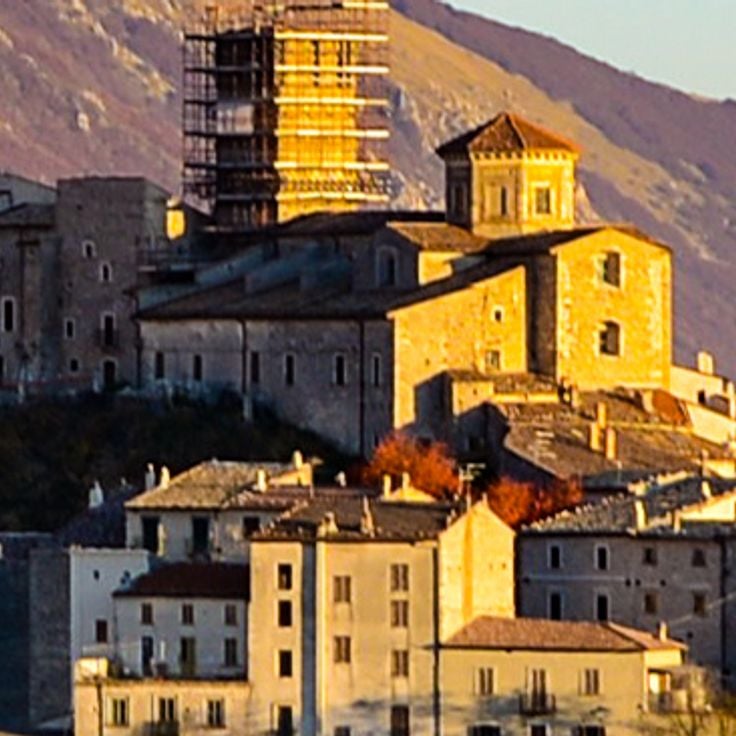
Castel del Monte is a fortified village perched in the heights of the Abruzzes, reflecting the medieval architecture that characterizes this region of central Italy. The settlement features the typical style of mountain villages, with stone houses built close together for protection. The fortification structures and well-preserved buildings offer visitors a chance to understand how people lived in these elevated areas during earlier times. From this location, you can see across the surrounding Abruzzese landscape.
The Costa dei Trabocchi stretches along the Adriatic coast of the Abruzzes, showcasing a deep-rooted coastal fishing tradition. This coastline is defined by the trabocchi, distinctive wooden structures on stilts that have served as fishing platforms for centuries. These constructions rise directly from the water and represent an ancient craft technique still visible in many places along the shore. Sandy beaches alternate with rocky coves as the Adriatic waters shape the coastline. The landscape is marked by these traditional fishing structures, which reflect the lives of coastal communities across generations.
Pescasseroli is a mountain village that serves as the gateway to the national park, with a visitor center. The village is located within the Apennines and offers hikers and nature lovers access to the park's trails, where forests, mountain meadows, and wildlife can be explored. The village itself retains the character of a traditional mountain town, with narrow streets and stone houses. Nearby you will find springs, small lakes, and viewpoints that offer views over the surrounding mountains.
Lake Barrea is a mountain lake set within Gran Sasso and Monti della Laga National Park in the Abruzzi region. It sits surrounded by forests and mountains, offering hikers and nature lovers multiple ways to explore the surroundings. The lake is framed by thick woodland that mirrors on its surface, while the surrounding peaks create a tranquil setting. Clear water reflects the surrounding landscape, and various trails encircle the lake, winding through beech forests and across mountain meadows. In spring and summer, the shorelines fill with wildflowers, and bird watchers can observe several species throughout the year.
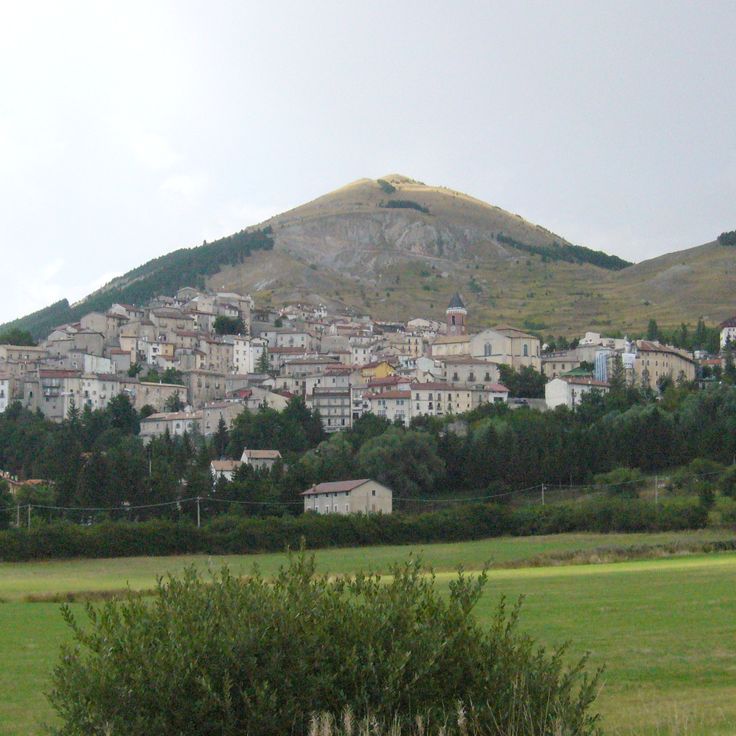
Scanno is a mountain village in the Abruzzes that sits perched on a hillside, with traditional architecture that reflects centuries of life here. The narrow streets and stone buildings show how people have always lived in these mountains. Nearby are alpine lakes surrounded by snow-capped peaks that draw hikers and visitors. The village brings together quiet mountain living with the beauty of the surrounding landscape.
Sulmona is located in the Abruzzes and was the birthplace of the Roman poet Ovid. The city is known for its handcrafted sweets called confetti, colorful sugar-coated almonds made using methods passed down through centuries. The old town contains churches and palaces from different periods that reflect the long history of this place. Sulmona sits along the Gizio River and is surrounded by mountains typical of central Italy.
San Vito Chietino is a coastal town on the Adriatic where sandy beaches meet traditional fishing platforms. The trabocchi, wooden structures built on wooden pilings, define the shoreline and tell the story of generations of fishing in the region. This place brings together seaside living with the character of the Abruzzes, where nature and human craft have existed side by side for centuries.
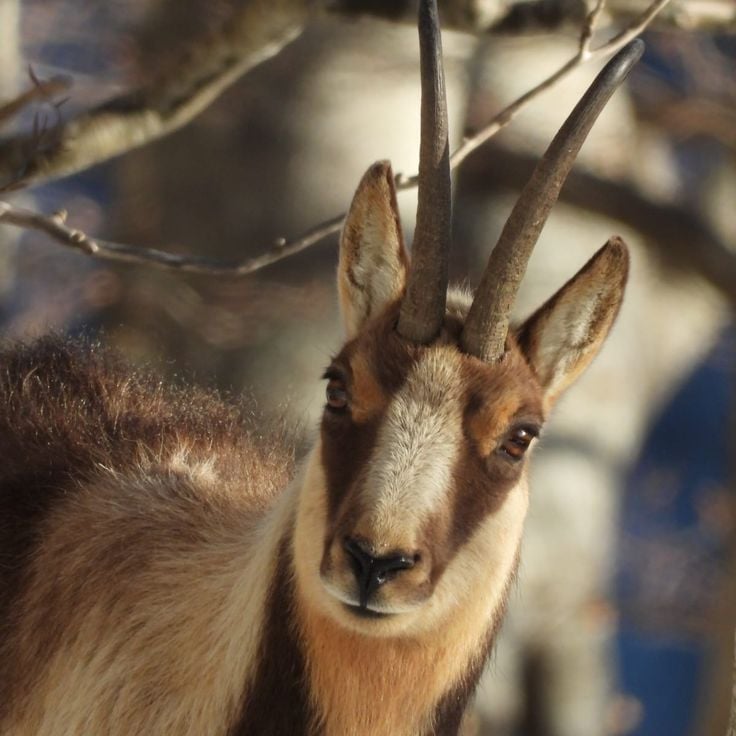
The National Park of the Abruzzes is one of Italy's oldest protected areas, spreading across forests, lakes and mountain landscapes near Pescasseroli. Wildlife roams freely in its natural habitat, including wolves, bears and deer. The park features trails through thick forests and past clear lakes surrounded by Apennine peaks. Visitors can explore the region on foot and experience the untouched nature of the Abruzzes.
Introdacqua is a mountain village in the Abruzzes with a medieval old town center and walking trails nearby. This village stands in a region that stretches from the Apennine peaks to the Adriatic Sea, offering landscapes that shift from high mountains to sandy beaches within tens of kilometers. Around Introdacqua, paths lead through nature, and the village itself displays the history of this Italian region with its stone buildings and ancient layout.
Guardiagrele is a mountain village in the Abruzzes known for its traditional craftsmanship. The streets of this village are lined with stone buildings, their facades carefully maintained by local artisans. The village sits in a region that stretches from the peaks of the Apennines to the Adriatic Sea. Here visitors can experience how mountain communities have lived for centuries, with handicrafts remaining central to daily life.
Pescocostanzo is a mountain village in the Abruzzes that sits high on a slope with traditional stone buildings and narrow streets. The village is known for lacemaking, a craft that local women have practiced for centuries. Artisans still create delicate lacework that is sold to visitors. The church and town squares reflect the medieval past of the area. Around the village, mountains and forests create a quiet setting for walking. Life here moves at the pace of the mountains and follows the traditions of craftspeople and residents who have lived here for generations.
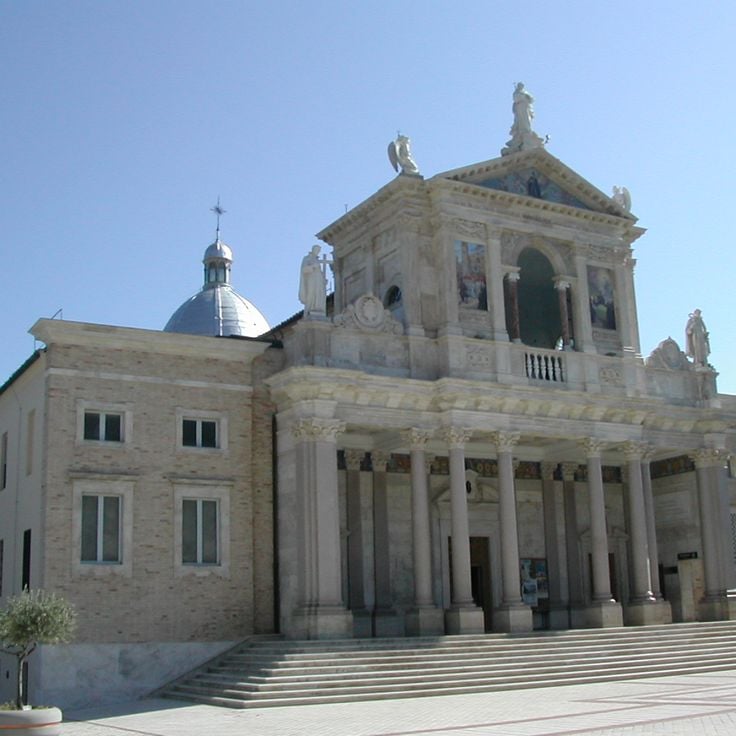
The Santuario di San Gabriele dell'Addolorata stands as a significant pilgrimage site in the Abruzzes region. This religious sanctuary draws visitors from across the area who come to pray and find spiritual connection. Located in the mountains, the shrine reflects the deep religious traditions of central Italy and serves as a meeting point for faith and history. People visit to seek solace and express their devotion in this place of worship.
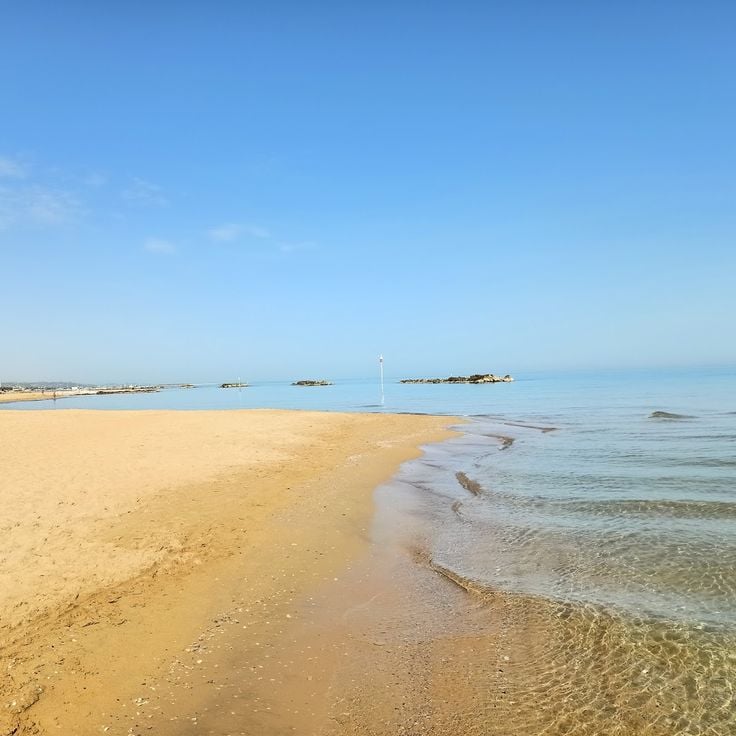
Francavilla al Mare is a coastal resort town on the Adriatic coast of Abruzzes. The town attracts visitors with sandy beaches and a lively seaside atmosphere, especially during summer months. Swimmers and families gather here to sunbathe and enjoy the sea. The seafront is lined with restaurants and bars where visitors can taste local food. The town combines beach leisure with proximity to the region's mountains, offering holiday makers a relaxed stay.
Castel di Sangro is a mountain town set in a valley of the Apennines with a historical center built of traditional stone. The town captures what life is like in the Abruzzes mountain region, where old buildings and narrow streets speak to centuries of history. From here you look out at surrounding peaks that shape the valley. The town serves as a good base to explore the nature of the Abruzzes and the hiking trails found throughout the region.
Ortona is a coastal town shaped by its maritime past and Aragonese castle that overlooks the harbor. The old town spreads down toward the sea with narrow streets that lead to the waterfront. The port has been central to this place for centuries and remains busy with fishing boats and commercial vessels. Visitors can explore the castle, walk along the seafront promenade, and experience daily life in a working harbor town where history and modern activity meet.
The Abbaye de San Martino in Valle sits within the Abruzzes region, surrounded by striking limestone gorges with steep rock faces. A river flows through the valley, making this place a favorite destination for hikers. The abbey itself represents an important part of the region's religious heritage, while the landscape around it features dramatic natural rock formations. Here, history and nature come together seamlessly.
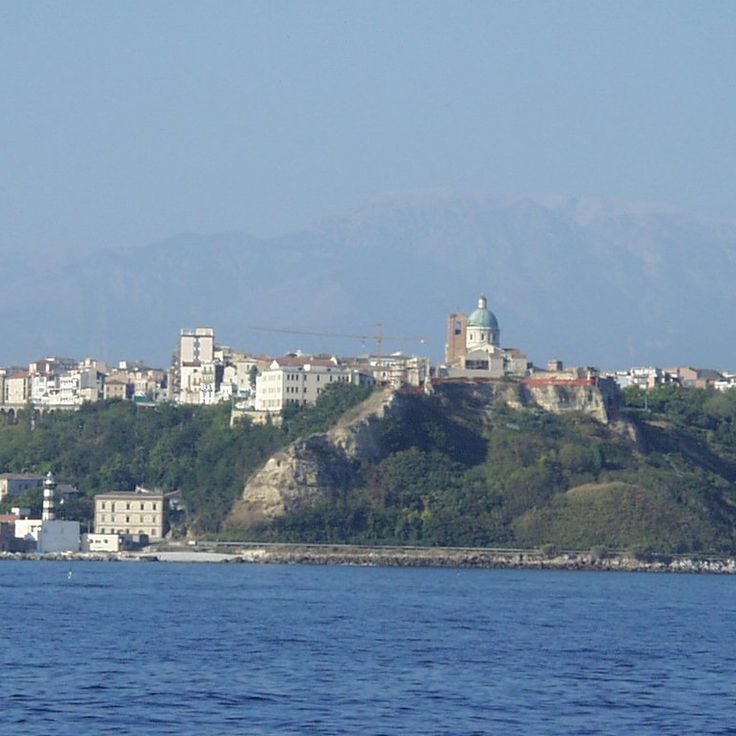
Vasto is a coastal city where the medieval old town stands on cliffs above the Adriatic Sea. From its viewpoints, you can see across the water as far as the horizon. Inside the town, narrow streets wind between ancient stone buildings and small squares. The city shows how people have lived here for centuries, mixing daily life with sea trade and history. Walking through Vasto gives you a sense of how the Abruzzes region connects the mountains with the coast.
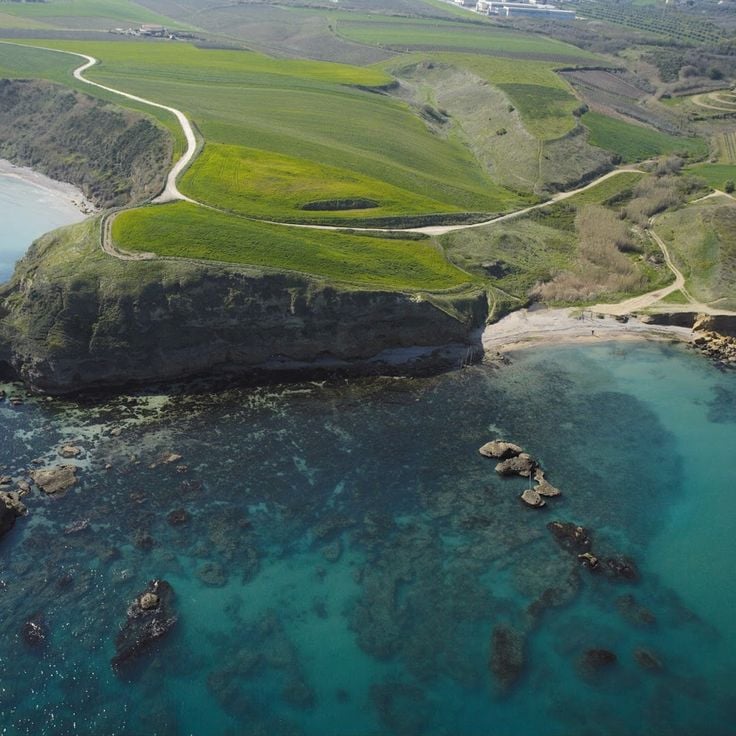
Punta Aderci is a protected coastal nature reserve near Vasto where sandy beaches meet tall cliffs and rare plants grow. This stretch of Adriatic coastline shows the wild side of the region, shaped by wind and waves with little human development. Visitors walk between sandy shores and rocky outcrops, far from busy resorts.
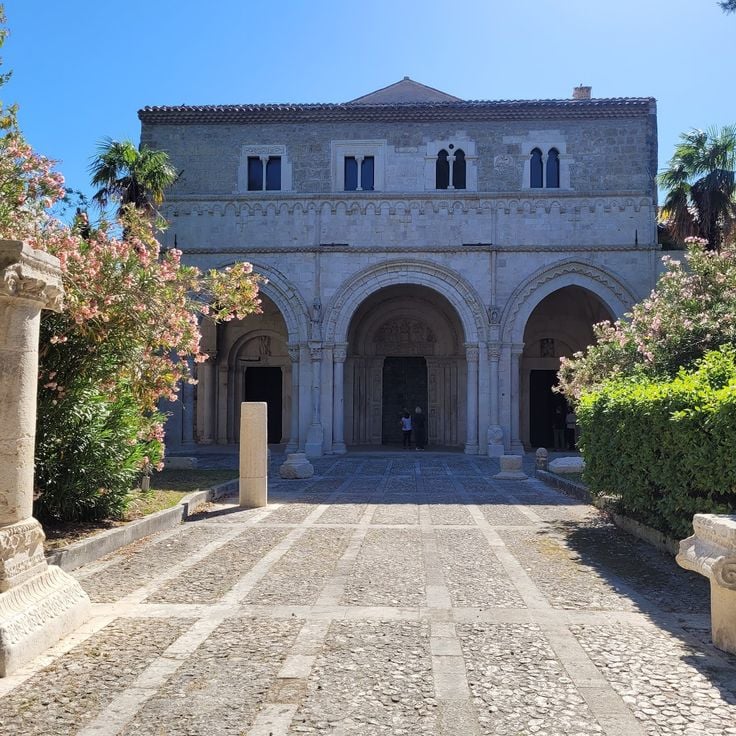
The Abbey of San Clemente a Casauria is a medieval monastery in Abruzzo with a Romanesque church that tells the story of the region's religious past. The building reflects architectural changes from the early Middle Ages through the Renaissance and sits in a landscape that shifts between mountain slopes and coastal plains.
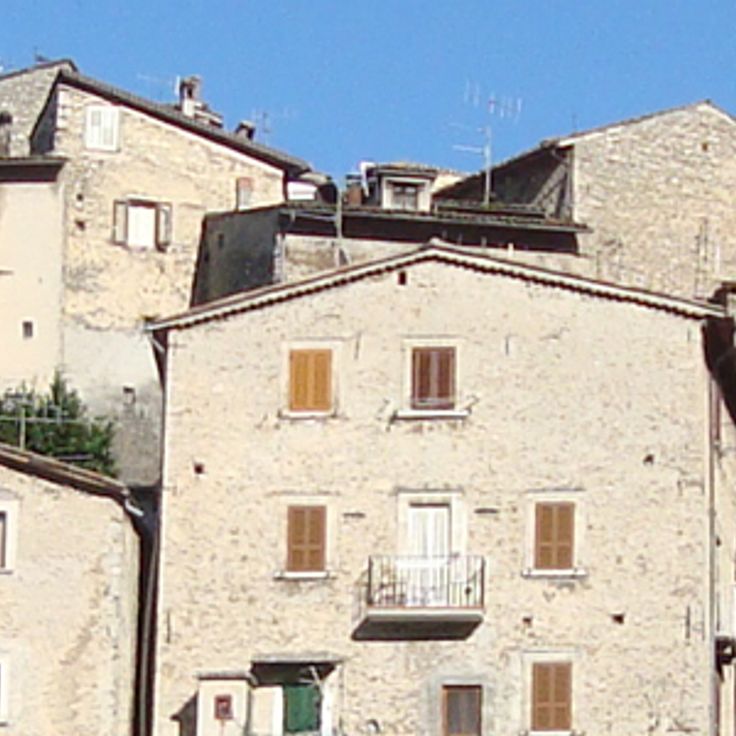
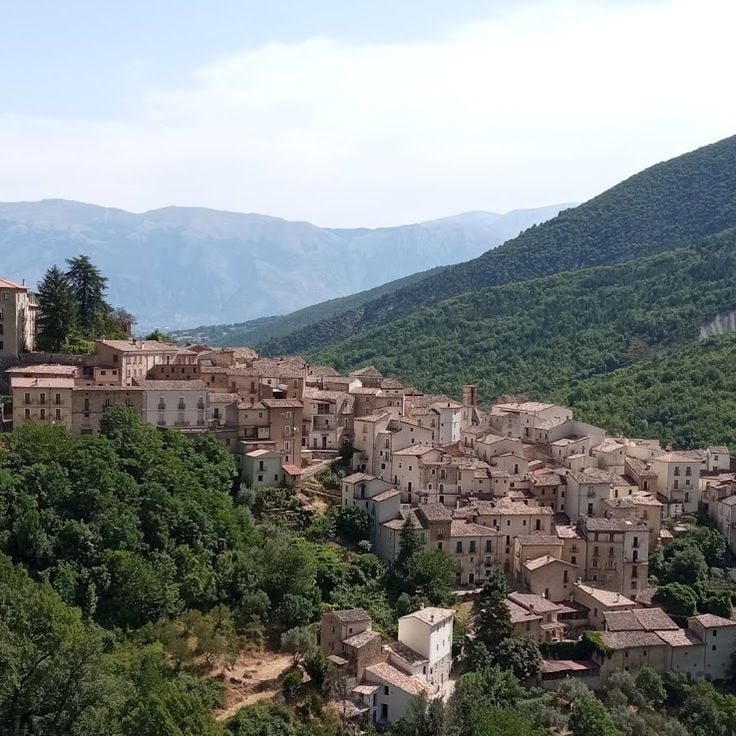
Anversa degli Abruzzi sits in the Abruzzes mountains as a medieval mountain village. The village has kept its original character, with narrow streets and stone houses clinging to the slope. The architecture reflects the traditions of the region, featuring simple facades and basic window openings. The village blends into the landscape, nestled between hillsides with views of the surrounding mountains. For hikers, Anversa degli Abruzzi serves as a starting point to explore the trails in the Apennines.
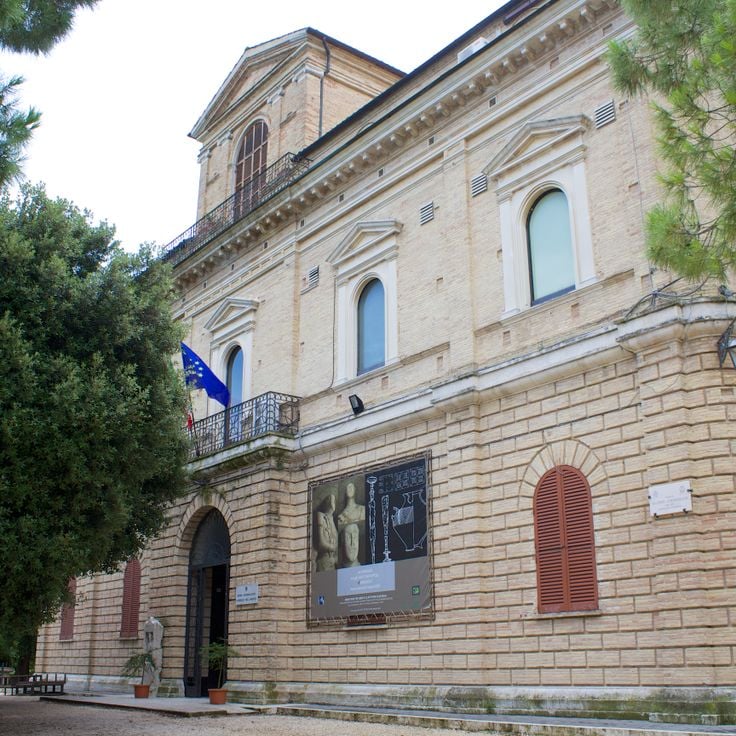
The Museo Archeologico Nazionale d'Abruzzo in Chieti displays objects from different periods of human history. The collections span from prehistoric times to ancient Rome and show how people lived in the region long ago. Visitors can see pottery, tools, sculptures, and other artifacts that tell the story of the Abruzzi's past.
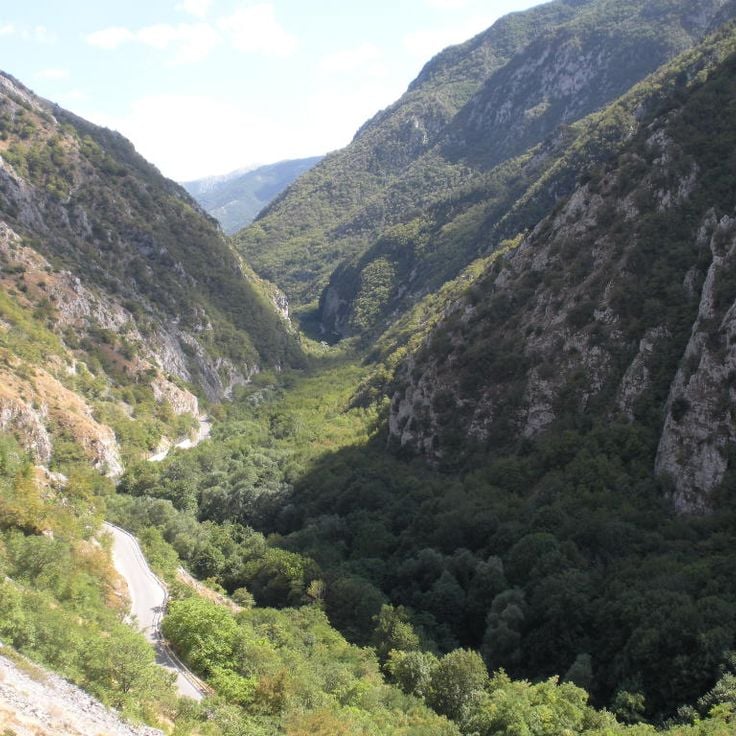
The Riserva Naturale delle Gole del Sagittario is a nature reserve in the Abruzzes that features dramatic gorges carved through limestone. The Sagittario River flows through the canyon, creating a path through towering stone walls. Walking trails wind through the reserve, offering views of the geological formations and opportunities to observe the local wildlife. This reserve represents the geological diversity that characterizes the mountain regions between the Apennines and the coast.
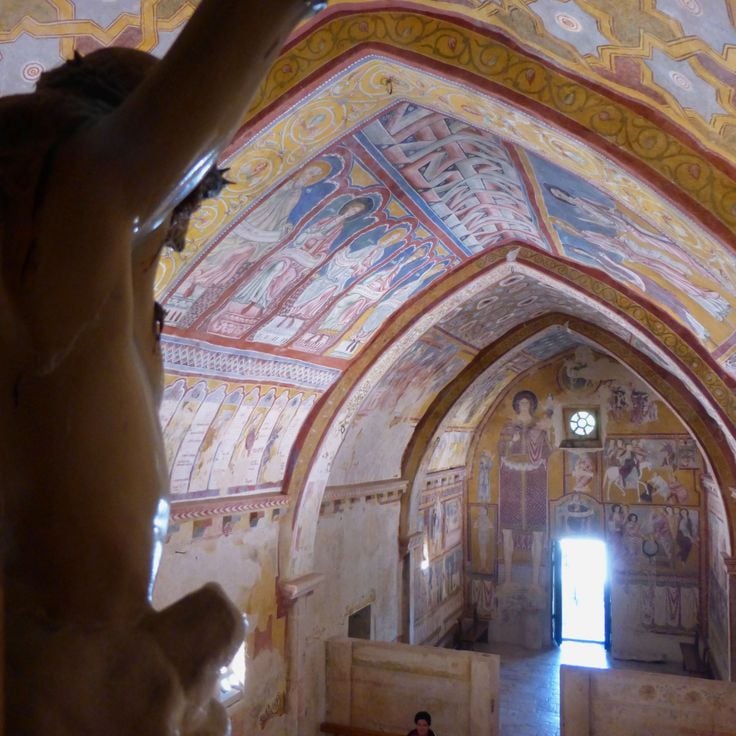
The Oratorio di San Pellegrino in Bominaco is a small medieval chapel decorated with ancient frescoes on its walls. This religious building sits in the mountains of Abruzzo, part of a region where history and nature meet at every turn. The painted walls tell the story of pilgrims and believers who once gathered in this sacred space. Visitors today can see the artwork that has survived for centuries.
The Abbazia di San Giovanni in Venere in Fossacesia sits on the coast where medieval history meets the sea. Built with Romanesque features, this abbey shows how people in the Middle Ages constructed places for worship and prayer. From its location in the Abruzzes, you can see across the water to the Adriatic horizon. The stone walls carry the marks of time and faith.
Pacentro sits on a hillside in the Abruzzes as a medieval village with old towers and stone houses that have stood for centuries. Walking through the narrow streets, you see the traces of its past in every corner - the walls, the windows, the way buildings connect to one another. The village sits high up, giving views toward the surrounding mountains and valleys. Life here moves at the pace of the seasons and the rhythms of mountain living.
The Fontana delle 99 Cannelle is a public fountain in L'Aquila featuring 99 water jets that has served as a symbol of the city since the 16th century. This fountain reflects the medieval heritage of the region and stands at the heart of urban life. Water flows from numerous openings, creating a soothing display amid historic architecture. The fountain connects the past with the daily life of residents today.
Campo Imperatore is a high mountain plateau situated at over 6500 feet (2000 meters) at the foot of Gran Sasso. Its gentle slopes are covered with wild grasses and flowering plants that stretch across an open landscape. Hikers use this location as a starting point for treks through the Apennines. In winter, the plateau transforms into a popular ski area. The openness and stillness of this high altitude create a striking contrast to the tight-knit villages nestled in the valleys below.
Lago di Campotosto is a mountain lake surrounded by rocky peaks and green slopes in the Apennines. The water reflects the surrounding mountains. The lake sits in a quiet area, far from cities. Hikers come here to explore nature and enjoy the silence. In winter, the mountains can be snow-covered. The lake is an important place in the region and shows the variety of the Abruzzes between high mountains and water.
The Basilica di Santa Maria di Collemaggio in L'Aquila is a medieval church with a facade of white and pink stone. It shows how people in this region built their religious structures and is considered one of the important works of church architecture in the Abruzzes. The geometric patterns made from colored stone shape the appearance of the square in front of the basilica.
The Forte Spagnolo in L'Aquila is a 16th-century fortress that now houses the National Museum of Abruzzo. Its rooms contain important collections of religious art and archaeological finds that illustrate the region's history from ancient times to the modern era. The museum preserves works by locally significant artists and objects from various periods that document the cultural heritage of Abruzzo.
The Majella National Park is a mountain area in the Abruzzes with white limestone peaks and deep ravines. Hikers find numerous trails that wind through the landscape, passing ancient hermitages carved into the rock. The terrain shifts between steep cliffs and green slopes. Wildlife and rare plants thrive in this setting. The white stone dominates the views at every turn. Here visitors encounter nature in its raw form.
Santo Stefano di Sessanio is a village situated high in the Abruzzes mountains, where stone houses cluster together on the slopes. The narrow streets and old walls tell the story of a place that has remained largely unchanged through the centuries. This village is part of the mountain landscape where the Abruzzes reveal their historical character, surrounded by the peaks of the Apennines.
The historic center of L'Aquila forms the heart of this city in the Abruzzes. Medieval streets and squares reveal the region's rich past. The Basilica of Santa Maria di Collemaggio and the Fountain of 99 Cannelles stand as witnesses to this history. Walking through the narrow streets, you discover old stone buildings and small squares where the city's daily life unfolds.
Rocca Calascio stands on a mountain peak in the Abruzzo region, a fortress now in ruins that has shaped the landscape for centuries. From this height, you can see across the Apennine Mountains and down to the plain below. The fortress was built in the Middle Ages and for many decades watched over the mountain life in this area. Today, hikers reach the ruins by following a path through the mountains and encounter a piece of Italian history along the way.
The Eremo di Santo Spirito a Majella is an ancient hermitage carved into the rocky slopes of Mount Majella. This medieval retreat served as a shelter for monks and pilgrims seeking refuge in the mountain wilderness. Simple stone chambers and chapels show how people once lived far from settlements, surrounded only by cliffs and forest. The site sits high and isolated, offering visitors a glimpse of how austere and remote this spiritual refuge truly was.
The Valle dell'Orfento is a valley with limestone gorges where a stream flows. Walking paths wind through rocky landscapes, and the water cuts through steep stone walls. This place sits in the Abruzzes, a region where mountains and water shape the land.
Navelli sits on a high plateau in the Abruzzes and has been known for saffron cultivation for centuries. The old village with its narrow streets and stone houses still shows traces of this long tradition. Saffron fields surround the village and shape the landscape. In the center stands the church and old stone houses built close together. The village is reached by narrow roads that wind through the plateau. People here have passed down their craft through generations. Saffron is still grown and harvested using traditional methods.
The Camosciara in Pescasseroli is a valley within the Abruzzo National Park that draws hikers and nature lovers. Streams flow through thick forests, and waterfalls cascade down rocky walls. Many hiking trails begin from this location and lead deeper into the mountains. The valley reveals the raw character of the Apennines with their stone slopes and wild terrain.
Gran Sasso and Monti della Laga National Park protects one of the most important mountain landscapes in the central Italian Apennines. Here, hikers and nature enthusiasts find high-altitude trails that wind through ridges, gorges, and alpine meadows. The park safeguards a terrain shaped by rock and vegetation, where eagles soar and rare plants thrive. It connects people with the raw character of the mountain environment and offers a refuge far from everyday life.
Corno Grande is the highest peak of the Apennines and shapes the landscape of the Abruzzes. From the Campo Imperatore plateau, hikers can climb this mountain and experience the diverse character of this central Italian region. The ascent passes through mountain terrain that shifts between snow-covered ridges and Mediterranean valleys. From the summit, the view extends across the entire region, from the Apennines to the Adriatic Sea.
The Eremo di San Bartolomeo in Legio is a rock-cut hermitage carved into the stone in the Abruzzes, an ancient place of spiritual retreat. This sanctuary shows how people in this region sought refuge in nature by creating spaces directly from the limestone. The site sits within the mountain landscape and tells of a spiritual life deeply connected to the surroundings. The cave provides insight into the lives of hermits who withdrew here to spend their time in silence and prayer.
Lago di Scanno is a mountain lake located near the village of Scanno in the Abruzzes. Steep peaks surround the water, creating a dramatic setting in the heart of the hills. The lake offers swimming and hiking opportunities for visitors exploring the region. The surrounding area provides trails for different skill levels and rest spots along the shore.
Castel del Monte is a fortified village perched in the heights of the Abruzzes, reflecting the medieval architecture that characterizes this region of central Italy. The settlement features the typical style of mountain villages, with stone houses built close together for protection. The fortification structures and well-preserved buildings offer visitors a chance to understand how people lived in these elevated areas during earlier times. From this location, you can see across the surrounding Abruzzese landscape.
The Costa dei Trabocchi stretches along the Adriatic coast of the Abruzzes, showcasing a deep-rooted coastal fishing tradition. This coastline is defined by the trabocchi, distinctive wooden structures on stilts that have served as fishing platforms for centuries. These constructions rise directly from the water and represent an ancient craft technique still visible in many places along the shore. Sandy beaches alternate with rocky coves as the Adriatic waters shape the coastline. The landscape is marked by these traditional fishing structures, which reflect the lives of coastal communities across generations.
Pescasseroli is a mountain village that serves as the gateway to the national park, with a visitor center. The village is located within the Apennines and offers hikers and nature lovers access to the park's trails, where forests, mountain meadows, and wildlife can be explored. The village itself retains the character of a traditional mountain town, with narrow streets and stone houses. Nearby you will find springs, small lakes, and viewpoints that offer views over the surrounding mountains.
Lake Barrea is a mountain lake set within Gran Sasso and Monti della Laga National Park in the Abruzzi region. It sits surrounded by forests and mountains, offering hikers and nature lovers multiple ways to explore the surroundings. The lake is framed by thick woodland that mirrors on its surface, while the surrounding peaks create a tranquil setting. Clear water reflects the surrounding landscape, and various trails encircle the lake, winding through beech forests and across mountain meadows. In spring and summer, the shorelines fill with wildflowers, and bird watchers can observe several species throughout the year.
Scanno is a mountain village in the Abruzzes that sits perched on a hillside, with traditional architecture that reflects centuries of life here. The narrow streets and stone buildings show how people have always lived in these mountains. Nearby are alpine lakes surrounded by snow-capped peaks that draw hikers and visitors. The village brings together quiet mountain living with the beauty of the surrounding landscape.
Sulmona is located in the Abruzzes and was the birthplace of the Roman poet Ovid. The city is known for its handcrafted sweets called confetti, colorful sugar-coated almonds made using methods passed down through centuries. The old town contains churches and palaces from different periods that reflect the long history of this place. Sulmona sits along the Gizio River and is surrounded by mountains typical of central Italy.
San Vito Chietino is a coastal town on the Adriatic where sandy beaches meet traditional fishing platforms. The trabocchi, wooden structures built on wooden pilings, define the shoreline and tell the story of generations of fishing in the region. This place brings together seaside living with the character of the Abruzzes, where nature and human craft have existed side by side for centuries.
The National Park of the Abruzzes is one of Italy's oldest protected areas, spreading across forests, lakes and mountain landscapes near Pescasseroli. Wildlife roams freely in its natural habitat, including wolves, bears and deer. The park features trails through thick forests and past clear lakes surrounded by Apennine peaks. Visitors can explore the region on foot and experience the untouched nature of the Abruzzes.
Introdacqua is a mountain village in the Abruzzes with a medieval old town center and walking trails nearby. This village stands in a region that stretches from the Apennine peaks to the Adriatic Sea, offering landscapes that shift from high mountains to sandy beaches within tens of kilometers. Around Introdacqua, paths lead through nature, and the village itself displays the history of this Italian region with its stone buildings and ancient layout.
Guardiagrele is a mountain village in the Abruzzes known for its traditional craftsmanship. The streets of this village are lined with stone buildings, their facades carefully maintained by local artisans. The village sits in a region that stretches from the peaks of the Apennines to the Adriatic Sea. Here visitors can experience how mountain communities have lived for centuries, with handicrafts remaining central to daily life.
Pescocostanzo is a mountain village in the Abruzzes that sits high on a slope with traditional stone buildings and narrow streets. The village is known for lacemaking, a craft that local women have practiced for centuries. Artisans still create delicate lacework that is sold to visitors. The church and town squares reflect the medieval past of the area. Around the village, mountains and forests create a quiet setting for walking. Life here moves at the pace of the mountains and follows the traditions of craftspeople and residents who have lived here for generations.
The Santuario di San Gabriele dell'Addolorata stands as a significant pilgrimage site in the Abruzzes region. This religious sanctuary draws visitors from across the area who come to pray and find spiritual connection. Located in the mountains, the shrine reflects the deep religious traditions of central Italy and serves as a meeting point for faith and history. People visit to seek solace and express their devotion in this place of worship.
Francavilla al Mare is a coastal resort town on the Adriatic coast of Abruzzes. The town attracts visitors with sandy beaches and a lively seaside atmosphere, especially during summer months. Swimmers and families gather here to sunbathe and enjoy the sea. The seafront is lined with restaurants and bars where visitors can taste local food. The town combines beach leisure with proximity to the region's mountains, offering holiday makers a relaxed stay.
Castel di Sangro is a mountain town set in a valley of the Apennines with a historical center built of traditional stone. The town captures what life is like in the Abruzzes mountain region, where old buildings and narrow streets speak to centuries of history. From here you look out at surrounding peaks that shape the valley. The town serves as a good base to explore the nature of the Abruzzes and the hiking trails found throughout the region.
Ortona is a coastal town shaped by its maritime past and Aragonese castle that overlooks the harbor. The old town spreads down toward the sea with narrow streets that lead to the waterfront. The port has been central to this place for centuries and remains busy with fishing boats and commercial vessels. Visitors can explore the castle, walk along the seafront promenade, and experience daily life in a working harbor town where history and modern activity meet.
The Abbaye de San Martino in Valle sits within the Abruzzes region, surrounded by striking limestone gorges with steep rock faces. A river flows through the valley, making this place a favorite destination for hikers. The abbey itself represents an important part of the region's religious heritage, while the landscape around it features dramatic natural rock formations. Here, history and nature come together seamlessly.
Vasto is a coastal city where the medieval old town stands on cliffs above the Adriatic Sea. From its viewpoints, you can see across the water as far as the horizon. Inside the town, narrow streets wind between ancient stone buildings and small squares. The city shows how people have lived here for centuries, mixing daily life with sea trade and history. Walking through Vasto gives you a sense of how the Abruzzes region connects the mountains with the coast.
Punta Aderci is a protected coastal nature reserve near Vasto where sandy beaches meet tall cliffs and rare plants grow. This stretch of Adriatic coastline shows the wild side of the region, shaped by wind and waves with little human development. Visitors walk between sandy shores and rocky outcrops, far from busy resorts.
The Abbey of San Clemente a Casauria is a medieval monastery in Abruzzo with a Romanesque church that tells the story of the region's religious past. The building reflects architectural changes from the early Middle Ages through the Renaissance and sits in a landscape that shifts between mountain slopes and coastal plains.
Anversa degli Abruzzi sits in the Abruzzes mountains as a medieval mountain village. The village has kept its original character, with narrow streets and stone houses clinging to the slope. The architecture reflects the traditions of the region, featuring simple facades and basic window openings. The village blends into the landscape, nestled between hillsides with views of the surrounding mountains. For hikers, Anversa degli Abruzzi serves as a starting point to explore the trails in the Apennines.
The Museo Archeologico Nazionale d'Abruzzo in Chieti displays objects from different periods of human history. The collections span from prehistoric times to ancient Rome and show how people lived in the region long ago. Visitors can see pottery, tools, sculptures, and other artifacts that tell the story of the Abruzzi's past.
The Riserva Naturale delle Gole del Sagittario is a nature reserve in the Abruzzes that features dramatic gorges carved through limestone. The Sagittario River flows through the canyon, creating a path through towering stone walls. Walking trails wind through the reserve, offering views of the geological formations and opportunities to observe the local wildlife. This reserve represents the geological diversity that characterizes the mountain regions between the Apennines and the coast.
The Oratorio di San Pellegrino in Bominaco is a small medieval chapel decorated with ancient frescoes on its walls. This religious building sits in the mountains of Abruzzo, part of a region where history and nature meet at every turn. The painted walls tell the story of pilgrims and believers who once gathered in this sacred space. Visitors today can see the artwork that has survived for centuries.
The Abbazia di San Giovanni in Venere in Fossacesia sits on the coast where medieval history meets the sea. Built with Romanesque features, this abbey shows how people in the Middle Ages constructed places for worship and prayer. From its location in the Abruzzes, you can see across the water to the Adriatic horizon. The stone walls carry the marks of time and faith.
Pacentro sits on a hillside in the Abruzzes as a medieval village with old towers and stone houses that have stood for centuries. Walking through the narrow streets, you see the traces of its past in every corner - the walls, the windows, the way buildings connect to one another. The village sits high up, giving views toward the surrounding mountains and valleys. Life here moves at the pace of the seasons and the rhythms of mountain living.
The Fontana delle 99 Cannelle is a public fountain in L'Aquila featuring 99 water jets that has served as a symbol of the city since the 16th century. This fountain reflects the medieval heritage of the region and stands at the heart of urban life. Water flows from numerous openings, creating a soothing display amid historic architecture. The fountain connects the past with the daily life of residents today.
Campo Imperatore is a high mountain plateau situated at over 6500 feet (2000 meters) at the foot of Gran Sasso. Its gentle slopes are covered with wild grasses and flowering plants that stretch across an open landscape. Hikers use this location as a starting point for treks through the Apennines. In winter, the plateau transforms into a popular ski area. The openness and stillness of this high altitude create a striking contrast to the tight-knit villages nestled in the valleys below.
Lago di Campotosto is a mountain lake surrounded by rocky peaks and green slopes in the Apennines. The water reflects the surrounding mountains. The lake sits in a quiet area, far from cities. Hikers come here to explore nature and enjoy the silence. In winter, the mountains can be snow-covered. The lake is an important place in the region and shows the variety of the Abruzzes between high mountains and water.
The Basilica di Santa Maria di Collemaggio in L'Aquila is a medieval church with a facade of white and pink stone. It shows how people in this region built their religious structures and is considered one of the important works of church architecture in the Abruzzes. The geometric patterns made from colored stone shape the appearance of the square in front of the basilica.
The Forte Spagnolo in L'Aquila is a 16th-century fortress that now houses the National Museum of Abruzzo. Its rooms contain important collections of religious art and archaeological finds that illustrate the region's history from ancient times to the modern era. The museum preserves works by locally significant artists and objects from various periods that document the cultural heritage of Abruzzo.
The Majella National Park is a mountain area in the Abruzzes with white limestone peaks and deep ravines. Hikers find numerous trails that wind through the landscape, passing ancient hermitages carved into the rock. The terrain shifts between steep cliffs and green slopes. Wildlife and rare plants thrive in this setting. The white stone dominates the views at every turn. Here visitors encounter nature in its raw form.
Santo Stefano di Sessanio is a village situated high in the Abruzzes mountains, where stone houses cluster together on the slopes. The narrow streets and old walls tell the story of a place that has remained largely unchanged through the centuries. This village is part of the mountain landscape where the Abruzzes reveal their historical character, surrounded by the peaks of the Apennines.
The historic center of L'Aquila forms the heart of this city in the Abruzzes. Medieval streets and squares reveal the region's rich past. The Basilica of Santa Maria di Collemaggio and the Fountain of 99 Cannelles stand as witnesses to this history. Walking through the narrow streets, you discover old stone buildings and small squares where the city's daily life unfolds.
Rocca Calascio stands on a mountain peak in the Abruzzo region, a fortress now in ruins that has shaped the landscape for centuries. From this height, you can see across the Apennine Mountains and down to the plain below. The fortress was built in the Middle Ages and for many decades watched over the mountain life in this area. Today, hikers reach the ruins by following a path through the mountains and encounter a piece of Italian history along the way.
The Eremo di Santo Spirito a Majella is an ancient hermitage carved into the rocky slopes of Mount Majella. This medieval retreat served as a shelter for monks and pilgrims seeking refuge in the mountain wilderness. Simple stone chambers and chapels show how people once lived far from settlements, surrounded only by cliffs and forest. The site sits high and isolated, offering visitors a glimpse of how austere and remote this spiritual refuge truly was.
The Valle dell'Orfento is a valley with limestone gorges where a stream flows. Walking paths wind through rocky landscapes, and the water cuts through steep stone walls. This place sits in the Abruzzes, a region where mountains and water shape the land.
Navelli sits on a high plateau in the Abruzzes and has been known for saffron cultivation for centuries. The old village with its narrow streets and stone houses still shows traces of this long tradition. Saffron fields surround the village and shape the landscape. In the center stands the church and old stone houses built close together. The village is reached by narrow roads that wind through the plateau. People here have passed down their craft through generations. Saffron is still grown and harvested using traditional methods.
The Camosciara in Pescasseroli is a valley within the Abruzzo National Park that draws hikers and nature lovers. Streams flow through thick forests, and waterfalls cascade down rocky walls. Many hiking trails begin from this location and lead deeper into the mountains. The valley reveals the raw character of the Apennines with their stone slopes and wild terrain.
Gran Sasso and Monti della Laga National Park protects one of the most important mountain landscapes in the central Italian Apennines. Here, hikers and nature enthusiasts find high-altitude trails that wind through ridges, gorges, and alpine meadows. The park safeguards a terrain shaped by rock and vegetation, where eagles soar and rare plants thrive. It connects people with the raw character of the mountain environment and offers a refuge far from everyday life.
Corno Grande is the highest peak of the Apennines and shapes the landscape of the Abruzzes. From the Campo Imperatore plateau, hikers can climb this mountain and experience the diverse character of this central Italian region. The ascent passes through mountain terrain that shifts between snow-covered ridges and Mediterranean valleys. From the summit, the view extends across the entire region, from the Apennines to the Adriatic Sea.
The Eremo di San Bartolomeo in Legio is a rock-cut hermitage carved into the stone in the Abruzzes, an ancient place of spiritual retreat. This sanctuary shows how people in this region sought refuge in nature by creating spaces directly from the limestone. The site sits within the mountain landscape and tells of a spiritual life deeply connected to the surroundings. The cave provides insight into the lives of hermits who withdrew here to spend their time in silence and prayer.
Lago di Scanno is a mountain lake located near the village of Scanno in the Abruzzes. Steep peaks surround the water, creating a dramatic setting in the heart of the hills. The lake offers swimming and hiking opportunities for visitors exploring the region. The surrounding area provides trails for different skill levels and rest spots along the shore.
Castel del Monte is a fortified village perched in the heights of the Abruzzes, reflecting the medieval architecture that characterizes this region of central Italy. The settlement features the typical style of mountain villages, with stone houses built close together for protection. The fortification structures and well-preserved buildings offer visitors a chance to understand how people lived in these elevated areas during earlier times. From this location, you can see across the surrounding Abruzzese landscape.
The Costa dei Trabocchi stretches along the Adriatic coast of the Abruzzes, showcasing a deep-rooted coastal fishing tradition. This coastline is defined by the trabocchi, distinctive wooden structures on stilts that have served as fishing platforms for centuries. These constructions rise directly from the water and represent an ancient craft technique still visible in many places along the shore. Sandy beaches alternate with rocky coves as the Adriatic waters shape the coastline. The landscape is marked by these traditional fishing structures, which reflect the lives of coastal communities across generations.
Pescasseroli is a mountain village that serves as the gateway to the national park, with a visitor center. The village is located within the Apennines and offers hikers and nature lovers access to the park's trails, where forests, mountain meadows, and wildlife can be explored. The village itself retains the character of a traditional mountain town, with narrow streets and stone houses. Nearby you will find springs, small lakes, and viewpoints that offer views over the surrounding mountains.
Lake Barrea is a mountain lake set within Gran Sasso and Monti della Laga National Park in the Abruzzi region. It sits surrounded by forests and mountains, offering hikers and nature lovers multiple ways to explore the surroundings. The lake is framed by thick woodland that mirrors on its surface, while the surrounding peaks create a tranquil setting. Clear water reflects the surrounding landscape, and various trails encircle the lake, winding through beech forests and across mountain meadows. In spring and summer, the shorelines fill with wildflowers, and bird watchers can observe several species throughout the year.
Scanno is a mountain village in the Abruzzes that sits perched on a hillside, with traditional architecture that reflects centuries of life here. The narrow streets and stone buildings show how people have always lived in these mountains. Nearby are alpine lakes surrounded by snow-capped peaks that draw hikers and visitors. The village brings together quiet mountain living with the beauty of the surrounding landscape.
Sulmona is located in the Abruzzes and was the birthplace of the Roman poet Ovid. The city is known for its handcrafted sweets called confetti, colorful sugar-coated almonds made using methods passed down through centuries. The old town contains churches and palaces from different periods that reflect the long history of this place. Sulmona sits along the Gizio River and is surrounded by mountains typical of central Italy.
San Vito Chietino is a coastal town on the Adriatic where sandy beaches meet traditional fishing platforms. The trabocchi, wooden structures built on wooden pilings, define the shoreline and tell the story of generations of fishing in the region. This place brings together seaside living with the character of the Abruzzes, where nature and human craft have existed side by side for centuries.
The National Park of the Abruzzes is one of Italy's oldest protected areas, spreading across forests, lakes and mountain landscapes near Pescasseroli. Wildlife roams freely in its natural habitat, including wolves, bears and deer. The park features trails through thick forests and past clear lakes surrounded by Apennine peaks. Visitors can explore the region on foot and experience the untouched nature of the Abruzzes.
Introdacqua is a mountain village in the Abruzzes with a medieval old town center and walking trails nearby. This village stands in a region that stretches from the Apennine peaks to the Adriatic Sea, offering landscapes that shift from high mountains to sandy beaches within tens of kilometers. Around Introdacqua, paths lead through nature, and the village itself displays the history of this Italian region with its stone buildings and ancient layout.
Guardiagrele is a mountain village in the Abruzzes known for its traditional craftsmanship. The streets of this village are lined with stone buildings, their facades carefully maintained by local artisans. The village sits in a region that stretches from the peaks of the Apennines to the Adriatic Sea. Here visitors can experience how mountain communities have lived for centuries, with handicrafts remaining central to daily life.
Pescocostanzo is a mountain village in the Abruzzes that sits high on a slope with traditional stone buildings and narrow streets. The village is known for lacemaking, a craft that local women have practiced for centuries. Artisans still create delicate lacework that is sold to visitors. The church and town squares reflect the medieval past of the area. Around the village, mountains and forests create a quiet setting for walking. Life here moves at the pace of the mountains and follows the traditions of craftspeople and residents who have lived here for generations.
The Santuario di San Gabriele dell'Addolorata stands as a significant pilgrimage site in the Abruzzes region. This religious sanctuary draws visitors from across the area who come to pray and find spiritual connection. Located in the mountains, the shrine reflects the deep religious traditions of central Italy and serves as a meeting point for faith and history. People visit to seek solace and express their devotion in this place of worship.
Francavilla al Mare is a coastal resort town on the Adriatic coast of Abruzzes. The town attracts visitors with sandy beaches and a lively seaside atmosphere, especially during summer months. Swimmers and families gather here to sunbathe and enjoy the sea. The seafront is lined with restaurants and bars where visitors can taste local food. The town combines beach leisure with proximity to the region's mountains, offering holiday makers a relaxed stay.
Castel di Sangro is a mountain town set in a valley of the Apennines with a historical center built of traditional stone. The town captures what life is like in the Abruzzes mountain region, where old buildings and narrow streets speak to centuries of history. From here you look out at surrounding peaks that shape the valley. The town serves as a good base to explore the nature of the Abruzzes and the hiking trails found throughout the region.
Ortona is a coastal town shaped by its maritime past and Aragonese castle that overlooks the harbor. The old town spreads down toward the sea with narrow streets that lead to the waterfront. The port has been central to this place for centuries and remains busy with fishing boats and commercial vessels. Visitors can explore the castle, walk along the seafront promenade, and experience daily life in a working harbor town where history and modern activity meet.
The Abbaye de San Martino in Valle sits within the Abruzzes region, surrounded by striking limestone gorges with steep rock faces. A river flows through the valley, making this place a favorite destination for hikers. The abbey itself represents an important part of the region's religious heritage, while the landscape around it features dramatic natural rock formations. Here, history and nature come together seamlessly.
Vasto is a coastal city where the medieval old town stands on cliffs above the Adriatic Sea. From its viewpoints, you can see across the water as far as the horizon. Inside the town, narrow streets wind between ancient stone buildings and small squares. The city shows how people have lived here for centuries, mixing daily life with sea trade and history. Walking through Vasto gives you a sense of how the Abruzzes region connects the mountains with the coast.
Punta Aderci is a protected coastal nature reserve near Vasto where sandy beaches meet tall cliffs and rare plants grow. This stretch of Adriatic coastline shows the wild side of the region, shaped by wind and waves with little human development. Visitors walk between sandy shores and rocky outcrops, far from busy resorts.
The Abbey of San Clemente a Casauria is a medieval monastery in Abruzzo with a Romanesque church that tells the story of the region's religious past. The building reflects architectural changes from the early Middle Ages through the Renaissance and sits in a landscape that shifts between mountain slopes and coastal plains.
Anversa degli Abruzzi sits in the Abruzzes mountains as a medieval mountain village. The village has kept its original character, with narrow streets and stone houses clinging to the slope. The architecture reflects the traditions of the region, featuring simple facades and basic window openings. The village blends into the landscape, nestled between hillsides with views of the surrounding mountains. For hikers, Anversa degli Abruzzi serves as a starting point to explore the trails in the Apennines.
The Museo Archeologico Nazionale d'Abruzzo in Chieti displays objects from different periods of human history. The collections span from prehistoric times to ancient Rome and show how people lived in the region long ago. Visitors can see pottery, tools, sculptures, and other artifacts that tell the story of the Abruzzi's past.
The Riserva Naturale delle Gole del Sagittario is a nature reserve in the Abruzzes that features dramatic gorges carved through limestone. The Sagittario River flows through the canyon, creating a path through towering stone walls. Walking trails wind through the reserve, offering views of the geological formations and opportunities to observe the local wildlife. This reserve represents the geological diversity that characterizes the mountain regions between the Apennines and the coast.
The Oratorio di San Pellegrino in Bominaco is a small medieval chapel decorated with ancient frescoes on its walls. This religious building sits in the mountains of Abruzzo, part of a region where history and nature meet at every turn. The painted walls tell the story of pilgrims and believers who once gathered in this sacred space. Visitors today can see the artwork that has survived for centuries.
The Abbazia di San Giovanni in Venere in Fossacesia sits on the coast where medieval history meets the sea. Built with Romanesque features, this abbey shows how people in the Middle Ages constructed places for worship and prayer. From its location in the Abruzzes, you can see across the water to the Adriatic horizon. The stone walls carry the marks of time and faith.