Gran Sasso e Monti della Laga National Park, National park in Abruzzo, Lazio and Marche, Italy
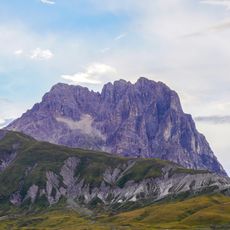
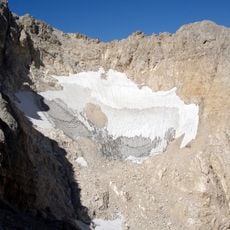
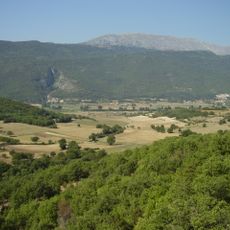
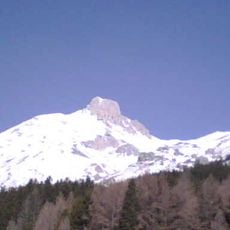
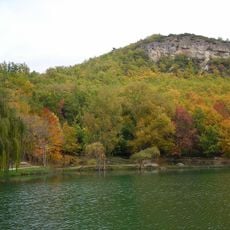
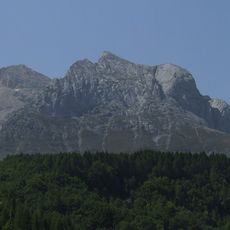
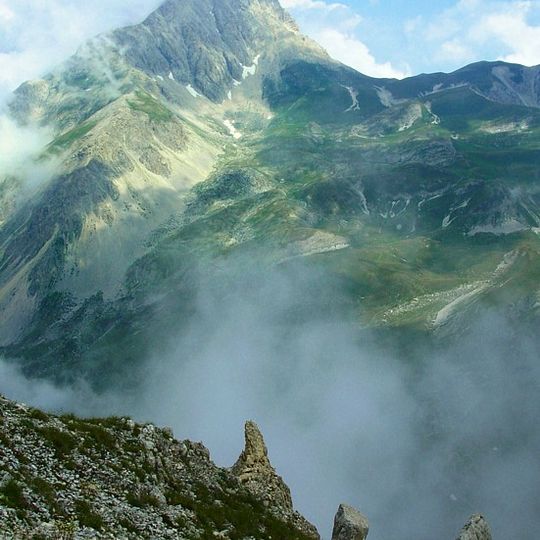
Gran Sasso e Monti della Laga National Park covers about 141,341 hectares across Abruzzo, Lazio and Marche, centred on the Gran Sasso massif and the Monti della Laga chain to its north. The Gran Sasso is limestone, rising above the Campo Imperatore pastures to the Corno Grande, beneath which lies the Calderone, Europe's southernmost glacier. The Laga side is wooded with beeches, firs, turkey oaks and chestnuts. The park is divided into 12 districts, among them Campo Imperatore, Terre della Baronia and Valle delle Grandi Abbazie.
The park was established in 1991 and is Italy's third-largest protected natural reserve, covering about 141,341 hectares. Its territory spans the Gran Sasso d'Italia massif and the Monti della Laga chain, mostly in Abruzzo (L'Aquila, Teramo and Pescara provinces) with smaller parts in Lazio (Rieti) and Marche (Ascoli Piceno). It is managed by the Ente Parco Nazionale Gran Sasso e Monti della Laga, headquartered in Assergi.
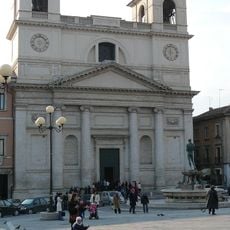
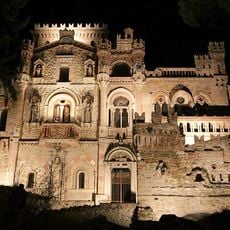
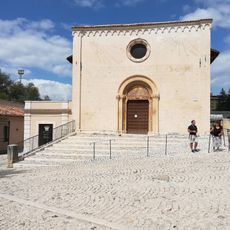
Place names in the park record defence and high ground: Castel, Rocca, Pizzo and Colle recur among the villages, whose houses are of stone and brick along narrow streets. The park's 12 districts carry names from older routes and borders, such as Via del Sale, the Roman-Picene salt road, and Tra i due regni, straddling the old frontier between the Papal State and the Kingdom of the Two Sicilies.
The park's 300 km trail circuit can be covered on foot, by mountain bike or on horseback, and over 200 km of dedicated horse trails cross the territory. Trails and paths may be explored alone or with mountain guides; visitor centres run educational projects. The main access road on the Teramo side is the old Strada statale 80, which reaches Pietracamela at the foot of the Corno Piccolo.
Several underground laboratories lie deep beneath the mountain peaks and serve particle research, with the rock itself acting as natural shielding for sensitive experiments. Some caves within the park contain ice that persists year-round and harbors microorganisms surviving in extreme cold.
The community of curious travelers
AroundUs brings together thousands of curated places, local tips, and hidden gems, enriched daily by 94,670 contributors worldwide.