National Archaeological Museum of Abruzzo, Archaeological museum in Chieti, Italy
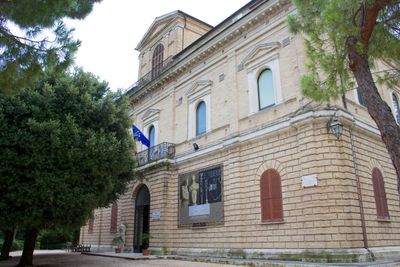
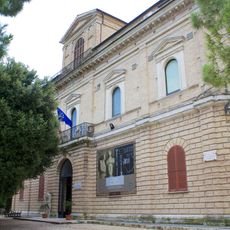
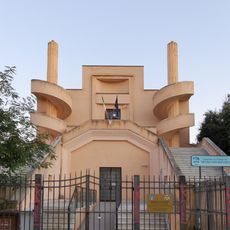
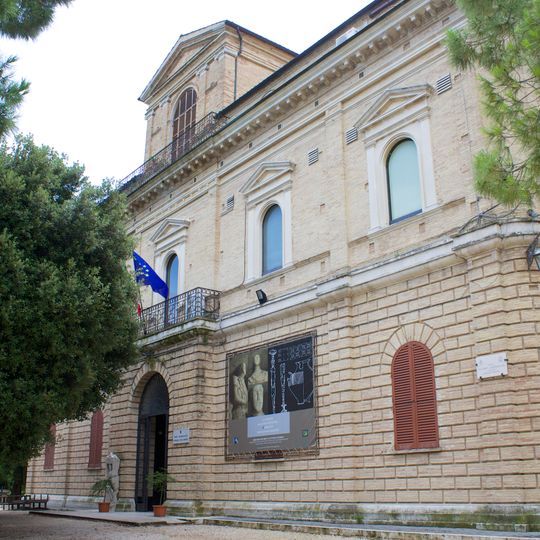
The National Archaeological Museum of Abruzzo is an archaeological museum housed in an Art Nouveau villa in Chieti, central Italy, displaying finds from across the Abruzzo region. The collections cover a span from prehistory to the late Roman period and include sculptures, coins, and everyday objects spread across two floors.
The villa was designed around 1830 by the Neapolitan architect Enrico Riccio as a private residence and later converted into a museum that opened in 1959. From that point on, it became the main home for archaeological finds from across the region that had previously been scattered in different locations.
The collections display everyday objects, jewelry, and ritual items left behind by the ancient peoples of the region. Walking through the rooms, visitors can observe how these communities traded, worshipped, and buried their dead.
The museum sits in a residential part of Chieti and can be reached on foot from the town center without much effort. The two exhibition floors follow a clear order, so it is easy to move through the collection from start to finish.
The Warrior of Capestrano, a statue dating to around the 6th century BC, carries an inscription written in a language that has not been fully decoded yet. The figure was also used as a diplomatic gift offered to high-ranking international officials, making it one of the few ancient objects to have traveled for political reasons.
The community of curious travelers
AroundUs brings together thousands of curated places, local tips, and hidden gems, enriched daily by 91,716 contributors worldwide.