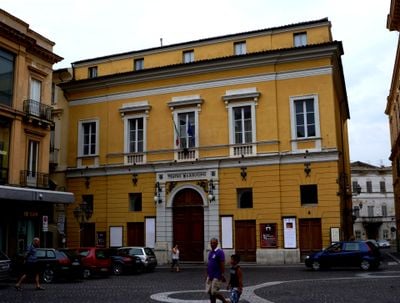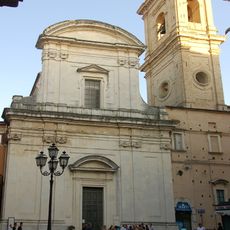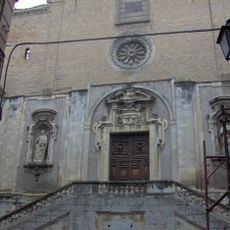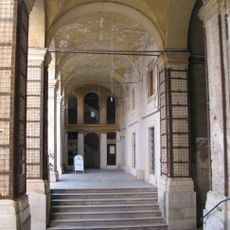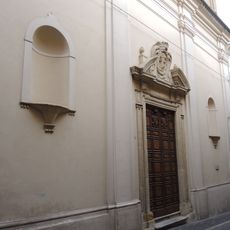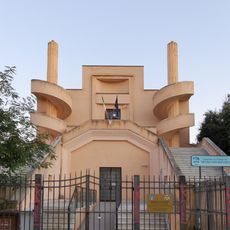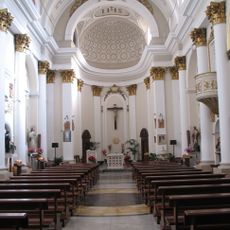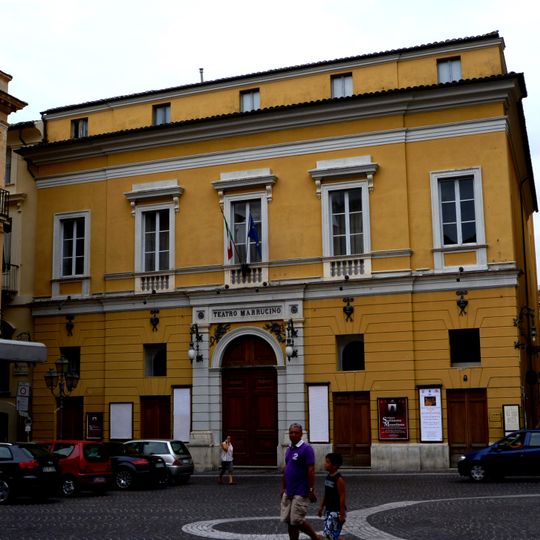
Teatro Marrucino, National heritage theatre in Chieti, Italy.
Teatro Marrucino is a neoclassical opera house with multiple levels of balconies and seating boxes designed according to Luigi Daretti's plans. The structure displays typical 19th-century theatre features with carefully planned sightlines and acoustics throughout the interior.
The house opened on January 11, 1818, with Rossini's La Cenerentola and was initially named after Saint Ferdinand. Following Italy's unification, it received its current name, Marrucino.
The theatre holds a connection to writer Gabriele D'Annunzio, who staged his drama La figlia di Iorio here in 1904 and later donated the original manuscript to the venue. This link reflects its role as a cultural landmark for Italian theatrical tradition.
The venue hosts opera, classical concerts, and theatrical productions year-round as an officially recognized national theatre. Visitors should check ahead for current performances and access information before planning a visit.
Demolition threatened the building in the 1850s, but local citizens mobilized to save it from destruction. During the restoration work that followed, a new upper seating tier called the loggione was added to the structure.
The community of curious travelers
AroundUs brings together thousands of curated places, local tips, and hidden gems, enriched daily by 92,641 contributors worldwide.