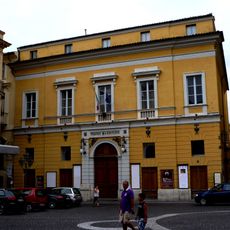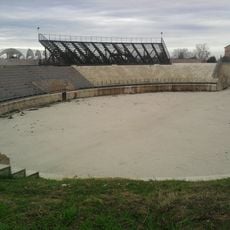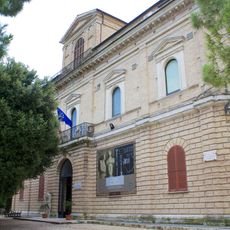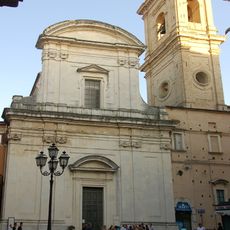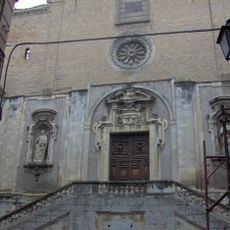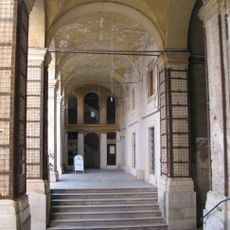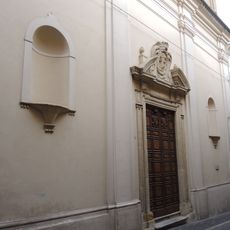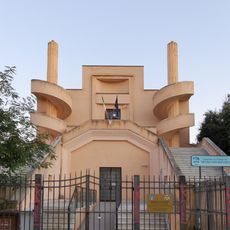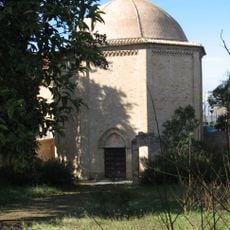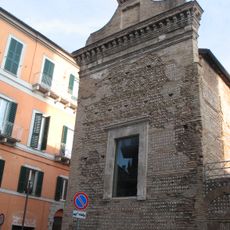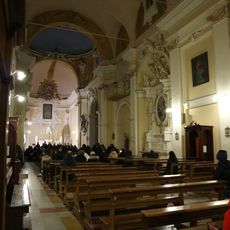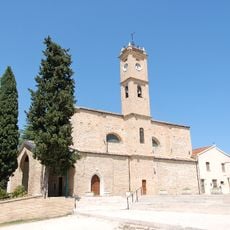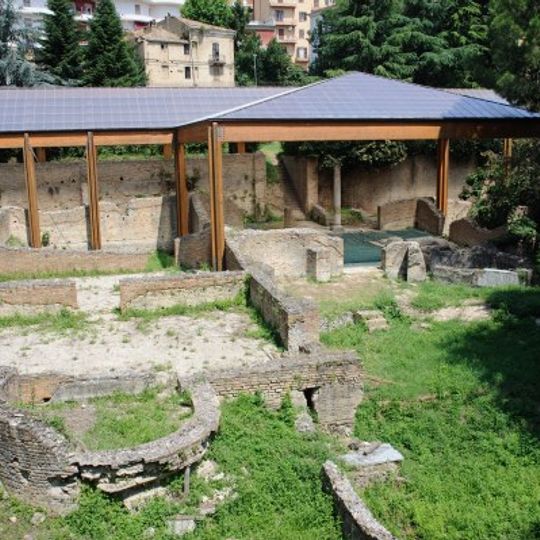
Teate, Archaeological site in Chieti, Italy
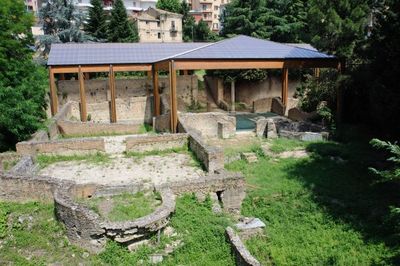
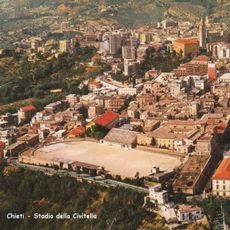
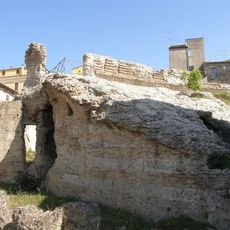
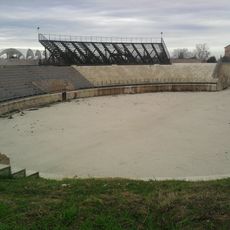
Teate is an ancient city buried beneath modern Chieti, containing Roman-era remains such as temples, public baths, and a large theater. The ruins reveal the original grid-based street plan and urban layout that still influences how the city above is organized today.
This place began as a center for the Marrucini people before becoming a Roman administrative hub and bustling urban center. The transition from local to Roman control is visible in the overlapping construction phases and building styles found throughout the site.
The sacred well at this site, enclosed in stone structures, reflects how important water and religious rituals were to early inhabitants. Walking through the ruins, you notice how temples were built near the heart of the settlement, showing where community gatherings took place.
The best way to explore the ancient city is in the Civitella district, where the original Roman street layout remains visible in how the modern streets are arranged. It helps to bring a map or hire a local guide, since the remains are scattered across the city and not always clearly marked.
The site contains two rows of temples near the forum that were built directly on top of older sacred places. This shows how Roman builders deliberately respected earlier religious sites and incorporated them into their new urban design.
The community of curious travelers
AroundUs brings together thousands of curated places, local tips, and hidden gems, enriched daily by 90,755 contributors worldwide.