Former industrial buildings across Europe and North America now welcome visitors as museums, parks, and creative studios.
This collection gathers examples of architectural rehabilitation where former industrial sites have been transformed into new spaces for living, culture, and gatherings. These projects illustrate how contemporary architecture can give a second life to structures that marked European and North American industrial history, while maintaining their original identity.
Included are the Oberhausen Gasometer, a 117-meter gas holder converted into exhibition space, the Van Nelle Factory in Rotterdam, an old coffee and tobacco factory turned cultural venue, and the High Line in New York, a 1930s elevated railway converted into a 2.3-kilometer urban park. The Zeche Zollverein complex in Essen showcases Bauhaus-style industrial architecture from the 1930s, while Strijp-S in Eindhoven, a former Philips production site, now hosts creative and technological studios. These sites demonstrate the possibilities offered by repurposing industrial heritage into accessible public spaces.
Former industrial buildings across Europe and North America now welcome visitors as museums, parks, and creative studios.
This collection gathers examples of architectural rehabilitation where former industrial sites have been transformed into new spaces for living, culture, and gatherings. These projects illustrate how contemporary architecture can give a second life to structures that marked European and North American industrial history, while maintaining their original identity.
Included are the Oberhausen Gasometer, a 117-meter gas holder converted into exhibition space, the Van Nelle Factory in Rotterdam, an old coffee and tobacco factory turned cultural venue, and the High Line in New York, a 1930s elevated railway converted into a 2.3-kilometer urban park. The Zeche Zollverein complex in Essen showcases Bauhaus-style industrial architecture from the 1930s, while Strijp-S in Eindhoven, a former Philips production site, now hosts creative and technological studios. These sites demonstrate the possibilities offered by repurposing industrial heritage into accessible public spaces.
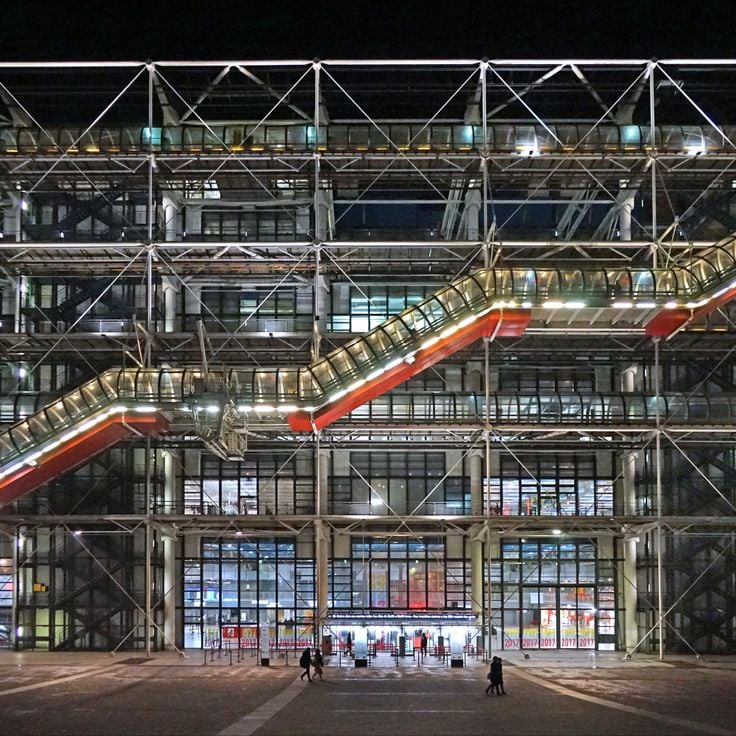
The Centre Pompidou displays its technical systems openly on the facade, with color-coded pipes and ducts showing how modern buildings function. This six-floor building houses a major collection of modern and contemporary art alongside a public library. It demonstrates how industrial design principles and cultural spaces can coexist in contemporary architecture, transforming the language of production into public gathering spaces.
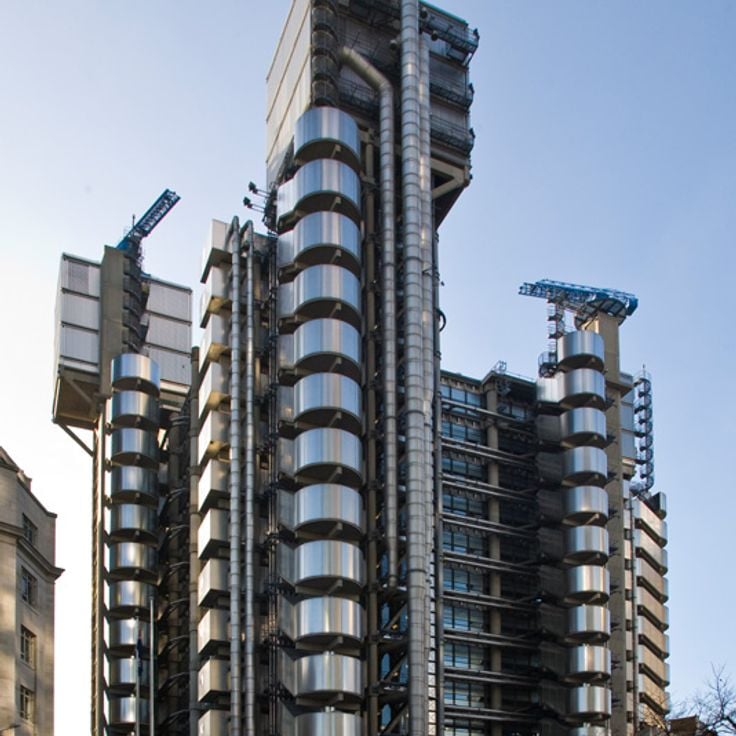
The Lloyd's Building in this collection demonstrates how industrial design principles are preserved in contemporary architecture. The building displays its technical installations such as elevators, ventilation ducts and pipework on the exterior facade and uses a modular construction system of steel frames and glass panels. This approach combines functional clarity with architectural expression.
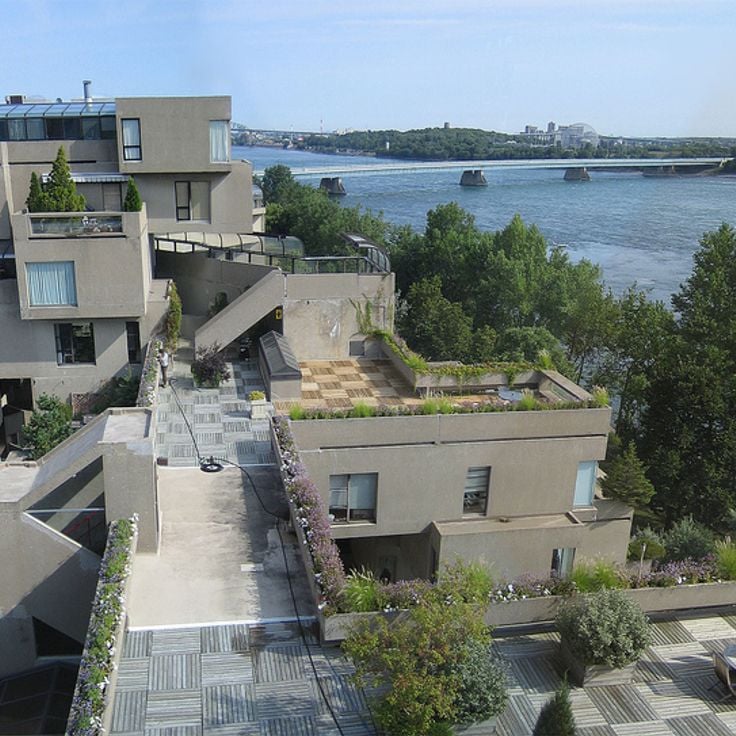
Habitat 67 in Montreal is a residential complex that shows how industrial building techniques can create new living spaces. The project uses 354 identical concrete modules stacked in different combinations to form a total of 146 dwelling units. This innovative architecture made it possible to create a new way of living together while demonstrating the efficiency of industrial production.
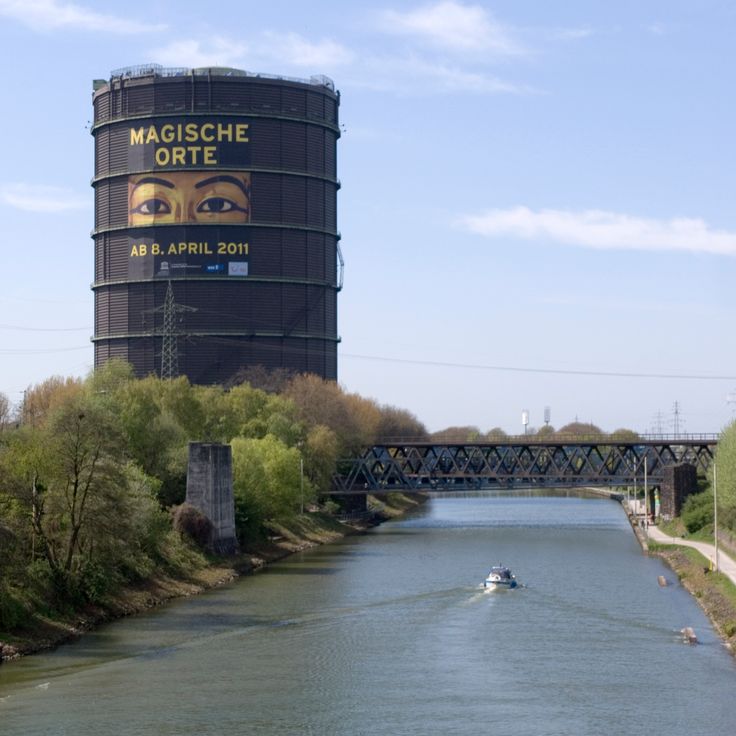
The Gasometer Oberhausen demonstrates how a gas holder from the industrial era has been transformed into an exhibition space. Standing at 117 meters tall, this 1929 structure represents the conversion of historic industrial facilities into cultural venues. Visitors can access an observation platform while experiencing the legacy of industrial heritage.
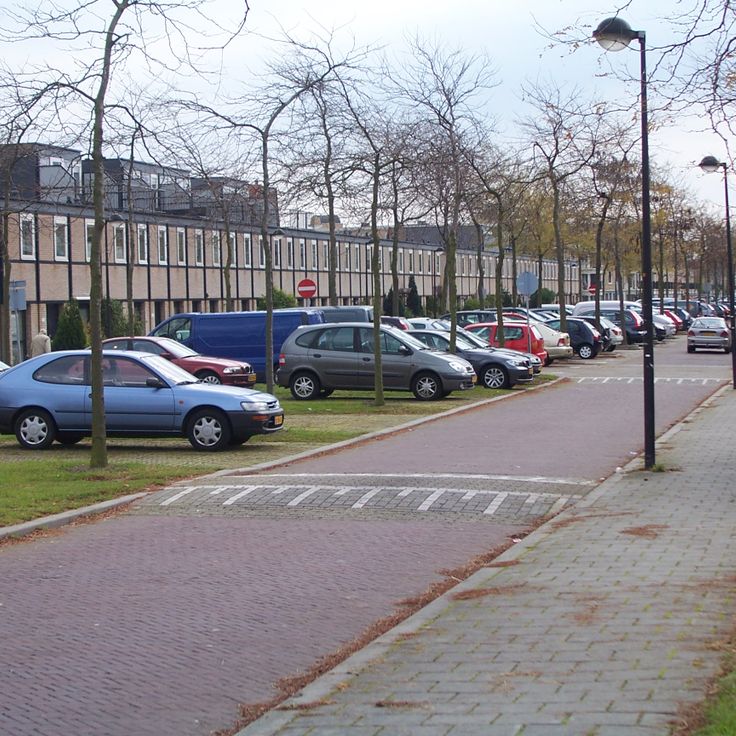
This industrial complex was the main production site of Philips Electronics until 2002 and now houses art, technology and design studios. The transformation demonstrates how a former industrial location has become an open space for creative work and cultural activities, illustrating the possibilities of converting industrial heritage into accessible public spaces.
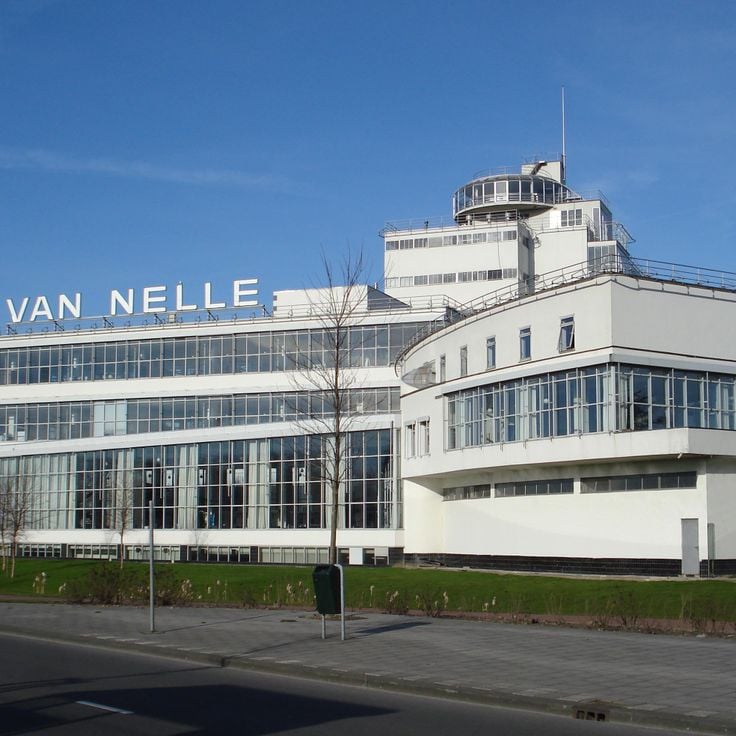
The Van Nelle Factory is an industrial building completed in 1931 that processed coffee, tea, and tobacco. Its glass facade and steel structure display modern architectural principles. This site has been transformed into a cultural venue, demonstrating how former manufacturing centers can become accessible spaces for community and creative activities.
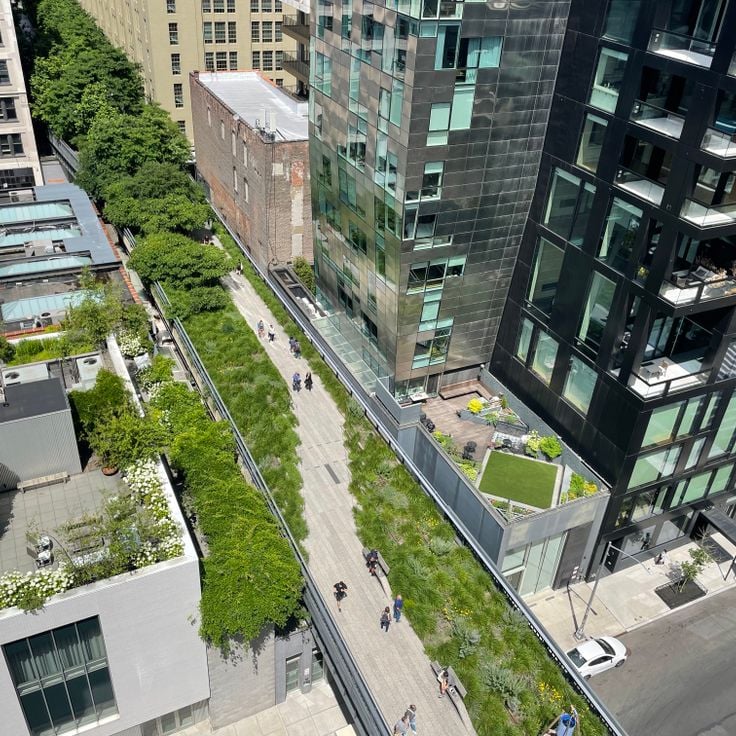
The High Line is an elevated railway from the 1930s that was converted into a public park with native plants in 2009. Within this collection, the High Line demonstrates how industrial structures from earlier eras can become new, accessible public gathering spaces. The project illustrates the potential of repurposing industrial heritage and creates room for relaxation and community engagement in the city.
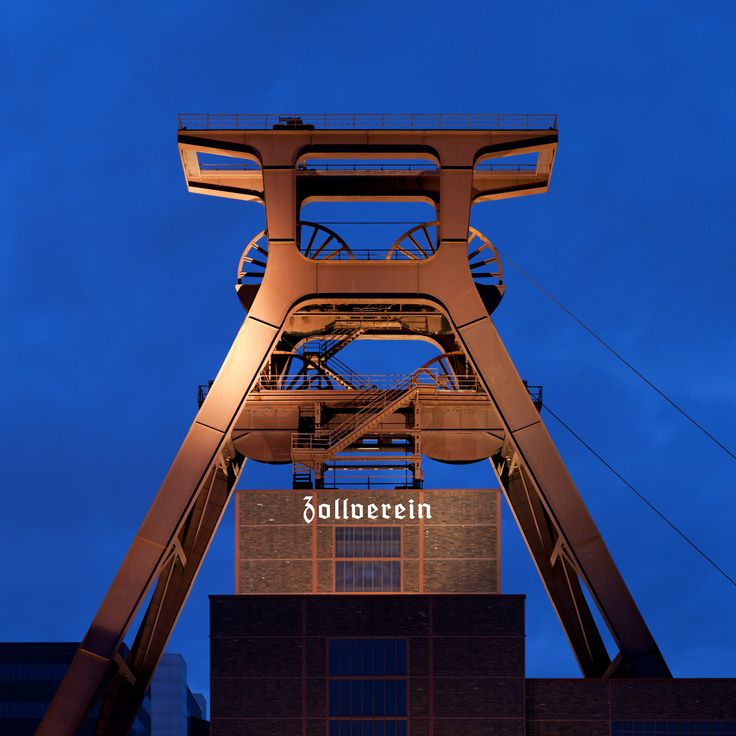
The Zeche Zollverein coal mine and coking plant opened in 1932 and was designed following Bauhaus principles. This complex demonstrates how industrial structures that shaped European history can be transformed into spaces for culture and public gatherings. After closing in 1986, the site became a place for arts and learning, where visitors can experience the architecture and heritage of industrial production.
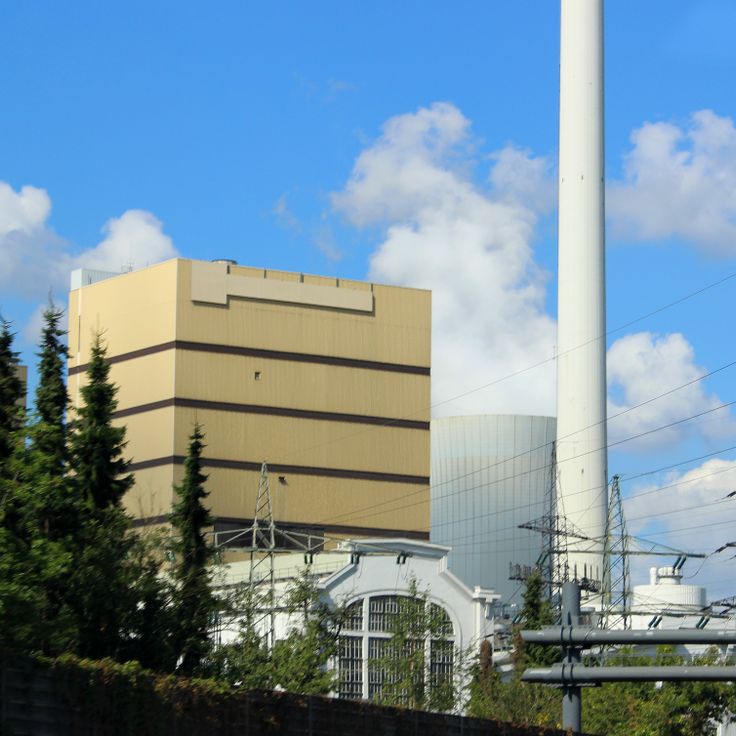
The Turbinenhalle in Oberhausen is a former industrial hall that has been converted into a modern event space. It demonstrates how contemporary architecture can give a second life to structures that marked European industrial history, while maintaining their original character. Original technical elements from the industrial period remain visible, making this site an example of repurposing industrial heritage into an accessible public space for gatherings and cultural events.
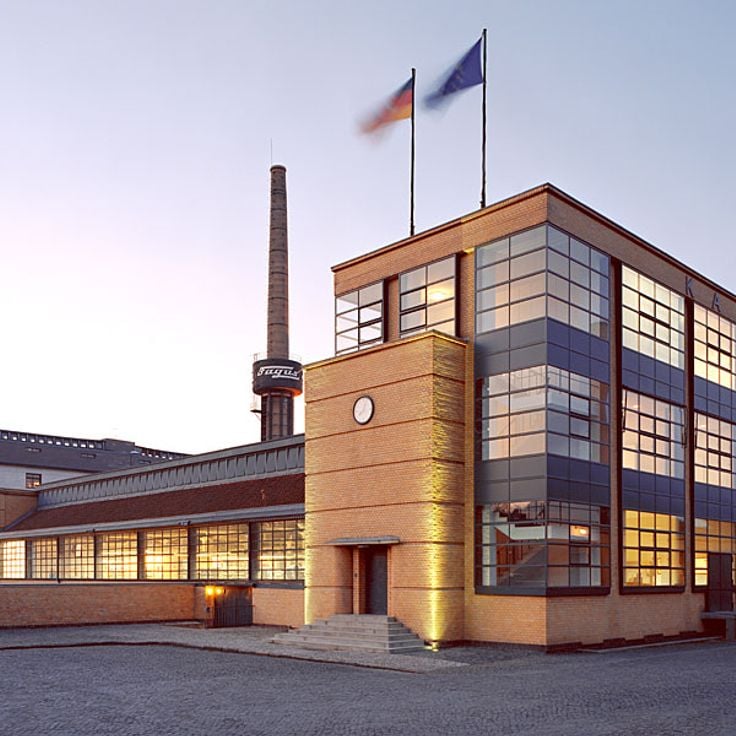
The Fagus Factory in Alfeld is an industrial building from 1911 that demonstrates new construction principles of 20th century modern architecture through its glass facade. It represents how historic industrial sites have been transformed into new spaces for culture and gatherings. This building with its innovative glass exterior shows the potential of repurposing industrial heritage into accessible public spaces.
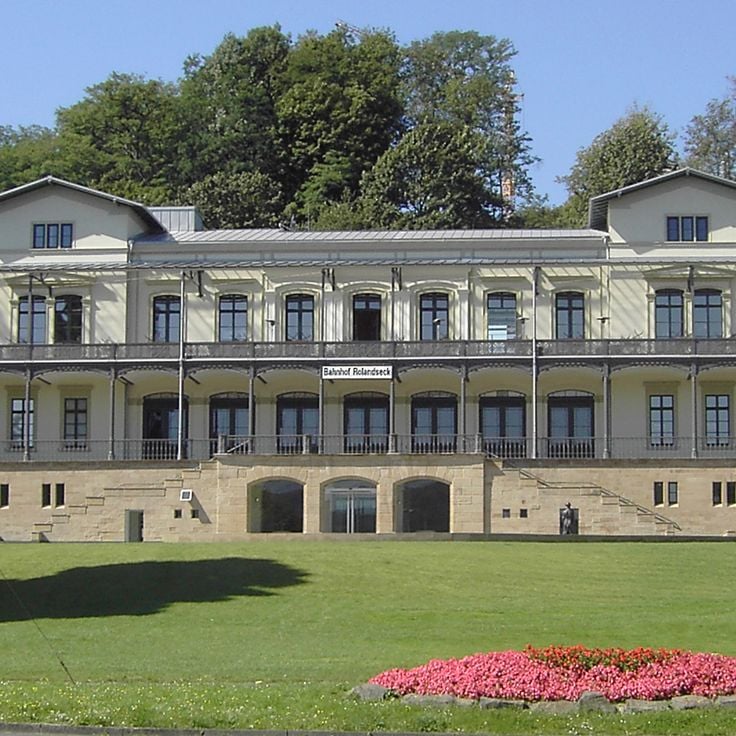
Bahnhof Rolandseck is a railway station built in 1856 that has been converted into an art museum and regularly displays contemporary exhibitions. This site demonstrates how historic industrial architecture can serve a new life as a cultural space while remaining accessible to the public.
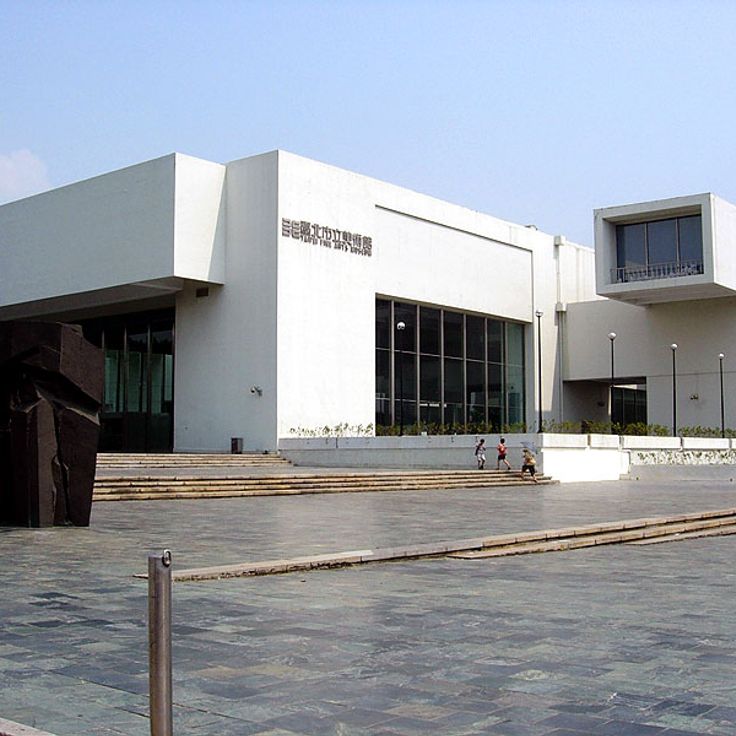
The Taipei Fine Arts Museum demonstrates how historic sites can be revived for contemporary use. Opened in 1983, this museum combines geometric forms with elements of traditional Chinese architecture in its design. The building brings together modern and traditional languages, creating a space dedicated to art and culture. It exemplifies how contemporary architecture can honor existing cultural values while creating new public spaces for communities to gather and engage with the arts.
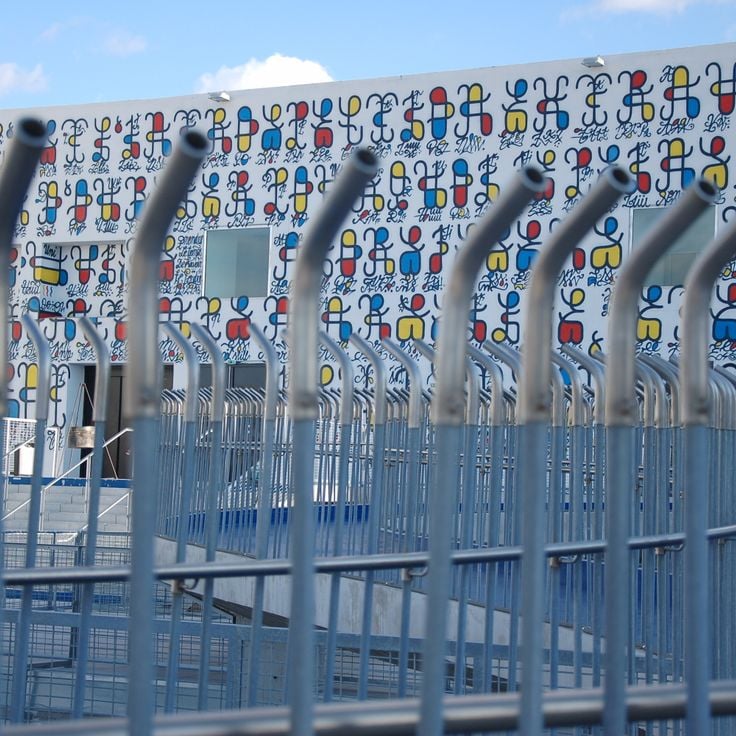
This former tobacco factory has been converted into a cultural center. The building provides exhibition spaces, workshops and areas for public events. La Friche demonstrates how an industrial site from the past can serve new purposes and provide space for artists and the public.
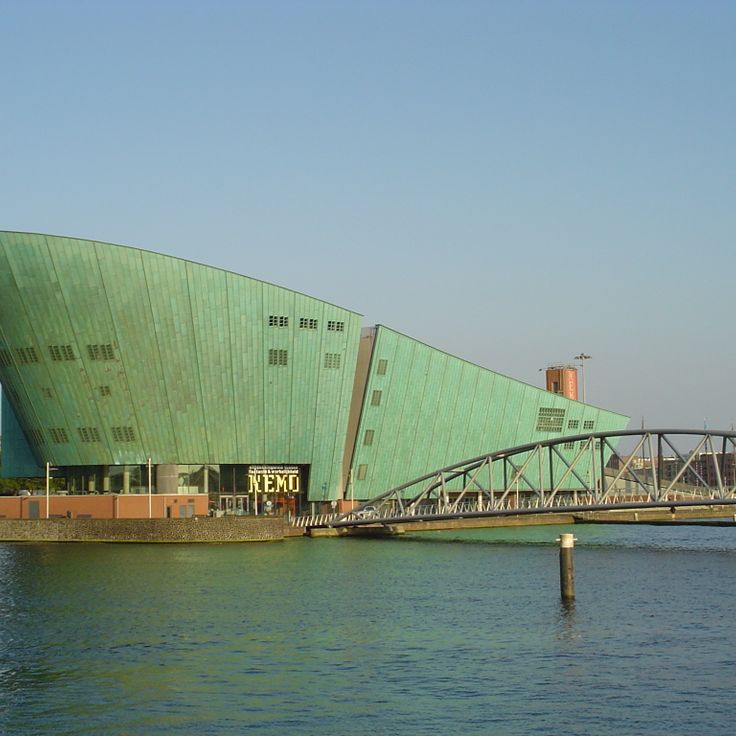
The Nemo Science Museum in Amsterdam shows how a former industrial building can be given new purpose and meaning. Designed by Renzo Piano, the structure takes the form of a ship with distinctive green copper cladding. Five floors house interactive scientific exhibitions covering physics, chemistry, and biology. This site demonstrates how historic industrial spaces can be transformed into places for learning and public gathering.
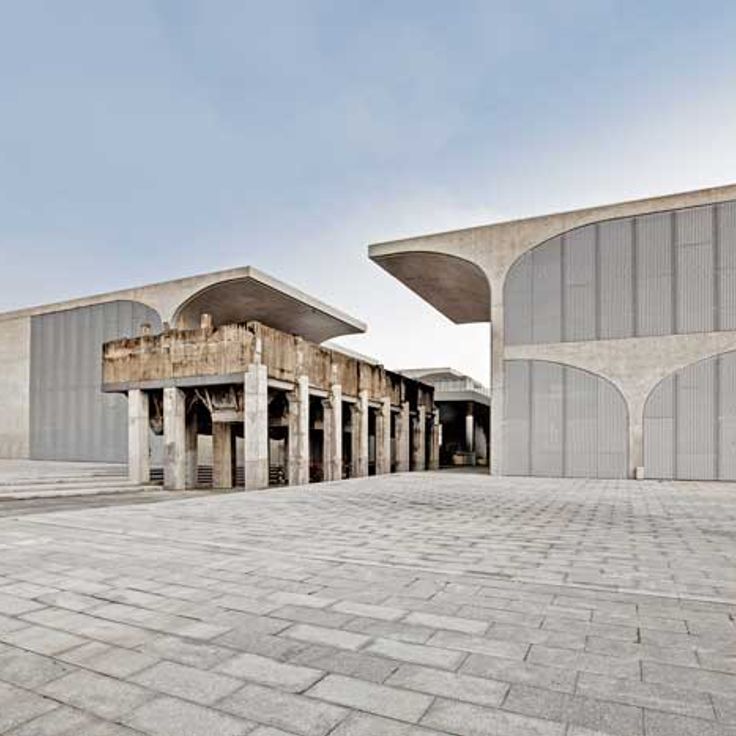
The Long Museum West Bund was created from a former coal conveyor station on the Huangpu River. Architects Liu Yichun and Chen Yifeng kept the original concrete hoppers and metal beams of the industrial structure and added new exhibition spaces built from exposed concrete and glass. This project shows how modern architecture can breathe new life into historic industrial buildings while respecting what they once were.
The SEC Armadillo is part of this collection of rehabilitated industrial sites and demonstrates how historic locations gain new purposes. Opened in 1997, the concert hall sits on the River Clyde and features a distinctive facade of overlapping metal plates. The building seats approximately 3000 spectators and exemplifies the transformation of an industrial space into a contemporary venue for culture and public gatherings.
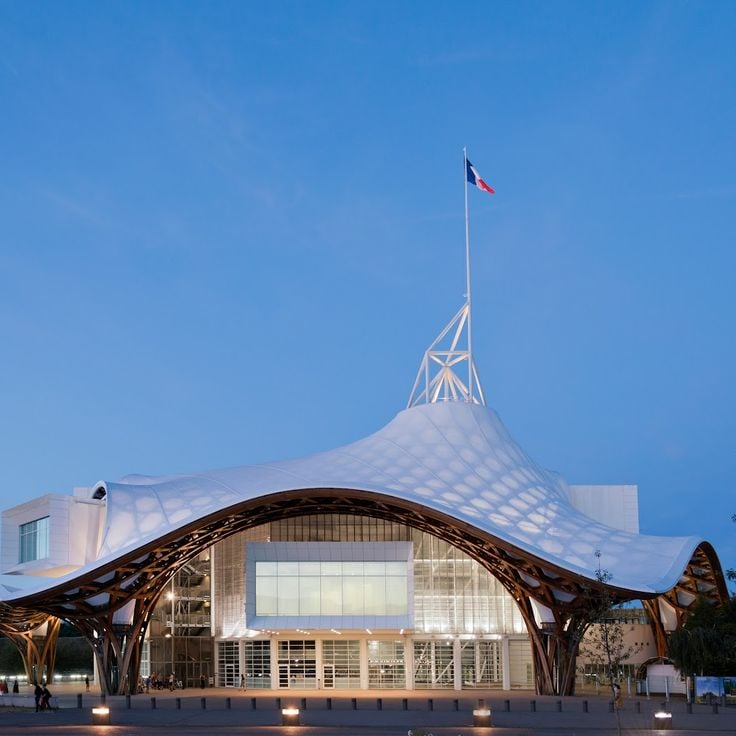
The Pompidou Centre-Metz exemplifies how a former industrial site has been transformed into a contemporary cultural venue. The building features a geometric roof with a hexagonal pattern and white membranes that create a distinctive visual presence. This museum and exhibition space demonstrates how modern architecture can repurpose industrial heritage into an accessible public gathering place.
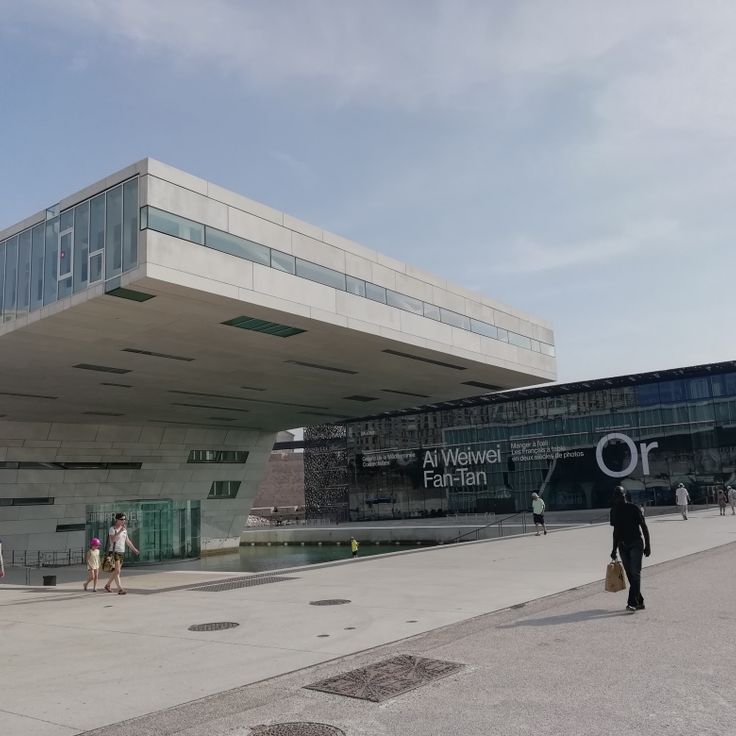
The MuCEM is a museum dedicated to Mediterranean civilizations in Marseille, demonstrating how historical fortifications have been transformed into spaces for contemporary cultural engagement. The building features a perforated concrete facade that filters light in distinctive ways. A 130-meter footbridge connects the museum to Fort Saint-Jean, creating a passage that links the waterfront to the fort and invites visitors to explore the region's heritage.
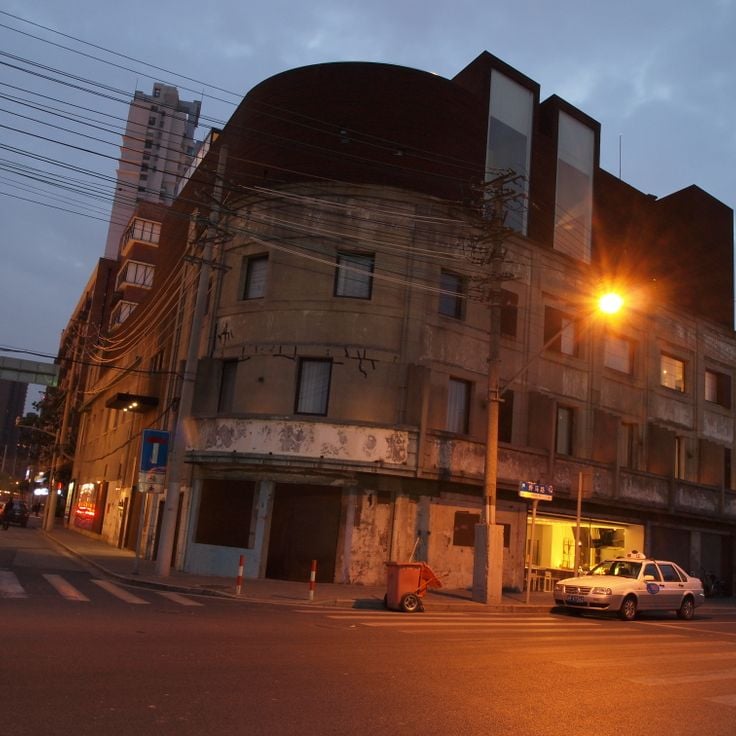
The Waterhouse at South Bund is a converted 1930s warehouse with four floors and 19 rooms along the Huangpu River. This site demonstrates how industrial structures from that era can be transformed into contemporary living and cultural spaces while retaining their original character.
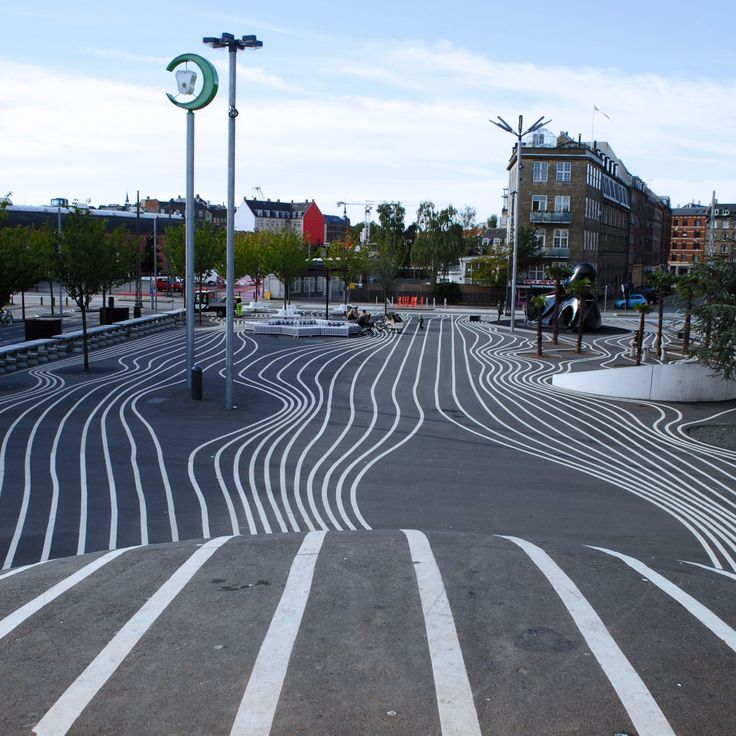
This public park in Copenhagen is part of the collection showcasing the transformation of former industrial sites into cultural spaces and public gathering areas. Superkilen demonstrates how an old industrial area in the Nørrebro district was converted into a vibrant park with three distinct zones: a red square featuring sports facilities, a black market area serving as an urban meeting space, and a green park with play areas and recreational zones.
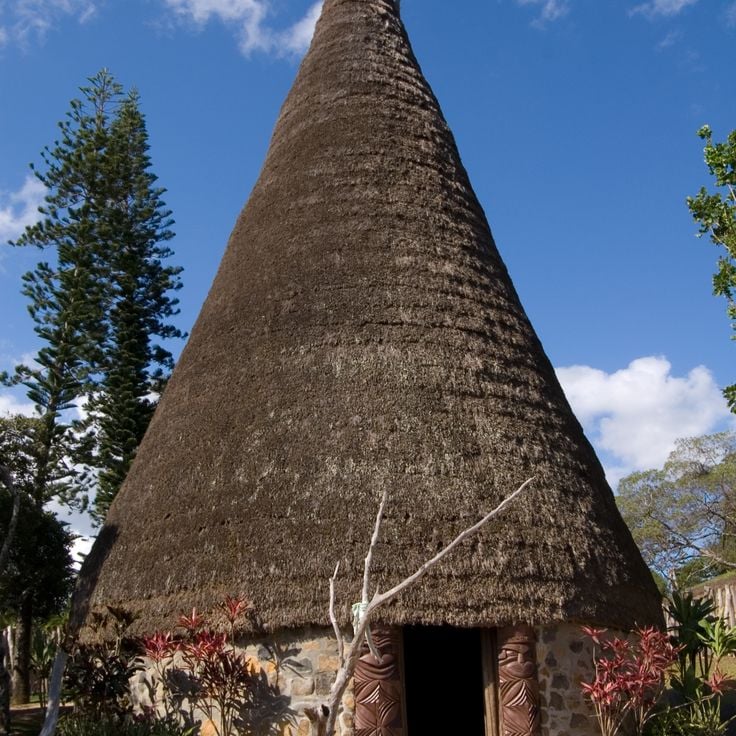
The Jean-Marie Tjibaou Cultural Centre exemplifies the transformation of spaces into new cultural destinations. This architectural complex blends local building traditions with contemporary techniques and employs natural ventilation systems. The structure demonstrates how modern design can honor cultural identity while serving as a living space for gatherings and artistic expression.
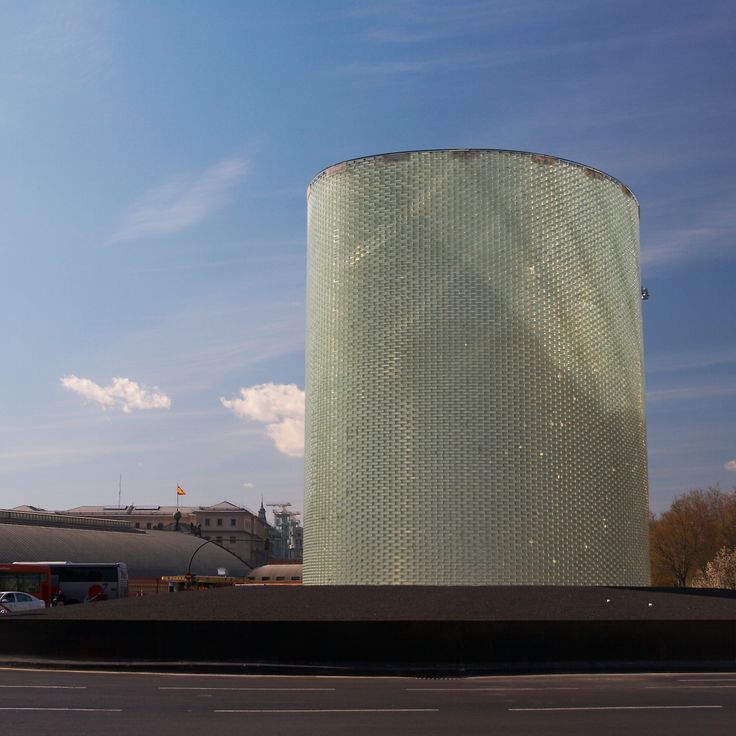
The Atocha Train Station in Madrid represents the transformation of a historic industrial site. The original station building was preserved and enhanced with a large interior garden that changed the space into a place for visitors to rest and enjoy. The garden with its abundant plant life shows how industrial structures can serve new purposes while keeping their historical character.
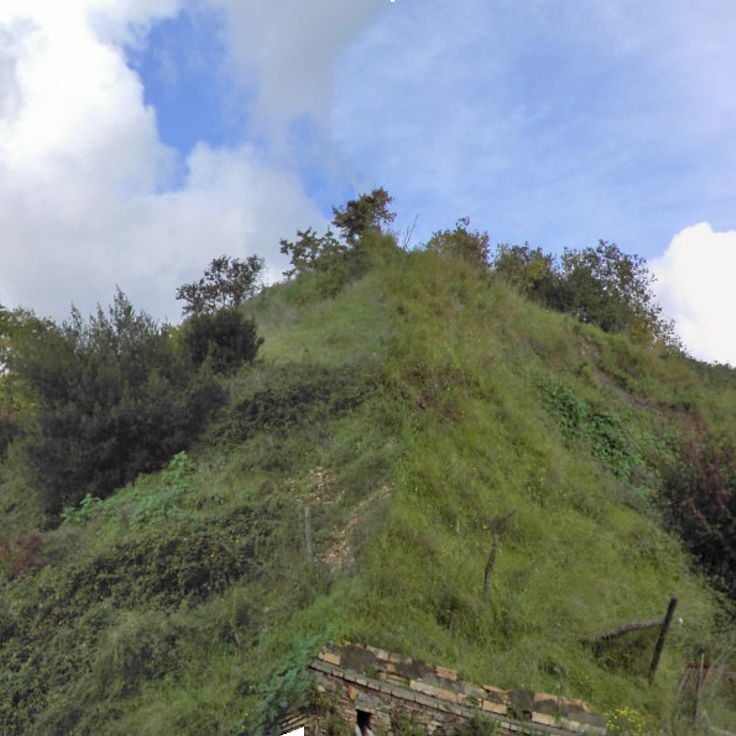
Monte Testaccio is a 35-meter-high mound built from broken Roman amphorae that accumulated over centuries in Rome. This hill demonstrates how the Romans concentrated ceramic containers used for transporting oil, wine, and fish. In the context of this collection, Monte Testaccio represents an unusual form of reuse: rather than transforming a building, an entire landscape was created from discarded materials. The mound reveals the habits of ancient commerce and waste management, showing how a functional site eventually became a distinctive landmark in the city.
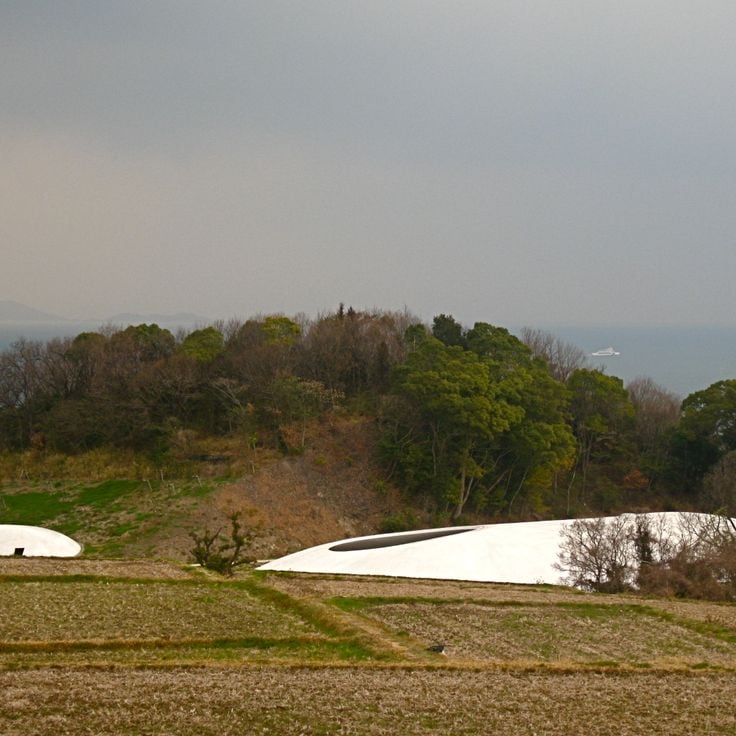
The Teshima Art Museum shows how contemporary architecture can transform industrial sites into new cultural spaces. This concrete building without columns demonstrates innovative construction techniques and creates a distinctive space for art exhibitions. With its distinctive form and two oval openings to the sky, the museum connects contemporary design with the surrounding landscape.
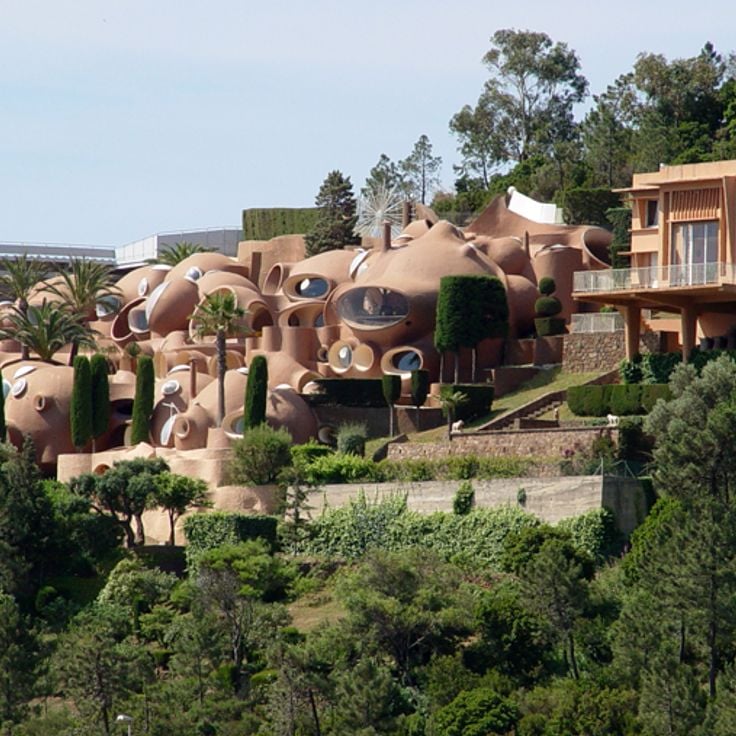
The Palais Bulles is a 1970s residence made up of interconnected spheres and circles arranged across multiple levels with terraces and pools. While this project differs from the collection's focus on industrial rehabilitation, it demonstrates how bold architectural forms can create innovative living spaces and reshape how people experience domestic environments through unconventional design.
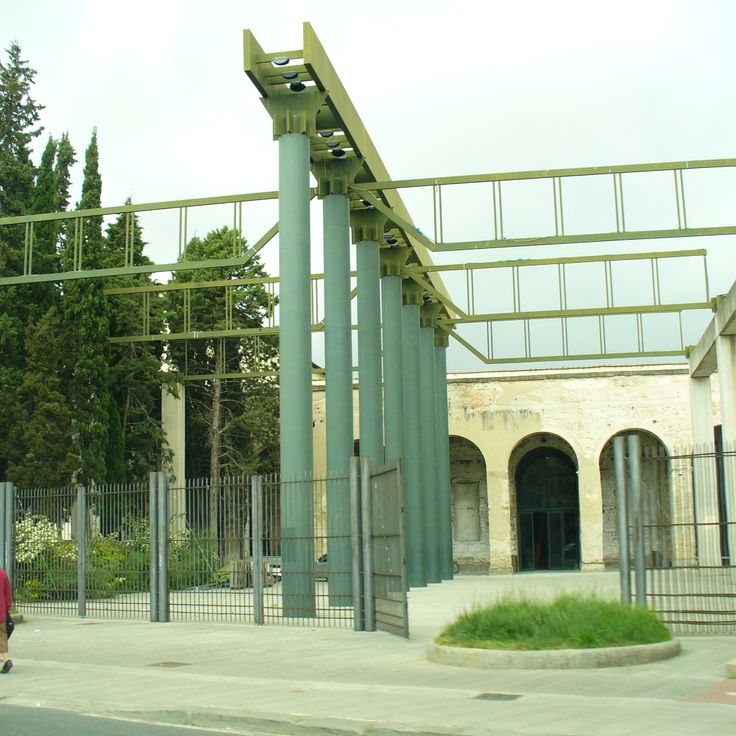
The Stazione Leopolda is a restored 19th-century railway station that demonstrates how industrial sites can be transformed into cultural venues. With its high ceilings and distinctive industrial architecture, this Florence location has been adapted to serve as an exhibition space. The station exemplifies the potential of repurposing historical transport infrastructure into accessible public spaces for art and gatherings.
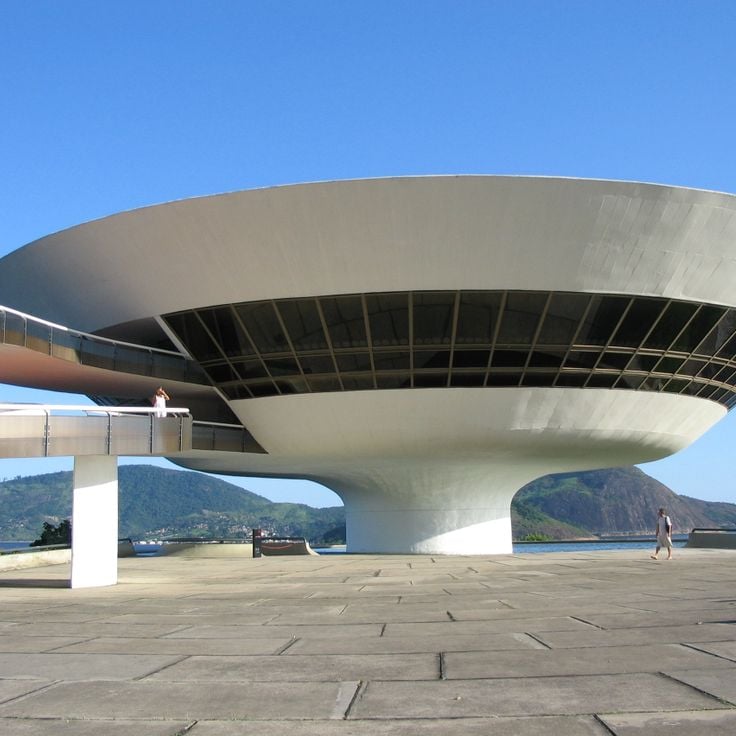
This museum in Niterói was completed in 1996 and rises 16 meters above ground level. The concrete structure shows how contemporary architecture can repurpose spaces that once served other purposes. Inside, the museum offers room for art exhibitions where visitors can experience contemporary works. The building connects the history of the site with a new cultural purpose, creating a public space for the community.
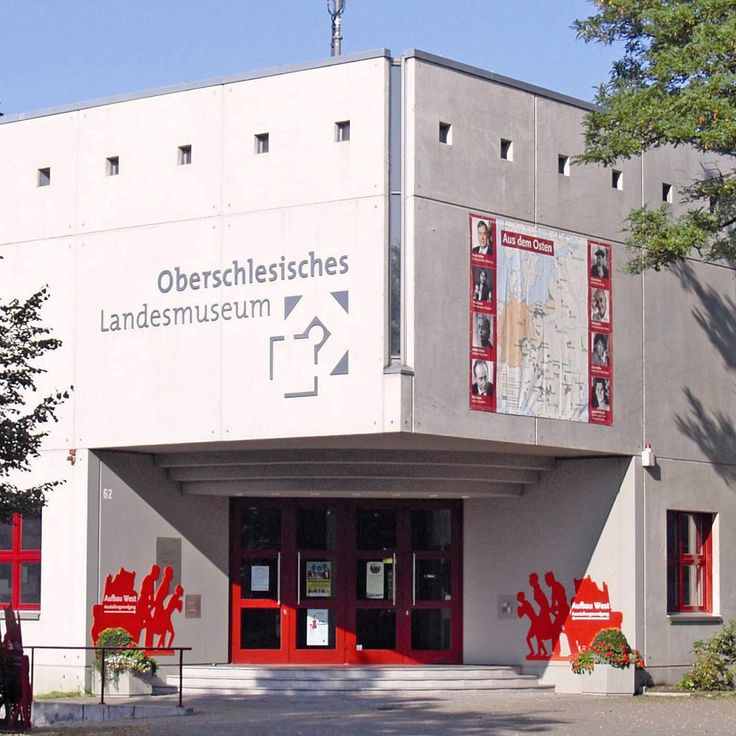
The Silesian Museum in Katowice demonstrates how historic industrial structures are transformed into contemporary cultural spaces. The museum incorporates former mining shafts and underground tunnels as exhibition areas, connecting them to ground level through modern glass pavilions. This project shows how industrial heritage can be preserved while being made accessible for new uses.
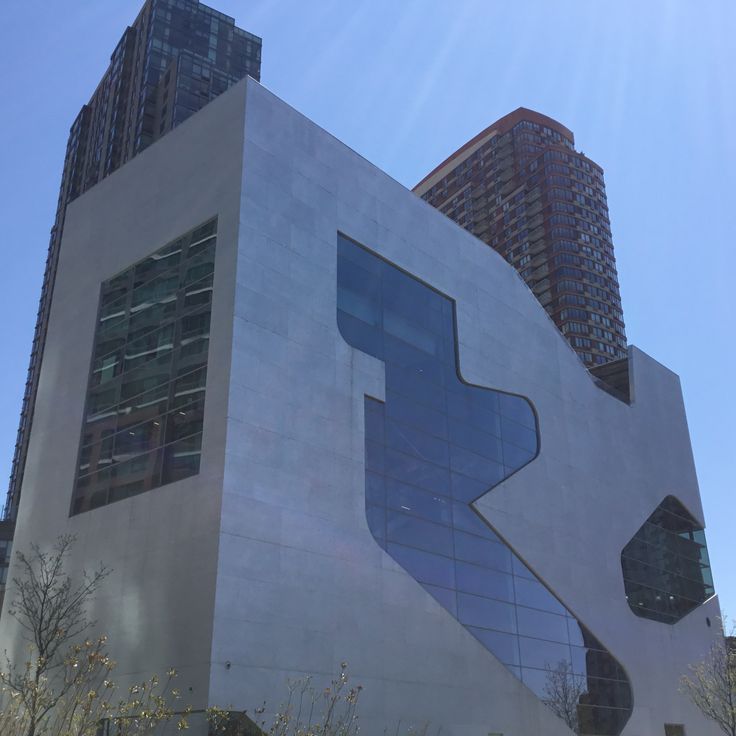
The Hunters Point Library represents a transformation of industrial space into a cultural gathering place. This building features concrete construction with geometric windows and multiple reading levels that overlook the East River toward Manhattan. The library demonstrates how a former industrial site can become a public space that serves the community while acknowledging its past.
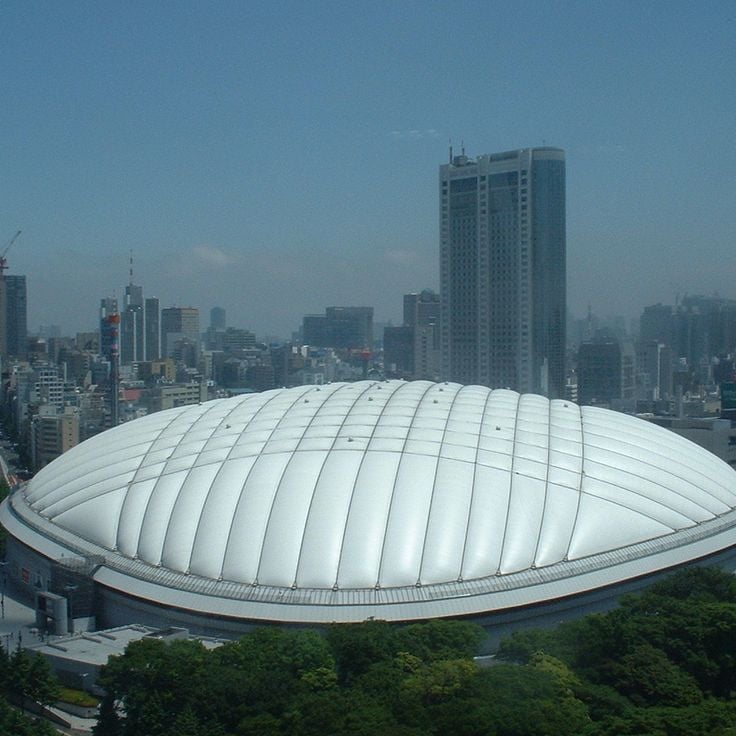
Le Dôme is a circular building with a 20-meter-diameter dome made of white plastic, designed according to the Futuro concept and now used as an entertainment venue. It represents a different approach to industrial design and shows how innovative materials and forms can find a place in public spaces. The building preserves its original identity as an example of forward-thinking architecture while serving the community today.
The Centre Pompidou displays its technical systems openly on the facade, with color-coded pipes and ducts showing how modern buildings function. This six-floor building houses a major collection of modern and contemporary art alongside a public library. It demonstrates how industrial design principles and cultural spaces can coexist in contemporary architecture, transforming the language of production into public gathering spaces.
The Lloyd's Building in this collection demonstrates how industrial design principles are preserved in contemporary architecture. The building displays its technical installations such as elevators, ventilation ducts and pipework on the exterior facade and uses a modular construction system of steel frames and glass panels. This approach combines functional clarity with architectural expression.
Habitat 67 in Montreal is a residential complex that shows how industrial building techniques can create new living spaces. The project uses 354 identical concrete modules stacked in different combinations to form a total of 146 dwelling units. This innovative architecture made it possible to create a new way of living together while demonstrating the efficiency of industrial production.
The Gasometer Oberhausen demonstrates how a gas holder from the industrial era has been transformed into an exhibition space. Standing at 117 meters tall, this 1929 structure represents the conversion of historic industrial facilities into cultural venues. Visitors can access an observation platform while experiencing the legacy of industrial heritage.
This industrial complex was the main production site of Philips Electronics until 2002 and now houses art, technology and design studios. The transformation demonstrates how a former industrial location has become an open space for creative work and cultural activities, illustrating the possibilities of converting industrial heritage into accessible public spaces.
The Van Nelle Factory is an industrial building completed in 1931 that processed coffee, tea, and tobacco. Its glass facade and steel structure display modern architectural principles. This site has been transformed into a cultural venue, demonstrating how former manufacturing centers can become accessible spaces for community and creative activities.
The High Line is an elevated railway from the 1930s that was converted into a public park with native plants in 2009. Within this collection, the High Line demonstrates how industrial structures from earlier eras can become new, accessible public gathering spaces. The project illustrates the potential of repurposing industrial heritage and creates room for relaxation and community engagement in the city.
The Zeche Zollverein coal mine and coking plant opened in 1932 and was designed following Bauhaus principles. This complex demonstrates how industrial structures that shaped European history can be transformed into spaces for culture and public gatherings. After closing in 1986, the site became a place for arts and learning, where visitors can experience the architecture and heritage of industrial production.
The Turbinenhalle in Oberhausen is a former industrial hall that has been converted into a modern event space. It demonstrates how contemporary architecture can give a second life to structures that marked European industrial history, while maintaining their original character. Original technical elements from the industrial period remain visible, making this site an example of repurposing industrial heritage into an accessible public space for gatherings and cultural events.
The Fagus Factory in Alfeld is an industrial building from 1911 that demonstrates new construction principles of 20th century modern architecture through its glass facade. It represents how historic industrial sites have been transformed into new spaces for culture and gatherings. This building with its innovative glass exterior shows the potential of repurposing industrial heritage into accessible public spaces.
Bahnhof Rolandseck is a railway station built in 1856 that has been converted into an art museum and regularly displays contemporary exhibitions. This site demonstrates how historic industrial architecture can serve a new life as a cultural space while remaining accessible to the public.
The Taipei Fine Arts Museum demonstrates how historic sites can be revived for contemporary use. Opened in 1983, this museum combines geometric forms with elements of traditional Chinese architecture in its design. The building brings together modern and traditional languages, creating a space dedicated to art and culture. It exemplifies how contemporary architecture can honor existing cultural values while creating new public spaces for communities to gather and engage with the arts.
This former tobacco factory has been converted into a cultural center. The building provides exhibition spaces, workshops and areas for public events. La Friche demonstrates how an industrial site from the past can serve new purposes and provide space for artists and the public.
The Nemo Science Museum in Amsterdam shows how a former industrial building can be given new purpose and meaning. Designed by Renzo Piano, the structure takes the form of a ship with distinctive green copper cladding. Five floors house interactive scientific exhibitions covering physics, chemistry, and biology. This site demonstrates how historic industrial spaces can be transformed into places for learning and public gathering.
The Long Museum West Bund was created from a former coal conveyor station on the Huangpu River. Architects Liu Yichun and Chen Yifeng kept the original concrete hoppers and metal beams of the industrial structure and added new exhibition spaces built from exposed concrete and glass. This project shows how modern architecture can breathe new life into historic industrial buildings while respecting what they once were.
The SEC Armadillo is part of this collection of rehabilitated industrial sites and demonstrates how historic locations gain new purposes. Opened in 1997, the concert hall sits on the River Clyde and features a distinctive facade of overlapping metal plates. The building seats approximately 3000 spectators and exemplifies the transformation of an industrial space into a contemporary venue for culture and public gatherings.
The Pompidou Centre-Metz exemplifies how a former industrial site has been transformed into a contemporary cultural venue. The building features a geometric roof with a hexagonal pattern and white membranes that create a distinctive visual presence. This museum and exhibition space demonstrates how modern architecture can repurpose industrial heritage into an accessible public gathering place.
The MuCEM is a museum dedicated to Mediterranean civilizations in Marseille, demonstrating how historical fortifications have been transformed into spaces for contemporary cultural engagement. The building features a perforated concrete facade that filters light in distinctive ways. A 130-meter footbridge connects the museum to Fort Saint-Jean, creating a passage that links the waterfront to the fort and invites visitors to explore the region's heritage.
The Waterhouse at South Bund is a converted 1930s warehouse with four floors and 19 rooms along the Huangpu River. This site demonstrates how industrial structures from that era can be transformed into contemporary living and cultural spaces while retaining their original character.
This public park in Copenhagen is part of the collection showcasing the transformation of former industrial sites into cultural spaces and public gathering areas. Superkilen demonstrates how an old industrial area in the Nørrebro district was converted into a vibrant park with three distinct zones: a red square featuring sports facilities, a black market area serving as an urban meeting space, and a green park with play areas and recreational zones.
The Jean-Marie Tjibaou Cultural Centre exemplifies the transformation of spaces into new cultural destinations. This architectural complex blends local building traditions with contemporary techniques and employs natural ventilation systems. The structure demonstrates how modern design can honor cultural identity while serving as a living space for gatherings and artistic expression.
The Atocha Train Station in Madrid represents the transformation of a historic industrial site. The original station building was preserved and enhanced with a large interior garden that changed the space into a place for visitors to rest and enjoy. The garden with its abundant plant life shows how industrial structures can serve new purposes while keeping their historical character.
Monte Testaccio is a 35-meter-high mound built from broken Roman amphorae that accumulated over centuries in Rome. This hill demonstrates how the Romans concentrated ceramic containers used for transporting oil, wine, and fish. In the context of this collection, Monte Testaccio represents an unusual form of reuse: rather than transforming a building, an entire landscape was created from discarded materials. The mound reveals the habits of ancient commerce and waste management, showing how a functional site eventually became a distinctive landmark in the city.
The Teshima Art Museum shows how contemporary architecture can transform industrial sites into new cultural spaces. This concrete building without columns demonstrates innovative construction techniques and creates a distinctive space for art exhibitions. With its distinctive form and two oval openings to the sky, the museum connects contemporary design with the surrounding landscape.
The Palais Bulles is a 1970s residence made up of interconnected spheres and circles arranged across multiple levels with terraces and pools. While this project differs from the collection's focus on industrial rehabilitation, it demonstrates how bold architectural forms can create innovative living spaces and reshape how people experience domestic environments through unconventional design.
The Stazione Leopolda is a restored 19th-century railway station that demonstrates how industrial sites can be transformed into cultural venues. With its high ceilings and distinctive industrial architecture, this Florence location has been adapted to serve as an exhibition space. The station exemplifies the potential of repurposing historical transport infrastructure into accessible public spaces for art and gatherings.
This museum in Niterói was completed in 1996 and rises 16 meters above ground level. The concrete structure shows how contemporary architecture can repurpose spaces that once served other purposes. Inside, the museum offers room for art exhibitions where visitors can experience contemporary works. The building connects the history of the site with a new cultural purpose, creating a public space for the community.
The Silesian Museum in Katowice demonstrates how historic industrial structures are transformed into contemporary cultural spaces. The museum incorporates former mining shafts and underground tunnels as exhibition areas, connecting them to ground level through modern glass pavilions. This project shows how industrial heritage can be preserved while being made accessible for new uses.
The Hunters Point Library represents a transformation of industrial space into a cultural gathering place. This building features concrete construction with geometric windows and multiple reading levels that overlook the East River toward Manhattan. The library demonstrates how a former industrial site can become a public space that serves the community while acknowledging its past.
Le Dôme is a circular building with a 20-meter-diameter dome made of white plastic, designed according to the Futuro concept and now used as an entertainment venue. It represents a different approach to industrial design and shows how innovative materials and forms can find a place in public spaces. The building preserves its original identity as an example of forward-thinking architecture while serving the community today.
The Centre Pompidou displays its technical systems openly on the facade, with color-coded pipes and ducts showing how modern buildings function. This six-floor building houses a major collection of modern and contemporary art alongside a public library. It demonstrates how industrial design principles and cultural spaces can coexist in contemporary architecture, transforming the language of production into public gathering spaces.
The Lloyd's Building in this collection demonstrates how industrial design principles are preserved in contemporary architecture. The building displays its technical installations such as elevators, ventilation ducts and pipework on the exterior facade and uses a modular construction system of steel frames and glass panels. This approach combines functional clarity with architectural expression.
Habitat 67 in Montreal is a residential complex that shows how industrial building techniques can create new living spaces. The project uses 354 identical concrete modules stacked in different combinations to form a total of 146 dwelling units. This innovative architecture made it possible to create a new way of living together while demonstrating the efficiency of industrial production.
The Gasometer Oberhausen demonstrates how a gas holder from the industrial era has been transformed into an exhibition space. Standing at 117 meters tall, this 1929 structure represents the conversion of historic industrial facilities into cultural venues. Visitors can access an observation platform while experiencing the legacy of industrial heritage.
This industrial complex was the main production site of Philips Electronics until 2002 and now houses art, technology and design studios. The transformation demonstrates how a former industrial location has become an open space for creative work and cultural activities, illustrating the possibilities of converting industrial heritage into accessible public spaces.
The Van Nelle Factory is an industrial building completed in 1931 that processed coffee, tea, and tobacco. Its glass facade and steel structure display modern architectural principles. This site has been transformed into a cultural venue, demonstrating how former manufacturing centers can become accessible spaces for community and creative activities.
The High Line is an elevated railway from the 1930s that was converted into a public park with native plants in 2009. Within this collection, the High Line demonstrates how industrial structures from earlier eras can become new, accessible public gathering spaces. The project illustrates the potential of repurposing industrial heritage and creates room for relaxation and community engagement in the city.
The Zeche Zollverein coal mine and coking plant opened in 1932 and was designed following Bauhaus principles. This complex demonstrates how industrial structures that shaped European history can be transformed into spaces for culture and public gatherings. After closing in 1986, the site became a place for arts and learning, where visitors can experience the architecture and heritage of industrial production.
The Turbinenhalle in Oberhausen is a former industrial hall that has been converted into a modern event space. It demonstrates how contemporary architecture can give a second life to structures that marked European industrial history, while maintaining their original character. Original technical elements from the industrial period remain visible, making this site an example of repurposing industrial heritage into an accessible public space for gatherings and cultural events.
The Fagus Factory in Alfeld is an industrial building from 1911 that demonstrates new construction principles of 20th century modern architecture through its glass facade. It represents how historic industrial sites have been transformed into new spaces for culture and gatherings. This building with its innovative glass exterior shows the potential of repurposing industrial heritage into accessible public spaces.
Bahnhof Rolandseck is a railway station built in 1856 that has been converted into an art museum and regularly displays contemporary exhibitions. This site demonstrates how historic industrial architecture can serve a new life as a cultural space while remaining accessible to the public.
The Taipei Fine Arts Museum demonstrates how historic sites can be revived for contemporary use. Opened in 1983, this museum combines geometric forms with elements of traditional Chinese architecture in its design. The building brings together modern and traditional languages, creating a space dedicated to art and culture. It exemplifies how contemporary architecture can honor existing cultural values while creating new public spaces for communities to gather and engage with the arts.
This former tobacco factory has been converted into a cultural center. The building provides exhibition spaces, workshops and areas for public events. La Friche demonstrates how an industrial site from the past can serve new purposes and provide space for artists and the public.
The Nemo Science Museum in Amsterdam shows how a former industrial building can be given new purpose and meaning. Designed by Renzo Piano, the structure takes the form of a ship with distinctive green copper cladding. Five floors house interactive scientific exhibitions covering physics, chemistry, and biology. This site demonstrates how historic industrial spaces can be transformed into places for learning and public gathering.
The Long Museum West Bund was created from a former coal conveyor station on the Huangpu River. Architects Liu Yichun and Chen Yifeng kept the original concrete hoppers and metal beams of the industrial structure and added new exhibition spaces built from exposed concrete and glass. This project shows how modern architecture can breathe new life into historic industrial buildings while respecting what they once were.
The SEC Armadillo is part of this collection of rehabilitated industrial sites and demonstrates how historic locations gain new purposes. Opened in 1997, the concert hall sits on the River Clyde and features a distinctive facade of overlapping metal plates. The building seats approximately 3000 spectators and exemplifies the transformation of an industrial space into a contemporary venue for culture and public gatherings.
The Pompidou Centre-Metz exemplifies how a former industrial site has been transformed into a contemporary cultural venue. The building features a geometric roof with a hexagonal pattern and white membranes that create a distinctive visual presence. This museum and exhibition space demonstrates how modern architecture can repurpose industrial heritage into an accessible public gathering place.
The MuCEM is a museum dedicated to Mediterranean civilizations in Marseille, demonstrating how historical fortifications have been transformed into spaces for contemporary cultural engagement. The building features a perforated concrete facade that filters light in distinctive ways. A 130-meter footbridge connects the museum to Fort Saint-Jean, creating a passage that links the waterfront to the fort and invites visitors to explore the region's heritage.
The Waterhouse at South Bund is a converted 1930s warehouse with four floors and 19 rooms along the Huangpu River. This site demonstrates how industrial structures from that era can be transformed into contemporary living and cultural spaces while retaining their original character.
This public park in Copenhagen is part of the collection showcasing the transformation of former industrial sites into cultural spaces and public gathering areas. Superkilen demonstrates how an old industrial area in the Nørrebro district was converted into a vibrant park with three distinct zones: a red square featuring sports facilities, a black market area serving as an urban meeting space, and a green park with play areas and recreational zones.
The Jean-Marie Tjibaou Cultural Centre exemplifies the transformation of spaces into new cultural destinations. This architectural complex blends local building traditions with contemporary techniques and employs natural ventilation systems. The structure demonstrates how modern design can honor cultural identity while serving as a living space for gatherings and artistic expression.
The Atocha Train Station in Madrid represents the transformation of a historic industrial site. The original station building was preserved and enhanced with a large interior garden that changed the space into a place for visitors to rest and enjoy. The garden with its abundant plant life shows how industrial structures can serve new purposes while keeping their historical character.
Monte Testaccio is a 35-meter-high mound built from broken Roman amphorae that accumulated over centuries in Rome. This hill demonstrates how the Romans concentrated ceramic containers used for transporting oil, wine, and fish. In the context of this collection, Monte Testaccio represents an unusual form of reuse: rather than transforming a building, an entire landscape was created from discarded materials. The mound reveals the habits of ancient commerce and waste management, showing how a functional site eventually became a distinctive landmark in the city.
The Teshima Art Museum shows how contemporary architecture can transform industrial sites into new cultural spaces. This concrete building without columns demonstrates innovative construction techniques and creates a distinctive space for art exhibitions. With its distinctive form and two oval openings to the sky, the museum connects contemporary design with the surrounding landscape.
The Palais Bulles is a 1970s residence made up of interconnected spheres and circles arranged across multiple levels with terraces and pools. While this project differs from the collection's focus on industrial rehabilitation, it demonstrates how bold architectural forms can create innovative living spaces and reshape how people experience domestic environments through unconventional design.
The Stazione Leopolda is a restored 19th-century railway station that demonstrates how industrial sites can be transformed into cultural venues. With its high ceilings and distinctive industrial architecture, this Florence location has been adapted to serve as an exhibition space. The station exemplifies the potential of repurposing historical transport infrastructure into accessible public spaces for art and gatherings.
This museum in Niterói was completed in 1996 and rises 16 meters above ground level. The concrete structure shows how contemporary architecture can repurpose spaces that once served other purposes. Inside, the museum offers room for art exhibitions where visitors can experience contemporary works. The building connects the history of the site with a new cultural purpose, creating a public space for the community.
The Silesian Museum in Katowice demonstrates how historic industrial structures are transformed into contemporary cultural spaces. The museum incorporates former mining shafts and underground tunnels as exhibition areas, connecting them to ground level through modern glass pavilions. This project shows how industrial heritage can be preserved while being made accessible for new uses.
The Hunters Point Library represents a transformation of industrial space into a cultural gathering place. This building features concrete construction with geometric windows and multiple reading levels that overlook the East River toward Manhattan. The library demonstrates how a former industrial site can become a public space that serves the community while acknowledging its past.
Le Dôme is a circular building with a 20-meter-diameter dome made of white plastic, designed according to the Futuro concept and now used as an entertainment venue. It represents a different approach to industrial design and shows how innovative materials and forms can find a place in public spaces. The building preserves its original identity as an example of forward-thinking architecture while serving the community today.
Many of these buildings work best in different seasons. Summer reveals how parks and open areas feel; winter shows how light moves through glass and steel differently. Consider revisiting the same site at different times of year to see how it changes.