See the monuments around you in AROpen chests in the app
Around Us is built for your phone — point your camera at the streets and discover the monuments and places around you in augmented reality.Around Us is built for your phone — chests unlock when you walk, explore and capture nearby places.
Angola presents a rich blend of history and nature, from the capital city of Luanda stretching into remote provinces. In Luanda, visitors can explore historical structures like Fort São Miguel, the Iron Palace, and the Mausoleum of Agostinho Neto. The city's churches, including Our Lady of the People Church and the Jesuits Church, reveal Angola's religious heritage.
The provinces unveil Angola's natural wonders. The lunar landscape of Miradouro da Lua with its red rock formations sits near Luanda. Kalandula Falls in Malanje drops dramatically into the distance. The Christ King Statue overlooks Lubango, while Tundavala in Huíla offers deep gorges. Serra da Leba in Namibe shows mountainous terrain that rises above winding roads.
Angola's coastline draws visitors with beaches like Mussulo, Santiago, and Ilha do Cabo. Quiçama National Park offers wilderness and wildlife. Museums in Luanda document the country's history and traditions, while the graveyard of sunken ships and the port of Lobito speak to Angola's maritime past.
Angola presents a rich blend of history and nature, from the capital city of Luanda stretching into remote provinces. In Luanda, visitors can explore historical structures like Fort São Miguel, the Iron Palace, and the Mausoleum of Agostinho Neto. The city's churches, including Our Lady of the People Church and the Jesuits Church, reveal Angola's religious heritage.
The provinces unveil Angola's natural wonders. The lunar landscape of Miradouro da Lua with its red rock formations sits near Luanda. Kalandula Falls in Malanje drops dramatically into the distance. The Christ King Statue overlooks Lubango, while Tundavala in Huíla offers deep gorges. Serra da Leba in Namibe shows mountainous terrain that rises above winding roads.
Angola's coastline draws visitors with beaches like Mussulo, Santiago, and Ilha do Cabo. Quiçama National Park offers wilderness and wildlife. Museums in Luanda document the country's history and traditions, while the graveyard of sunken ships and the port of Lobito speak to Angola's maritime past.
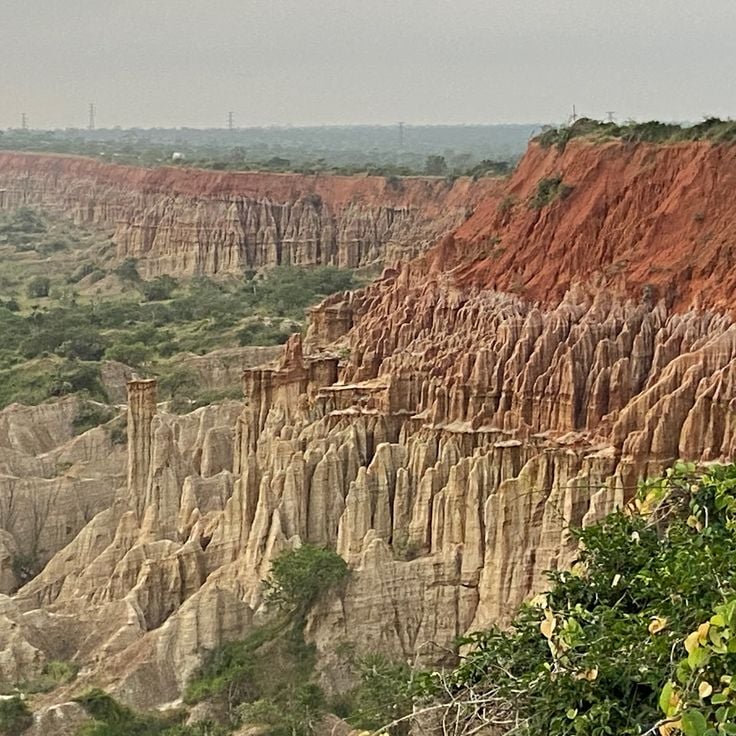
Miradouro da Lua is a geological formation with cliffs featuring striated and eroded surfaces that resemble the lunar landscape. This site ranks among Angola's natural attractions between Luanda and the provinces, showcasing the country's diverse environments alongside historical landmarks like Fort São Miguel and religious monuments.
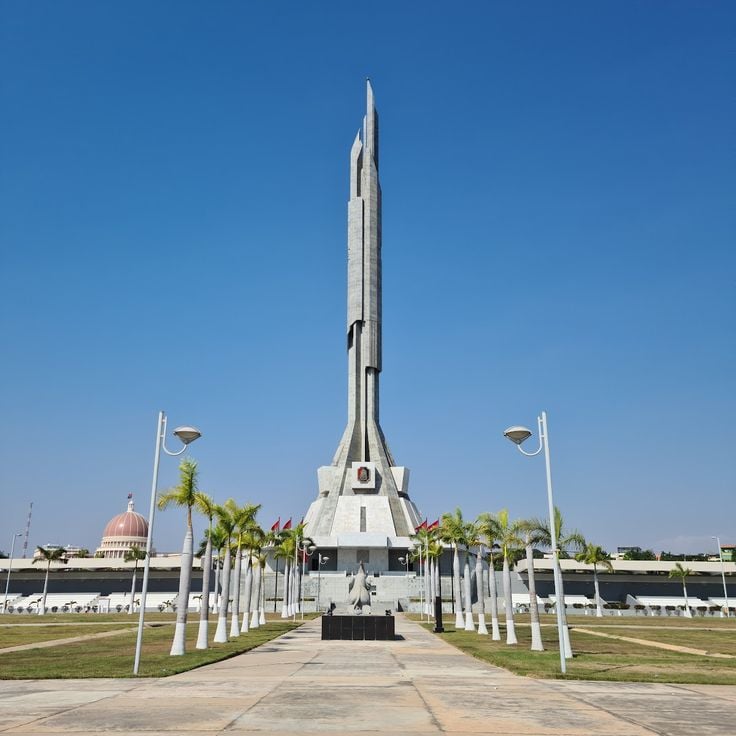
The Agostinho Neto Mausoleum in Luanda is a monumental structure built in 1982 to house the remains of Angola's first president. This memorial stands among the historical and cultural sites that define Angola, from the capital city to the provinces. It shares significance with other landmarks such as Fort São Miguel, the Iron Palace, and religious monuments that tell the story of Angola's past.
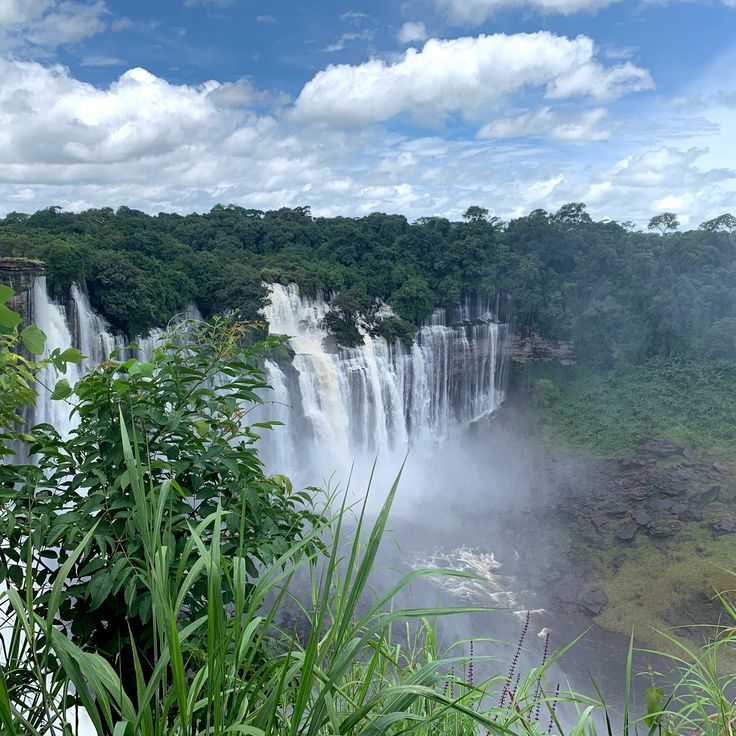
Kalandula Falls is one of Angola's most impressive natural sites, located in the Malanje province. The Lucala River plunges over 100 meters down, spreading across about 400 meters wide. The water crashes with force, creating mist and spray that rises into the air. Standing here, you feel the power of the falling water and see the raw geology of the landscape. This waterfall represents the geological formations that make Angola's natural heritage significant to those who visit.
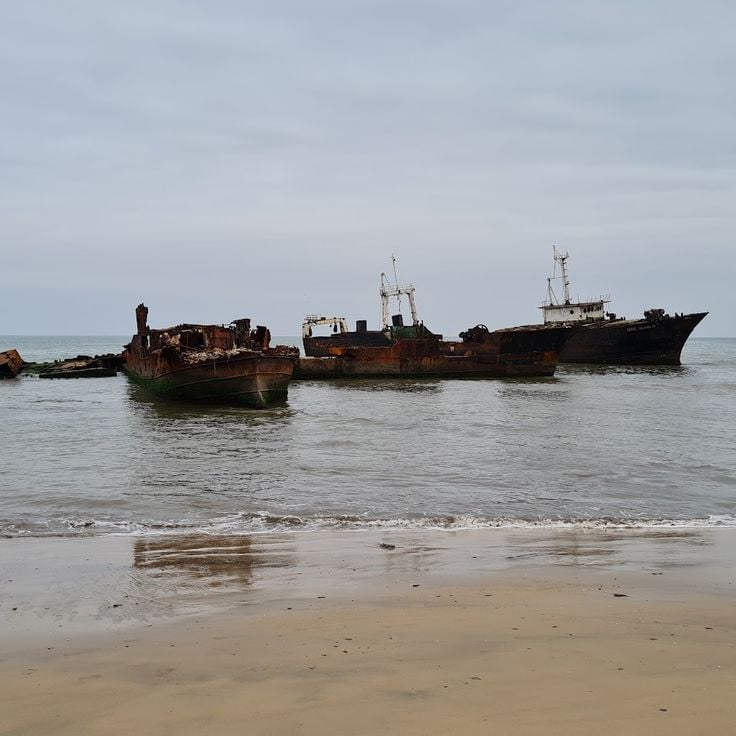
The Ship Graveyard in Luanda is part of Angola's story of nature and culture. Dozens of abandoned and rusted ships rest here, witnesses to the country's maritime past. This place speaks of a time when vessels were vital for trade and connection to the world. Visitors see large metal hulls slowly being reclaimed by the sea.
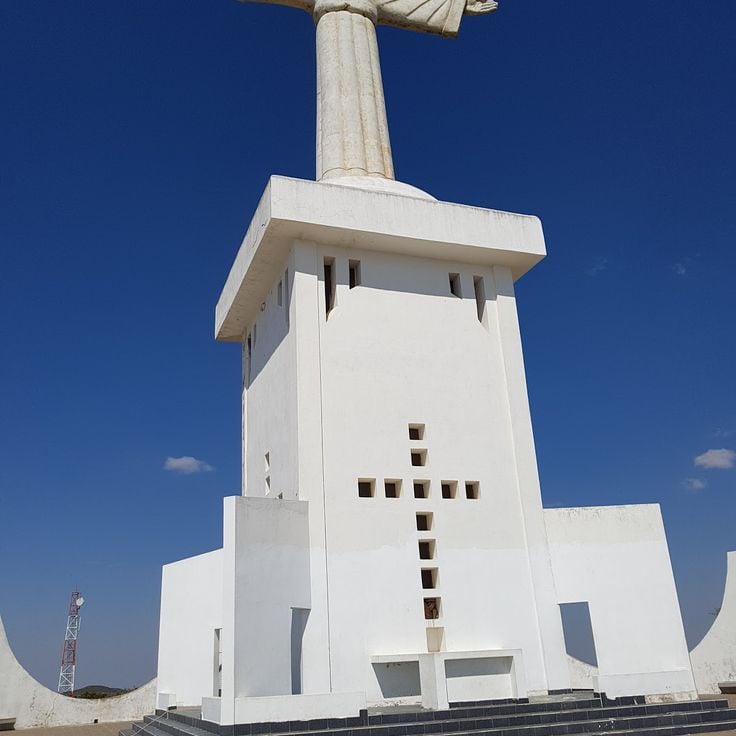
This religious statue in Lubango is part of Angola's spiritual landmarks and reflects the religious significance of the region. The statue stands atop Mount Tundavala and overlooks the city from its elevated position. It represents a statement of faith and attracts visitors exploring the connection between nature and spirituality across Angola's diverse sites.
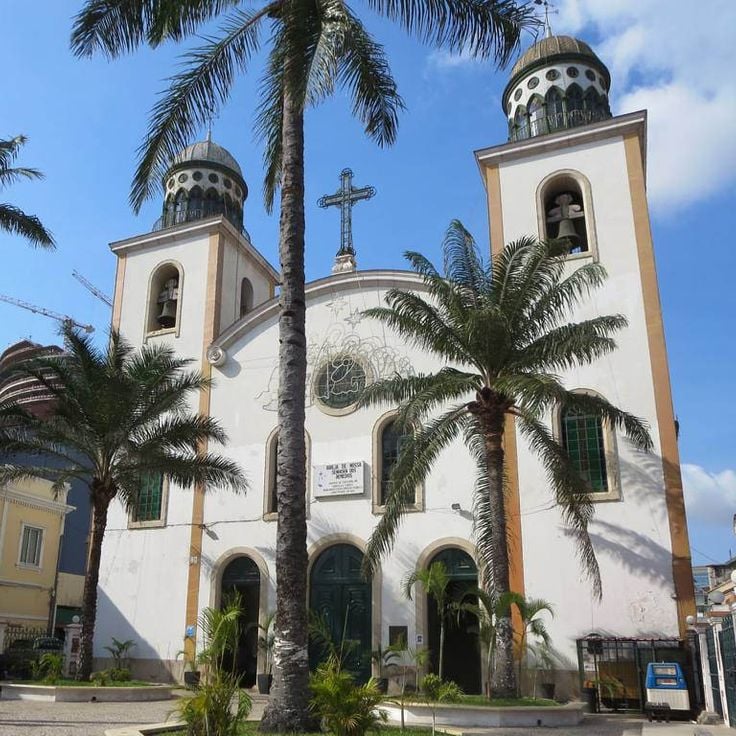
The Church of Our Lady of the People in Luanda is the oldest Catholic church in Angola. Built in the 16th century, this church blends Portuguese and African architectural styles. It represents the religious heritage featured in this collection, which explores historical and natural sites across Angola from Luanda to the provinces. The building tells the story of early settlement and cultural exchange in the country.
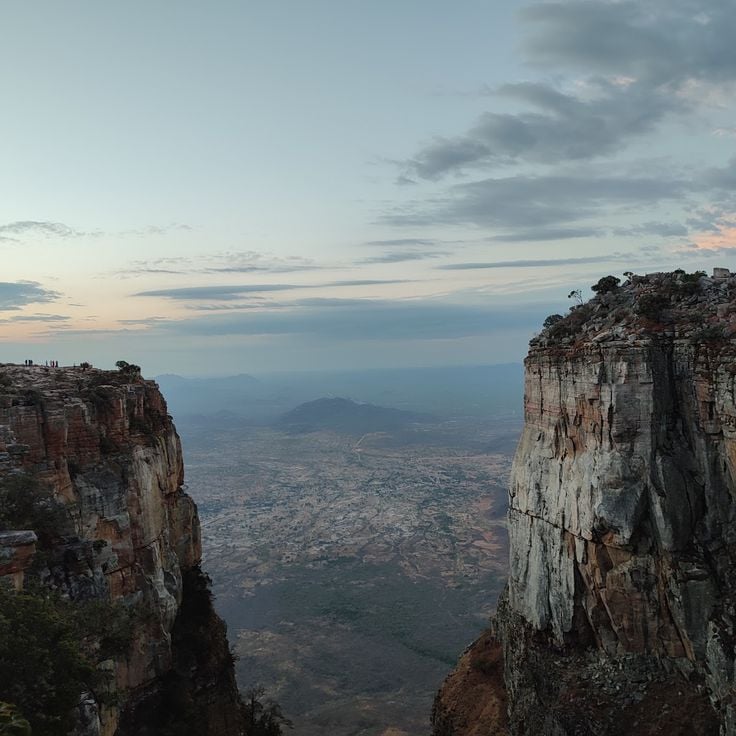
Tundavala is a natural escarpment in Huíla province, part of Angola's geological formations that extend from Luanda across the country. Situated at approximately 2200 meters elevation, this site offers views over the Huíla landscape. Visitors can explore the cliffs and rock formations that make up this natural landmark, contributing to Angola's rich heritage of natural sites.
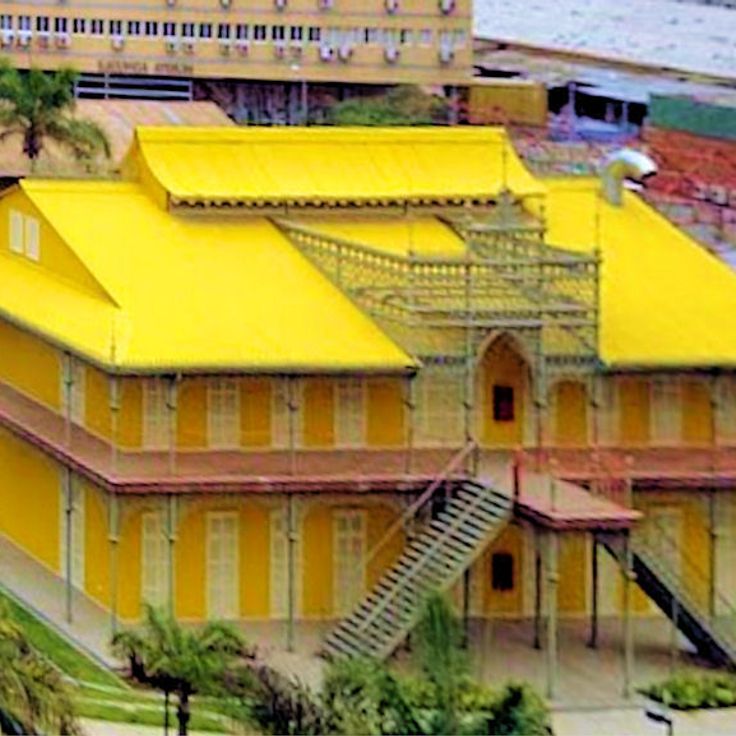
The Iron Palace is a metal prefabricated building from 1890, designed by Gustave Eiffel. Located in Luanda, this structure shows how European engineering arrived in Angola. Today, the building uses its interior space for temporary and permanent exhibitions, contributing to the cultural narrative that connects Angola's nature and history.
The Monument to the Unknown Soldier in Luanda is part of Angola's historical and cultural sites. Built in 1975, it honors soldiers who died during the independence war. The monument features an eternal flame that burns continuously as a tribute to those who fell.
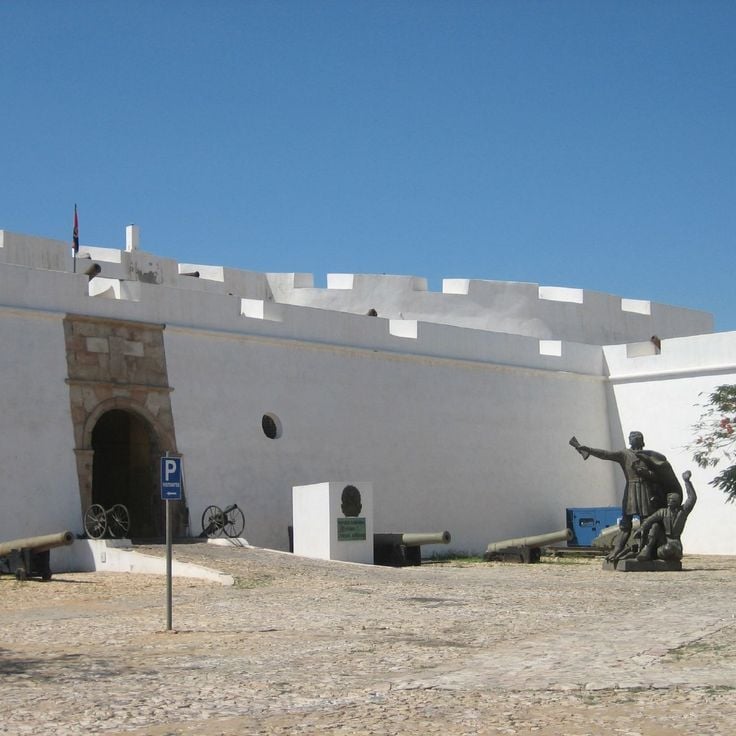
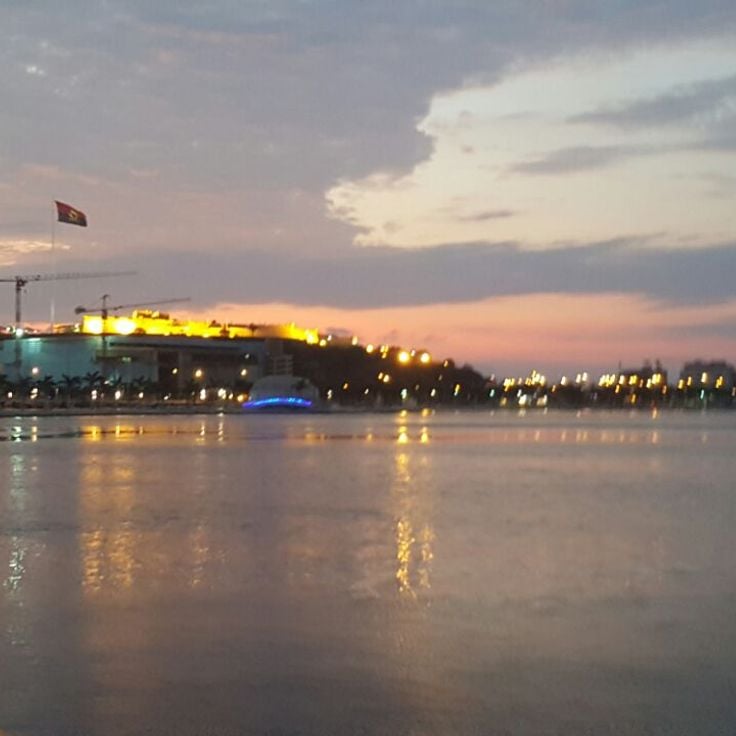
Fort São Miguel is a Portuguese military construction built on a hilltop in Luanda. Its white walls and ramparts overlook Luanda Bay. As part of your visit to Angola between nature and culture, this fort shows the military history of the country and was once a key point for controlling the coast.
The National Museum of Anthropology in Luanda displays the cultural diversity of Angola. Its permanent collection includes objects from various regions of the country: masks, musical instruments, and other pieces that reflect the craftsmanship and artistic traditions of local communities. An exhibition documents the social practices and ways of life of Angola's different ethnic groups. The museum helps preserve and explain the country's rich cultural heritage.
Mussulo Beach is a 30-kilometer peninsula lined with palm trees and fish restaurants. The shallow waters are perfect for kitesurfing. This beach is part of Angola's coastal treasures and complements the historical and natural sites found throughout the country, from Luanda to the provinces.
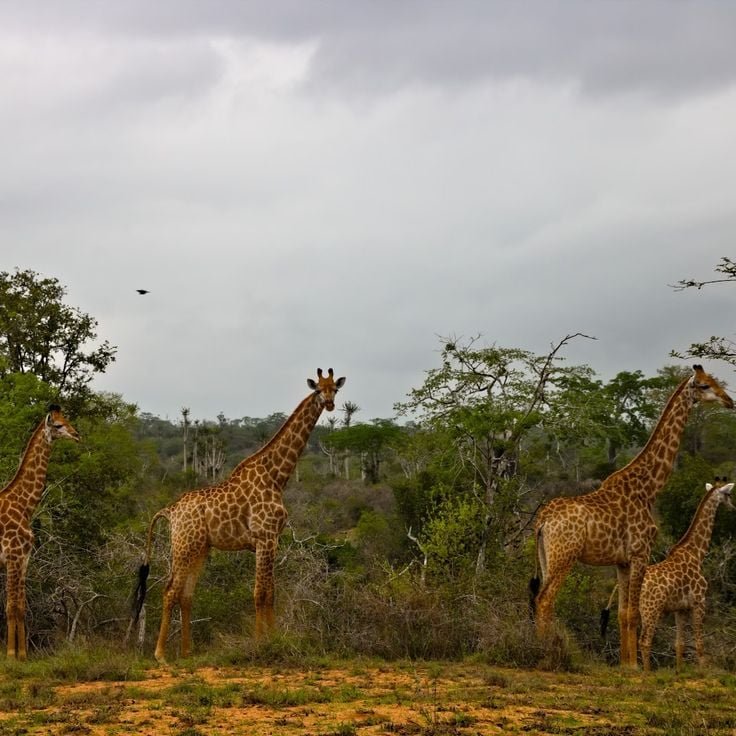
Quiçama National Park, located near Luanda, is part of Angola's mix of natural and cultural attractions. This protected area spreads across vast land and is home to elephants, antelopes, and buffaloes. The park has observation points set near watering holes, where visitors can watch wildlife in their natural surroundings. It shows the range of Angola's nature and complements the historical sites and rock formations found throughout the country.
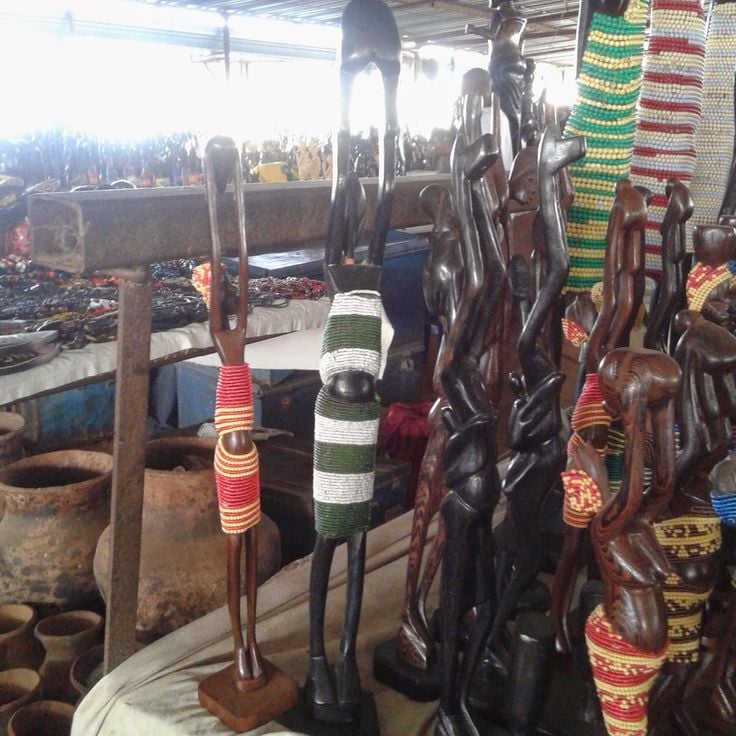
This market in the south of Luanda is a place where locals and visitors come together to find local products, fabrics, crafts, and antiques. As part of this journey through Angola's history and nature, Benfica Market offers insights into the daily life and crafting traditions of the city.
Santiago Beach is a long stretch of sand in central Luanda and represents the coastline attractions featured in Angola's natural sites. The beach brings together locals and visitors who stroll along the shore, swim, and dine at seafood restaurants overlooking the water. This place shows how the city meets the ocean and how people spend their days by the sea.
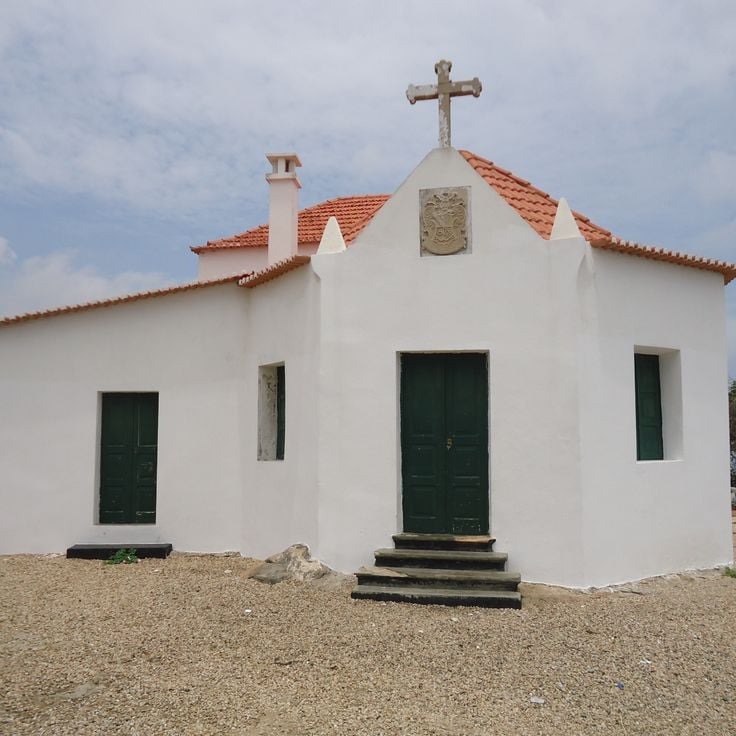
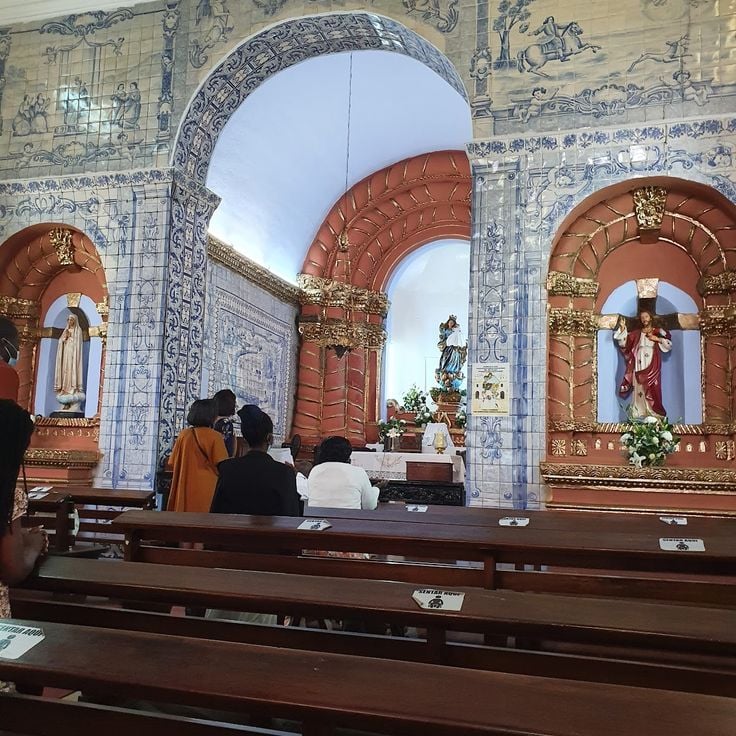
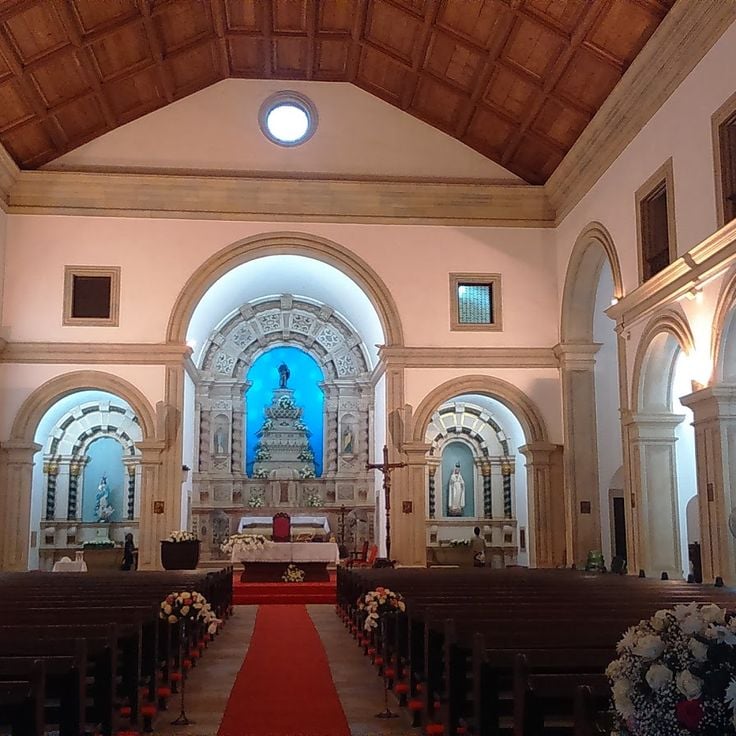
The Sanctuary of Nossa Senhora da Nazaré is part of Angola's story of nature and culture. This Catholic church was built in 1664 on a hill overlooking Luanda Bay. Portuguese colonial architecture shapes the building's character, with details that reflect the period when it was constructed. Regular ceremonies take place here, showing how the space remains central to the city's religious life. As a historical church, it stands among Angola's other religious landmarks, which include statues and sites that document the nation's spiritual heritage.
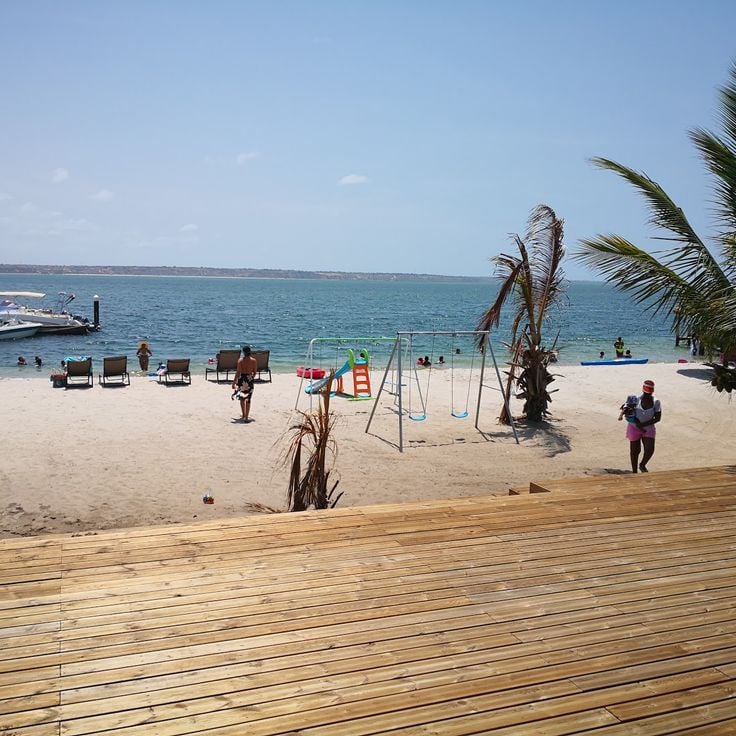
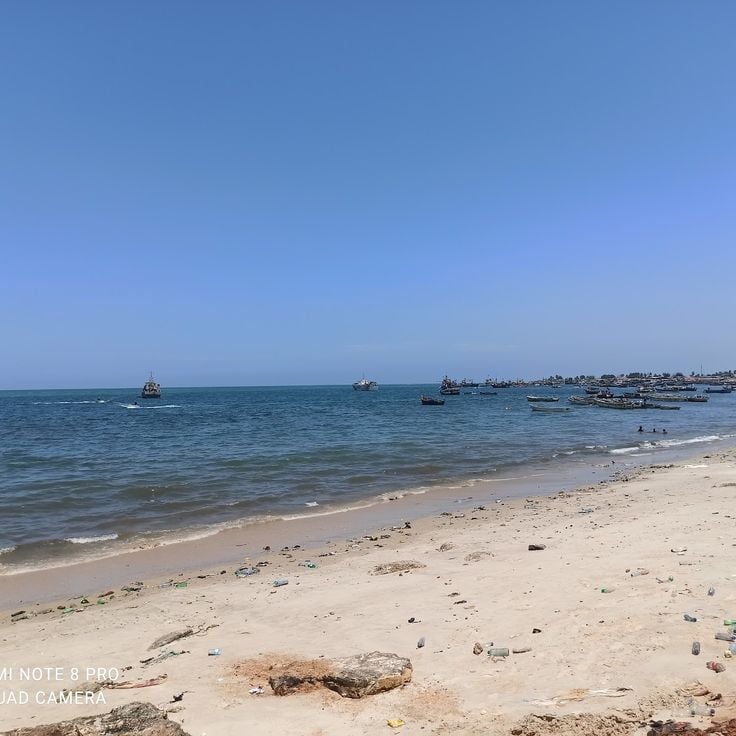
Ilha do Cabo Beach is a strip of sand on a peninsula off Luanda and fits into Angola's offerings between nature and culture. The beach is lined with hotels and nautical clubs that offer various water activities. Visitors find here a place to swim and relax along the capital's coastline.
The Milando Natural Reserve is a protected area in Malanje that fits into Angola's diverse landscape of nature and culture. It spans about one million hectares and provides habitat for lions and leopards that roam freely across savannas and forests. This reserve shows the importance of Angola's natural spaces, which alongside historical sites like Fort São Miguel in Luanda and Kalandula Falls help define the country's identity.
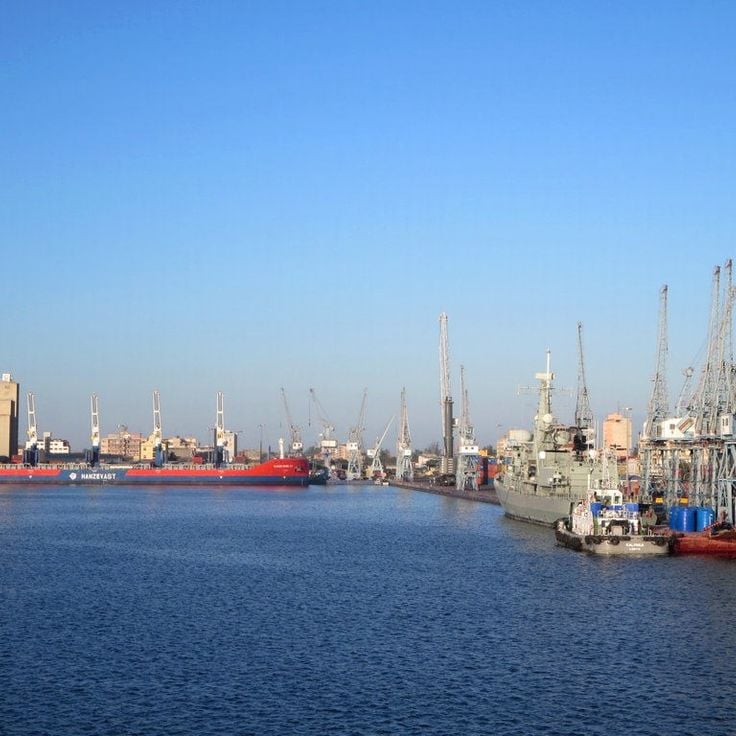
The Port of Lobito is a harbor facility built during the colonial period and shows Angola's maritime past. With its deep-water quays and historic warehouses, this port connects the country's history to its role in trade. Located on the coast, it tells the story of when Angola was an important trading center. Visitors can discover the structure and layout of an old port that once linked goods from different regions.
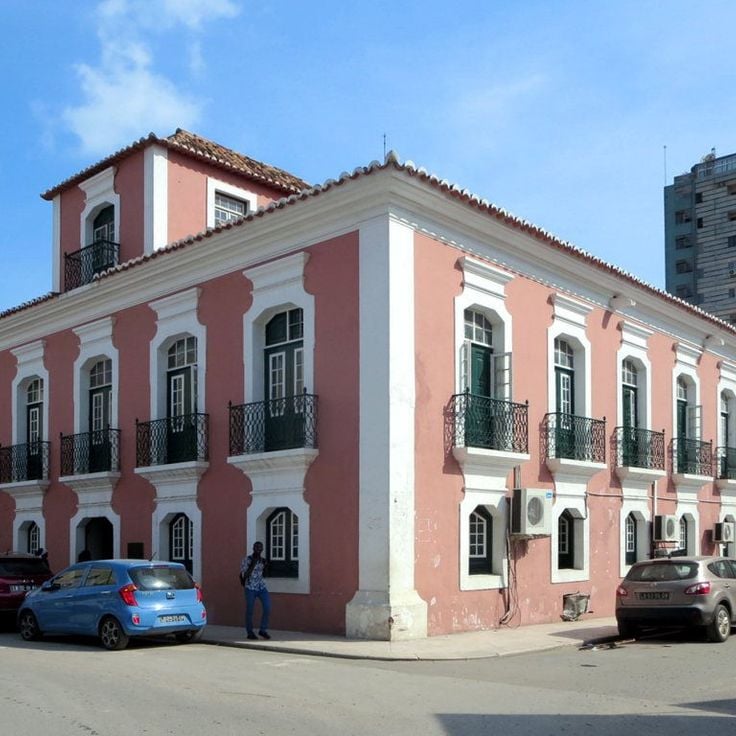
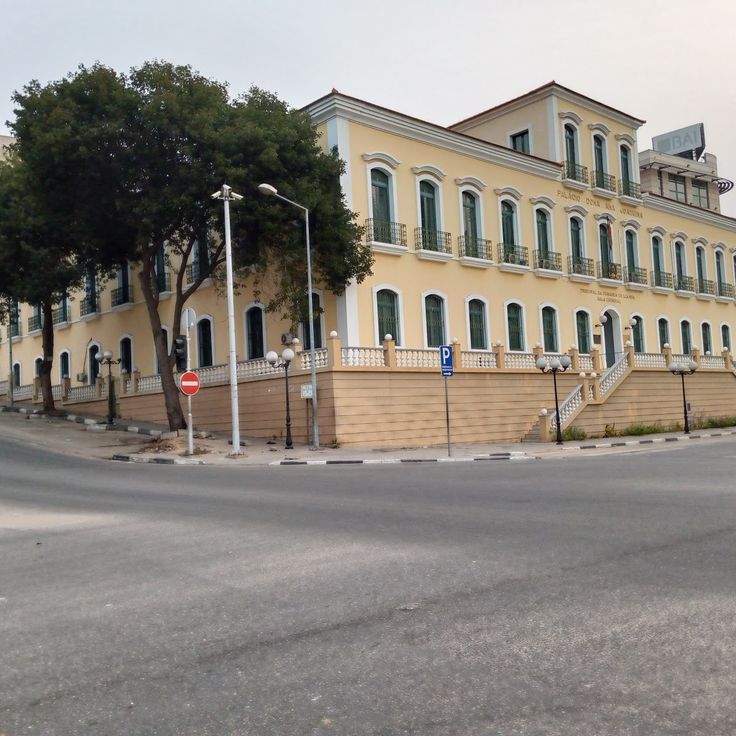
The Palace Dona Ana Joaquina in Luanda represents Angola's story of history and natural sites. This 17th-century building was transformed into a criminal court and features a white façade with classical columns. The palace stands in the capital, near Fort São Miguel, the Iron Palace, and the Agostinho Neto Mausoleum.
The Carmelite Church in Luanda is a religious building from the colonial era located in the lower city district, with its characteristic bell tower contributing to Angola's religious heritage. It stands among the historical churches that reflect the country's cultural history and invite visitors to explore the religious past of the capital.
The Dundu Museum in Luanda presents traditional Angolan objects, historical documents, and art collections spanning from colonial times to the present day. It contributes to this exploration of Angola's history and culture by documenting the country's evolution through its artworks and historical records.
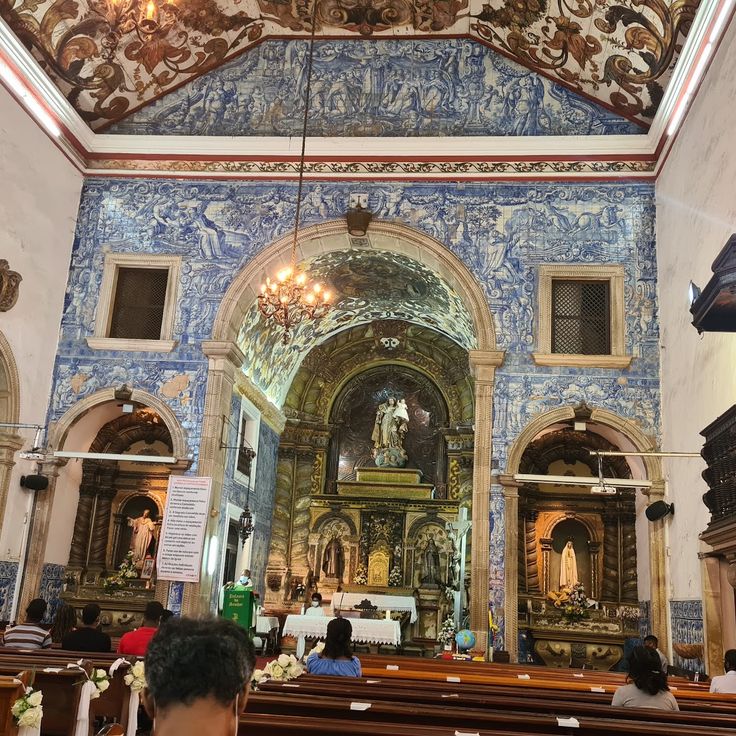
The Jesuits Church in Luanda is a religious building from the 17th century, built by Jesuit missionaries. It displays Portuguese baroque architecture and retains its period interior decorations. As part of Angola's religious heritage, which extends from Luanda to the provinces, this church documents the spiritual history of the country alongside other historical churches and religious monuments like the Christ King statue in Lubango.
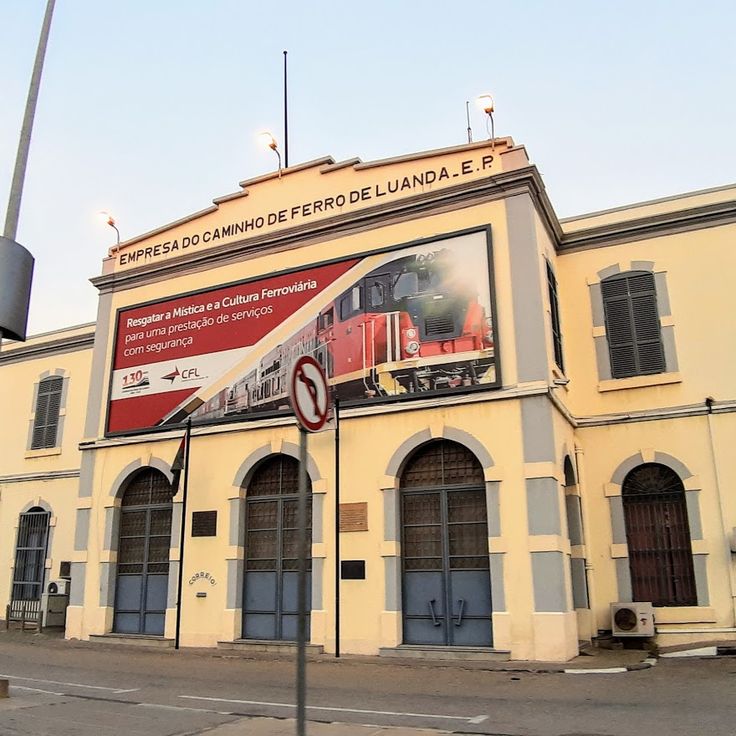
The Central Station of Luanda is a railway terminal opened in 1888 and a key site in this collection about Angola's history and nature. The station marks the starting point of the Luanda railway towards the country's interior and displays Portuguese colonial architecture. It connects the capital with the provinces and their many historical and natural treasures.
The Sonangol Towers are two office buildings constructed in the 1950s that stand in Luanda's business center. They serve as the headquarters of the national oil company and represent the modern architecture that defines the city. These buildings reflect Angola's economic development and the importance of the oil industry to the country. They sit near other significant sites like Fort São Miguel and the Iron Palace, which tell the story of Luanda's past.
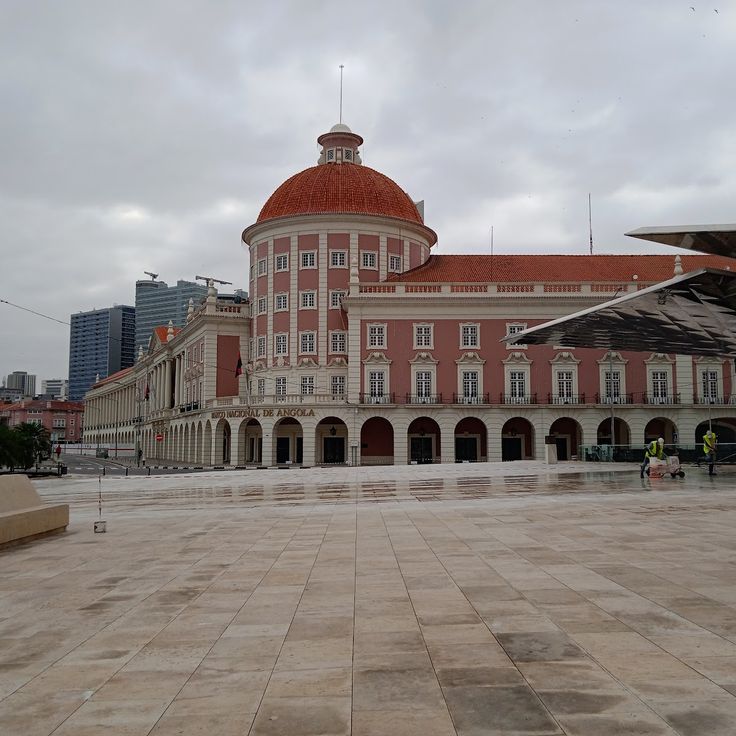
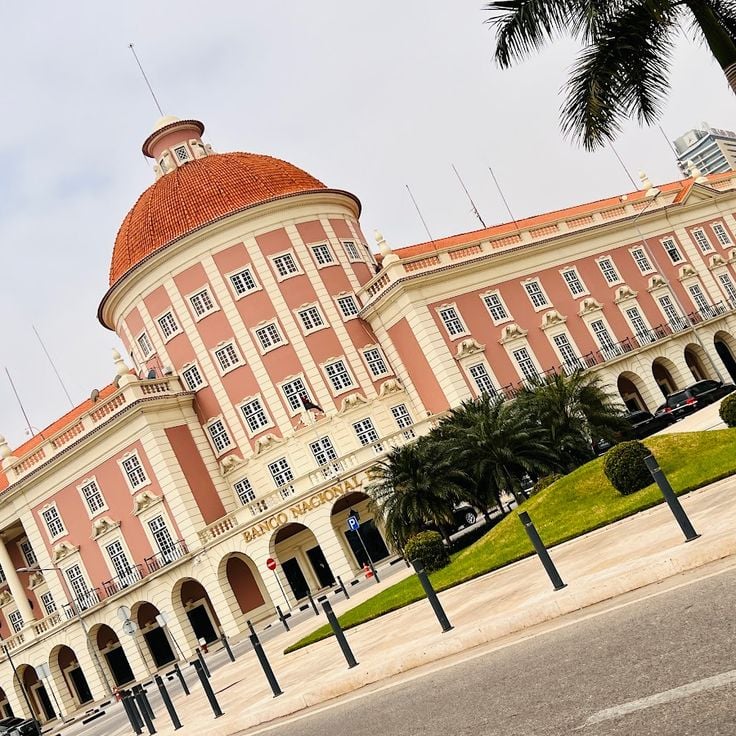
The National Bank of Angola is a financial institution in Luanda that represents part of the country's historical and cultural landmarks. Constructed in 1956 in neoclassical style, this building serves as the headquarters of Angola's central bank. The structure reflects the economic history and development of the nation.
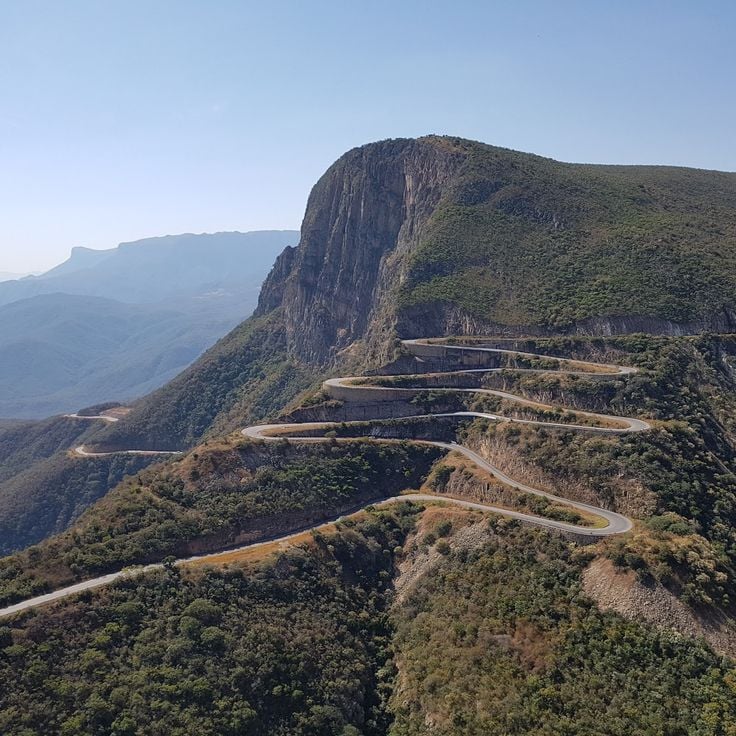
Serra da Leba is a mountain road in Namibe that forms part of Angola's journey between nature and culture. Built in 1970, it connects the desert landscape to Huíla province through a winding path that climbs steadily upward. As you travel along this road, you experience the changing landscape and the engineering of the route itself. The road reveals how varied Angola's terrain can be, moving from lower elevations to higher altitudes where the air grows cooler and the views shift.
Sangano Beach is a long stretch of white sand bordered by palm trees and local restaurants along the Atlantic coast south of Luanda. This beach is part of Angola's diverse coastline, which includes other beaches like Mussulo and Santiago alongside the country's historical and natural sites. Visitors can enjoy a relaxing seaside experience while experiencing the coastal landscape that characterizes this region.
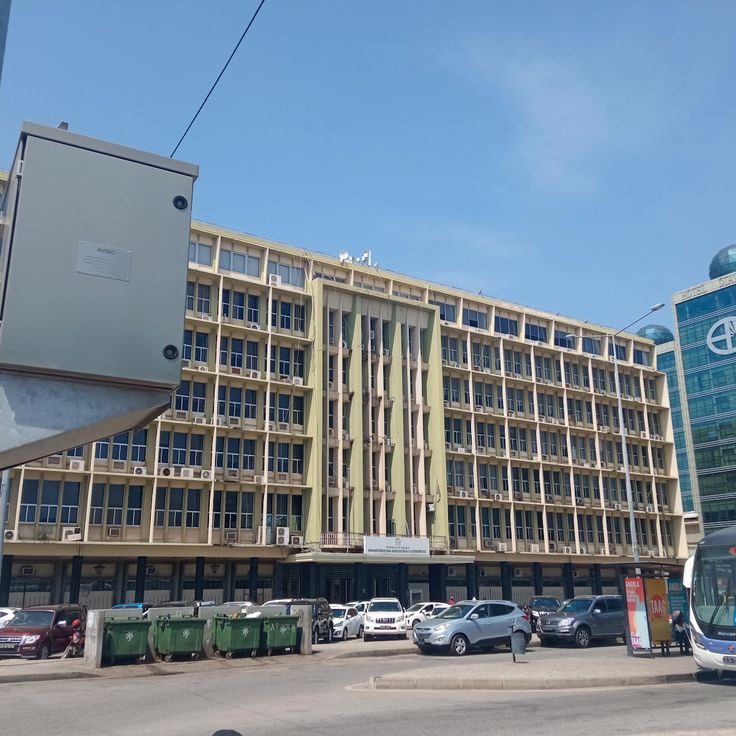
The Ministry of Urbanism in Luanda is a government building constructed in 1950 that manages urban development policies and territorial planning for Angola. This structure is part of the historical and natural sites spanning from Luanda to the provinces. It shows how the capital shaped its urban form and stands alongside cultural landmarks such as Fort São Miguel, the Iron Palace, and the Agostinho Neto Mausoleum. The ministry represents the administrative infrastructure that guided the city's growth and organization.
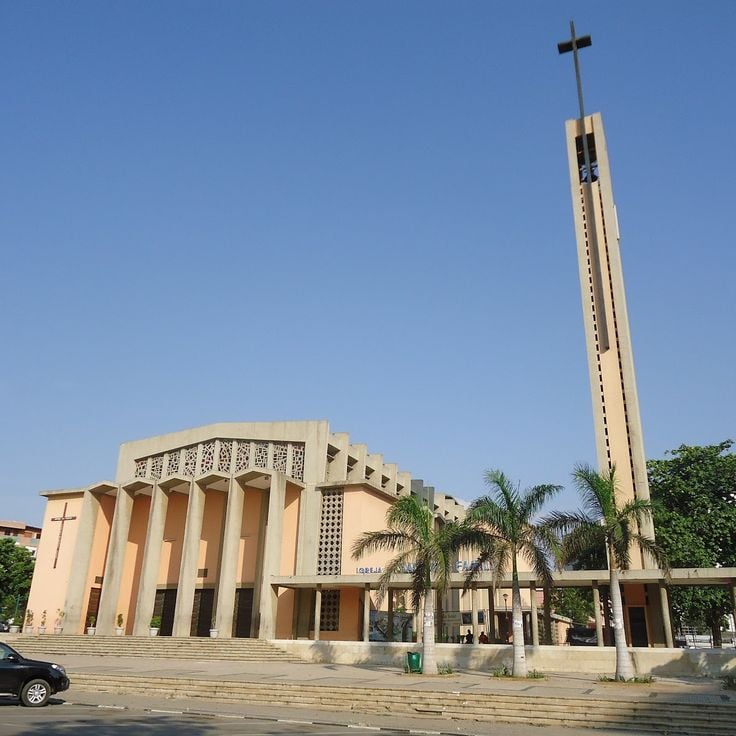
The Sagrada Familia Church is part of Angola's historical and cultural heritage between nature and culture. This Catholic temple was built in 1964 in Luanda and serves as a place of worship for the city's residents. The architecture brings together modern and traditional elements in a distinctive way.
The National Museum of Slavery in Luanda tells the story of the slave trade in Angola from the 15th to 19th centuries. As part of Angola's cultural heritage, this museum preserves important documents and objects from this difficult period of history. Visitors can examine artifacts, personal belongings, and written records that reveal the experiences of enslaved people. The museum is housed in the Capela da Casa Grande, a historic building that itself witnessed this past. Through its collections, the museum helps people understand the profound impact of slavery on Angola's society and people.
Miradouro da Lua is a geological formation with cliffs featuring striated and eroded surfaces that resemble the lunar landscape. This site ranks among Angola's natural attractions between Luanda and the provinces, showcasing the country's diverse environments alongside historical landmarks like Fort São Miguel and religious monuments.
The Agostinho Neto Mausoleum in Luanda is a monumental structure built in 1982 to house the remains of Angola's first president. This memorial stands among the historical and cultural sites that define Angola, from the capital city to the provinces. It shares significance with other landmarks such as Fort São Miguel, the Iron Palace, and religious monuments that tell the story of Angola's past.
Kalandula Falls is one of Angola's most impressive natural sites, located in the Malanje province. The Lucala River plunges over 100 meters down, spreading across about 400 meters wide. The water crashes with force, creating mist and spray that rises into the air. Standing here, you feel the power of the falling water and see the raw geology of the landscape. This waterfall represents the geological formations that make Angola's natural heritage significant to those who visit.
The Ship Graveyard in Luanda is part of Angola's story of nature and culture. Dozens of abandoned and rusted ships rest here, witnesses to the country's maritime past. This place speaks of a time when vessels were vital for trade and connection to the world. Visitors see large metal hulls slowly being reclaimed by the sea.
This religious statue in Lubango is part of Angola's spiritual landmarks and reflects the religious significance of the region. The statue stands atop Mount Tundavala and overlooks the city from its elevated position. It represents a statement of faith and attracts visitors exploring the connection between nature and spirituality across Angola's diverse sites.
The Church of Our Lady of the People in Luanda is the oldest Catholic church in Angola. Built in the 16th century, this church blends Portuguese and African architectural styles. It represents the religious heritage featured in this collection, which explores historical and natural sites across Angola from Luanda to the provinces. The building tells the story of early settlement and cultural exchange in the country.
Tundavala is a natural escarpment in Huíla province, part of Angola's geological formations that extend from Luanda across the country. Situated at approximately 2200 meters elevation, this site offers views over the Huíla landscape. Visitors can explore the cliffs and rock formations that make up this natural landmark, contributing to Angola's rich heritage of natural sites.
The Iron Palace is a metal prefabricated building from 1890, designed by Gustave Eiffel. Located in Luanda, this structure shows how European engineering arrived in Angola. Today, the building uses its interior space for temporary and permanent exhibitions, contributing to the cultural narrative that connects Angola's nature and history.
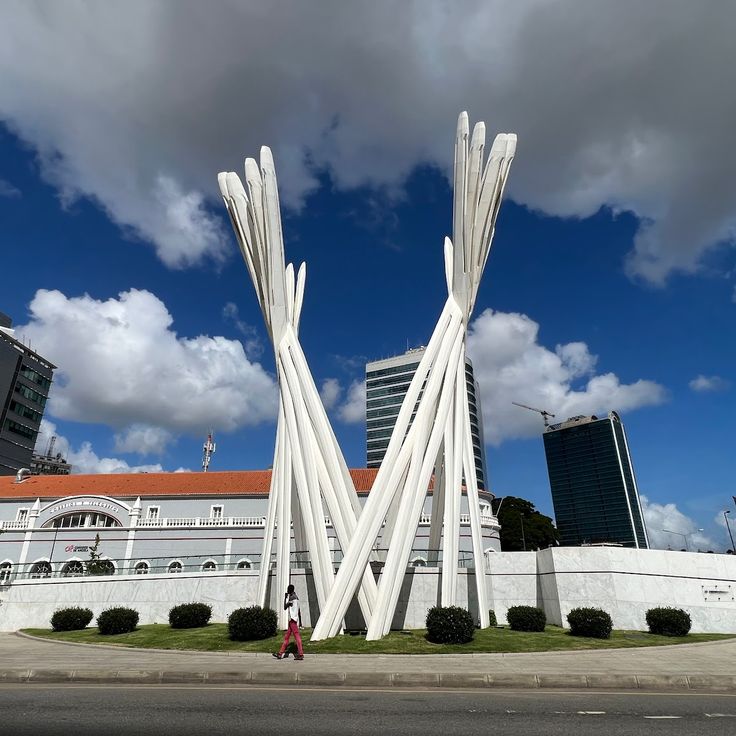
The Monument to the Unknown Soldier in Luanda is part of Angola's historical and cultural sites. Built in 1975, it honors soldiers who died during the independence war. The monument features an eternal flame that burns continuously as a tribute to those who fell.
Fort São Miguel is a Portuguese military construction built on a hilltop in Luanda. Its white walls and ramparts overlook Luanda Bay. As part of your visit to Angola between nature and culture, this fort shows the military history of the country and was once a key point for controlling the coast.
The National Museum of Anthropology in Luanda displays the cultural diversity of Angola. Its permanent collection includes objects from various regions of the country: masks, musical instruments, and other pieces that reflect the craftsmanship and artistic traditions of local communities. An exhibition documents the social practices and ways of life of Angola's different ethnic groups. The museum helps preserve and explain the country's rich cultural heritage.
Mussulo Beach is a 30-kilometer peninsula lined with palm trees and fish restaurants. The shallow waters are perfect for kitesurfing. This beach is part of Angola's coastal treasures and complements the historical and natural sites found throughout the country, from Luanda to the provinces.
Quiçama National Park, located near Luanda, is part of Angola's mix of natural and cultural attractions. This protected area spreads across vast land and is home to elephants, antelopes, and buffaloes. The park has observation points set near watering holes, where visitors can watch wildlife in their natural surroundings. It shows the range of Angola's nature and complements the historical sites and rock formations found throughout the country.
This market in the south of Luanda is a place where locals and visitors come together to find local products, fabrics, crafts, and antiques. As part of this journey through Angola's history and nature, Benfica Market offers insights into the daily life and crafting traditions of the city.
Santiago Beach is a long stretch of sand in central Luanda and represents the coastline attractions featured in Angola's natural sites. The beach brings together locals and visitors who stroll along the shore, swim, and dine at seafood restaurants overlooking the water. This place shows how the city meets the ocean and how people spend their days by the sea.
The Sanctuary of Nossa Senhora da Nazaré is part of Angola's story of nature and culture. This Catholic church was built in 1664 on a hill overlooking Luanda Bay. Portuguese colonial architecture shapes the building's character, with details that reflect the period when it was constructed. Regular ceremonies take place here, showing how the space remains central to the city's religious life. As a historical church, it stands among Angola's other religious landmarks, which include statues and sites that document the nation's spiritual heritage.
Ilha do Cabo Beach is a strip of sand on a peninsula off Luanda and fits into Angola's offerings between nature and culture. The beach is lined with hotels and nautical clubs that offer various water activities. Visitors find here a place to swim and relax along the capital's coastline.
The Milando Natural Reserve is a protected area in Malanje that fits into Angola's diverse landscape of nature and culture. It spans about one million hectares and provides habitat for lions and leopards that roam freely across savannas and forests. This reserve shows the importance of Angola's natural spaces, which alongside historical sites like Fort São Miguel in Luanda and Kalandula Falls help define the country's identity.
The Port of Lobito is a harbor facility built during the colonial period and shows Angola's maritime past. With its deep-water quays and historic warehouses, this port connects the country's history to its role in trade. Located on the coast, it tells the story of when Angola was an important trading center. Visitors can discover the structure and layout of an old port that once linked goods from different regions.
The Palace Dona Ana Joaquina in Luanda represents Angola's story of history and natural sites. This 17th-century building was transformed into a criminal court and features a white façade with classical columns. The palace stands in the capital, near Fort São Miguel, the Iron Palace, and the Agostinho Neto Mausoleum.
The Carmelite Church in Luanda is a religious building from the colonial era located in the lower city district, with its characteristic bell tower contributing to Angola's religious heritage. It stands among the historical churches that reflect the country's cultural history and invite visitors to explore the religious past of the capital.
The Dundu Museum in Luanda presents traditional Angolan objects, historical documents, and art collections spanning from colonial times to the present day. It contributes to this exploration of Angola's history and culture by documenting the country's evolution through its artworks and historical records.
The Jesuits Church in Luanda is a religious building from the 17th century, built by Jesuit missionaries. It displays Portuguese baroque architecture and retains its period interior decorations. As part of Angola's religious heritage, which extends from Luanda to the provinces, this church documents the spiritual history of the country alongside other historical churches and religious monuments like the Christ King statue in Lubango.
The Central Station of Luanda is a railway terminal opened in 1888 and a key site in this collection about Angola's history and nature. The station marks the starting point of the Luanda railway towards the country's interior and displays Portuguese colonial architecture. It connects the capital with the provinces and their many historical and natural treasures.
The Sonangol Towers are two office buildings constructed in the 1950s that stand in Luanda's business center. They serve as the headquarters of the national oil company and represent the modern architecture that defines the city. These buildings reflect Angola's economic development and the importance of the oil industry to the country. They sit near other significant sites like Fort São Miguel and the Iron Palace, which tell the story of Luanda's past.
The National Bank of Angola is a financial institution in Luanda that represents part of the country's historical and cultural landmarks. Constructed in 1956 in neoclassical style, this building serves as the headquarters of Angola's central bank. The structure reflects the economic history and development of the nation.
Serra da Leba is a mountain road in Namibe that forms part of Angola's journey between nature and culture. Built in 1970, it connects the desert landscape to Huíla province through a winding path that climbs steadily upward. As you travel along this road, you experience the changing landscape and the engineering of the route itself. The road reveals how varied Angola's terrain can be, moving from lower elevations to higher altitudes where the air grows cooler and the views shift.
Sangano Beach is a long stretch of white sand bordered by palm trees and local restaurants along the Atlantic coast south of Luanda. This beach is part of Angola's diverse coastline, which includes other beaches like Mussulo and Santiago alongside the country's historical and natural sites. Visitors can enjoy a relaxing seaside experience while experiencing the coastal landscape that characterizes this region.
The Ministry of Urbanism in Luanda is a government building constructed in 1950 that manages urban development policies and territorial planning for Angola. This structure is part of the historical and natural sites spanning from Luanda to the provinces. It shows how the capital shaped its urban form and stands alongside cultural landmarks such as Fort São Miguel, the Iron Palace, and the Agostinho Neto Mausoleum. The ministry represents the administrative infrastructure that guided the city's growth and organization.
The Sagrada Familia Church is part of Angola's historical and cultural heritage between nature and culture. This Catholic temple was built in 1964 in Luanda and serves as a place of worship for the city's residents. The architecture brings together modern and traditional elements in a distinctive way.
The National Museum of Slavery in Luanda tells the story of the slave trade in Angola from the 15th to 19th centuries. As part of Angola's cultural heritage, this museum preserves important documents and objects from this difficult period of history. Visitors can examine artifacts, personal belongings, and written records that reveal the experiences of enslaved people. The museum is housed in the Capela da Casa Grande, a historic building that itself witnessed this past. Through its collections, the museum helps people understand the profound impact of slavery on Angola's society and people.
Miradouro da Lua is a geological formation with cliffs featuring striated and eroded surfaces that resemble the lunar landscape. This site ranks among Angola's natural attractions between Luanda and the provinces, showcasing the country's diverse environments alongside historical landmarks like Fort São Miguel and religious monuments.
The Agostinho Neto Mausoleum in Luanda is a monumental structure built in 1982 to house the remains of Angola's first president. This memorial stands among the historical and cultural sites that define Angola, from the capital city to the provinces. It shares significance with other landmarks such as Fort São Miguel, the Iron Palace, and religious monuments that tell the story of Angola's past.
Kalandula Falls is one of Angola's most impressive natural sites, located in the Malanje province. The Lucala River plunges over 100 meters down, spreading across about 400 meters wide. The water crashes with force, creating mist and spray that rises into the air. Standing here, you feel the power of the falling water and see the raw geology of the landscape. This waterfall represents the geological formations that make Angola's natural heritage significant to those who visit.
The Ship Graveyard in Luanda is part of Angola's story of nature and culture. Dozens of abandoned and rusted ships rest here, witnesses to the country's maritime past. This place speaks of a time when vessels were vital for trade and connection to the world. Visitors see large metal hulls slowly being reclaimed by the sea.
This religious statue in Lubango is part of Angola's spiritual landmarks and reflects the religious significance of the region. The statue stands atop Mount Tundavala and overlooks the city from its elevated position. It represents a statement of faith and attracts visitors exploring the connection between nature and spirituality across Angola's diverse sites.
The Church of Our Lady of the People in Luanda is the oldest Catholic church in Angola. Built in the 16th century, this church blends Portuguese and African architectural styles. It represents the religious heritage featured in this collection, which explores historical and natural sites across Angola from Luanda to the provinces. The building tells the story of early settlement and cultural exchange in the country.
Tundavala is a natural escarpment in Huíla province, part of Angola's geological formations that extend from Luanda across the country. Situated at approximately 2200 meters elevation, this site offers views over the Huíla landscape. Visitors can explore the cliffs and rock formations that make up this natural landmark, contributing to Angola's rich heritage of natural sites.
The Iron Palace is a metal prefabricated building from 1890, designed by Gustave Eiffel. Located in Luanda, this structure shows how European engineering arrived in Angola. Today, the building uses its interior space for temporary and permanent exhibitions, contributing to the cultural narrative that connects Angola's nature and history.
The Monument to the Unknown Soldier in Luanda is part of Angola's historical and cultural sites. Built in 1975, it honors soldiers who died during the independence war. The monument features an eternal flame that burns continuously as a tribute to those who fell.
Fort São Miguel is a Portuguese military construction built on a hilltop in Luanda. Its white walls and ramparts overlook Luanda Bay. As part of your visit to Angola between nature and culture, this fort shows the military history of the country and was once a key point for controlling the coast.
The National Museum of Anthropology in Luanda displays the cultural diversity of Angola. Its permanent collection includes objects from various regions of the country: masks, musical instruments, and other pieces that reflect the craftsmanship and artistic traditions of local communities. An exhibition documents the social practices and ways of life of Angola's different ethnic groups. The museum helps preserve and explain the country's rich cultural heritage.
Mussulo Beach is a 30-kilometer peninsula lined with palm trees and fish restaurants. The shallow waters are perfect for kitesurfing. This beach is part of Angola's coastal treasures and complements the historical and natural sites found throughout the country, from Luanda to the provinces.
Quiçama National Park, located near Luanda, is part of Angola's mix of natural and cultural attractions. This protected area spreads across vast land and is home to elephants, antelopes, and buffaloes. The park has observation points set near watering holes, where visitors can watch wildlife in their natural surroundings. It shows the range of Angola's nature and complements the historical sites and rock formations found throughout the country.
This market in the south of Luanda is a place where locals and visitors come together to find local products, fabrics, crafts, and antiques. As part of this journey through Angola's history and nature, Benfica Market offers insights into the daily life and crafting traditions of the city.
Santiago Beach is a long stretch of sand in central Luanda and represents the coastline attractions featured in Angola's natural sites. The beach brings together locals and visitors who stroll along the shore, swim, and dine at seafood restaurants overlooking the water. This place shows how the city meets the ocean and how people spend their days by the sea.
The Sanctuary of Nossa Senhora da Nazaré is part of Angola's story of nature and culture. This Catholic church was built in 1664 on a hill overlooking Luanda Bay. Portuguese colonial architecture shapes the building's character, with details that reflect the period when it was constructed. Regular ceremonies take place here, showing how the space remains central to the city's religious life. As a historical church, it stands among Angola's other religious landmarks, which include statues and sites that document the nation's spiritual heritage.
Ilha do Cabo Beach is a strip of sand on a peninsula off Luanda and fits into Angola's offerings between nature and culture. The beach is lined with hotels and nautical clubs that offer various water activities. Visitors find here a place to swim and relax along the capital's coastline.
The Milando Natural Reserve is a protected area in Malanje that fits into Angola's diverse landscape of nature and culture. It spans about one million hectares and provides habitat for lions and leopards that roam freely across savannas and forests. This reserve shows the importance of Angola's natural spaces, which alongside historical sites like Fort São Miguel in Luanda and Kalandula Falls help define the country's identity.
The Port of Lobito is a harbor facility built during the colonial period and shows Angola's maritime past. With its deep-water quays and historic warehouses, this port connects the country's history to its role in trade. Located on the coast, it tells the story of when Angola was an important trading center. Visitors can discover the structure and layout of an old port that once linked goods from different regions.
The Palace Dona Ana Joaquina in Luanda represents Angola's story of history and natural sites. This 17th-century building was transformed into a criminal court and features a white façade with classical columns. The palace stands in the capital, near Fort São Miguel, the Iron Palace, and the Agostinho Neto Mausoleum.
The Carmelite Church in Luanda is a religious building from the colonial era located in the lower city district, with its characteristic bell tower contributing to Angola's religious heritage. It stands among the historical churches that reflect the country's cultural history and invite visitors to explore the religious past of the capital.
The Dundu Museum in Luanda presents traditional Angolan objects, historical documents, and art collections spanning from colonial times to the present day. It contributes to this exploration of Angola's history and culture by documenting the country's evolution through its artworks and historical records.
The Jesuits Church in Luanda is a religious building from the 17th century, built by Jesuit missionaries. It displays Portuguese baroque architecture and retains its period interior decorations. As part of Angola's religious heritage, which extends from Luanda to the provinces, this church documents the spiritual history of the country alongside other historical churches and religious monuments like the Christ King statue in Lubango.
The Central Station of Luanda is a railway terminal opened in 1888 and a key site in this collection about Angola's history and nature. The station marks the starting point of the Luanda railway towards the country's interior and displays Portuguese colonial architecture. It connects the capital with the provinces and their many historical and natural treasures.
The Sonangol Towers are two office buildings constructed in the 1950s that stand in Luanda's business center. They serve as the headquarters of the national oil company and represent the modern architecture that defines the city. These buildings reflect Angola's economic development and the importance of the oil industry to the country. They sit near other significant sites like Fort São Miguel and the Iron Palace, which tell the story of Luanda's past.
The National Bank of Angola is a financial institution in Luanda that represents part of the country's historical and cultural landmarks. Constructed in 1956 in neoclassical style, this building serves as the headquarters of Angola's central bank. The structure reflects the economic history and development of the nation.
Serra da Leba is a mountain road in Namibe that forms part of Angola's journey between nature and culture. Built in 1970, it connects the desert landscape to Huíla province through a winding path that climbs steadily upward. As you travel along this road, you experience the changing landscape and the engineering of the route itself. The road reveals how varied Angola's terrain can be, moving from lower elevations to higher altitudes where the air grows cooler and the views shift.
Sangano Beach is a long stretch of white sand bordered by palm trees and local restaurants along the Atlantic coast south of Luanda. This beach is part of Angola's diverse coastline, which includes other beaches like Mussulo and Santiago alongside the country's historical and natural sites. Visitors can enjoy a relaxing seaside experience while experiencing the coastal landscape that characterizes this region.
The Ministry of Urbanism in Luanda is a government building constructed in 1950 that manages urban development policies and territorial planning for Angola. This structure is part of the historical and natural sites spanning from Luanda to the provinces. It shows how the capital shaped its urban form and stands alongside cultural landmarks such as Fort São Miguel, the Iron Palace, and the Agostinho Neto Mausoleum. The ministry represents the administrative infrastructure that guided the city's growth and organization.
The Sagrada Familia Church is part of Angola's historical and cultural heritage between nature and culture. This Catholic temple was built in 1964 in Luanda and serves as a place of worship for the city's residents. The architecture brings together modern and traditional elements in a distinctive way.
The National Museum of Slavery in Luanda tells the story of the slave trade in Angola from the 15th to 19th centuries. As part of Angola's cultural heritage, this museum preserves important documents and objects from this difficult period of history. Visitors can examine artifacts, personal belongings, and written records that reveal the experiences of enslaved people. The museum is housed in the Capela da Casa Grande, a historic building that itself witnessed this past. Through its collections, the museum helps people understand the profound impact of slavery on Angola's society and people.