Palácio de Ferro, Metal building in downtown Luanda, Angola.
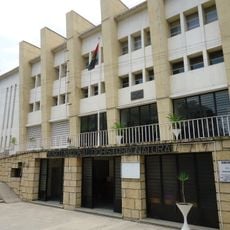
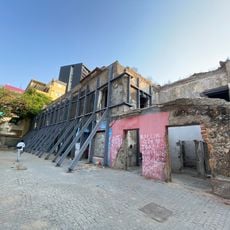
Palácio de Ferro is an iron-framed building with yellow walls in downtown Luanda, Angola. The structure spans two levels with metal railings and decorative tiles, arranged around a central courtyard.
The building was assembled in the 1890s from materials originally destined for Madagascar aboard a ship that ran aground on the Skeleton Coast. The salvaged pieces were repurposed in Luanda rather than discarded.
The name Palácio de Ferro comes from the wrought-iron filigree decoration and the surrounding veranda that make it Angola's finest example of iron architecture. During the Portuguese colonial period the building served as an art centre; after independence and the civil war it fell into ruin and its surroundings became a car park. The Ministry of Culture, to which it was handed after the 2009 restoration, is still deciding its use, with a diamond museum or a restaurant the most likely options.
The palace stands in downtown Luanda near the Marginal, its iron veranda facing the street. The surrounding area was once a parking lot; the building is now managed by the Ministry of Culture, which has not fixed a public use. Check locally before visiting, as access is not guaranteed.
The palace's ironwork is attributed to Gustave Eiffel or his circle, though no official record of its construction survives. The French Embassy in Angola endorsed the Eiffel attribution in 2015. The building's route to Luanda remains uncertain: one account says the ship carrying it was driven off course by the Benguela Current and wrecked near the Skeleton Coast.
The community of curious travelers
AroundUs brings together thousands of curated places, local tips, and hidden gems, enriched daily by 92,781 contributors worldwide.