Museu Nacional de História Natural de Angola, Natural history museum in Ingombota District, Luanda, Angola
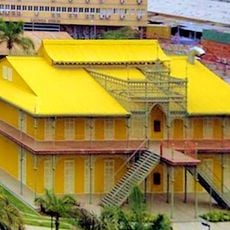
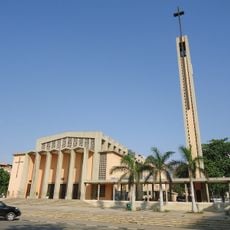
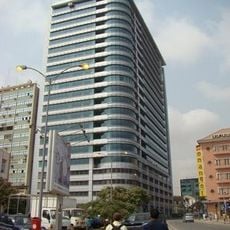
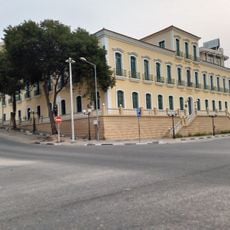
The Museu Nacional de História Natural de Angola occupies a three-storey building raised in 1956 in Largo do Kinaxixe, Ingombota District, Luanda. Its large halls hold taxidermied mammals, fish, cetaceans, insects, reptiles and birds, arranged in settings built to imitate each species' natural habitat. The estate also keeps collections of molluscs, butterflies and shells.
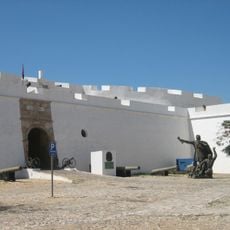
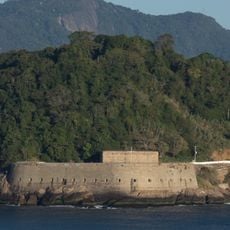
The institution was founded in 1938 as Museu de Angola within the Fortress of São Miguel and moved to its current building in Ingombota District in 1956. The relocation allowed the collections to grow and become better organized for public viewing.
The collection includes shells and mollusks that served as traditional currency along the West African coast, showing how trade worked in this region. Visitors can see these objects and understand the role they played in the daily lives of people who lived here.
A visit takes little time if you focus on specific sections, since the collections are presented in a clear and organized way. It helps to know in advance what interests you most so you can spend your time wisely.
The museum holds the skeleton of a 15-metre whale and a taxidermied giant sable antelope, a species found only in Angola. These two specimens are the pieces visitors most often overlook among the halls of taxidermied mammals, fish, cetaceans, insects, reptiles and birds.
The community of curious travelers
AroundUs brings together thousands of curated places, local tips, and hidden gems, enriched daily by 92,643 contributors worldwide.