Luanda, Capital city on Atlantic coast in Angola
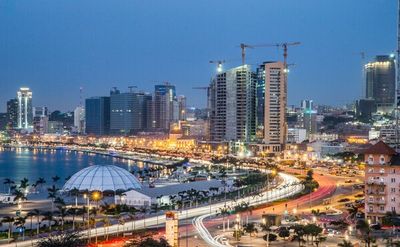
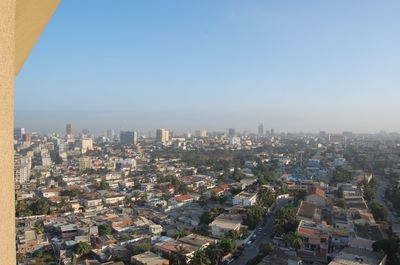
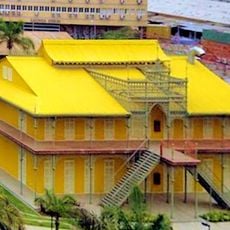
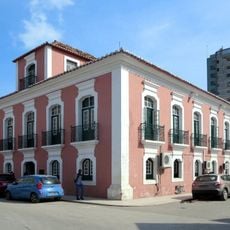
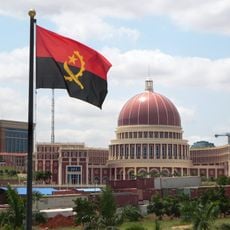
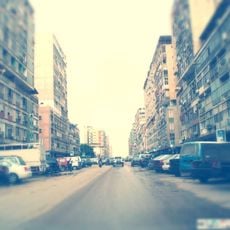
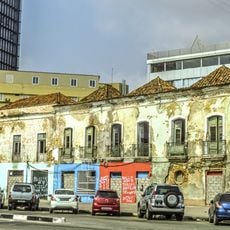
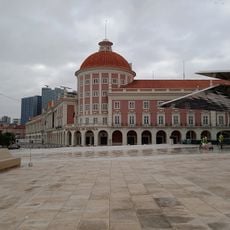
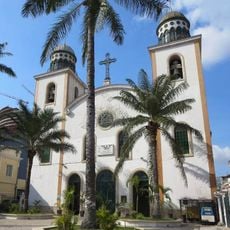
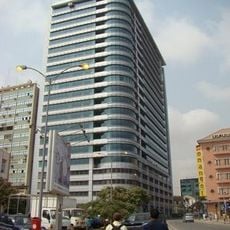
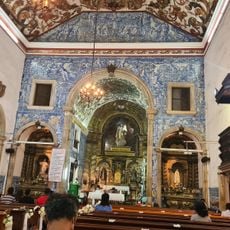
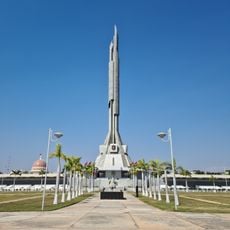
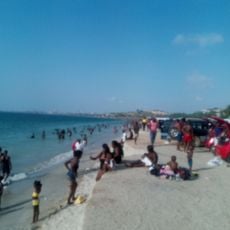
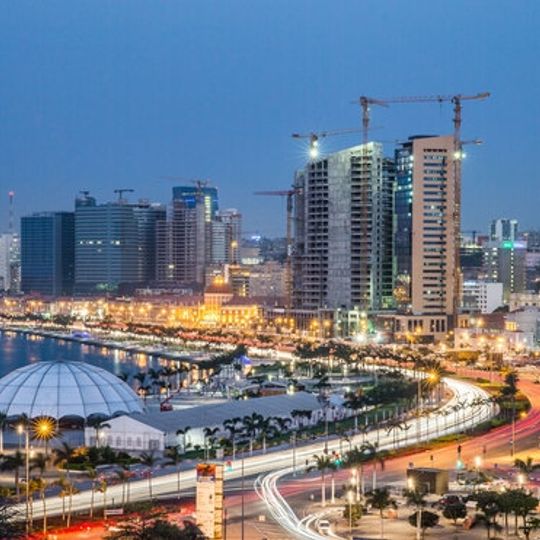
Luanda stretches along the northern Atlantic shoreline, combining modern towers with colonial Portuguese buildings and widespread musseque neighborhoods. The city covers several districts that fan out from the central port toward the interior, framed by hills and inlets.
Paulo Dias de Novais founded the settlement in 1576, turning it into a central point for Portuguese maritime trade with Africa. After centuries of colonial administration, it became the capital of independent Angola in 1975.
Families and friends gather at street stalls to share grilled fish or chicken with funge, a cassava flour side dish served with nearly every meal. Semba music spills out from open windows and local bars, accompanied by dancers who practice their steps in courtyards and public squares.
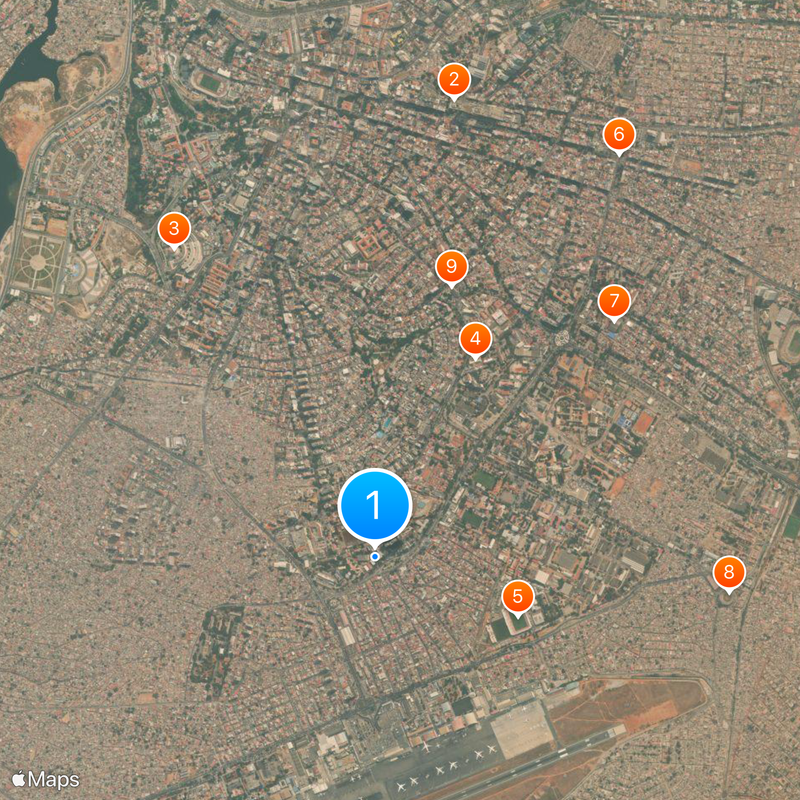
Buses and shared taxis connect the center to residential areas and the international airport, with routes running throughout the day. The city works best during early morning or late afternoon when traffic is lighter.
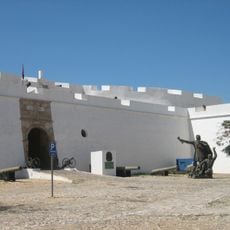
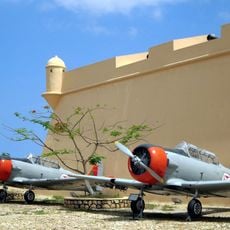
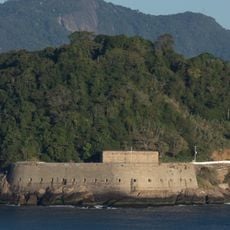
Fortaleza de São Miguel sits on a cliff above the harbor and now houses a museum whose collection presents ceramics, weapons, and documents from several centuries. The fortress is one of the best preserved Portuguese fortifications on the West African coast.
The community of curious travelers
AroundUs brings together thousands of curated places, local tips, and hidden gems, enriched daily by 90,742 contributors worldwide.