Luanda bullring, bullring in Luanda
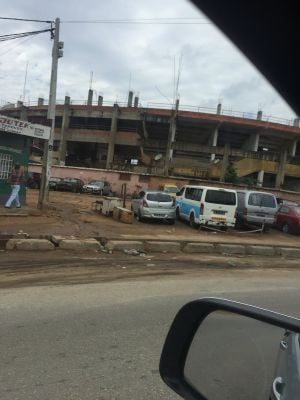
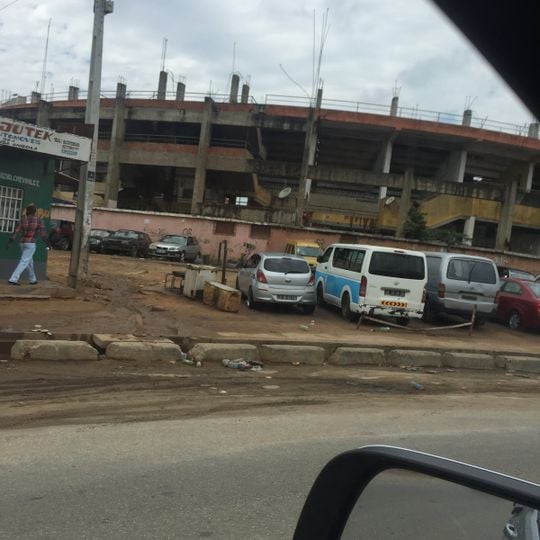
Luanda bullring is a large oval arena with seating capacity for about 20,000 spectators, built during colonial times to host bullfights. The structure consists of concrete stands and simple seating sections that surround the fighting ground.
The site originated during Portuguese colonial rule as a center for bullfighting, a sport brought to Angola by Portuguese settlers. After independence in 1975, Angola's new government banned bullfights as a symbol of colonial violence and repurposed the arena for concerts and cultural events.
The arena served as a gathering place where the community shared traditions brought by Portuguese colonizers, with bullfighting as a central spectacle. After independence in 1975, it transformed into a venue for concerts and music performances, hosting African artists and reshaping its cultural role.
The entrance is difficult to locate, hidden behind a rusty iron gate with steps filled with debris and visible signs of neglect throughout the site. Visitors should be aware that the arena currently serves as shelter for residents who have made homes in the space, and infrastructure is minimal.
A Mozambican bullfighter named Chibanga became famous in Luanda by breaking the usual dominance of Portuguese fighters and capturing popular support. His rise showed how the arena created space for local identity and brought people together across colonial boundaries.
The community of curious travelers
AroundUs brings together thousands of curated places, local tips, and hidden gems, enriched daily by 92,519 contributors worldwide.