See the monuments around you in AROpen chests in the app
Around Us is built for your phone — point your camera at the streets and discover the monuments and places around you in augmented reality.Around Us is built for your phone — chests unlock when you walk, explore and capture nearby places.
Northern Ireland reveals its layers of history through basalt formations, ruined castles, and towns shaped by their industrial past.
Northern Ireland tells its story through stones, cliffs, and memories. From the Giant's Causeway to Derry's walls, each place seems filled with stories where Celtic myths, medieval heritage, and traces of the modern world intertwine. Belfast, once an industrial hub turned cultural center, showcases its museums and markets to the breeze coming from the Irish Sea. The landscapes of County Antrim enchant with basalt columns, suspension bridges, and cliffs battered by waves. Further inland, stone circles, monasteries, and distilleries extend the journey into a territory where each site links nature and memory. Exploring Northern Ireland is like walking through centuries that are open to the sky, between the legends of Ulster's ancient kings and the contemporary echoes of a resilient land.
Northern Ireland reveals its layers of history through basalt formations, ruined castles, and towns shaped by their industrial past.
Northern Ireland tells its story through stones, cliffs, and memories. From the Giant's Causeway to Derry's walls, each place seems filled with stories where Celtic myths, medieval heritage, and traces of the modern world intertwine. Belfast, once an industrial hub turned cultural center, showcases its museums and markets to the breeze coming from the Irish Sea. The landscapes of County Antrim enchant with basalt columns, suspension bridges, and cliffs battered by waves. Further inland, stone circles, monasteries, and distilleries extend the journey into a territory where each site links nature and memory. Exploring Northern Ireland is like walking through centuries that are open to the sky, between the legends of Ulster's ancient kings and the contemporary echoes of a resilient land.
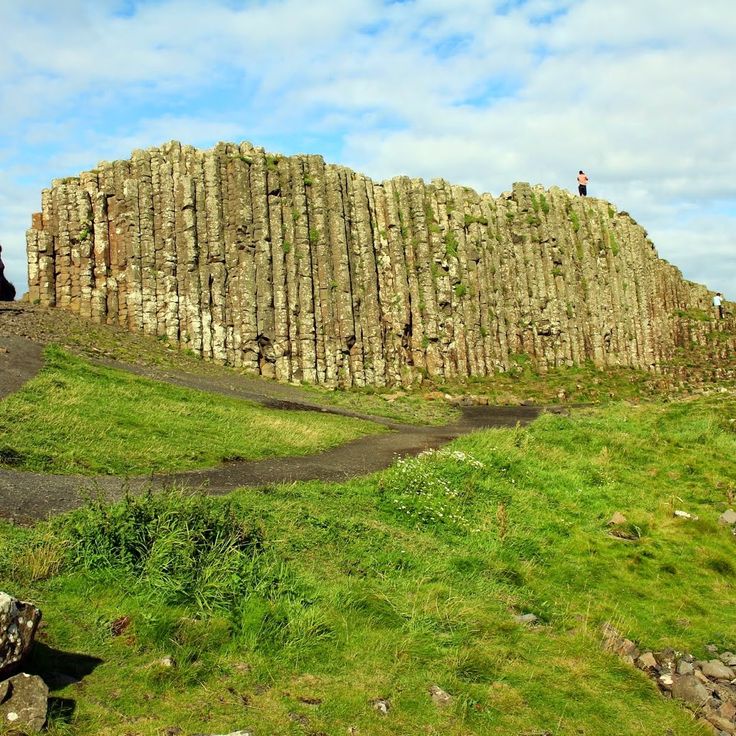
This UNESCO World Heritage site features over 40,000 basalt columns formed millions of years ago by lava flows. Located in County Antrim, the Giant's Causeway combines geology, local legends, and raw natural power. It is an important stop in Northern Ireland, with volcanic landscapes, medieval history, and Celtic stories.
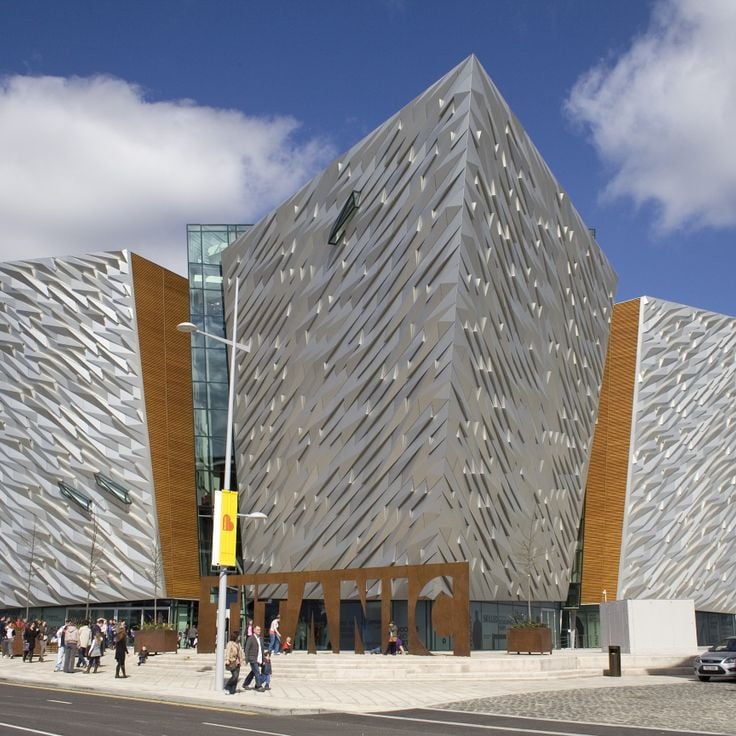
The Titanic Belfast Museum stands on the quay where the legendary liner was built. This museum traces the ship's origins, journey, and tragedy through exhibits and displays. The building's steel architecture resembles the bow of a ship rising from the water. In the context of exploring Northern Ireland's heritage, this museum shows how Belfast transformed from an industrial hub into a cultural center, where shipbuilding history and the memory of the Titanic remain alive.
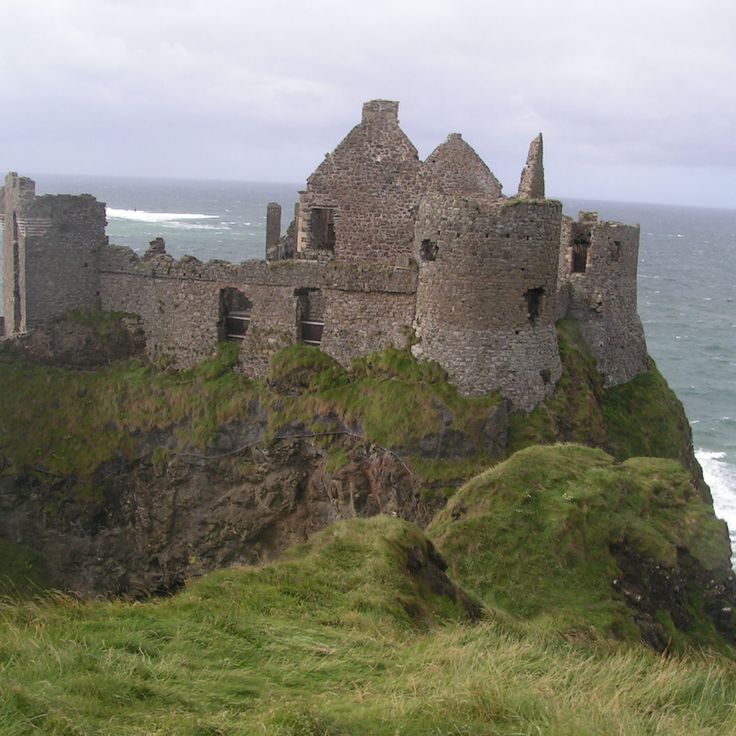
Dunluce Castle sits on a cliff overlooking the Atlantic. These ruins tell eight centuries of history. It once stood as a fortress protecting the northern coast. Today it remains part of this journey through Northern Ireland, where stone castles and cliffs hold stories of Celtic myths, medieval heritage, and a resilient landscape.
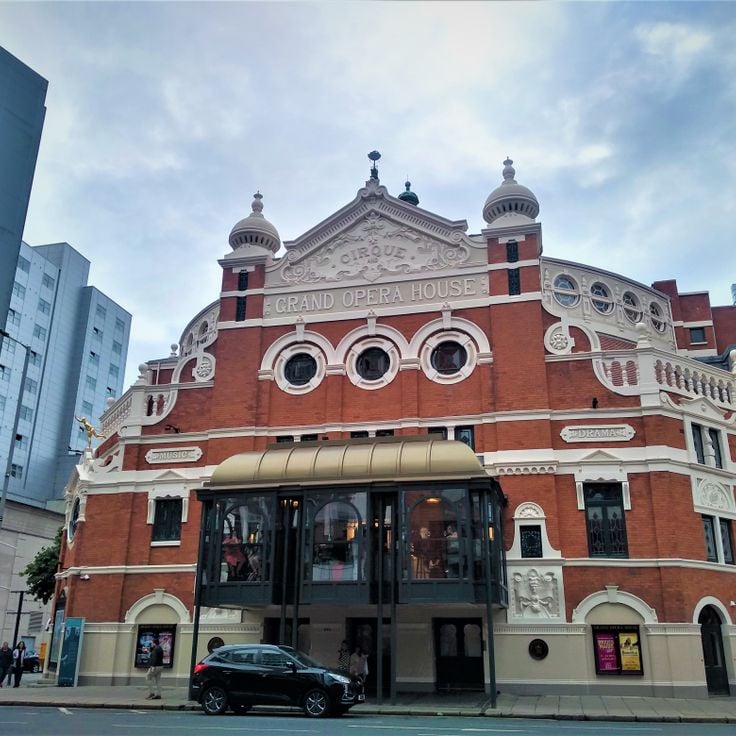
The Grand Opera House was built in 1895 and is one of Belfast's most storied theaters. Its facade features Oriental motifs and ornamental sculptures typical of Victorian design. Located in the heart of the city, the building has hosted music, drama, and opera for over a century. Today it remains a central part of Belfast's cultural life.
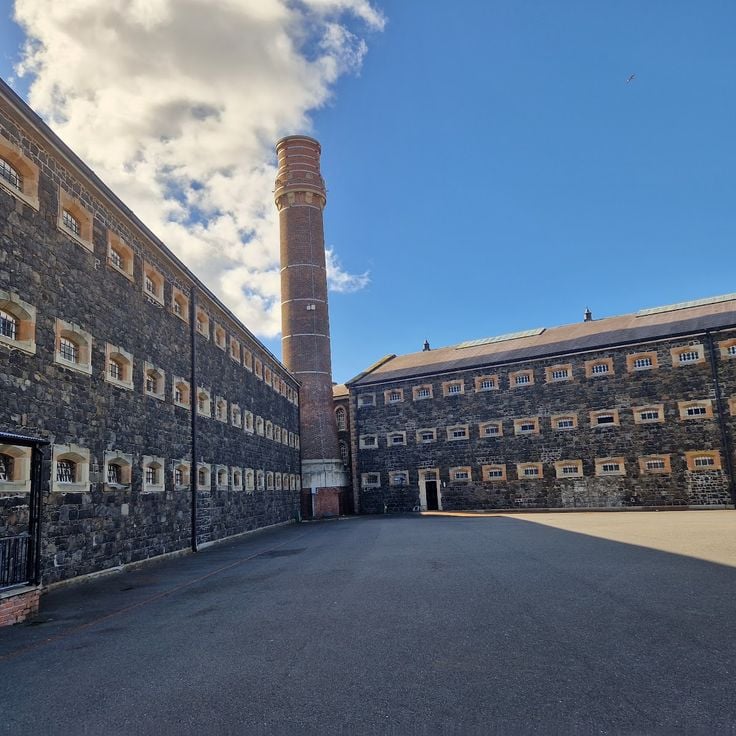
This Victorian building in Belfast, which operated until 1996, now stands as a testament to the country's political and social history. The Crumlin Road Gaol lets visitors walk through its cells and corridors to understand what prison life meant here. An underground tunnel once connected the building to the courthouse. As part of this collection exploring Northern Ireland, the gaol shows how the region's past continues to shape its present, linking medieval times to today's resilient communities.
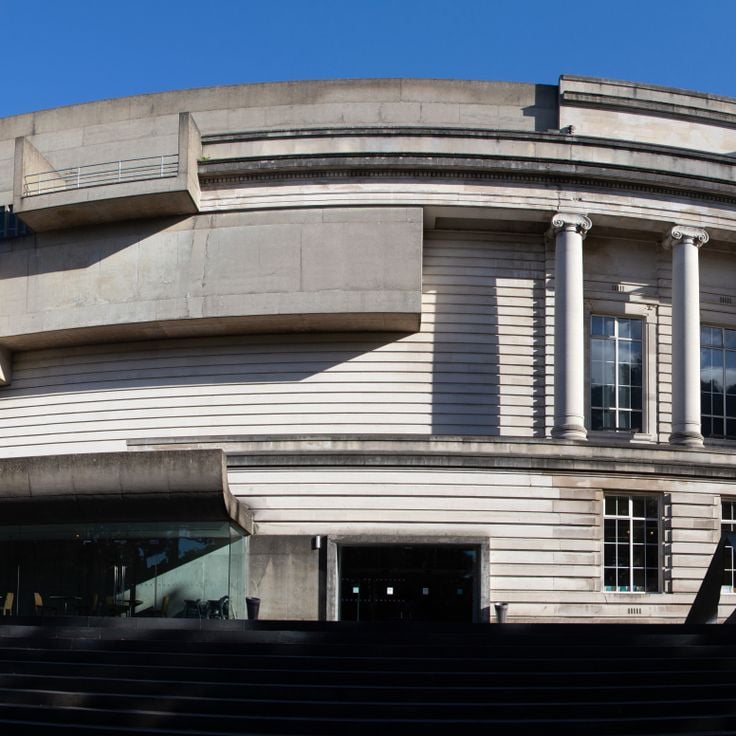
The Ulster Museum is Belfast's main museum, displaying collections of archaeology, natural history, geology, and artworks from the 17th to the 21st century. It connects to Northern Ireland's broader story, where stones, cliffs, and memories hold tales of Celtic myths, medieval heritage, and the modern world. Like the Giant's Causeway and Derry's walls, this museum links nature and memory. Belfast, once an industrial hub transformed into a cultural center, opens its museums and markets to the breeze from the Irish Sea.
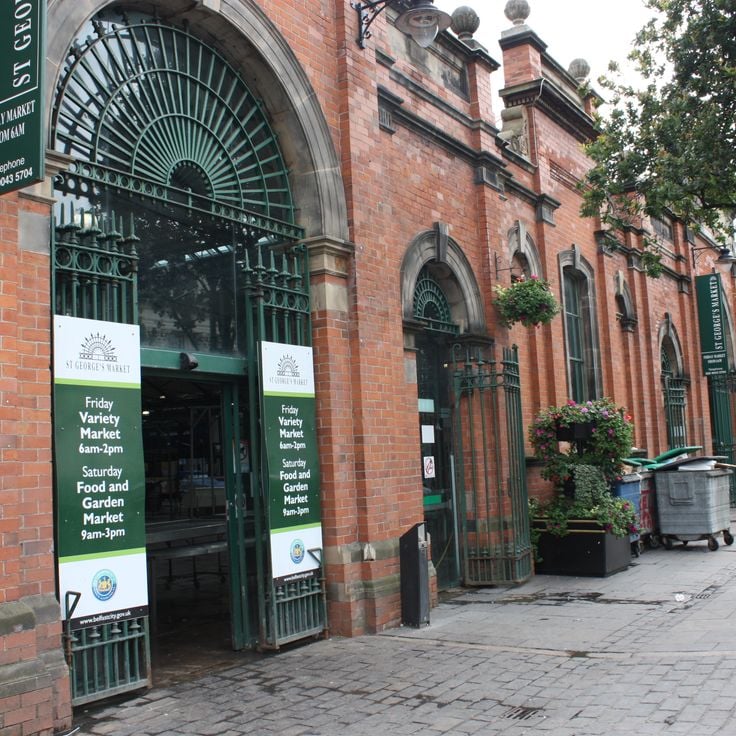
Saint-Georges Market is a trading building built in 1896. It is part of this trip to Northern Ireland, where Celtic legends, castles, and volcanic landscapes are connected. The building keeps its original Victorian style. Here, vendors sell local products, crafts, and food. The market shows how Belfast changed from an industrial area to a cultural place, where history can be seen in every stone.
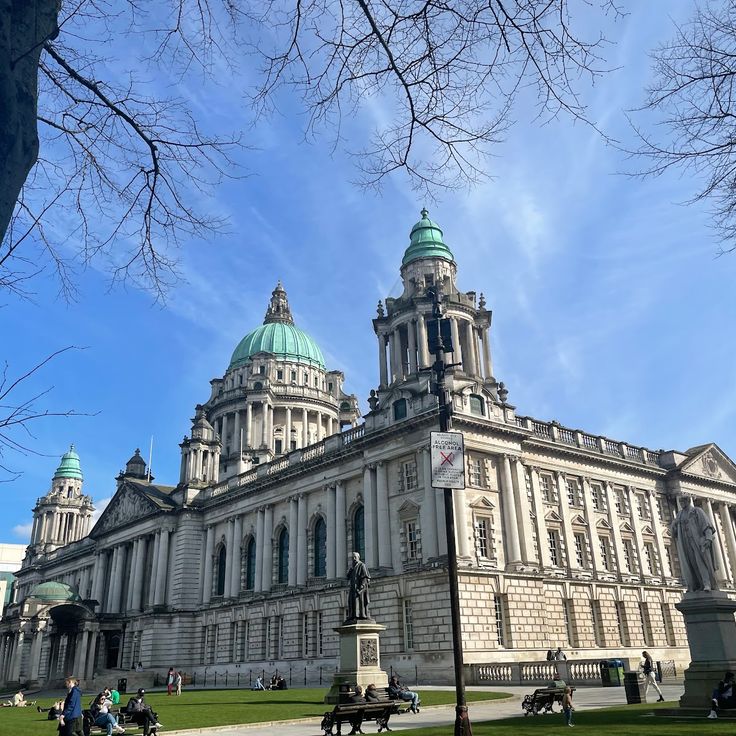
Belfast City Hall is an administrative building constructed between 1898 and 1906 that tells the story of this city. It displays sculptures and stained glass windows that speak of the craftsmanship of that era. This hall stands at the center of Belfast, the former industrial hub now transformed into a cultural center of Northern Ireland, where museums and markets reveal the stories of its people. The grand domed structure is a testament to the time when Belfast flourished.
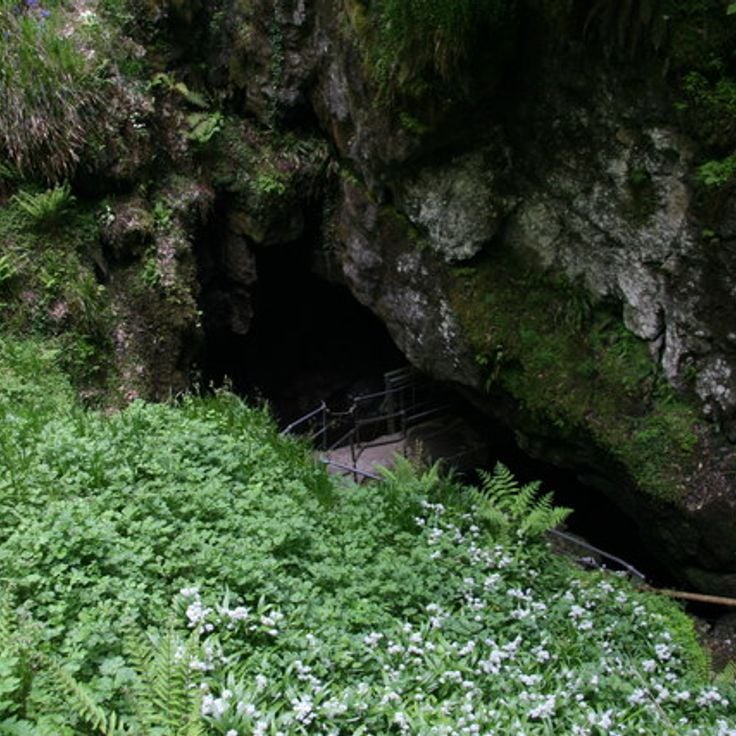
Marble Arch Caves in County Fermanagh are limestone formations that invite visitors to explore on foot and by boat. Stalactites hang from the ceilings while underground rivers flow through the passages. Filtered light reaches into the caves, revealing the shapes of the rock. These caves fit into Northern Ireland's story, where nature and memory are woven together across the landscape.
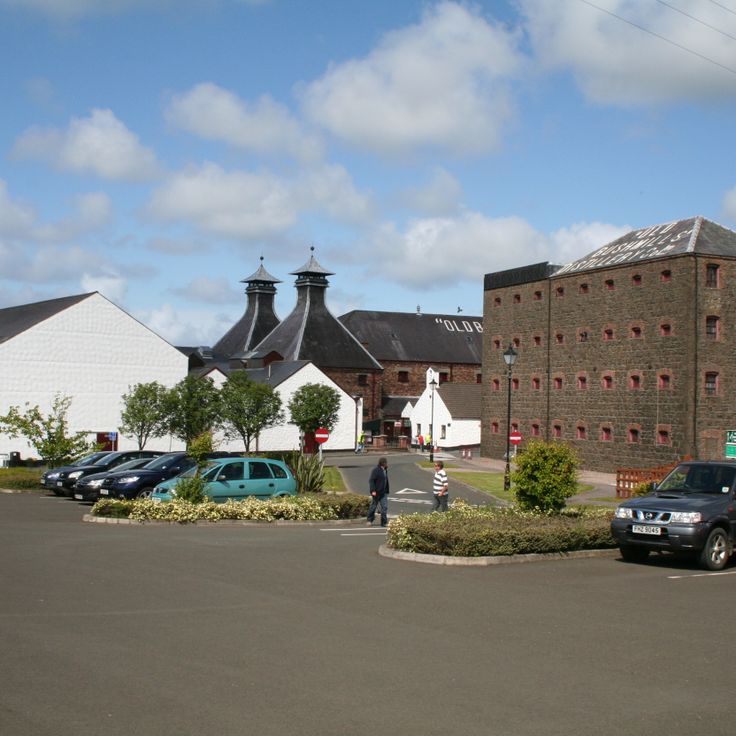
This distillery in Bushmills was founded in 1608 and is the oldest in the world to produce whiskey under official license. Visitors see copper stills and smell the sweet aroma of malt. In Northern Ireland's story, this place connects craftsmanship with the memories of a land that moves between Celtic legends and modern times.
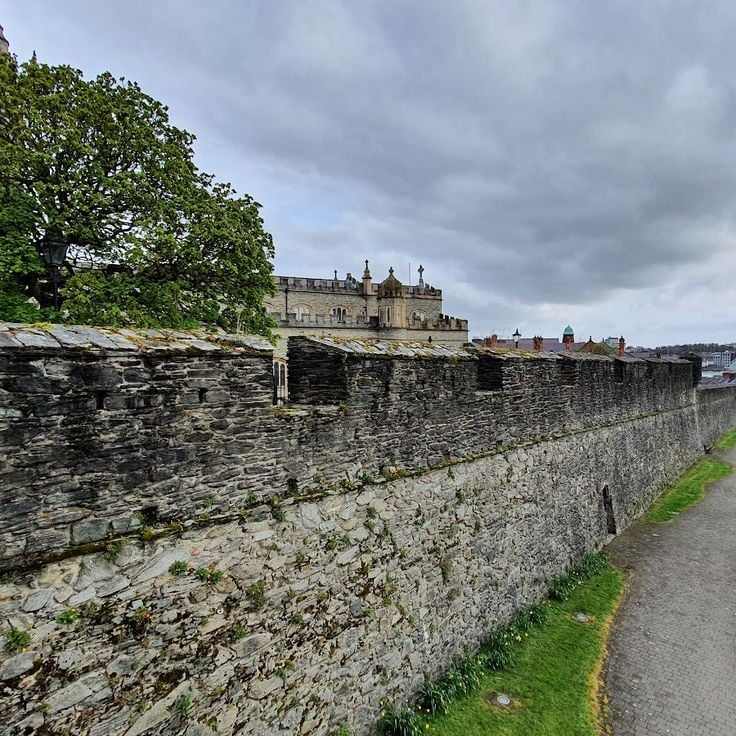
The walls of Derry were built in the 17th century and still surround the old town. Walking along them, visitors see the bastions, the gates, and views of the modern city beyond. These walls are part of Northern Ireland's story, where medieval heritage and contemporary life meet at each turn.
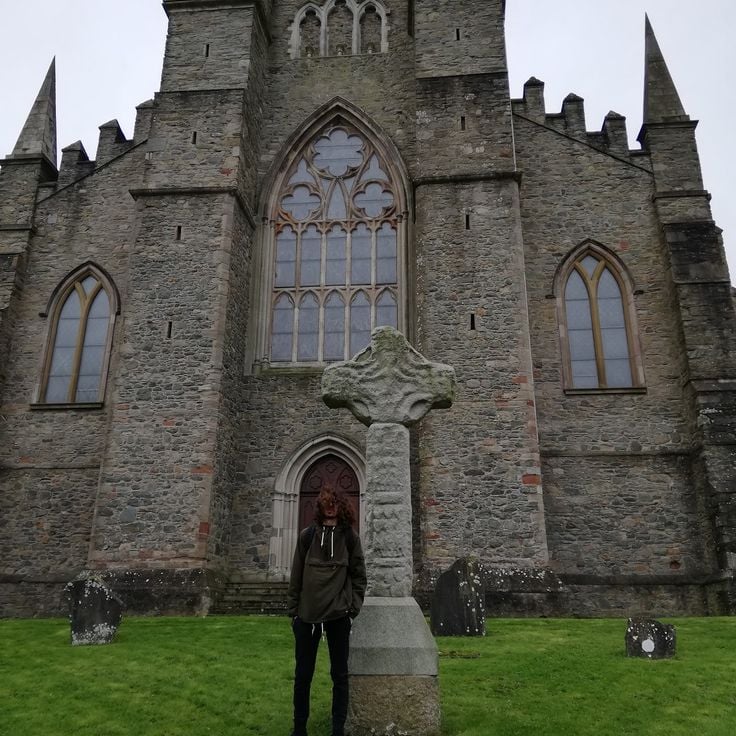
Downpatrick Cathedral stands on a hill above the town and carries centuries of history in its stones. Construction began in the 12th century, and you can still see Norman and Gothic details in the building. In the churchyard, a granite slab marks what is said to be the burial place of Saint Patrick, the patron saint of Ireland. This spot brings together Celtic legend and medieval architecture in a way that feels typical of Northern Ireland as a whole.
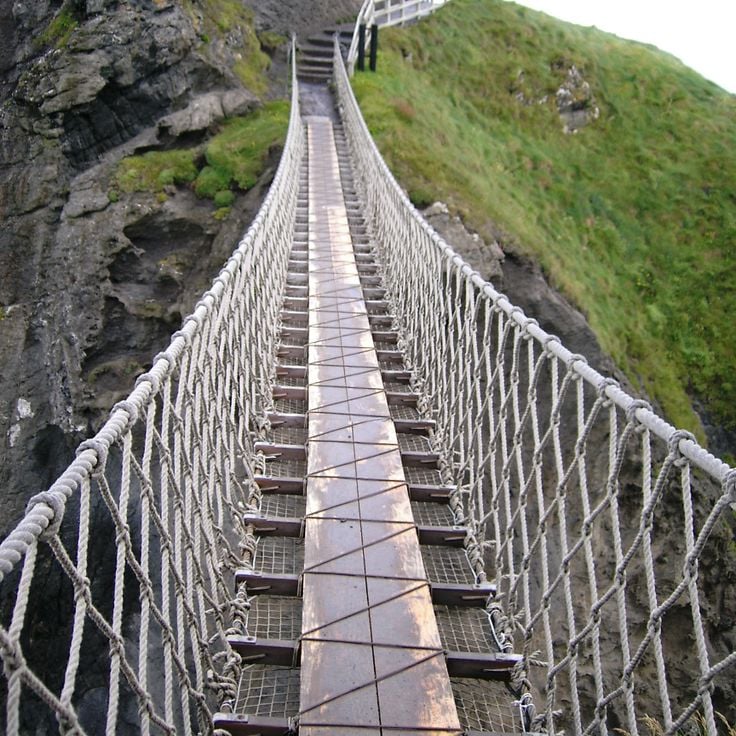
The Carrick A Rede suspension footbridge hangs 30 meters above the sea, connecting the coast to a small island. It was built long ago by fishermen to reach their fishing spots. Now, it is a place where visitors see the strength of the Atlantic Ocean and the rugged coast of County Antrim. The bridge reflects the way practical life and natural forces shape the land and tell a story of links between the past and the present.
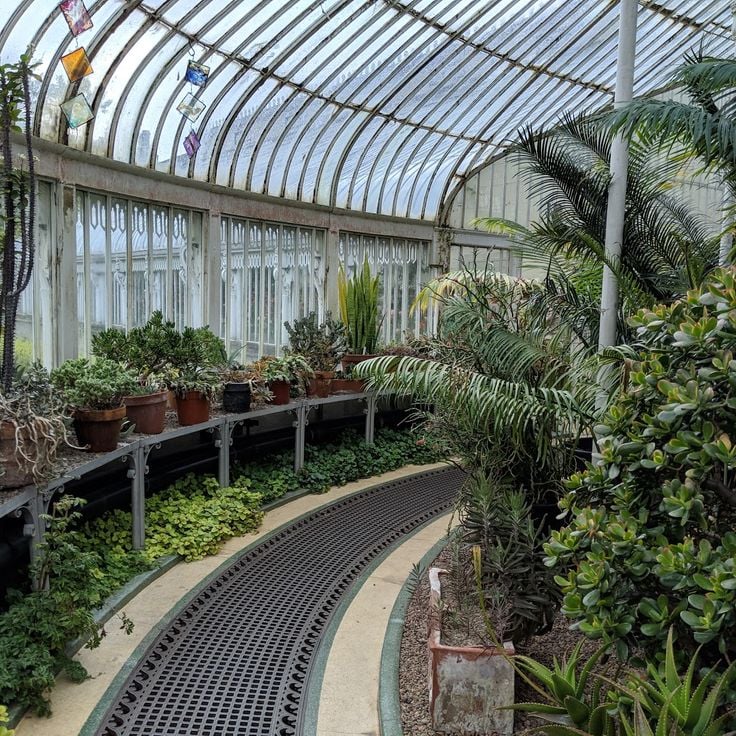
The Belfast Botanic Gardens are a 19th-century green space welcoming visitors with an expansive collection of exotic plants and two remarkable Victorian wrought-iron greenhouses. Located in the heart of Belfast, these gardens offer a retreat among flowering plants, winding paths, and structures from another era. An alpine garden complements the collection and shows the botanical passion of a bygone time. Within this collection about Northern Ireland, where legends, castles, and landscapes intertwine, the Belfast Botanic Gardens represent a place where nature and human care merge, reflecting the cultural heritage of the city.
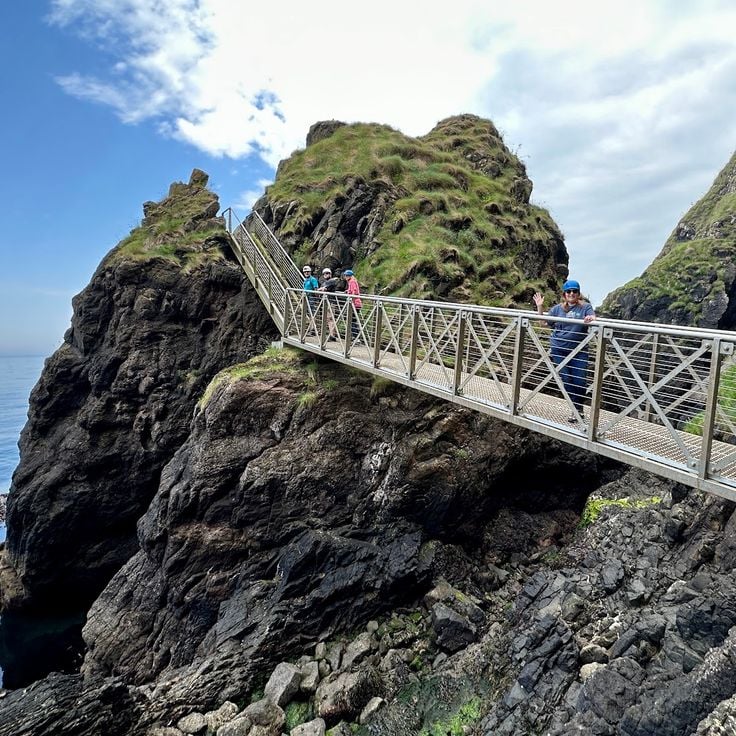
The Gobbins Cliff Path is a route of walkways and metal bridges attached to basalt cliffs in County Antrim. It offers views of the Irish Sea and Scotland across the water. This path connects you to the dramatic coastal landscape of Northern Ireland, where volcanic formations and seascapes shape the journey through this territory of stones and stories.
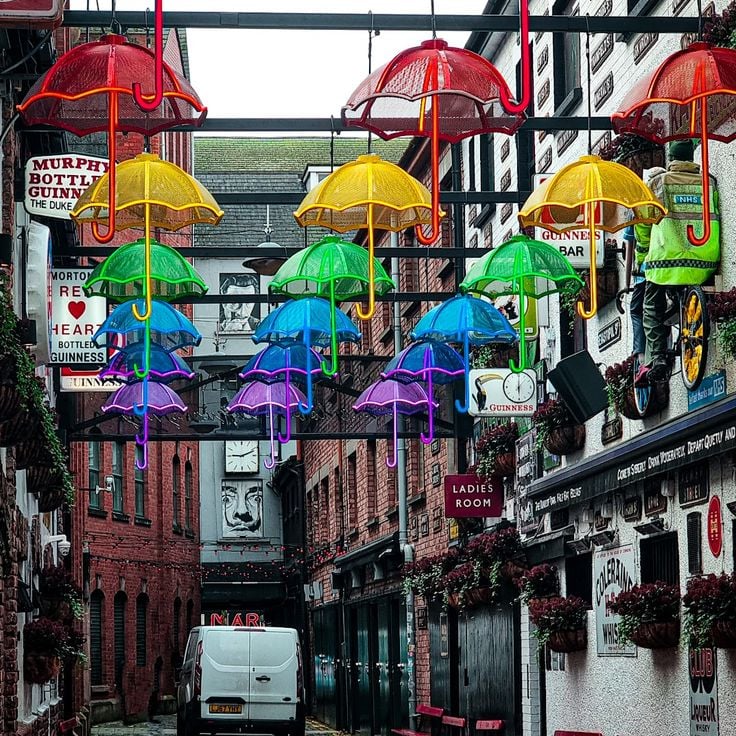
The Cathedral Quarter sits at the heart of Belfast and is a natural stop on any journey through Northern Ireland. Its cobbled streets run between Victorian buildings that now house cafés, galleries, and small bars. St. Anne's Cathedral stands out with its white stone facade, rising above the rooftops and connecting the city's medieval past to its present cultural life. Walking through this neighborhood, you get a clear sense of how Belfast has changed over time while keeping its older layers visible.
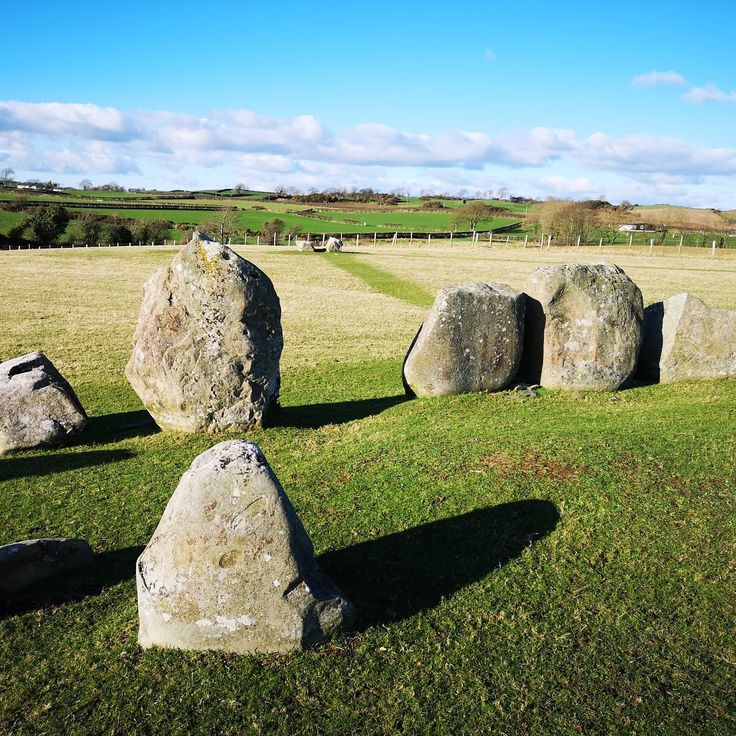
The Ballynoe Stone Circle is a Bronze Age megalithic monument in County Down made up of fifty standing stones arranged in a circle. This stone formation connects to the collection through its link to Ireland's ancient past and the legendary landscapes of Northern Ireland, where nature and memory intertwine across the centuries.
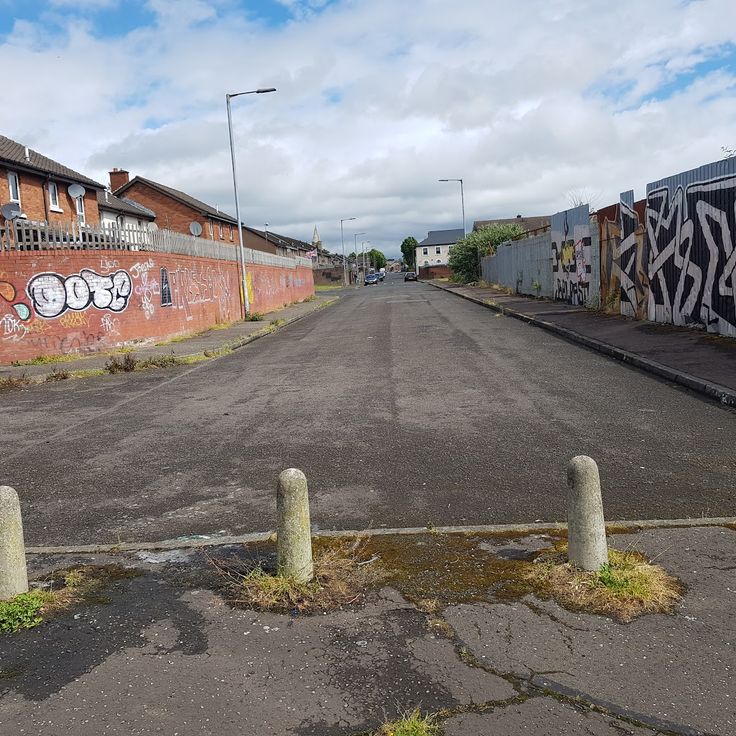
The Peace Wall in Belfast was built in the 1970s and still separates certain Catholic and Protestant neighborhoods. Its colorful murals and messages of peace have become symbols of remembrance and reconciliation in Northern Ireland, where history and hope are written on stone.
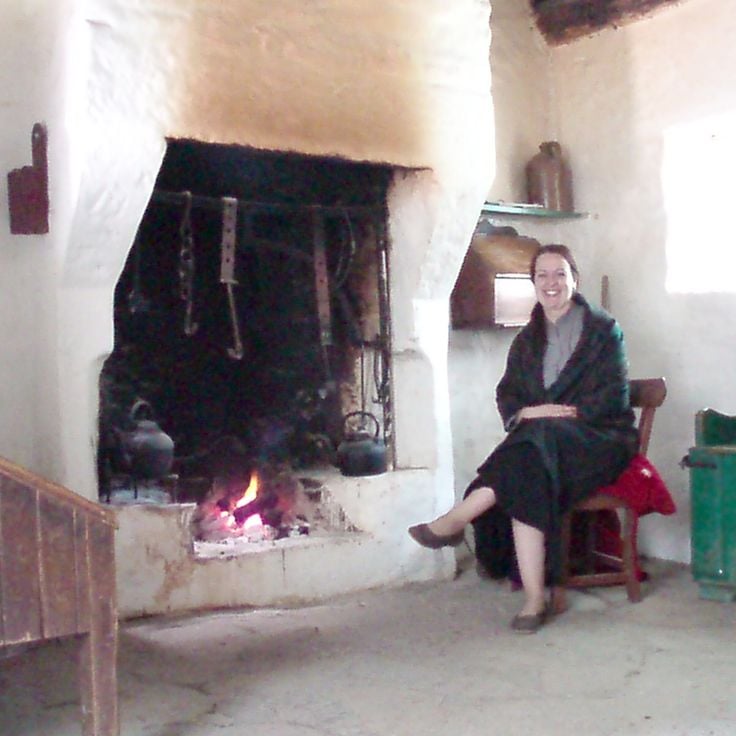
The Ulster American Folk Park is an open-air museum that tells the story of Irish emigration to America during the 19th century. It fits into the broader exploration of Northern Ireland, where stones, cliffs, and memories shape the landscape. This museum connects local history with the larger heritage of a region where each place weaves together nature and memory.
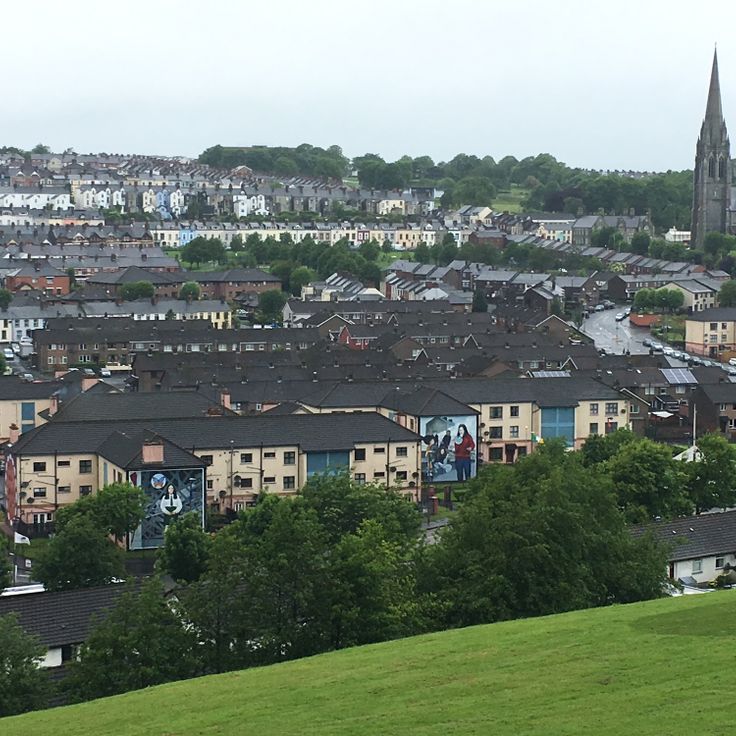
The Derry Free Museum documents the events of Bloody Sunday 1972 and the civil rights movement in Northern Ireland between 1968 and 1972. This museum in Derry tells of a time when the city was at the center of the fight for justice and equality. Its exhibits show personal stories and documents from a period that greatly changed Northern Ireland.
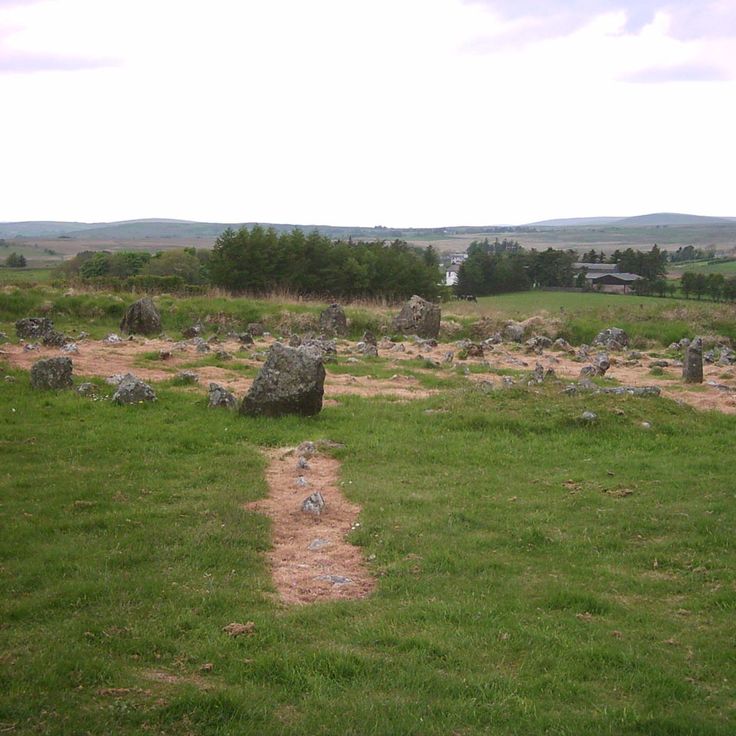
Beaghmore consists of seven stone circles built in the Neolithic period, surrounded by rows of small standing stones and Bronze Age burial mounds. This site fits into Northern Ireland's story, where stone circles, monasteries, and distilleries link nature and memory. Beaghmore shows how ancient cultures shaped the landscape of County Tyrone, connecting past civilizations to the present day.
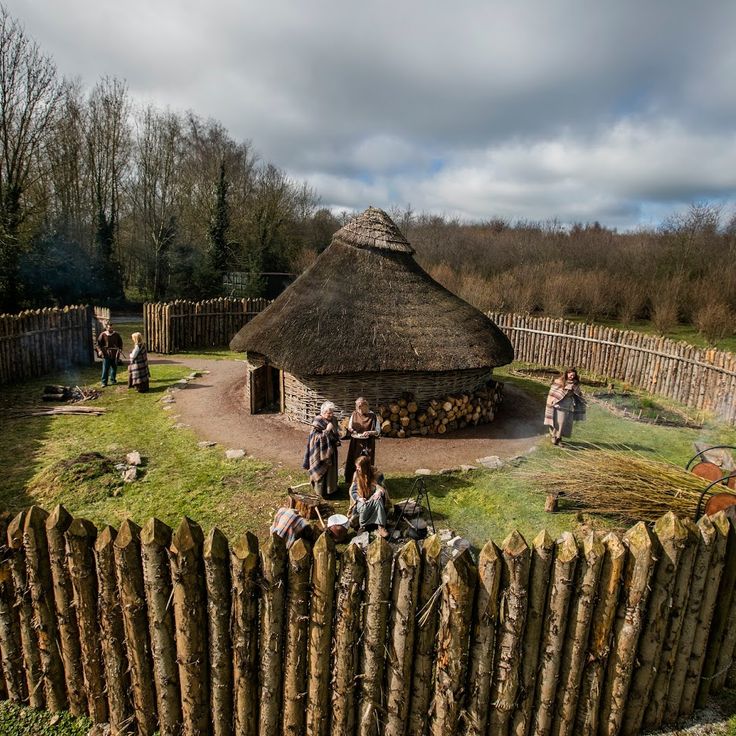
The Navan Centre & Fort in Armagh reveals the origins of Celtic Ireland. This archaeological site was once a royal residence of the Ulster kings and brings together reconstructions, ancient objects, and stories from mythology. It fits into Northern Ireland's larger narrative, where Celtic legends and medieval heritage meet in a landscape shaped by history and natural beauty.
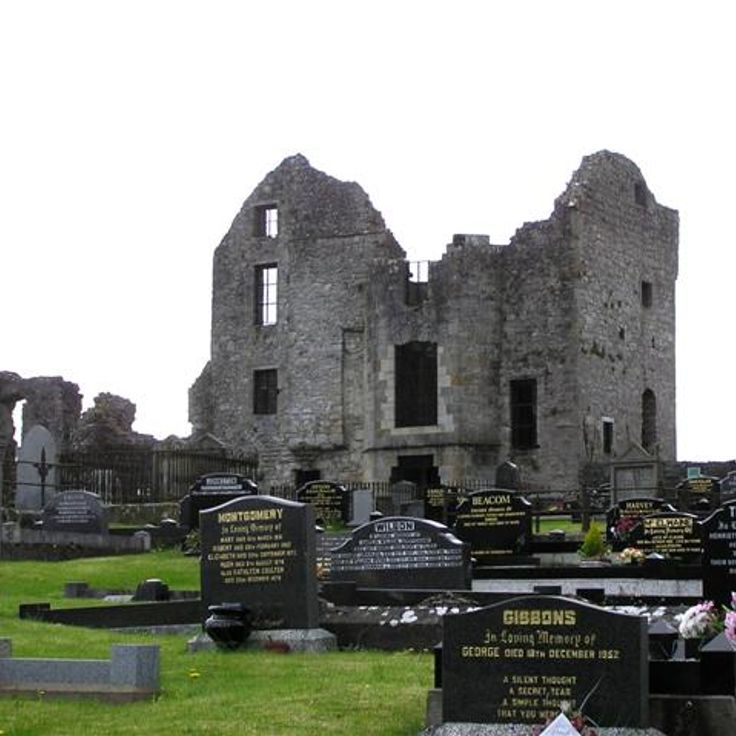
Castle Balfour stands as a fortified reminder of Northern Ireland's martial past, with its four corner towers and three-story stone walls built by Sir James Balfour in 1618. This castle fits into the fabric of County Fermanagh, where medieval structures and memories of ancient rulers shape the landscape, connecting to a broader story where stone fortifications hold the echoes of centuries past.
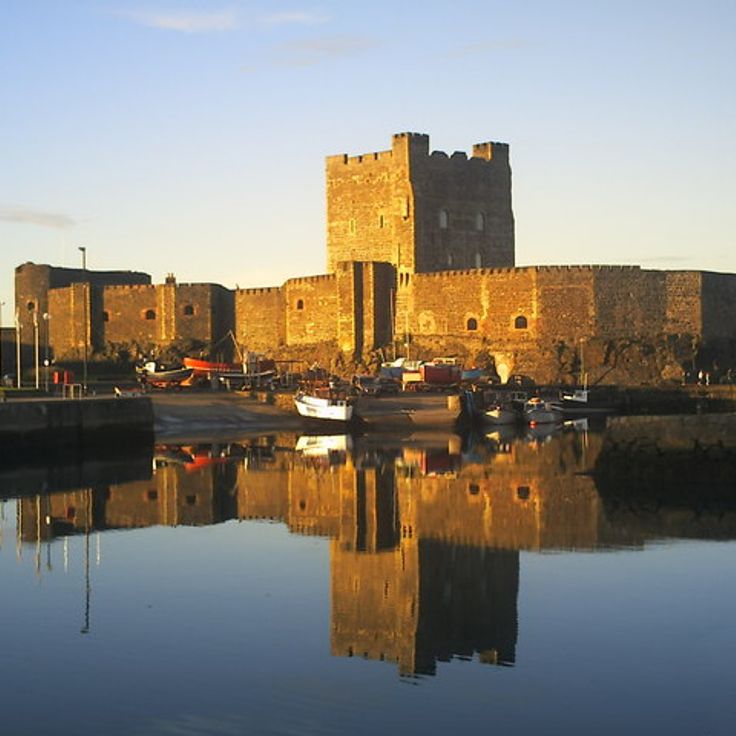
This Norman fortress built in the 12th century still guards the harbor. Its thick walls and square tower have withstood over eight centuries of battles and storms. Carrickfergus Castle fits into the story of Northern Ireland, where medieval fortifications, Celtic legends, and rugged landscapes come together.
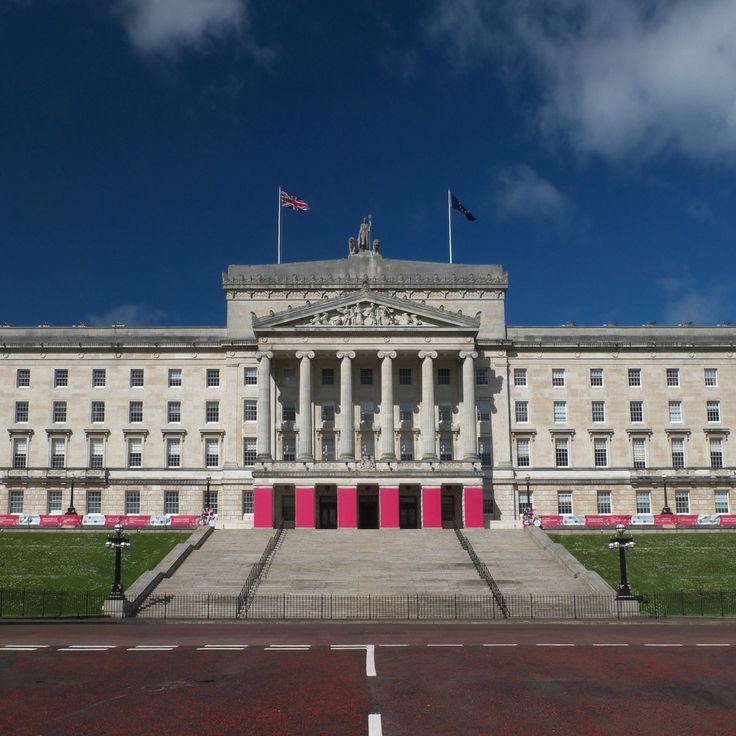
The Stormont Parliament Buildings represent a grand neo-classical structure in Belfast that houses the Northern Ireland Assembly. With its white columns and broad avenue, this building has become a political and architectural symbol of the country. It tells the story of Northern Ireland through stone and heritage, where medieval traditions and the modern world intersect. The building stands as a testament to the resilient character of the land.
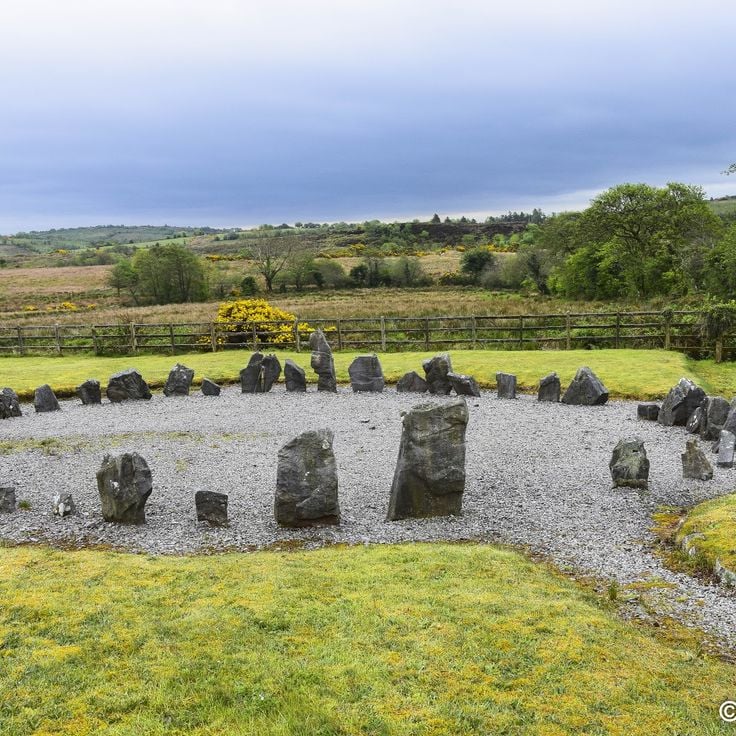
The Drumskinny Stone Circle in County Fermanagh forms a circle of about fifty stones set in the landscape. This prehistoric site connects you to the ancient cultures that shaped Northern Ireland long ago. When you visit, you sense the stillness of thousands of years and understand why such stone circles draw both archaeologists and travelers. This place fits into Northern Ireland's broader story, where ancient monuments and legends of the past remain visible across the land.
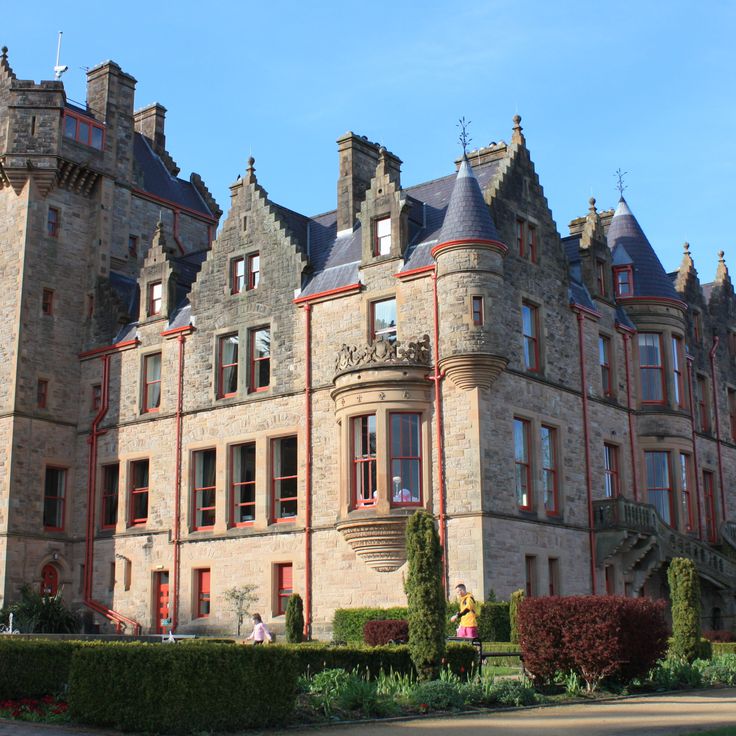
Belfast Castle sits on the Cave Hill slope, overlooking the city below. Built in 1870 in the Scottish baronial style, it is one of the clearest examples of Victorian architecture in the area. The gardens around it are open for walks, and a visitor center tells the story of the site and its surroundings. From up here, you get a wide view over Belfast and the County Antrim coastline. The castle connects the city to its industrial past while opening onto the natural landscape that frames Northern Ireland.
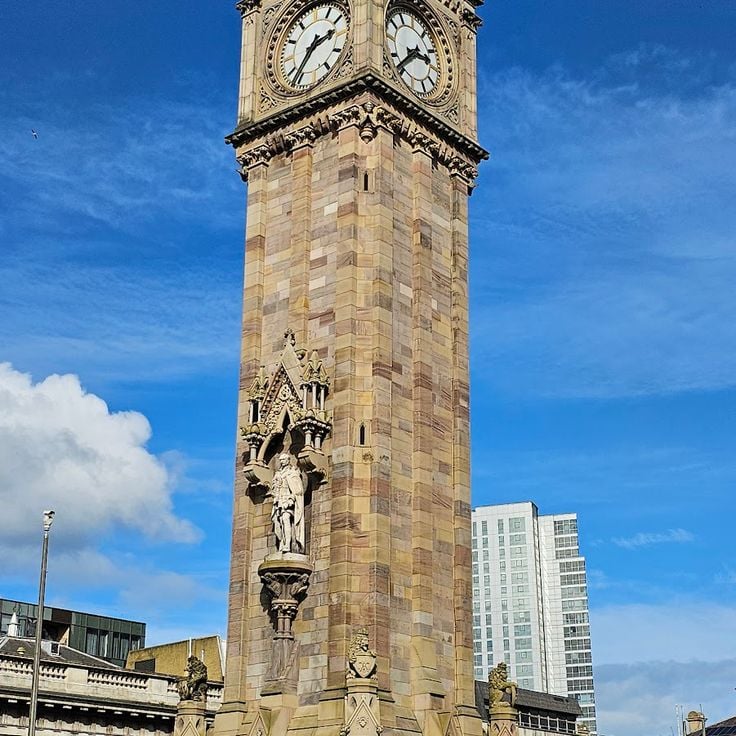
The Albert Memorial Clock Tower stands in the heart of Belfast, built in honor of Prince Albert, Queen Victoria's husband. The sandstone tower rises about 34 meters (112 feet) and leans slightly to one side, a result of its foundations shifting over time. This small tilt gives it a character that locals and visitors alike notice right away. It sits at a spot that was once the commercial heart of Belfast, when the city grew through its port and industry.
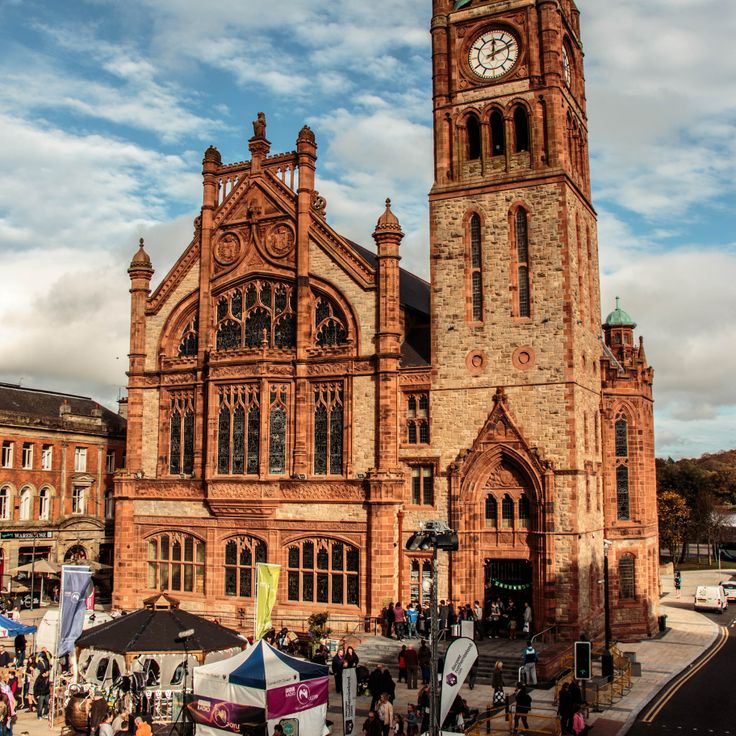
In Derry, the Guildhall stands as a neo-Gothic building with stained glass windows depicting the city's history. It now houses the town council and hosts cultural exhibitions. The Guildhall connects Derry's medieval past with contemporary art presentations and tells the story of a city breathing between ancient walls and modern life.
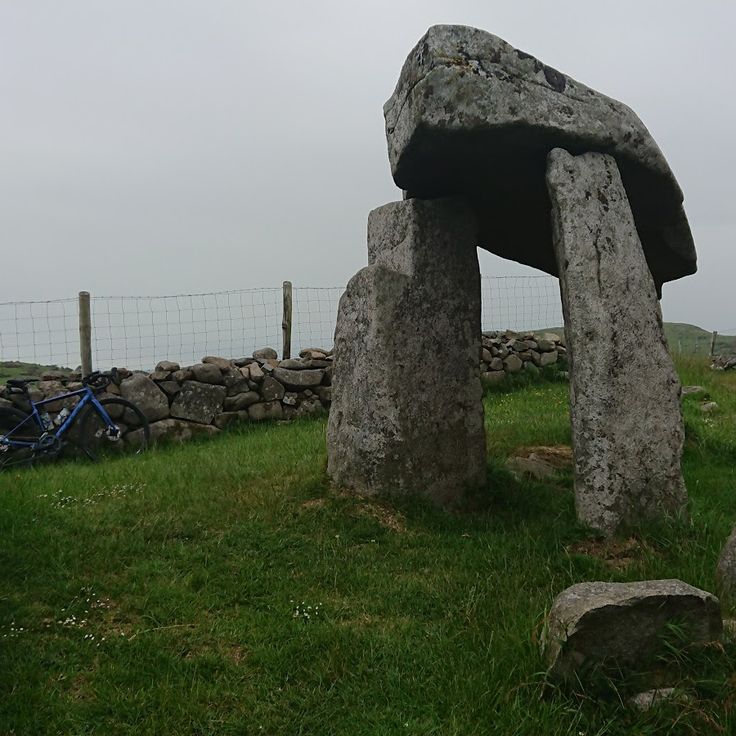
The Legananny Dolmen is a megalithic structure dating from 3000 BC, built from three upright stones supporting a four-meter horizontal slab. In the collection of Northern Ireland's landscapes, this monument embodies the deep connection between nature and memory that shapes the region. The three stones rise like silent witnesses from the earth, framing the sky above, while the massive capstone seems to carry the weight of time itself. Around the dolmen, the landscape of County Down unfolds with rolling hills and open fields, bridging the ancient legends of Ulster's kings with the contemporary world.
This UNESCO World Heritage site features over 40,000 basalt columns formed millions of years ago by lava flows. Located in County Antrim, the Giant's Causeway combines geology, local legends, and raw natural power. It is an important stop in Northern Ireland, with volcanic landscapes, medieval history, and Celtic stories.
The Titanic Belfast Museum stands on the quay where the legendary liner was built. This museum traces the ship's origins, journey, and tragedy through exhibits and displays. The building's steel architecture resembles the bow of a ship rising from the water. In the context of exploring Northern Ireland's heritage, this museum shows how Belfast transformed from an industrial hub into a cultural center, where shipbuilding history and the memory of the Titanic remain alive.
Dunluce Castle sits on a cliff overlooking the Atlantic. These ruins tell eight centuries of history. It once stood as a fortress protecting the northern coast. Today it remains part of this journey through Northern Ireland, where stone castles and cliffs hold stories of Celtic myths, medieval heritage, and a resilient landscape.
The Grand Opera House was built in 1895 and is one of Belfast's most storied theaters. Its facade features Oriental motifs and ornamental sculptures typical of Victorian design. Located in the heart of the city, the building has hosted music, drama, and opera for over a century. Today it remains a central part of Belfast's cultural life.
This Victorian building in Belfast, which operated until 1996, now stands as a testament to the country's political and social history. The Crumlin Road Gaol lets visitors walk through its cells and corridors to understand what prison life meant here. An underground tunnel once connected the building to the courthouse. As part of this collection exploring Northern Ireland, the gaol shows how the region's past continues to shape its present, linking medieval times to today's resilient communities.
The Ulster Museum is Belfast's main museum, displaying collections of archaeology, natural history, geology, and artworks from the 17th to the 21st century. It connects to Northern Ireland's broader story, where stones, cliffs, and memories hold tales of Celtic myths, medieval heritage, and the modern world. Like the Giant's Causeway and Derry's walls, this museum links nature and memory. Belfast, once an industrial hub transformed into a cultural center, opens its museums and markets to the breeze from the Irish Sea.
Saint-Georges Market is a trading building built in 1896. It is part of this trip to Northern Ireland, where Celtic legends, castles, and volcanic landscapes are connected. The building keeps its original Victorian style. Here, vendors sell local products, crafts, and food. The market shows how Belfast changed from an industrial area to a cultural place, where history can be seen in every stone.
Belfast City Hall is an administrative building constructed between 1898 and 1906 that tells the story of this city. It displays sculptures and stained glass windows that speak of the craftsmanship of that era. This hall stands at the center of Belfast, the former industrial hub now transformed into a cultural center of Northern Ireland, where museums and markets reveal the stories of its people. The grand domed structure is a testament to the time when Belfast flourished.
Marble Arch Caves in County Fermanagh are limestone formations that invite visitors to explore on foot and by boat. Stalactites hang from the ceilings while underground rivers flow through the passages. Filtered light reaches into the caves, revealing the shapes of the rock. These caves fit into Northern Ireland's story, where nature and memory are woven together across the landscape.
This distillery in Bushmills was founded in 1608 and is the oldest in the world to produce whiskey under official license. Visitors see copper stills and smell the sweet aroma of malt. In Northern Ireland's story, this place connects craftsmanship with the memories of a land that moves between Celtic legends and modern times.
The walls of Derry were built in the 17th century and still surround the old town. Walking along them, visitors see the bastions, the gates, and views of the modern city beyond. These walls are part of Northern Ireland's story, where medieval heritage and contemporary life meet at each turn.
Downpatrick Cathedral stands on a hill above the town and carries centuries of history in its stones. Construction began in the 12th century, and you can still see Norman and Gothic details in the building. In the churchyard, a granite slab marks what is said to be the burial place of Saint Patrick, the patron saint of Ireland. This spot brings together Celtic legend and medieval architecture in a way that feels typical of Northern Ireland as a whole.
The Carrick A Rede suspension footbridge hangs 30 meters above the sea, connecting the coast to a small island. It was built long ago by fishermen to reach their fishing spots. Now, it is a place where visitors see the strength of the Atlantic Ocean and the rugged coast of County Antrim. The bridge reflects the way practical life and natural forces shape the land and tell a story of links between the past and the present.
The Belfast Botanic Gardens are a 19th-century green space welcoming visitors with an expansive collection of exotic plants and two remarkable Victorian wrought-iron greenhouses. Located in the heart of Belfast, these gardens offer a retreat among flowering plants, winding paths, and structures from another era. An alpine garden complements the collection and shows the botanical passion of a bygone time. Within this collection about Northern Ireland, where legends, castles, and landscapes intertwine, the Belfast Botanic Gardens represent a place where nature and human care merge, reflecting the cultural heritage of the city.
The Gobbins Cliff Path is a route of walkways and metal bridges attached to basalt cliffs in County Antrim. It offers views of the Irish Sea and Scotland across the water. This path connects you to the dramatic coastal landscape of Northern Ireland, where volcanic formations and seascapes shape the journey through this territory of stones and stories.
The Cathedral Quarter sits at the heart of Belfast and is a natural stop on any journey through Northern Ireland. Its cobbled streets run between Victorian buildings that now house cafés, galleries, and small bars. St. Anne's Cathedral stands out with its white stone facade, rising above the rooftops and connecting the city's medieval past to its present cultural life. Walking through this neighborhood, you get a clear sense of how Belfast has changed over time while keeping its older layers visible.
The Ballynoe Stone Circle is a Bronze Age megalithic monument in County Down made up of fifty standing stones arranged in a circle. This stone formation connects to the collection through its link to Ireland's ancient past and the legendary landscapes of Northern Ireland, where nature and memory intertwine across the centuries.
The Peace Wall in Belfast was built in the 1970s and still separates certain Catholic and Protestant neighborhoods. Its colorful murals and messages of peace have become symbols of remembrance and reconciliation in Northern Ireland, where history and hope are written on stone.
The Ulster American Folk Park is an open-air museum that tells the story of Irish emigration to America during the 19th century. It fits into the broader exploration of Northern Ireland, where stones, cliffs, and memories shape the landscape. This museum connects local history with the larger heritage of a region where each place weaves together nature and memory.
The Derry Free Museum documents the events of Bloody Sunday 1972 and the civil rights movement in Northern Ireland between 1968 and 1972. This museum in Derry tells of a time when the city was at the center of the fight for justice and equality. Its exhibits show personal stories and documents from a period that greatly changed Northern Ireland.
Beaghmore consists of seven stone circles built in the Neolithic period, surrounded by rows of small standing stones and Bronze Age burial mounds. This site fits into Northern Ireland's story, where stone circles, monasteries, and distilleries link nature and memory. Beaghmore shows how ancient cultures shaped the landscape of County Tyrone, connecting past civilizations to the present day.
The Navan Centre & Fort in Armagh reveals the origins of Celtic Ireland. This archaeological site was once a royal residence of the Ulster kings and brings together reconstructions, ancient objects, and stories from mythology. It fits into Northern Ireland's larger narrative, where Celtic legends and medieval heritage meet in a landscape shaped by history and natural beauty.
Castle Balfour stands as a fortified reminder of Northern Ireland's martial past, with its four corner towers and three-story stone walls built by Sir James Balfour in 1618. This castle fits into the fabric of County Fermanagh, where medieval structures and memories of ancient rulers shape the landscape, connecting to a broader story where stone fortifications hold the echoes of centuries past.
This Norman fortress built in the 12th century still guards the harbor. Its thick walls and square tower have withstood over eight centuries of battles and storms. Carrickfergus Castle fits into the story of Northern Ireland, where medieval fortifications, Celtic legends, and rugged landscapes come together.
The Stormont Parliament Buildings represent a grand neo-classical structure in Belfast that houses the Northern Ireland Assembly. With its white columns and broad avenue, this building has become a political and architectural symbol of the country. It tells the story of Northern Ireland through stone and heritage, where medieval traditions and the modern world intersect. The building stands as a testament to the resilient character of the land.
The Drumskinny Stone Circle in County Fermanagh forms a circle of about fifty stones set in the landscape. This prehistoric site connects you to the ancient cultures that shaped Northern Ireland long ago. When you visit, you sense the stillness of thousands of years and understand why such stone circles draw both archaeologists and travelers. This place fits into Northern Ireland's broader story, where ancient monuments and legends of the past remain visible across the land.
Belfast Castle sits on the Cave Hill slope, overlooking the city below. Built in 1870 in the Scottish baronial style, it is one of the clearest examples of Victorian architecture in the area. The gardens around it are open for walks, and a visitor center tells the story of the site and its surroundings. From up here, you get a wide view over Belfast and the County Antrim coastline. The castle connects the city to its industrial past while opening onto the natural landscape that frames Northern Ireland.
The Albert Memorial Clock Tower stands in the heart of Belfast, built in honor of Prince Albert, Queen Victoria's husband. The sandstone tower rises about 34 meters (112 feet) and leans slightly to one side, a result of its foundations shifting over time. This small tilt gives it a character that locals and visitors alike notice right away. It sits at a spot that was once the commercial heart of Belfast, when the city grew through its port and industry.
In Derry, the Guildhall stands as a neo-Gothic building with stained glass windows depicting the city's history. It now houses the town council and hosts cultural exhibitions. The Guildhall connects Derry's medieval past with contemporary art presentations and tells the story of a city breathing between ancient walls and modern life.
The Legananny Dolmen is a megalithic structure dating from 3000 BC, built from three upright stones supporting a four-meter horizontal slab. In the collection of Northern Ireland's landscapes, this monument embodies the deep connection between nature and memory that shapes the region. The three stones rise like silent witnesses from the earth, framing the sky above, while the massive capstone seems to carry the weight of time itself. Around the dolmen, the landscape of County Down unfolds with rolling hills and open fields, bridging the ancient legends of Ulster's kings with the contemporary world.
This UNESCO World Heritage site features over 40,000 basalt columns formed millions of years ago by lava flows. Located in County Antrim, the Giant's Causeway combines geology, local legends, and raw natural power. It is an important stop in Northern Ireland, with volcanic landscapes, medieval history, and Celtic stories.
The Titanic Belfast Museum stands on the quay where the legendary liner was built. This museum traces the ship's origins, journey, and tragedy through exhibits and displays. The building's steel architecture resembles the bow of a ship rising from the water. In the context of exploring Northern Ireland's heritage, this museum shows how Belfast transformed from an industrial hub into a cultural center, where shipbuilding history and the memory of the Titanic remain alive.
Dunluce Castle sits on a cliff overlooking the Atlantic. These ruins tell eight centuries of history. It once stood as a fortress protecting the northern coast. Today it remains part of this journey through Northern Ireland, where stone castles and cliffs hold stories of Celtic myths, medieval heritage, and a resilient landscape.
The Grand Opera House was built in 1895 and is one of Belfast's most storied theaters. Its facade features Oriental motifs and ornamental sculptures typical of Victorian design. Located in the heart of the city, the building has hosted music, drama, and opera for over a century. Today it remains a central part of Belfast's cultural life.
This Victorian building in Belfast, which operated until 1996, now stands as a testament to the country's political and social history. The Crumlin Road Gaol lets visitors walk through its cells and corridors to understand what prison life meant here. An underground tunnel once connected the building to the courthouse. As part of this collection exploring Northern Ireland, the gaol shows how the region's past continues to shape its present, linking medieval times to today's resilient communities.
The Ulster Museum is Belfast's main museum, displaying collections of archaeology, natural history, geology, and artworks from the 17th to the 21st century. It connects to Northern Ireland's broader story, where stones, cliffs, and memories hold tales of Celtic myths, medieval heritage, and the modern world. Like the Giant's Causeway and Derry's walls, this museum links nature and memory. Belfast, once an industrial hub transformed into a cultural center, opens its museums and markets to the breeze from the Irish Sea.
Saint-Georges Market is a trading building built in 1896. It is part of this trip to Northern Ireland, where Celtic legends, castles, and volcanic landscapes are connected. The building keeps its original Victorian style. Here, vendors sell local products, crafts, and food. The market shows how Belfast changed from an industrial area to a cultural place, where history can be seen in every stone.
Belfast City Hall is an administrative building constructed between 1898 and 1906 that tells the story of this city. It displays sculptures and stained glass windows that speak of the craftsmanship of that era. This hall stands at the center of Belfast, the former industrial hub now transformed into a cultural center of Northern Ireland, where museums and markets reveal the stories of its people. The grand domed structure is a testament to the time when Belfast flourished.
Marble Arch Caves in County Fermanagh are limestone formations that invite visitors to explore on foot and by boat. Stalactites hang from the ceilings while underground rivers flow through the passages. Filtered light reaches into the caves, revealing the shapes of the rock. These caves fit into Northern Ireland's story, where nature and memory are woven together across the landscape.
This distillery in Bushmills was founded in 1608 and is the oldest in the world to produce whiskey under official license. Visitors see copper stills and smell the sweet aroma of malt. In Northern Ireland's story, this place connects craftsmanship with the memories of a land that moves between Celtic legends and modern times.
The walls of Derry were built in the 17th century and still surround the old town. Walking along them, visitors see the bastions, the gates, and views of the modern city beyond. These walls are part of Northern Ireland's story, where medieval heritage and contemporary life meet at each turn.
Downpatrick Cathedral stands on a hill above the town and carries centuries of history in its stones. Construction began in the 12th century, and you can still see Norman and Gothic details in the building. In the churchyard, a granite slab marks what is said to be the burial place of Saint Patrick, the patron saint of Ireland. This spot brings together Celtic legend and medieval architecture in a way that feels typical of Northern Ireland as a whole.
The Carrick A Rede suspension footbridge hangs 30 meters above the sea, connecting the coast to a small island. It was built long ago by fishermen to reach their fishing spots. Now, it is a place where visitors see the strength of the Atlantic Ocean and the rugged coast of County Antrim. The bridge reflects the way practical life and natural forces shape the land and tell a story of links between the past and the present.
The Belfast Botanic Gardens are a 19th-century green space welcoming visitors with an expansive collection of exotic plants and two remarkable Victorian wrought-iron greenhouses. Located in the heart of Belfast, these gardens offer a retreat among flowering plants, winding paths, and structures from another era. An alpine garden complements the collection and shows the botanical passion of a bygone time. Within this collection about Northern Ireland, where legends, castles, and landscapes intertwine, the Belfast Botanic Gardens represent a place where nature and human care merge, reflecting the cultural heritage of the city.
The Gobbins Cliff Path is a route of walkways and metal bridges attached to basalt cliffs in County Antrim. It offers views of the Irish Sea and Scotland across the water. This path connects you to the dramatic coastal landscape of Northern Ireland, where volcanic formations and seascapes shape the journey through this territory of stones and stories.
The Cathedral Quarter sits at the heart of Belfast and is a natural stop on any journey through Northern Ireland. Its cobbled streets run between Victorian buildings that now house cafés, galleries, and small bars. St. Anne's Cathedral stands out with its white stone facade, rising above the rooftops and connecting the city's medieval past to its present cultural life. Walking through this neighborhood, you get a clear sense of how Belfast has changed over time while keeping its older layers visible.
The Ballynoe Stone Circle is a Bronze Age megalithic monument in County Down made up of fifty standing stones arranged in a circle. This stone formation connects to the collection through its link to Ireland's ancient past and the legendary landscapes of Northern Ireland, where nature and memory intertwine across the centuries.
The Peace Wall in Belfast was built in the 1970s and still separates certain Catholic and Protestant neighborhoods. Its colorful murals and messages of peace have become symbols of remembrance and reconciliation in Northern Ireland, where history and hope are written on stone.
The Ulster American Folk Park is an open-air museum that tells the story of Irish emigration to America during the 19th century. It fits into the broader exploration of Northern Ireland, where stones, cliffs, and memories shape the landscape. This museum connects local history with the larger heritage of a region where each place weaves together nature and memory.
The Derry Free Museum documents the events of Bloody Sunday 1972 and the civil rights movement in Northern Ireland between 1968 and 1972. This museum in Derry tells of a time when the city was at the center of the fight for justice and equality. Its exhibits show personal stories and documents from a period that greatly changed Northern Ireland.
Beaghmore consists of seven stone circles built in the Neolithic period, surrounded by rows of small standing stones and Bronze Age burial mounds. This site fits into Northern Ireland's story, where stone circles, monasteries, and distilleries link nature and memory. Beaghmore shows how ancient cultures shaped the landscape of County Tyrone, connecting past civilizations to the present day.
The Navan Centre & Fort in Armagh reveals the origins of Celtic Ireland. This archaeological site was once a royal residence of the Ulster kings and brings together reconstructions, ancient objects, and stories from mythology. It fits into Northern Ireland's larger narrative, where Celtic legends and medieval heritage meet in a landscape shaped by history and natural beauty.
Castle Balfour stands as a fortified reminder of Northern Ireland's martial past, with its four corner towers and three-story stone walls built by Sir James Balfour in 1618. This castle fits into the fabric of County Fermanagh, where medieval structures and memories of ancient rulers shape the landscape, connecting to a broader story where stone fortifications hold the echoes of centuries past.
This Norman fortress built in the 12th century still guards the harbor. Its thick walls and square tower have withstood over eight centuries of battles and storms. Carrickfergus Castle fits into the story of Northern Ireland, where medieval fortifications, Celtic legends, and rugged landscapes come together.
The Stormont Parliament Buildings represent a grand neo-classical structure in Belfast that houses the Northern Ireland Assembly. With its white columns and broad avenue, this building has become a political and architectural symbol of the country. It tells the story of Northern Ireland through stone and heritage, where medieval traditions and the modern world intersect. The building stands as a testament to the resilient character of the land.
The Drumskinny Stone Circle in County Fermanagh forms a circle of about fifty stones set in the landscape. This prehistoric site connects you to the ancient cultures that shaped Northern Ireland long ago. When you visit, you sense the stillness of thousands of years and understand why such stone circles draw both archaeologists and travelers. This place fits into Northern Ireland's broader story, where ancient monuments and legends of the past remain visible across the land.
Belfast Castle sits on the Cave Hill slope, overlooking the city below. Built in 1870 in the Scottish baronial style, it is one of the clearest examples of Victorian architecture in the area. The gardens around it are open for walks, and a visitor center tells the story of the site and its surroundings. From up here, you get a wide view over Belfast and the County Antrim coastline. The castle connects the city to its industrial past while opening onto the natural landscape that frames Northern Ireland.
The Albert Memorial Clock Tower stands in the heart of Belfast, built in honor of Prince Albert, Queen Victoria's husband. The sandstone tower rises about 34 meters (112 feet) and leans slightly to one side, a result of its foundations shifting over time. This small tilt gives it a character that locals and visitors alike notice right away. It sits at a spot that was once the commercial heart of Belfast, when the city grew through its port and industry.
In Derry, the Guildhall stands as a neo-Gothic building with stained glass windows depicting the city's history. It now houses the town council and hosts cultural exhibitions. The Guildhall connects Derry's medieval past with contemporary art presentations and tells the story of a city breathing between ancient walls and modern life.
The Legananny Dolmen is a megalithic structure dating from 3000 BC, built from three upright stones supporting a four-meter horizontal slab. In the collection of Northern Ireland's landscapes, this monument embodies the deep connection between nature and memory that shapes the region. The three stones rise like silent witnesses from the earth, framing the sky above, while the massive capstone seems to carry the weight of time itself. Around the dolmen, the landscape of County Down unfolds with rolling hills and open fields, bridging the ancient legends of Ulster's kings with the contemporary world.
Visiting Northern Ireland takes time to truly understand what the places tell you. Plan at least a week to explore without rushing. The coast roads are winding and pretty but require careful driving. Remember, the weather can change quickly: bring clothes for all weather, even in summer. Small villages often offer the most memorable experiences, more than the big sights.