See the monuments around you in AROpen chests in the app
Around Us is built for your phone — point your camera at the streets and discover the monuments and places around you in augmented reality.Around Us is built for your phone — chests unlock when you walk, explore and capture nearby places.
Historical architecture in France: castles, churches, and manors of Brittany from the 11th to the 19th century
This collection brings together buildings that demonstrate seven centuries of Breton architecture, from the Middle Ages to the modern era. In Brittany, especially in Finistère and its surroundings, these constructions reflect the evolution of techniques and architectural tastes over time. Romanesque churches like the Priory of Locmaria in Quimper, founded in the 11th century by Benedictine monks, Gothic structures such as the Saint-Corentin Cathedral with its two 75-meter towers are present, as well as Renaissance homes like the Kerazan Manor in Loctudy, which retains its original decor.
Local materials, notably granite and slate, characterize these buildings and give them a strong regional identity. Some buildings now house museums, such as the former Episcopal Palace of Quimper, which hosts collections from the Breton Departmental Museum, or Kerazan Manor with its Breton artworks. Other sites combine architecture and gardens, like the Lanniron Castle with its 17th-century French-style gardens or Trévarez Castle surrounded by wooded parks. These sites enable visitors to understand Brittany’s architectural history and offer a journey through the centuries.
Historical architecture in France: castles, churches, and manors of Brittany from the 11th to the 19th century
This collection brings together buildings that demonstrate seven centuries of Breton architecture, from the Middle Ages to the modern era. In Brittany, especially in Finistère and its surroundings, these constructions reflect the evolution of techniques and architectural tastes over time. Romanesque churches like the Priory of Locmaria in Quimper, founded in the 11th century by Benedictine monks, Gothic structures such as the Saint-Corentin Cathedral with its two 75-meter towers are present, as well as Renaissance homes like the Kerazan Manor in Loctudy, which retains its original decor.
Local materials, notably granite and slate, characterize these buildings and give them a strong regional identity. Some buildings now house museums, such as the former Episcopal Palace of Quimper, which hosts collections from the Breton Departmental Museum, or Kerazan Manor with its Breton artworks. Other sites combine architecture and gardens, like the Lanniron Castle with its 17th-century French-style gardens or Trévarez Castle surrounded by wooded parks. These sites enable visitors to understand Brittany’s architectural history and offer a journey through the centuries.
The Manor of Kerazan in this collection demonstrates seven centuries of Breton architectural evolution from the Middle Ages to the modern era. Built in the 16th century, this residence houses a collection of Breton paintings, furniture and decorative objects. Constructed from granite and slate, materials that give the region its distinctive architectural character, the manor is surrounded by a formal garden in the French style, featuring trees that are several centuries old.
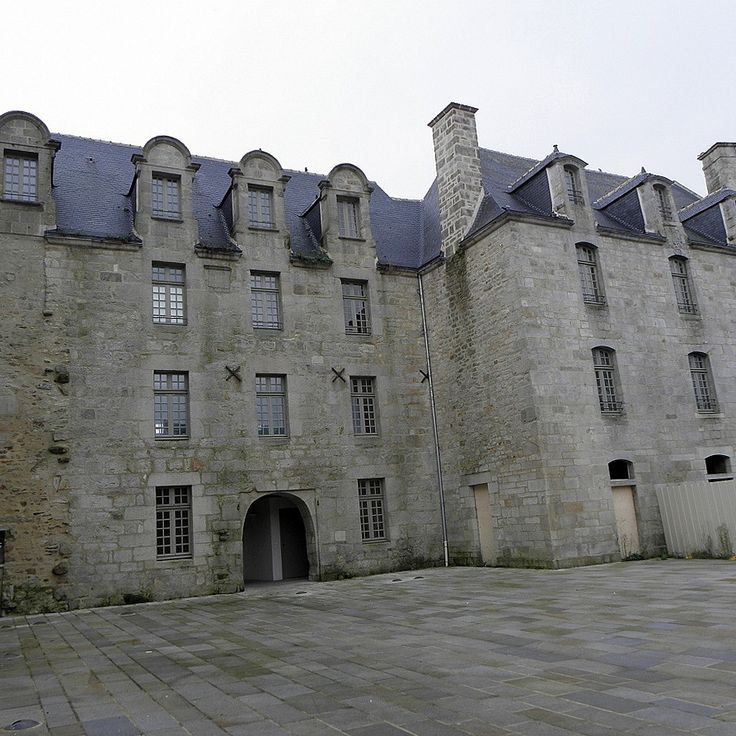
The Castle of Cheffontaines is part of this collection showing how Breton buildings developed over seven centuries. Built in the 15th century, this castle displays the late Gothic style of that period. Its stone tower illustrates the construction methods used at the time and how people built their homes during the Middle Ages in Brittany.
The Old Bishops' Palace of Quimper represents in this collection how Breton architecture evolved over seven centuries, from the Middle Ages to the modern era. Built in the 15th century next to Saint-Corentin Cathedral, this palace once served as the residence of Quimper's bishops until the French Revolution. Today it houses the Musée Départemental Breton, displaying Breton art, archaeological pieces, and historical objects that tell the story of the region.
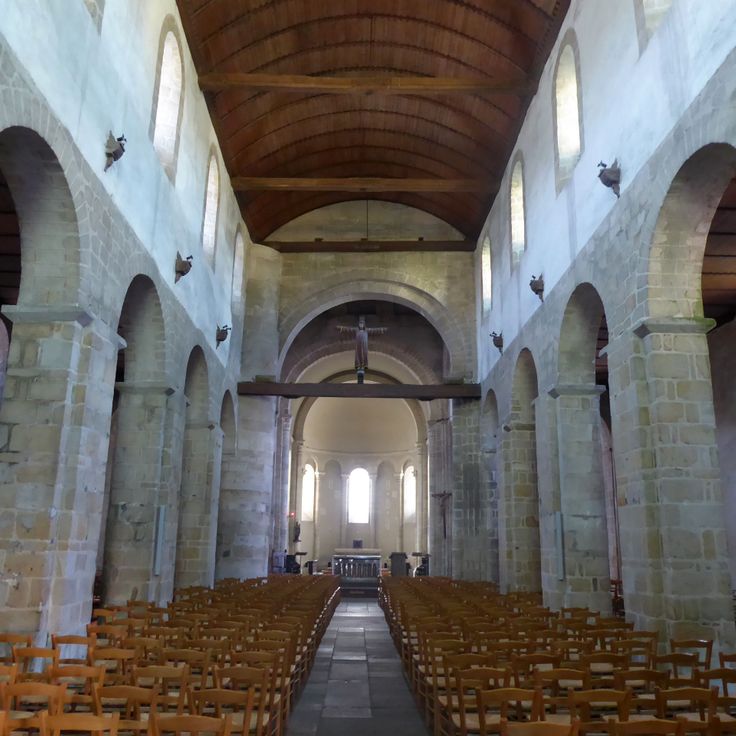
The Priory of Locmaria was founded in the 11th century as a Benedictine monastery and displays the key characteristics of Romanesque architecture in Brittany. The building preserves its original structure with thick stone walls and a simple nave. The complex stands among the oldest religious buildings in Quimper and documents the monastic traditions of the region. Within this collection of historical Breton architecture, this priory illustrates the evolution of building methods and styles across seven centuries.
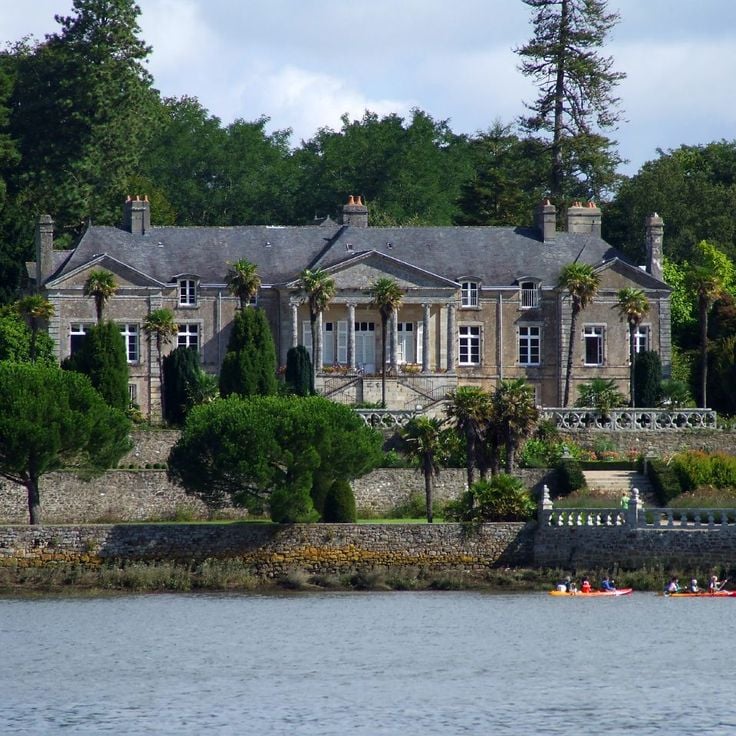
The Castle of Lanniron represents 17th-century construction within this collection of Breton architecture spanning eleven to nineteen centuries. The estate sits on the banks of the Odet River with gardens designed in French formal style, featuring geometric flower beds, water basins, and fountains. The grounds contain an arboretum holding collections of old and rare tree species, as well as several ponds connected by waterways.
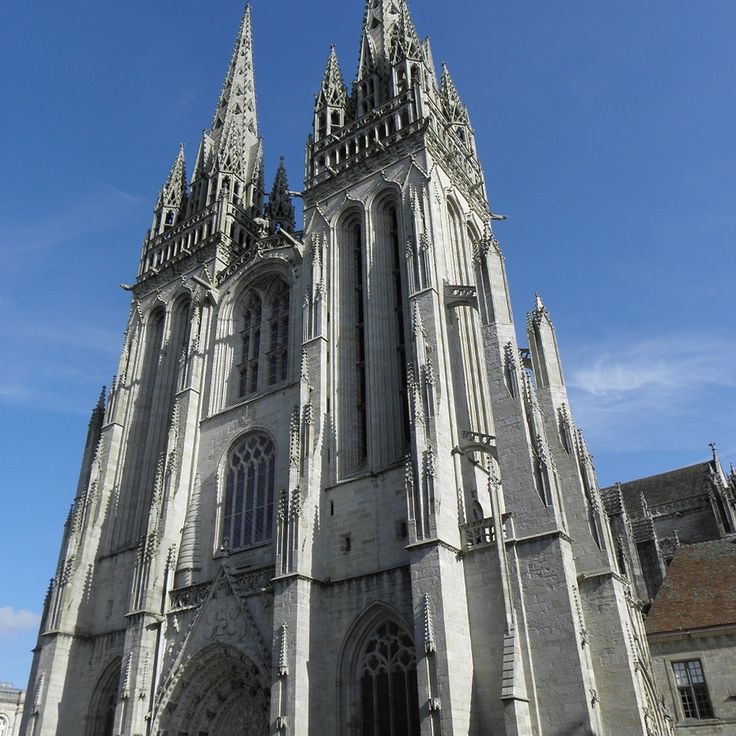
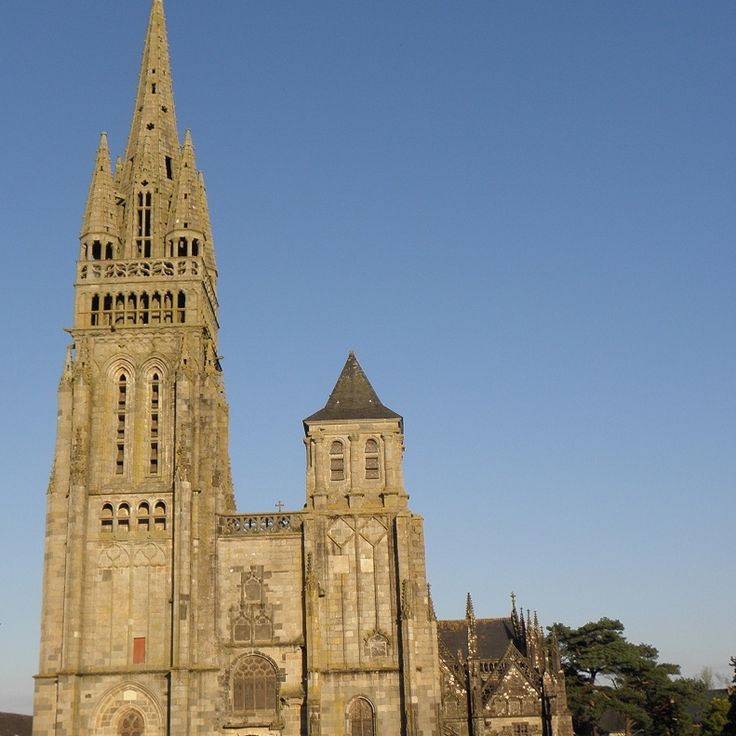
The Cathedral of Saint Corentin in Quimper is a Gothic building from the 13th century with two 75-meter high towers. This religious monument contains colored glass windows from the medieval period that decorate its interior. The cathedral represents the long architectural development of Brittany over seven centuries, showing how building techniques and taste evolved from the Middle Ages to the modern era. With its granite structure, it contributes to the strong regional character that marks Breton buildings.
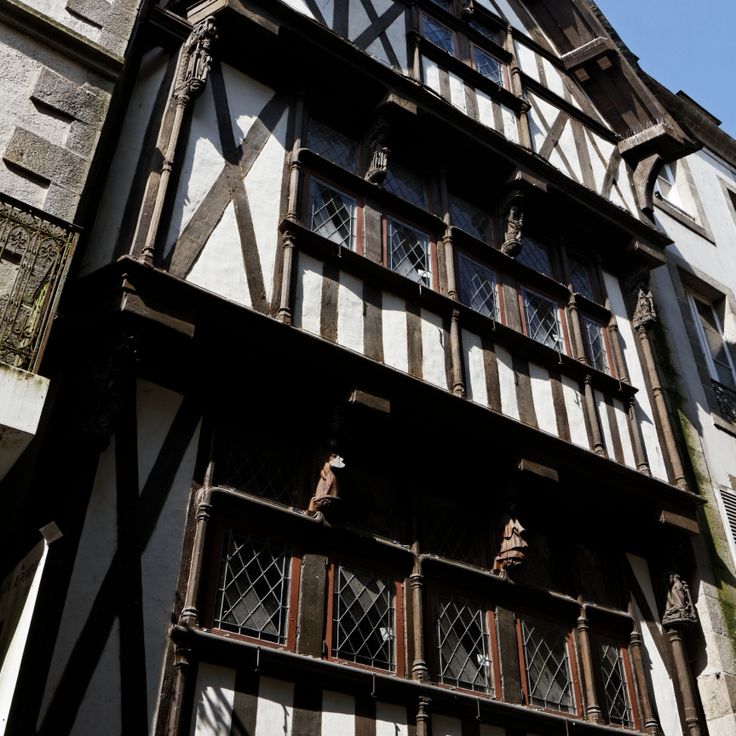
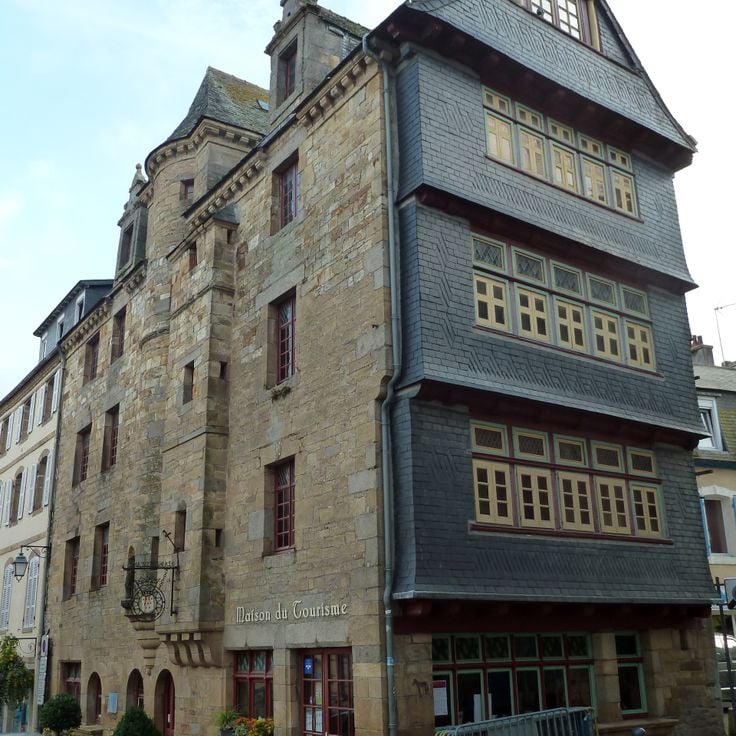
The House of the Pondalez is a 16th-century urban residence that demonstrates the evolution of Breton architecture in this collection spanning seven centuries. Located in Morlaix, this building was constructed for wealthy residents and retains its original character. A spiral staircase curves through the courtyard, and the interior preserves wooden paneling from the time of its construction. This residence exemplifies Renaissance design as it developed in Brittany.
The Church of Locmaria is a Romanesque building from the 12th century, constructed with stone columns, round arches, and a tower above the crossing. In this collection of Breton architecture, the Church of Locmaria demonstrates how Benedictine monks built structures in this region and what construction techniques they used. This building represents the religious architecture of the Quimper area during this period and helps visitors understand seven centuries of Breton building history.
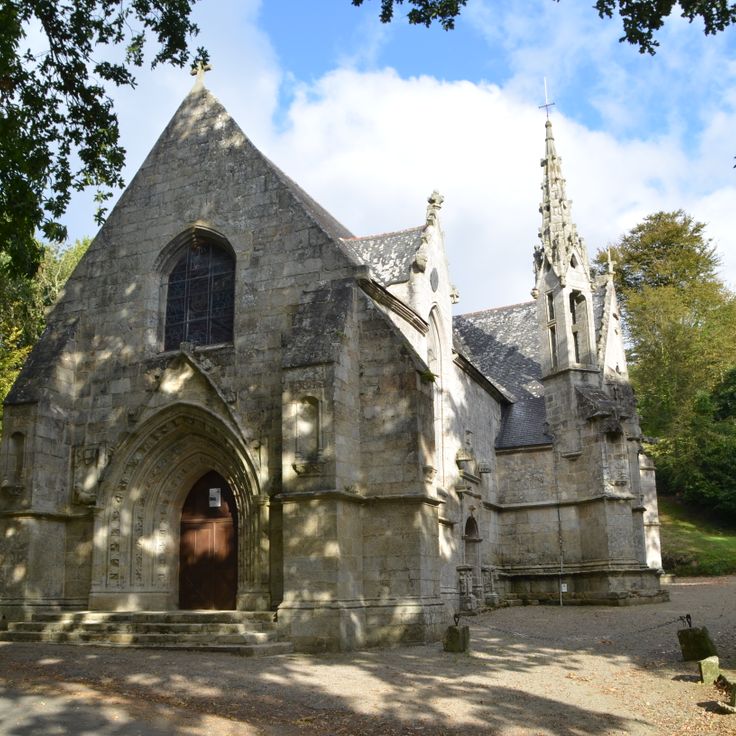
The Chapel of Ty Mamm Doué stands in the Finistère department in Brittany. This religious building shows the Catholic tradition and religious architecture of the region. The name means "House of the Mother of God" in Breton and reflects the deep veneration of Mary rooted in Breton culture. The chapel fits within seven centuries of Breton architectural development and shares the use of granite and slate with other buildings across the region.
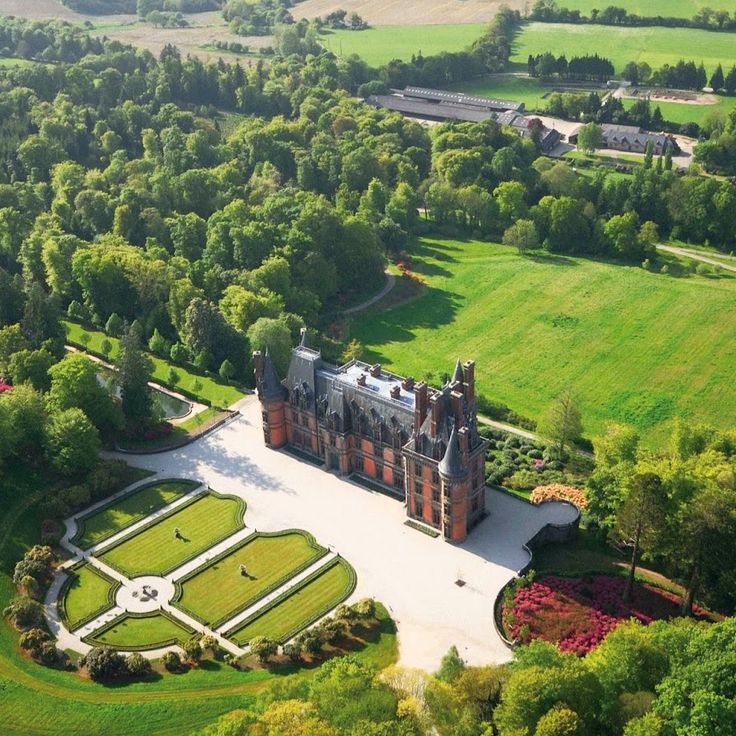
The Castle of Trévarez in this collection represents the evolution of Breton architecture from the Middle Ages to modern times. Built in the late 19th century from pink granite, this castle stands within an expansive park of around 85 hectares. The estate combines historical architecture with botanical collections, including camellias, rhododendrons and hydrangeas. The grounds feature woodlands, ponds and tree-lined paths that showcase different aspects of landscape design across the seasons.
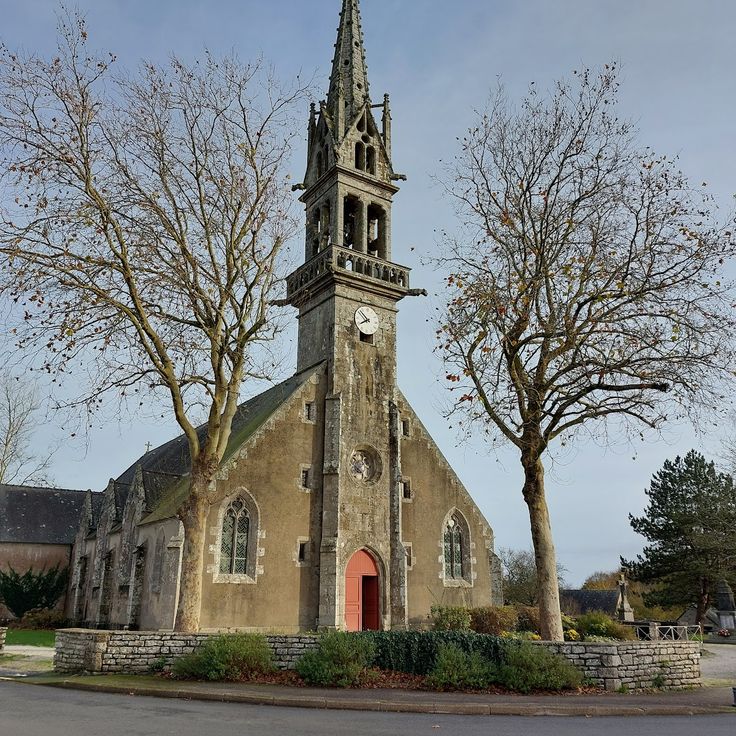
The Church of Mellac displays Gothic architecture with characteristic pointed arch windows and a stone bell tower. Within this collection of Breton architecture spanning seven centuries, the Church of Mellac represents typical medieval church design found throughout the region. The building features stained glass windows depicting religious scenes and reinforced exterior walls, materials like granite and slate that give it regional identity.
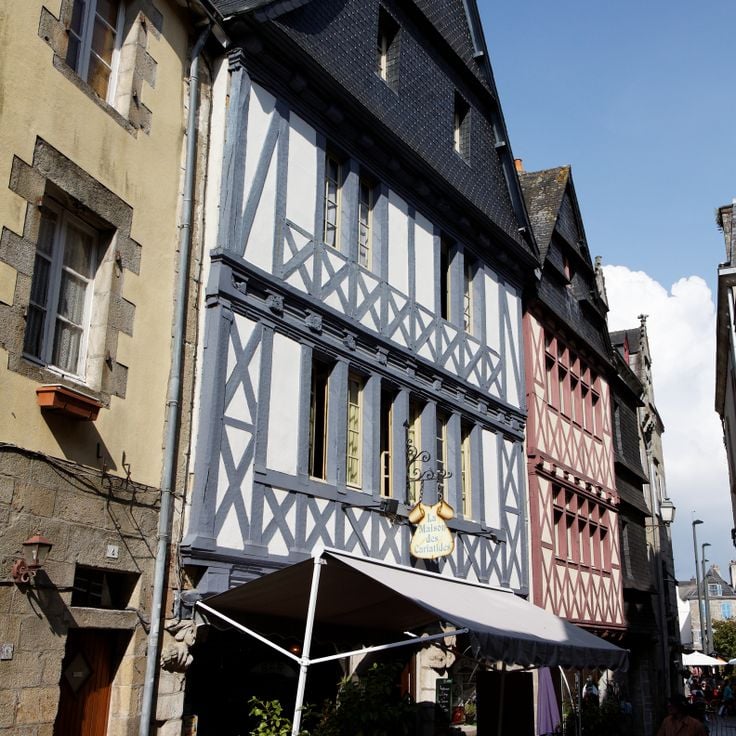
The Maison des Cariatides is a historic residential building in the old town of Quimper that belongs to this collection of Breton architecture spanning seven centuries. Its facade displays four stone caryatids, female sculptural figures serving as supporting columns. These decorative elements reflect the architectural traditions of Brittany and demonstrate the skilled craftsmanship of stonemasons from past centuries.
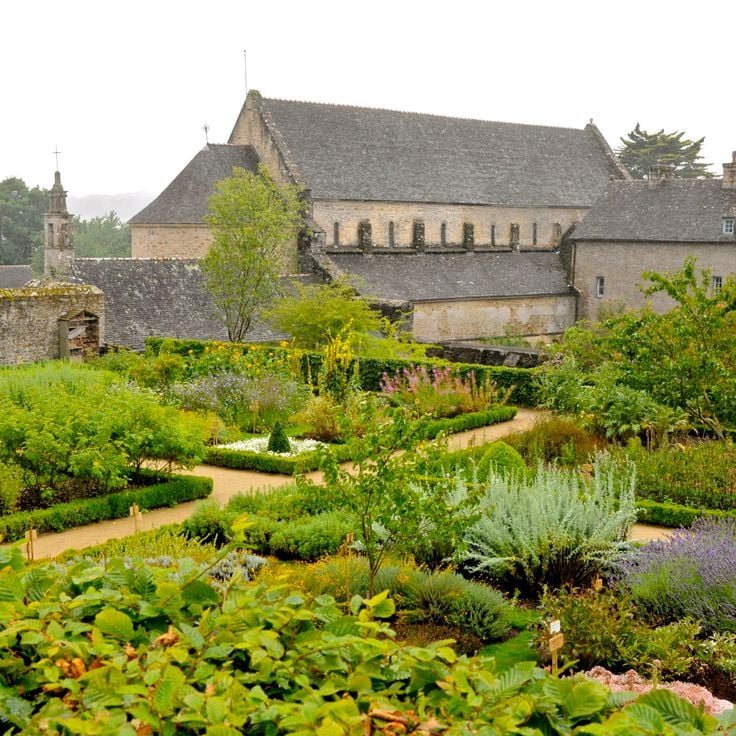
The Abbaye de Daoulas was founded in the 12th century and contributes to this collection of Breton architecture with its Romanesque cloister featuring carved columns, a Gothic chapel, and a medicinal plant garden cultivating over 300 species for therapeutic and historical purposes. The site functions as a cultural center and regularly hosts temporary exhibitions.
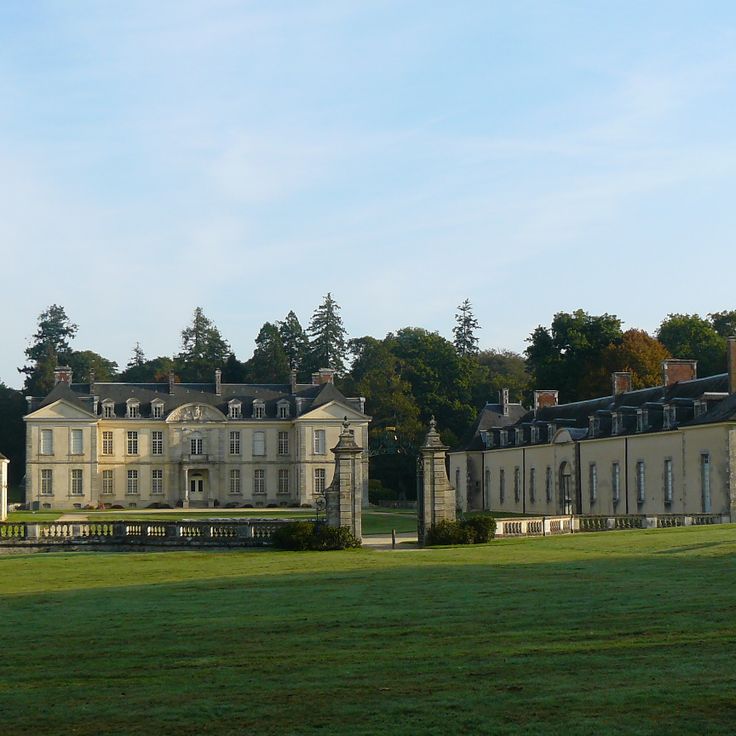
Kerguéhennec Castle represents the evolution of Breton architecture from the 11th to 19th century. Built in 1710, this castle displays classical French architecture typical of the regional styles shown in this collection. The estate sits within a 175-hectare park featuring a sculpture garden, several ponds, and historic tree-lined avenues. Today, Kerguéhennec functions as a cultural center, blending historical architecture with contemporary art.
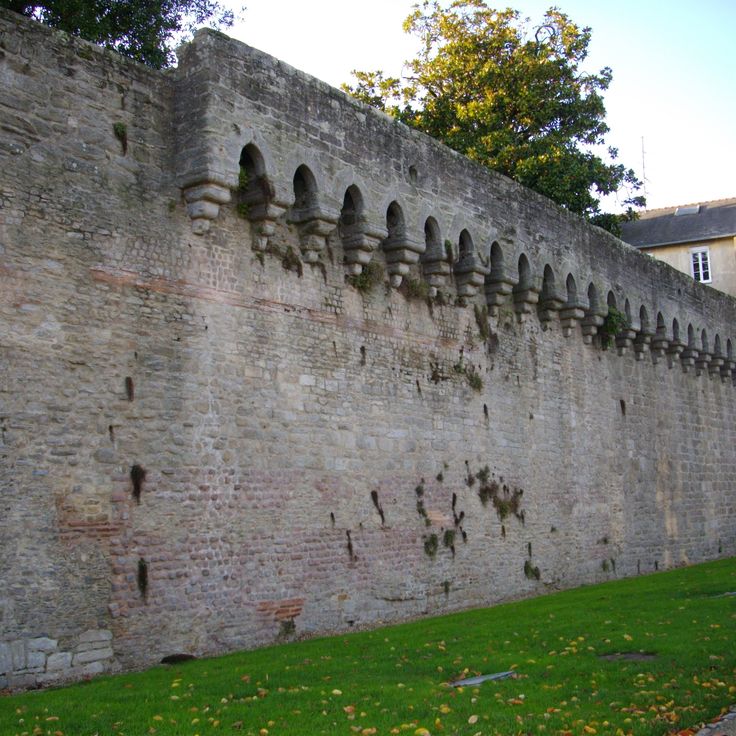
The Vannes Walls are part of this collection showing seven centuries of Breton architecture. Built in the 13th century, they surround the historic center of the city and combine Gallo-Roman foundations with medieval reinforcements. The structure displays various construction phases of urban defensive architecture. Like many buildings in Brittany, the walls use granite and slate, materials that give the region a strong identity. They offer visitors insight into Brittany's architectural history.
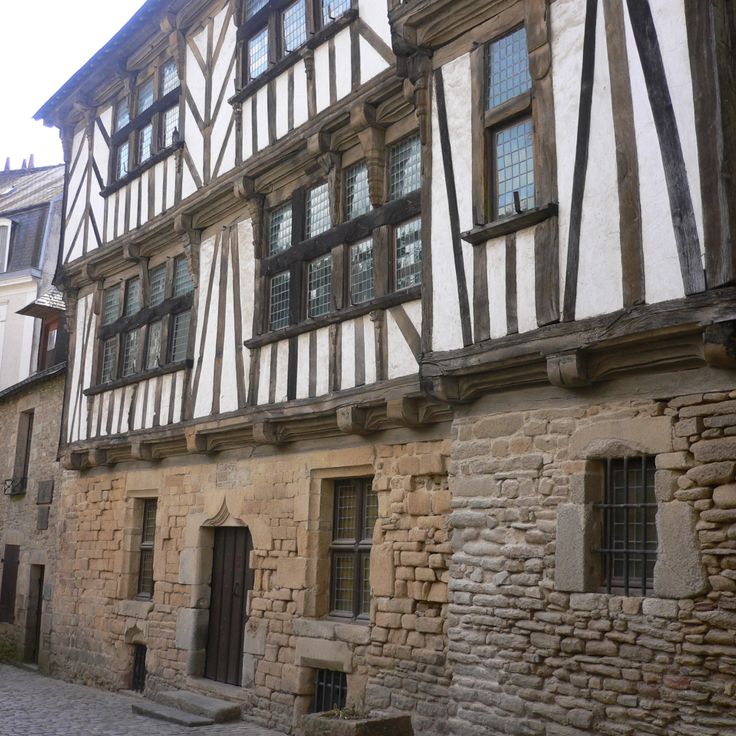
The house of Queen Anne in this collection demonstrates Renaissance architecture of 16th-century Brittany. Built in 1522, the building features three tiered galleries and carved wooden decorations on its facades. It exemplifies the regional building style and craftsmanship using local materials that defined Breton construction during this era.
The Manor of Saint Pol Roux was built in the early 20th century on a cliff above Camaret Bay. The French poet and playwright Saint Pol Roux lived in this house until his death in 1940. This manor represents the connection between architecture and literature in Brittany and shows how the coastal location inspired creative works. The steep clifftop setting gave the writer inspiration for his symbolist works and makes this building an important site in Breton cultural history.
The Church of Commana was built in the 16th century and combines Gothic construction with Renaissance elements. Its interior preserves original wood carvings and stonework from the period of construction. The architectural design shows the transition between these two styles that marked this era. This church is part of a collection of buildings that demonstrate seven centuries of Breton architecture and how techniques and tastes changed over time.
The House of the Archers in Morlaix documents the importance of maritime trade to the city during the Renaissance period. Built in the 16th century, the building displays ships and nautical motifs on its facade. In its design, it combines elements of defensive architecture with residential features, representing the evolution of Breton construction styles across seven centuries.
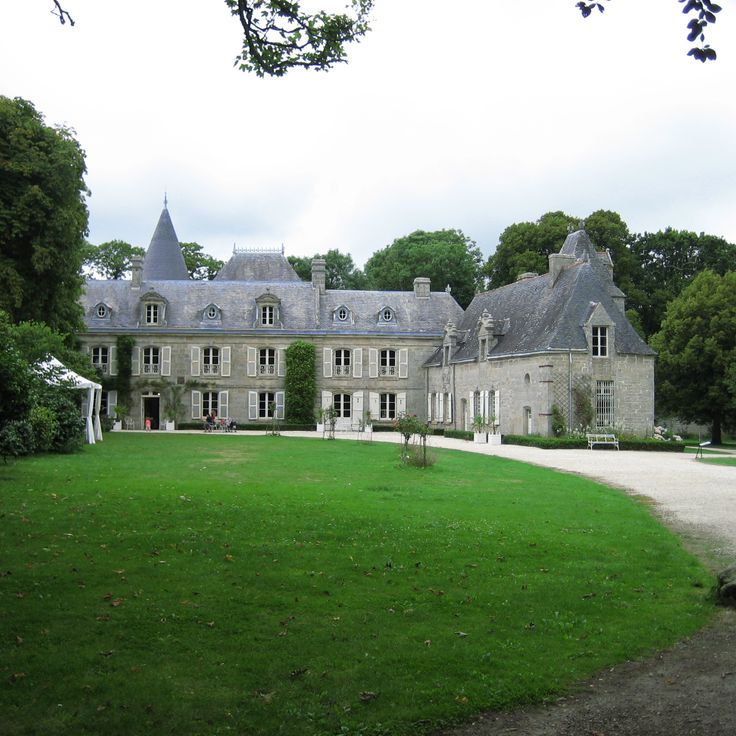
The Manoir de Mézarnou shows Breton architecture from multiple centuries in this collection. This manor house was built in the 16th century and features a central tower with two side wings. The adjoining French garden has geometric flowerbeds and includes fruit trees arranged according to traditional design principles. The manor demonstrates the evolution of building techniques and architectural taste over time, realized in Brittany with local materials such as granite and slate.
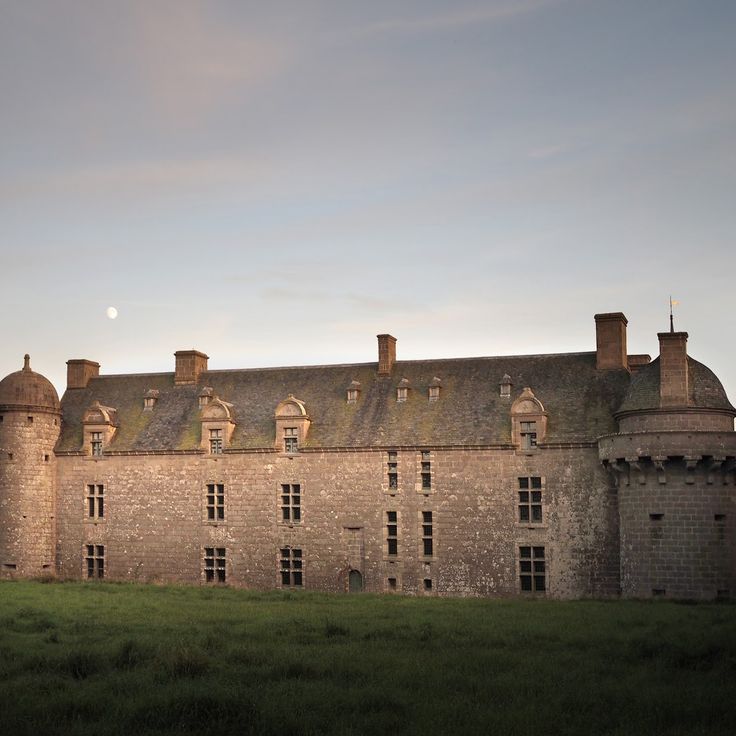
Kergroadez Castle exemplifies 17th-century Breton military architecture. Built with high defensive walls made of local granite, the castle features four massive corner towers arranged around a rectangular layout. These towers served practical purposes: they allowed inhabitants to watch the surrounding land and strengthened the fortress structure. The castle demonstrates how builders of this period combined functional defense with architectural form. Within the collection of Breton architecture spanning seven centuries, Kergroadez Castle reveals how construction methods and design choices evolved over time.
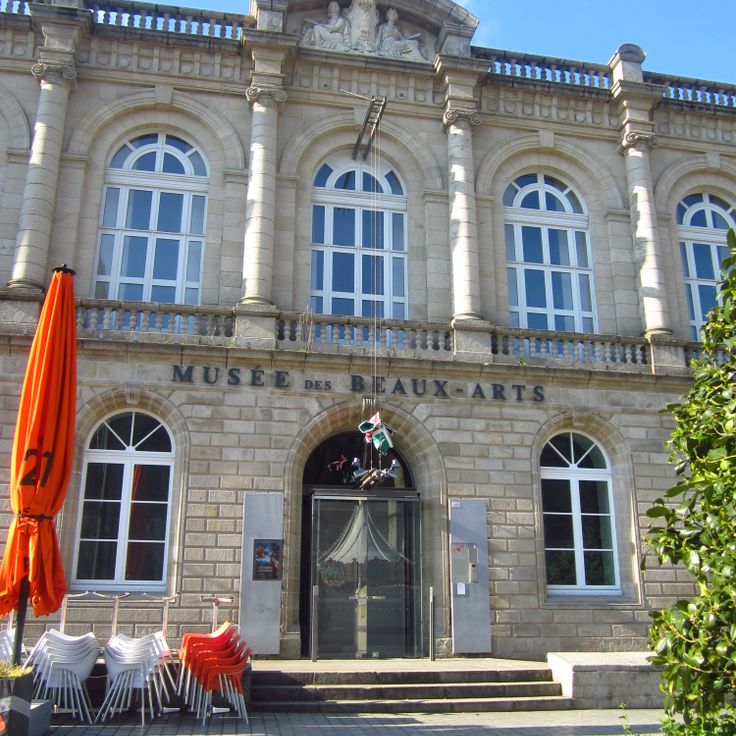
The Museum of Fine Arts of Quimper displays French, Italian and Flemish paintings from the 14th to the 20th century, contributing to the understanding of seven centuries of Breton architecture. This institution houses a substantial collection of Breton ceramics that documents the local craft tradition and enriches the exploration of regional history.
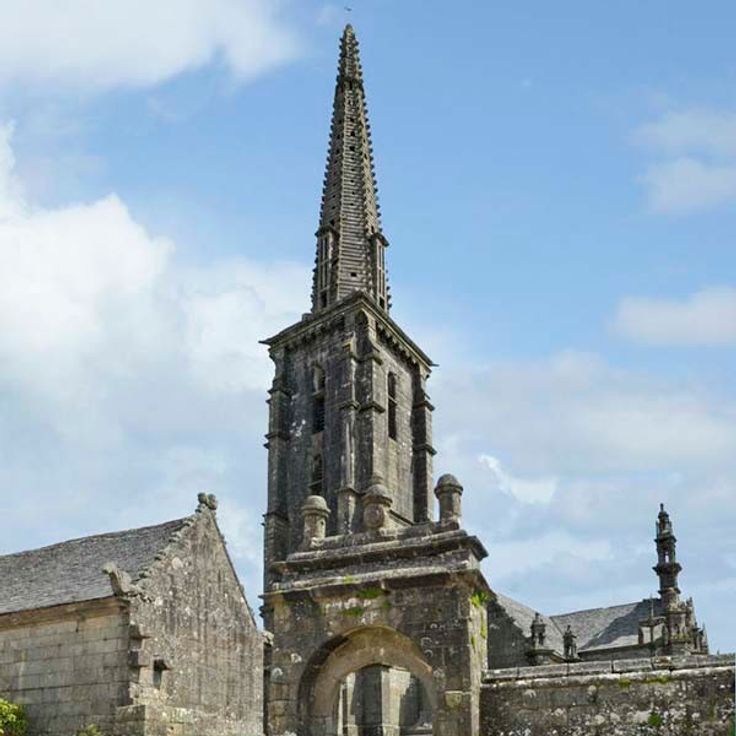
The Basilica of Folgoët in this collection displays Gothic architecture from the 14th century. This building features a tall bell tower and a western facade with detailed stonework, religious motifs, and sculptural decorations. The basilica served as a pilgrimage church for centuries and preserves elaborate ornamental elements from the late medieval period.
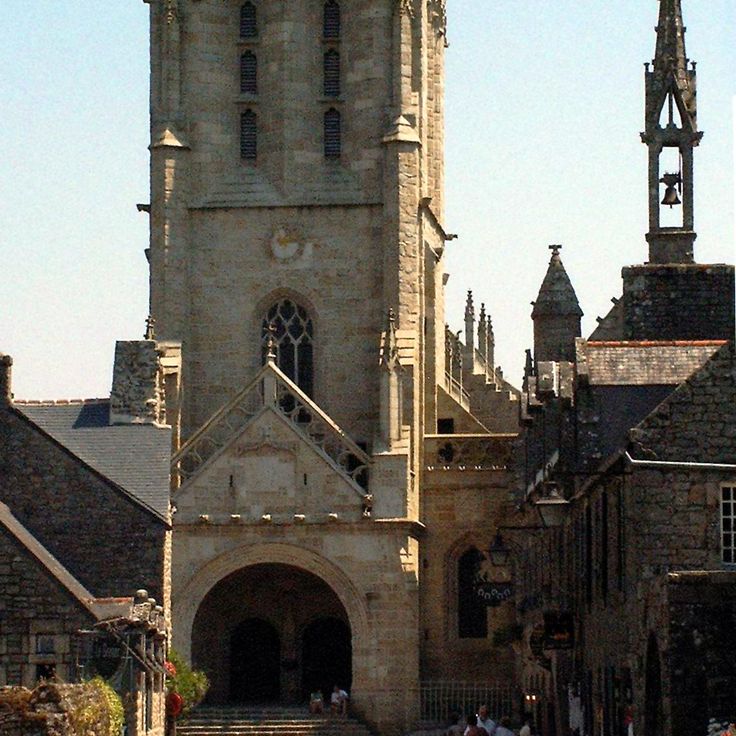
This church in Locronan was built in the 15th century using regional granite and follows the Gothic architectural style. Within this collection of seven centuries of Breton architecture, Locronan Church demonstrates how local materials such as granite and slate gave these buildings a strong regional identity. The rectangular floor plan is organized around tall windows that bring light into the interior space. The granite facade shows traditional Breton stonework techniques from this period.
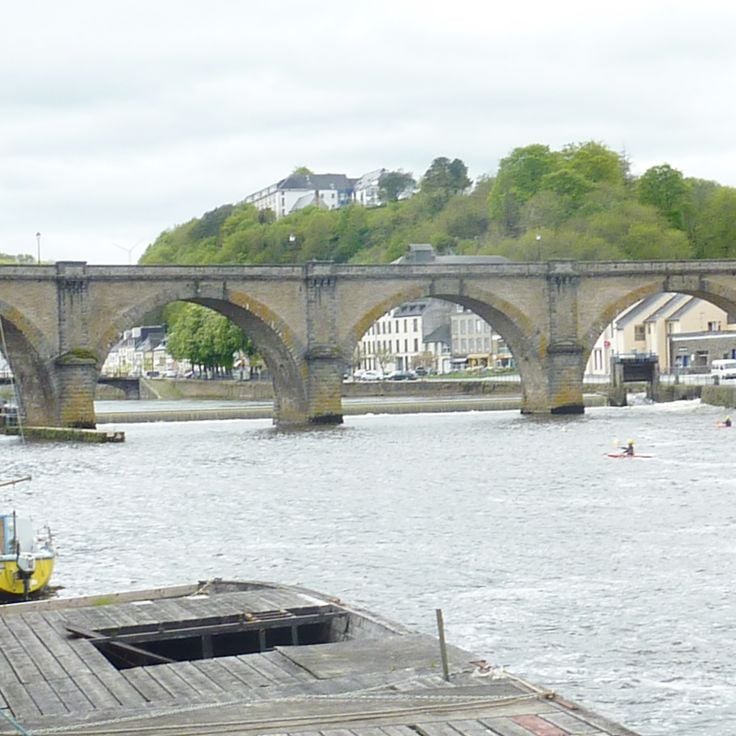
This canal bridge was built in 1854 and demonstrates the engineering advances of 19th-century France. With its four stone arches, it spans the river valley to carry the Aulne Canal across. The structure is an example of how Brittany developed its infrastructure and complements this collection of buildings that spans seven centuries of Breton architecture.
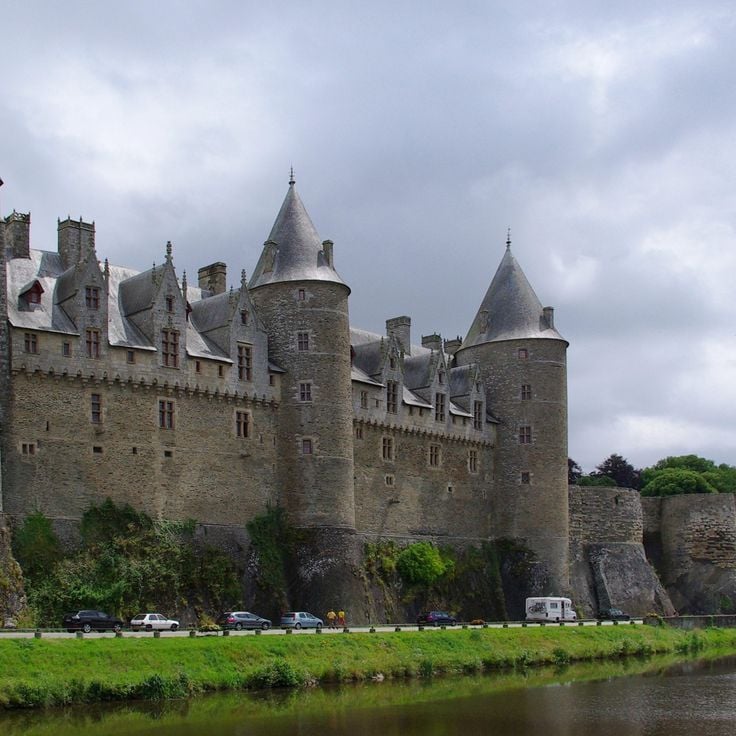
Josselin Castle represents medieval Breton architecture from the 11th century within this collection spanning seven centuries of construction. The castle features three massive towers and displays detailed Gothic stonework on its facade with floral carvings and heraldic shields. The grounds extend to the banks of the Oust River, where local granite and slate materials give the structure its strong regional character.
The Manor of Kerazan in this collection demonstrates seven centuries of Breton architectural evolution from the Middle Ages to the modern era. Built in the 16th century, this residence houses a collection of Breton paintings, furniture and decorative objects. Constructed from granite and slate, materials that give the region its distinctive architectural character, the manor is surrounded by a formal garden in the French style, featuring trees that are several centuries old.
The Castle of Cheffontaines is part of this collection showing how Breton buildings developed over seven centuries. Built in the 15th century, this castle displays the late Gothic style of that period. Its stone tower illustrates the construction methods used at the time and how people built their homes during the Middle Ages in Brittany.
The Old Bishops' Palace of Quimper represents in this collection how Breton architecture evolved over seven centuries, from the Middle Ages to the modern era. Built in the 15th century next to Saint-Corentin Cathedral, this palace once served as the residence of Quimper's bishops until the French Revolution. Today it houses the Musée Départemental Breton, displaying Breton art, archaeological pieces, and historical objects that tell the story of the region.
The Priory of Locmaria was founded in the 11th century as a Benedictine monastery and displays the key characteristics of Romanesque architecture in Brittany. The building preserves its original structure with thick stone walls and a simple nave. The complex stands among the oldest religious buildings in Quimper and documents the monastic traditions of the region. Within this collection of historical Breton architecture, this priory illustrates the evolution of building methods and styles across seven centuries.
The Castle of Lanniron represents 17th-century construction within this collection of Breton architecture spanning eleven to nineteen centuries. The estate sits on the banks of the Odet River with gardens designed in French formal style, featuring geometric flower beds, water basins, and fountains. The grounds contain an arboretum holding collections of old and rare tree species, as well as several ponds connected by waterways.
The Cathedral of Saint Corentin in Quimper is a Gothic building from the 13th century with two 75-meter high towers. This religious monument contains colored glass windows from the medieval period that decorate its interior. The cathedral represents the long architectural development of Brittany over seven centuries, showing how building techniques and taste evolved from the Middle Ages to the modern era. With its granite structure, it contributes to the strong regional character that marks Breton buildings.
The House of the Pondalez is a 16th-century urban residence that demonstrates the evolution of Breton architecture in this collection spanning seven centuries. Located in Morlaix, this building was constructed for wealthy residents and retains its original character. A spiral staircase curves through the courtyard, and the interior preserves wooden paneling from the time of its construction. This residence exemplifies Renaissance design as it developed in Brittany.
The Church of Locmaria is a Romanesque building from the 12th century, constructed with stone columns, round arches, and a tower above the crossing. In this collection of Breton architecture, the Church of Locmaria demonstrates how Benedictine monks built structures in this region and what construction techniques they used. This building represents the religious architecture of the Quimper area during this period and helps visitors understand seven centuries of Breton building history.
The Chapel of Ty Mamm Doué stands in the Finistère department in Brittany. This religious building shows the Catholic tradition and religious architecture of the region. The name means "House of the Mother of God" in Breton and reflects the deep veneration of Mary rooted in Breton culture. The chapel fits within seven centuries of Breton architectural development and shares the use of granite and slate with other buildings across the region.
The Castle of Trévarez in this collection represents the evolution of Breton architecture from the Middle Ages to modern times. Built in the late 19th century from pink granite, this castle stands within an expansive park of around 85 hectares. The estate combines historical architecture with botanical collections, including camellias, rhododendrons and hydrangeas. The grounds feature woodlands, ponds and tree-lined paths that showcase different aspects of landscape design across the seasons.
The Church of Mellac displays Gothic architecture with characteristic pointed arch windows and a stone bell tower. Within this collection of Breton architecture spanning seven centuries, the Church of Mellac represents typical medieval church design found throughout the region. The building features stained glass windows depicting religious scenes and reinforced exterior walls, materials like granite and slate that give it regional identity.
The Maison des Cariatides is a historic residential building in the old town of Quimper that belongs to this collection of Breton architecture spanning seven centuries. Its facade displays four stone caryatids, female sculptural figures serving as supporting columns. These decorative elements reflect the architectural traditions of Brittany and demonstrate the skilled craftsmanship of stonemasons from past centuries.
The Abbaye de Daoulas was founded in the 12th century and contributes to this collection of Breton architecture with its Romanesque cloister featuring carved columns, a Gothic chapel, and a medicinal plant garden cultivating over 300 species for therapeutic and historical purposes. The site functions as a cultural center and regularly hosts temporary exhibitions.
Kerguéhennec Castle represents the evolution of Breton architecture from the 11th to 19th century. Built in 1710, this castle displays classical French architecture typical of the regional styles shown in this collection. The estate sits within a 175-hectare park featuring a sculpture garden, several ponds, and historic tree-lined avenues. Today, Kerguéhennec functions as a cultural center, blending historical architecture with contemporary art.
The Vannes Walls are part of this collection showing seven centuries of Breton architecture. Built in the 13th century, they surround the historic center of the city and combine Gallo-Roman foundations with medieval reinforcements. The structure displays various construction phases of urban defensive architecture. Like many buildings in Brittany, the walls use granite and slate, materials that give the region a strong identity. They offer visitors insight into Brittany's architectural history.
The house of Queen Anne in this collection demonstrates Renaissance architecture of 16th-century Brittany. Built in 1522, the building features three tiered galleries and carved wooden decorations on its facades. It exemplifies the regional building style and craftsmanship using local materials that defined Breton construction during this era.
The Manor of Saint Pol Roux was built in the early 20th century on a cliff above Camaret Bay. The French poet and playwright Saint Pol Roux lived in this house until his death in 1940. This manor represents the connection between architecture and literature in Brittany and shows how the coastal location inspired creative works. The steep clifftop setting gave the writer inspiration for his symbolist works and makes this building an important site in Breton cultural history.
The Church of Commana was built in the 16th century and combines Gothic construction with Renaissance elements. Its interior preserves original wood carvings and stonework from the period of construction. The architectural design shows the transition between these two styles that marked this era. This church is part of a collection of buildings that demonstrate seven centuries of Breton architecture and how techniques and tastes changed over time.
The House of the Archers in Morlaix documents the importance of maritime trade to the city during the Renaissance period. Built in the 16th century, the building displays ships and nautical motifs on its facade. In its design, it combines elements of defensive architecture with residential features, representing the evolution of Breton construction styles across seven centuries.
The Manoir de Mézarnou shows Breton architecture from multiple centuries in this collection. This manor house was built in the 16th century and features a central tower with two side wings. The adjoining French garden has geometric flowerbeds and includes fruit trees arranged according to traditional design principles. The manor demonstrates the evolution of building techniques and architectural taste over time, realized in Brittany with local materials such as granite and slate.
Kergroadez Castle exemplifies 17th-century Breton military architecture. Built with high defensive walls made of local granite, the castle features four massive corner towers arranged around a rectangular layout. These towers served practical purposes: they allowed inhabitants to watch the surrounding land and strengthened the fortress structure. The castle demonstrates how builders of this period combined functional defense with architectural form. Within the collection of Breton architecture spanning seven centuries, Kergroadez Castle reveals how construction methods and design choices evolved over time.
The Museum of Fine Arts of Quimper displays French, Italian and Flemish paintings from the 14th to the 20th century, contributing to the understanding of seven centuries of Breton architecture. This institution houses a substantial collection of Breton ceramics that documents the local craft tradition and enriches the exploration of regional history.
The Basilica of Folgoët in this collection displays Gothic architecture from the 14th century. This building features a tall bell tower and a western facade with detailed stonework, religious motifs, and sculptural decorations. The basilica served as a pilgrimage church for centuries and preserves elaborate ornamental elements from the late medieval period.
This church in Locronan was built in the 15th century using regional granite and follows the Gothic architectural style. Within this collection of seven centuries of Breton architecture, Locronan Church demonstrates how local materials such as granite and slate gave these buildings a strong regional identity. The rectangular floor plan is organized around tall windows that bring light into the interior space. The granite facade shows traditional Breton stonework techniques from this period.
This canal bridge was built in 1854 and demonstrates the engineering advances of 19th-century France. With its four stone arches, it spans the river valley to carry the Aulne Canal across. The structure is an example of how Brittany developed its infrastructure and complements this collection of buildings that spans seven centuries of Breton architecture.
Josselin Castle represents medieval Breton architecture from the 11th century within this collection spanning seven centuries of construction. The castle features three massive towers and displays detailed Gothic stonework on its facade with floral carvings and heraldic shields. The grounds extend to the banks of the Oust River, where local granite and slate materials give the structure its strong regional character.
The Manor of Kerazan in this collection demonstrates seven centuries of Breton architectural evolution from the Middle Ages to the modern era. Built in the 16th century, this residence houses a collection of Breton paintings, furniture and decorative objects. Constructed from granite and slate, materials that give the region its distinctive architectural character, the manor is surrounded by a formal garden in the French style, featuring trees that are several centuries old.
The Castle of Cheffontaines is part of this collection showing how Breton buildings developed over seven centuries. Built in the 15th century, this castle displays the late Gothic style of that period. Its stone tower illustrates the construction methods used at the time and how people built their homes during the Middle Ages in Brittany.
The Old Bishops' Palace of Quimper represents in this collection how Breton architecture evolved over seven centuries, from the Middle Ages to the modern era. Built in the 15th century next to Saint-Corentin Cathedral, this palace once served as the residence of Quimper's bishops until the French Revolution. Today it houses the Musée Départemental Breton, displaying Breton art, archaeological pieces, and historical objects that tell the story of the region.
The Priory of Locmaria was founded in the 11th century as a Benedictine monastery and displays the key characteristics of Romanesque architecture in Brittany. The building preserves its original structure with thick stone walls and a simple nave. The complex stands among the oldest religious buildings in Quimper and documents the monastic traditions of the region. Within this collection of historical Breton architecture, this priory illustrates the evolution of building methods and styles across seven centuries.
The Castle of Lanniron represents 17th-century construction within this collection of Breton architecture spanning eleven to nineteen centuries. The estate sits on the banks of the Odet River with gardens designed in French formal style, featuring geometric flower beds, water basins, and fountains. The grounds contain an arboretum holding collections of old and rare tree species, as well as several ponds connected by waterways.
The Cathedral of Saint Corentin in Quimper is a Gothic building from the 13th century with two 75-meter high towers. This religious monument contains colored glass windows from the medieval period that decorate its interior. The cathedral represents the long architectural development of Brittany over seven centuries, showing how building techniques and taste evolved from the Middle Ages to the modern era. With its granite structure, it contributes to the strong regional character that marks Breton buildings.
The House of the Pondalez is a 16th-century urban residence that demonstrates the evolution of Breton architecture in this collection spanning seven centuries. Located in Morlaix, this building was constructed for wealthy residents and retains its original character. A spiral staircase curves through the courtyard, and the interior preserves wooden paneling from the time of its construction. This residence exemplifies Renaissance design as it developed in Brittany.
The Church of Locmaria is a Romanesque building from the 12th century, constructed with stone columns, round arches, and a tower above the crossing. In this collection of Breton architecture, the Church of Locmaria demonstrates how Benedictine monks built structures in this region and what construction techniques they used. This building represents the religious architecture of the Quimper area during this period and helps visitors understand seven centuries of Breton building history.
The Chapel of Ty Mamm Doué stands in the Finistère department in Brittany. This religious building shows the Catholic tradition and religious architecture of the region. The name means "House of the Mother of God" in Breton and reflects the deep veneration of Mary rooted in Breton culture. The chapel fits within seven centuries of Breton architectural development and shares the use of granite and slate with other buildings across the region.
The Castle of Trévarez in this collection represents the evolution of Breton architecture from the Middle Ages to modern times. Built in the late 19th century from pink granite, this castle stands within an expansive park of around 85 hectares. The estate combines historical architecture with botanical collections, including camellias, rhododendrons and hydrangeas. The grounds feature woodlands, ponds and tree-lined paths that showcase different aspects of landscape design across the seasons.
The Church of Mellac displays Gothic architecture with characteristic pointed arch windows and a stone bell tower. Within this collection of Breton architecture spanning seven centuries, the Church of Mellac represents typical medieval church design found throughout the region. The building features stained glass windows depicting religious scenes and reinforced exterior walls, materials like granite and slate that give it regional identity.
The Maison des Cariatides is a historic residential building in the old town of Quimper that belongs to this collection of Breton architecture spanning seven centuries. Its facade displays four stone caryatids, female sculptural figures serving as supporting columns. These decorative elements reflect the architectural traditions of Brittany and demonstrate the skilled craftsmanship of stonemasons from past centuries.
The Abbaye de Daoulas was founded in the 12th century and contributes to this collection of Breton architecture with its Romanesque cloister featuring carved columns, a Gothic chapel, and a medicinal plant garden cultivating over 300 species for therapeutic and historical purposes. The site functions as a cultural center and regularly hosts temporary exhibitions.
Kerguéhennec Castle represents the evolution of Breton architecture from the 11th to 19th century. Built in 1710, this castle displays classical French architecture typical of the regional styles shown in this collection. The estate sits within a 175-hectare park featuring a sculpture garden, several ponds, and historic tree-lined avenues. Today, Kerguéhennec functions as a cultural center, blending historical architecture with contemporary art.
The Vannes Walls are part of this collection showing seven centuries of Breton architecture. Built in the 13th century, they surround the historic center of the city and combine Gallo-Roman foundations with medieval reinforcements. The structure displays various construction phases of urban defensive architecture. Like many buildings in Brittany, the walls use granite and slate, materials that give the region a strong identity. They offer visitors insight into Brittany's architectural history.
The house of Queen Anne in this collection demonstrates Renaissance architecture of 16th-century Brittany. Built in 1522, the building features three tiered galleries and carved wooden decorations on its facades. It exemplifies the regional building style and craftsmanship using local materials that defined Breton construction during this era.
The Manor of Saint Pol Roux was built in the early 20th century on a cliff above Camaret Bay. The French poet and playwright Saint Pol Roux lived in this house until his death in 1940. This manor represents the connection between architecture and literature in Brittany and shows how the coastal location inspired creative works. The steep clifftop setting gave the writer inspiration for his symbolist works and makes this building an important site in Breton cultural history.
The Church of Commana was built in the 16th century and combines Gothic construction with Renaissance elements. Its interior preserves original wood carvings and stonework from the period of construction. The architectural design shows the transition between these two styles that marked this era. This church is part of a collection of buildings that demonstrate seven centuries of Breton architecture and how techniques and tastes changed over time.
The House of the Archers in Morlaix documents the importance of maritime trade to the city during the Renaissance period. Built in the 16th century, the building displays ships and nautical motifs on its facade. In its design, it combines elements of defensive architecture with residential features, representing the evolution of Breton construction styles across seven centuries.
The Manoir de Mézarnou shows Breton architecture from multiple centuries in this collection. This manor house was built in the 16th century and features a central tower with two side wings. The adjoining French garden has geometric flowerbeds and includes fruit trees arranged according to traditional design principles. The manor demonstrates the evolution of building techniques and architectural taste over time, realized in Brittany with local materials such as granite and slate.
Kergroadez Castle exemplifies 17th-century Breton military architecture. Built with high defensive walls made of local granite, the castle features four massive corner towers arranged around a rectangular layout. These towers served practical purposes: they allowed inhabitants to watch the surrounding land and strengthened the fortress structure. The castle demonstrates how builders of this period combined functional defense with architectural form. Within the collection of Breton architecture spanning seven centuries, Kergroadez Castle reveals how construction methods and design choices evolved over time.
The Museum of Fine Arts of Quimper displays French, Italian and Flemish paintings from the 14th to the 20th century, contributing to the understanding of seven centuries of Breton architecture. This institution houses a substantial collection of Breton ceramics that documents the local craft tradition and enriches the exploration of regional history.
The Basilica of Folgoët in this collection displays Gothic architecture from the 14th century. This building features a tall bell tower and a western facade with detailed stonework, religious motifs, and sculptural decorations. The basilica served as a pilgrimage church for centuries and preserves elaborate ornamental elements from the late medieval period.
This church in Locronan was built in the 15th century using regional granite and follows the Gothic architectural style. Within this collection of seven centuries of Breton architecture, Locronan Church demonstrates how local materials such as granite and slate gave these buildings a strong regional identity. The rectangular floor plan is organized around tall windows that bring light into the interior space. The granite facade shows traditional Breton stonework techniques from this period.
This canal bridge was built in 1854 and demonstrates the engineering advances of 19th-century France. With its four stone arches, it spans the river valley to carry the Aulne Canal across. The structure is an example of how Brittany developed its infrastructure and complements this collection of buildings that spans seven centuries of Breton architecture.
Josselin Castle represents medieval Breton architecture from the 11th century within this collection spanning seven centuries of construction. The castle features three massive towers and displays detailed Gothic stonework on its facade with floral carvings and heraldic shields. The grounds extend to the banks of the Oust River, where local granite and slate materials give the structure its strong regional character.