See the monuments around you in AROpen chests in the app
Around Us is built for your phone — point your camera at the streets and discover the monuments and places around you in augmented reality.Around Us is built for your phone — chests unlock when you walk, explore and capture nearby places.
Brittany combines medieval architecture with natural landscapes that shape the region's character. Granite cliffs, forests, lighthouses, and fishing villages dot the coastline. Visitors discover Celtic megaliths, castles, abbeys, and museums filled with maritime history. The shoreline displays dramatic rock formations, bays, and islands that rise from the sea. Inland, canals, gardens, and historic estates reveal how people lived in earlier times.
Cape Fréhel, Pointe du Raz, and Île Vierge Lighthouse show the power of the coast, where waves meet stone. Ancient monuments like the Menhir de Champ-Dolent and La Roche aux Fées stand as reminders of Celtic peoples who lived here thousands of years ago. Medieval towns such as Locronan and Rochefort-en-Terre preserve narrow streets and stone houses from centuries past. Fortifications like Fort La Latte and Château de Trécesson tell stories of defense and power.
Nature lovers find refuge in Huelgoat Forest and along the Pink Granite Coast, where landscape takes on unusual forms. Museums dedicated to maritime trade and the East India Company document the region's connection to the sea. The Canal de Nantes à Brest offers a gentle way to cross the region on foot or by boat. Religious sites like Saint-Gildas de Rhuys Abbey and the Abbey of Beauport sit in quiet settings, inviting contemplation and exploration.
Brittany combines medieval architecture with natural landscapes that shape the region's character. Granite cliffs, forests, lighthouses, and fishing villages dot the coastline. Visitors discover Celtic megaliths, castles, abbeys, and museums filled with maritime history. The shoreline displays dramatic rock formations, bays, and islands that rise from the sea. Inland, canals, gardens, and historic estates reveal how people lived in earlier times.
Cape Fréhel, Pointe du Raz, and Île Vierge Lighthouse show the power of the coast, where waves meet stone. Ancient monuments like the Menhir de Champ-Dolent and La Roche aux Fées stand as reminders of Celtic peoples who lived here thousands of years ago. Medieval towns such as Locronan and Rochefort-en-Terre preserve narrow streets and stone houses from centuries past. Fortifications like Fort La Latte and Château de Trécesson tell stories of defense and power.
Nature lovers find refuge in Huelgoat Forest and along the Pink Granite Coast, where landscape takes on unusual forms. Museums dedicated to maritime trade and the East India Company document the region's connection to the sea. The Canal de Nantes à Brest offers a gentle way to cross the region on foot or by boat. Religious sites like Saint-Gildas de Rhuys Abbey and the Abbey of Beauport sit in quiet settings, inviting contemplation and exploration.
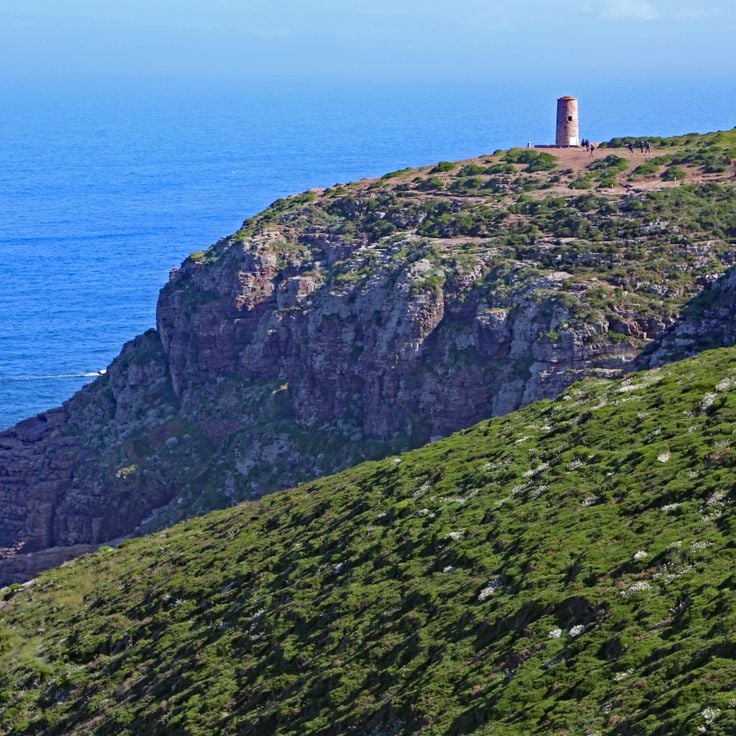
Cap Fréhel is a coastal landmark in Brittany with sandstone cliffs that rise 70 meters above the sea. These cliffs serve as an observation point for watching seabirds and demonstrate the granite and rocky formations that define the region's shoreline alongside its medieval architecture and natural beauty.
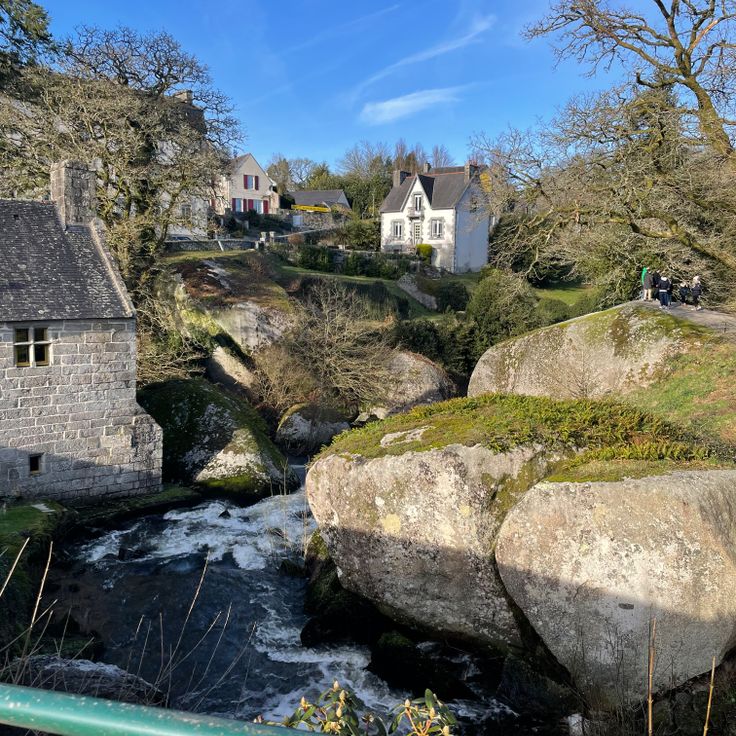
The Forêt de Huelgoat reflects Brittany's blend of historic character and natural landscapes. This forest features large granite boulders nestled between ancient oaks and beeches, creating a distinctive terrain shaped by time. Marked paths guide visitors through the woodland, revealing how granite formations define this inland area of the region.
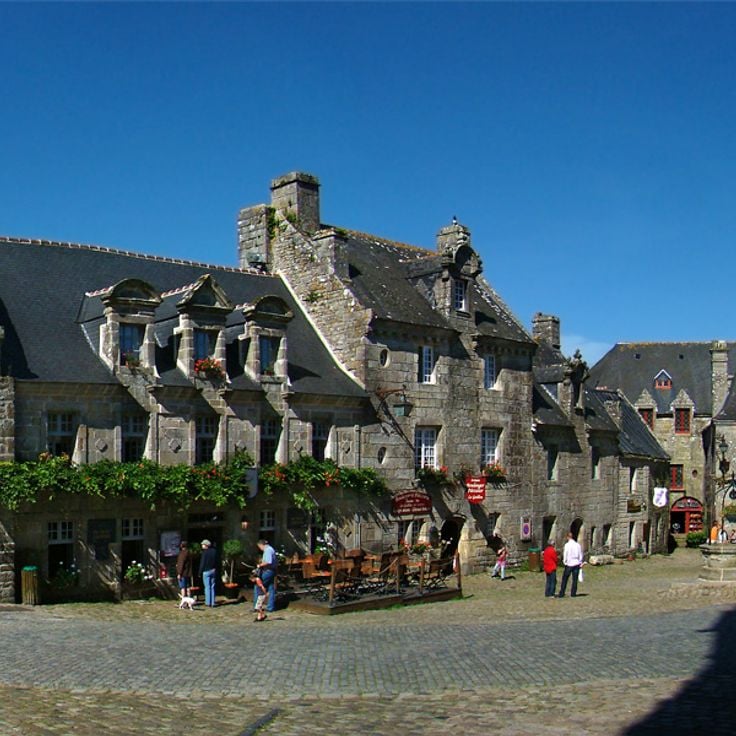
This village was built in the 16th century and displays the medieval architecture characteristic of Brittany. The granite houses shape the village character, while the Gothic church and former weaving workshops define its layout. Locronan embodies the region's craftsmanship heritage and connection to the surrounding landscape.
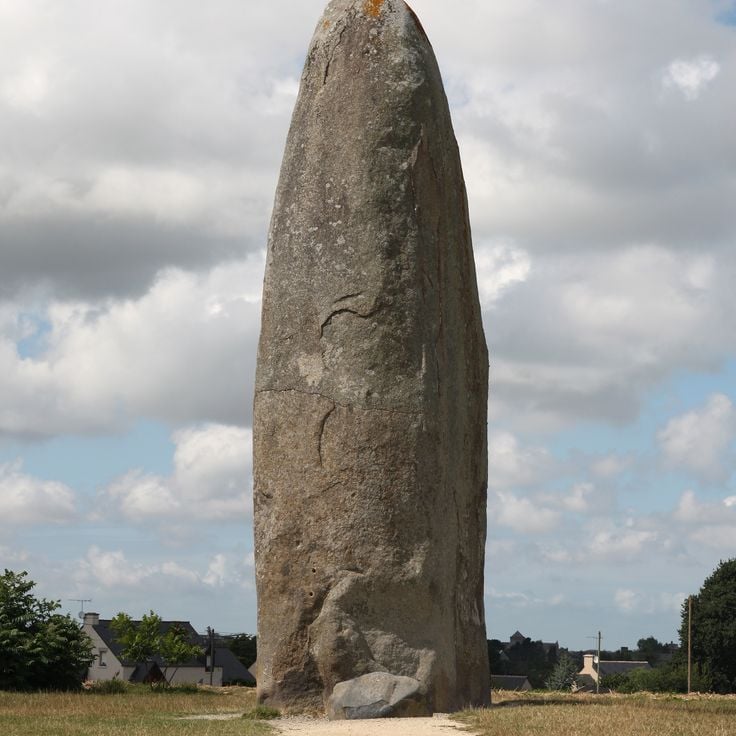
The Menhir de Champ-Dolent is a Neolithic granite stone erected approximately 6000 years ago, standing about 9.5 meters tall. This monument fits within Brittany's rich collection of Celtic megaliths and historical sites that characterize the region alongside its medieval architecture, coastal landscapes, and villages.
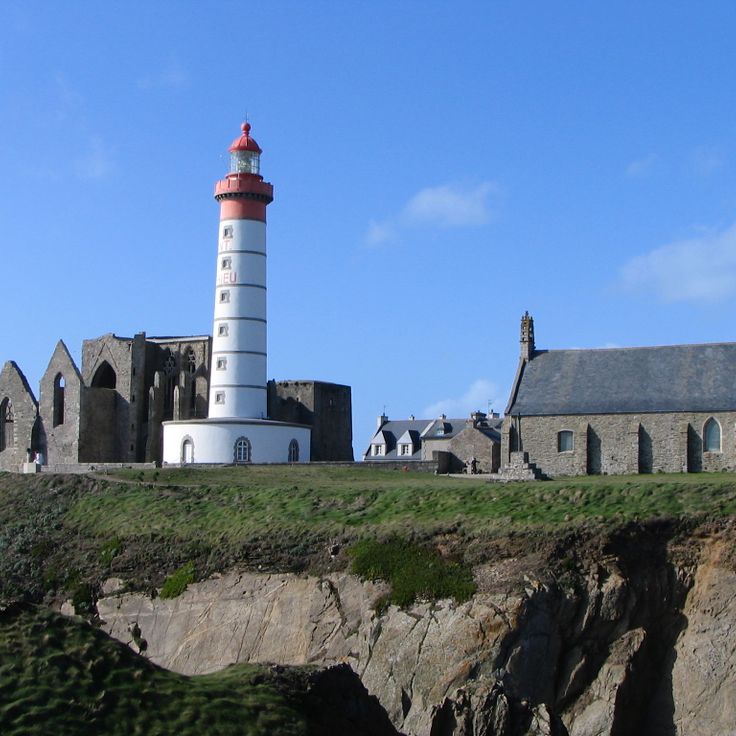
The Saint-Mathieu Lighthouse is a 37-meter structure standing beside the ruins of a 16th-century Benedictine abbey at the cliff's edge. This site embodies the maritime and religious heritage of Brittany, showing how the region marked its coastline with lighthouses and historic structures. Visitors can explore the connection between seafaring and spiritual legacy while experiencing the raw beauty of the Breton coast with its granite formations and bays.
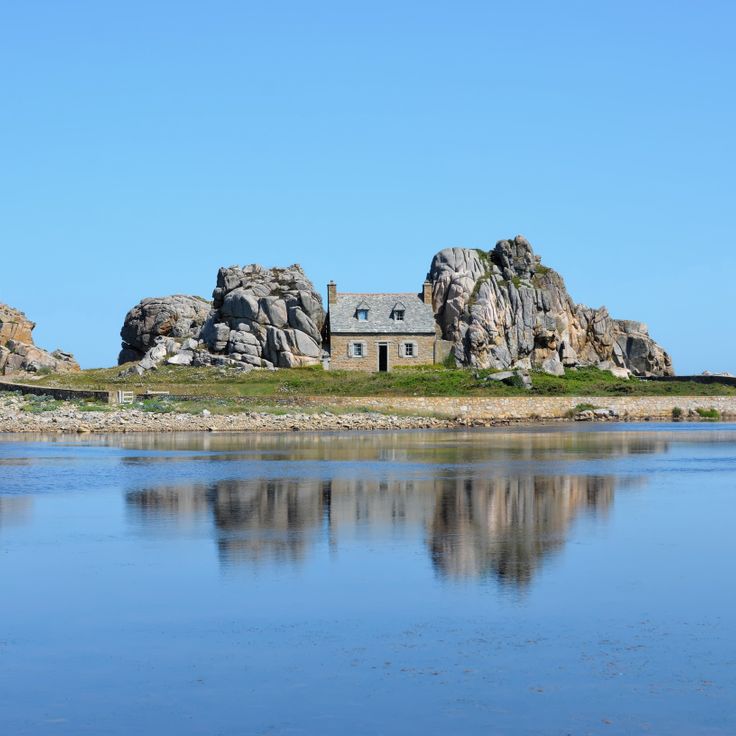
Plougrescant Coastal Cleft is a natural rock formation along Brittany's coast where tidal waters flow through a narrow gap. This site shows how the sea has shaped granite stone over time, creating sounds during high tide. The cleft sits within Brittany's landscape of cliffs, coastal villages, and dramatic rock formations that define the region's character.
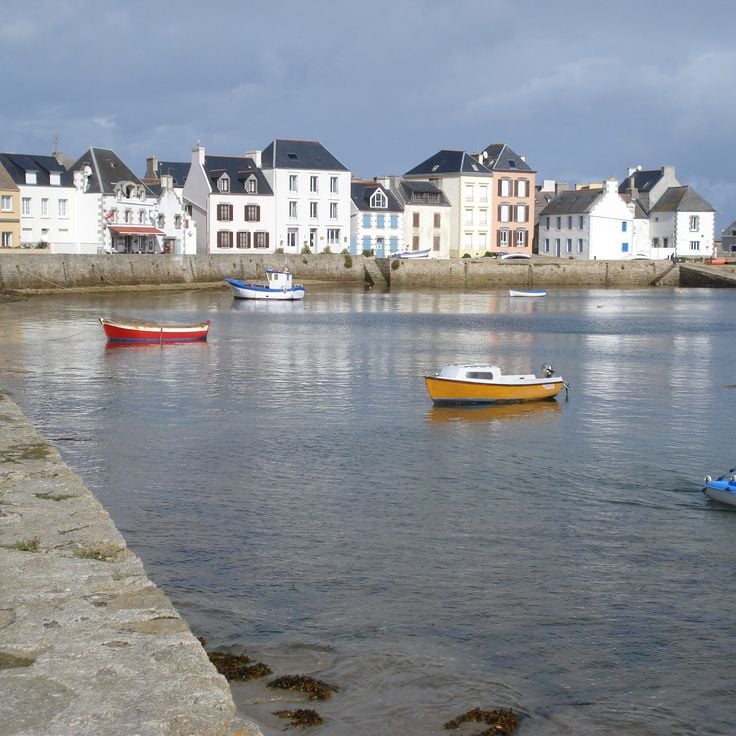
Sein Island is part of Brittany's coastal landscape and shows how people have lived in this region since ancient times. The small island has a fishing port, a lighthouse, and remains from the Neolithic period. Visitors can see here how nature and human settlement fit together, which is important to Breton history.
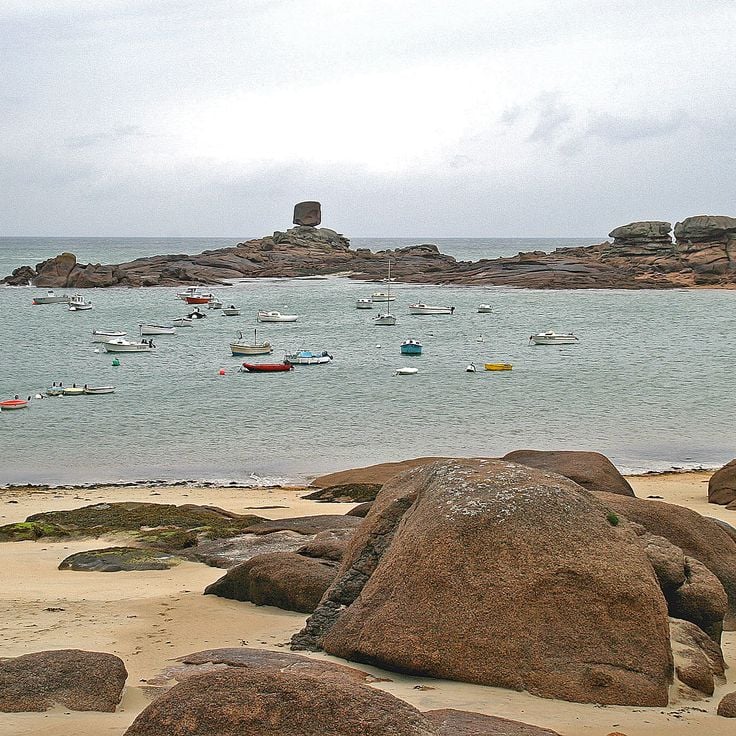
The Pink Granite Coast is a 30-kilometer stretch of coastline in Brittany featuring distinctive granite rocks with pink hues, naturally sculpted by wind and water over time. This landscape exemplifies the coastal character of the region, where granite formations, bays, and islands create the natural scenery that defines Brittany's maritime identity.
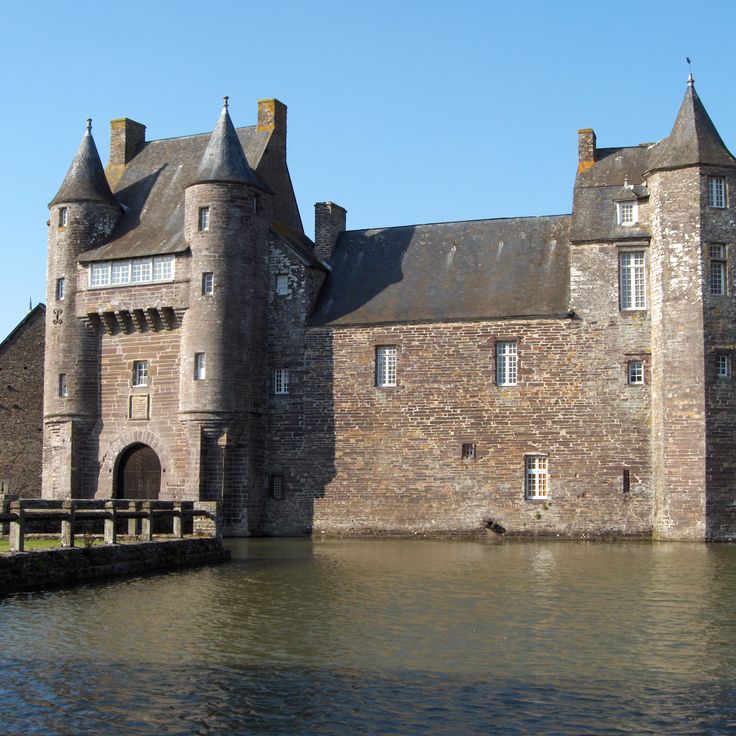
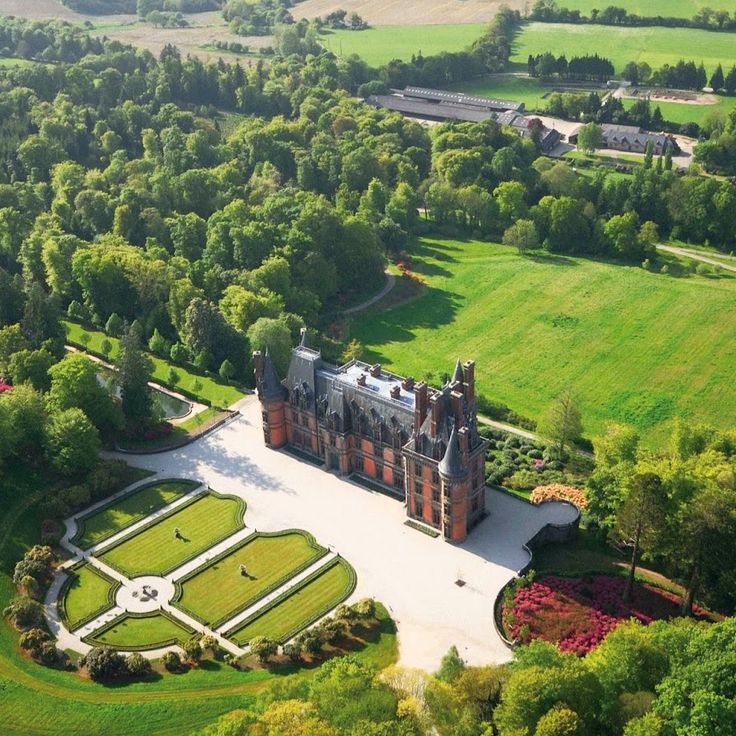
The Château de Trécesson is a 14th century castle that stands in the Breton landscape between forest and water. With its deep moat and ancient stone towers, it represents the medieval architecture that characterizes the region and blends into the natural surroundings.
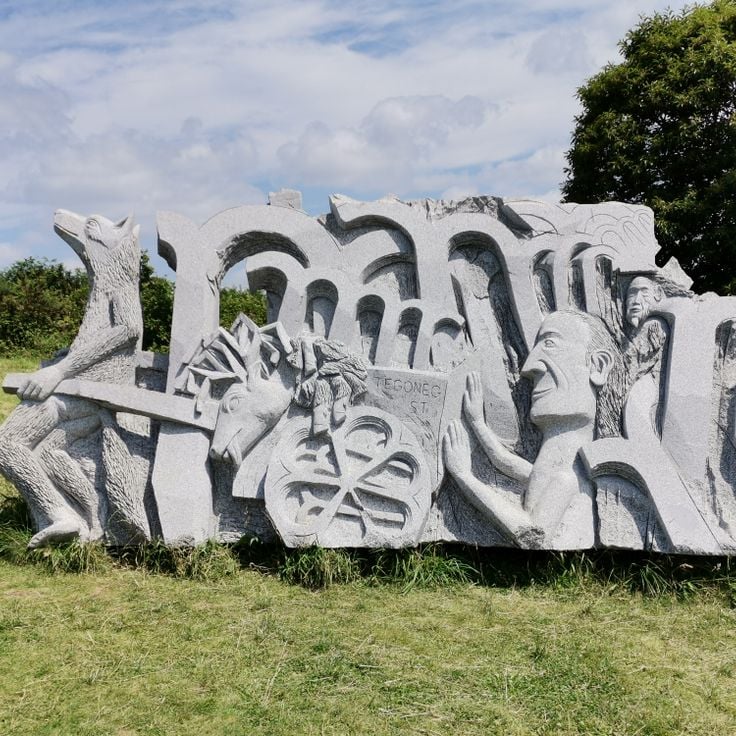
Vallée des Saints is an open-air museum in Brittany that embodies the region's blend of medieval tradition and natural landscape. More than 100 granite sculptures representing Breton saints stand approximately 4 meters tall throughout the site. The museum showcases the Celtic heritage and artistic traditions that shape this corner of France. Visitors walk among these stone figures set against the rolling terrain, experiencing how Brittany honors its spiritual and cultural past through monumental art.
Rochefort-en-Terre is a medieval settlement in Brittany that combines stone buildings with maintained gardens and a castle complex from the 12th century. This village exemplifies how the region blends historical architecture with natural landscapes, fitting perfectly within Brittany's character of medieval structures, coastal terrain, and rural estates.
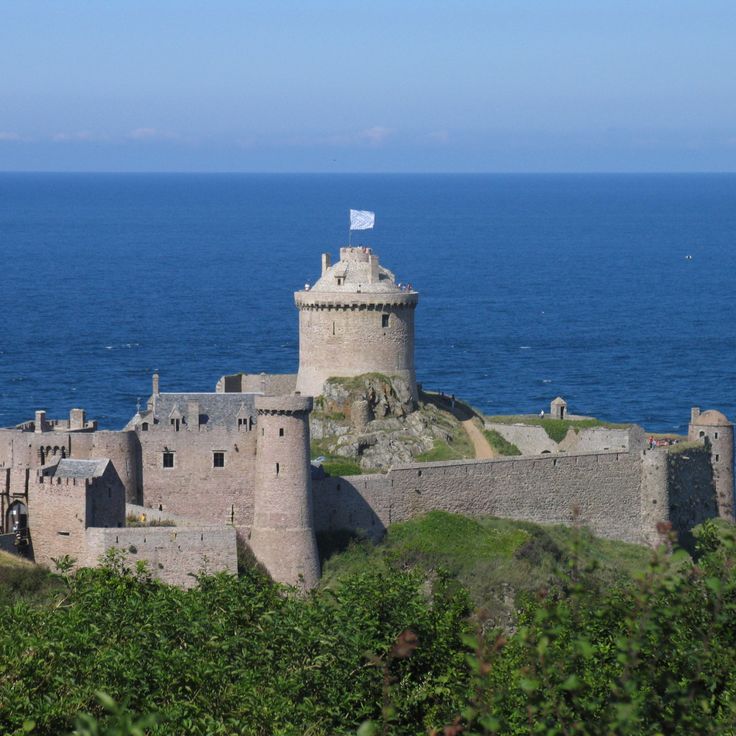
Fort La Latte is a 14th century fortress perched on a cape in Brittany, overlooking the English Channel. The structure features original drawbridges and thick stone walls that have survived centuries of coastal weather. Visitors can walk through the fortress and take in views across the water. This site represents the medieval military heritage found throughout the region, where castles and fortified structures dot the coastline alongside granite cliffs and fishing villages.
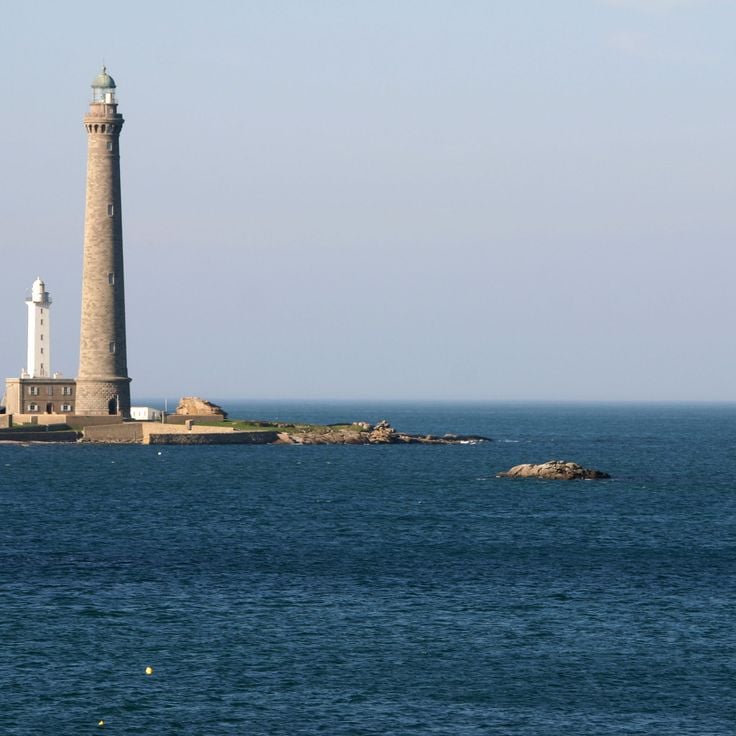
The Île Vierge Lighthouse is a towering maritime structure in Brittany, rising 82.5 meters above an island setting. It represents one of the region's coastal landmarks, which are known for their villages, granite formations, and historic sites. This lighthouse forms part of Brittany's distinctive coastline with its bays and islands, offering visitors insight into the area's maritime heritage.
The Canal de Nantes à Brest is a historic waterway that connects two major port cities through the Breton countryside. This canal fits perfectly within Brittany's story of medieval architecture meeting natural landscapes. Spanning 238 locks and seven waterways, it flows through forests, villages, and open countryside. Visitors can experience the quiet beauty of the canal by boat or by walking along its towpaths.
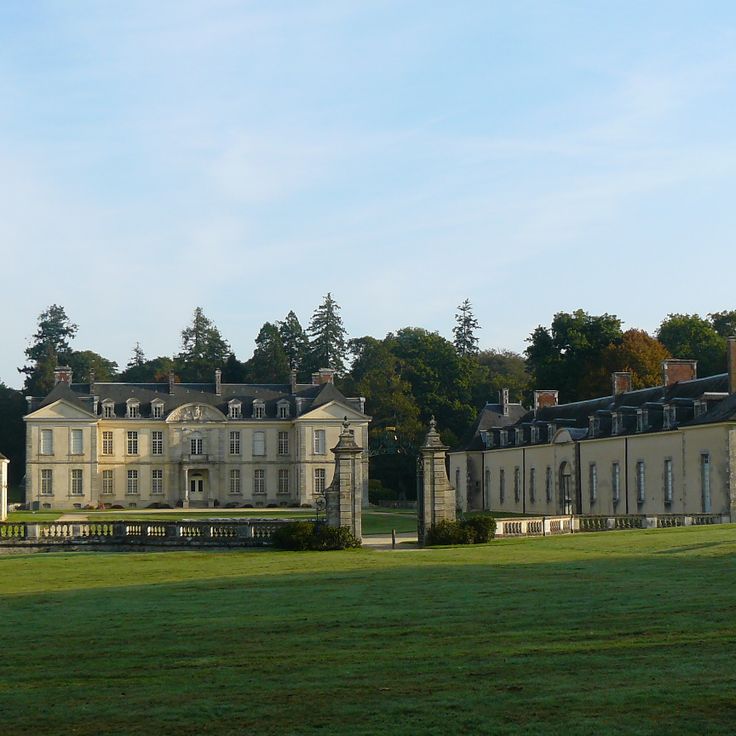
The Kerguéhennec Estate in Bignan shows how Breton landscapes and historical architecture connect. This property features an 18th-century castle, extensive grounds, and contemporary sculptures displayed outdoors. Visitors walk through the gardens while encountering art installations integrated into the natural setting. The place brings together the maritime and rural history of the region with modern artistic expression.
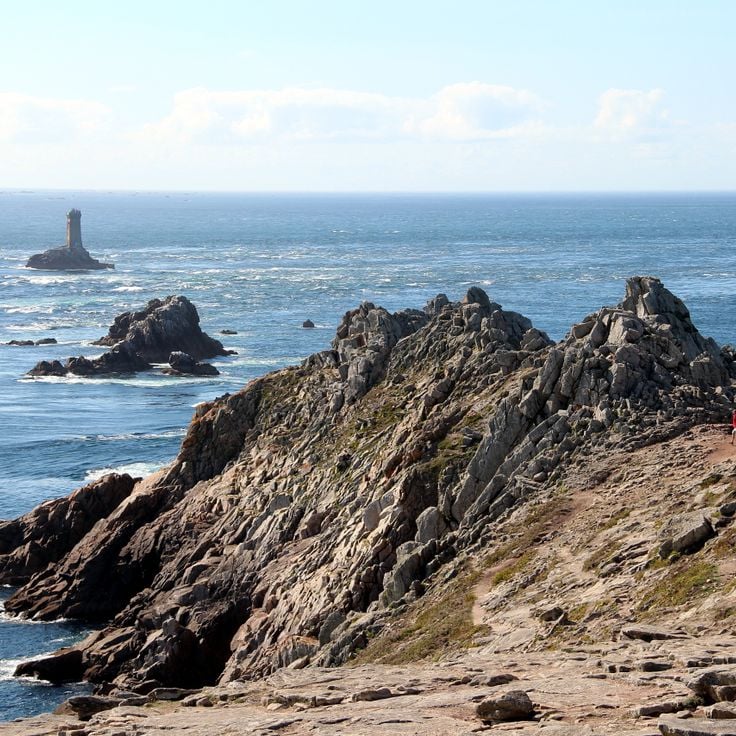
The Pointe du Raz is a granite cliff that rises 72 meters above the Atlantic Ocean in Brittany. This site belongs to a region known for its coastal cliffs, lighthouses, and maritime museums. The cliff displays the raw power of the Breton coast with strong sea currents and tidal ranges reaching up to 8 meters.
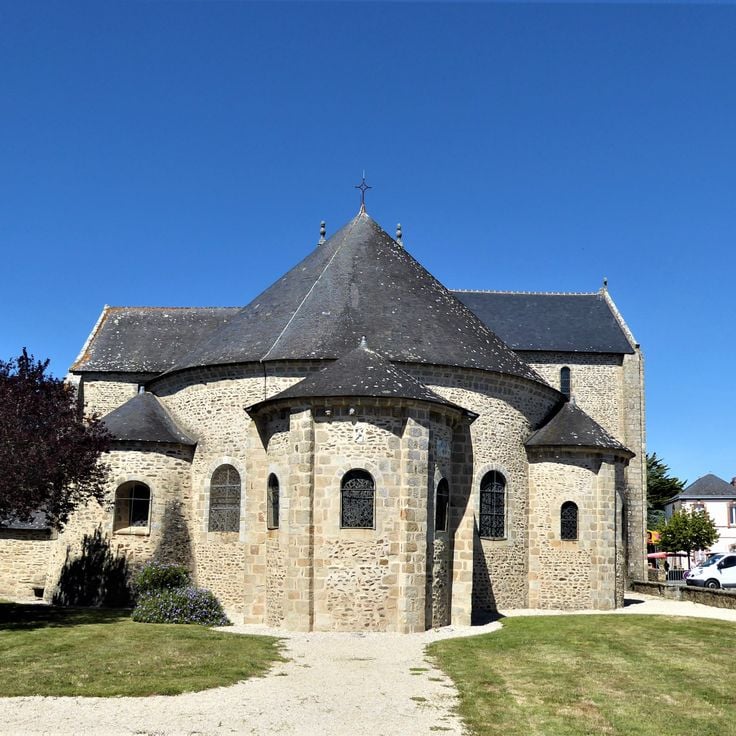
Saint-Gildas de Rhuys Abbey is a Benedictine monastery founded in the 6th century and exemplifies Brittany's blend of medieval architecture with spiritual heritage. The abbey features Romanesque elements, a peaceful garden, and medieval wall paintings in the cloister. Visitors can walk through the complex to experience the region's religious history and artistic traditions.
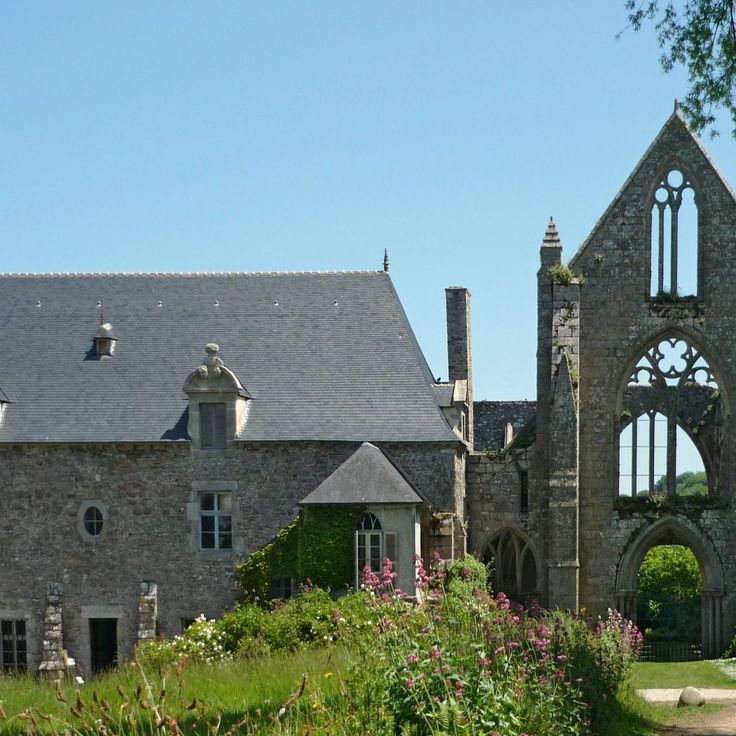
The Abbey of Beauport is a medieval monastic complex with distinct Gothic architecture from the 13th century. The cloister and buildings open toward the sea coast, showing how monks arranged their spaces to look out over the water. This site illustrates medieval religious life in Brittany and reveals the connection between inland spiritual communities and the region's dramatic coastal landscape.
Le Yaudet is an archaeological site in Brittany that preserves remains of a Celtic settlement from the Iron Age and Roman periods. Located near the mouth of the Léguer river, this place shows how people lived in these early times. Le Yaudet helps visitors understand the pre-Christian history of Brittany and fits into the region's blend of medieval buildings and natural landscapes.
The Molène Archipelago is an Atlantic island chain made up of nine islands that represents the coastal character of Brittany with its granite formations and maritime heritage. Several lighthouses stand on the islands, marking their importance to shipping routes and local life. The islands serve as nesting sites for marine birds, supporting the region's wildlife. Fishing villages with traditional buildings occupy these islands, showing how people have lived and worked here over time. This place connects Brittany's natural landscapes with its seafaring traditions.
The Domaine de Trévarez fits within Brittany's character of medieval architecture set within natural landscapes. Built in 1907, this castle features a pink facade and sits within grounds planted with camellias and rhododendrons. The building hosts art exhibitions and represents the kind of historic estate that defines the region's inland areas.
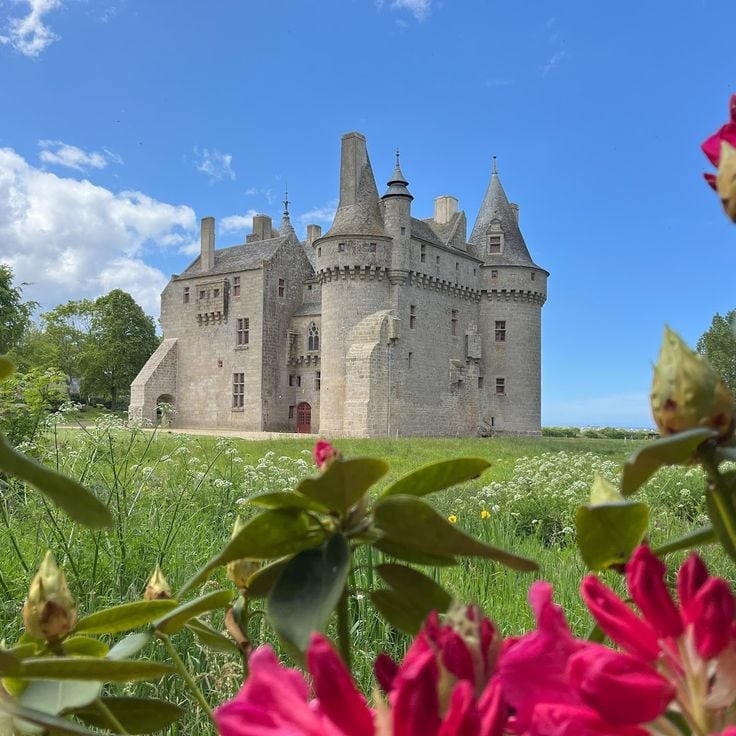
This 15th-century fortress features defensive towers, a moat, and a chapel within its courtyard. The Château de Kérouzéré represents the medieval architecture that defines Brittany, where castles, abbeys, and fortified estates dot the landscape between the coastal cliffs and inland gardens.
Ile Aux Moines in the Gulf of Morbihan combines the natural appeal of Brittany's coast with archaeological heritage. The island displays Neolithic megaliths, small coves with fine sand, and marked walking paths that follow the shoreline. It shows how visitors can experience the region's blend of ancient monuments, granite cliffs, and seaside charm.
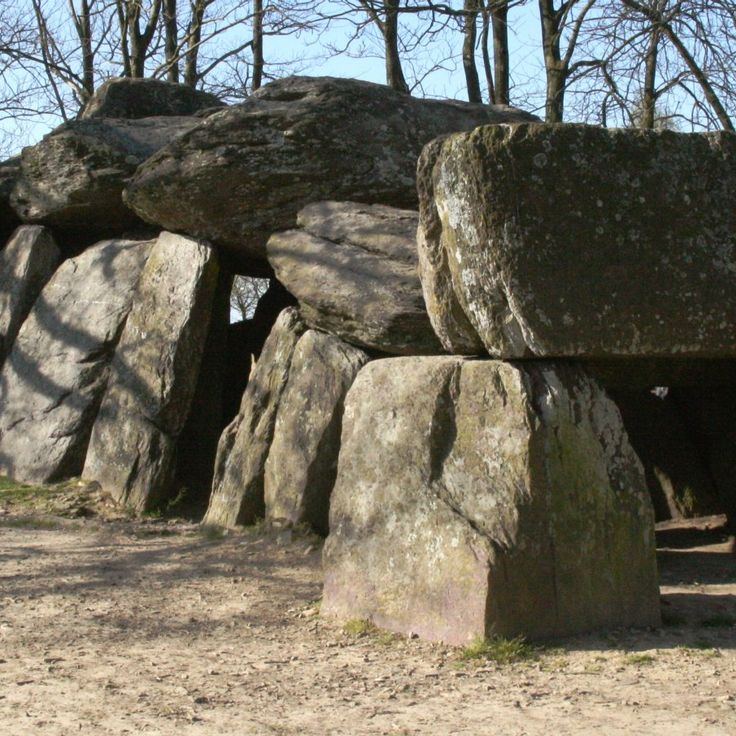
La Roche aux Fées is a neolithic passage tomb dating to around 3000 BC and stands as one of Brittany's most notable megalithic structures. The monument consists of 40 large stone blocks with a combined weight of approximately 500 tons. This site reveals the building skills of neolithic people and how they worked with stone on a massive scale. La Roche aux Fées sits within the inland landscape of forests and fields that characterize rural Brittany. Visitors can experience the close relationship between the people of that era and their natural surroundings.
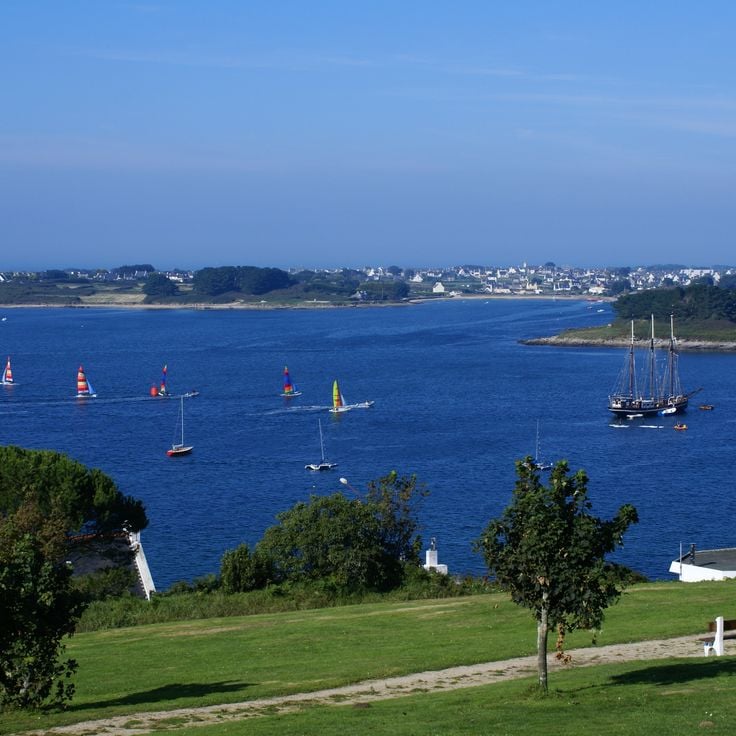
Les Abers is a coastal area in Brittany that represents the region's diverse natural landscapes. The site features deep indentations where rivers meet the sea, with water levels that change throughout the day as tides rise and fall. This landscape exemplifies Brittany's combination of dramatic coastlines, granite cliffs, and seaside villages.
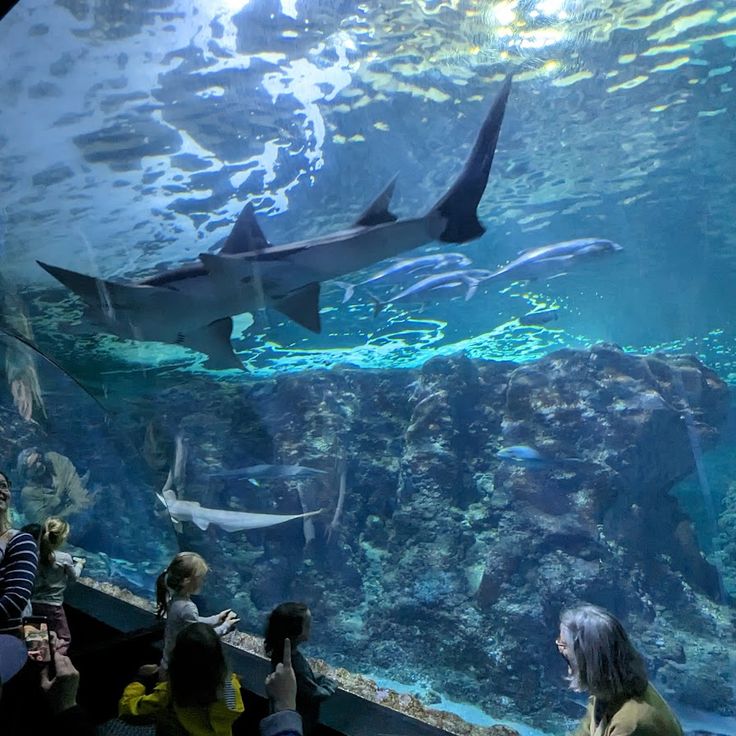
Océanopolis is a scientific center in Brest that fits within Brittany's maritime heritage and coastal landscapes. The center displays three marine environments to visitors: polar, temperate, and tropical seas. In the exhibitions, you see aquariums filled with living sea animals, allowing you to discover the diversity of ocean life.
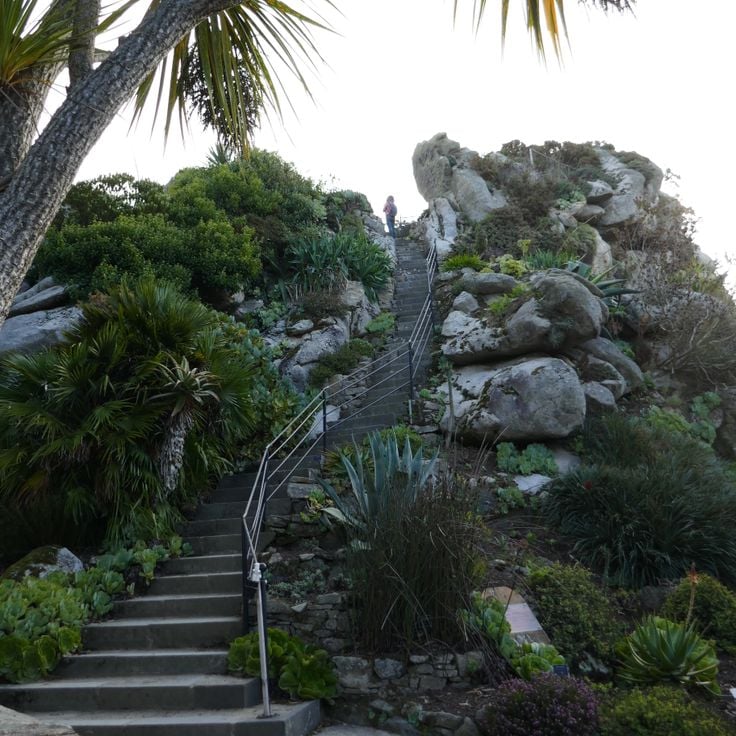
The Jardin Exotique de Roscoff is a botanical garden in the coastal town of Roscoff. The site displays over 3000 plant species from warm climates. This garden shows how exotic vegetation has been introduced to Brittany's landscape and offers views across the English Channel. It combines the region's tradition of gardens and historic sites with plants collected from warmer parts of the world.
Armoripark is a recreational park in Bégard that fits into Brittany's diverse landscape. The park features water slides, a petting zoo with farm animals, and several sports facilities. Visitors come here to spend time with family and friends while enjoying outdoor activities in the Breton countryside.
The Manoir de Kernault is a 15th century manor that represents the medieval architecture of Brittany. This building contains a grain storage facility and a chapel. The park spans several hectares and shows how rural estates were arranged in this region. This property combines historical construction with the natural landscape of the Breton countryside.
La Pointe de la Torche in Plomeur combines Brittany's rugged coastal character with prehistoric heritage. The headland experiences powerful wind currents that make it popular with surfers seeking challenging conditions. Ancient megalithic stones rise among the coastal vegetation, standing as reminders of Celtic presence. This location shows how natural forces and human history have shaped the Breton landscape.
The East India Company Museum in Port-Louis presents the history of French colonial trade from 1664 to 1769. The collection displays Asian imported goods, detailed ship models, and historical navigation instruments. This museum tells the story of Brittany's connections to distant lands and fits perfectly within the region's blend of medieval architecture and maritime heritage. Visitors can explore how seafaring and commerce shaped the area's past.
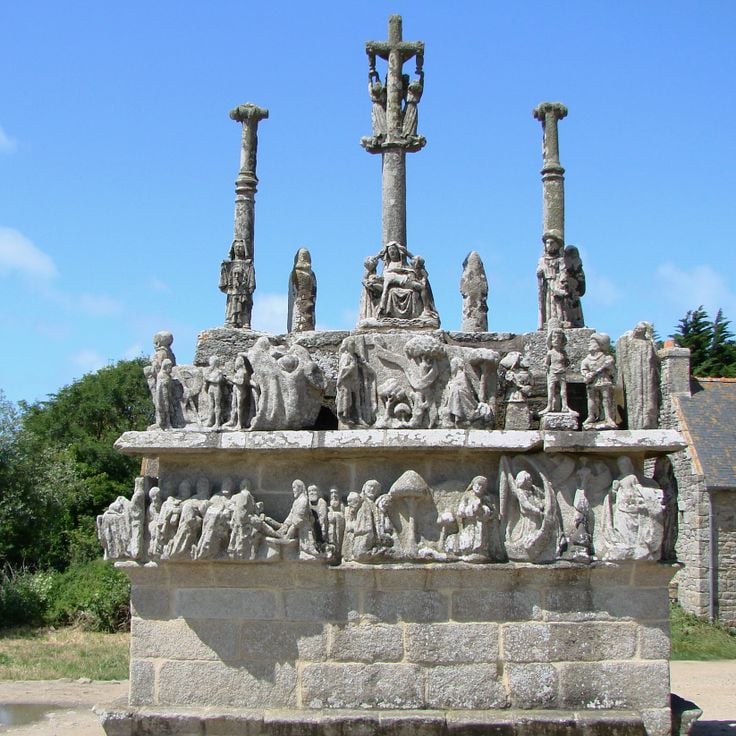
The Calvaire de Tronoën sits within Brittany's landscape of medieval architecture and natural scenery. This stone monument dates from 1450 and features granite reliefs displaying biblical scenes and Christian symbols. It represents the religious heritage found alongside the region's castles, abbeys, and coastal villages.
Cap Fréhel is a coastal landmark in Brittany with sandstone cliffs that rise 70 meters above the sea. These cliffs serve as an observation point for watching seabirds and demonstrate the granite and rocky formations that define the region's shoreline alongside its medieval architecture and natural beauty.
The Forêt de Huelgoat reflects Brittany's blend of historic character and natural landscapes. This forest features large granite boulders nestled between ancient oaks and beeches, creating a distinctive terrain shaped by time. Marked paths guide visitors through the woodland, revealing how granite formations define this inland area of the region.
This village was built in the 16th century and displays the medieval architecture characteristic of Brittany. The granite houses shape the village character, while the Gothic church and former weaving workshops define its layout. Locronan embodies the region's craftsmanship heritage and connection to the surrounding landscape.
The Menhir de Champ-Dolent is a Neolithic granite stone erected approximately 6000 years ago, standing about 9.5 meters tall. This monument fits within Brittany's rich collection of Celtic megaliths and historical sites that characterize the region alongside its medieval architecture, coastal landscapes, and villages.
The Saint-Mathieu Lighthouse is a 37-meter structure standing beside the ruins of a 16th-century Benedictine abbey at the cliff's edge. This site embodies the maritime and religious heritage of Brittany, showing how the region marked its coastline with lighthouses and historic structures. Visitors can explore the connection between seafaring and spiritual legacy while experiencing the raw beauty of the Breton coast with its granite formations and bays.
Plougrescant Coastal Cleft is a natural rock formation along Brittany's coast where tidal waters flow through a narrow gap. This site shows how the sea has shaped granite stone over time, creating sounds during high tide. The cleft sits within Brittany's landscape of cliffs, coastal villages, and dramatic rock formations that define the region's character.
Sein Island is part of Brittany's coastal landscape and shows how people have lived in this region since ancient times. The small island has a fishing port, a lighthouse, and remains from the Neolithic period. Visitors can see here how nature and human settlement fit together, which is important to Breton history.
The Pink Granite Coast is a 30-kilometer stretch of coastline in Brittany featuring distinctive granite rocks with pink hues, naturally sculpted by wind and water over time. This landscape exemplifies the coastal character of the region, where granite formations, bays, and islands create the natural scenery that defines Brittany's maritime identity.
The Château de Trécesson is a 14th century castle that stands in the Breton landscape between forest and water. With its deep moat and ancient stone towers, it represents the medieval architecture that characterizes the region and blends into the natural surroundings.
Vallée des Saints is an open-air museum in Brittany that embodies the region's blend of medieval tradition and natural landscape. More than 100 granite sculptures representing Breton saints stand approximately 4 meters tall throughout the site. The museum showcases the Celtic heritage and artistic traditions that shape this corner of France. Visitors walk among these stone figures set against the rolling terrain, experiencing how Brittany honors its spiritual and cultural past through monumental art.
Rochefort-en-Terre is a medieval settlement in Brittany that combines stone buildings with maintained gardens and a castle complex from the 12th century. This village exemplifies how the region blends historical architecture with natural landscapes, fitting perfectly within Brittany's character of medieval structures, coastal terrain, and rural estates.
Fort La Latte is a 14th century fortress perched on a cape in Brittany, overlooking the English Channel. The structure features original drawbridges and thick stone walls that have survived centuries of coastal weather. Visitors can walk through the fortress and take in views across the water. This site represents the medieval military heritage found throughout the region, where castles and fortified structures dot the coastline alongside granite cliffs and fishing villages.
The Île Vierge Lighthouse is a towering maritime structure in Brittany, rising 82.5 meters above an island setting. It represents one of the region's coastal landmarks, which are known for their villages, granite formations, and historic sites. This lighthouse forms part of Brittany's distinctive coastline with its bays and islands, offering visitors insight into the area's maritime heritage.
The Canal de Nantes à Brest is a historic waterway that connects two major port cities through the Breton countryside. This canal fits perfectly within Brittany's story of medieval architecture meeting natural landscapes. Spanning 238 locks and seven waterways, it flows through forests, villages, and open countryside. Visitors can experience the quiet beauty of the canal by boat or by walking along its towpaths.
The Kerguéhennec Estate in Bignan shows how Breton landscapes and historical architecture connect. This property features an 18th-century castle, extensive grounds, and contemporary sculptures displayed outdoors. Visitors walk through the gardens while encountering art installations integrated into the natural setting. The place brings together the maritime and rural history of the region with modern artistic expression.
The Pointe du Raz is a granite cliff that rises 72 meters above the Atlantic Ocean in Brittany. This site belongs to a region known for its coastal cliffs, lighthouses, and maritime museums. The cliff displays the raw power of the Breton coast with strong sea currents and tidal ranges reaching up to 8 meters.
Saint-Gildas de Rhuys Abbey is a Benedictine monastery founded in the 6th century and exemplifies Brittany's blend of medieval architecture with spiritual heritage. The abbey features Romanesque elements, a peaceful garden, and medieval wall paintings in the cloister. Visitors can walk through the complex to experience the region's religious history and artistic traditions.
The Abbey of Beauport is a medieval monastic complex with distinct Gothic architecture from the 13th century. The cloister and buildings open toward the sea coast, showing how monks arranged their spaces to look out over the water. This site illustrates medieval religious life in Brittany and reveals the connection between inland spiritual communities and the region's dramatic coastal landscape.
Le Yaudet is an archaeological site in Brittany that preserves remains of a Celtic settlement from the Iron Age and Roman periods. Located near the mouth of the Léguer river, this place shows how people lived in these early times. Le Yaudet helps visitors understand the pre-Christian history of Brittany and fits into the region's blend of medieval buildings and natural landscapes.
The Molène Archipelago is an Atlantic island chain made up of nine islands that represents the coastal character of Brittany with its granite formations and maritime heritage. Several lighthouses stand on the islands, marking their importance to shipping routes and local life. The islands serve as nesting sites for marine birds, supporting the region's wildlife. Fishing villages with traditional buildings occupy these islands, showing how people have lived and worked here over time. This place connects Brittany's natural landscapes with its seafaring traditions.
The Domaine de Trévarez fits within Brittany's character of medieval architecture set within natural landscapes. Built in 1907, this castle features a pink facade and sits within grounds planted with camellias and rhododendrons. The building hosts art exhibitions and represents the kind of historic estate that defines the region's inland areas.
This 15th-century fortress features defensive towers, a moat, and a chapel within its courtyard. The Château de Kérouzéré represents the medieval architecture that defines Brittany, where castles, abbeys, and fortified estates dot the landscape between the coastal cliffs and inland gardens.
Ile Aux Moines in the Gulf of Morbihan combines the natural appeal of Brittany's coast with archaeological heritage. The island displays Neolithic megaliths, small coves with fine sand, and marked walking paths that follow the shoreline. It shows how visitors can experience the region's blend of ancient monuments, granite cliffs, and seaside charm.
La Roche aux Fées is a neolithic passage tomb dating to around 3000 BC and stands as one of Brittany's most notable megalithic structures. The monument consists of 40 large stone blocks with a combined weight of approximately 500 tons. This site reveals the building skills of neolithic people and how they worked with stone on a massive scale. La Roche aux Fées sits within the inland landscape of forests and fields that characterize rural Brittany. Visitors can experience the close relationship between the people of that era and their natural surroundings.
Les Abers is a coastal area in Brittany that represents the region's diverse natural landscapes. The site features deep indentations where rivers meet the sea, with water levels that change throughout the day as tides rise and fall. This landscape exemplifies Brittany's combination of dramatic coastlines, granite cliffs, and seaside villages.
Océanopolis is a scientific center in Brest that fits within Brittany's maritime heritage and coastal landscapes. The center displays three marine environments to visitors: polar, temperate, and tropical seas. In the exhibitions, you see aquariums filled with living sea animals, allowing you to discover the diversity of ocean life.
The Jardin Exotique de Roscoff is a botanical garden in the coastal town of Roscoff. The site displays over 3000 plant species from warm climates. This garden shows how exotic vegetation has been introduced to Brittany's landscape and offers views across the English Channel. It combines the region's tradition of gardens and historic sites with plants collected from warmer parts of the world.
Armoripark is a recreational park in Bégard that fits into Brittany's diverse landscape. The park features water slides, a petting zoo with farm animals, and several sports facilities. Visitors come here to spend time with family and friends while enjoying outdoor activities in the Breton countryside.
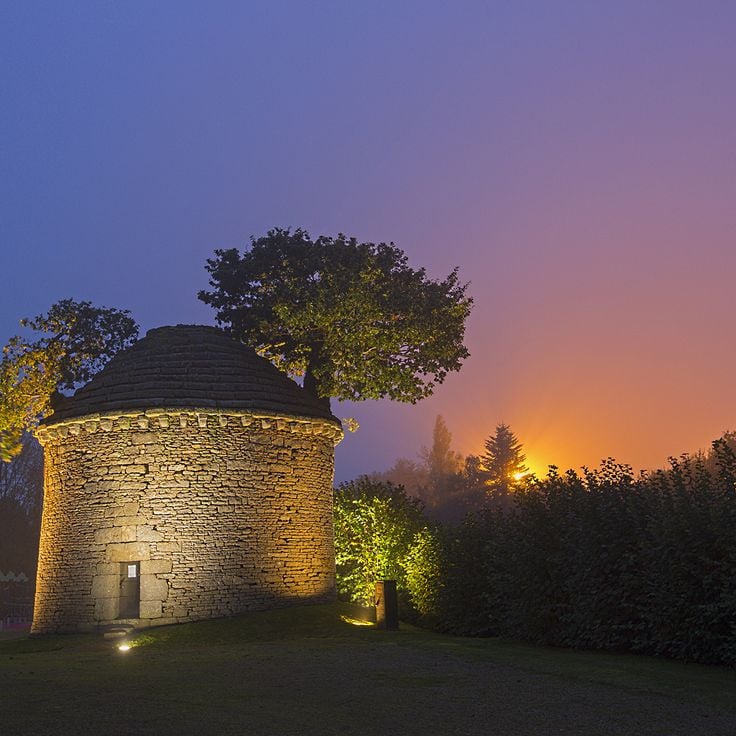
The Manoir de Kernault is a 15th century manor that represents the medieval architecture of Brittany. This building contains a grain storage facility and a chapel. The park spans several hectares and shows how rural estates were arranged in this region. This property combines historical construction with the natural landscape of the Breton countryside.
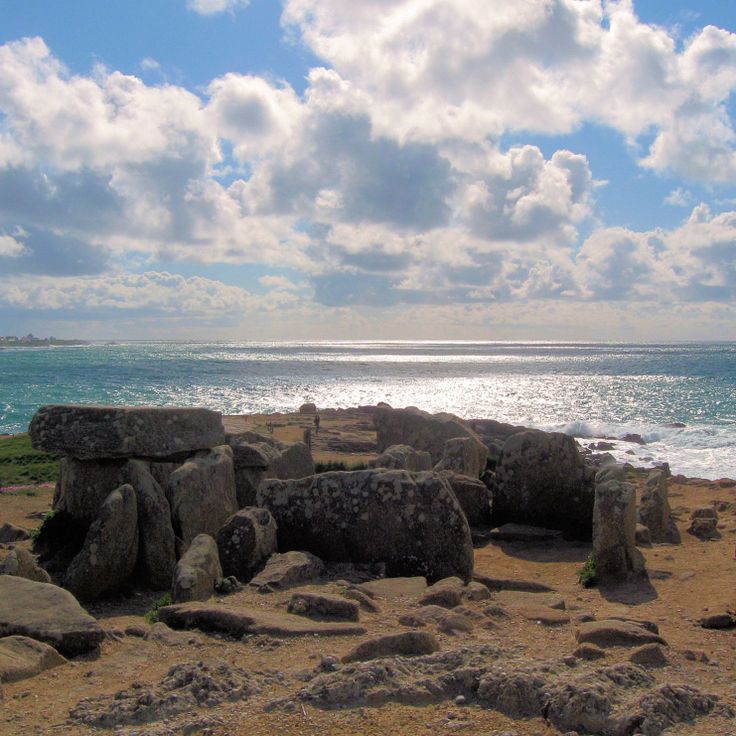
La Pointe de la Torche in Plomeur combines Brittany's rugged coastal character with prehistoric heritage. The headland experiences powerful wind currents that make it popular with surfers seeking challenging conditions. Ancient megalithic stones rise among the coastal vegetation, standing as reminders of Celtic presence. This location shows how natural forces and human history have shaped the Breton landscape.
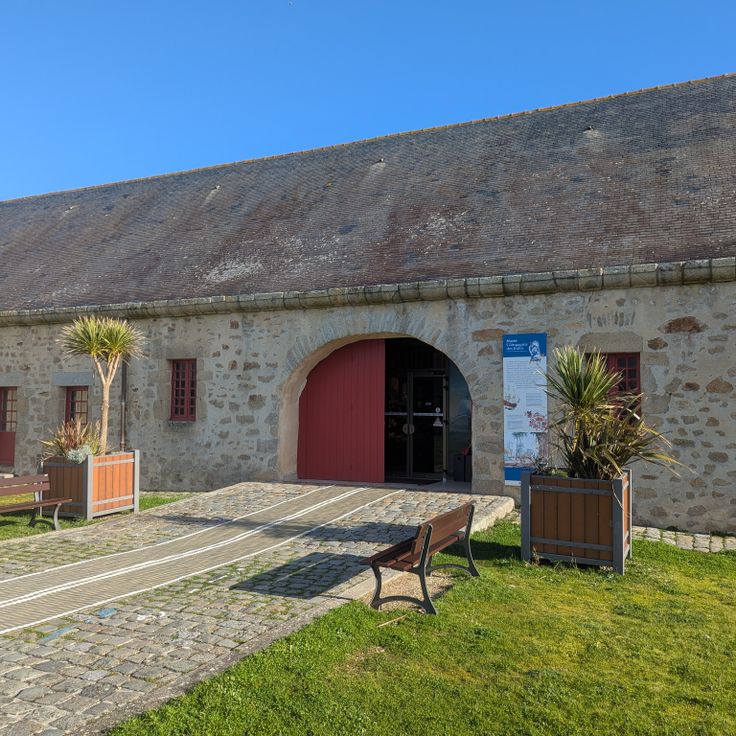
The East India Company Museum in Port-Louis presents the history of French colonial trade from 1664 to 1769. The collection displays Asian imported goods, detailed ship models, and historical navigation instruments. This museum tells the story of Brittany's connections to distant lands and fits perfectly within the region's blend of medieval architecture and maritime heritage. Visitors can explore how seafaring and commerce shaped the area's past.
The Calvaire de Tronoën sits within Brittany's landscape of medieval architecture and natural scenery. This stone monument dates from 1450 and features granite reliefs displaying biblical scenes and Christian symbols. It represents the religious heritage found alongside the region's castles, abbeys, and coastal villages.
Cap Fréhel is a coastal landmark in Brittany with sandstone cliffs that rise 70 meters above the sea. These cliffs serve as an observation point for watching seabirds and demonstrate the granite and rocky formations that define the region's shoreline alongside its medieval architecture and natural beauty.
The Forêt de Huelgoat reflects Brittany's blend of historic character and natural landscapes. This forest features large granite boulders nestled between ancient oaks and beeches, creating a distinctive terrain shaped by time. Marked paths guide visitors through the woodland, revealing how granite formations define this inland area of the region.
This village was built in the 16th century and displays the medieval architecture characteristic of Brittany. The granite houses shape the village character, while the Gothic church and former weaving workshops define its layout. Locronan embodies the region's craftsmanship heritage and connection to the surrounding landscape.
The Menhir de Champ-Dolent is a Neolithic granite stone erected approximately 6000 years ago, standing about 9.5 meters tall. This monument fits within Brittany's rich collection of Celtic megaliths and historical sites that characterize the region alongside its medieval architecture, coastal landscapes, and villages.
The Saint-Mathieu Lighthouse is a 37-meter structure standing beside the ruins of a 16th-century Benedictine abbey at the cliff's edge. This site embodies the maritime and religious heritage of Brittany, showing how the region marked its coastline with lighthouses and historic structures. Visitors can explore the connection between seafaring and spiritual legacy while experiencing the raw beauty of the Breton coast with its granite formations and bays.
Plougrescant Coastal Cleft is a natural rock formation along Brittany's coast where tidal waters flow through a narrow gap. This site shows how the sea has shaped granite stone over time, creating sounds during high tide. The cleft sits within Brittany's landscape of cliffs, coastal villages, and dramatic rock formations that define the region's character.
Sein Island is part of Brittany's coastal landscape and shows how people have lived in this region since ancient times. The small island has a fishing port, a lighthouse, and remains from the Neolithic period. Visitors can see here how nature and human settlement fit together, which is important to Breton history.
The Pink Granite Coast is a 30-kilometer stretch of coastline in Brittany featuring distinctive granite rocks with pink hues, naturally sculpted by wind and water over time. This landscape exemplifies the coastal character of the region, where granite formations, bays, and islands create the natural scenery that defines Brittany's maritime identity.
The Château de Trécesson is a 14th century castle that stands in the Breton landscape between forest and water. With its deep moat and ancient stone towers, it represents the medieval architecture that characterizes the region and blends into the natural surroundings.
Vallée des Saints is an open-air museum in Brittany that embodies the region's blend of medieval tradition and natural landscape. More than 100 granite sculptures representing Breton saints stand approximately 4 meters tall throughout the site. The museum showcases the Celtic heritage and artistic traditions that shape this corner of France. Visitors walk among these stone figures set against the rolling terrain, experiencing how Brittany honors its spiritual and cultural past through monumental art.
Rochefort-en-Terre is a medieval settlement in Brittany that combines stone buildings with maintained gardens and a castle complex from the 12th century. This village exemplifies how the region blends historical architecture with natural landscapes, fitting perfectly within Brittany's character of medieval structures, coastal terrain, and rural estates.
Fort La Latte is a 14th century fortress perched on a cape in Brittany, overlooking the English Channel. The structure features original drawbridges and thick stone walls that have survived centuries of coastal weather. Visitors can walk through the fortress and take in views across the water. This site represents the medieval military heritage found throughout the region, where castles and fortified structures dot the coastline alongside granite cliffs and fishing villages.
The Île Vierge Lighthouse is a towering maritime structure in Brittany, rising 82.5 meters above an island setting. It represents one of the region's coastal landmarks, which are known for their villages, granite formations, and historic sites. This lighthouse forms part of Brittany's distinctive coastline with its bays and islands, offering visitors insight into the area's maritime heritage.
The Canal de Nantes à Brest is a historic waterway that connects two major port cities through the Breton countryside. This canal fits perfectly within Brittany's story of medieval architecture meeting natural landscapes. Spanning 238 locks and seven waterways, it flows through forests, villages, and open countryside. Visitors can experience the quiet beauty of the canal by boat or by walking along its towpaths.
The Kerguéhennec Estate in Bignan shows how Breton landscapes and historical architecture connect. This property features an 18th-century castle, extensive grounds, and contemporary sculptures displayed outdoors. Visitors walk through the gardens while encountering art installations integrated into the natural setting. The place brings together the maritime and rural history of the region with modern artistic expression.
The Pointe du Raz is a granite cliff that rises 72 meters above the Atlantic Ocean in Brittany. This site belongs to a region known for its coastal cliffs, lighthouses, and maritime museums. The cliff displays the raw power of the Breton coast with strong sea currents and tidal ranges reaching up to 8 meters.
Saint-Gildas de Rhuys Abbey is a Benedictine monastery founded in the 6th century and exemplifies Brittany's blend of medieval architecture with spiritual heritage. The abbey features Romanesque elements, a peaceful garden, and medieval wall paintings in the cloister. Visitors can walk through the complex to experience the region's religious history and artistic traditions.
The Abbey of Beauport is a medieval monastic complex with distinct Gothic architecture from the 13th century. The cloister and buildings open toward the sea coast, showing how monks arranged their spaces to look out over the water. This site illustrates medieval religious life in Brittany and reveals the connection between inland spiritual communities and the region's dramatic coastal landscape.
Le Yaudet is an archaeological site in Brittany that preserves remains of a Celtic settlement from the Iron Age and Roman periods. Located near the mouth of the Léguer river, this place shows how people lived in these early times. Le Yaudet helps visitors understand the pre-Christian history of Brittany and fits into the region's blend of medieval buildings and natural landscapes.
The Molène Archipelago is an Atlantic island chain made up of nine islands that represents the coastal character of Brittany with its granite formations and maritime heritage. Several lighthouses stand on the islands, marking their importance to shipping routes and local life. The islands serve as nesting sites for marine birds, supporting the region's wildlife. Fishing villages with traditional buildings occupy these islands, showing how people have lived and worked here over time. This place connects Brittany's natural landscapes with its seafaring traditions.
The Domaine de Trévarez fits within Brittany's character of medieval architecture set within natural landscapes. Built in 1907, this castle features a pink facade and sits within grounds planted with camellias and rhododendrons. The building hosts art exhibitions and represents the kind of historic estate that defines the region's inland areas.
This 15th-century fortress features defensive towers, a moat, and a chapel within its courtyard. The Château de Kérouzéré represents the medieval architecture that defines Brittany, where castles, abbeys, and fortified estates dot the landscape between the coastal cliffs and inland gardens.
Ile Aux Moines in the Gulf of Morbihan combines the natural appeal of Brittany's coast with archaeological heritage. The island displays Neolithic megaliths, small coves with fine sand, and marked walking paths that follow the shoreline. It shows how visitors can experience the region's blend of ancient monuments, granite cliffs, and seaside charm.
La Roche aux Fées is a neolithic passage tomb dating to around 3000 BC and stands as one of Brittany's most notable megalithic structures. The monument consists of 40 large stone blocks with a combined weight of approximately 500 tons. This site reveals the building skills of neolithic people and how they worked with stone on a massive scale. La Roche aux Fées sits within the inland landscape of forests and fields that characterize rural Brittany. Visitors can experience the close relationship between the people of that era and their natural surroundings.
Les Abers is a coastal area in Brittany that represents the region's diverse natural landscapes. The site features deep indentations where rivers meet the sea, with water levels that change throughout the day as tides rise and fall. This landscape exemplifies Brittany's combination of dramatic coastlines, granite cliffs, and seaside villages.
Océanopolis is a scientific center in Brest that fits within Brittany's maritime heritage and coastal landscapes. The center displays three marine environments to visitors: polar, temperate, and tropical seas. In the exhibitions, you see aquariums filled with living sea animals, allowing you to discover the diversity of ocean life.
The Jardin Exotique de Roscoff is a botanical garden in the coastal town of Roscoff. The site displays over 3000 plant species from warm climates. This garden shows how exotic vegetation has been introduced to Brittany's landscape and offers views across the English Channel. It combines the region's tradition of gardens and historic sites with plants collected from warmer parts of the world.
Armoripark is a recreational park in Bégard that fits into Brittany's diverse landscape. The park features water slides, a petting zoo with farm animals, and several sports facilities. Visitors come here to spend time with family and friends while enjoying outdoor activities in the Breton countryside.
The Manoir de Kernault is a 15th century manor that represents the medieval architecture of Brittany. This building contains a grain storage facility and a chapel. The park spans several hectares and shows how rural estates were arranged in this region. This property combines historical construction with the natural landscape of the Breton countryside.
La Pointe de la Torche in Plomeur combines Brittany's rugged coastal character with prehistoric heritage. The headland experiences powerful wind currents that make it popular with surfers seeking challenging conditions. Ancient megalithic stones rise among the coastal vegetation, standing as reminders of Celtic presence. This location shows how natural forces and human history have shaped the Breton landscape.
The East India Company Museum in Port-Louis presents the history of French colonial trade from 1664 to 1769. The collection displays Asian imported goods, detailed ship models, and historical navigation instruments. This museum tells the story of Brittany's connections to distant lands and fits perfectly within the region's blend of medieval architecture and maritime heritage. Visitors can explore how seafaring and commerce shaped the area's past.
The Calvaire de Tronoën sits within Brittany's landscape of medieval architecture and natural scenery. This stone monument dates from 1450 and features granite reliefs displaying biblical scenes and Christian symbols. It represents the religious heritage found alongside the region's castles, abbeys, and coastal villages.