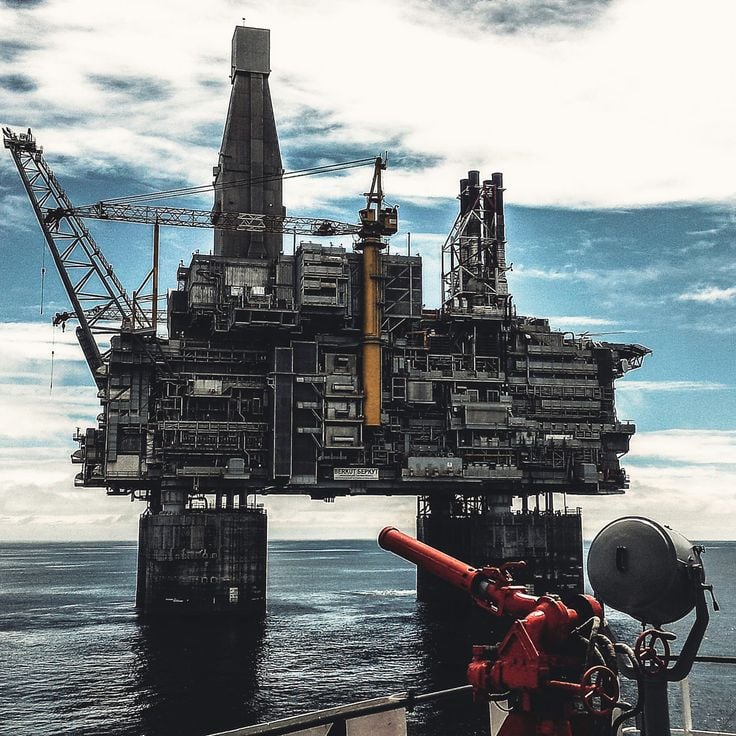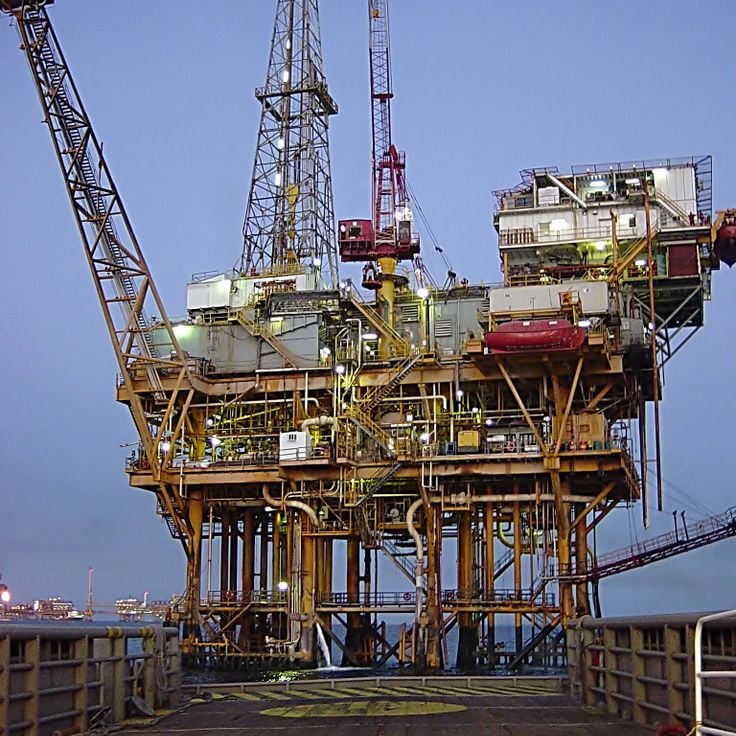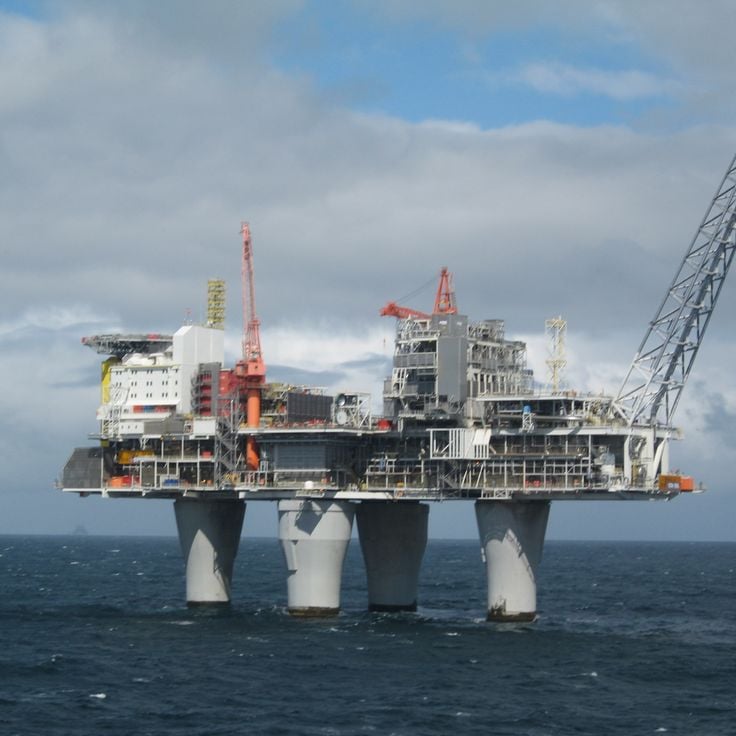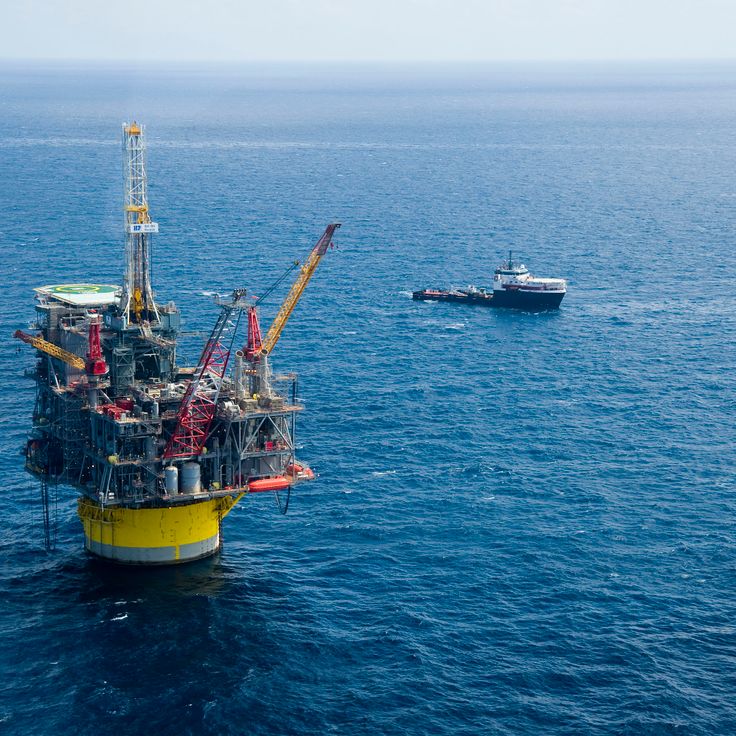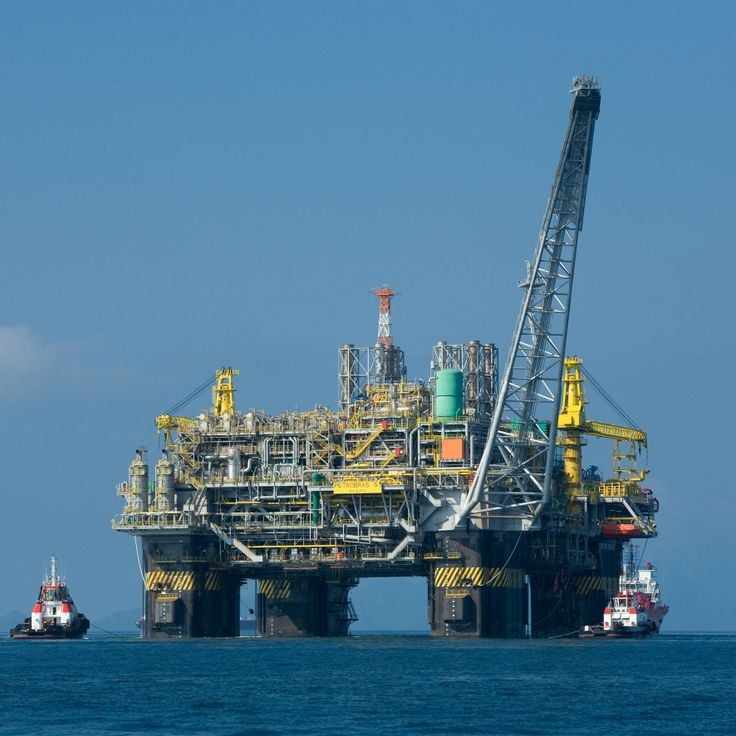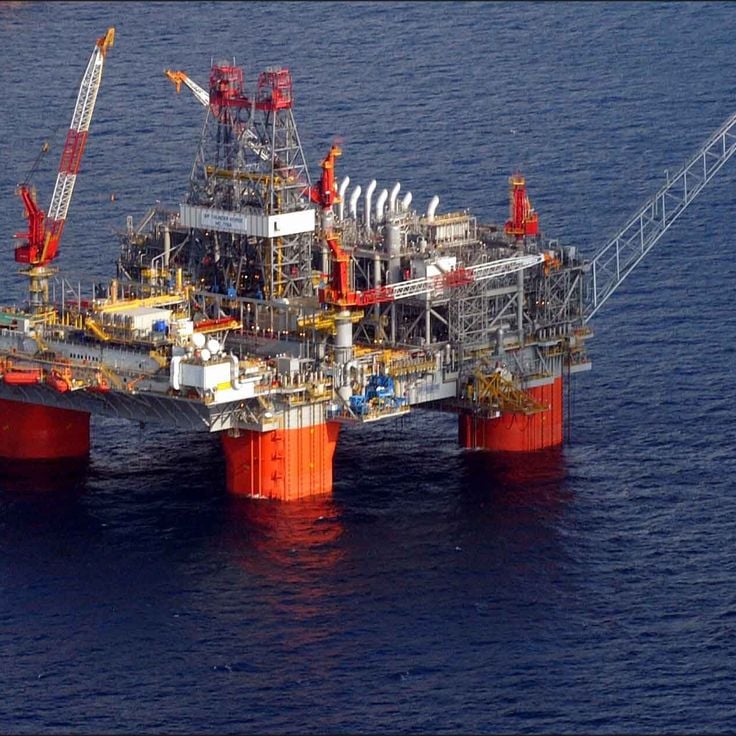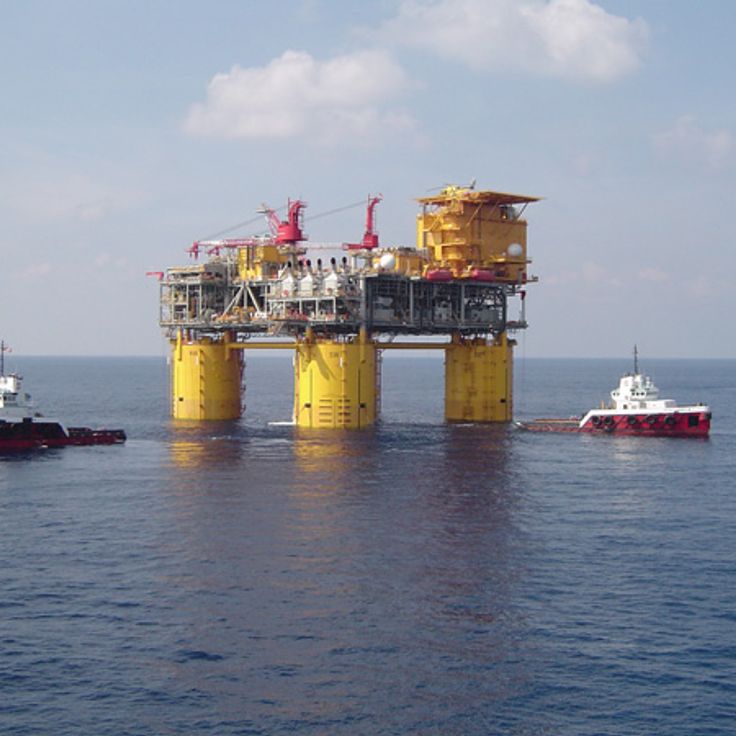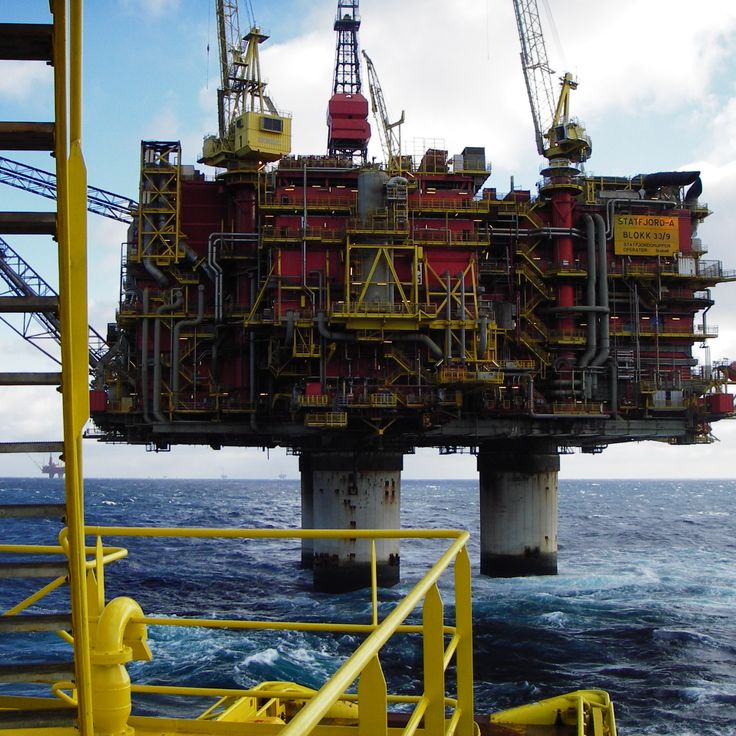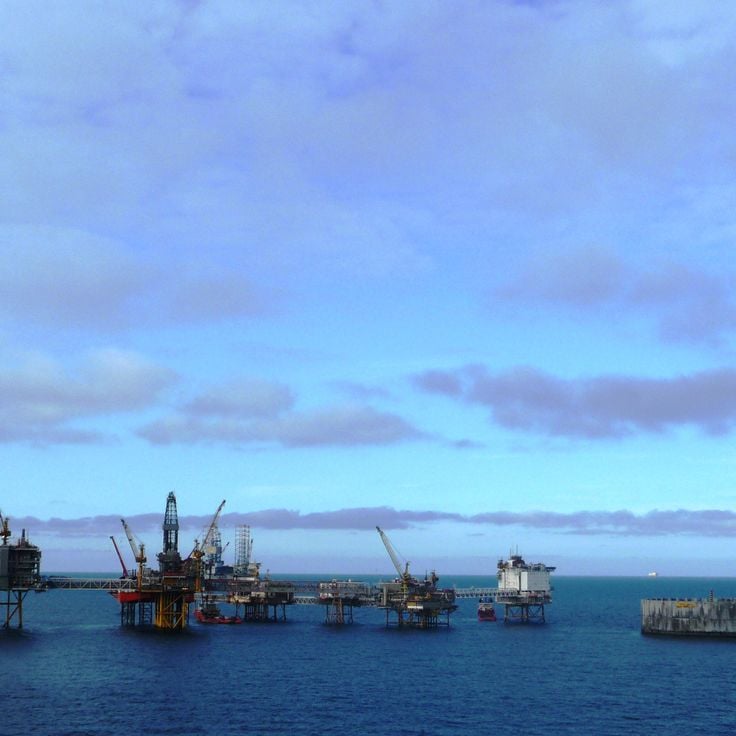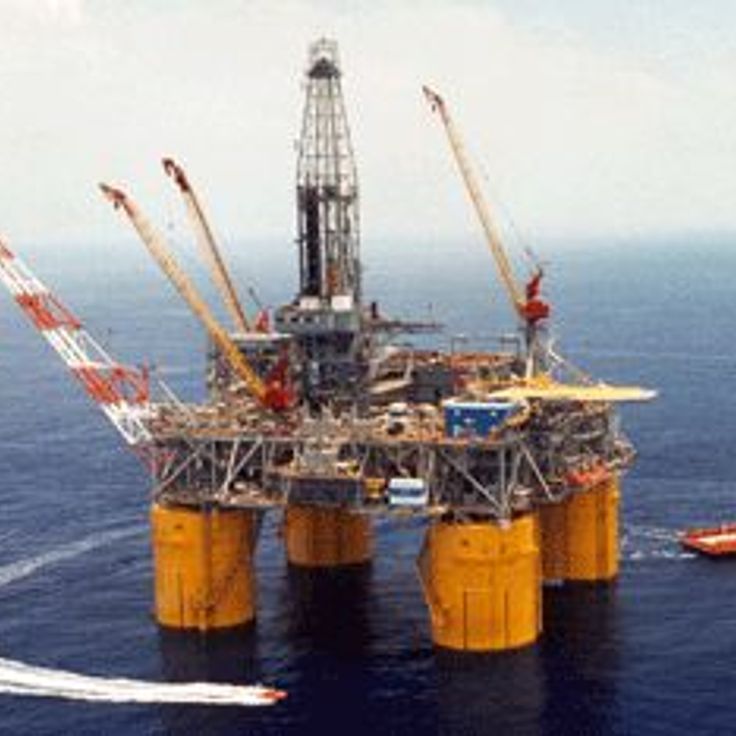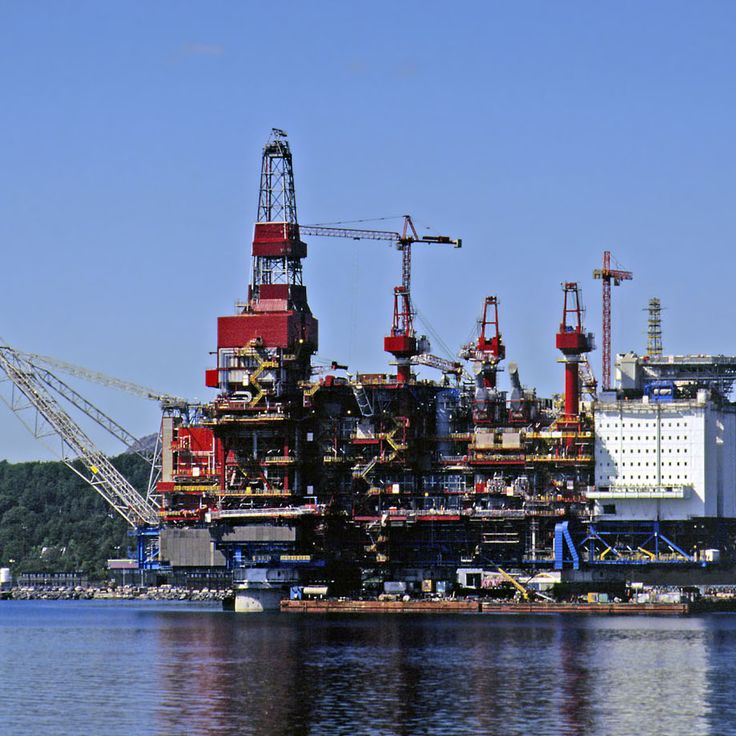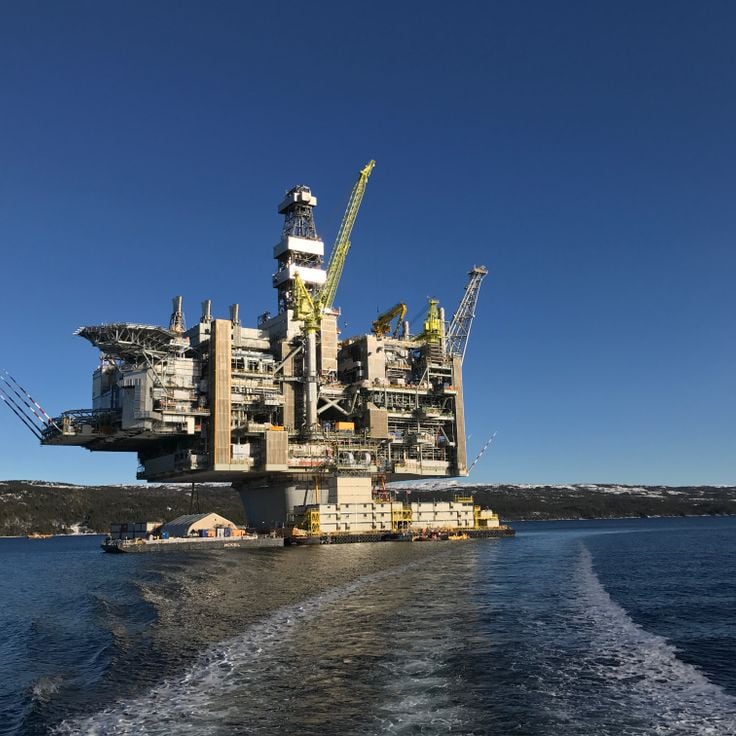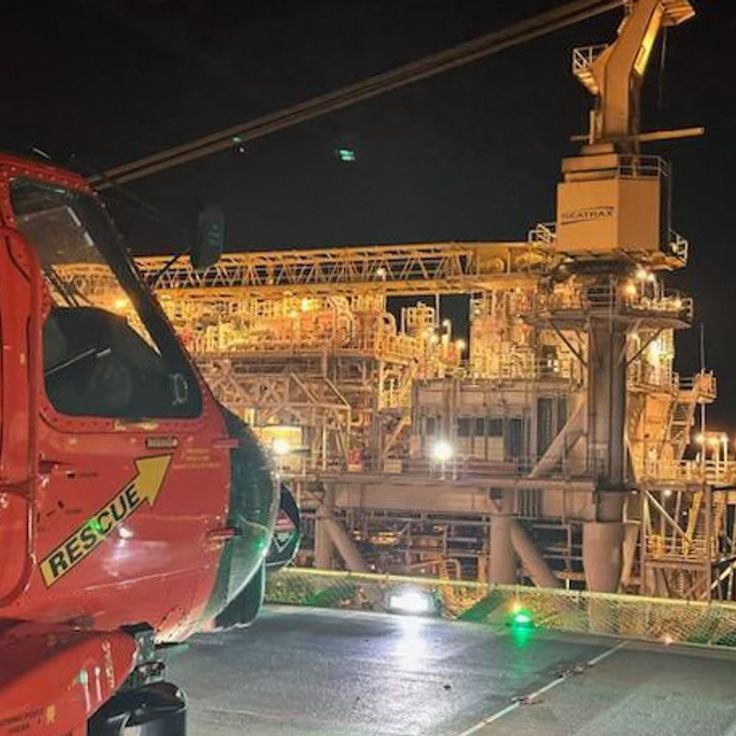
Offshore oil platforms are extraction facilities operating up to 2,450 meters below sea level. From the North Sea to the Sea of Okhotsk, from the Gulf of Mexico to the Brazilian coasts, these structures play a significant role in global energy production. Troll A in Norway rises 472 meters from the seabed, while Berkut in Russia supports 200,000 tonnes of structure weight against Arctic conditions. Each installation adapts to specific constraints based on its location. Hibernia off Newfoundland has withstood iceberg impacts since 1997, whereas Thunder Horse in the Gulf of Mexico produces 250,000 barrels daily at nearly 2000 meters depth. In Brazil, Petrobras' P-51 operates at 1800 meters below water, and the Ekofisk complex in the North Sea comprises 30 interconnected platforms. These examples demonstrate the diversity of technologies used for oil and gas extraction in various marine environments.