See the monuments around you in AROpen chests in the app
Around Us is built for your phone — point your camera at the streets and discover the monuments and places around you in augmented reality.Around Us is built for your phone — chests unlock when you walk, explore and capture nearby places.
What to see and visit in Niort and its surroundings?
The historical monuments and natural sites of Niort and its surroundings include a medieval keep, traditional marketplaces, and the Marais Poitevin. The city features 12th-century fortifications, Gothic churches, and museums housed in historical buildings. The Marais Poitevin offers 112,000 hectares of wetlands with canals and forests. The city center has several notable buildings such as the Pilori, a former town hall now converted into an art center, and Fort Foucault on the banks of the Sèvre Niortaise.
What to see and visit in Niort and its surroundings?
The historical monuments and natural sites of Niort and its surroundings include a medieval keep, traditional marketplaces, and the Marais Poitevin. The city features 12th-century fortifications, Gothic churches, and museums housed in historical buildings. The Marais Poitevin offers 112,000 hectares of wetlands with canals and forests. The city center has several notable buildings such as the Pilori, a former town hall now converted into an art center, and Fort Foucault on the banks of the Sèvre Niortaise.
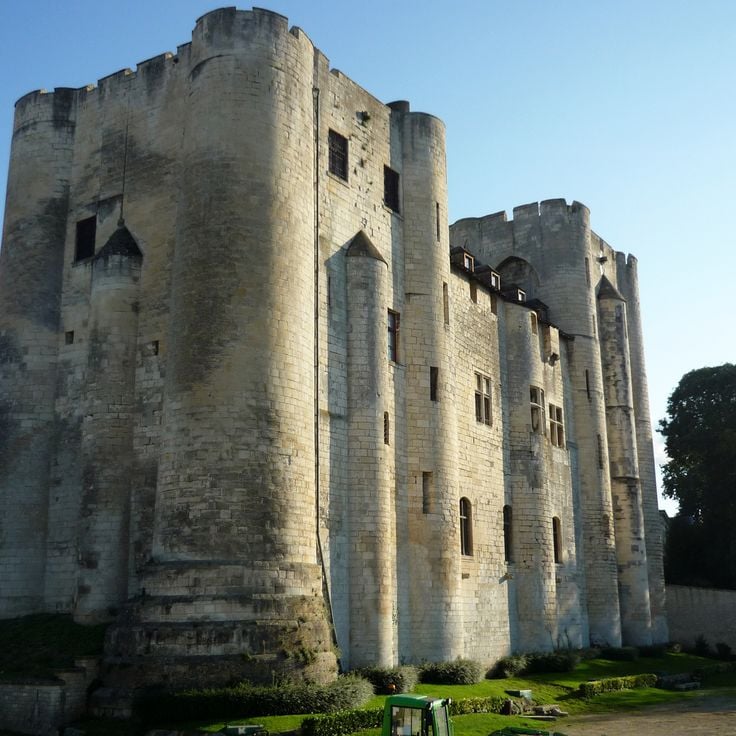
The Donjon de Niort was built in the late 12th century and consists of two square towers connected by a central section. The fortress served as part of the city's defense system for centuries and now houses a permanent exhibition on local history. From the upper floors visitors look out over the old town and the surrounding area toward the Marais Poitevin. The thick stone walls and narrow window openings recall the building's military purpose. Inside, spiral staircases lead through several floors with exhibition rooms.
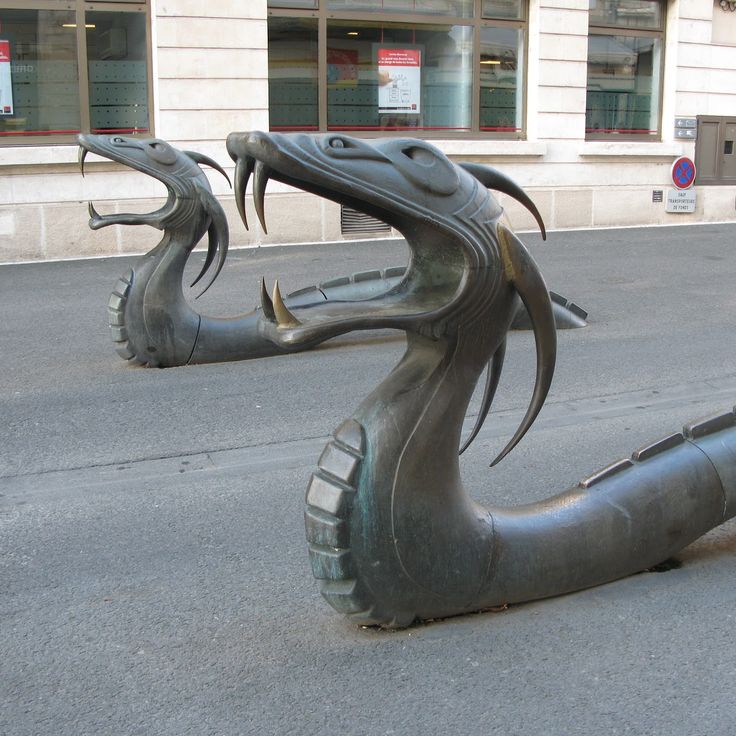
These metal dragon sculptures have appeared across the streets and squares of Niort's historic center since the early 2000s. Around thirty of them now sit on facades, fountains or pavements, giving a touch of fantasy to the townscape. The initiative came from the association Les Dragons de Niort, which gathered local craftspeople and artists to forge these creatures from iron and copper. You discover them on foot, without any particular route, while walking along the Sèvre or wandering the streets around the donjon. Some are small and discreet, others reach several feet in wingspan. Locals have their favorites and visitors often hunt them down with curiosity.
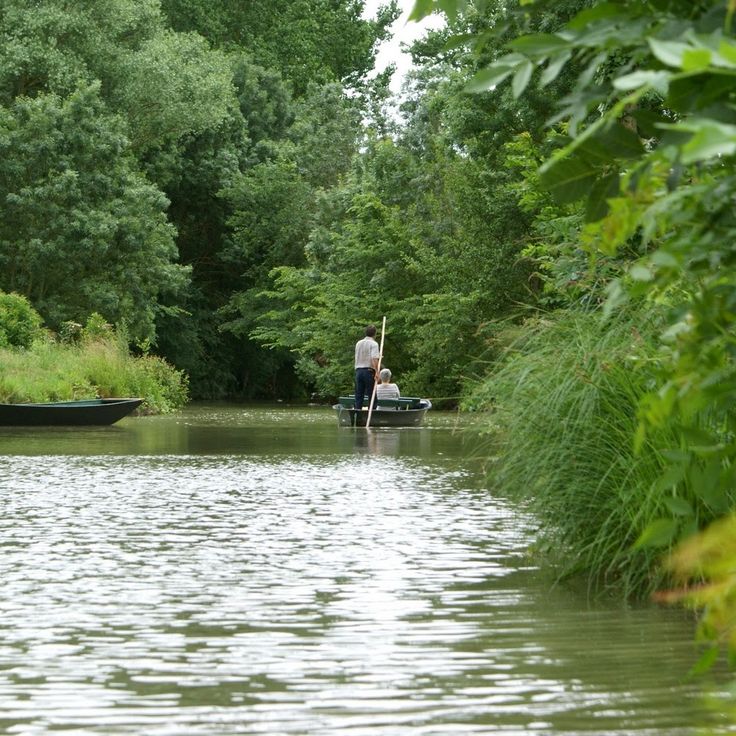
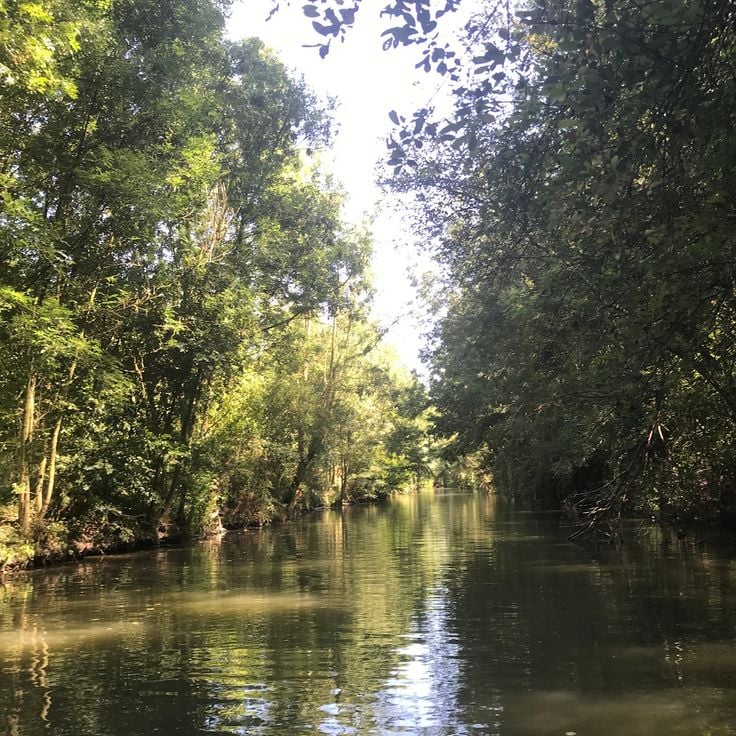
The Marais Poitevin, the wetland area starting at the edge of Niort, can be explored in flat boats that glide quietly through the canals. You see poplars, alders and willows along the banks, and sometimes a simple house made of pale stone appears at a bend. Some paths lead deeper into the green, ending at meadows where cattle graze. The water is usually calm, covered with duckweed. A few access points exist in Saint-Hilaire-la-Palud, where bird observation platforms also stand. When it is sunny, light filters through the leaves and casts thin shadows on the canals.
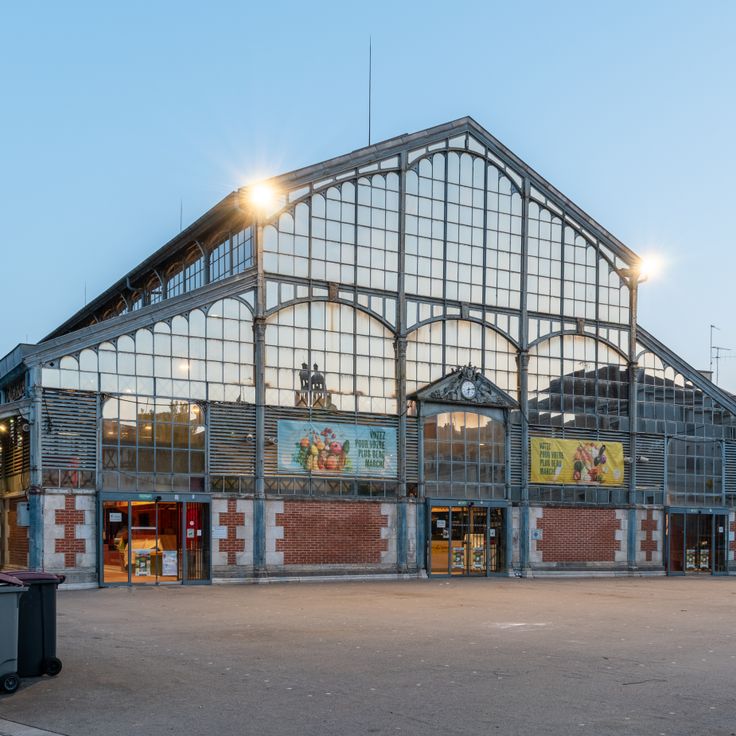
These market halls date from the 19th century and show a metal structure in the Baltard style. Under the iron framework, local vendors sell their goods, and a food market takes place regularly. The architecture recalls other French market halls from the industrial era, with high vaults and glass windows. People come here to buy fresh produce or simply stroll through the stalls. The atmosphere is especially lively on market days, when locals meet among the displays.
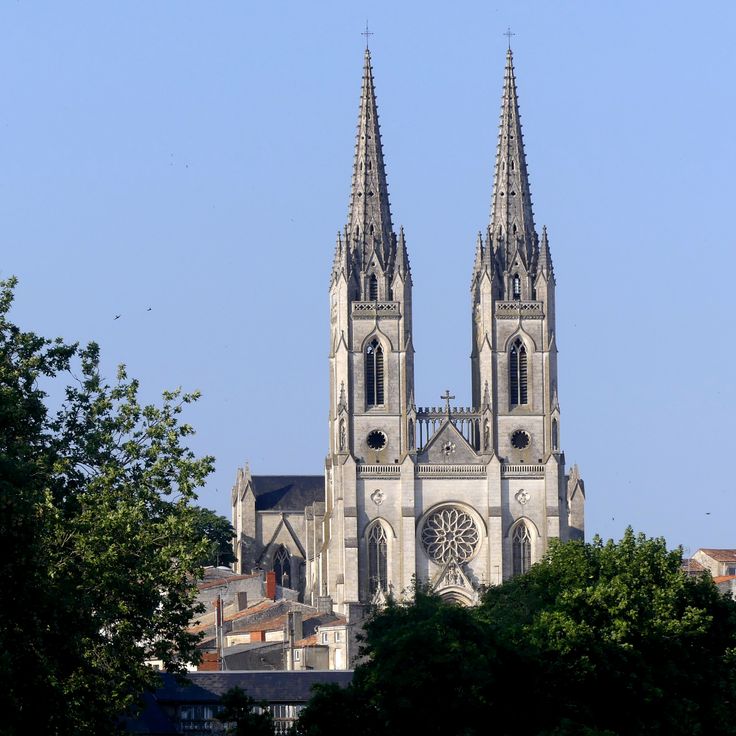
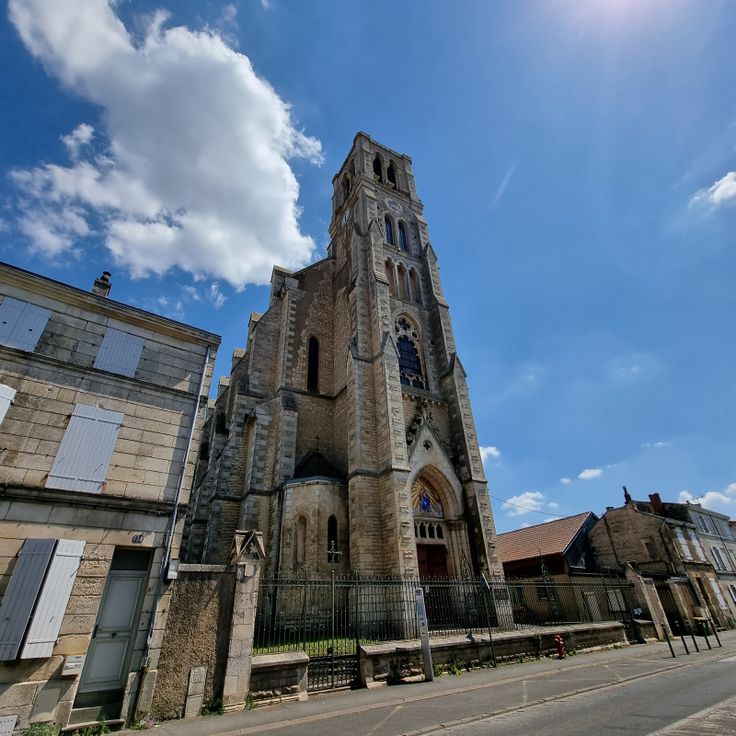
This church from the 19th century mixes Gothic architecture with Romanesque elements. The facade shows plain stone walls and a portal with carved details. Inside, the central nave runs across three bays to the choir, where you see colored stained glass windows that throw light into the space. The atmosphere stays quiet, even when visitors walk through the rows of pews. The church sits in the historic center of Niort, not far from the donjon and the medieval lanes.
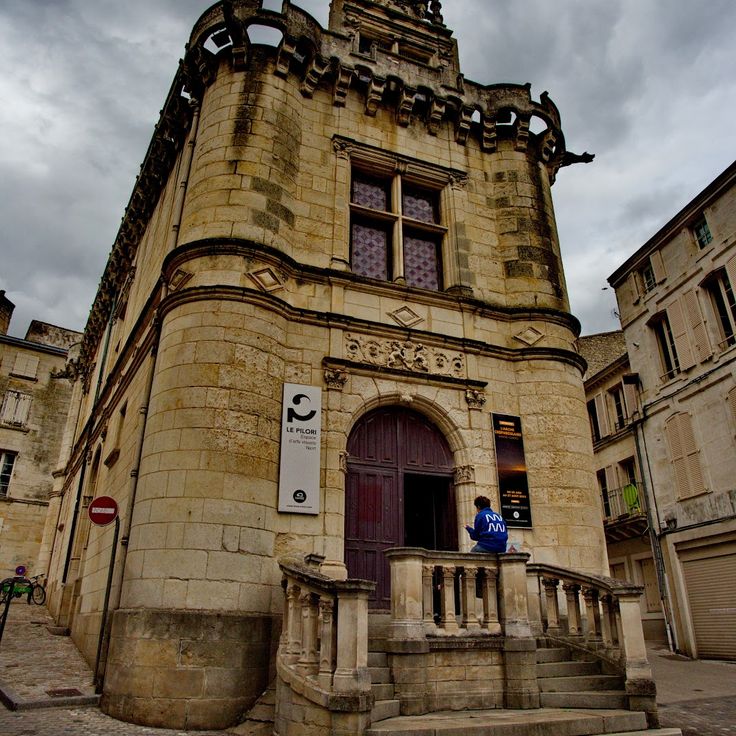
Le Pilori stands in the historic center and was built in the 14th century as a town hall. The medieval building now hosts contemporary art exhibitions that feature changing works by regional and international artists.
This fortress from the 15th century sits on the bank of the Sèvre Niortaise river. Its structure includes towers, ramparts and a keep that date back to the period of the Hundred Years War. The architecture shows the military purpose of a local defense site, later used only sporadically. You can see the outer walls and remnants along the riverside, where walkers often pass by. The place adds to the medieval heritage of Niort, though it is less prominent than the central donjon.
The Musée Bernard d'Agesci occupies a former high school from the late 19th century and displays paintings, sculptures, preserved animal specimens and old school materials in tall halls with wooden staircases and large windows.
This park sits on the edge of the Marais Poitevin and covers about eight hectares of wetlands, groves and ponds. You follow marked paths to watch water birds from observation points scattered among the trees. Some sections are made for children, with explanations about the species and their surroundings. The place conveys the atmosphere of the marshes and suits quiet walks in nature.
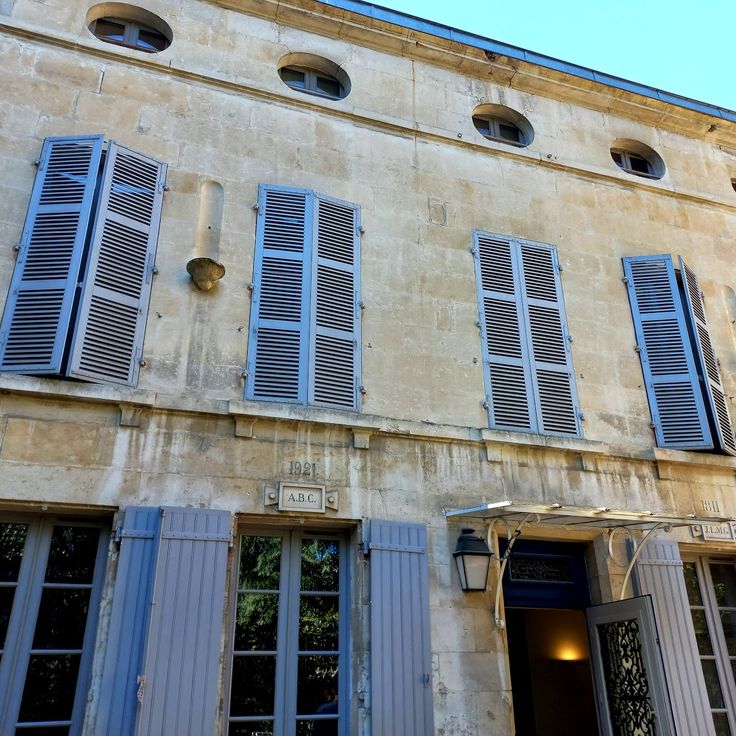
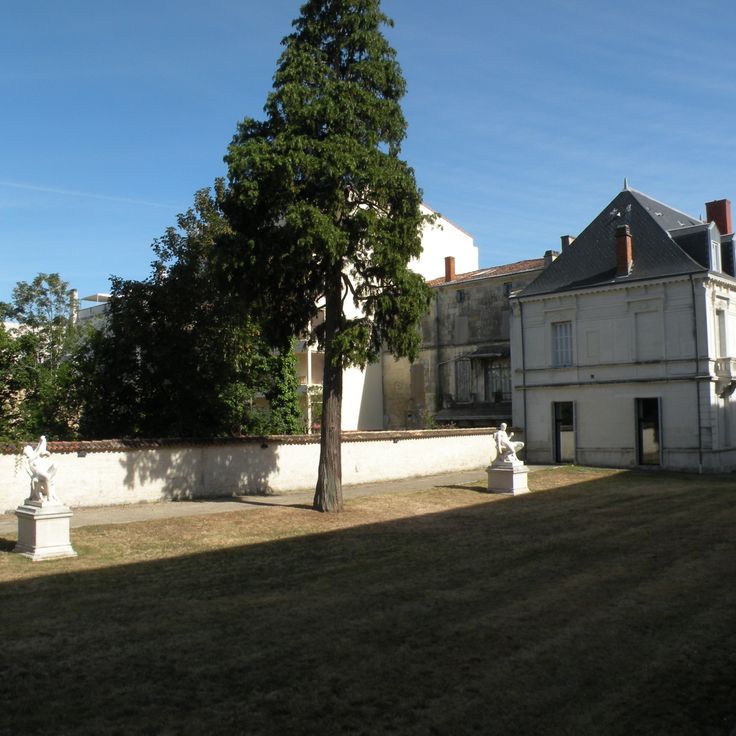
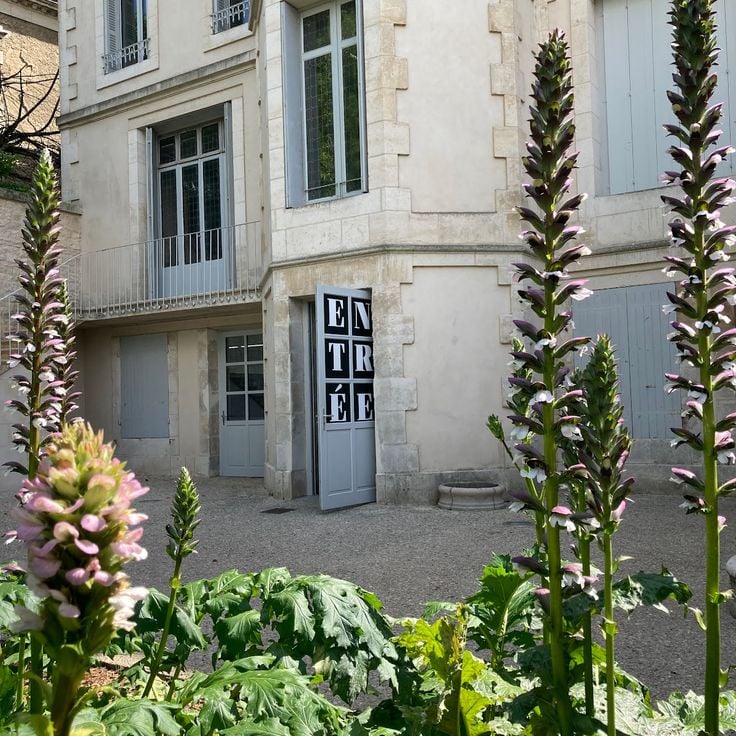
Villa Pérochon is an art center focused on contemporary photography, housed in the former home of writer Ernest Pérochon. The building retains the feel of a private residence from the early 20th century. Inside you find rotating exhibitions displayed in rooms that once served as living quarters. The space offers a quiet atmosphere for viewing photographic works. Natural light enters through large windows, creating a calm environment for the images on the walls. The center sits near the historic core of Niort, blending literary memory with current artistic practice. Visitors walk through several rooms, each opening onto the next, following the original layout of the house.
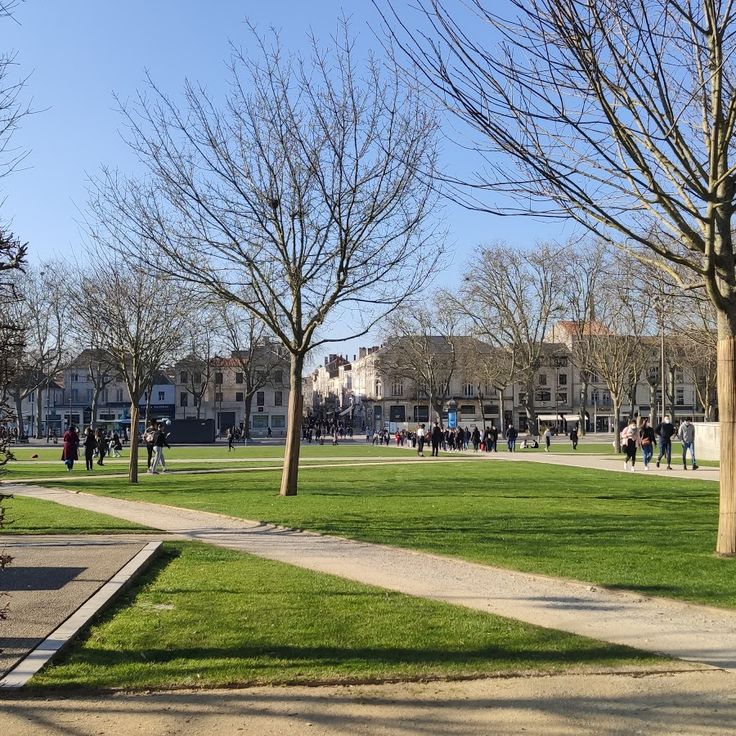
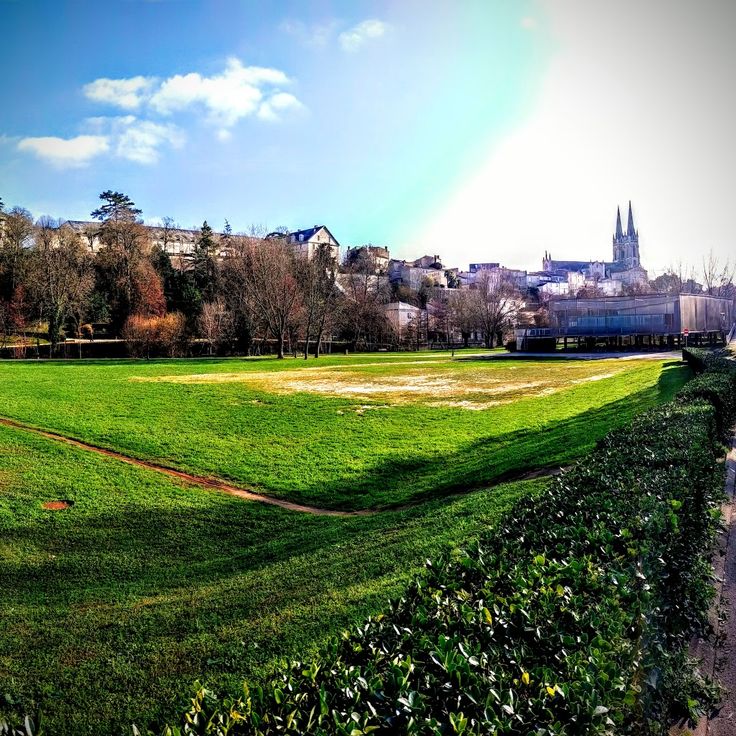
The Jardins de la Brèche stretch through the center of Niort, forming a quiet strip between the streets. You see old trees that have stood here for over a century, wide lawns and paths where locals walk or sit on benches. Children play on the playgrounds while older people rest in the shade. The atmosphere is relaxed, especially in the afternoons when families meet or students lie on the grass. This green lung lies not far from the medieval keep and the covered market, serving as a pause between the city's historic sights.
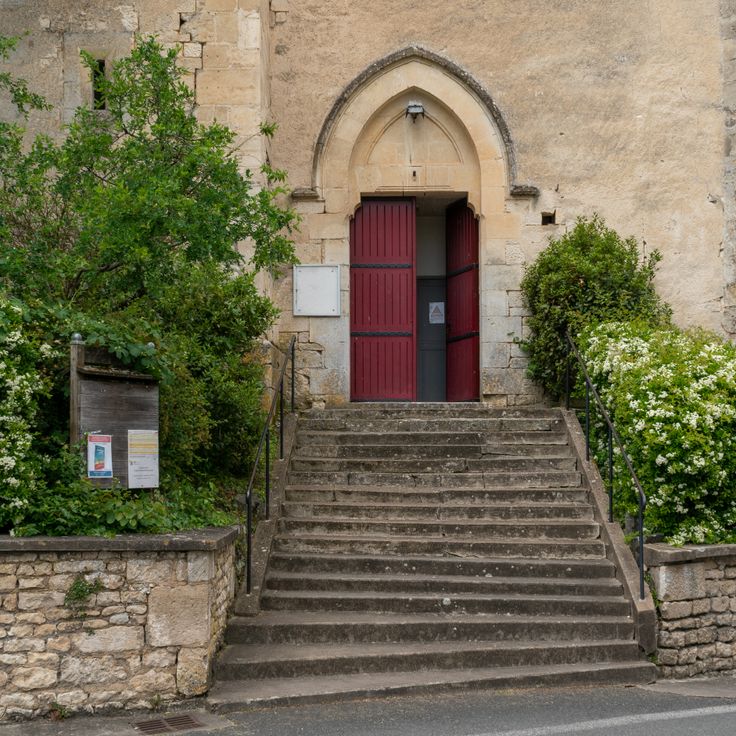
This church dates from the nineteenth century and features a Gothic doorway on the north façade. The main nave is flanked by two side aisles lined with chapels. The architecture combines elements from different periods, including medieval fragments integrated into the nineteenth century structure.
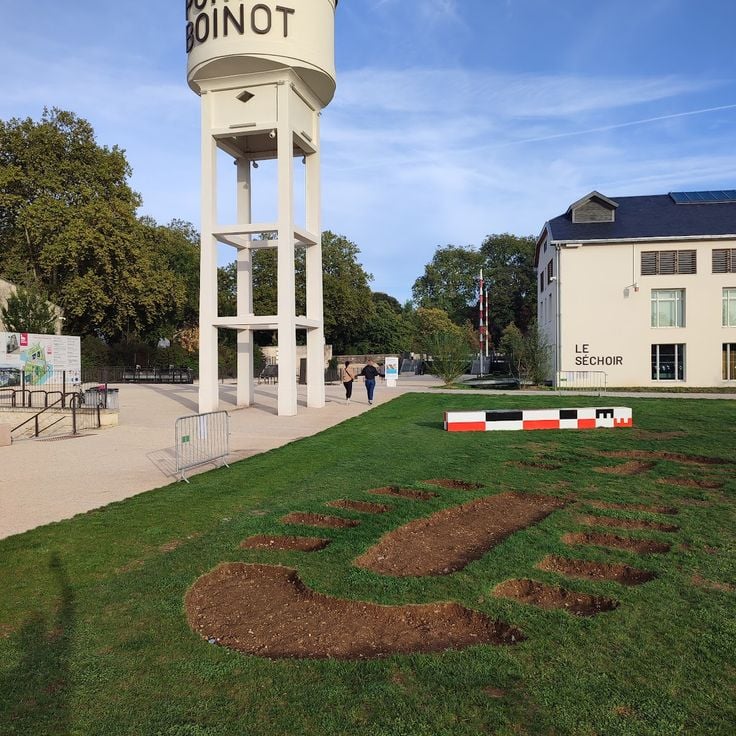
Port Boinot is a former factory building that now functions as a cultural center hosting exhibitions and events. The old industrial space has been converted and houses the tourism office on the ground floor along with rotating exhibition areas. The building sits near the Sèvre Niortaise river and regularly welcomes cultural gatherings. The spaces are open plan and the place serves as a starting point for visitors looking to learn about Niort and the nearby Marais Poitevin.
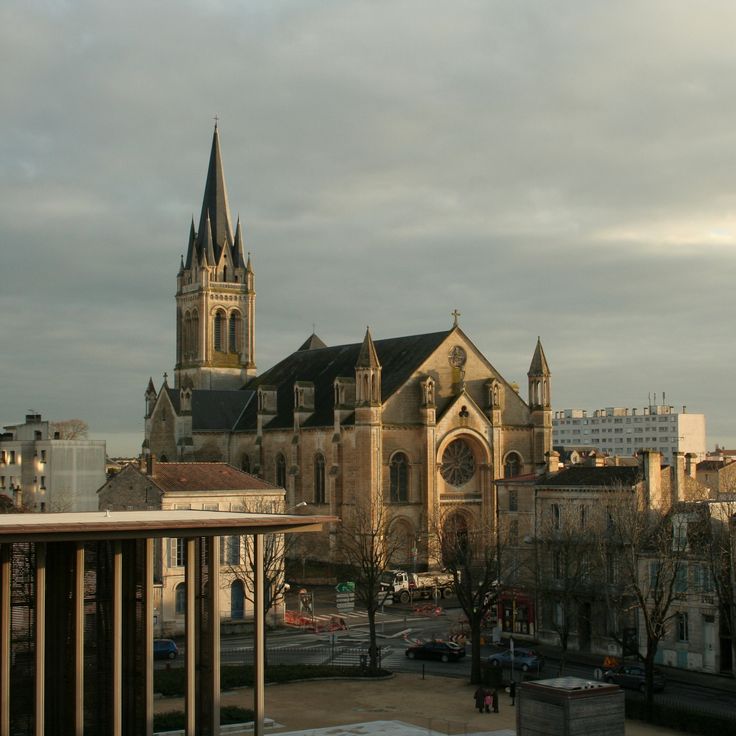
The Saint-Hilaire church in Niort dates from the 20th century and shows contemporary architecture. The interior walls carry murals and colored stained glass windows created by artists from the region. The space feels bright due to the colored windows that break light into different tones. The paintings on the walls complement the modern design of the building, located in a residential district somewhat away from Niort's historic center.
This park sits along the Sèvre Niortaise river, offering shade under old trees, playgrounds for children, and paths for cycling or walking. You'll find lawns to rest on, benches by the water, and a quiet spot away from the city center streets. Families come in the afternoons, joggers use the paths in the mornings, and in summer people sit on the grass or under the trees.
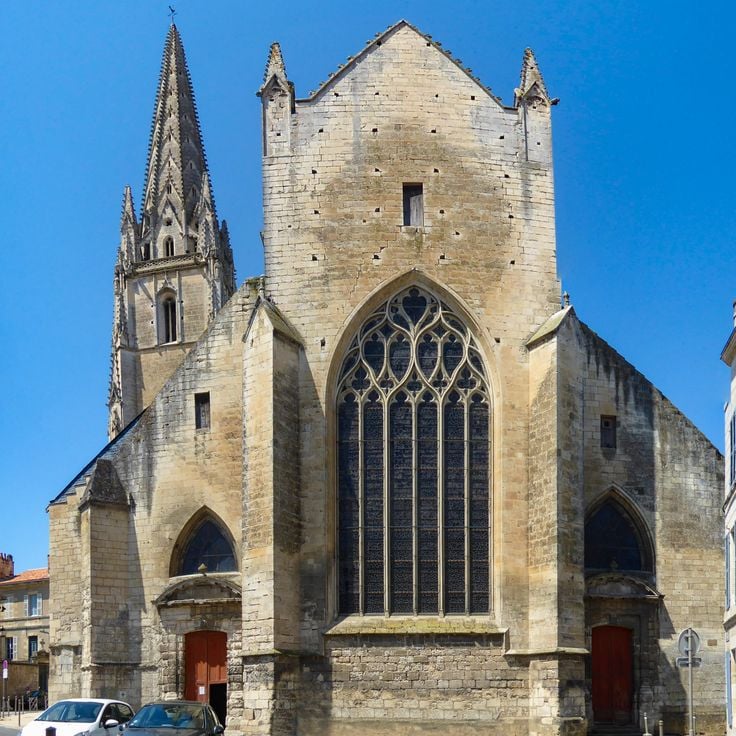
This 15th-century church stands in the port district of Niort. The building has a central nave that rises high, and it recalls the time when the city's religious life expanded beyond the medieval walls. The facade shows traces of alterations and restorations that took place over several centuries. Inside, the eye catches vaults and stone pillars that organize the space.
Saint-Maixent Church was built in the 15th century in the center of Niort and is part of the city's historic heritage, which you can discover alongside the medieval keep and the 19th-century market halls. The building was destroyed during the wars of religion in 1568 before being rebuilt. Today you can read the traces of this turbulent history inside, which also shapes the surroundings with the old fortifications and scattered dragon sculptures in the streets. The church is located near the banks of the Sèvre Niortaise and fits into a neighborhood where several religious and civil buildings from the Middle Ages to the 19th century meet.
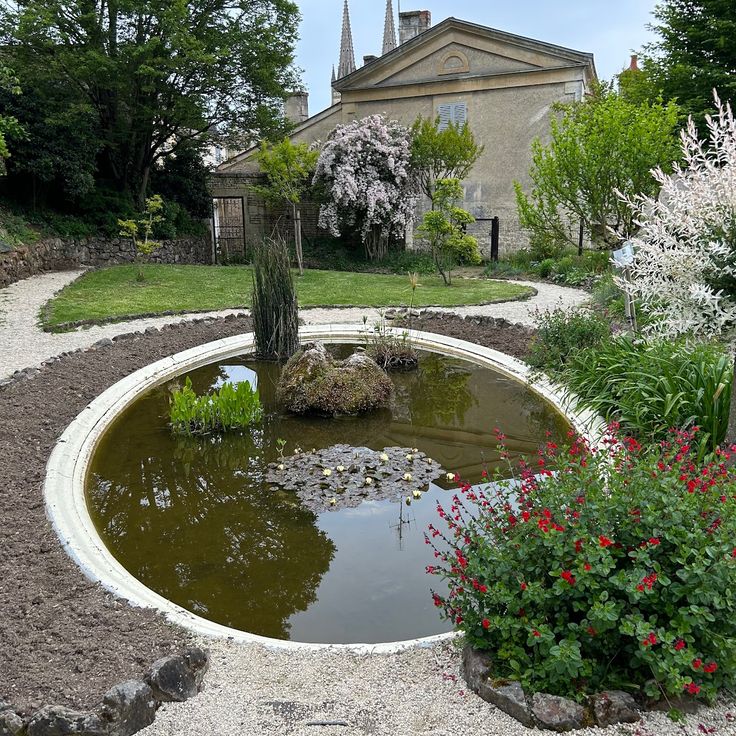
The Jardin des Plantes was created in 1869 and stretches across 2 hectares (5 acres) in the center of Niort. This public park shows plant collections from different climates, trees over a century old, and paths that invite walking. You also find a small pond there, lawns for resting, and beds with shrubs and flowers that change color with the seasons. The avenues are lined with old trees whose shade is pleasant in summer.
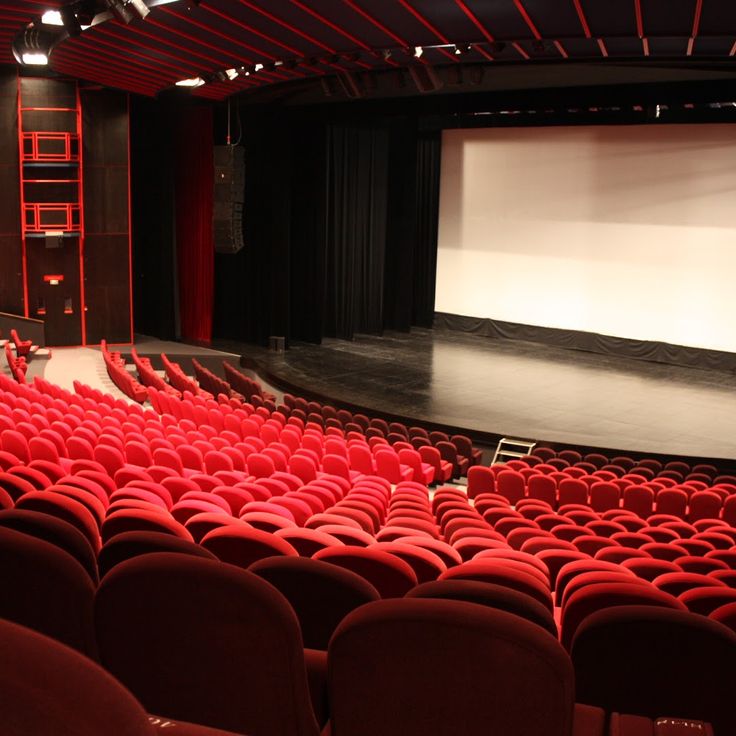
The Moulin du Roc is a cultural center housed in a former mill. The spaces include a national stage, three movie theaters and exhibition areas. The building stands along the Sèvre Niortaise and combines historic architecture with contemporary events. You will find theater performances, film screenings and rotating art exhibitions here. Programming ranges from classic plays to experimental forms. The venue draws a broad audience and belongs to the city's cultural network.
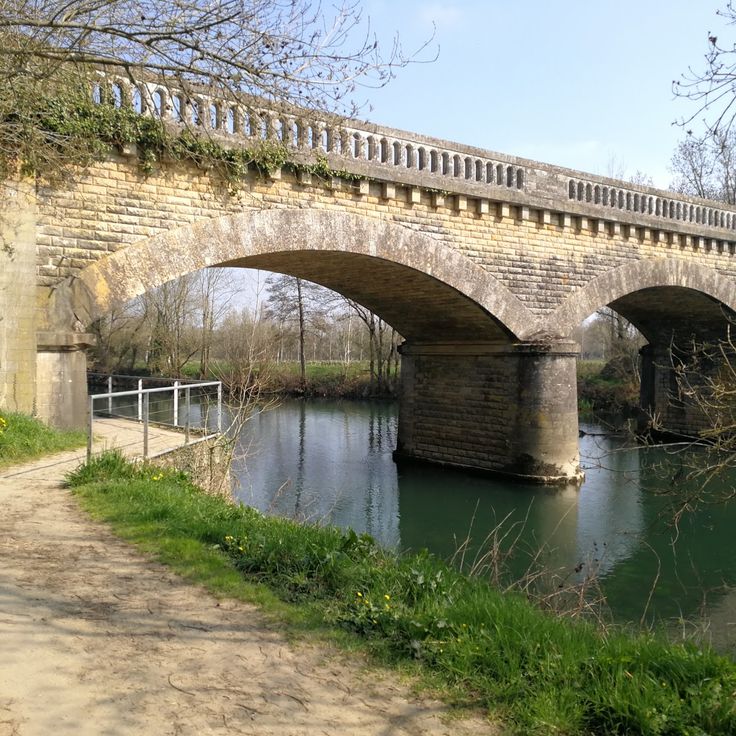
The Coulée Verte runs along the Sèvre Niortaise and connects the town center with the Marais Poitevin. This path follows the riverbank and passes through green spaces with trees and meadows. Wooden footbridges and paved trails make walking easier. You sometimes see anglers by the water and people walking their dogs. The vegetation becomes thicker as you move away from the center. The river flows calmly and is lined with reeds in some places. Benches are placed at several points along the way. Locals use the path for jogging or family outings. In summer the tree canopy provides shade. The Coulée Verte shows the transition between urban buildings and the wetland landscape of the Marais.
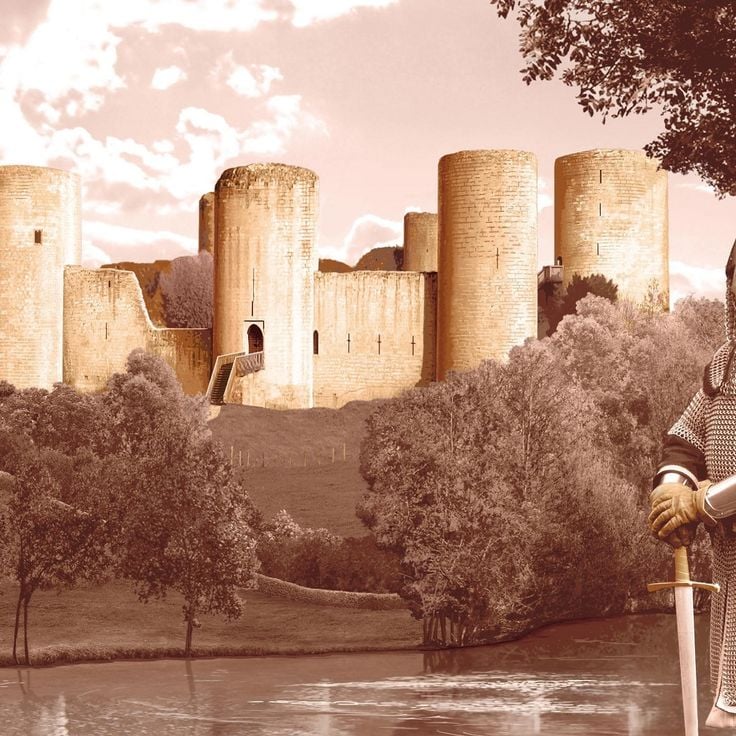
This 13th-century fortress displays typical defensive elements with towers, moats, and thick walls. The Château du Coudray-Salbart preserves its original military features and lets visitors understand how a medieval stronghold functioned. You can still see arrow slits in the walls, access paths over stone bridges, and the layout of rooms within the fortification. The structure sits near Niort and belongs to the remaining examples of feudal architecture in the region.
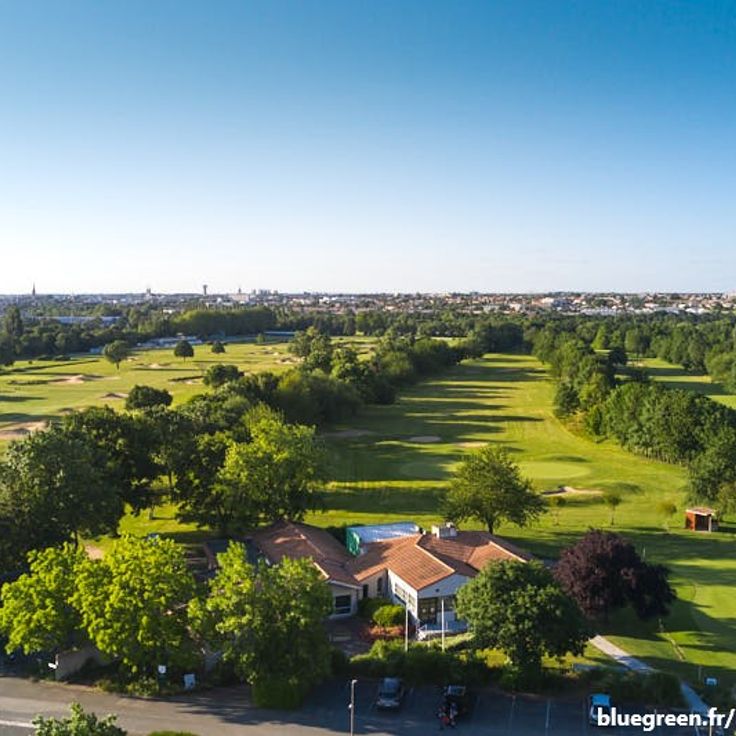
This golf course sits about 6 miles (10 kilometers) from central Niort and offers an 18-hole layout across 135 acres (55 hectares), with water hazards, varying difficulty levels and a golf school for beginners and intermediates. The grounds are used by players who practice on fairways lined with tree clusters and man-made ponds. You often see small groups refining their swings on the practice range before heading out for a round. The clubhouse serves as a meeting point and offers changing rooms and a terrace overlooking the first tees.
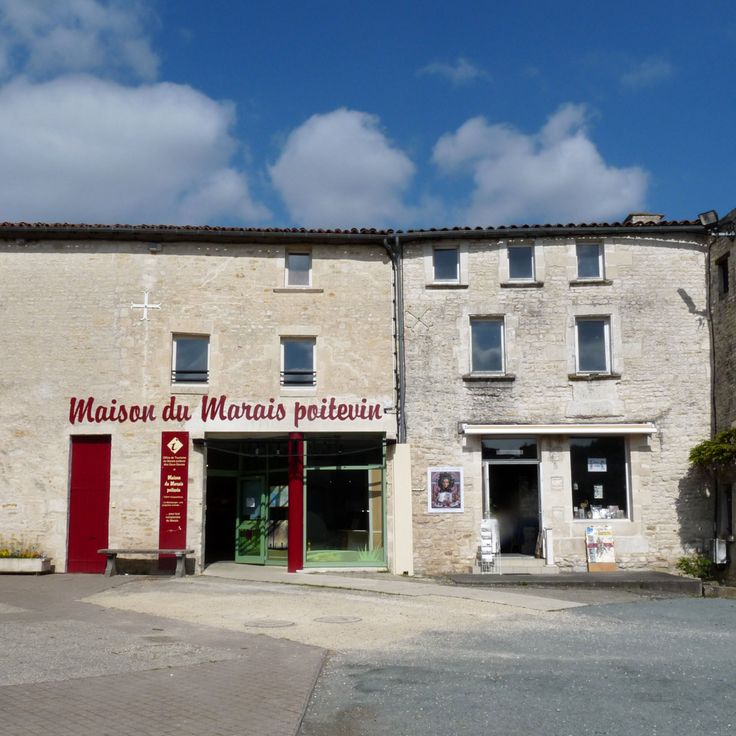
This center explains the history and nature of the Marais Poitevin through exhibitions, models and documents about the wetland's animals and plants. You can find information on the canals, waterbirds and farming in the marsh. The rooms prepare your visit to the surroundings and show old tools, photographs and maps of the region. On site you get advice for walks and boat trips in the nearby canals of the Marais Poitevin.
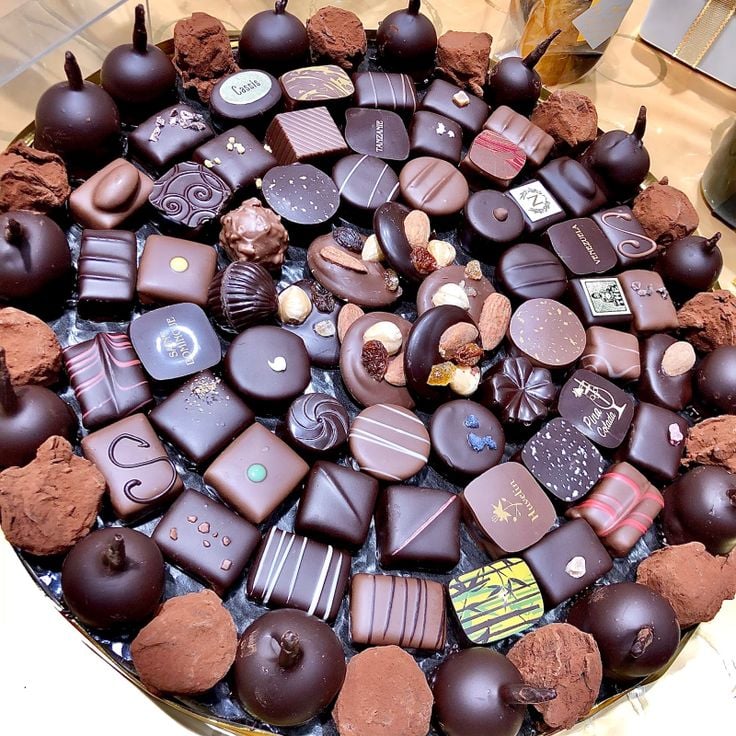
The Chocolaterie Huvelin produces chocolate using traditional methods and stands in the center of Niort. Visitors can observe the production steps and discover the different varieties of cacao used. The workshop shows the craftwork with chocolate and the techniques of processing. You can experience the atmosphere of a factory where cacao becomes pralines and bars.
The governor's house dates from the 16th century and displays stonework in limestone, mullioned windows and carved details on the main facade. You can see the Renaissance style in the proportions and ornaments. The building stands in the historic center of Niort, not far from the keep, and fits into a street lined with other houses from the same period. The facade carries carved decorations that once signaled the social rank of its occupants.
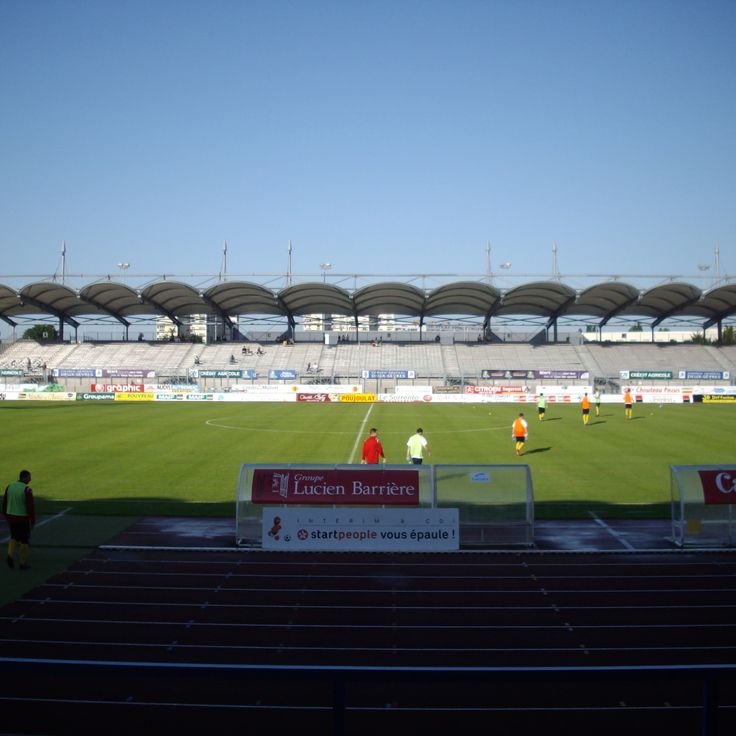
The Stade René Gaillard sits on the edge of Niort and serves as home ground for the local football club. The covered stands hold several thousand spectators, and floodlights allow evening matches. The natural grass pitch is maintained regularly, with parking and training facilities surrounding the venue. On match days the atmosphere becomes lively, while during the week the stadium is quieter and used for training sessions.
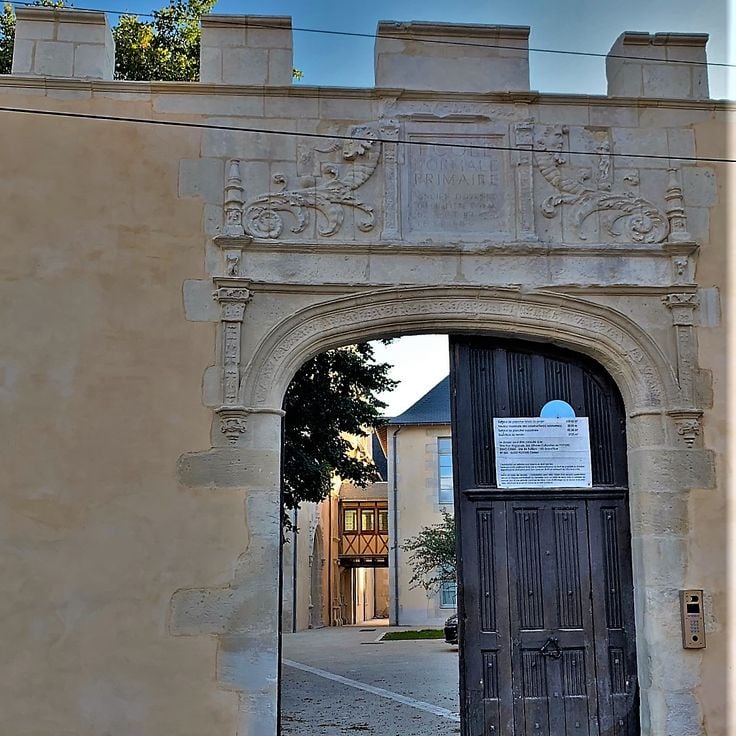
This noble residence from the 16th century shows a facade of dressed stone, mullioned windows and a paved inner courtyard. The Hôtel Estissac belongs to the historic center of Niort, where several such Renaissance residences have been preserved. The architecture follows the rules of the time with symmetrical openings and visible stone blocks. The courtyard sits behind a passageway and remains separated from the public space. You find here the typical features of urban noble houses from this period, with clearly defined volumes and a restrained decoration.
The Donjon de Niort was built in the late 12th century and consists of two square towers connected by a central section. The fortress served as part of the city's defense system for centuries and now houses a permanent exhibition on local history. From the upper floors visitors look out over the old town and the surrounding area toward the Marais Poitevin. The thick stone walls and narrow window openings recall the building's military purpose. Inside, spiral staircases lead through several floors with exhibition rooms.
These metal dragon sculptures have appeared across the streets and squares of Niort's historic center since the early 2000s. Around thirty of them now sit on facades, fountains or pavements, giving a touch of fantasy to the townscape. The initiative came from the association Les Dragons de Niort, which gathered local craftspeople and artists to forge these creatures from iron and copper. You discover them on foot, without any particular route, while walking along the Sèvre or wandering the streets around the donjon. Some are small and discreet, others reach several feet in wingspan. Locals have their favorites and visitors often hunt them down with curiosity.
The Marais Poitevin, the wetland area starting at the edge of Niort, can be explored in flat boats that glide quietly through the canals. You see poplars, alders and willows along the banks, and sometimes a simple house made of pale stone appears at a bend. Some paths lead deeper into the green, ending at meadows where cattle graze. The water is usually calm, covered with duckweed. A few access points exist in Saint-Hilaire-la-Palud, where bird observation platforms also stand. When it is sunny, light filters through the leaves and casts thin shadows on the canals.
These market halls date from the 19th century and show a metal structure in the Baltard style. Under the iron framework, local vendors sell their goods, and a food market takes place regularly. The architecture recalls other French market halls from the industrial era, with high vaults and glass windows. People come here to buy fresh produce or simply stroll through the stalls. The atmosphere is especially lively on market days, when locals meet among the displays.
This church from the 19th century mixes Gothic architecture with Romanesque elements. The facade shows plain stone walls and a portal with carved details. Inside, the central nave runs across three bays to the choir, where you see colored stained glass windows that throw light into the space. The atmosphere stays quiet, even when visitors walk through the rows of pews. The church sits in the historic center of Niort, not far from the donjon and the medieval lanes.
Le Pilori stands in the historic center and was built in the 14th century as a town hall. The medieval building now hosts contemporary art exhibitions that feature changing works by regional and international artists.
This fortress from the 15th century sits on the bank of the Sèvre Niortaise river. Its structure includes towers, ramparts and a keep that date back to the period of the Hundred Years War. The architecture shows the military purpose of a local defense site, later used only sporadically. You can see the outer walls and remnants along the riverside, where walkers often pass by. The place adds to the medieval heritage of Niort, though it is less prominent than the central donjon.
The Musée Bernard d'Agesci occupies a former high school from the late 19th century and displays paintings, sculptures, preserved animal specimens and old school materials in tall halls with wooden staircases and large windows.
This park sits on the edge of the Marais Poitevin and covers about eight hectares of wetlands, groves and ponds. You follow marked paths to watch water birds from observation points scattered among the trees. Some sections are made for children, with explanations about the species and their surroundings. The place conveys the atmosphere of the marshes and suits quiet walks in nature.
Villa Pérochon is an art center focused on contemporary photography, housed in the former home of writer Ernest Pérochon. The building retains the feel of a private residence from the early 20th century. Inside you find rotating exhibitions displayed in rooms that once served as living quarters. The space offers a quiet atmosphere for viewing photographic works. Natural light enters through large windows, creating a calm environment for the images on the walls. The center sits near the historic core of Niort, blending literary memory with current artistic practice. Visitors walk through several rooms, each opening onto the next, following the original layout of the house.
The Jardins de la Brèche stretch through the center of Niort, forming a quiet strip between the streets. You see old trees that have stood here for over a century, wide lawns and paths where locals walk or sit on benches. Children play on the playgrounds while older people rest in the shade. The atmosphere is relaxed, especially in the afternoons when families meet or students lie on the grass. This green lung lies not far from the medieval keep and the covered market, serving as a pause between the city's historic sights.
This church dates from the nineteenth century and features a Gothic doorway on the north façade. The main nave is flanked by two side aisles lined with chapels. The architecture combines elements from different periods, including medieval fragments integrated into the nineteenth century structure.
Port Boinot is a former factory building that now functions as a cultural center hosting exhibitions and events. The old industrial space has been converted and houses the tourism office on the ground floor along with rotating exhibition areas. The building sits near the Sèvre Niortaise river and regularly welcomes cultural gatherings. The spaces are open plan and the place serves as a starting point for visitors looking to learn about Niort and the nearby Marais Poitevin.
The Saint-Hilaire church in Niort dates from the 20th century and shows contemporary architecture. The interior walls carry murals and colored stained glass windows created by artists from the region. The space feels bright due to the colored windows that break light into different tones. The paintings on the walls complement the modern design of the building, located in a residential district somewhat away from Niort's historic center.
This park sits along the Sèvre Niortaise river, offering shade under old trees, playgrounds for children, and paths for cycling or walking. You'll find lawns to rest on, benches by the water, and a quiet spot away from the city center streets. Families come in the afternoons, joggers use the paths in the mornings, and in summer people sit on the grass or under the trees.
This 15th-century church stands in the port district of Niort. The building has a central nave that rises high, and it recalls the time when the city's religious life expanded beyond the medieval walls. The facade shows traces of alterations and restorations that took place over several centuries. Inside, the eye catches vaults and stone pillars that organize the space.
Saint-Maixent Church was built in the 15th century in the center of Niort and is part of the city's historic heritage, which you can discover alongside the medieval keep and the 19th-century market halls. The building was destroyed during the wars of religion in 1568 before being rebuilt. Today you can read the traces of this turbulent history inside, which also shapes the surroundings with the old fortifications and scattered dragon sculptures in the streets. The church is located near the banks of the Sèvre Niortaise and fits into a neighborhood where several religious and civil buildings from the Middle Ages to the 19th century meet.
The Jardin des Plantes was created in 1869 and stretches across 2 hectares (5 acres) in the center of Niort. This public park shows plant collections from different climates, trees over a century old, and paths that invite walking. You also find a small pond there, lawns for resting, and beds with shrubs and flowers that change color with the seasons. The avenues are lined with old trees whose shade is pleasant in summer.
The Moulin du Roc is a cultural center housed in a former mill. The spaces include a national stage, three movie theaters and exhibition areas. The building stands along the Sèvre Niortaise and combines historic architecture with contemporary events. You will find theater performances, film screenings and rotating art exhibitions here. Programming ranges from classic plays to experimental forms. The venue draws a broad audience and belongs to the city's cultural network.
The Coulée Verte runs along the Sèvre Niortaise and connects the town center with the Marais Poitevin. This path follows the riverbank and passes through green spaces with trees and meadows. Wooden footbridges and paved trails make walking easier. You sometimes see anglers by the water and people walking their dogs. The vegetation becomes thicker as you move away from the center. The river flows calmly and is lined with reeds in some places. Benches are placed at several points along the way. Locals use the path for jogging or family outings. In summer the tree canopy provides shade. The Coulée Verte shows the transition between urban buildings and the wetland landscape of the Marais.
This 13th-century fortress displays typical defensive elements with towers, moats, and thick walls. The Château du Coudray-Salbart preserves its original military features and lets visitors understand how a medieval stronghold functioned. You can still see arrow slits in the walls, access paths over stone bridges, and the layout of rooms within the fortification. The structure sits near Niort and belongs to the remaining examples of feudal architecture in the region.
This golf course sits about 6 miles (10 kilometers) from central Niort and offers an 18-hole layout across 135 acres (55 hectares), with water hazards, varying difficulty levels and a golf school for beginners and intermediates. The grounds are used by players who practice on fairways lined with tree clusters and man-made ponds. You often see small groups refining their swings on the practice range before heading out for a round. The clubhouse serves as a meeting point and offers changing rooms and a terrace overlooking the first tees.
This center explains the history and nature of the Marais Poitevin through exhibitions, models and documents about the wetland's animals and plants. You can find information on the canals, waterbirds and farming in the marsh. The rooms prepare your visit to the surroundings and show old tools, photographs and maps of the region. On site you get advice for walks and boat trips in the nearby canals of the Marais Poitevin.
The Chocolaterie Huvelin produces chocolate using traditional methods and stands in the center of Niort. Visitors can observe the production steps and discover the different varieties of cacao used. The workshop shows the craftwork with chocolate and the techniques of processing. You can experience the atmosphere of a factory where cacao becomes pralines and bars.
The governor's house dates from the 16th century and displays stonework in limestone, mullioned windows and carved details on the main facade. You can see the Renaissance style in the proportions and ornaments. The building stands in the historic center of Niort, not far from the keep, and fits into a street lined with other houses from the same period. The facade carries carved decorations that once signaled the social rank of its occupants.
The Stade René Gaillard sits on the edge of Niort and serves as home ground for the local football club. The covered stands hold several thousand spectators, and floodlights allow evening matches. The natural grass pitch is maintained regularly, with parking and training facilities surrounding the venue. On match days the atmosphere becomes lively, while during the week the stadium is quieter and used for training sessions.
This noble residence from the 16th century shows a facade of dressed stone, mullioned windows and a paved inner courtyard. The Hôtel Estissac belongs to the historic center of Niort, where several such Renaissance residences have been preserved. The architecture follows the rules of the time with symmetrical openings and visible stone blocks. The courtyard sits behind a passageway and remains separated from the public space. You find here the typical features of urban noble houses from this period, with clearly defined volumes and a restrained decoration.
The Donjon de Niort was built in the late 12th century and consists of two square towers connected by a central section. The fortress served as part of the city's defense system for centuries and now houses a permanent exhibition on local history. From the upper floors visitors look out over the old town and the surrounding area toward the Marais Poitevin. The thick stone walls and narrow window openings recall the building's military purpose. Inside, spiral staircases lead through several floors with exhibition rooms.
These metal dragon sculptures have appeared across the streets and squares of Niort's historic center since the early 2000s. Around thirty of them now sit on facades, fountains or pavements, giving a touch of fantasy to the townscape. The initiative came from the association Les Dragons de Niort, which gathered local craftspeople and artists to forge these creatures from iron and copper. You discover them on foot, without any particular route, while walking along the Sèvre or wandering the streets around the donjon. Some are small and discreet, others reach several feet in wingspan. Locals have their favorites and visitors often hunt them down with curiosity.
The Marais Poitevin, the wetland area starting at the edge of Niort, can be explored in flat boats that glide quietly through the canals. You see poplars, alders and willows along the banks, and sometimes a simple house made of pale stone appears at a bend. Some paths lead deeper into the green, ending at meadows where cattle graze. The water is usually calm, covered with duckweed. A few access points exist in Saint-Hilaire-la-Palud, where bird observation platforms also stand. When it is sunny, light filters through the leaves and casts thin shadows on the canals.
These market halls date from the 19th century and show a metal structure in the Baltard style. Under the iron framework, local vendors sell their goods, and a food market takes place regularly. The architecture recalls other French market halls from the industrial era, with high vaults and glass windows. People come here to buy fresh produce or simply stroll through the stalls. The atmosphere is especially lively on market days, when locals meet among the displays.
This church from the 19th century mixes Gothic architecture with Romanesque elements. The facade shows plain stone walls and a portal with carved details. Inside, the central nave runs across three bays to the choir, where you see colored stained glass windows that throw light into the space. The atmosphere stays quiet, even when visitors walk through the rows of pews. The church sits in the historic center of Niort, not far from the donjon and the medieval lanes.
Le Pilori stands in the historic center and was built in the 14th century as a town hall. The medieval building now hosts contemporary art exhibitions that feature changing works by regional and international artists.
This fortress from the 15th century sits on the bank of the Sèvre Niortaise river. Its structure includes towers, ramparts and a keep that date back to the period of the Hundred Years War. The architecture shows the military purpose of a local defense site, later used only sporadically. You can see the outer walls and remnants along the riverside, where walkers often pass by. The place adds to the medieval heritage of Niort, though it is less prominent than the central donjon.
The Musée Bernard d'Agesci occupies a former high school from the late 19th century and displays paintings, sculptures, preserved animal specimens and old school materials in tall halls with wooden staircases and large windows.
This park sits on the edge of the Marais Poitevin and covers about eight hectares of wetlands, groves and ponds. You follow marked paths to watch water birds from observation points scattered among the trees. Some sections are made for children, with explanations about the species and their surroundings. The place conveys the atmosphere of the marshes and suits quiet walks in nature.
Villa Pérochon is an art center focused on contemporary photography, housed in the former home of writer Ernest Pérochon. The building retains the feel of a private residence from the early 20th century. Inside you find rotating exhibitions displayed in rooms that once served as living quarters. The space offers a quiet atmosphere for viewing photographic works. Natural light enters through large windows, creating a calm environment for the images on the walls. The center sits near the historic core of Niort, blending literary memory with current artistic practice. Visitors walk through several rooms, each opening onto the next, following the original layout of the house.
The Jardins de la Brèche stretch through the center of Niort, forming a quiet strip between the streets. You see old trees that have stood here for over a century, wide lawns and paths where locals walk or sit on benches. Children play on the playgrounds while older people rest in the shade. The atmosphere is relaxed, especially in the afternoons when families meet or students lie on the grass. This green lung lies not far from the medieval keep and the covered market, serving as a pause between the city's historic sights.
This church dates from the nineteenth century and features a Gothic doorway on the north façade. The main nave is flanked by two side aisles lined with chapels. The architecture combines elements from different periods, including medieval fragments integrated into the nineteenth century structure.
Port Boinot is a former factory building that now functions as a cultural center hosting exhibitions and events. The old industrial space has been converted and houses the tourism office on the ground floor along with rotating exhibition areas. The building sits near the Sèvre Niortaise river and regularly welcomes cultural gatherings. The spaces are open plan and the place serves as a starting point for visitors looking to learn about Niort and the nearby Marais Poitevin.
The Saint-Hilaire church in Niort dates from the 20th century and shows contemporary architecture. The interior walls carry murals and colored stained glass windows created by artists from the region. The space feels bright due to the colored windows that break light into different tones. The paintings on the walls complement the modern design of the building, located in a residential district somewhat away from Niort's historic center.
This park sits along the Sèvre Niortaise river, offering shade under old trees, playgrounds for children, and paths for cycling or walking. You'll find lawns to rest on, benches by the water, and a quiet spot away from the city center streets. Families come in the afternoons, joggers use the paths in the mornings, and in summer people sit on the grass or under the trees.
This 15th-century church stands in the port district of Niort. The building has a central nave that rises high, and it recalls the time when the city's religious life expanded beyond the medieval walls. The facade shows traces of alterations and restorations that took place over several centuries. Inside, the eye catches vaults and stone pillars that organize the space.
Saint-Maixent Church was built in the 15th century in the center of Niort and is part of the city's historic heritage, which you can discover alongside the medieval keep and the 19th-century market halls. The building was destroyed during the wars of religion in 1568 before being rebuilt. Today you can read the traces of this turbulent history inside, which also shapes the surroundings with the old fortifications and scattered dragon sculptures in the streets. The church is located near the banks of the Sèvre Niortaise and fits into a neighborhood where several religious and civil buildings from the Middle Ages to the 19th century meet.
The Jardin des Plantes was created in 1869 and stretches across 2 hectares (5 acres) in the center of Niort. This public park shows plant collections from different climates, trees over a century old, and paths that invite walking. You also find a small pond there, lawns for resting, and beds with shrubs and flowers that change color with the seasons. The avenues are lined with old trees whose shade is pleasant in summer.
The Moulin du Roc is a cultural center housed in a former mill. The spaces include a national stage, three movie theaters and exhibition areas. The building stands along the Sèvre Niortaise and combines historic architecture with contemporary events. You will find theater performances, film screenings and rotating art exhibitions here. Programming ranges from classic plays to experimental forms. The venue draws a broad audience and belongs to the city's cultural network.
The Coulée Verte runs along the Sèvre Niortaise and connects the town center with the Marais Poitevin. This path follows the riverbank and passes through green spaces with trees and meadows. Wooden footbridges and paved trails make walking easier. You sometimes see anglers by the water and people walking their dogs. The vegetation becomes thicker as you move away from the center. The river flows calmly and is lined with reeds in some places. Benches are placed at several points along the way. Locals use the path for jogging or family outings. In summer the tree canopy provides shade. The Coulée Verte shows the transition between urban buildings and the wetland landscape of the Marais.
This 13th-century fortress displays typical defensive elements with towers, moats, and thick walls. The Château du Coudray-Salbart preserves its original military features and lets visitors understand how a medieval stronghold functioned. You can still see arrow slits in the walls, access paths over stone bridges, and the layout of rooms within the fortification. The structure sits near Niort and belongs to the remaining examples of feudal architecture in the region.
This golf course sits about 6 miles (10 kilometers) from central Niort and offers an 18-hole layout across 135 acres (55 hectares), with water hazards, varying difficulty levels and a golf school for beginners and intermediates. The grounds are used by players who practice on fairways lined with tree clusters and man-made ponds. You often see small groups refining their swings on the practice range before heading out for a round. The clubhouse serves as a meeting point and offers changing rooms and a terrace overlooking the first tees.
This center explains the history and nature of the Marais Poitevin through exhibitions, models and documents about the wetland's animals and plants. You can find information on the canals, waterbirds and farming in the marsh. The rooms prepare your visit to the surroundings and show old tools, photographs and maps of the region. On site you get advice for walks and boat trips in the nearby canals of the Marais Poitevin.
The Chocolaterie Huvelin produces chocolate using traditional methods and stands in the center of Niort. Visitors can observe the production steps and discover the different varieties of cacao used. The workshop shows the craftwork with chocolate and the techniques of processing. You can experience the atmosphere of a factory where cacao becomes pralines and bars.
The governor's house dates from the 16th century and displays stonework in limestone, mullioned windows and carved details on the main facade. You can see the Renaissance style in the proportions and ornaments. The building stands in the historic center of Niort, not far from the keep, and fits into a street lined with other houses from the same period. The facade carries carved decorations that once signaled the social rank of its occupants.
The Stade René Gaillard sits on the edge of Niort and serves as home ground for the local football club. The covered stands hold several thousand spectators, and floodlights allow evening matches. The natural grass pitch is maintained regularly, with parking and training facilities surrounding the venue. On match days the atmosphere becomes lively, while during the week the stadium is quieter and used for training sessions.
This noble residence from the 16th century shows a facade of dressed stone, mullioned windows and a paved inner courtyard. The Hôtel Estissac belongs to the historic center of Niort, where several such Renaissance residences have been preserved. The architecture follows the rules of the time with symmetrical openings and visible stone blocks. The courtyard sits behind a passageway and remains separated from the public space. You find here the typical features of urban noble houses from this period, with clearly defined volumes and a restrained decoration.