See the monuments around you in AROpen chests in the app
Around Us is built for your phone — point your camera at the streets and discover the monuments and places around you in augmented reality.Around Us is built for your phone — chests unlock when you walk, explore and capture nearby places.
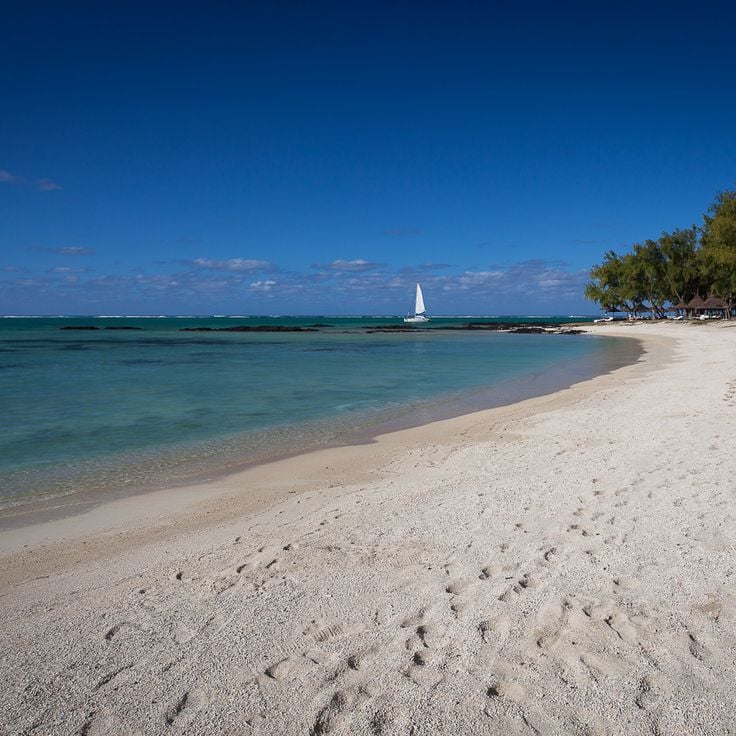
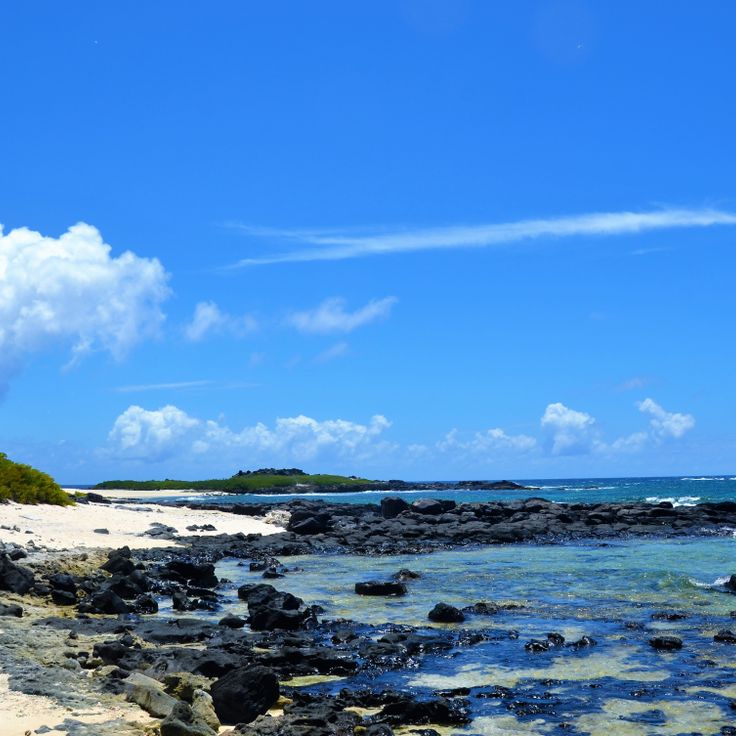
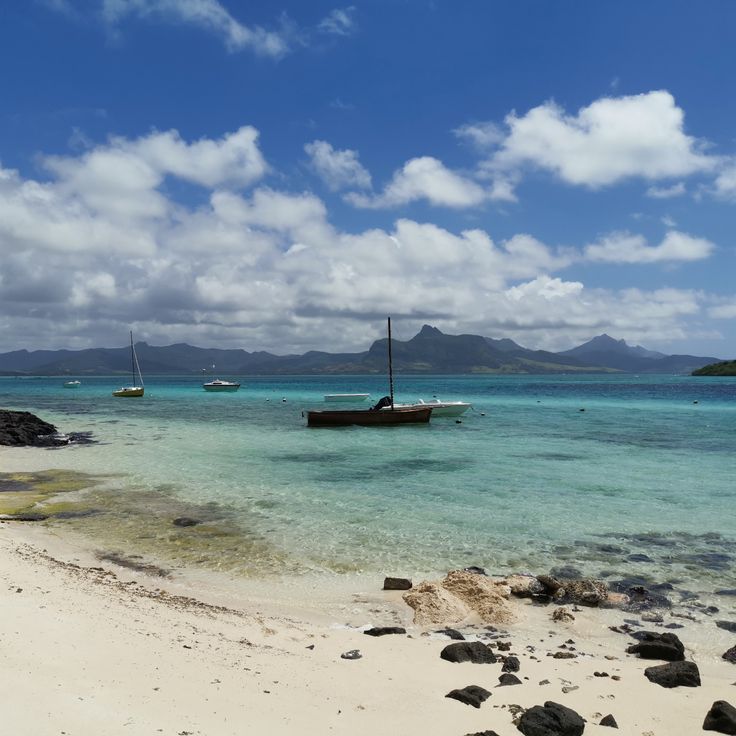
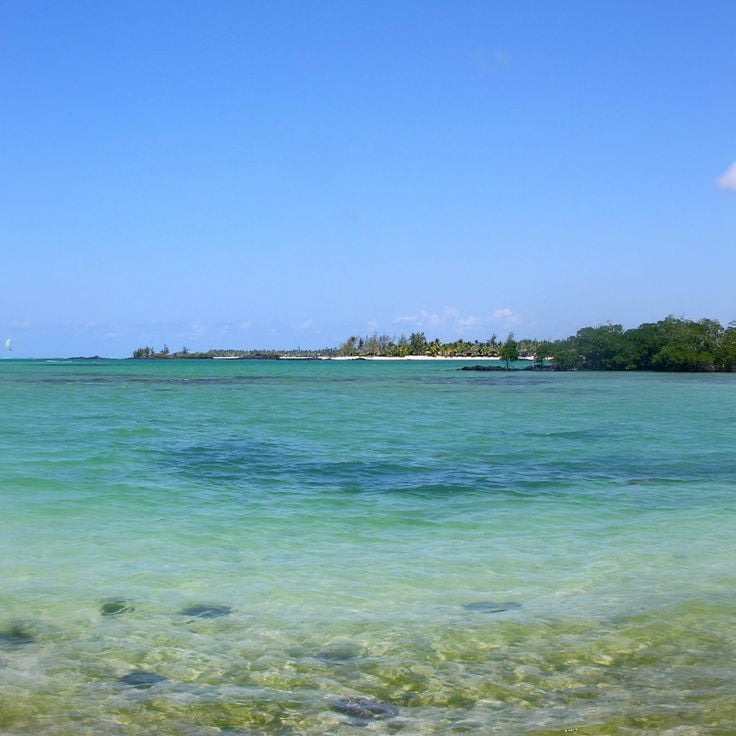
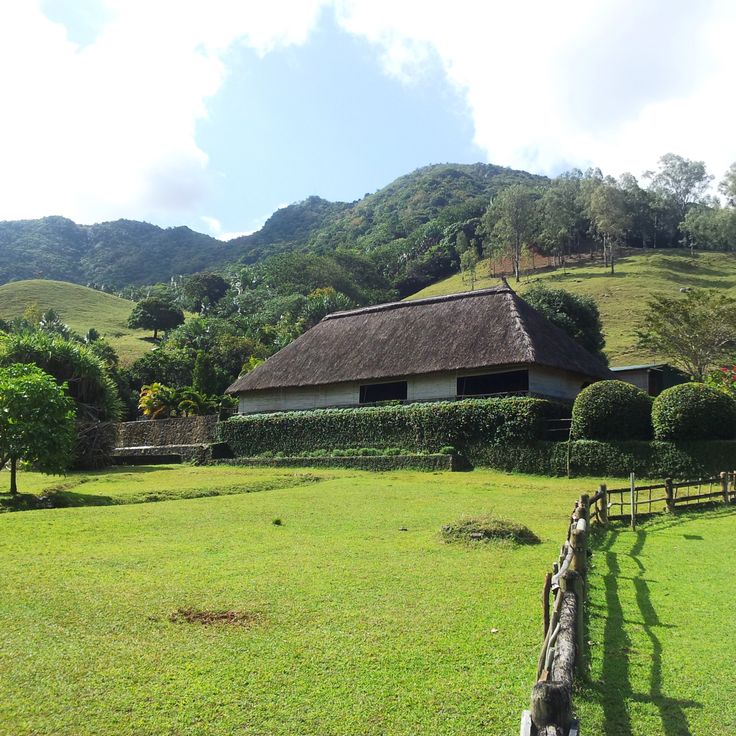
Mauritius offers natural places away from tourist centers. The island shows its geological diversity through beaches, waterfalls, and hiking paths. Black River Gorges National Park is home to rare animal and plant species. You can swim in clear water at beaches like La Cuvette and Pointe d'Esny. The Valley of Ferney protects local wildlife. Sites like Pont Naturel, Le Souffleur, and Gris Gris Beach display the raw coastline, while waterfalls such as Tamarind Falls and Chamarel Waterfall allow walks through green areas.
The island's cultural sites tell its story. Apravasi Ghat is a UNESCO World Heritage site that remembers the past. Chateau de Labourdonnais records how people lived in earlier times. Small chapels like Notre Dame Auxiliatrice and historic ruins like Balaclava show the religious and social roots of the island.
The island also offers less common experiences. Visiting a tea plantation like Bois Cheri gives insight into local farming. Small islands like Ilot Gabriel and Ilot Mangenie invite day trips. Nearby Rodrigues Island with beaches like Trou d'Argent offers a quieter choice than the main island.
Mauritius offers natural places away from tourist centers. The island shows its geological diversity through beaches, waterfalls, and hiking paths. Black River Gorges National Park is home to rare animal and plant species. You can swim in clear water at beaches like La Cuvette and Pointe d'Esny. The Valley of Ferney protects local wildlife. Sites like Pont Naturel, Le Souffleur, and Gris Gris Beach display the raw coastline, while waterfalls such as Tamarind Falls and Chamarel Waterfall allow walks through green areas.
The island's cultural sites tell its story. Apravasi Ghat is a UNESCO World Heritage site that remembers the past. Chateau de Labourdonnais records how people lived in earlier times. Small chapels like Notre Dame Auxiliatrice and historic ruins like Balaclava show the religious and social roots of the island.
The island also offers less common experiences. Visiting a tea plantation like Bois Cheri gives insight into local farming. Small islands like Ilot Gabriel and Ilot Mangenie invite day trips. Nearby Rodrigues Island with beaches like Trou d'Argent offers a quieter choice than the main island.
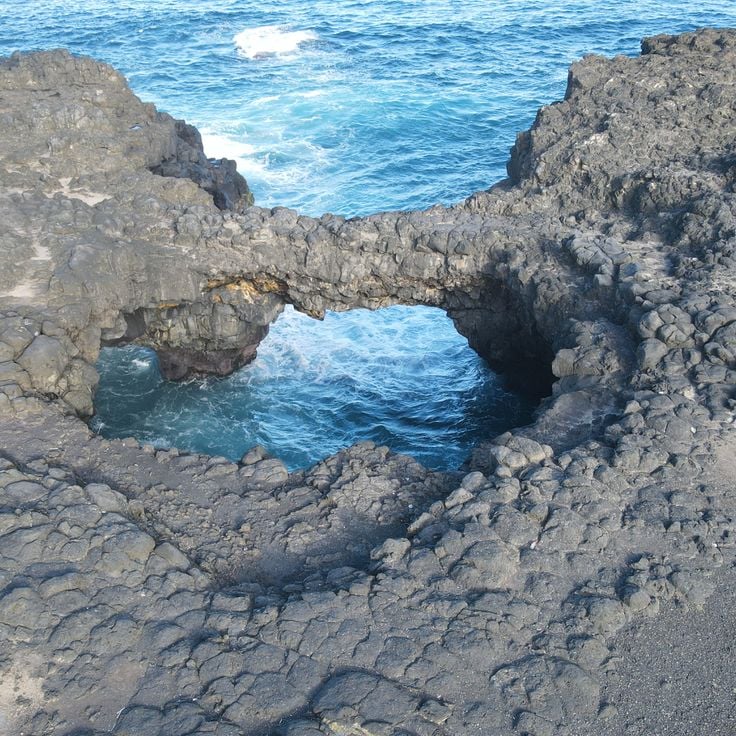
Pont Naturel in Savanne displays the geological diversity of Mauritius through a natural stone bridge made of volcanic rock that extends over the coast. Waves crash against the basalt formations, creating a dramatic coastal scene. This site represents one of the island's natural places located away from tourist centers, documenting the geological story of Mauritius.
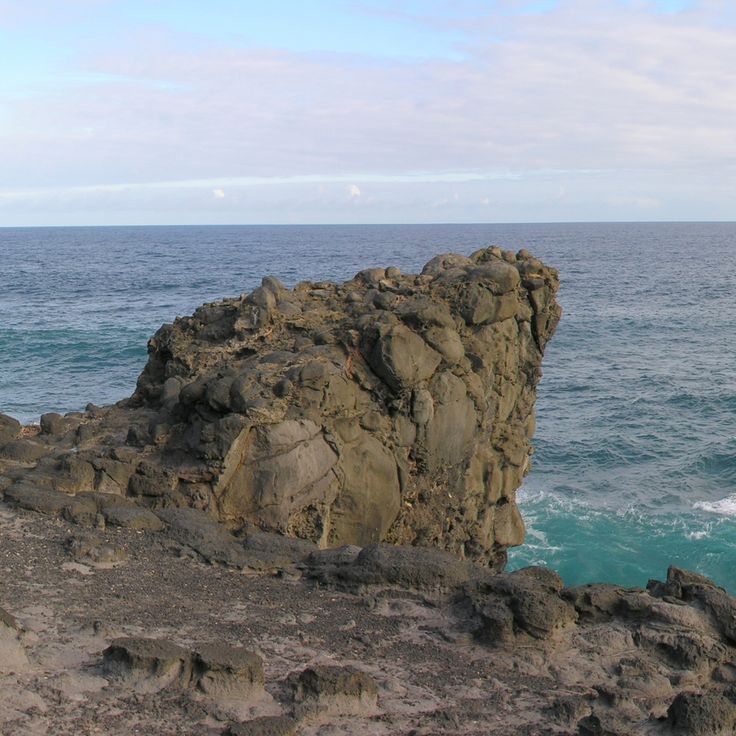
Le Souffleur is a rock formation along the coast of Savanne where water shoots through a natural tunnel in spectacular columns. During strong sea conditions, the water rises up to 20 meters high into the air. This site demonstrates the geological diversity of Mauritius and reveals the raw power of the ocean. Visitors can experience nature's force firsthand and see how water has shaped the rocks over centuries.
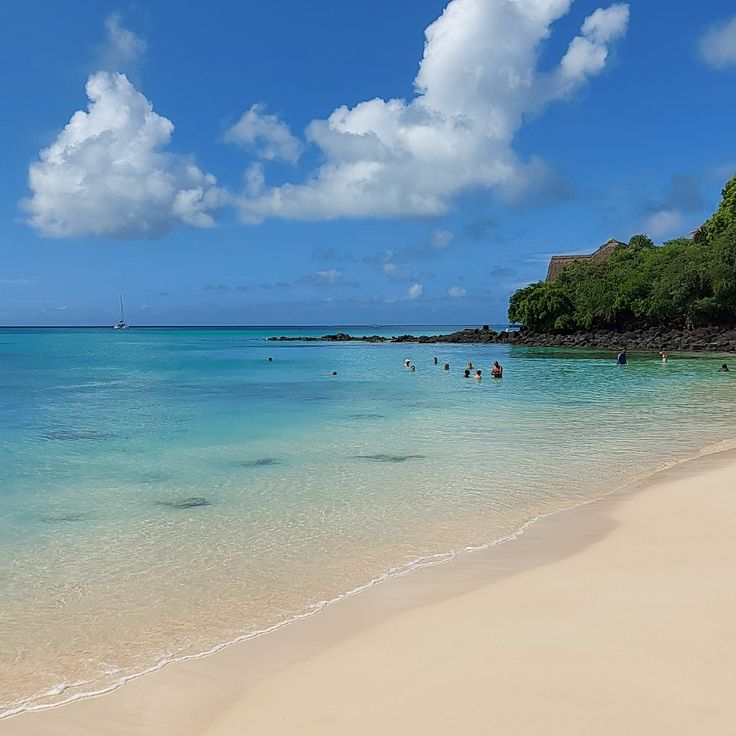
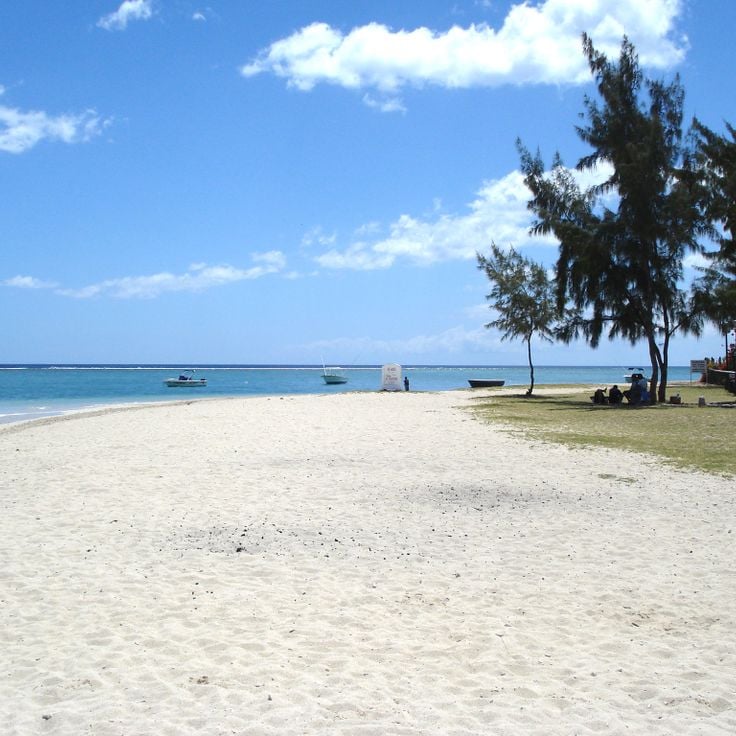
La Cuvette Beach is a small bay with white sand, framed by casuarina trees that provide shade. The waters here are calm and clear, making it a good spot for snorkeling and swimming. This beach is part of Mauritius's natural heritage, showing the island's geological variety away from the main tourist routes.
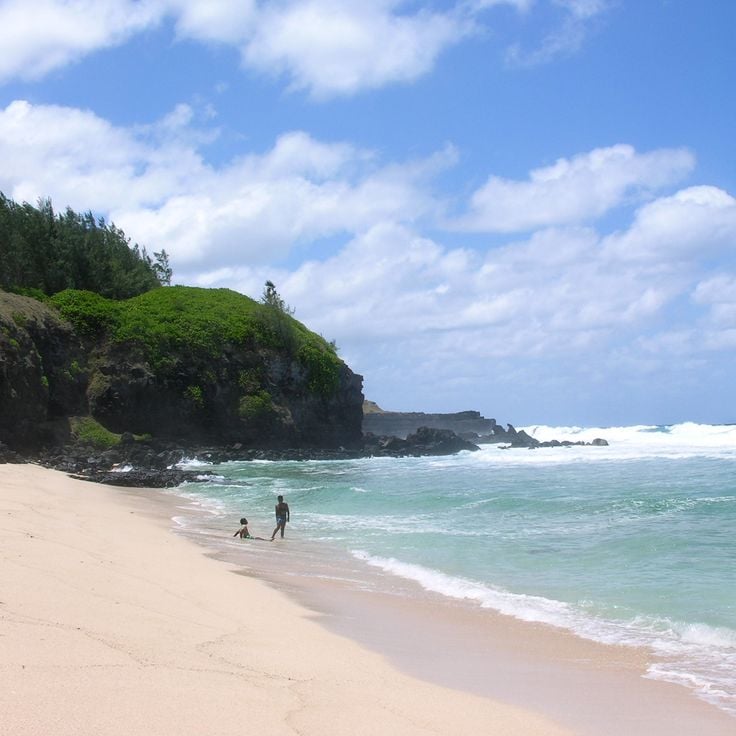
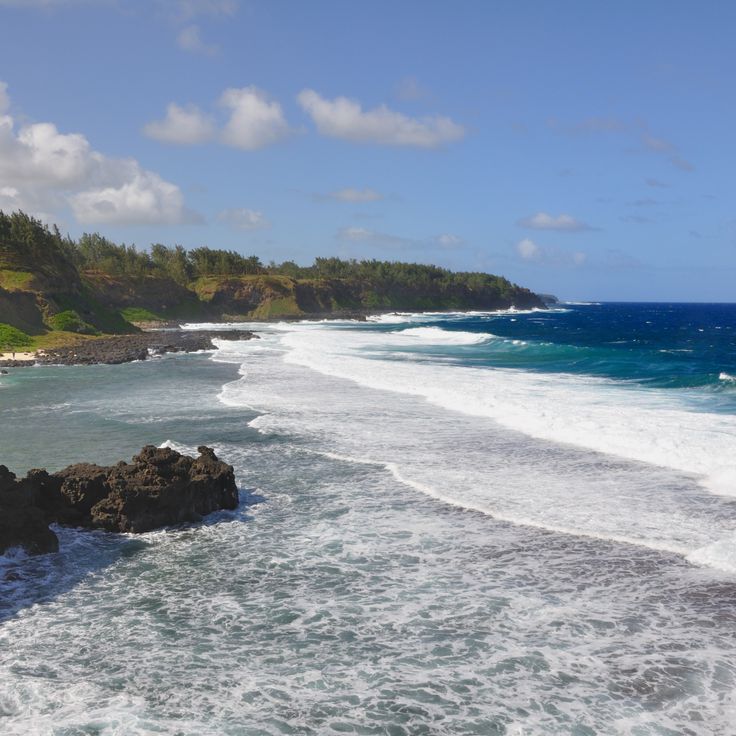
Gris Gris Beach displays the geological diversity of Mauritius with black basalt cliffs that rise steeply from the shore. The water here opens directly to the ocean without a protective coral reef, and the waves are strong. This beach fits the collection of natural sites on the island that showcase its varied landscapes away from tourist centers.
Cap Malheureux is a fishing village in Rivière du Rempart that showcases the natural sites and local culture of Mauritius. The village contains a chapel from the 19th century and offers views across the Indian Ocean. Visitors can watch fishermen at work and experience how local communities live on this island.
The Ebony Forest Reserve protects native trees and animals across 50 hectares of land with marked hiking trails. It demonstrates the natural diversity of Mauritius and helps preserve rare species found in the forests and along the walking paths of this region.
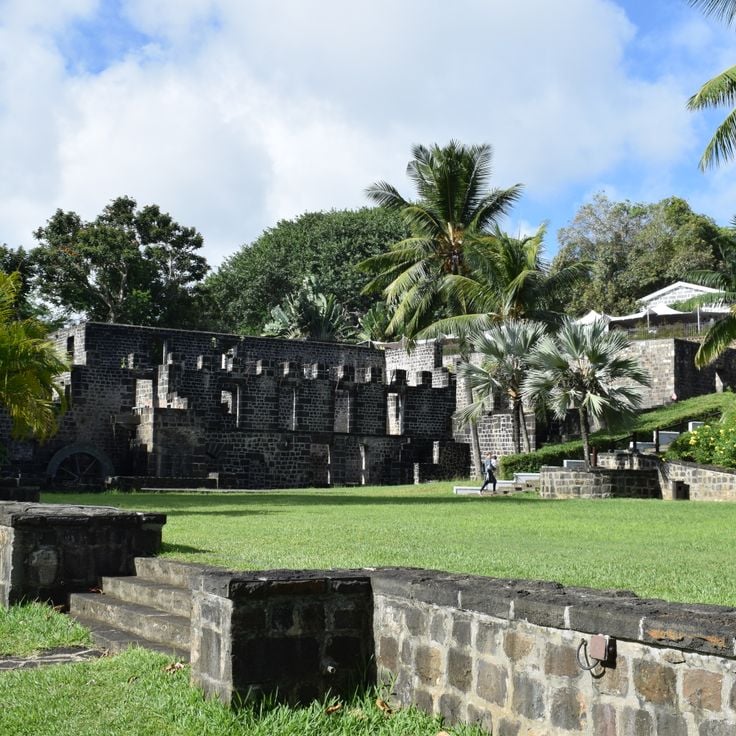
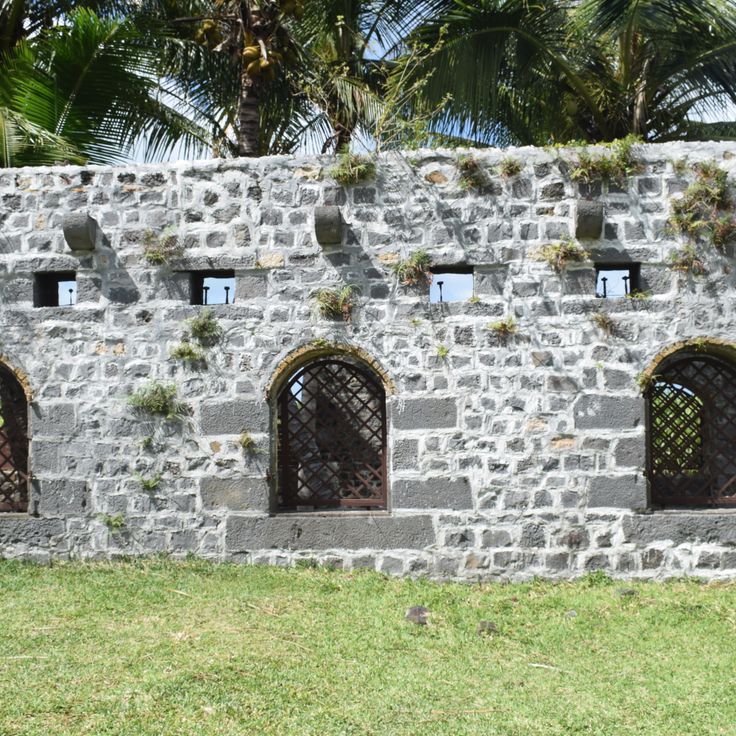
The Balaclava Ruins preserve the remains of a French naval base from the 18th century on the island's northern coast. This archaeological site records the island's history during French rule. The ruins sit on the land and offer insight into Mauritius's military past. This site connects with other historical places on the island that tell the story of its past.
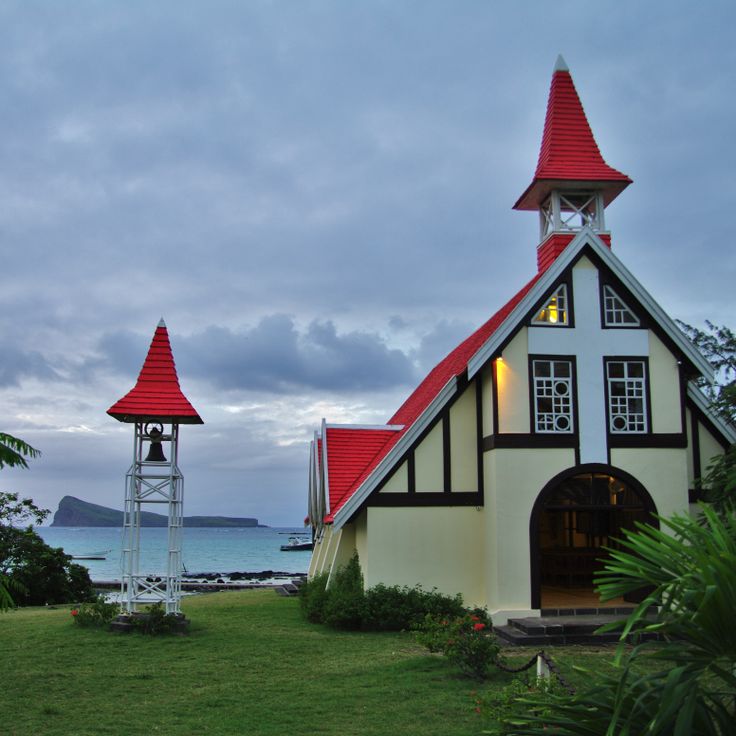
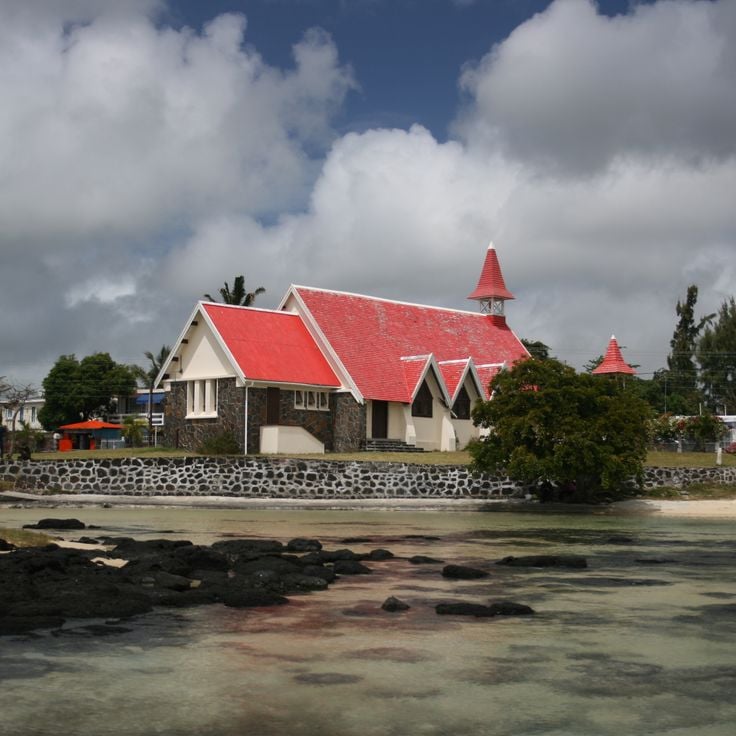
The Notre Dame Auxiliatrice Chapel is a Catholic chapel with a red roof built in 1938 that stands beside the sea in Rivière du Rempart. It reflects the religious history of Mauritius and fits into the collection of places that reveal the island beyond tourist centers, where nature and culture meet.
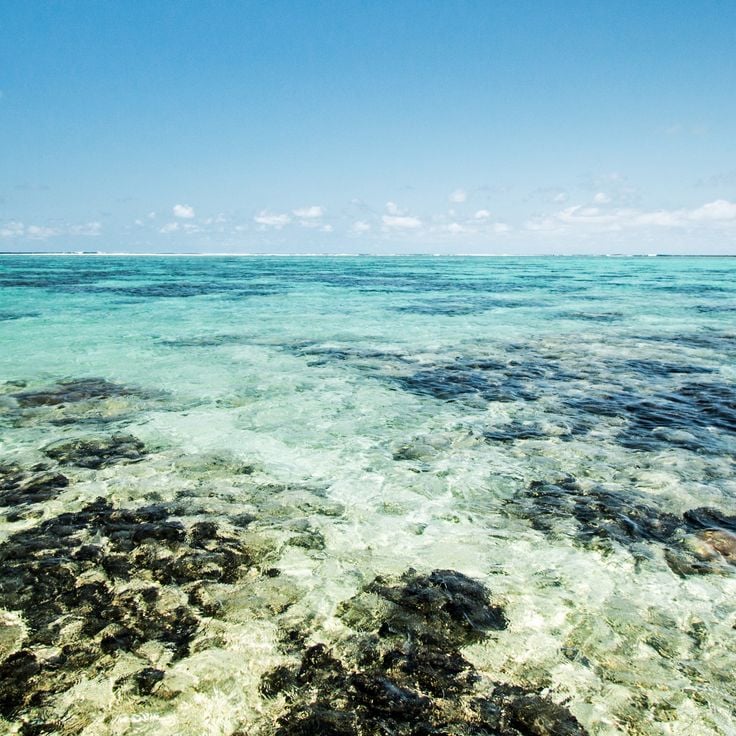
Blue Bay Marine Park in Grand Port showcases the underwater world of Mauritius. This marine reserve holds over 50 coral species and numerous tropical fish in clear water. It fits naturally into the island's story of geological diversity, which unfolds through beaches, waterfalls, and hiking trails. The park lets visitors explore local marine life and contributes to protecting rare species found throughout the island's natural spaces.
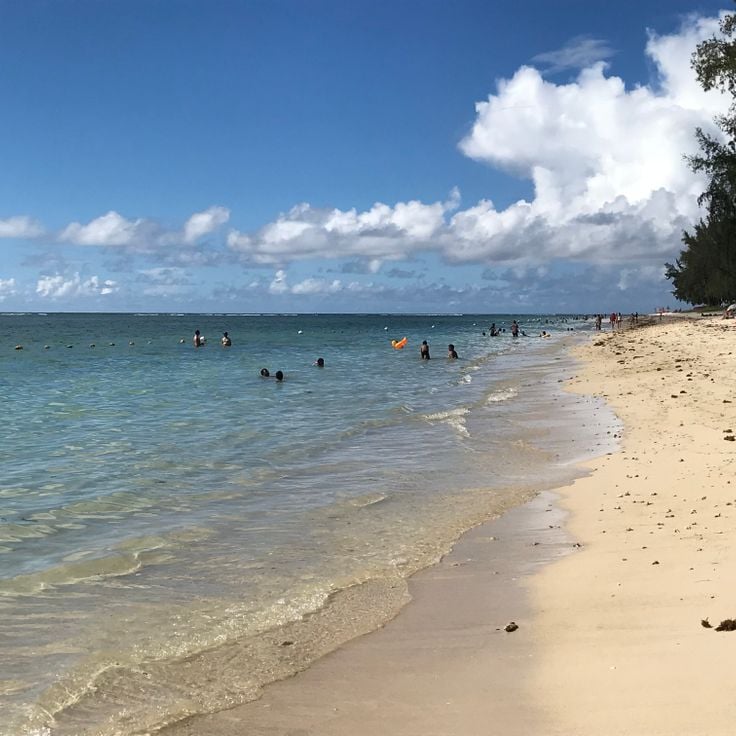
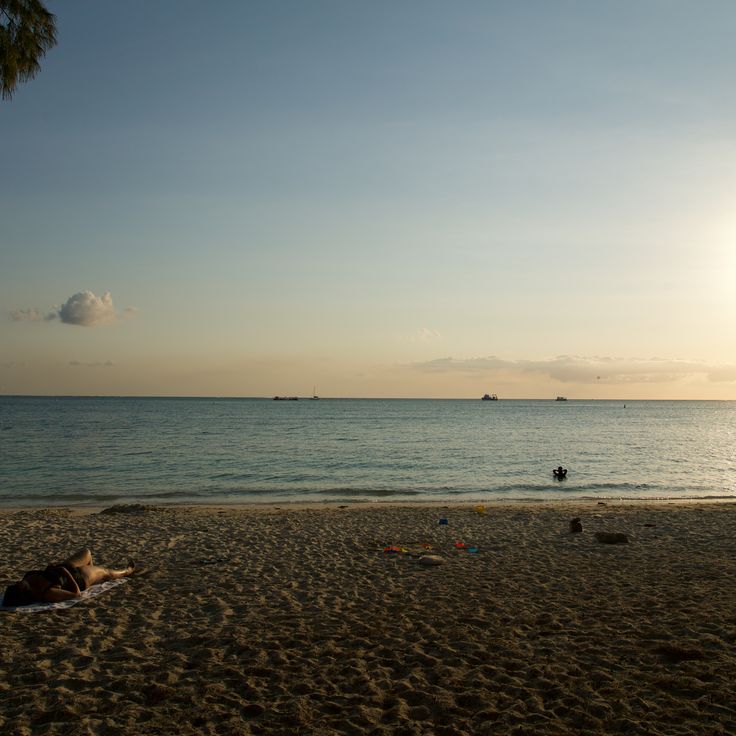
Flic-en-Flac Beach is a long coastal stretch in Rivière Noire that showcases the natural diversity of Mauritius. White sand, palm trees, and a coral reef just offshore create an inviting setting for swimming and snorkeling. This beach represents the quieter side of the island, where visitors can experience the sea and relax away from crowded tourist areas.
Tamarind Falls consists of seven consecutive waterfalls ranging from 10 to 30 meters in height within the rainforest of Mauritius. These falls showcase the island's geological diversity and provide access to natural sites away from tourist centers. The location allows visitors to experience the local landscape firsthand and understand how water shapes the terrain.
Ilot Mangenie is a small private island featuring white sand beaches that represents the natural diversity of Mauritius. The island provides access to sandy shores and local amenities including a spa and restaurant. As part of the island's landscape, Ilot Mangenie contributes to the geological variety that Mauritius displays through its beaches, waterfalls, and hiking paths.
This mountain trail in Anse Jonchee Hills passes through elevated terrain and offers observation points overlooking the coastal region and the Indian Ocean. The path showcases the geological diversity of Mauritius and belongs to the natural sites found away from tourist centers on the island. Hikers can explore the landscape at their own pace.
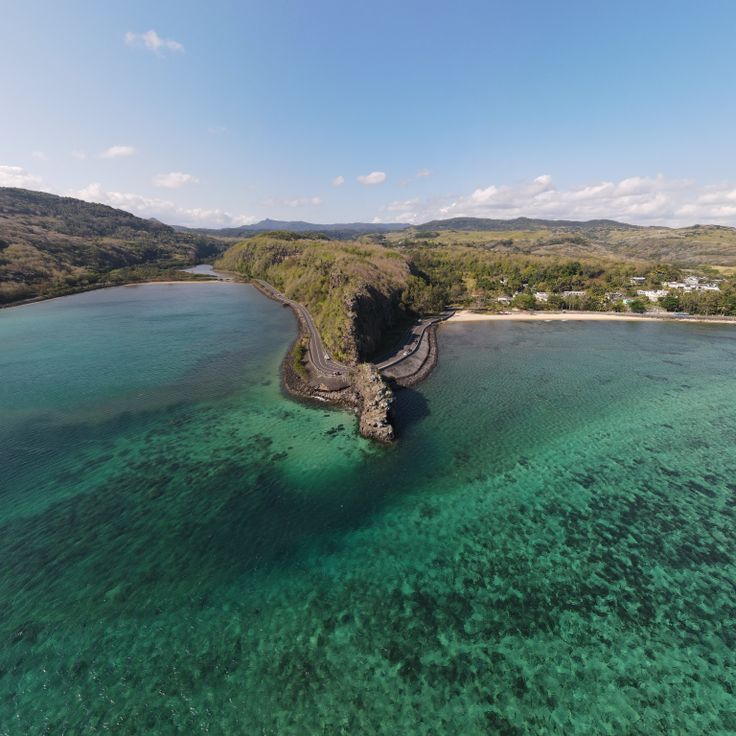
The Macondé Viewpoint is an observation point set on a cliff that fits into the natural diversity of Mauritius. From this location, visitors can watch the sea while a road winds around the rock formation. This place lets you experience the geological features of Mauritius and offers a spot to observe the natural landscape.
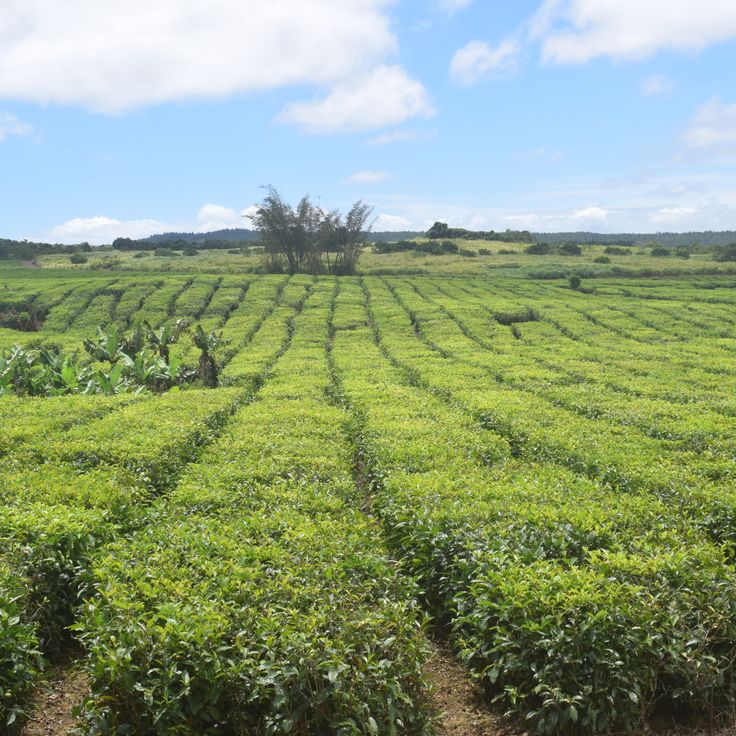
Bois Cheri Tea Plantation documents the agricultural heritage of Mauritius and showcases the island's diversity beyond tourist centers. Operating since 1892, this plantation grows and processes tea that reflects the island's natural character. Visitors can watch the manufacturing process and taste different tea varieties. The plantation connects nature and cultural traditions in a region defined by its natural resources.
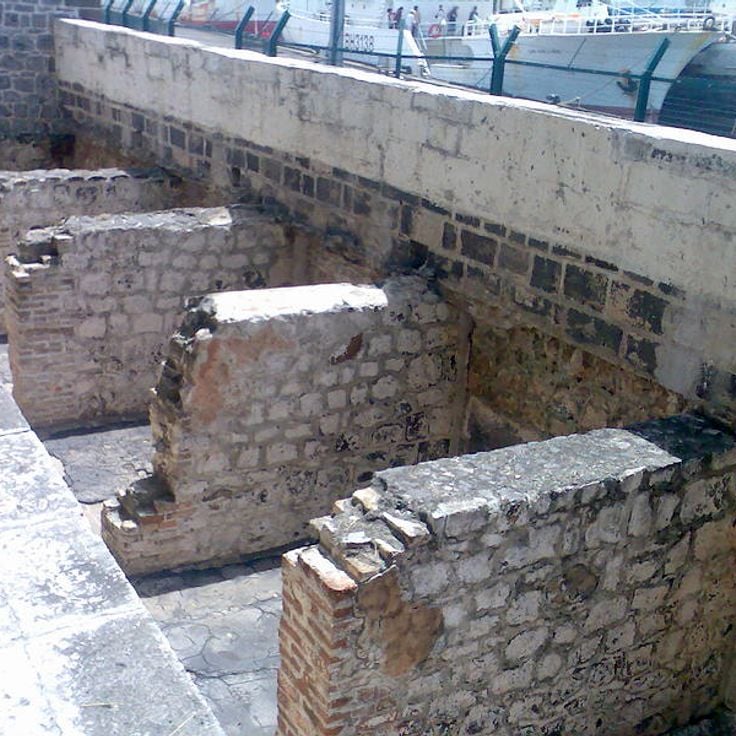
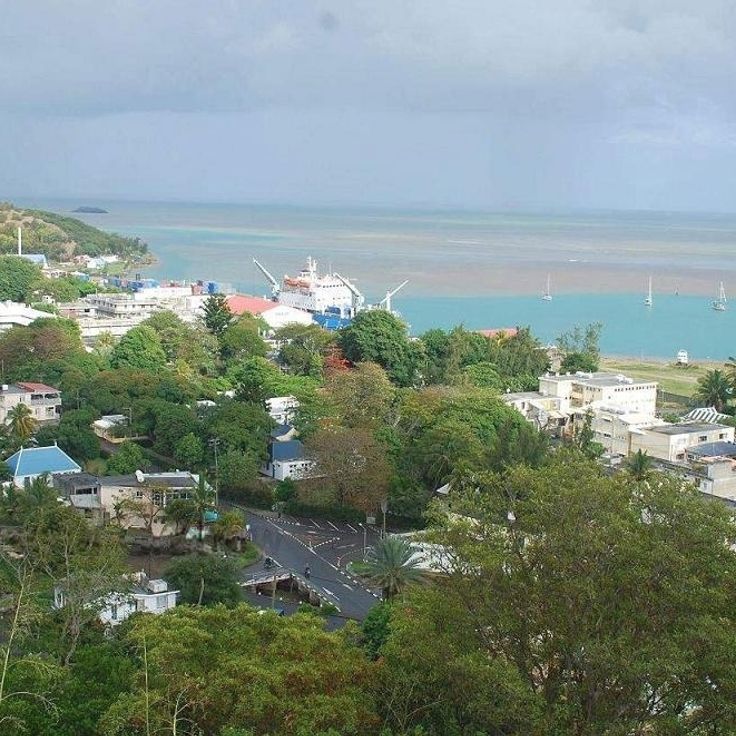
Apravasi Ghat is a 19th century immigration port through which more than 500,000 workers entered Mauritius. This site documents the island's history and is recognized as a UNESCO World Heritage site. It shows how people from different countries arrived and shaped Mauritius. The site lies in Port Louis and tells the story of workers who landed here and began their lives on the island.
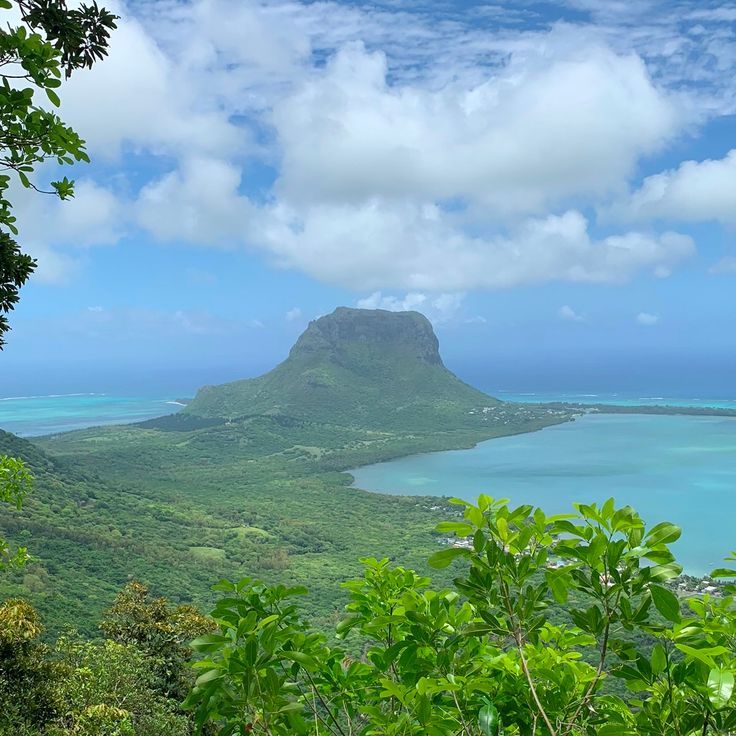
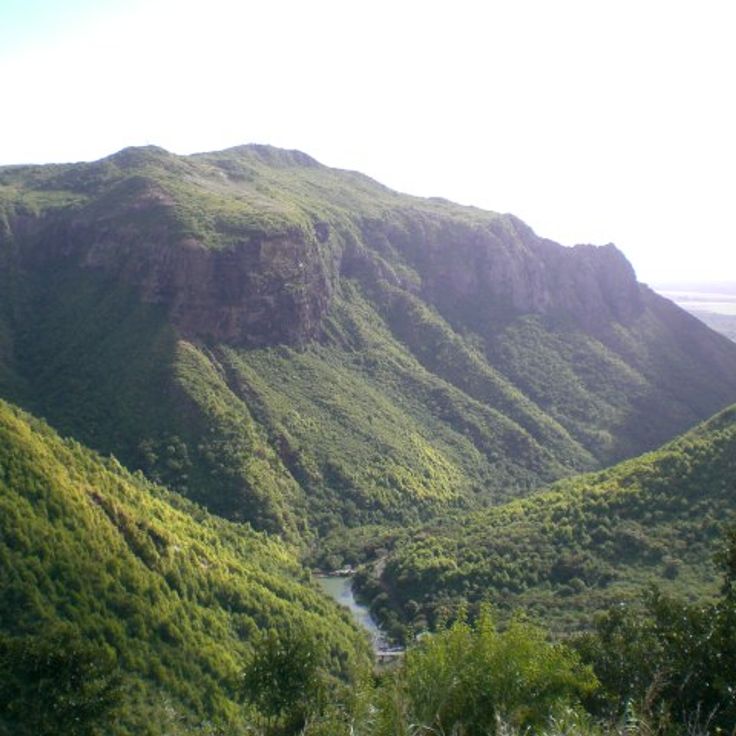
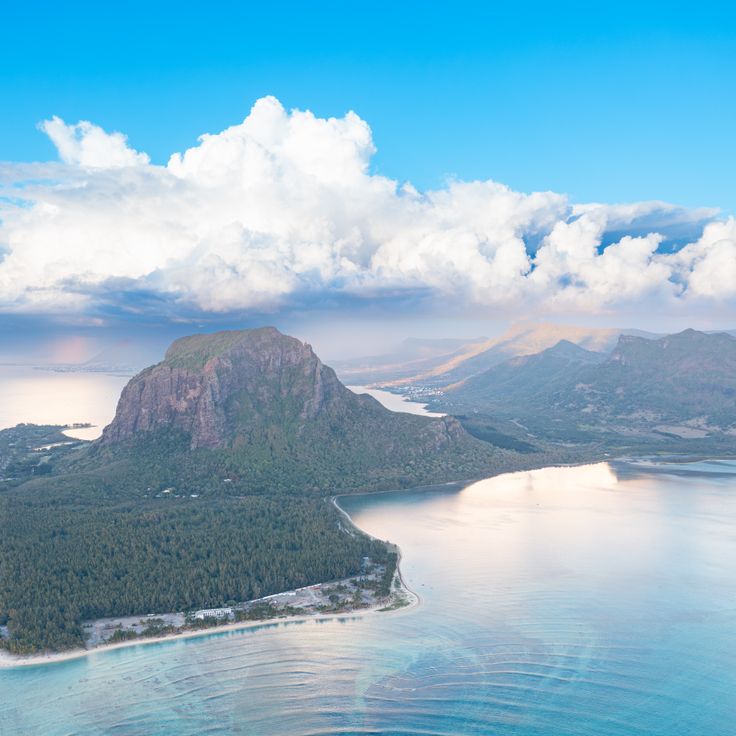
Le Morne Brabant is a distinctive mountain in Mauritius that showcases the island's geological diversity. Marked hiking paths lead to the summit, where visitors encounter views of the southwest coast. This location allows travelers to explore beyond typical tourist areas and experience the natural landscape directly. The mountain's paths traverse different vegetation zones, offering opportunities to observe local wildlife and understand the region's connection to history and nature.
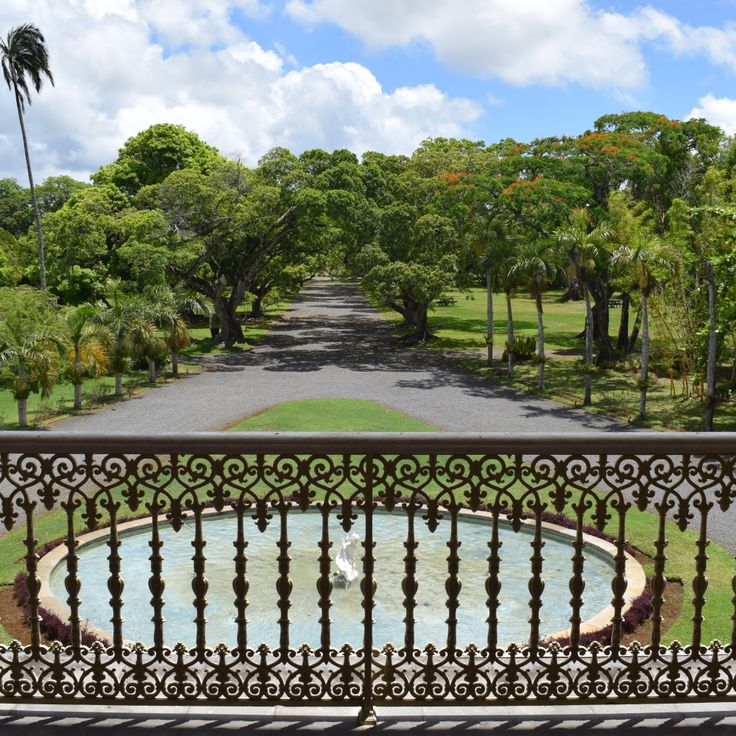
The Chateau de Labourdonnais is a colonial house from 1859 that helps tell the story of Mauritius' past. This estate features orchards, a restaurant, and a rum tasting room where visitors can experience local traditions. The house shows how people lived and worked during colonial times. It sits among the cultural landmarks that reveal the island's history and heritage.
Rodrigues Island is part of this collection showcasing Mauritius's natural and cultural richness. The island features coral reefs, caves, and traditional Creole villages that reflect local life and heritage. Visitors can explore undisturbed beaches and hiking trails that wind through natural landscapes. The island offers a window into the authentic ways people have lived in this region for generations.
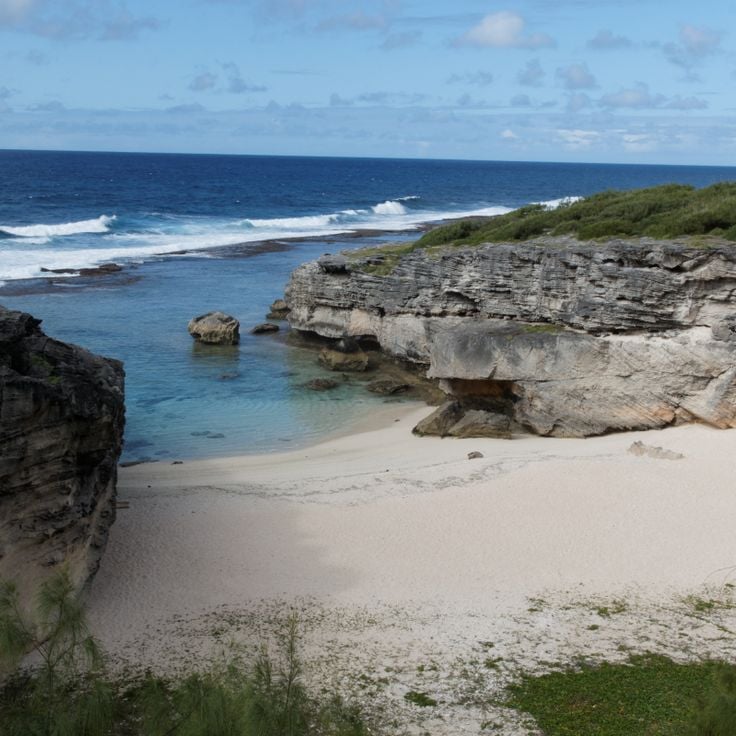
This beach in Rodrigues sits in a bay ringed by 40-meter limestone cliffs and requires about 30 minutes of walking to reach. It fits naturally into Mauritius's collection of natural places, where beaches and hiking paths reveal the island's geological variety. The clear water invites swimming, and the remote location means the landscape feels largely untouched by development.
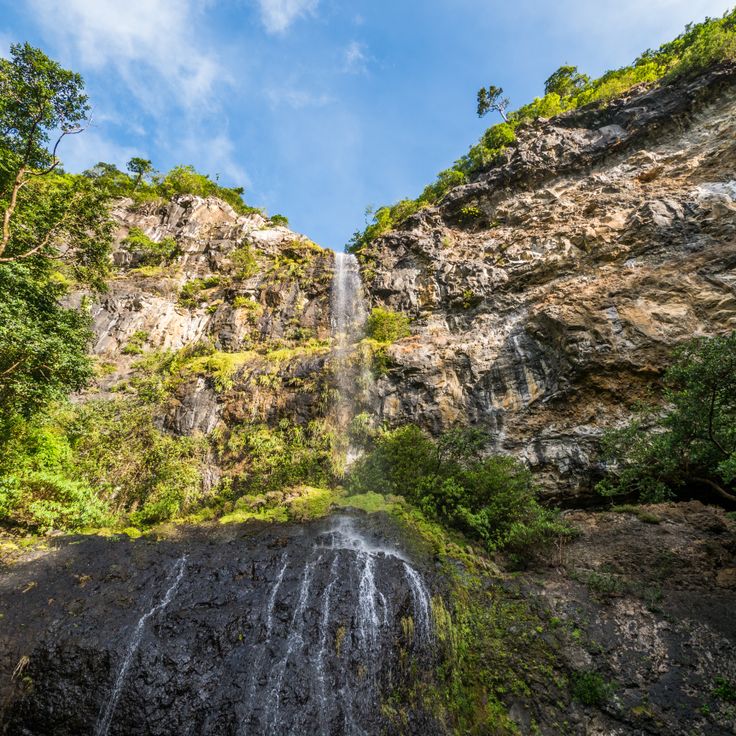
Alexandra Falls is a 15-meter waterfall in Black River Gorges National Park that flows over dark basalt rocks. This site showcases the geological diversity of Mauritius and represents the natural places found away from tourist centers. The waterfall is part of a hiking area that protects rare animal and plant species.
La Roche Qui Pleure is a coastal rock formation on the southern shore of Mauritius, showcasing the island's geological variety. Seawater flows through crevices in the rock, creating a natural display shaped by the ocean's power over time. This site sits away from busy tourist areas and represents the kind of natural places that reveal Mauritius beyond its usual destinations. It demonstrates how water and stone interact in ways that draw visitors seeking authentic experiences.
This waterfall in Black River, Mauritius is part of the island's geological diversity, showcased through waterfalls, beaches and hiking paths. The Mare aux Joncs Waterfall drops into a natural pool with clear water and sits in a valley surrounded by native vegetation. The location represents the natural sites that document Mauritius' geological character away from main tourist areas.
Ilot Gabriel Beach sits on an uninhabited island and displays the geological diversity of Mauritius through its white sand and coral reef home to many fish species. This site represents the natural places across the island that lie away from tourist centers, offering visitors the chance to swim in clear water.
Pointe d'Esny Beach in Grand Port stretches approximately three kilometers of white sand and provides access to a coral reef home to numerous fish species. This beach embodies the natural diversity of Mauritius, offering clear water for swimming and showcasing the island's geological richness alongside other natural sites and cultural landmarks that define the destination.
This beach in Rivière du Rempart shows the natural diversity of Mauritius away from major tourist centers. Poste Lafayette Beach offers waves for surfing and is known for regular dolphin sightings in its waters. The clear water allows for swimming and water activities. The beach connects the island's coastal landscape with its rich marine life.
The Valley of Ferney is a nature reserve in Grand Port that protects local wildlife and is part of Mauritius's natural diversity. The reserve covers 200 hectares and houses plants and animals found nowhere else on earth. Marked hiking trails run through the area, allowing visitors to explore the landscape at their own pace.
Mont Choisy Beach is a three kilometer stretch of coastline in Pamplemousses with shallow water and filao trees that provide natural shade. This beach fits within the natural sites of the island, showing Mauritius away from tourist centers, where visitors can swim in clear water and experience the local coastal landscape.
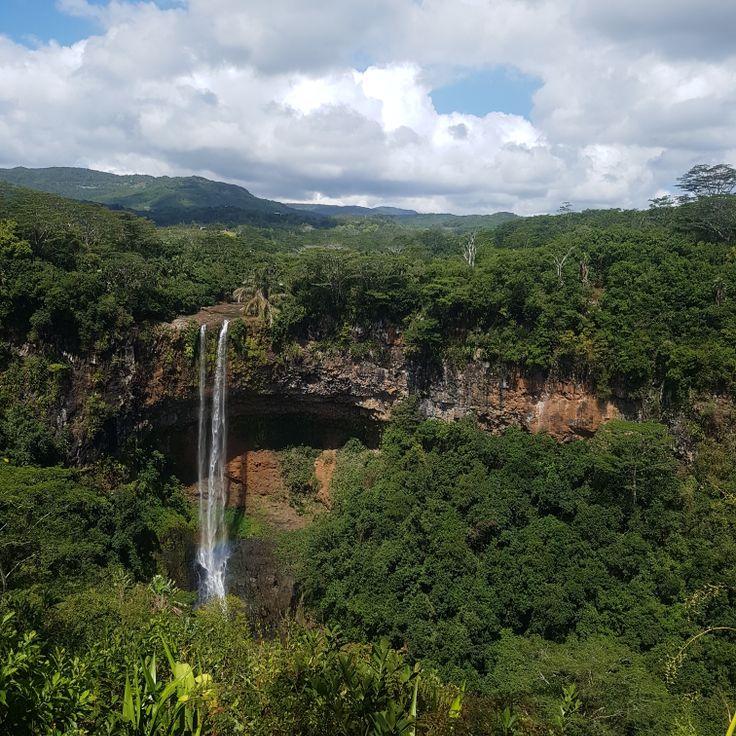
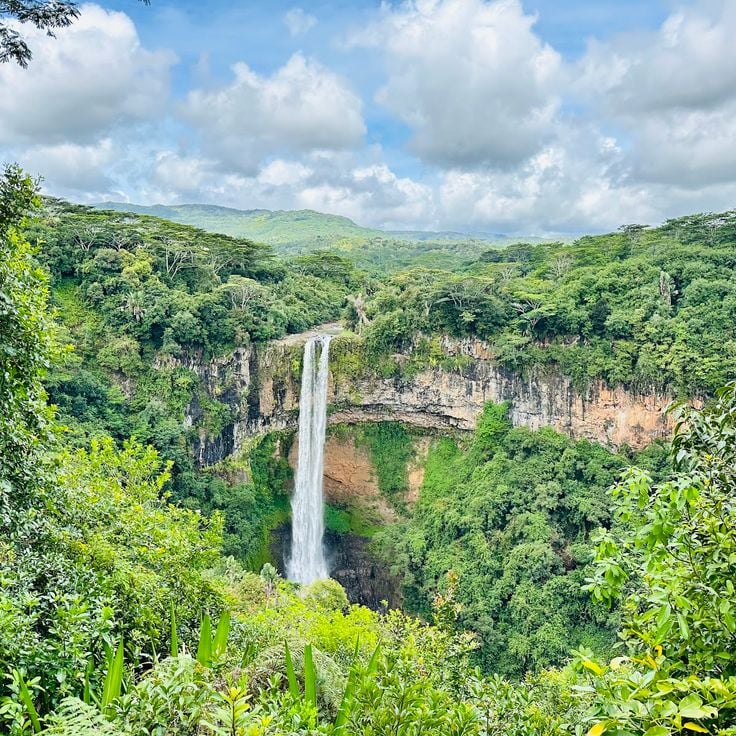
The Chamarel Waterfall is a 100-meter-high waterfall that flows through the forests of Black River Gorges National Park. It shows the geological diversity of Mauritius with its volcanic rocks and native plants, representing the natural side of the island away from tourist centers.
La Preneuse Beach exemplifies the natural diversity of Mauritius with its white sand stretching along the coast beside a 19th-century Martello Tower. The views toward Le Morne mountain and ocean sunsets reveal the quiet beauty of the island's shorelines, which this collection seeks to showcase beyond typical tourist areas.
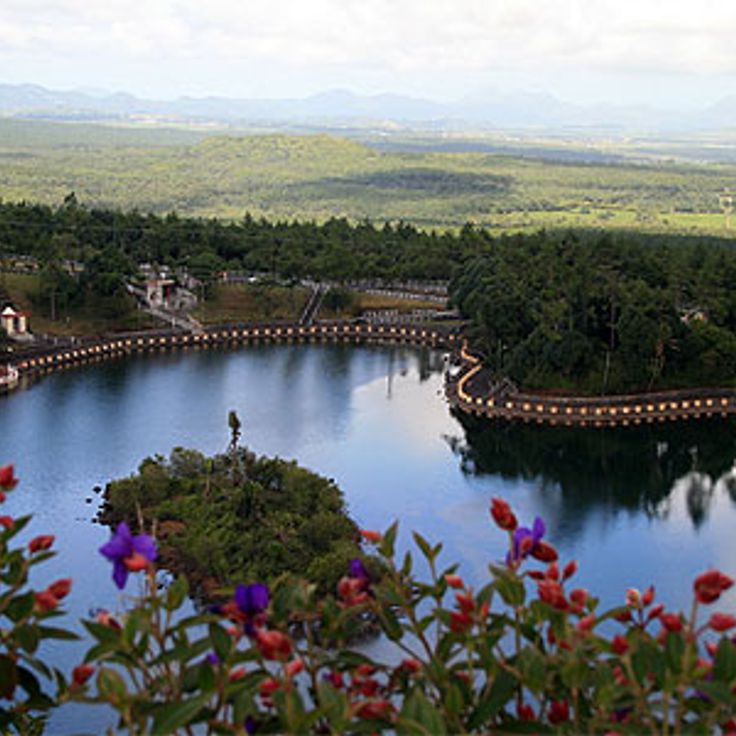
Grand Bassin is a natural lake sitting in an extinct volcano crater on Mauritius. Hindu temples and statues line its shores, and the site comes alive throughout the year with religious ceremonies. This location shows how the island weaves together culture and geology, fitting naturally into Mauritius's varied landscape of beaches, waterfalls, and hiking trails.
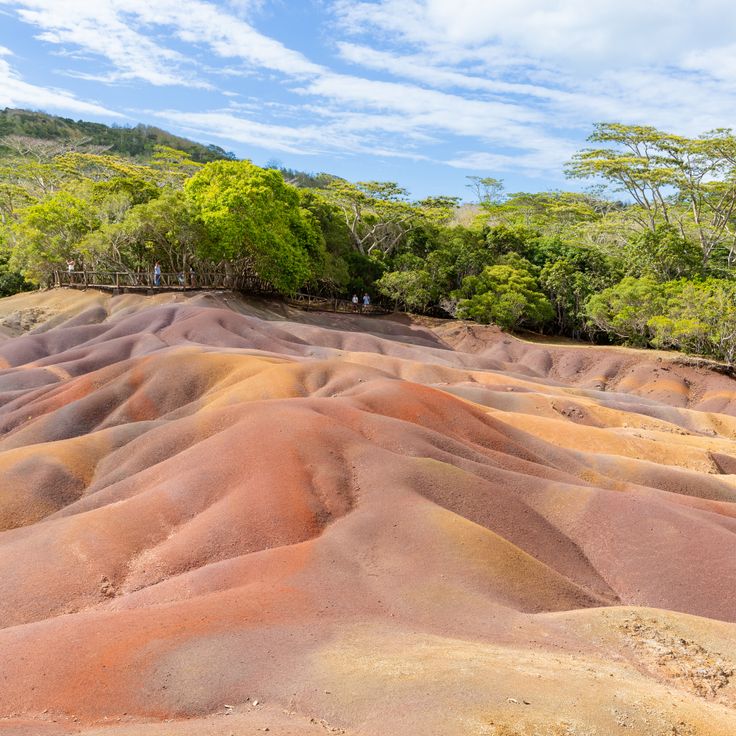
The Chamarel Earth in Rivière Noire displays sand dunes with seven distinct colors formed from mineral-rich volcanic ash. This geological feature fits within the collection of natural sites that showcase Mauritius's diverse landscape through beaches, waterfalls, and hiking paths. The color patterns remain visible even after rainfall, making this location a striking example of the island's volcanic geology.
Pont Naturel in Savanne displays the geological diversity of Mauritius through a natural stone bridge made of volcanic rock that extends over the coast. Waves crash against the basalt formations, creating a dramatic coastal scene. This site represents one of the island's natural places located away from tourist centers, documenting the geological story of Mauritius.
Le Souffleur is a rock formation along the coast of Savanne where water shoots through a natural tunnel in spectacular columns. During strong sea conditions, the water rises up to 20 meters high into the air. This site demonstrates the geological diversity of Mauritius and reveals the raw power of the ocean. Visitors can experience nature's force firsthand and see how water has shaped the rocks over centuries.
La Cuvette Beach is a small bay with white sand, framed by casuarina trees that provide shade. The waters here are calm and clear, making it a good spot for snorkeling and swimming. This beach is part of Mauritius's natural heritage, showing the island's geological variety away from the main tourist routes.
Gris Gris Beach displays the geological diversity of Mauritius with black basalt cliffs that rise steeply from the shore. The water here opens directly to the ocean without a protective coral reef, and the waves are strong. This beach fits the collection of natural sites on the island that showcase its varied landscapes away from tourist centers.
Cap Malheureux is a fishing village in Rivière du Rempart that showcases the natural sites and local culture of Mauritius. The village contains a chapel from the 19th century and offers views across the Indian Ocean. Visitors can watch fishermen at work and experience how local communities live on this island.
The Ebony Forest Reserve protects native trees and animals across 50 hectares of land with marked hiking trails. It demonstrates the natural diversity of Mauritius and helps preserve rare species found in the forests and along the walking paths of this region.
The Balaclava Ruins preserve the remains of a French naval base from the 18th century on the island's northern coast. This archaeological site records the island's history during French rule. The ruins sit on the land and offer insight into Mauritius's military past. This site connects with other historical places on the island that tell the story of its past.
The Notre Dame Auxiliatrice Chapel is a Catholic chapel with a red roof built in 1938 that stands beside the sea in Rivière du Rempart. It reflects the religious history of Mauritius and fits into the collection of places that reveal the island beyond tourist centers, where nature and culture meet.
Blue Bay Marine Park in Grand Port showcases the underwater world of Mauritius. This marine reserve holds over 50 coral species and numerous tropical fish in clear water. It fits naturally into the island's story of geological diversity, which unfolds through beaches, waterfalls, and hiking trails. The park lets visitors explore local marine life and contributes to protecting rare species found throughout the island's natural spaces.
Flic-en-Flac Beach is a long coastal stretch in Rivière Noire that showcases the natural diversity of Mauritius. White sand, palm trees, and a coral reef just offshore create an inviting setting for swimming and snorkeling. This beach represents the quieter side of the island, where visitors can experience the sea and relax away from crowded tourist areas.
Tamarind Falls consists of seven consecutive waterfalls ranging from 10 to 30 meters in height within the rainforest of Mauritius. These falls showcase the island's geological diversity and provide access to natural sites away from tourist centers. The location allows visitors to experience the local landscape firsthand and understand how water shapes the terrain.
Ilot Mangenie is a small private island featuring white sand beaches that represents the natural diversity of Mauritius. The island provides access to sandy shores and local amenities including a spa and restaurant. As part of the island's landscape, Ilot Mangenie contributes to the geological variety that Mauritius displays through its beaches, waterfalls, and hiking paths.
This mountain trail in Anse Jonchee Hills passes through elevated terrain and offers observation points overlooking the coastal region and the Indian Ocean. The path showcases the geological diversity of Mauritius and belongs to the natural sites found away from tourist centers on the island. Hikers can explore the landscape at their own pace.
The Macondé Viewpoint is an observation point set on a cliff that fits into the natural diversity of Mauritius. From this location, visitors can watch the sea while a road winds around the rock formation. This place lets you experience the geological features of Mauritius and offers a spot to observe the natural landscape.
Bois Cheri Tea Plantation documents the agricultural heritage of Mauritius and showcases the island's diversity beyond tourist centers. Operating since 1892, this plantation grows and processes tea that reflects the island's natural character. Visitors can watch the manufacturing process and taste different tea varieties. The plantation connects nature and cultural traditions in a region defined by its natural resources.
Apravasi Ghat is a 19th century immigration port through which more than 500,000 workers entered Mauritius. This site documents the island's history and is recognized as a UNESCO World Heritage site. It shows how people from different countries arrived and shaped Mauritius. The site lies in Port Louis and tells the story of workers who landed here and began their lives on the island.
Le Morne Brabant is a distinctive mountain in Mauritius that showcases the island's geological diversity. Marked hiking paths lead to the summit, where visitors encounter views of the southwest coast. This location allows travelers to explore beyond typical tourist areas and experience the natural landscape directly. The mountain's paths traverse different vegetation zones, offering opportunities to observe local wildlife and understand the region's connection to history and nature.
The Chateau de Labourdonnais is a colonial house from 1859 that helps tell the story of Mauritius' past. This estate features orchards, a restaurant, and a rum tasting room where visitors can experience local traditions. The house shows how people lived and worked during colonial times. It sits among the cultural landmarks that reveal the island's history and heritage.
Rodrigues Island is part of this collection showcasing Mauritius's natural and cultural richness. The island features coral reefs, caves, and traditional Creole villages that reflect local life and heritage. Visitors can explore undisturbed beaches and hiking trails that wind through natural landscapes. The island offers a window into the authentic ways people have lived in this region for generations.
This beach in Rodrigues sits in a bay ringed by 40-meter limestone cliffs and requires about 30 minutes of walking to reach. It fits naturally into Mauritius's collection of natural places, where beaches and hiking paths reveal the island's geological variety. The clear water invites swimming, and the remote location means the landscape feels largely untouched by development.
Alexandra Falls is a 15-meter waterfall in Black River Gorges National Park that flows over dark basalt rocks. This site showcases the geological diversity of Mauritius and represents the natural places found away from tourist centers. The waterfall is part of a hiking area that protects rare animal and plant species.
La Roche Qui Pleure is a coastal rock formation on the southern shore of Mauritius, showcasing the island's geological variety. Seawater flows through crevices in the rock, creating a natural display shaped by the ocean's power over time. This site sits away from busy tourist areas and represents the kind of natural places that reveal Mauritius beyond its usual destinations. It demonstrates how water and stone interact in ways that draw visitors seeking authentic experiences.
This waterfall in Black River, Mauritius is part of the island's geological diversity, showcased through waterfalls, beaches and hiking paths. The Mare aux Joncs Waterfall drops into a natural pool with clear water and sits in a valley surrounded by native vegetation. The location represents the natural sites that document Mauritius' geological character away from main tourist areas.
Ilot Gabriel Beach sits on an uninhabited island and displays the geological diversity of Mauritius through its white sand and coral reef home to many fish species. This site represents the natural places across the island that lie away from tourist centers, offering visitors the chance to swim in clear water.
Pointe d'Esny Beach in Grand Port stretches approximately three kilometers of white sand and provides access to a coral reef home to numerous fish species. This beach embodies the natural diversity of Mauritius, offering clear water for swimming and showcasing the island's geological richness alongside other natural sites and cultural landmarks that define the destination.
This beach in Rivière du Rempart shows the natural diversity of Mauritius away from major tourist centers. Poste Lafayette Beach offers waves for surfing and is known for regular dolphin sightings in its waters. The clear water allows for swimming and water activities. The beach connects the island's coastal landscape with its rich marine life.
The Valley of Ferney is a nature reserve in Grand Port that protects local wildlife and is part of Mauritius's natural diversity. The reserve covers 200 hectares and houses plants and animals found nowhere else on earth. Marked hiking trails run through the area, allowing visitors to explore the landscape at their own pace.
Mont Choisy Beach is a three kilometer stretch of coastline in Pamplemousses with shallow water and filao trees that provide natural shade. This beach fits within the natural sites of the island, showing Mauritius away from tourist centers, where visitors can swim in clear water and experience the local coastal landscape.
The Chamarel Waterfall is a 100-meter-high waterfall that flows through the forests of Black River Gorges National Park. It shows the geological diversity of Mauritius with its volcanic rocks and native plants, representing the natural side of the island away from tourist centers.
La Preneuse Beach exemplifies the natural diversity of Mauritius with its white sand stretching along the coast beside a 19th-century Martello Tower. The views toward Le Morne mountain and ocean sunsets reveal the quiet beauty of the island's shorelines, which this collection seeks to showcase beyond typical tourist areas.
Grand Bassin is a natural lake sitting in an extinct volcano crater on Mauritius. Hindu temples and statues line its shores, and the site comes alive throughout the year with religious ceremonies. This location shows how the island weaves together culture and geology, fitting naturally into Mauritius's varied landscape of beaches, waterfalls, and hiking trails.
The Chamarel Earth in Rivière Noire displays sand dunes with seven distinct colors formed from mineral-rich volcanic ash. This geological feature fits within the collection of natural sites that showcase Mauritius's diverse landscape through beaches, waterfalls, and hiking paths. The color patterns remain visible even after rainfall, making this location a striking example of the island's volcanic geology.
Pont Naturel in Savanne displays the geological diversity of Mauritius through a natural stone bridge made of volcanic rock that extends over the coast. Waves crash against the basalt formations, creating a dramatic coastal scene. This site represents one of the island's natural places located away from tourist centers, documenting the geological story of Mauritius.
Le Souffleur is a rock formation along the coast of Savanne where water shoots through a natural tunnel in spectacular columns. During strong sea conditions, the water rises up to 20 meters high into the air. This site demonstrates the geological diversity of Mauritius and reveals the raw power of the ocean. Visitors can experience nature's force firsthand and see how water has shaped the rocks over centuries.
La Cuvette Beach is a small bay with white sand, framed by casuarina trees that provide shade. The waters here are calm and clear, making it a good spot for snorkeling and swimming. This beach is part of Mauritius's natural heritage, showing the island's geological variety away from the main tourist routes.
Gris Gris Beach displays the geological diversity of Mauritius with black basalt cliffs that rise steeply from the shore. The water here opens directly to the ocean without a protective coral reef, and the waves are strong. This beach fits the collection of natural sites on the island that showcase its varied landscapes away from tourist centers.
Cap Malheureux is a fishing village in Rivière du Rempart that showcases the natural sites and local culture of Mauritius. The village contains a chapel from the 19th century and offers views across the Indian Ocean. Visitors can watch fishermen at work and experience how local communities live on this island.
The Ebony Forest Reserve protects native trees and animals across 50 hectares of land with marked hiking trails. It demonstrates the natural diversity of Mauritius and helps preserve rare species found in the forests and along the walking paths of this region.
The Balaclava Ruins preserve the remains of a French naval base from the 18th century on the island's northern coast. This archaeological site records the island's history during French rule. The ruins sit on the land and offer insight into Mauritius's military past. This site connects with other historical places on the island that tell the story of its past.
The Notre Dame Auxiliatrice Chapel is a Catholic chapel with a red roof built in 1938 that stands beside the sea in Rivière du Rempart. It reflects the religious history of Mauritius and fits into the collection of places that reveal the island beyond tourist centers, where nature and culture meet.
Blue Bay Marine Park in Grand Port showcases the underwater world of Mauritius. This marine reserve holds over 50 coral species and numerous tropical fish in clear water. It fits naturally into the island's story of geological diversity, which unfolds through beaches, waterfalls, and hiking trails. The park lets visitors explore local marine life and contributes to protecting rare species found throughout the island's natural spaces.
Flic-en-Flac Beach is a long coastal stretch in Rivière Noire that showcases the natural diversity of Mauritius. White sand, palm trees, and a coral reef just offshore create an inviting setting for swimming and snorkeling. This beach represents the quieter side of the island, where visitors can experience the sea and relax away from crowded tourist areas.
Tamarind Falls consists of seven consecutive waterfalls ranging from 10 to 30 meters in height within the rainforest of Mauritius. These falls showcase the island's geological diversity and provide access to natural sites away from tourist centers. The location allows visitors to experience the local landscape firsthand and understand how water shapes the terrain.
Ilot Mangenie is a small private island featuring white sand beaches that represents the natural diversity of Mauritius. The island provides access to sandy shores and local amenities including a spa and restaurant. As part of the island's landscape, Ilot Mangenie contributes to the geological variety that Mauritius displays through its beaches, waterfalls, and hiking paths.
This mountain trail in Anse Jonchee Hills passes through elevated terrain and offers observation points overlooking the coastal region and the Indian Ocean. The path showcases the geological diversity of Mauritius and belongs to the natural sites found away from tourist centers on the island. Hikers can explore the landscape at their own pace.
The Macondé Viewpoint is an observation point set on a cliff that fits into the natural diversity of Mauritius. From this location, visitors can watch the sea while a road winds around the rock formation. This place lets you experience the geological features of Mauritius and offers a spot to observe the natural landscape.
Bois Cheri Tea Plantation documents the agricultural heritage of Mauritius and showcases the island's diversity beyond tourist centers. Operating since 1892, this plantation grows and processes tea that reflects the island's natural character. Visitors can watch the manufacturing process and taste different tea varieties. The plantation connects nature and cultural traditions in a region defined by its natural resources.
Apravasi Ghat is a 19th century immigration port through which more than 500,000 workers entered Mauritius. This site documents the island's history and is recognized as a UNESCO World Heritage site. It shows how people from different countries arrived and shaped Mauritius. The site lies in Port Louis and tells the story of workers who landed here and began their lives on the island.
Le Morne Brabant is a distinctive mountain in Mauritius that showcases the island's geological diversity. Marked hiking paths lead to the summit, where visitors encounter views of the southwest coast. This location allows travelers to explore beyond typical tourist areas and experience the natural landscape directly. The mountain's paths traverse different vegetation zones, offering opportunities to observe local wildlife and understand the region's connection to history and nature.
The Chateau de Labourdonnais is a colonial house from 1859 that helps tell the story of Mauritius' past. This estate features orchards, a restaurant, and a rum tasting room where visitors can experience local traditions. The house shows how people lived and worked during colonial times. It sits among the cultural landmarks that reveal the island's history and heritage.
Rodrigues Island is part of this collection showcasing Mauritius's natural and cultural richness. The island features coral reefs, caves, and traditional Creole villages that reflect local life and heritage. Visitors can explore undisturbed beaches and hiking trails that wind through natural landscapes. The island offers a window into the authentic ways people have lived in this region for generations.
This beach in Rodrigues sits in a bay ringed by 40-meter limestone cliffs and requires about 30 minutes of walking to reach. It fits naturally into Mauritius's collection of natural places, where beaches and hiking paths reveal the island's geological variety. The clear water invites swimming, and the remote location means the landscape feels largely untouched by development.
Alexandra Falls is a 15-meter waterfall in Black River Gorges National Park that flows over dark basalt rocks. This site showcases the geological diversity of Mauritius and represents the natural places found away from tourist centers. The waterfall is part of a hiking area that protects rare animal and plant species.
La Roche Qui Pleure is a coastal rock formation on the southern shore of Mauritius, showcasing the island's geological variety. Seawater flows through crevices in the rock, creating a natural display shaped by the ocean's power over time. This site sits away from busy tourist areas and represents the kind of natural places that reveal Mauritius beyond its usual destinations. It demonstrates how water and stone interact in ways that draw visitors seeking authentic experiences.
This waterfall in Black River, Mauritius is part of the island's geological diversity, showcased through waterfalls, beaches and hiking paths. The Mare aux Joncs Waterfall drops into a natural pool with clear water and sits in a valley surrounded by native vegetation. The location represents the natural sites that document Mauritius' geological character away from main tourist areas.
Ilot Gabriel Beach sits on an uninhabited island and displays the geological diversity of Mauritius through its white sand and coral reef home to many fish species. This site represents the natural places across the island that lie away from tourist centers, offering visitors the chance to swim in clear water.
Pointe d'Esny Beach in Grand Port stretches approximately three kilometers of white sand and provides access to a coral reef home to numerous fish species. This beach embodies the natural diversity of Mauritius, offering clear water for swimming and showcasing the island's geological richness alongside other natural sites and cultural landmarks that define the destination.
This beach in Rivière du Rempart shows the natural diversity of Mauritius away from major tourist centers. Poste Lafayette Beach offers waves for surfing and is known for regular dolphin sightings in its waters. The clear water allows for swimming and water activities. The beach connects the island's coastal landscape with its rich marine life.
The Valley of Ferney is a nature reserve in Grand Port that protects local wildlife and is part of Mauritius's natural diversity. The reserve covers 200 hectares and houses plants and animals found nowhere else on earth. Marked hiking trails run through the area, allowing visitors to explore the landscape at their own pace.
Mont Choisy Beach is a three kilometer stretch of coastline in Pamplemousses with shallow water and filao trees that provide natural shade. This beach fits within the natural sites of the island, showing Mauritius away from tourist centers, where visitors can swim in clear water and experience the local coastal landscape.
The Chamarel Waterfall is a 100-meter-high waterfall that flows through the forests of Black River Gorges National Park. It shows the geological diversity of Mauritius with its volcanic rocks and native plants, representing the natural side of the island away from tourist centers.
La Preneuse Beach exemplifies the natural diversity of Mauritius with its white sand stretching along the coast beside a 19th-century Martello Tower. The views toward Le Morne mountain and ocean sunsets reveal the quiet beauty of the island's shorelines, which this collection seeks to showcase beyond typical tourist areas.
Grand Bassin is a natural lake sitting in an extinct volcano crater on Mauritius. Hindu temples and statues line its shores, and the site comes alive throughout the year with religious ceremonies. This location shows how the island weaves together culture and geology, fitting naturally into Mauritius's varied landscape of beaches, waterfalls, and hiking trails.
The Chamarel Earth in Rivière Noire displays sand dunes with seven distinct colors formed from mineral-rich volcanic ash. This geological feature fits within the collection of natural sites that showcase Mauritius's diverse landscape through beaches, waterfalls, and hiking paths. The color patterns remain visible even after rainfall, making this location a striking example of the island's volcanic geology.