See the monuments around you in AROpen chests in the app
Around Us is built for your phone — point your camera at the streets and discover the monuments and places around you in augmented reality.Around Us is built for your phone — chests unlock when you walk, explore and capture nearby places.
Places to photograph in Nîmes: Roman monuments, modern architecture, and historic gardens
Nîmes brings together two thousand years of architecture in one view. As you walk, you pass from the Roman amphitheater of the first century to the glass façade of the Carré d'Art, built in the 1990s. The Maison Carrée, an ancient temple with Corinthian columns, faces this contemporary art museum in a striking contrast. The Jardins de la Fontaine combine Roman ruins with 18th-century landscaping, with terraces, pools, and shaded paths.
The city offers many great spots for photos. From the Tour Magne, you can see the rooftops and the surrounding countryside. The central squares, like Esplanade Charles-de-Gaulle, line with plane trees and fountains. The Porte Auguste marks the old city entrance along the Roman road. Every street and corner reveals a piece of history or an architectural detail that shows how Nîmes grew, changed, and kept its past alive.
Places to photograph in Nîmes: Roman monuments, modern architecture, and historic gardens
Nîmes brings together two thousand years of architecture in one view. As you walk, you pass from the Roman amphitheater of the first century to the glass façade of the Carré d'Art, built in the 1990s. The Maison Carrée, an ancient temple with Corinthian columns, faces this contemporary art museum in a striking contrast. The Jardins de la Fontaine combine Roman ruins with 18th-century landscaping, with terraces, pools, and shaded paths.
The city offers many great spots for photos. From the Tour Magne, you can see the rooftops and the surrounding countryside. The central squares, like Esplanade Charles-de-Gaulle, line with plane trees and fountains. The Porte Auguste marks the old city entrance along the Roman road. Every street and corner reveals a piece of history or an architectural detail that shows how Nîmes grew, changed, and kept its past alive.
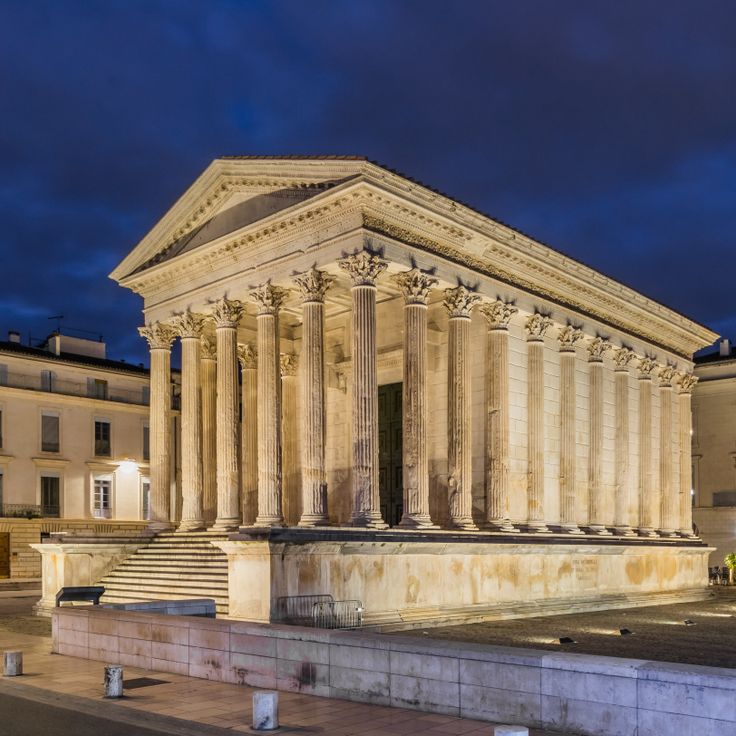
This Roman temple from the first century BC stands with its Corinthian columns in the middle of the city. The facade is fully preserved and shows the proportions of Augustan architecture. Inside, a film presents the history of the city and the uses of the building over the centuries. In front of the entrance, a square marks the transition between the ancient world and the modern surroundings.
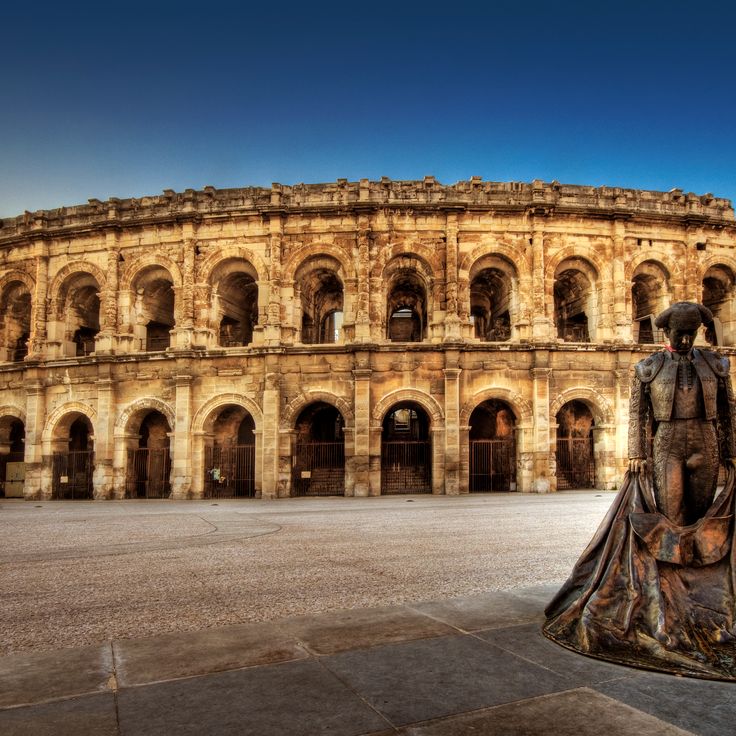
This Roman amphitheater was built around 70 CE and held about 24,000 spectators. The facade of two-story arcades surrounds the oval arena, which still hosts concerts and bullfights today. The tiers are preserved, and you can walk through the passages under the seating where gladiators and wild animals once waited. From the upper levels you see the whole structure and the rooftops of the old town all around.
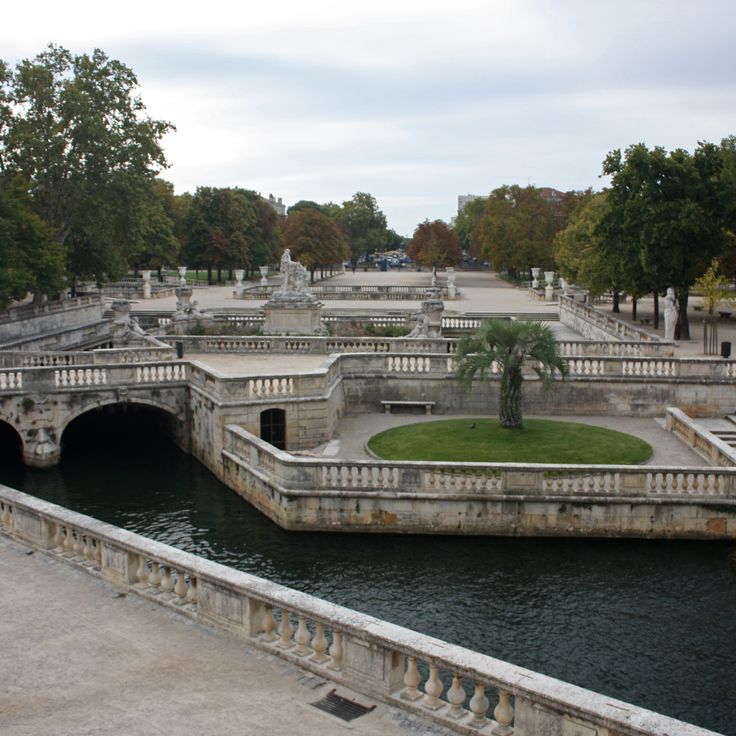
These public gardens from the 18th century combine Roman ruins with landscaped terraces, water basins, and shaded walkways. As you stroll, you discover ancient remains, including the Temple of Diana, alongside classical sculptures and fountain arrangements. The different levels of the park offer changing perspectives on the vegetation and historical fragments. On hot days, locals seek shade under old trees. The water surfaces reflect light and create calm subjects for photographers.
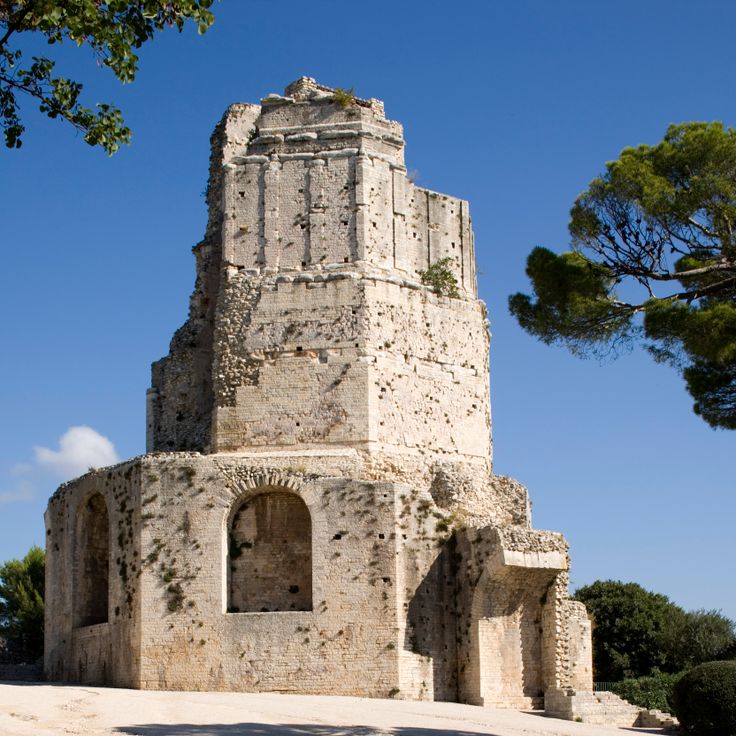
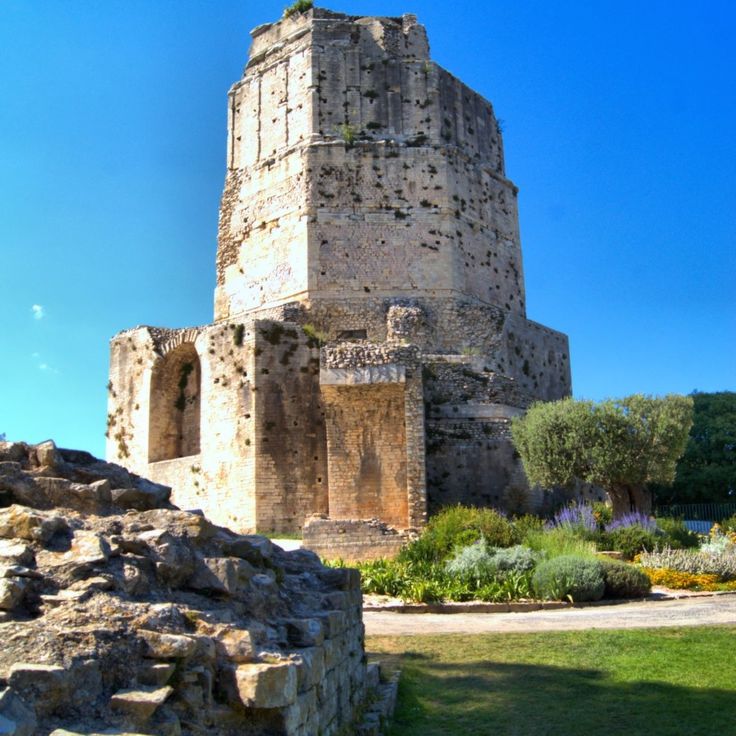
This tower rises on Mont Cavalier in the upper part of the Jardins de la Fontaine and offers views that spread across Nîmes and far beyond. Dating from the first century, Tour Magne was part of the Roman fortifications of Nemausus. The structure stands 32 meters (105 feet) high today, though it was originally taller. Inside, a spiral staircase climbs through several levels, and the walls of local limestone show how Roman builders worked. From the platform at the top, you see the rooftops of the old town, the Arènes, the countryside reaching toward the Camargue, and on clear days the Cévennes mountains. Paths and terraces around the tower invite you to explore and find different angles for photographs.
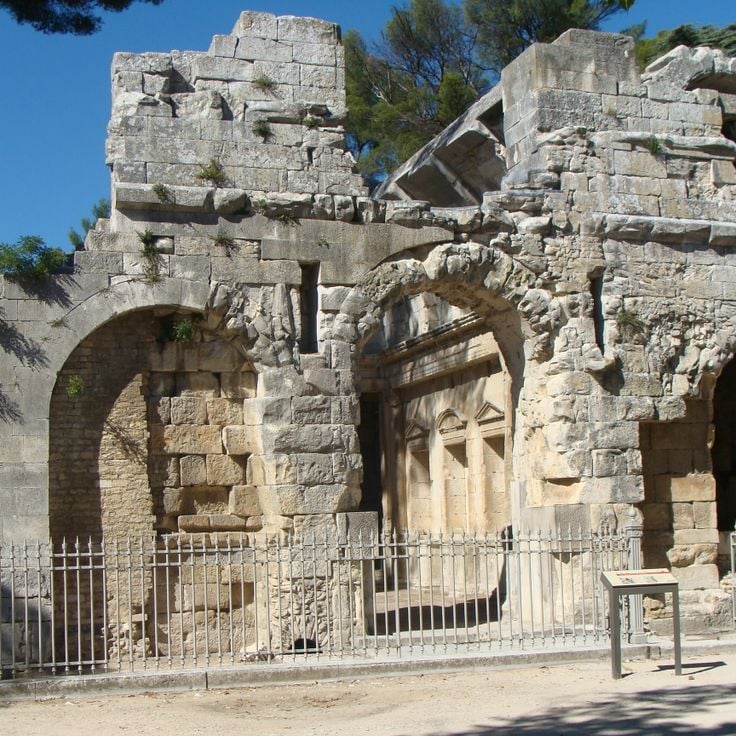
This Roman structure from the first century stands in the Jardins de la Fontaine and shows stone vaults and architectural forms of the imperial era. The masonry preserves traces of niches, columns, and a central hall. The building belonged to a larger complex around the spring, which served as a sanctuary in antiquity. You reach the ruin along paths that run between water basins and old trees. The place links Roman heritage with the park layout from the eighteenth century.
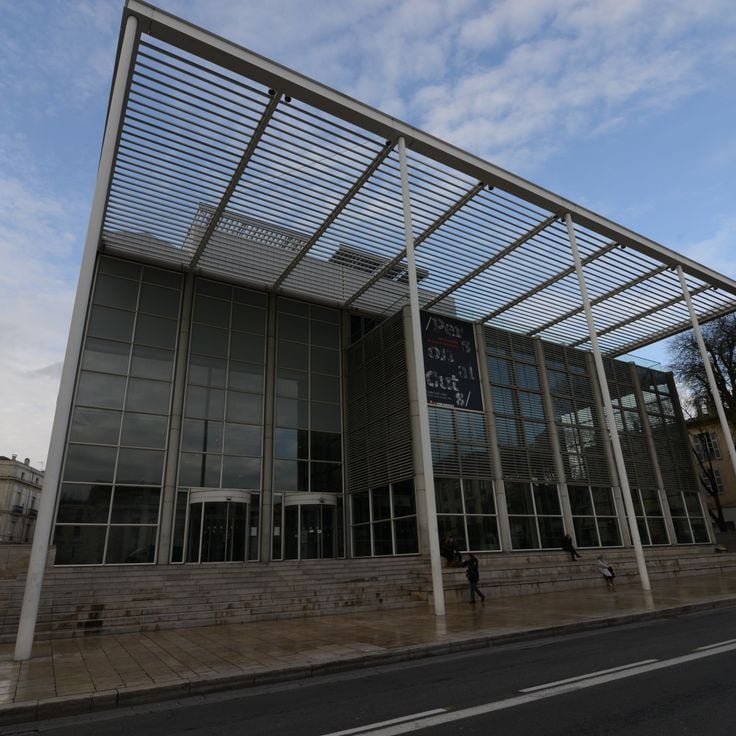
Carré d'Art is a glass and steel museum building designed by British architect Norman Foster and opened in 1993. The facade mirrors the ancient Roman temple of the Maison Carrée, which stands directly opposite on the same square. Five floors display contemporary art from the second half of the 20th century to the present, including paintings, sculptures, photographs, and video installations. From the top floor, large windows look out over the city and surrounding rooftops. The ground floor opens onto the Place de la Maison Carrée, linking the modern structure with the historic surroundings. A public library occupies several levels and is accessible through a separate entrance.
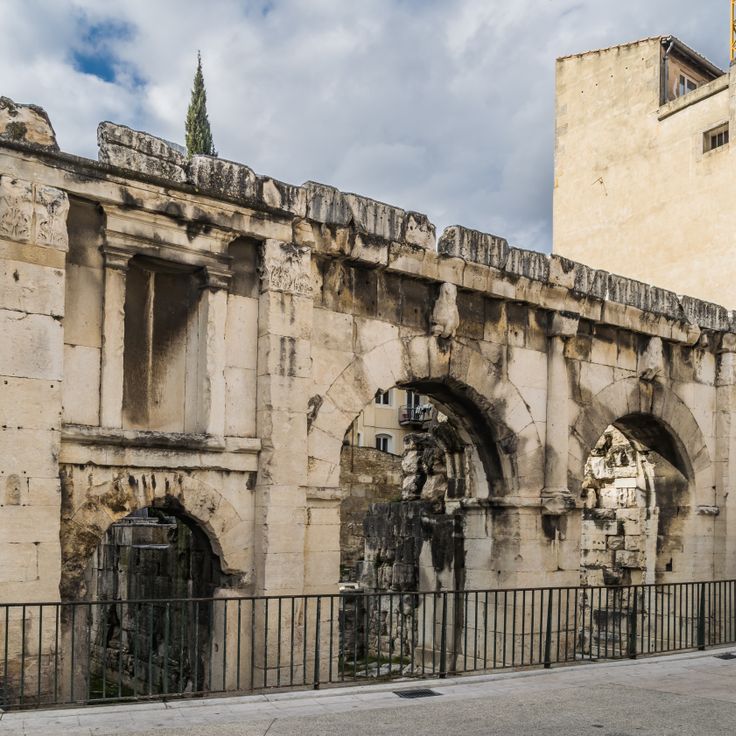
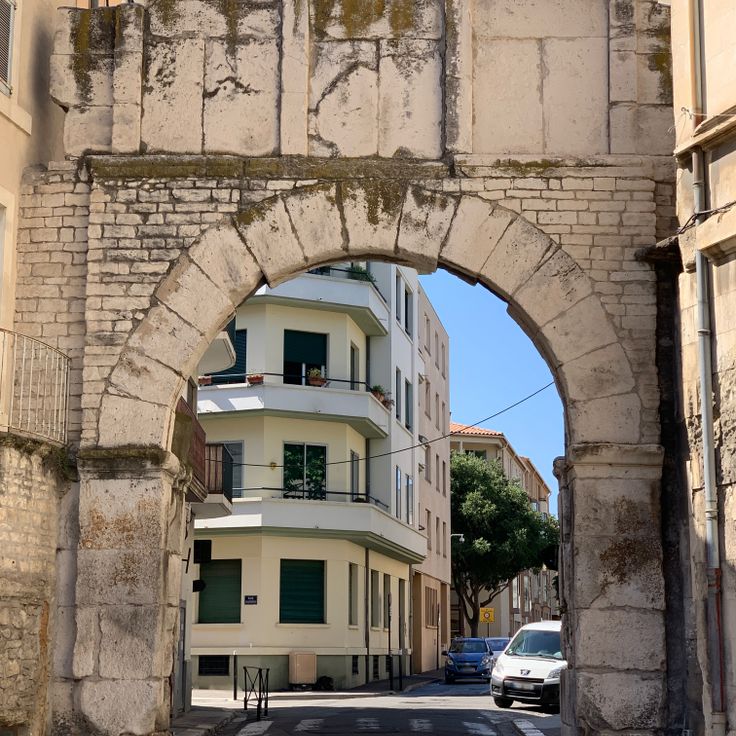
This stone gate was built in 16 BCE and marked the entry to the Roman city along the Via Domitia. The Porte Auguste features two large arches and two smaller ones set into the city wall. It served as a checkpoint and as a symbol of Roman authority. Today it stands freely in the streetscape, showing the construction methods of antiquity with its massive stone blocks and openings once used by carts, pedestrians, and soldiers. The structure sits on a quiet street where passersby can examine the ancient walls up close.
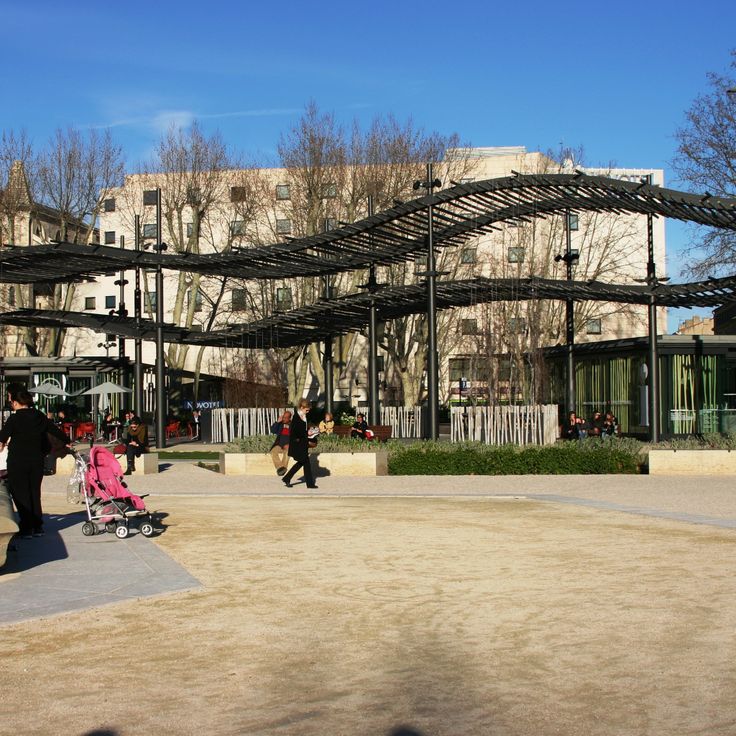
This central square with plane trees, fountains and benches sits near Feuchères station and the Pradier fountain. It was laid out in the 19th century and links the modern part of town with the old center. Families, students and travelers gather under the trees, which offer shade in summer. The wide paths lead directly to the Roman monuments and the Carré d'Art. From the esplanade you can reach the main streets, shops and restaurants of the center. The place feels open and quiet, even though it is surrounded by roads.
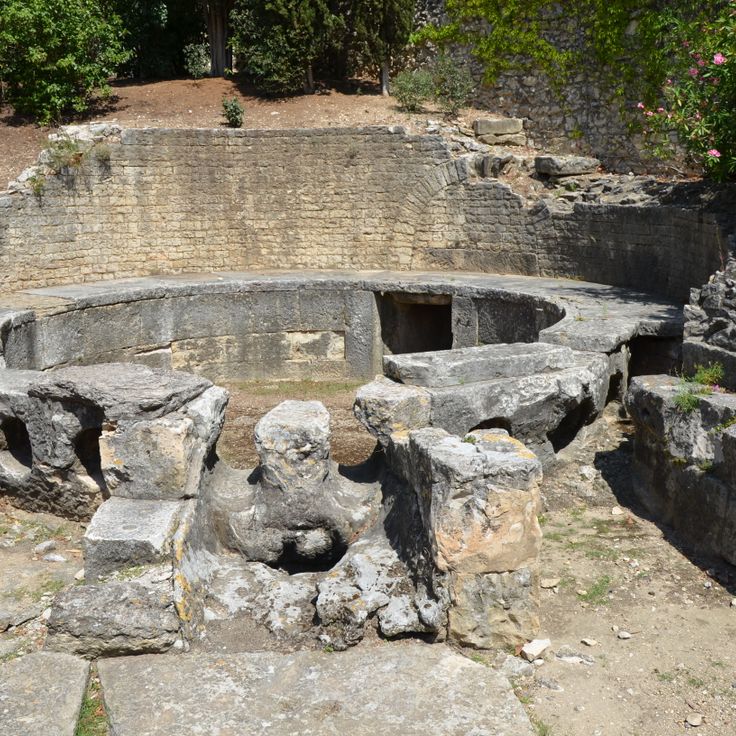
This distribution basin from the 1st century stands at the end of the Roman aqueduct. The castellum divided water through five openings into different channels that carried it throughout the city. You see a circular stone structure with openings at the base, through which water flowed according to need. Few examples of this type have survived, and this one is among the oldest in Europe. The site is small and quiet, with few visitors stopping by. You can observe the arrangement of channels, the condition of the stones, and how the entire system worked. For Nîmes, this installation was the key to water supply, without which the city could not have grown.
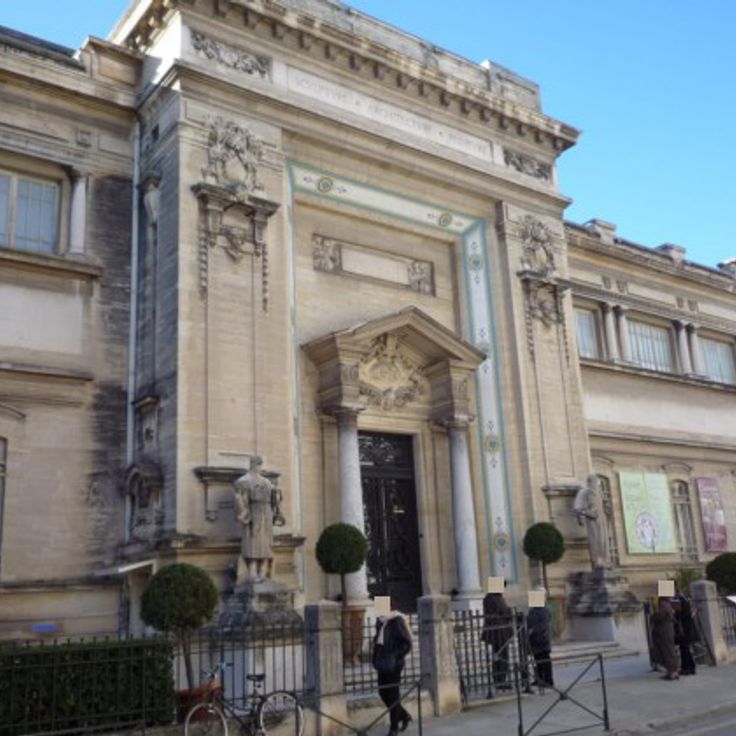
This museum gathers paintings from five centuries, from the Middle Ages to the Romantic period. Italian, French and Flemish works hang in the rooms. The courtyard displays Roman mosaics found around Nîmes. The facade dates from the 19th century and fits into the classical cityscape. The visit combines ancient finds with European art history in a compact space.
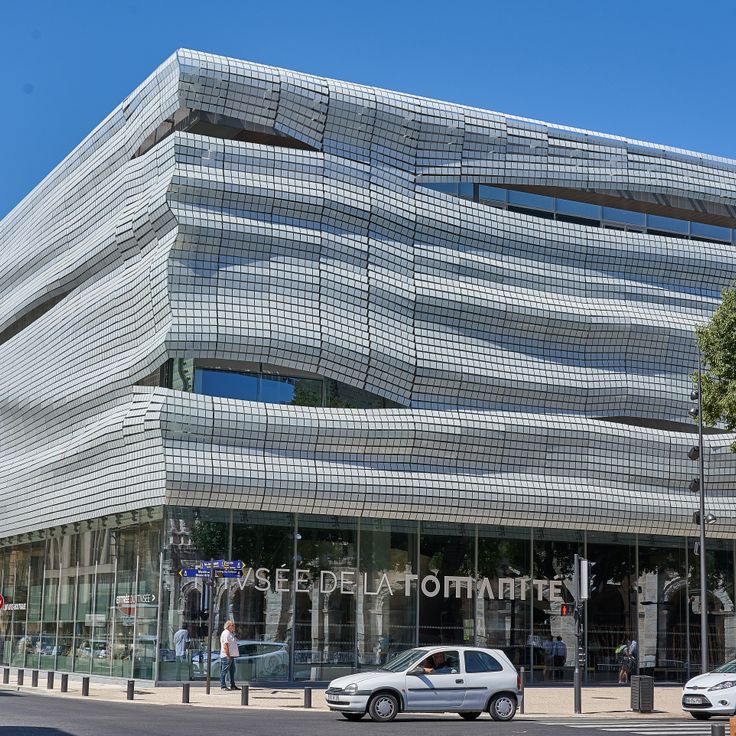
This contemporary museum stands across from the amphitheater and displays archaeological finds from the Roman era of the city. The glass facade reflects the arenas and lets daylight into the exhibition rooms. Inside, ancient objects alternate with digital reconstructions that illustrate life in the Roman colony. Mosaics, statues, everyday items and inscriptions tell the story of the people who lived here in antiquity. From the rooftop garden you can see over the rooftops of the old town and the amphitheater.
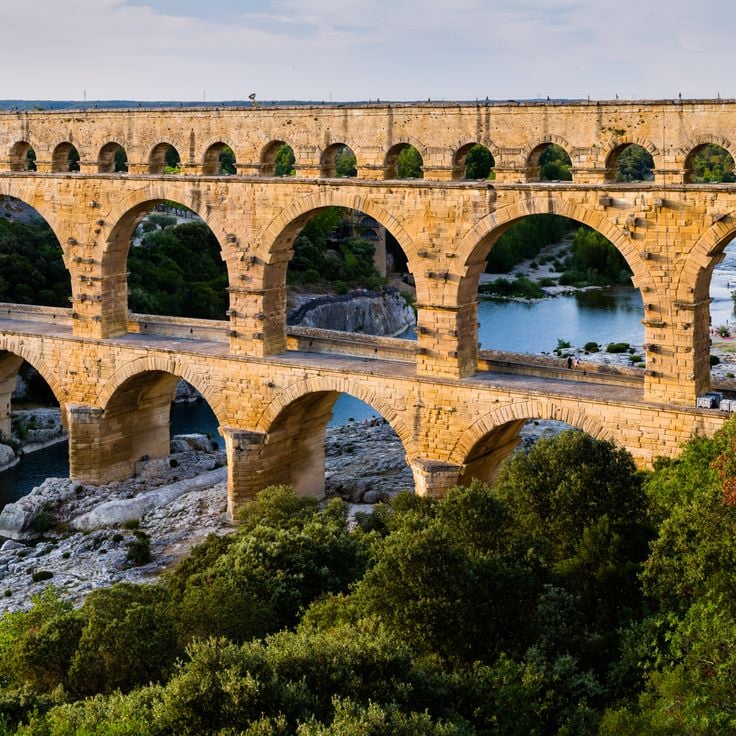
This three-level Roman aqueduct spans the Gardon River about 12 miles (20 kilometers) from the city. Builders stacked stone arches on top of each other to carry water from a spring to Nîmes. Today the bridge stands free in the landscape. Visitors walk along the riverbank or follow paths on both sides. The arches cast long shadows on the water depending on the time of day. From the viewpoints you see the construction and the scale of the structure, which shows how engineers moved water across valleys two thousand years ago.
This square is surrounded by stone buildings from the eighteenth century. Restaurants with terraces and Mediterranean trees shape its appearance. On market days, stalls fill the space; on other days, it remains quieter. Narrow streets around it lead to other parts of the old town. Sunlight falls on the facades and cobblestones, creating a relaxed atmosphere.
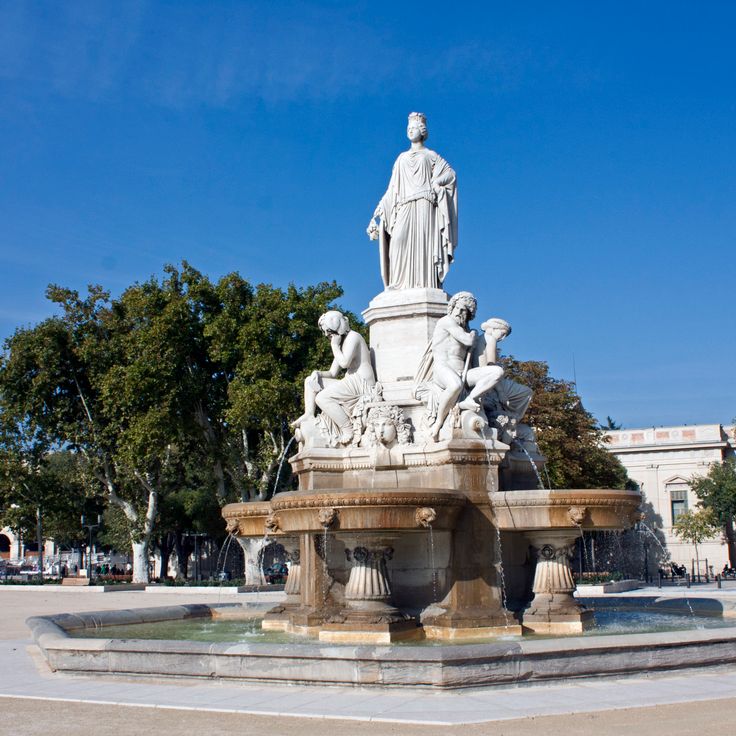
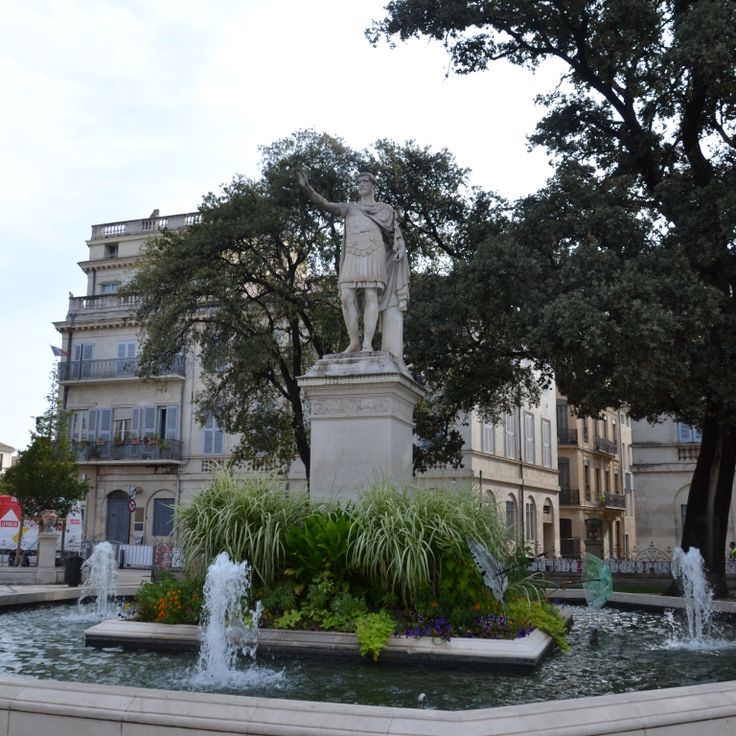
This marble fountain from 1851 shows four statues representing rivers: the Rhône, the Gardon, the Fontaine d'Eure, and the Vistre. The monument stands on the Esplanade Charles-de-Gaulle, one of the central squares in Nîmes. The figures are carved in a classical style and form a composition honoring the city as a place of water. When you walk by, you see the details in the faces and the flowing shapes of the robes. The fountain is named after the sculptor James Pradier, who also created other works in France. It belongs to the public monuments built in Nîmes during the 19th century, when the city redesigned its squares and gardens.
This Roman gate from the first century BC was part of the city wall. It stood on the road toward Lyon and marked one of the entrances to the ancient city. The Porte de France shows the typical construction of Roman fortifications with massive stones. Today the gate stands in the middle of the modern street network, surrounded by houses and shops. When you stand before it, you can imagine how travelers and merchants entered the city here two thousand years ago.
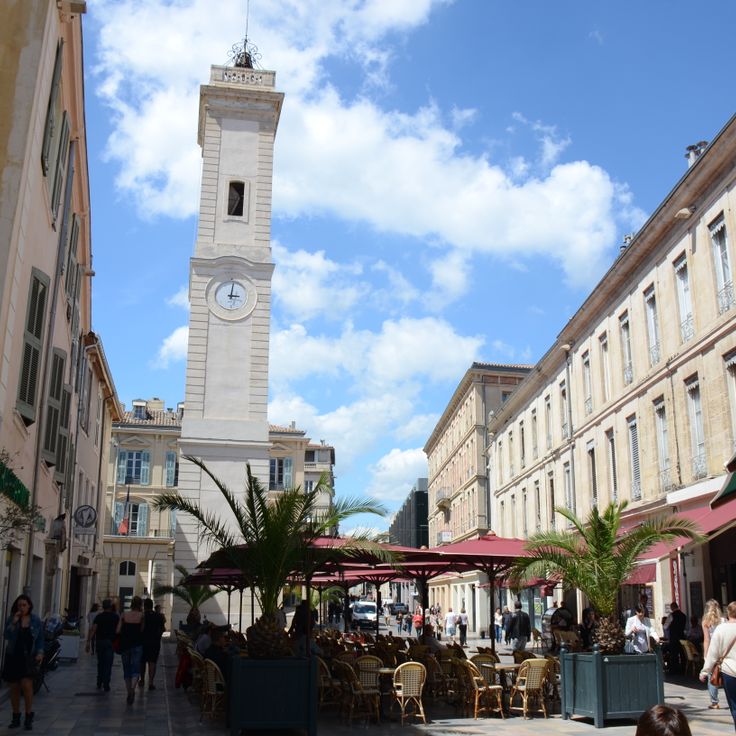
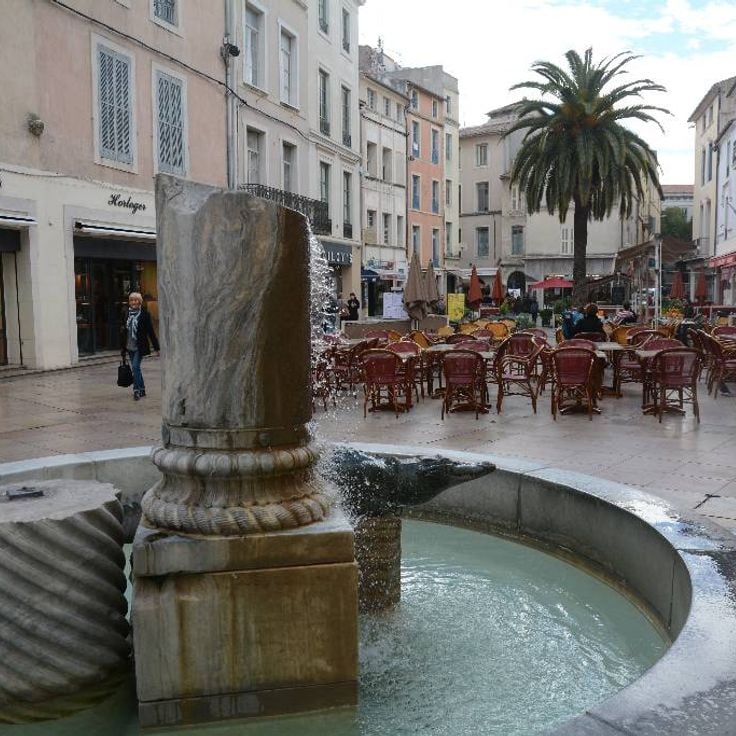
This square in the center serves as a meeting place for the people of Nîmes. The 19th-century clock tower stands in the middle, surrounded by stone buildings and restaurants with outdoor seating. On warm days people sit outside, drink coffee and watch daily life go by. The architecture here connects the Roman past of the city with the later changes that shaped Nîmes.
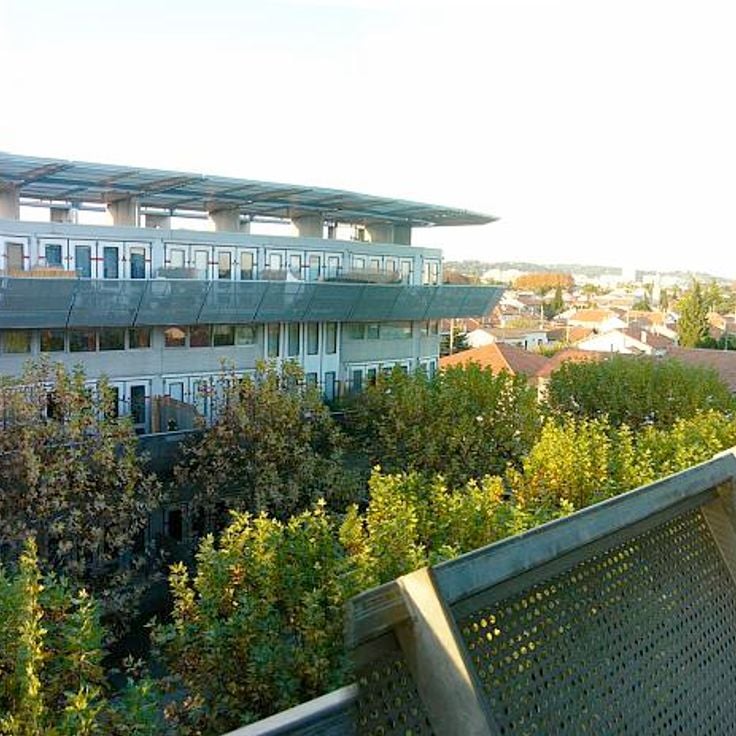
These housing blocks show industrial materials as an architectural choice. The two buildings stretch over 100 yards and display facades of corrugated metal, steel, and glass. The apartments open onto external walkways that resemble ship decks. Jean Nouvel designed the project as an answer to building good housing on a limited budget. The rooms are large, the floor plans simple, the technical elements remain visible. The result looks like a factory converted into housing. Many residents appreciate the brightness and the unusual atmosphere. For photography, the complex offers lines, shadows, and an aesthetic that stands apart from conventional housing.
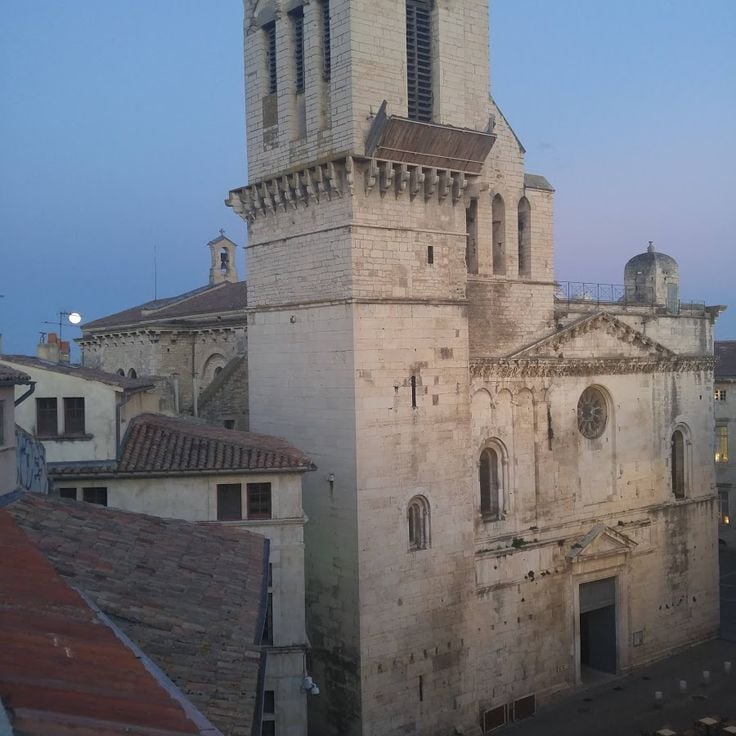
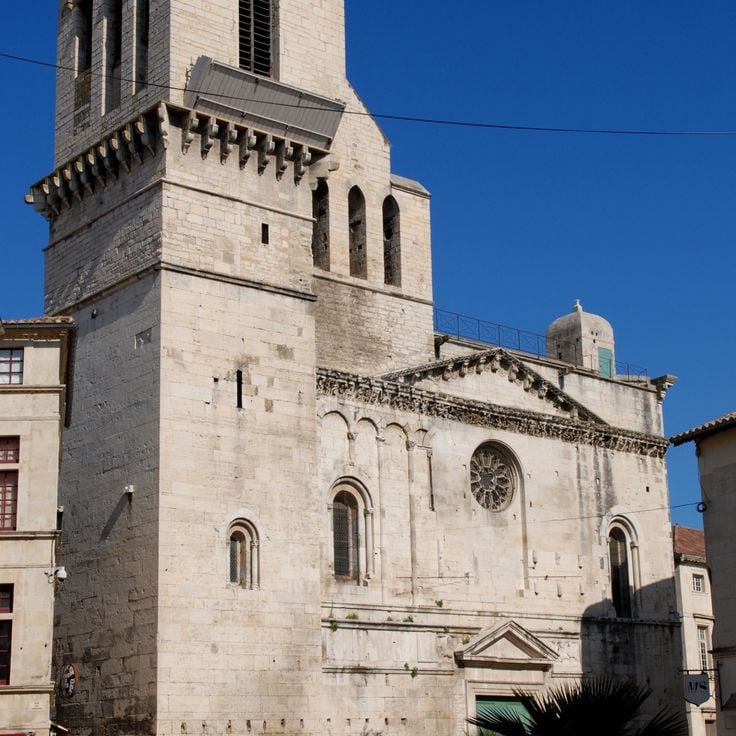
The cathedral brings together Romanesque and Gothic forms from different centuries. The west facade carries sculptures and two square towers built in the 1800s. The building shows how Nîmes changed and expanded its religious structures over time, as the city grew between its Roman heritage and new architectural directions.
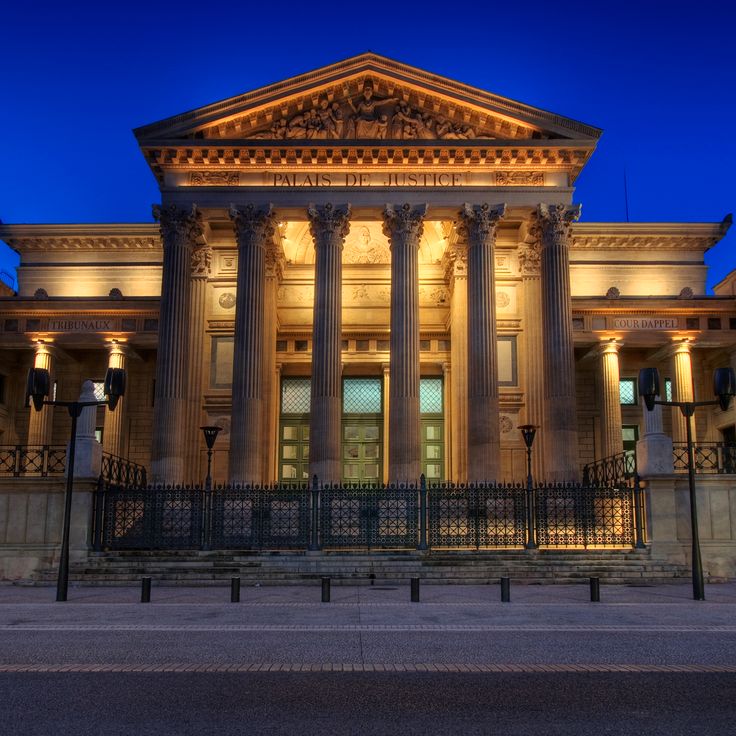
This neoclassical building from 1846 has a colonnade with Corinthian columns at the entrance and a triangular pediment on the facade. The architecture follows the style of Roman temples found throughout Nîmes. The building stands at the edge of the old town, near the Esplanade, and its symmetrical front with pale stone columns contrasts with the medieval alleys around it. You enter the inner courtyard through a wrought iron gate that opens onto the row of columns.
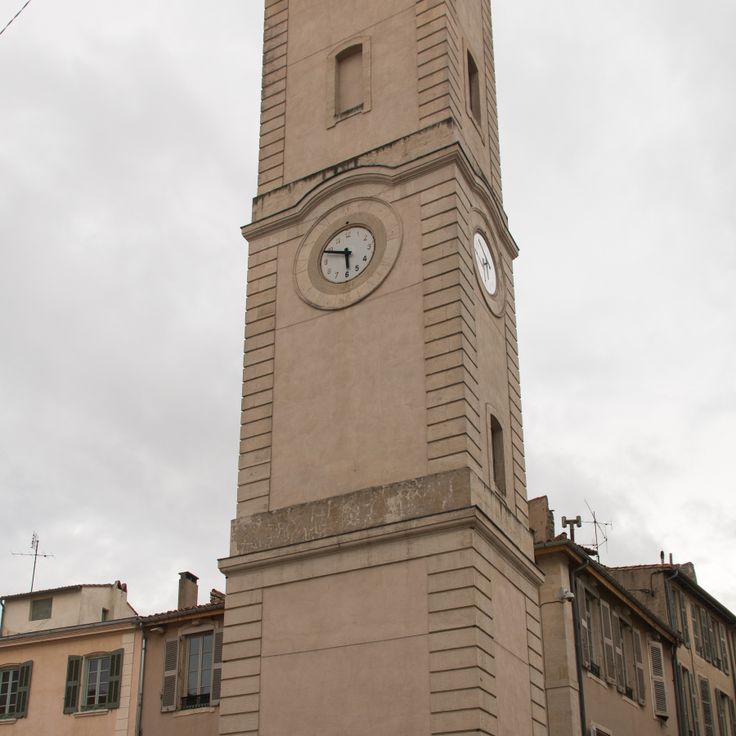
This stone tower stands in the center and displays four white clock faces. From the staircase you can reach the upper platform and look out over the old town. The tower facade shows weathered stone blocks and window openings that have been altered in different periods. In the evening the clock faces light up and highlight the square footprint of the structure.
The Place du Marché sits in the center and serves as a regular market square. Vendors set up their stalls under open sky, surrounded by stone facades with arches and terraces. Shops and restaurants occupy the ground floors of the buildings. The architecture recalls the southern French tradition, with ochre walls and tiled roofs. On market days the square is busy, on other days this place is quieter and offers seating in the shade.
This defensive structure from the first century BC runs through the urban fabric and shows the original extent of the Roman city. The wall is built from limestone quarried in the surrounding area. It was reinforced with towers, some of which still stand. Some sections have been incorporated into later buildings, while others remain exposed. Walking along the preserved portions, you can see the construction methods and dimensions that protected ancient Nîmes.
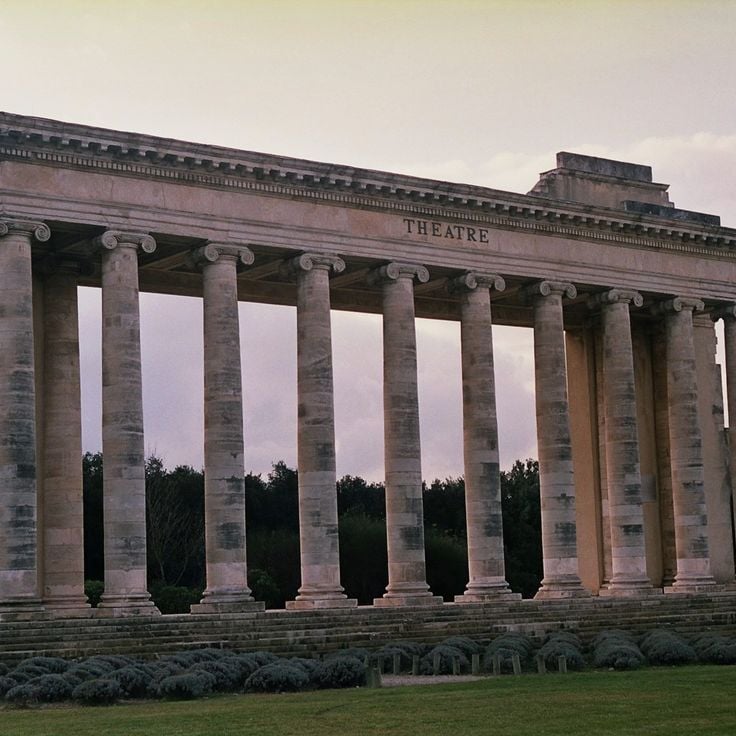
This 19th-century theater stands in the heart of Nîmes and connects classical architecture with the cultural life of the city. The facade features columns in the ancient style, echoing the Roman past of the area. Inside, the hall seats around a thousand spectators. Throughout the year, concerts, plays, and other performances take place here. The atmosphere is elegant without feeling heavy. When you walk through the streets around the theater, you notice how the 19th-century architecture fits into the historic cityscape. The building is centrally located and remains a steady part of cultural life in Nîmes.
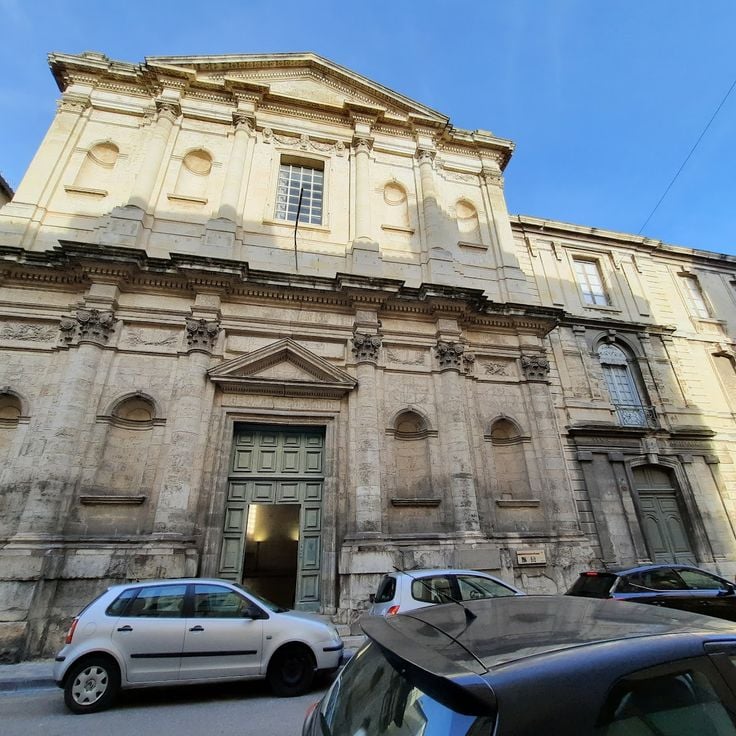
This Jesuit chapel from the 17th century displays baroque architecture with stone sculptures on the facade. Inside you will find wall paintings and religious artworks that recall the history of the Jesuit order in Nîmes. The building sits quietly in the city center and shows how religious structures fit into the Roman heritage of the city. The chapel is sometimes used for exhibitions or cultural events.
This public garden sits in the center and shows stone benches among Mediterranean plants. The paths run under trees where local birds nest and sing. You find shaded corners to rest after walking through the Roman monuments of the city. The square connects history and daily life, with buildings from different centuries standing around it. Families come in the afternoon, and you often see people on the benches with a book or in conversation. The atmosphere is calm, without the bustle of the larger avenues.
The Combe des Bourguignons sits near the city and shows limestone formations among shrubs and low trees. The paths wind through rosemary, thyme, and holm oaks. In summer the ground is dry, in spring wild plants bloom between the rocks. From the higher points you see the roofs of Nîmes and the surrounding hills. The gorge is a quiet place for walking where you can watch the shapes of the rocks and the light on the white stone.
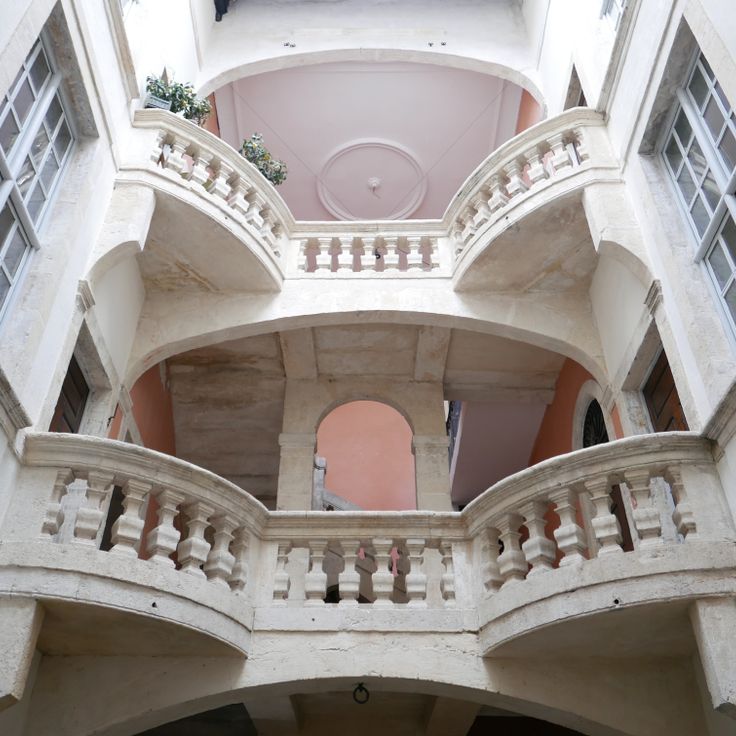
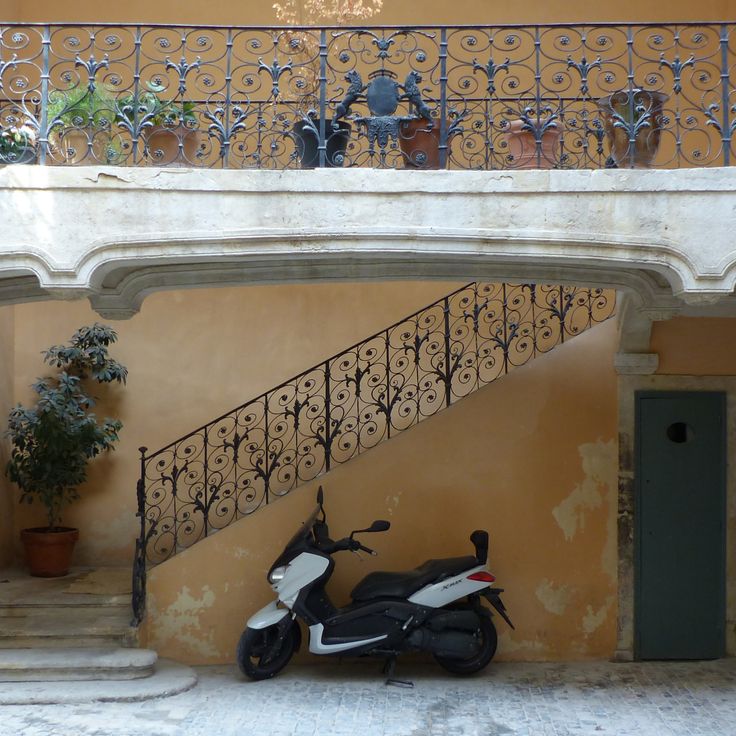
This townhouse dates back to the 17th century and preserves a stone staircase from the time of Louis XIII. The facade shows the features typical of French noble residences of that era: symmetrical window arrangement, projecting cornices, and carefully carved stone. The building is located in the historic center of Nîmes and combines classical elegance with the history of the local upper class. The courtyard and interior spaces reveal the craftsmanship of French Baroque.
The private residence Hôtel Villard dates from the 18th century and stands in the historic center of Nîmes. The courtyard shows the typical architecture of that era with its stonework and classical proportions. Inside, you see furniture from the same period that reveals how wealthy families lived at the time. The façade carries stone carvings and architectural details that reflect the craftsmanship of those years. This building joins the line of townhouses that shape Nîmes between its Roman past and modern present.
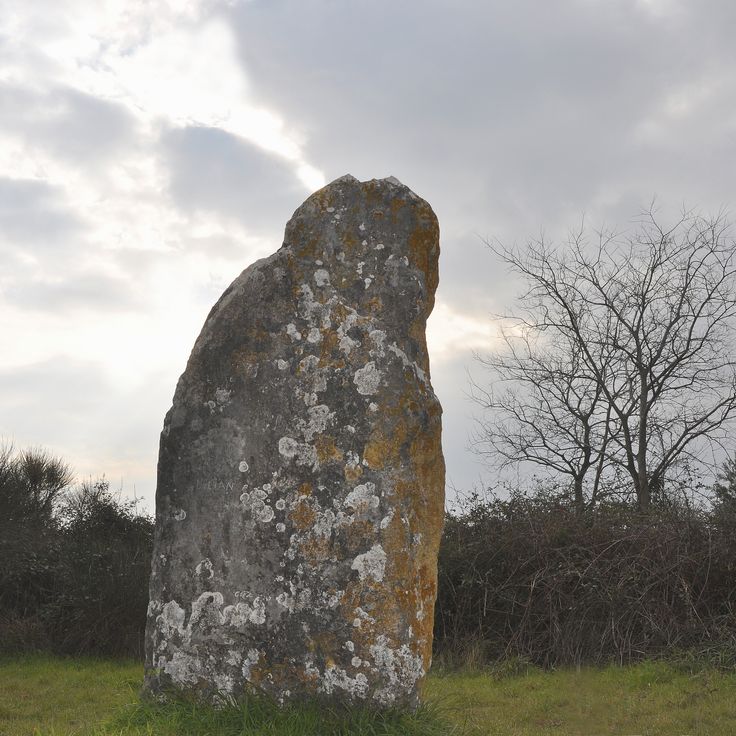
This standing stone from the Stone Age rises upright and measures over ten feet (three meters). It was raised around 4000 BC. You find it outside the center, in a quiet setting. The surface shows traces of time. The stone reminds you that people lived here long before the Romans and left their marks.
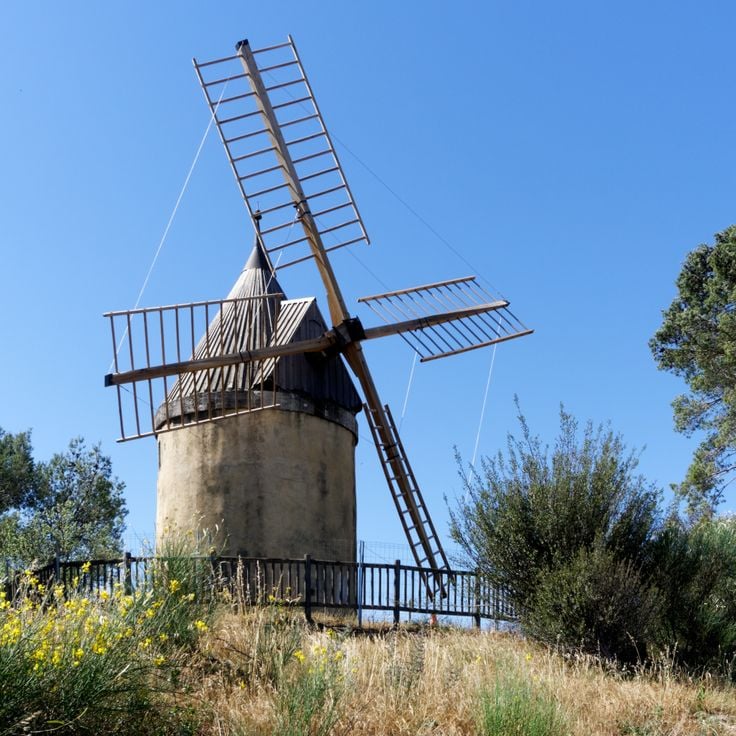
This 18th-century windmill stands on a hill near Langlade, surrounded by vineyards south of Nîmes. The mill has been restored, and its sails were replaced in 2015. From here you can see the fields and the villages of the surrounding garrigue. The mill is a reminder of the region's craft history and sits in the rural landscape that encircles Nîmes.
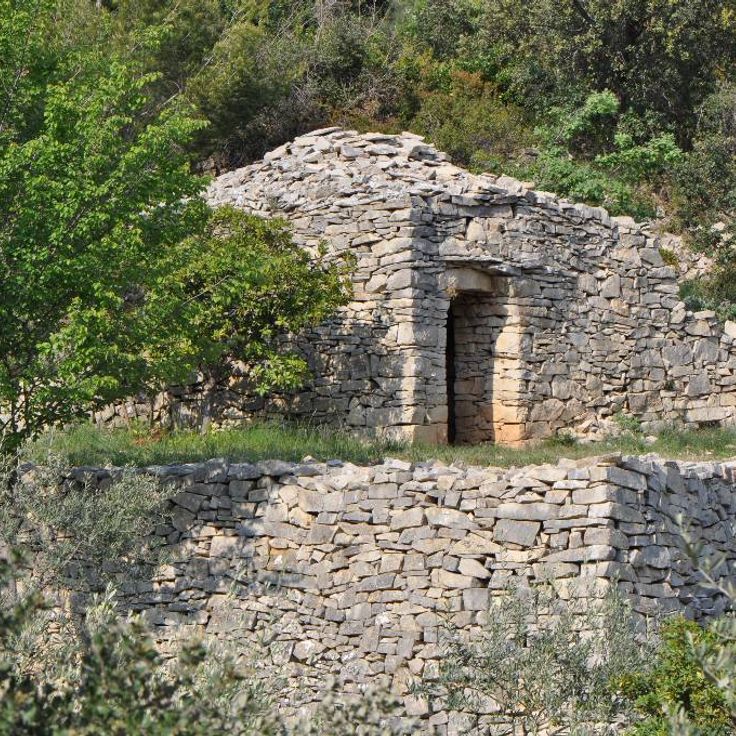
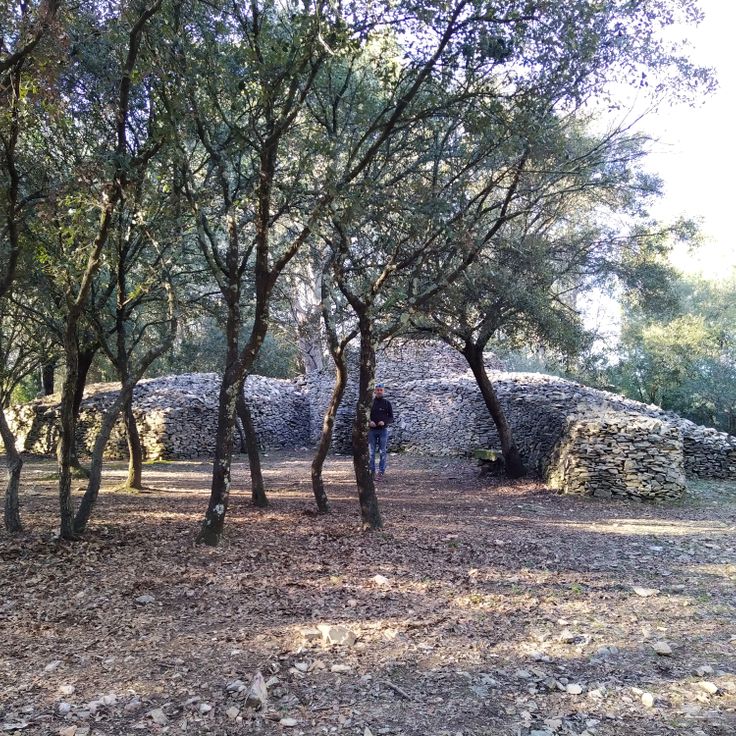
This path winds through old olive groves where farmers built stone shelters for field work. The structures date from the 19th century and show simple construction with dry stone walls and basic roofs. You walk among the trees and find these huts still standing between the rows.
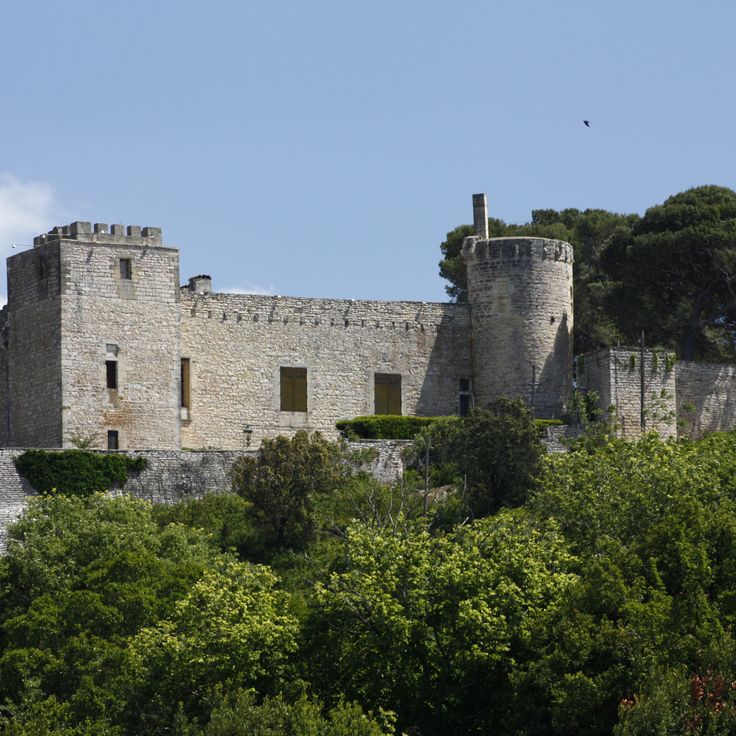
This 12th-century castle stands outside the city and combines medieval construction with furnishings from later periods. Four towers frame an inner courtyard. Inside, the rooms hold furniture that shows how the building was inhabited and used over the centuries. You see woodwork, fabrics, and objects that tell the story of a noble family's daily life. The architecture is simple, with thick walls and small windows. Walking through the halls, you notice traces of different periods when the castle was adapted and changed.
This Roman temple from the first century BC stands with its Corinthian columns in the middle of the city. The facade is fully preserved and shows the proportions of Augustan architecture. Inside, a film presents the history of the city and the uses of the building over the centuries. In front of the entrance, a square marks the transition between the ancient world and the modern surroundings.
This Roman amphitheater was built around 70 CE and held about 24,000 spectators. The facade of two-story arcades surrounds the oval arena, which still hosts concerts and bullfights today. The tiers are preserved, and you can walk through the passages under the seating where gladiators and wild animals once waited. From the upper levels you see the whole structure and the rooftops of the old town all around.
These public gardens from the 18th century combine Roman ruins with landscaped terraces, water basins, and shaded walkways. As you stroll, you discover ancient remains, including the Temple of Diana, alongside classical sculptures and fountain arrangements. The different levels of the park offer changing perspectives on the vegetation and historical fragments. On hot days, locals seek shade under old trees. The water surfaces reflect light and create calm subjects for photographers.
This tower rises on Mont Cavalier in the upper part of the Jardins de la Fontaine and offers views that spread across Nîmes and far beyond. Dating from the first century, Tour Magne was part of the Roman fortifications of Nemausus. The structure stands 32 meters (105 feet) high today, though it was originally taller. Inside, a spiral staircase climbs through several levels, and the walls of local limestone show how Roman builders worked. From the platform at the top, you see the rooftops of the old town, the Arènes, the countryside reaching toward the Camargue, and on clear days the Cévennes mountains. Paths and terraces around the tower invite you to explore and find different angles for photographs.
This Roman structure from the first century stands in the Jardins de la Fontaine and shows stone vaults and architectural forms of the imperial era. The masonry preserves traces of niches, columns, and a central hall. The building belonged to a larger complex around the spring, which served as a sanctuary in antiquity. You reach the ruin along paths that run between water basins and old trees. The place links Roman heritage with the park layout from the eighteenth century.
Carré d'Art is a glass and steel museum building designed by British architect Norman Foster and opened in 1993. The facade mirrors the ancient Roman temple of the Maison Carrée, which stands directly opposite on the same square. Five floors display contemporary art from the second half of the 20th century to the present, including paintings, sculptures, photographs, and video installations. From the top floor, large windows look out over the city and surrounding rooftops. The ground floor opens onto the Place de la Maison Carrée, linking the modern structure with the historic surroundings. A public library occupies several levels and is accessible through a separate entrance.
This stone gate was built in 16 BCE and marked the entry to the Roman city along the Via Domitia. The Porte Auguste features two large arches and two smaller ones set into the city wall. It served as a checkpoint and as a symbol of Roman authority. Today it stands freely in the streetscape, showing the construction methods of antiquity with its massive stone blocks and openings once used by carts, pedestrians, and soldiers. The structure sits on a quiet street where passersby can examine the ancient walls up close.
This central square with plane trees, fountains and benches sits near Feuchères station and the Pradier fountain. It was laid out in the 19th century and links the modern part of town with the old center. Families, students and travelers gather under the trees, which offer shade in summer. The wide paths lead directly to the Roman monuments and the Carré d'Art. From the esplanade you can reach the main streets, shops and restaurants of the center. The place feels open and quiet, even though it is surrounded by roads.
This distribution basin from the 1st century stands at the end of the Roman aqueduct. The castellum divided water through five openings into different channels that carried it throughout the city. You see a circular stone structure with openings at the base, through which water flowed according to need. Few examples of this type have survived, and this one is among the oldest in Europe. The site is small and quiet, with few visitors stopping by. You can observe the arrangement of channels, the condition of the stones, and how the entire system worked. For Nîmes, this installation was the key to water supply, without which the city could not have grown.
This museum gathers paintings from five centuries, from the Middle Ages to the Romantic period. Italian, French and Flemish works hang in the rooms. The courtyard displays Roman mosaics found around Nîmes. The facade dates from the 19th century and fits into the classical cityscape. The visit combines ancient finds with European art history in a compact space.
This contemporary museum stands across from the amphitheater and displays archaeological finds from the Roman era of the city. The glass facade reflects the arenas and lets daylight into the exhibition rooms. Inside, ancient objects alternate with digital reconstructions that illustrate life in the Roman colony. Mosaics, statues, everyday items and inscriptions tell the story of the people who lived here in antiquity. From the rooftop garden you can see over the rooftops of the old town and the amphitheater.
This three-level Roman aqueduct spans the Gardon River about 12 miles (20 kilometers) from the city. Builders stacked stone arches on top of each other to carry water from a spring to Nîmes. Today the bridge stands free in the landscape. Visitors walk along the riverbank or follow paths on both sides. The arches cast long shadows on the water depending on the time of day. From the viewpoints you see the construction and the scale of the structure, which shows how engineers moved water across valleys two thousand years ago.
This square is surrounded by stone buildings from the eighteenth century. Restaurants with terraces and Mediterranean trees shape its appearance. On market days, stalls fill the space; on other days, it remains quieter. Narrow streets around it lead to other parts of the old town. Sunlight falls on the facades and cobblestones, creating a relaxed atmosphere.
This marble fountain from 1851 shows four statues representing rivers: the Rhône, the Gardon, the Fontaine d'Eure, and the Vistre. The monument stands on the Esplanade Charles-de-Gaulle, one of the central squares in Nîmes. The figures are carved in a classical style and form a composition honoring the city as a place of water. When you walk by, you see the details in the faces and the flowing shapes of the robes. The fountain is named after the sculptor James Pradier, who also created other works in France. It belongs to the public monuments built in Nîmes during the 19th century, when the city redesigned its squares and gardens.
This Roman gate from the first century BC was part of the city wall. It stood on the road toward Lyon and marked one of the entrances to the ancient city. The Porte de France shows the typical construction of Roman fortifications with massive stones. Today the gate stands in the middle of the modern street network, surrounded by houses and shops. When you stand before it, you can imagine how travelers and merchants entered the city here two thousand years ago.
This square in the center serves as a meeting place for the people of Nîmes. The 19th-century clock tower stands in the middle, surrounded by stone buildings and restaurants with outdoor seating. On warm days people sit outside, drink coffee and watch daily life go by. The architecture here connects the Roman past of the city with the later changes that shaped Nîmes.
These housing blocks show industrial materials as an architectural choice. The two buildings stretch over 100 yards and display facades of corrugated metal, steel, and glass. The apartments open onto external walkways that resemble ship decks. Jean Nouvel designed the project as an answer to building good housing on a limited budget. The rooms are large, the floor plans simple, the technical elements remain visible. The result looks like a factory converted into housing. Many residents appreciate the brightness and the unusual atmosphere. For photography, the complex offers lines, shadows, and an aesthetic that stands apart from conventional housing.
The cathedral brings together Romanesque and Gothic forms from different centuries. The west facade carries sculptures and two square towers built in the 1800s. The building shows how Nîmes changed and expanded its religious structures over time, as the city grew between its Roman heritage and new architectural directions.
This neoclassical building from 1846 has a colonnade with Corinthian columns at the entrance and a triangular pediment on the facade. The architecture follows the style of Roman temples found throughout Nîmes. The building stands at the edge of the old town, near the Esplanade, and its symmetrical front with pale stone columns contrasts with the medieval alleys around it. You enter the inner courtyard through a wrought iron gate that opens onto the row of columns.
This stone tower stands in the center and displays four white clock faces. From the staircase you can reach the upper platform and look out over the old town. The tower facade shows weathered stone blocks and window openings that have been altered in different periods. In the evening the clock faces light up and highlight the square footprint of the structure.
The Place du Marché sits in the center and serves as a regular market square. Vendors set up their stalls under open sky, surrounded by stone facades with arches and terraces. Shops and restaurants occupy the ground floors of the buildings. The architecture recalls the southern French tradition, with ochre walls and tiled roofs. On market days the square is busy, on other days this place is quieter and offers seating in the shade.
This defensive structure from the first century BC runs through the urban fabric and shows the original extent of the Roman city. The wall is built from limestone quarried in the surrounding area. It was reinforced with towers, some of which still stand. Some sections have been incorporated into later buildings, while others remain exposed. Walking along the preserved portions, you can see the construction methods and dimensions that protected ancient Nîmes.
This 19th-century theater stands in the heart of Nîmes and connects classical architecture with the cultural life of the city. The facade features columns in the ancient style, echoing the Roman past of the area. Inside, the hall seats around a thousand spectators. Throughout the year, concerts, plays, and other performances take place here. The atmosphere is elegant without feeling heavy. When you walk through the streets around the theater, you notice how the 19th-century architecture fits into the historic cityscape. The building is centrally located and remains a steady part of cultural life in Nîmes.
This Jesuit chapel from the 17th century displays baroque architecture with stone sculptures on the facade. Inside you will find wall paintings and religious artworks that recall the history of the Jesuit order in Nîmes. The building sits quietly in the city center and shows how religious structures fit into the Roman heritage of the city. The chapel is sometimes used for exhibitions or cultural events.
This public garden sits in the center and shows stone benches among Mediterranean plants. The paths run under trees where local birds nest and sing. You find shaded corners to rest after walking through the Roman monuments of the city. The square connects history and daily life, with buildings from different centuries standing around it. Families come in the afternoon, and you often see people on the benches with a book or in conversation. The atmosphere is calm, without the bustle of the larger avenues.
The Combe des Bourguignons sits near the city and shows limestone formations among shrubs and low trees. The paths wind through rosemary, thyme, and holm oaks. In summer the ground is dry, in spring wild plants bloom between the rocks. From the higher points you see the roofs of Nîmes and the surrounding hills. The gorge is a quiet place for walking where you can watch the shapes of the rocks and the light on the white stone.
This townhouse dates back to the 17th century and preserves a stone staircase from the time of Louis XIII. The facade shows the features typical of French noble residences of that era: symmetrical window arrangement, projecting cornices, and carefully carved stone. The building is located in the historic center of Nîmes and combines classical elegance with the history of the local upper class. The courtyard and interior spaces reveal the craftsmanship of French Baroque.
The private residence Hôtel Villard dates from the 18th century and stands in the historic center of Nîmes. The courtyard shows the typical architecture of that era with its stonework and classical proportions. Inside, you see furniture from the same period that reveals how wealthy families lived at the time. The façade carries stone carvings and architectural details that reflect the craftsmanship of those years. This building joins the line of townhouses that shape Nîmes between its Roman past and modern present.
This standing stone from the Stone Age rises upright and measures over ten feet (three meters). It was raised around 4000 BC. You find it outside the center, in a quiet setting. The surface shows traces of time. The stone reminds you that people lived here long before the Romans and left their marks.
This 18th-century windmill stands on a hill near Langlade, surrounded by vineyards south of Nîmes. The mill has been restored, and its sails were replaced in 2015. From here you can see the fields and the villages of the surrounding garrigue. The mill is a reminder of the region's craft history and sits in the rural landscape that encircles Nîmes.
This path winds through old olive groves where farmers built stone shelters for field work. The structures date from the 19th century and show simple construction with dry stone walls and basic roofs. You walk among the trees and find these huts still standing between the rows.
This 12th-century castle stands outside the city and combines medieval construction with furnishings from later periods. Four towers frame an inner courtyard. Inside, the rooms hold furniture that shows how the building was inhabited and used over the centuries. You see woodwork, fabrics, and objects that tell the story of a noble family's daily life. The architecture is simple, with thick walls and small windows. Walking through the halls, you notice traces of different periods when the castle was adapted and changed.
This Roman temple from the first century BC stands with its Corinthian columns in the middle of the city. The facade is fully preserved and shows the proportions of Augustan architecture. Inside, a film presents the history of the city and the uses of the building over the centuries. In front of the entrance, a square marks the transition between the ancient world and the modern surroundings.
This Roman amphitheater was built around 70 CE and held about 24,000 spectators. The facade of two-story arcades surrounds the oval arena, which still hosts concerts and bullfights today. The tiers are preserved, and you can walk through the passages under the seating where gladiators and wild animals once waited. From the upper levels you see the whole structure and the rooftops of the old town all around.
These public gardens from the 18th century combine Roman ruins with landscaped terraces, water basins, and shaded walkways. As you stroll, you discover ancient remains, including the Temple of Diana, alongside classical sculptures and fountain arrangements. The different levels of the park offer changing perspectives on the vegetation and historical fragments. On hot days, locals seek shade under old trees. The water surfaces reflect light and create calm subjects for photographers.
This tower rises on Mont Cavalier in the upper part of the Jardins de la Fontaine and offers views that spread across Nîmes and far beyond. Dating from the first century, Tour Magne was part of the Roman fortifications of Nemausus. The structure stands 32 meters (105 feet) high today, though it was originally taller. Inside, a spiral staircase climbs through several levels, and the walls of local limestone show how Roman builders worked. From the platform at the top, you see the rooftops of the old town, the Arènes, the countryside reaching toward the Camargue, and on clear days the Cévennes mountains. Paths and terraces around the tower invite you to explore and find different angles for photographs.
This Roman structure from the first century stands in the Jardins de la Fontaine and shows stone vaults and architectural forms of the imperial era. The masonry preserves traces of niches, columns, and a central hall. The building belonged to a larger complex around the spring, which served as a sanctuary in antiquity. You reach the ruin along paths that run between water basins and old trees. The place links Roman heritage with the park layout from the eighteenth century.
Carré d'Art is a glass and steel museum building designed by British architect Norman Foster and opened in 1993. The facade mirrors the ancient Roman temple of the Maison Carrée, which stands directly opposite on the same square. Five floors display contemporary art from the second half of the 20th century to the present, including paintings, sculptures, photographs, and video installations. From the top floor, large windows look out over the city and surrounding rooftops. The ground floor opens onto the Place de la Maison Carrée, linking the modern structure with the historic surroundings. A public library occupies several levels and is accessible through a separate entrance.
This stone gate was built in 16 BCE and marked the entry to the Roman city along the Via Domitia. The Porte Auguste features two large arches and two smaller ones set into the city wall. It served as a checkpoint and as a symbol of Roman authority. Today it stands freely in the streetscape, showing the construction methods of antiquity with its massive stone blocks and openings once used by carts, pedestrians, and soldiers. The structure sits on a quiet street where passersby can examine the ancient walls up close.
This central square with plane trees, fountains and benches sits near Feuchères station and the Pradier fountain. It was laid out in the 19th century and links the modern part of town with the old center. Families, students and travelers gather under the trees, which offer shade in summer. The wide paths lead directly to the Roman monuments and the Carré d'Art. From the esplanade you can reach the main streets, shops and restaurants of the center. The place feels open and quiet, even though it is surrounded by roads.
This distribution basin from the 1st century stands at the end of the Roman aqueduct. The castellum divided water through five openings into different channels that carried it throughout the city. You see a circular stone structure with openings at the base, through which water flowed according to need. Few examples of this type have survived, and this one is among the oldest in Europe. The site is small and quiet, with few visitors stopping by. You can observe the arrangement of channels, the condition of the stones, and how the entire system worked. For Nîmes, this installation was the key to water supply, without which the city could not have grown.
This museum gathers paintings from five centuries, from the Middle Ages to the Romantic period. Italian, French and Flemish works hang in the rooms. The courtyard displays Roman mosaics found around Nîmes. The facade dates from the 19th century and fits into the classical cityscape. The visit combines ancient finds with European art history in a compact space.
This contemporary museum stands across from the amphitheater and displays archaeological finds from the Roman era of the city. The glass facade reflects the arenas and lets daylight into the exhibition rooms. Inside, ancient objects alternate with digital reconstructions that illustrate life in the Roman colony. Mosaics, statues, everyday items and inscriptions tell the story of the people who lived here in antiquity. From the rooftop garden you can see over the rooftops of the old town and the amphitheater.
This three-level Roman aqueduct spans the Gardon River about 12 miles (20 kilometers) from the city. Builders stacked stone arches on top of each other to carry water from a spring to Nîmes. Today the bridge stands free in the landscape. Visitors walk along the riverbank or follow paths on both sides. The arches cast long shadows on the water depending on the time of day. From the viewpoints you see the construction and the scale of the structure, which shows how engineers moved water across valleys two thousand years ago.
This square is surrounded by stone buildings from the eighteenth century. Restaurants with terraces and Mediterranean trees shape its appearance. On market days, stalls fill the space; on other days, it remains quieter. Narrow streets around it lead to other parts of the old town. Sunlight falls on the facades and cobblestones, creating a relaxed atmosphere.
This marble fountain from 1851 shows four statues representing rivers: the Rhône, the Gardon, the Fontaine d'Eure, and the Vistre. The monument stands on the Esplanade Charles-de-Gaulle, one of the central squares in Nîmes. The figures are carved in a classical style and form a composition honoring the city as a place of water. When you walk by, you see the details in the faces and the flowing shapes of the robes. The fountain is named after the sculptor James Pradier, who also created other works in France. It belongs to the public monuments built in Nîmes during the 19th century, when the city redesigned its squares and gardens.
This Roman gate from the first century BC was part of the city wall. It stood on the road toward Lyon and marked one of the entrances to the ancient city. The Porte de France shows the typical construction of Roman fortifications with massive stones. Today the gate stands in the middle of the modern street network, surrounded by houses and shops. When you stand before it, you can imagine how travelers and merchants entered the city here two thousand years ago.
This square in the center serves as a meeting place for the people of Nîmes. The 19th-century clock tower stands in the middle, surrounded by stone buildings and restaurants with outdoor seating. On warm days people sit outside, drink coffee and watch daily life go by. The architecture here connects the Roman past of the city with the later changes that shaped Nîmes.
These housing blocks show industrial materials as an architectural choice. The two buildings stretch over 100 yards and display facades of corrugated metal, steel, and glass. The apartments open onto external walkways that resemble ship decks. Jean Nouvel designed the project as an answer to building good housing on a limited budget. The rooms are large, the floor plans simple, the technical elements remain visible. The result looks like a factory converted into housing. Many residents appreciate the brightness and the unusual atmosphere. For photography, the complex offers lines, shadows, and an aesthetic that stands apart from conventional housing.
The cathedral brings together Romanesque and Gothic forms from different centuries. The west facade carries sculptures and two square towers built in the 1800s. The building shows how Nîmes changed and expanded its religious structures over time, as the city grew between its Roman heritage and new architectural directions.
This neoclassical building from 1846 has a colonnade with Corinthian columns at the entrance and a triangular pediment on the facade. The architecture follows the style of Roman temples found throughout Nîmes. The building stands at the edge of the old town, near the Esplanade, and its symmetrical front with pale stone columns contrasts with the medieval alleys around it. You enter the inner courtyard through a wrought iron gate that opens onto the row of columns.
This stone tower stands in the center and displays four white clock faces. From the staircase you can reach the upper platform and look out over the old town. The tower facade shows weathered stone blocks and window openings that have been altered in different periods. In the evening the clock faces light up and highlight the square footprint of the structure.
The Place du Marché sits in the center and serves as a regular market square. Vendors set up their stalls under open sky, surrounded by stone facades with arches and terraces. Shops and restaurants occupy the ground floors of the buildings. The architecture recalls the southern French tradition, with ochre walls and tiled roofs. On market days the square is busy, on other days this place is quieter and offers seating in the shade.
This defensive structure from the first century BC runs through the urban fabric and shows the original extent of the Roman city. The wall is built from limestone quarried in the surrounding area. It was reinforced with towers, some of which still stand. Some sections have been incorporated into later buildings, while others remain exposed. Walking along the preserved portions, you can see the construction methods and dimensions that protected ancient Nîmes.
This 19th-century theater stands in the heart of Nîmes and connects classical architecture with the cultural life of the city. The facade features columns in the ancient style, echoing the Roman past of the area. Inside, the hall seats around a thousand spectators. Throughout the year, concerts, plays, and other performances take place here. The atmosphere is elegant without feeling heavy. When you walk through the streets around the theater, you notice how the 19th-century architecture fits into the historic cityscape. The building is centrally located and remains a steady part of cultural life in Nîmes.
This Jesuit chapel from the 17th century displays baroque architecture with stone sculptures on the facade. Inside you will find wall paintings and religious artworks that recall the history of the Jesuit order in Nîmes. The building sits quietly in the city center and shows how religious structures fit into the Roman heritage of the city. The chapel is sometimes used for exhibitions or cultural events.
This public garden sits in the center and shows stone benches among Mediterranean plants. The paths run under trees where local birds nest and sing. You find shaded corners to rest after walking through the Roman monuments of the city. The square connects history and daily life, with buildings from different centuries standing around it. Families come in the afternoon, and you often see people on the benches with a book or in conversation. The atmosphere is calm, without the bustle of the larger avenues.
The Combe des Bourguignons sits near the city and shows limestone formations among shrubs and low trees. The paths wind through rosemary, thyme, and holm oaks. In summer the ground is dry, in spring wild plants bloom between the rocks. From the higher points you see the roofs of Nîmes and the surrounding hills. The gorge is a quiet place for walking where you can watch the shapes of the rocks and the light on the white stone.
This townhouse dates back to the 17th century and preserves a stone staircase from the time of Louis XIII. The facade shows the features typical of French noble residences of that era: symmetrical window arrangement, projecting cornices, and carefully carved stone. The building is located in the historic center of Nîmes and combines classical elegance with the history of the local upper class. The courtyard and interior spaces reveal the craftsmanship of French Baroque.
The private residence Hôtel Villard dates from the 18th century and stands in the historic center of Nîmes. The courtyard shows the typical architecture of that era with its stonework and classical proportions. Inside, you see furniture from the same period that reveals how wealthy families lived at the time. The façade carries stone carvings and architectural details that reflect the craftsmanship of those years. This building joins the line of townhouses that shape Nîmes between its Roman past and modern present.
This standing stone from the Stone Age rises upright and measures over ten feet (three meters). It was raised around 4000 BC. You find it outside the center, in a quiet setting. The surface shows traces of time. The stone reminds you that people lived here long before the Romans and left their marks.
This 18th-century windmill stands on a hill near Langlade, surrounded by vineyards south of Nîmes. The mill has been restored, and its sails were replaced in 2015. From here you can see the fields and the villages of the surrounding garrigue. The mill is a reminder of the region's craft history and sits in the rural landscape that encircles Nîmes.
This path winds through old olive groves where farmers built stone shelters for field work. The structures date from the 19th century and show simple construction with dry stone walls and basic roofs. You walk among the trees and find these huts still standing between the rows.
This 12th-century castle stands outside the city and combines medieval construction with furnishings from later periods. Four towers frame an inner courtyard. Inside, the rooms hold furniture that shows how the building was inhabited and used over the centuries. You see woodwork, fabrics, and objects that tell the story of a noble family's daily life. The architecture is simple, with thick walls and small windows. Walking through the halls, you notice traces of different periods when the castle was adapted and changed.