See the monuments around you in AROpen chests in the app
Around Us is built for your phone — point your camera at the streets and discover the monuments and places around you in augmented reality.Around Us is built for your phone — chests unlock when you walk, explore and capture nearby places.
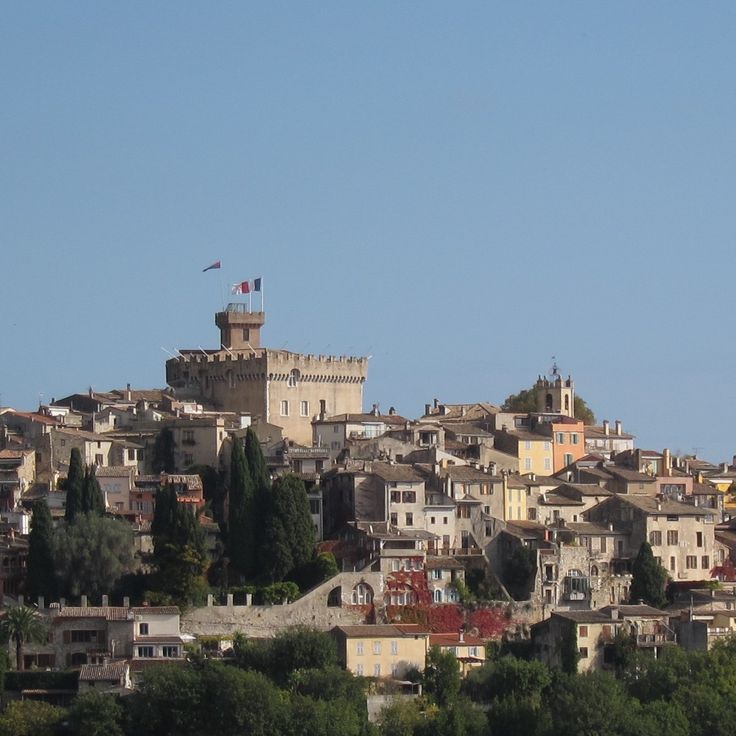
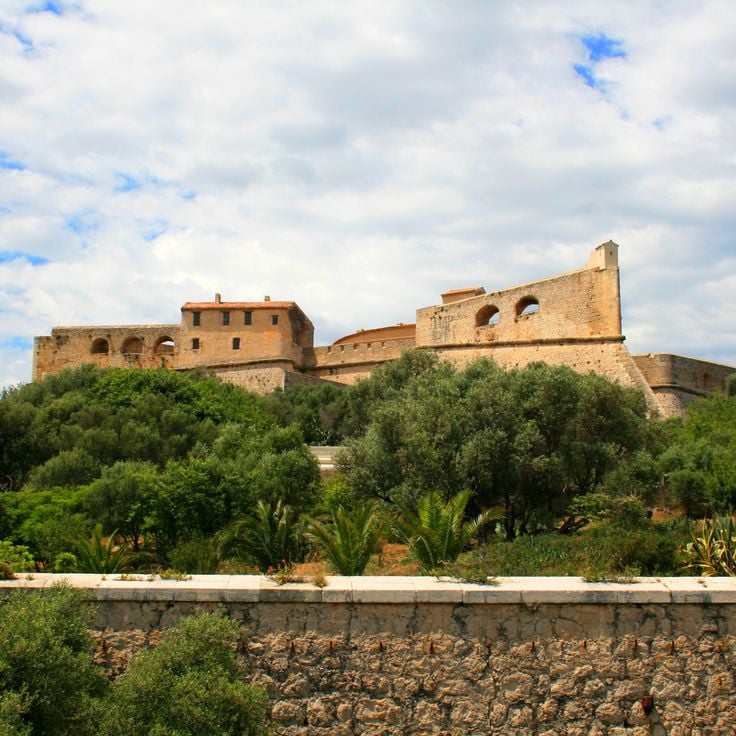
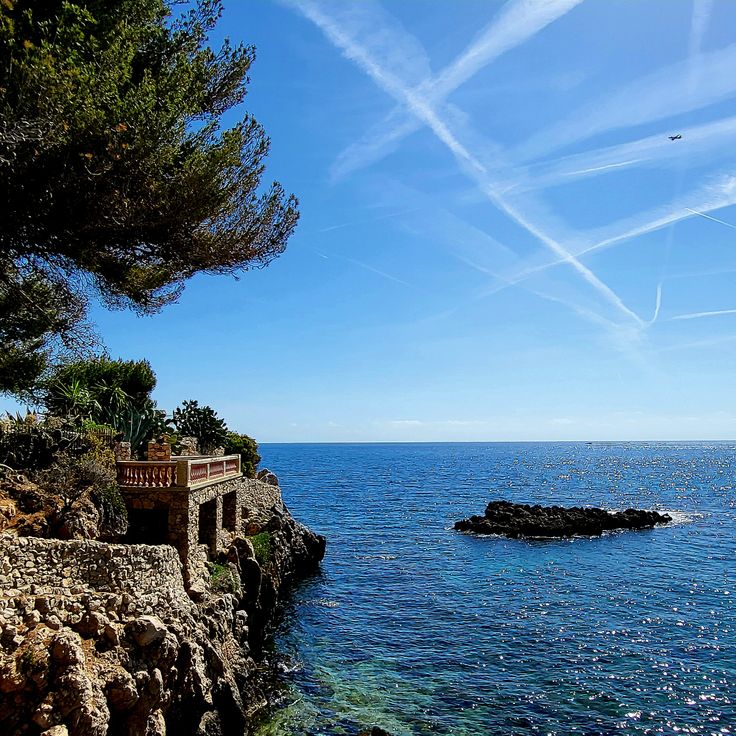
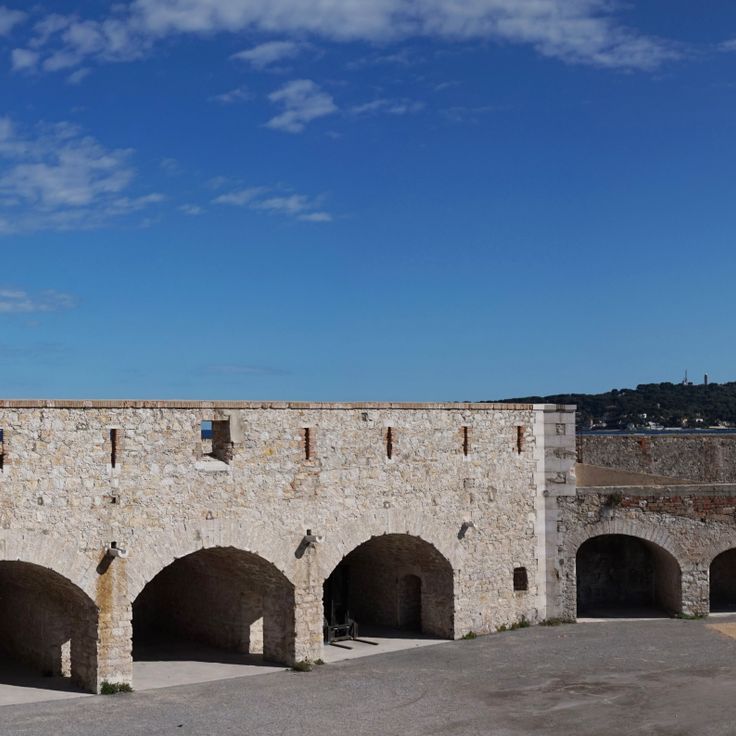
Between the ramparts of the old town and the pines of Cap d'Antibes, this seaside resort on the French Riviera preserves an architectural heritage spanning eight centuries. Grimaldi Castle, a 12th-century fortress turned Picasso’s first museum in 1946, overlooks the seafront from Place du Safranier. Further south, Fort Carré stands with its four bastions on a 26-meter-high (85 ft) rocky promontory, built in 1565 to defend the border between France and the Duchy of Savoy.
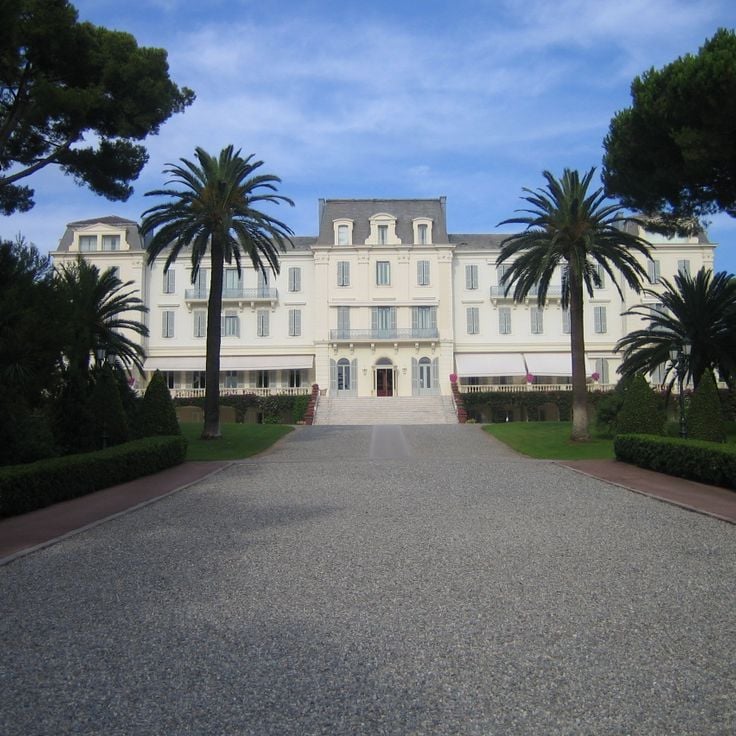
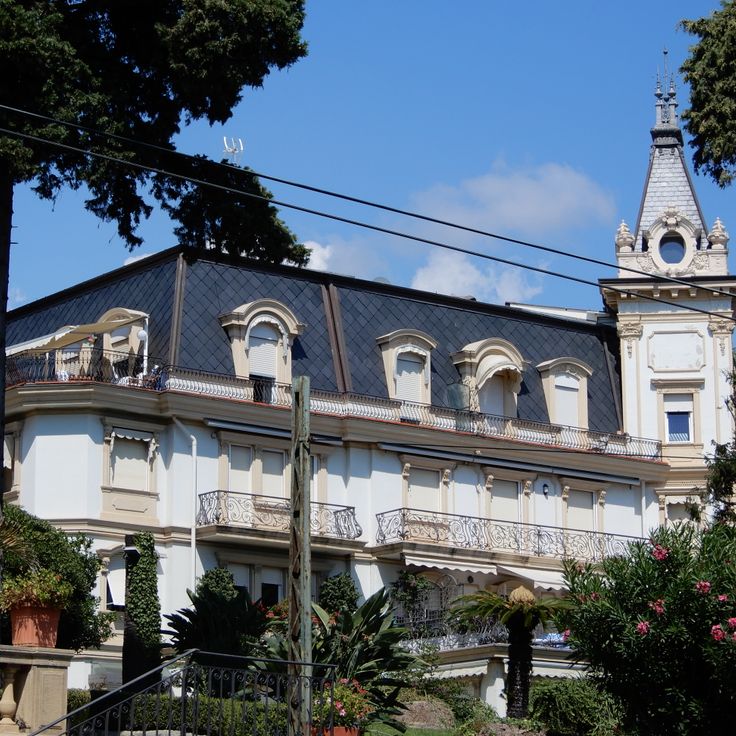
Cap d'Antibes features about twenty residences built from the late 19th century through the interwar period. Villa Eilenroc (1867) covers 27 acres with French-style gardens and a rose garden facing the sea. Château de la Croë (1927) once hosted the Duke of Windsor and is now a private estate. Notable visitors included Anatole France, who resided in Villa Soleil, and Karl Lagerfeld in the 1990s. Villa Thuret, established in 1857 by botanist Gustave Thuret, currently hosts a research garden of the INRAE with 2,500 plant species suited to Mediterranean conditions. Modernist architecture is represented by Villa Aujourd'hui (1938), a rare example of geometric design from the 1930s on the Côte d'Azur.
Between the ramparts of the old town and the pines of Cap d'Antibes, this seaside resort on the French Riviera preserves an architectural heritage spanning eight centuries. Grimaldi Castle, a 12th-century fortress turned Picasso’s first museum in 1946, overlooks the seafront from Place du Safranier. Further south, Fort Carré stands with its four bastions on a 26-meter-high (85 ft) rocky promontory, built in 1565 to defend the border between France and the Duchy of Savoy.
Cap d'Antibes features about twenty residences built from the late 19th century through the interwar period. Villa Eilenroc (1867) covers 27 acres with French-style gardens and a rose garden facing the sea. Château de la Croë (1927) once hosted the Duke of Windsor and is now a private estate. Notable visitors included Anatole France, who resided in Villa Soleil, and Karl Lagerfeld in the 1990s. Villa Thuret, established in 1857 by botanist Gustave Thuret, currently hosts a research garden of the INRAE with 2,500 plant species suited to Mediterranean conditions. Modernist architecture is represented by Villa Aujourd'hui (1938), a rare example of geometric design from the 1930s on the Côte d'Azur.
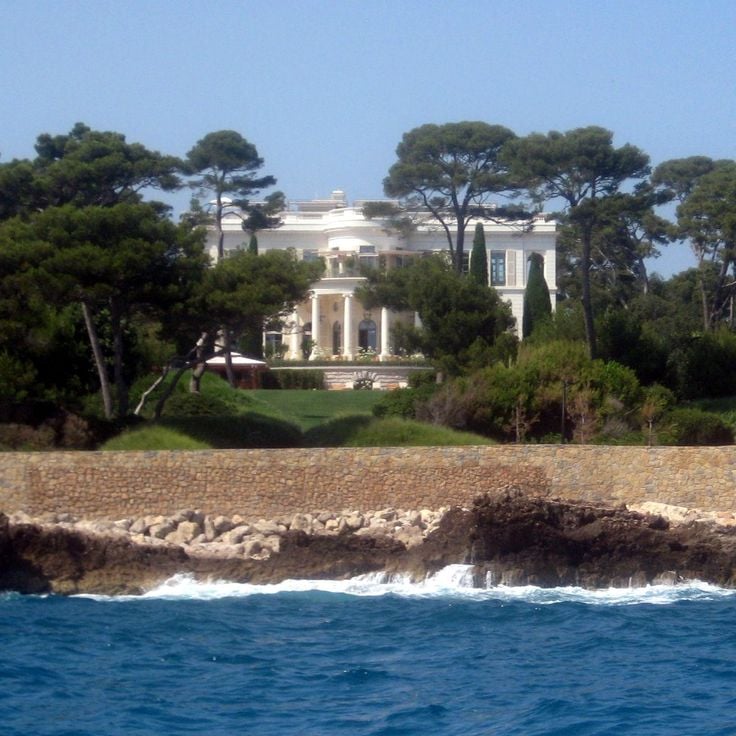
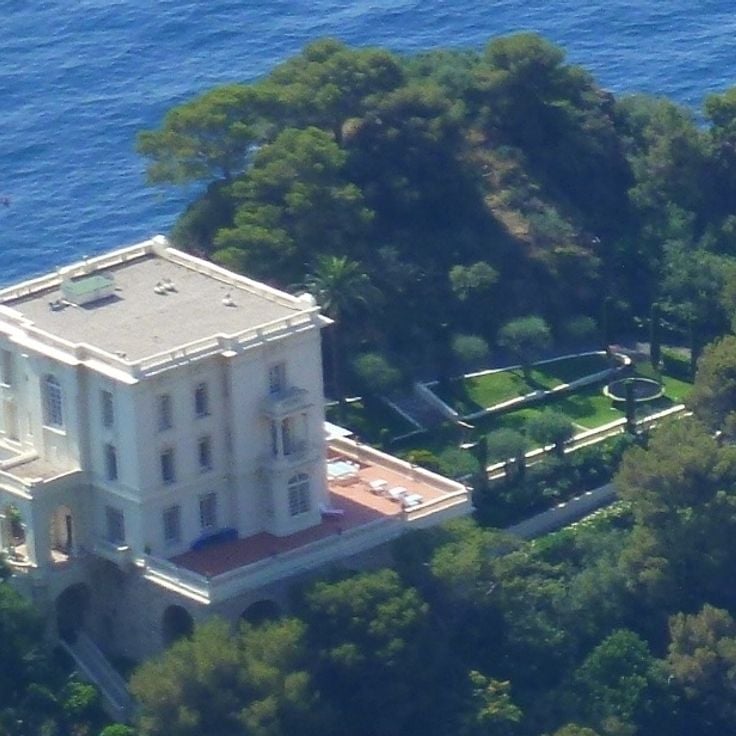
The Château de la Croë was built in 1927 on Cap d'Antibes and served as the Duke of Windsor's residence during his time on the French Riviera. This estate features expansive gardens that open onto the Mediterranean and belongs to the collection of historic residences constructed on the peninsula between the late 19th century and the interwar period. After the Duke's occupancy, the château became private property.
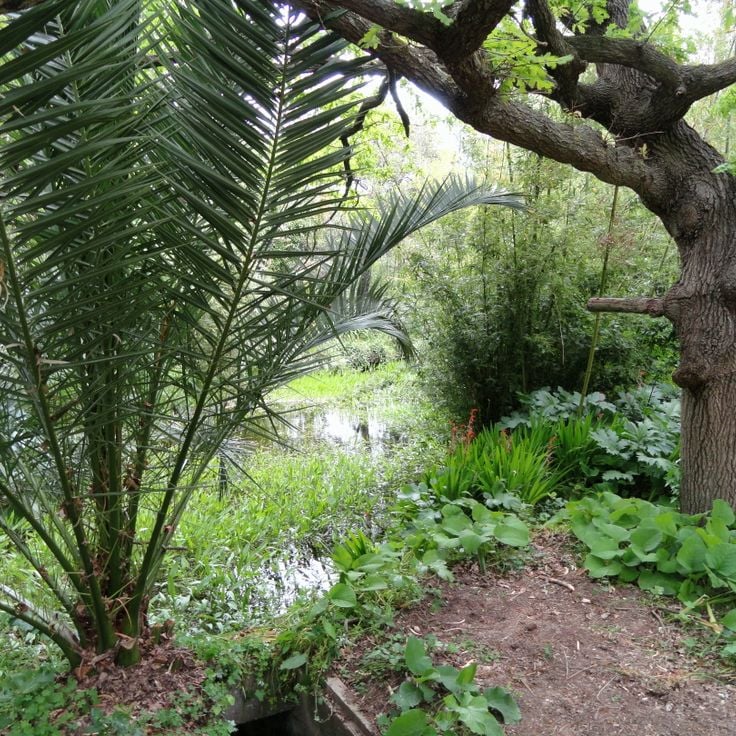
This botanical research garden was established in 1857 by Gustave Thuret and now maintains 2,500 plant species adapted to the Mediterranean climate. The Villa Thuret operates under the INRAE institute and continues the scientific work begun by the biologist, who pioneered the acclimatization of exotic species here. The grounds extend across several acres (about 4 hectares) on the Cap d'Antibes and have served as a center for Mediterranean vegetation research for over 160 years. Visitors can explore collections organized by geographic zones, including palms, conifers and South American species. The institute conducts regular guided tours that explain the garden's history and current research activities.
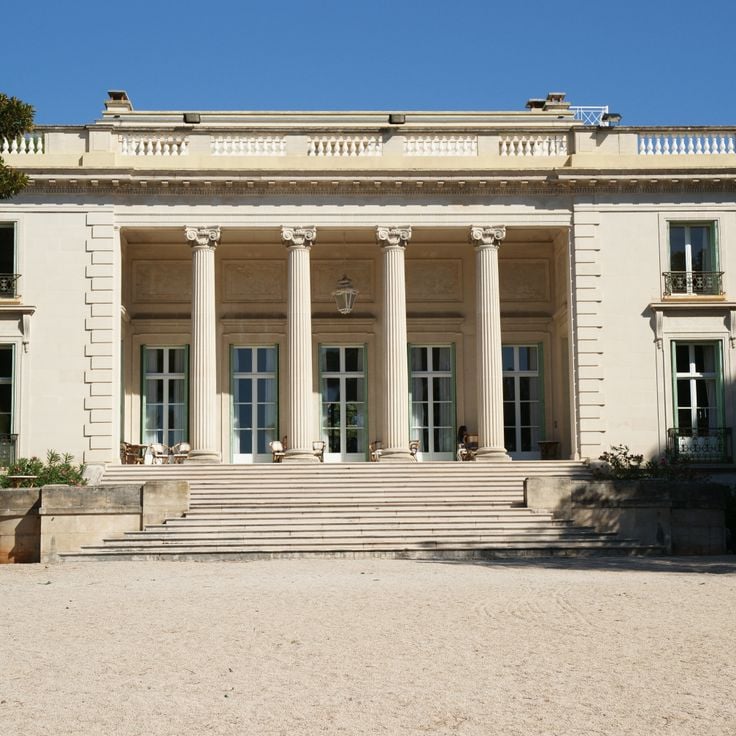
This 1867 villa stands among the historic estates of Cap d'Antibes on an 11-hectare (27-acre) property above the coastline. The architecture combines classical elements with the requirements of a 19th-century summer residence. The grounds include formal French gardens, a rose garden with several hundred varieties, and Mediterranean plantings adapted to the local climate. The villa passed through multiple owners before being transferred to the city in 1982 and can be visited during scheduled opening hours. Terraces and pathways offer views across the Mediterranean and the opposing coastline.
Château Grimaldi rises above the port of Antibes as a fortified structure from the 12th century, used by the Grimaldi family until the 17th century. In 1946, Pablo Picasso spent six months here and completed over 250 works that formed the foundation of the world's first museum dedicated to the artist. The collection displays paintings, ceramics and drawings from this period, alongside works by Nicolas de Staël and Hans Hartung. From the castle's rooftop terrace, views extend across the Bay of Angels to the Maritime Alps.
Villa Aujourd'hui was built in 1938 and represents one of the few examples of modernist architecture on the French Riviera. The building features geometric forms and horizontal lines that reflect the functionalist principles of the interwar period. This construction fits into the architectural development of Cap d'Antibes, where approximately twenty villas were built between the late 19th century and the 1930s.
This military structure from 1565 stands on an 85-foot (26-meter) rocky promontory at the entrance to Antibes harbor and once marked the border between France and the Duchy of Savoy. Fort Carré follows a star-shaped layout with four bastions that provided strategic control over the bay. The complex served as a fortress and prison for centuries before Napoleon Bonaparte was held here in 1794 following Robespierre's fall. The casemates and defensive passages remain accessible and demonstrate 16th-century military architecture. The ramparts offer views across the Bay of Angels and the old town.
This 1902 residence covers a 10,800-square-foot (1,000-square-meter) property at Cap d'Antibes with direct access to the Mediterranean. Villa La Vigie rises three levels and belongs to the Belle Époque constructions built between the old town of Antibes and Fort Carré. The property stands near Villa Eilenroc and Château de la Croë, both from the same construction period when wealthy Europeans began establishing summer residences along this coastline. The seafront location represented a sought-after criterion for this type of real estate.
The Pavillon Eden Roc opened in 1914 at the southern tip of Cap d'Antibes and offers 33 rooms with Mediterranean furnishings and private terraces overlooking the sea. The establishment occupies a rocky promontory and served as a meeting place for international society during the Belle Époque. Ernest Hemingway and F. Scott Fitzgerald were among the guests who stayed here in the 1920s. The architecture combines classical elements with regional building materials, including Provençal limestone and Italian marble.
This villa at Cap d'Antibes served as the residence of French writer Anatole France, who received the Nobel Prize in Literature in 1921. The property belongs to the collection of historic homes built along this coastline between the late 19th century and the interwar period, attracting artists, writers and European aristocrats. Villa Soleil represents an era when Cap d'Antibes became a favored retreat for the cultural elite.
This château rises at the summit of the 240-foot hill crowning the Garoupe peninsula, overlooking the coast between Antibes and Juan-les-Pins. The villa dates from the early 20th century and belongs to the twenty or so estates built at Cap d'Antibes between 1890 and 1940. The property sits near the La Garoupe lighthouse and the 16th-century pilgrimage chapel of the same name. From its elevated position, the château provides panoramic views across the Bay of Antibes and the offshore Îles de Lérins.
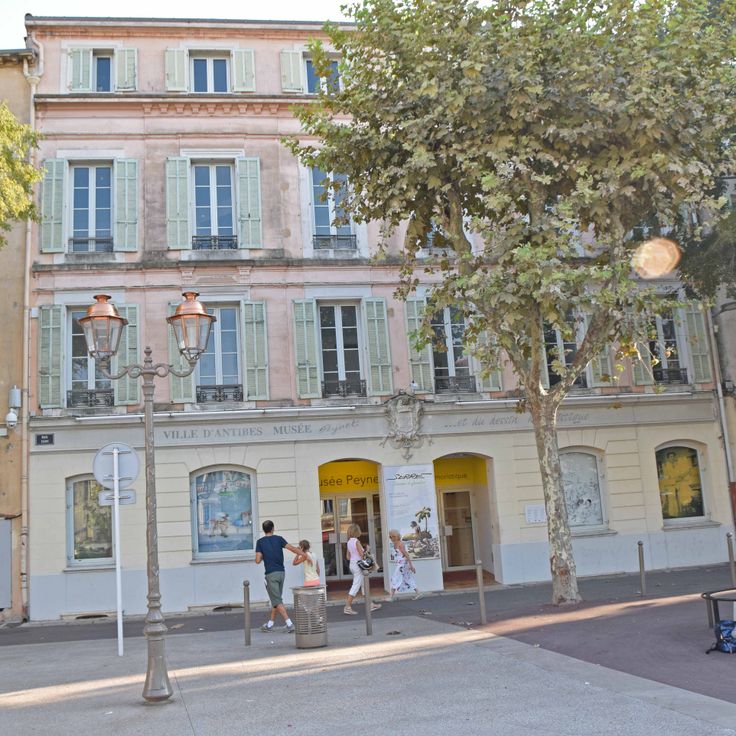
The Musée Peynet displays original drawings, lithographs, and commercial works by Raymond Peynet (1908-1999), whose illustrations of couples in love gained international distribution in the postwar years. The collection documents six decades of his graphic production, from early press drawings to later advertising commissions. Peynet created his first couple at the music pavilion in Valence in 1942, developing a style that appeared in magazines, on postcards, and in advertising campaigns. This museum in a historic villa on Cap d'Antibes presents the different phases of his artistic career.
The Bastion Saint Jaume forms part of the 16th-century fortifications that protected Antibes along the Mediterranean coastline. This defensive structure fits into the maritime defense system built after 1560 to secure the border between France and the Duchy of Savoy. The bastion sits along the waterfront near the Château Grimaldi and Fort Carré, documenting the military architecture of that era. Today the space hosts contemporary art exhibitions, connecting historical heritage with cultural events along the Mediterranean.
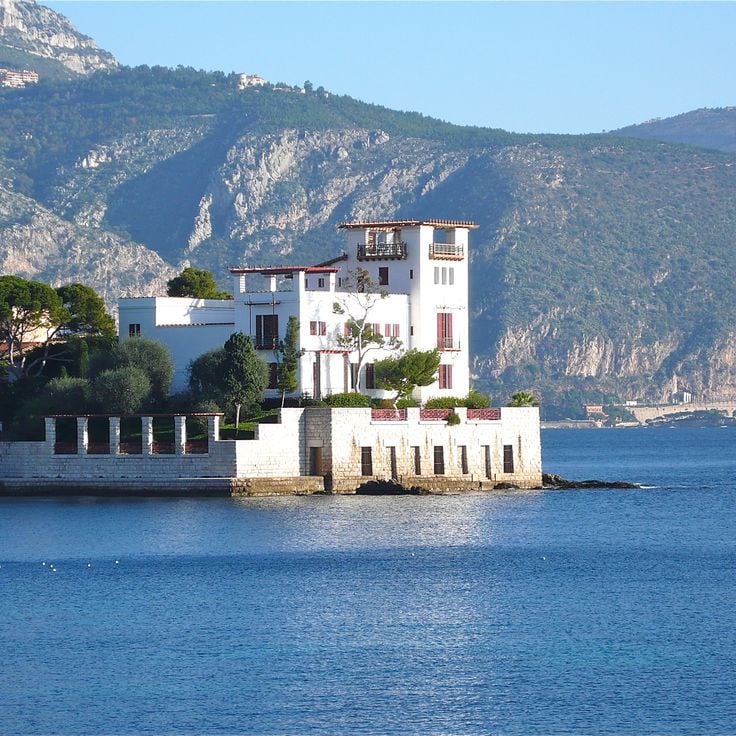
This villa completed in 1908 recreates the architecture of Greek residences from Delos dating to the 2nd century BC. Architect Emmanuel Pontremoli designed the structure for Hellenist scholar Théodore Reinach, who conceived every detail based on archaeological research. The rooms follow the traditional layout of ancient Greek houses with a central peristyle, an andron for banquets, and separate women's quarters. Mosaics, frescoes, and furnishings were crafted after ancient models, while modern materials like reinforced concrete enabled the construction. The monument sits on the Mediterranean coast and combines archaeological precision with Belle Époque lifestyle.
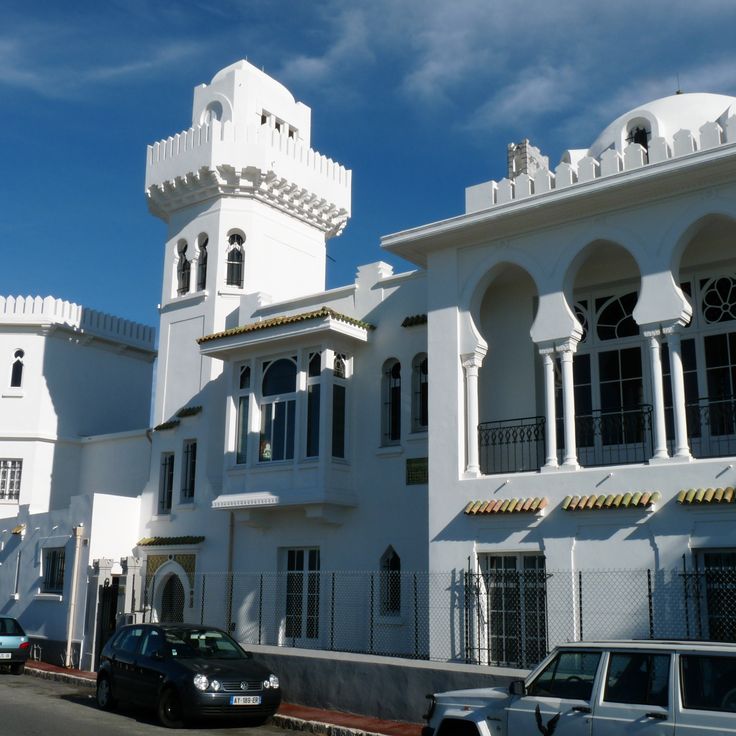
This Moorish villa was built in 1890 by a French industrialist and stands on Boulevard de la Garoupe as one of the first Oriental examples at Cap d'Antibes. The architecture displays horseshoe arches, decorated tiles and a central courtyard following Andalusian models. White facades with blue ceramic accents define the exterior, while the garden combines Mediterranean plants, palms and bougainvillea. This villa belongs to the wave of Oriental construction that wealthy European patrons brought to the French Riviera in the late 19th century.
The Château de la Croë was built in 1927 on Cap d'Antibes and served as the Duke of Windsor's residence during his time on the French Riviera. This estate features expansive gardens that open onto the Mediterranean and belongs to the collection of historic residences constructed on the peninsula between the late 19th century and the interwar period. After the Duke's occupancy, the château became private property.
This botanical research garden was established in 1857 by Gustave Thuret and now maintains 2,500 plant species adapted to the Mediterranean climate. The Villa Thuret operates under the INRAE institute and continues the scientific work begun by the biologist, who pioneered the acclimatization of exotic species here. The grounds extend across several acres (about 4 hectares) on the Cap d'Antibes and have served as a center for Mediterranean vegetation research for over 160 years. Visitors can explore collections organized by geographic zones, including palms, conifers and South American species. The institute conducts regular guided tours that explain the garden's history and current research activities.
This 1867 villa stands among the historic estates of Cap d'Antibes on an 11-hectare (27-acre) property above the coastline. The architecture combines classical elements with the requirements of a 19th-century summer residence. The grounds include formal French gardens, a rose garden with several hundred varieties, and Mediterranean plantings adapted to the local climate. The villa passed through multiple owners before being transferred to the city in 1982 and can be visited during scheduled opening hours. Terraces and pathways offer views across the Mediterranean and the opposing coastline.
Château Grimaldi rises above the port of Antibes as a fortified structure from the 12th century, used by the Grimaldi family until the 17th century. In 1946, Pablo Picasso spent six months here and completed over 250 works that formed the foundation of the world's first museum dedicated to the artist. The collection displays paintings, ceramics and drawings from this period, alongside works by Nicolas de Staël and Hans Hartung. From the castle's rooftop terrace, views extend across the Bay of Angels to the Maritime Alps.
Villa Aujourd'hui was built in 1938 and represents one of the few examples of modernist architecture on the French Riviera. The building features geometric forms and horizontal lines that reflect the functionalist principles of the interwar period. This construction fits into the architectural development of Cap d'Antibes, where approximately twenty villas were built between the late 19th century and the 1930s.
This military structure from 1565 stands on an 85-foot (26-meter) rocky promontory at the entrance to Antibes harbor and once marked the border between France and the Duchy of Savoy. Fort Carré follows a star-shaped layout with four bastions that provided strategic control over the bay. The complex served as a fortress and prison for centuries before Napoleon Bonaparte was held here in 1794 following Robespierre's fall. The casemates and defensive passages remain accessible and demonstrate 16th-century military architecture. The ramparts offer views across the Bay of Angels and the old town.
This 1902 residence covers a 10,800-square-foot (1,000-square-meter) property at Cap d'Antibes with direct access to the Mediterranean. Villa La Vigie rises three levels and belongs to the Belle Époque constructions built between the old town of Antibes and Fort Carré. The property stands near Villa Eilenroc and Château de la Croë, both from the same construction period when wealthy Europeans began establishing summer residences along this coastline. The seafront location represented a sought-after criterion for this type of real estate.
The Pavillon Eden Roc opened in 1914 at the southern tip of Cap d'Antibes and offers 33 rooms with Mediterranean furnishings and private terraces overlooking the sea. The establishment occupies a rocky promontory and served as a meeting place for international society during the Belle Époque. Ernest Hemingway and F. Scott Fitzgerald were among the guests who stayed here in the 1920s. The architecture combines classical elements with regional building materials, including Provençal limestone and Italian marble.
This villa at Cap d'Antibes served as the residence of French writer Anatole France, who received the Nobel Prize in Literature in 1921. The property belongs to the collection of historic homes built along this coastline between the late 19th century and the interwar period, attracting artists, writers and European aristocrats. Villa Soleil represents an era when Cap d'Antibes became a favored retreat for the cultural elite.
This château rises at the summit of the 240-foot hill crowning the Garoupe peninsula, overlooking the coast between Antibes and Juan-les-Pins. The villa dates from the early 20th century and belongs to the twenty or so estates built at Cap d'Antibes between 1890 and 1940. The property sits near the La Garoupe lighthouse and the 16th-century pilgrimage chapel of the same name. From its elevated position, the château provides panoramic views across the Bay of Antibes and the offshore Îles de Lérins.
The Musée Peynet displays original drawings, lithographs, and commercial works by Raymond Peynet (1908-1999), whose illustrations of couples in love gained international distribution in the postwar years. The collection documents six decades of his graphic production, from early press drawings to later advertising commissions. Peynet created his first couple at the music pavilion in Valence in 1942, developing a style that appeared in magazines, on postcards, and in advertising campaigns. This museum in a historic villa on Cap d'Antibes presents the different phases of his artistic career.
The Bastion Saint Jaume forms part of the 16th-century fortifications that protected Antibes along the Mediterranean coastline. This defensive structure fits into the maritime defense system built after 1560 to secure the border between France and the Duchy of Savoy. The bastion sits along the waterfront near the Château Grimaldi and Fort Carré, documenting the military architecture of that era. Today the space hosts contemporary art exhibitions, connecting historical heritage with cultural events along the Mediterranean.
This villa completed in 1908 recreates the architecture of Greek residences from Delos dating to the 2nd century BC. Architect Emmanuel Pontremoli designed the structure for Hellenist scholar Théodore Reinach, who conceived every detail based on archaeological research. The rooms follow the traditional layout of ancient Greek houses with a central peristyle, an andron for banquets, and separate women's quarters. Mosaics, frescoes, and furnishings were crafted after ancient models, while modern materials like reinforced concrete enabled the construction. The monument sits on the Mediterranean coast and combines archaeological precision with Belle Époque lifestyle.
This Moorish villa was built in 1890 by a French industrialist and stands on Boulevard de la Garoupe as one of the first Oriental examples at Cap d'Antibes. The architecture displays horseshoe arches, decorated tiles and a central courtyard following Andalusian models. White facades with blue ceramic accents define the exterior, while the garden combines Mediterranean plants, palms and bougainvillea. This villa belongs to the wave of Oriental construction that wealthy European patrons brought to the French Riviera in the late 19th century.
The Château de la Croë was built in 1927 on Cap d'Antibes and served as the Duke of Windsor's residence during his time on the French Riviera. This estate features expansive gardens that open onto the Mediterranean and belongs to the collection of historic residences constructed on the peninsula between the late 19th century and the interwar period. After the Duke's occupancy, the château became private property.
This botanical research garden was established in 1857 by Gustave Thuret and now maintains 2,500 plant species adapted to the Mediterranean climate. The Villa Thuret operates under the INRAE institute and continues the scientific work begun by the biologist, who pioneered the acclimatization of exotic species here. The grounds extend across several acres (about 4 hectares) on the Cap d'Antibes and have served as a center for Mediterranean vegetation research for over 160 years. Visitors can explore collections organized by geographic zones, including palms, conifers and South American species. The institute conducts regular guided tours that explain the garden's history and current research activities.
This 1867 villa stands among the historic estates of Cap d'Antibes on an 11-hectare (27-acre) property above the coastline. The architecture combines classical elements with the requirements of a 19th-century summer residence. The grounds include formal French gardens, a rose garden with several hundred varieties, and Mediterranean plantings adapted to the local climate. The villa passed through multiple owners before being transferred to the city in 1982 and can be visited during scheduled opening hours. Terraces and pathways offer views across the Mediterranean and the opposing coastline.
Château Grimaldi rises above the port of Antibes as a fortified structure from the 12th century, used by the Grimaldi family until the 17th century. In 1946, Pablo Picasso spent six months here and completed over 250 works that formed the foundation of the world's first museum dedicated to the artist. The collection displays paintings, ceramics and drawings from this period, alongside works by Nicolas de Staël and Hans Hartung. From the castle's rooftop terrace, views extend across the Bay of Angels to the Maritime Alps.
Villa Aujourd'hui was built in 1938 and represents one of the few examples of modernist architecture on the French Riviera. The building features geometric forms and horizontal lines that reflect the functionalist principles of the interwar period. This construction fits into the architectural development of Cap d'Antibes, where approximately twenty villas were built between the late 19th century and the 1930s.
This military structure from 1565 stands on an 85-foot (26-meter) rocky promontory at the entrance to Antibes harbor and once marked the border between France and the Duchy of Savoy. Fort Carré follows a star-shaped layout with four bastions that provided strategic control over the bay. The complex served as a fortress and prison for centuries before Napoleon Bonaparte was held here in 1794 following Robespierre's fall. The casemates and defensive passages remain accessible and demonstrate 16th-century military architecture. The ramparts offer views across the Bay of Angels and the old town.
This 1902 residence covers a 10,800-square-foot (1,000-square-meter) property at Cap d'Antibes with direct access to the Mediterranean. Villa La Vigie rises three levels and belongs to the Belle Époque constructions built between the old town of Antibes and Fort Carré. The property stands near Villa Eilenroc and Château de la Croë, both from the same construction period when wealthy Europeans began establishing summer residences along this coastline. The seafront location represented a sought-after criterion for this type of real estate.
The Pavillon Eden Roc opened in 1914 at the southern tip of Cap d'Antibes and offers 33 rooms with Mediterranean furnishings and private terraces overlooking the sea. The establishment occupies a rocky promontory and served as a meeting place for international society during the Belle Époque. Ernest Hemingway and F. Scott Fitzgerald were among the guests who stayed here in the 1920s. The architecture combines classical elements with regional building materials, including Provençal limestone and Italian marble.
This villa at Cap d'Antibes served as the residence of French writer Anatole France, who received the Nobel Prize in Literature in 1921. The property belongs to the collection of historic homes built along this coastline between the late 19th century and the interwar period, attracting artists, writers and European aristocrats. Villa Soleil represents an era when Cap d'Antibes became a favored retreat for the cultural elite.
This château rises at the summit of the 240-foot hill crowning the Garoupe peninsula, overlooking the coast between Antibes and Juan-les-Pins. The villa dates from the early 20th century and belongs to the twenty or so estates built at Cap d'Antibes between 1890 and 1940. The property sits near the La Garoupe lighthouse and the 16th-century pilgrimage chapel of the same name. From its elevated position, the château provides panoramic views across the Bay of Antibes and the offshore Îles de Lérins.
The Musée Peynet displays original drawings, lithographs, and commercial works by Raymond Peynet (1908-1999), whose illustrations of couples in love gained international distribution in the postwar years. The collection documents six decades of his graphic production, from early press drawings to later advertising commissions. Peynet created his first couple at the music pavilion in Valence in 1942, developing a style that appeared in magazines, on postcards, and in advertising campaigns. This museum in a historic villa on Cap d'Antibes presents the different phases of his artistic career.
The Bastion Saint Jaume forms part of the 16th-century fortifications that protected Antibes along the Mediterranean coastline. This defensive structure fits into the maritime defense system built after 1560 to secure the border between France and the Duchy of Savoy. The bastion sits along the waterfront near the Château Grimaldi and Fort Carré, documenting the military architecture of that era. Today the space hosts contemporary art exhibitions, connecting historical heritage with cultural events along the Mediterranean.
This villa completed in 1908 recreates the architecture of Greek residences from Delos dating to the 2nd century BC. Architect Emmanuel Pontremoli designed the structure for Hellenist scholar Théodore Reinach, who conceived every detail based on archaeological research. The rooms follow the traditional layout of ancient Greek houses with a central peristyle, an andron for banquets, and separate women's quarters. Mosaics, frescoes, and furnishings were crafted after ancient models, while modern materials like reinforced concrete enabled the construction. The monument sits on the Mediterranean coast and combines archaeological precision with Belle Époque lifestyle.
This Moorish villa was built in 1890 by a French industrialist and stands on Boulevard de la Garoupe as one of the first Oriental examples at Cap d'Antibes. The architecture displays horseshoe arches, decorated tiles and a central courtyard following Andalusian models. White facades with blue ceramic accents define the exterior, while the garden combines Mediterranean plants, palms and bougainvillea. This villa belongs to the wave of Oriental construction that wealthy European patrons brought to the French Riviera in the late 19th century.