See the monuments around you in AROpen chests in the app
Around Us is built for your phone — point your camera at the streets and discover the monuments and places around you in augmented reality.Around Us is built for your phone — chests unlock when you walk, explore and capture nearby places.
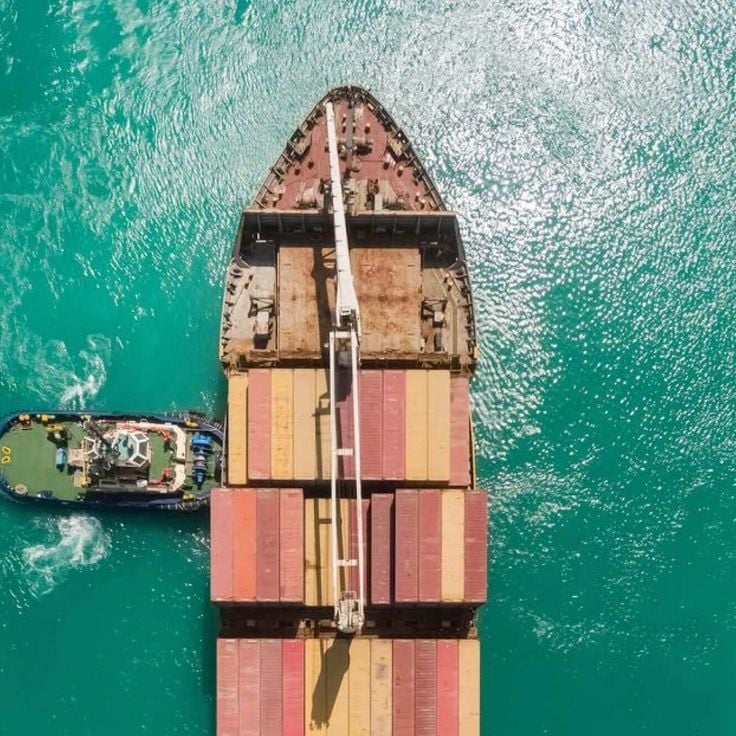
In the Near and Middle East, straits and ports shape the maritime flows that connect continents and economies.
To better understand current issues, we present this list of important places in the Near and Middle East. It includes the most important waterways, bays, trade ports, and strategic islands. These sites are historically recorded and play a key role in global trade and international shipping. The list covers essential water routes, regional port hubs, and geographic points that shape the exchanges and flow of ships in this area.
In the Near and Middle East, straits and ports shape the maritime flows that connect continents and economies.
To better understand current issues, we present this list of important places in the Near and Middle East. It includes the most important waterways, bays, trade ports, and strategic islands. These sites are historically recorded and play a key role in global trade and international shipping. The list covers essential water routes, regional port hubs, and geographic points that shape the exchanges and flow of ships in this area.
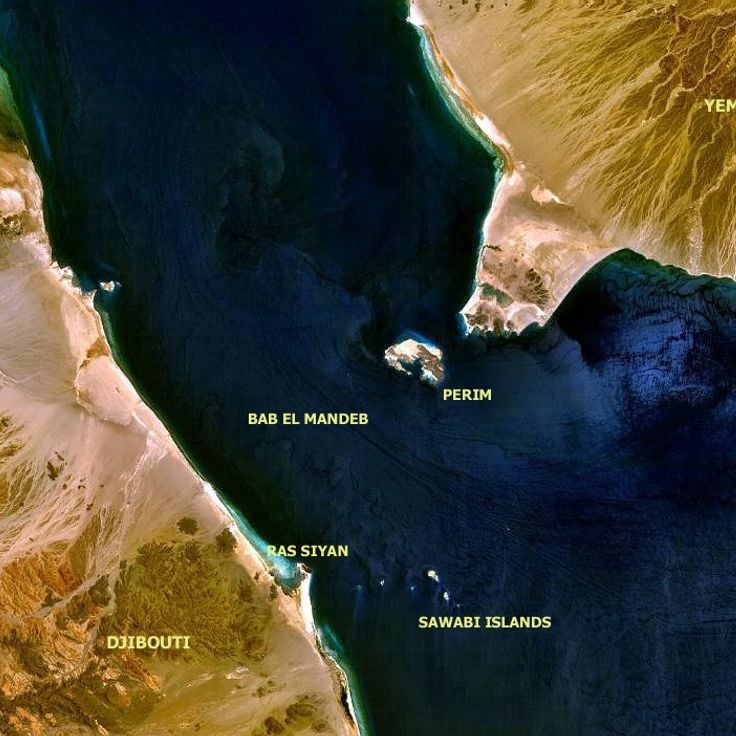
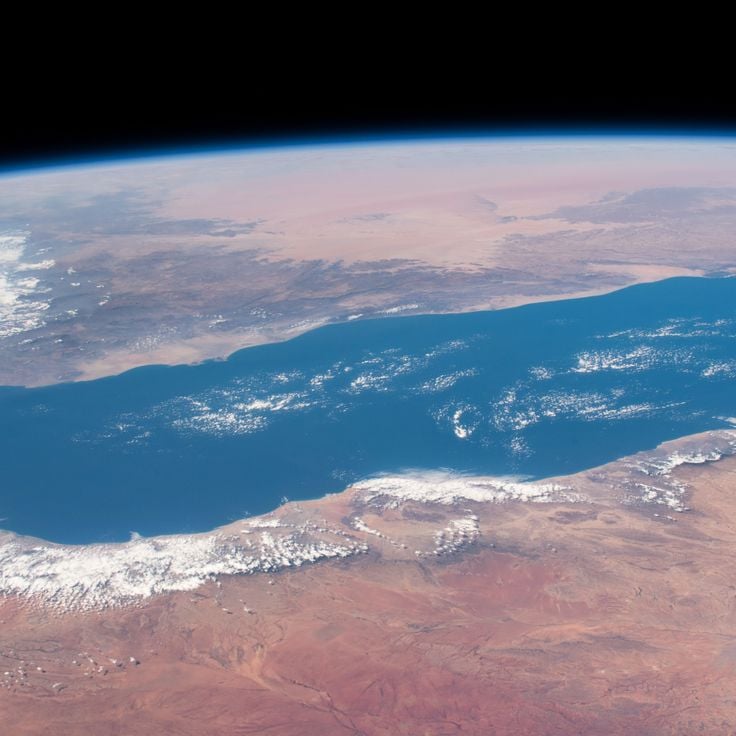
The Strait of Bab el-Mandeb is a narrow passage connecting the Red Sea to the Gulf of Aden, situated between Djibouti and Yemen. This strait is one of the world's major shipping routes, used by merchant vessels traveling between Europe, Asia, and Africa. Every day, hundreds of ships pass through this waterway, making it critical for global trade and international navigation.
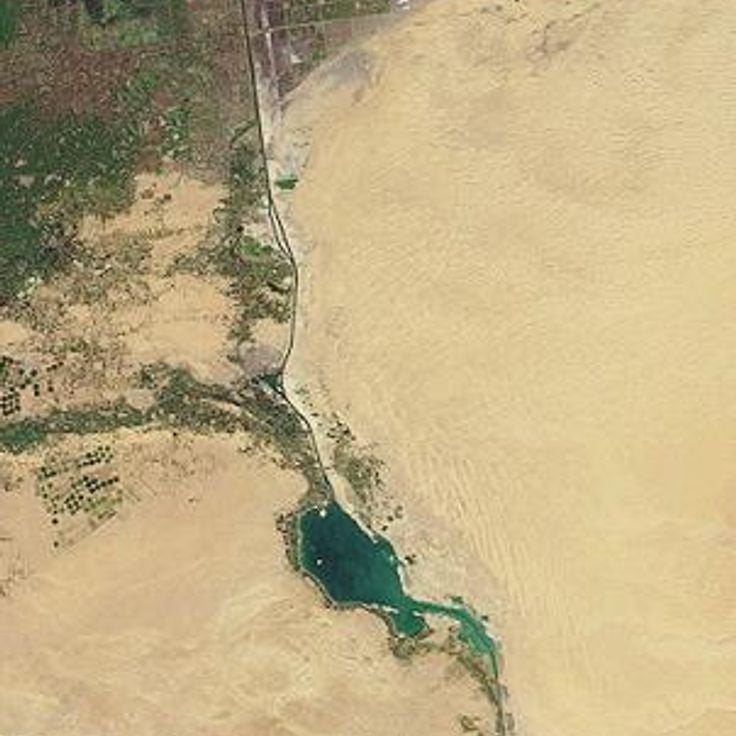
The Suez Canal is a navigable waterway in Egypt that connects the Mediterranean Sea to the Red Sea. It is one of the world's most important trade routes, allowing ships to travel between Europe and Asia without having to sail around Africa. The canal plays a central role in global shipping traffic and in economic relations between continents.
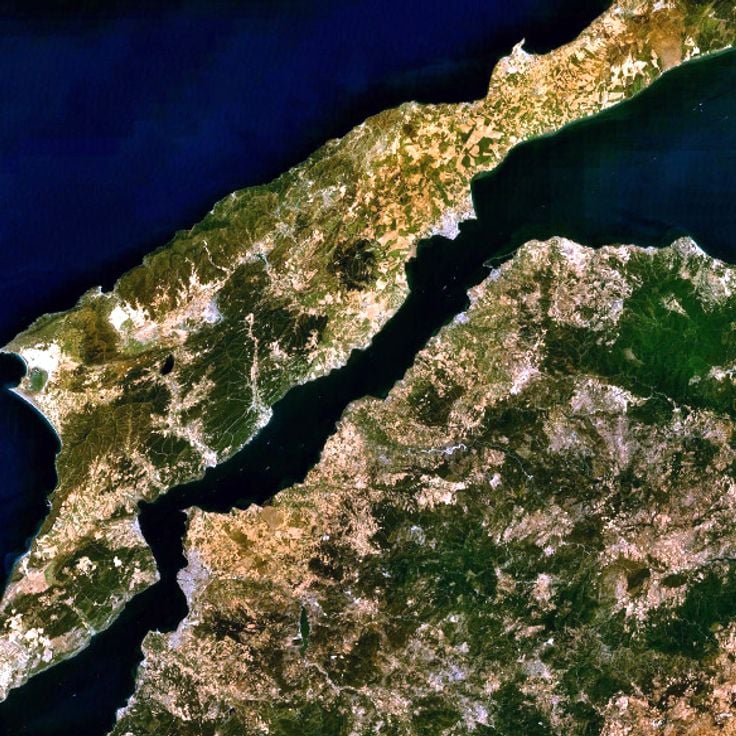
The Dardanelles is a strait in Turkey that connects the Aegean Sea to the Sea of Marmara. This waterway is important for ship traffic between the Mediterranean and the Black Sea. It separates European Turkey from Asian Turkey and has served as a major trade route for centuries. Today, ships pass through this narrow passage daily, making it strategically important for international shipping.
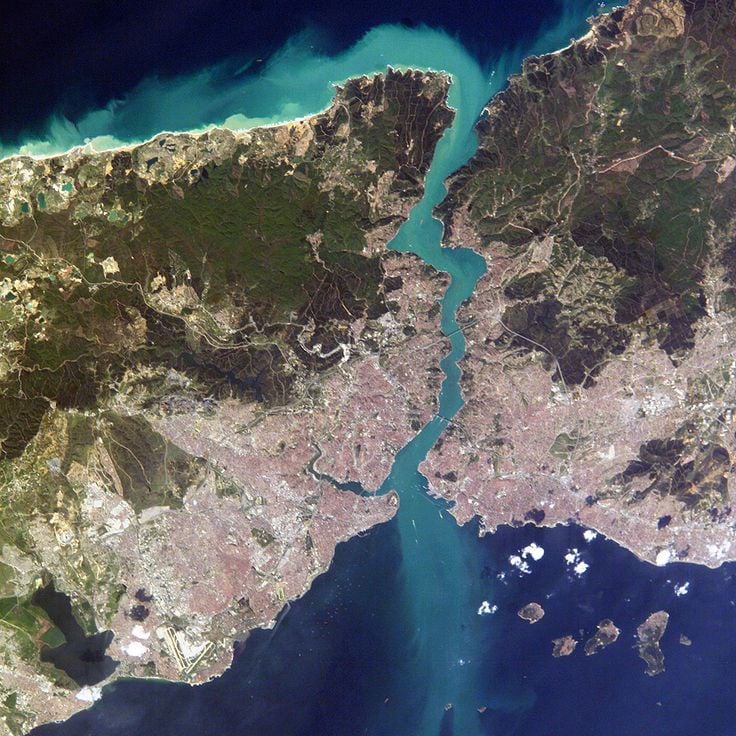
The Bosporus is the strait connecting the Sea of Marmara to the Black Sea, passing through Istanbul in Turkey. It is one of the world's most important shipping passages. Every day, cargo ships, tankers, and ferries navigate through this narrow waterway. The shores are densely populated, with the city of Istanbul on both sides. This passage links Europe and Asia and allows trade between the Black Sea and the Mediterranean.
The Persian Gulf is a major body of water in the Middle East surrounded by several countries. This marine region plays an important role in global trade and international shipping. The gulf connects various ports and straits and serves as a central point for the exchange of goods between Asia, Africa, and Europe. Many ships pass through these waters daily.
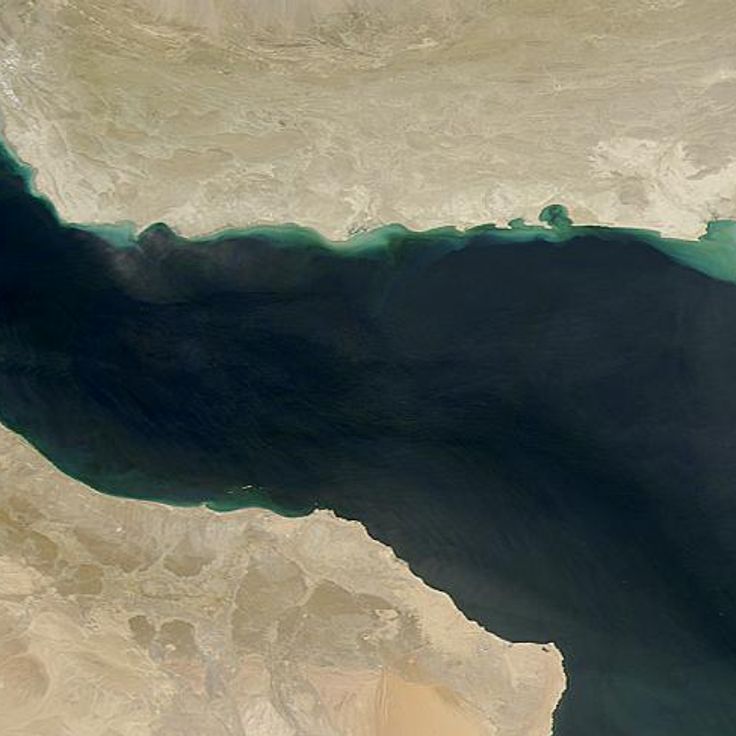
The Gulf of Oman connects the Persian Gulf to the Arabian Sea, situated between Iran and Oman. This waterway serves as a major passage for international shipping and global commerce. Commercial vessels and tankers traverse these waters daily on their routes between Asia, Africa, and Europe. The gulf forms a natural transition between two larger maritime zones and shapes the shipping lanes of the region.
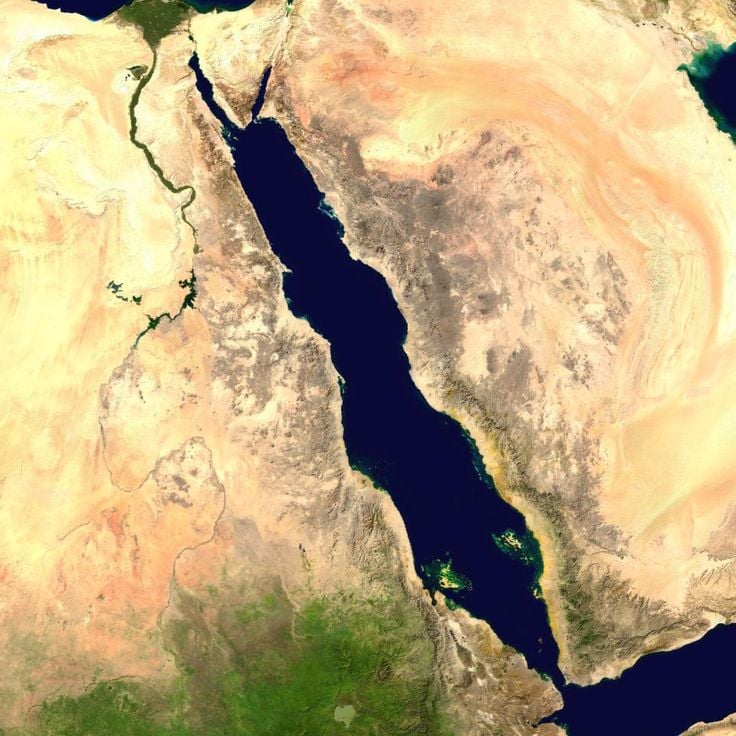
The Red Sea is a body of water between Africa and the Arabian Peninsula, stretching about 1,240 miles (2,000 km). It connects the Mediterranean region to the Indian Ocean through the Suez Canal. This sea has served as an important trade route since ancient times, linking Europe, Africa, and Asia. Today it remains one of the world's busiest shipping lanes and a critical passage for international commerce. Its position makes it a key area for maritime transport and the movement of goods between continents.
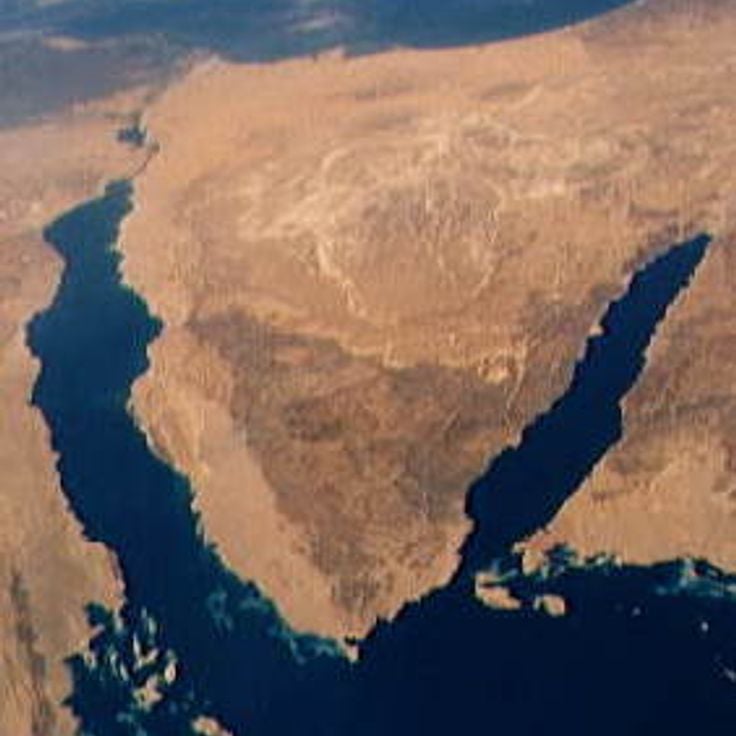
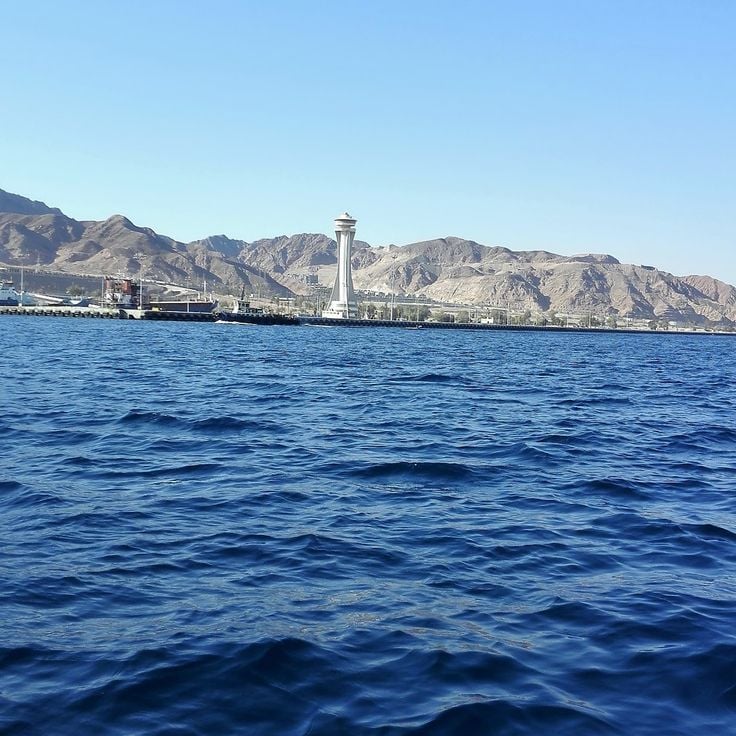
The Gulf of Aqaba is a body of water in southern Jordan and Israel and forms the northern arm of the Red Sea. This waterway connects the Red Sea to the Mediterranean Sea through the Suez Canal and serves as a major shipping route for vessels traveling between Europe, Asia, and Africa. The gulf borders strategic coastal areas and ports that play a role in regional commerce.
The Gulf of Aden is a maritime zone between Yemen and Somalia that connects the Red Sea to the Arabian Sea. This passage is one of the world's most important shipping routes and serves as a critical hub for international trade. Daily, merchant vessels traverse these waters on their journey between Europe, Asia, and Africa.
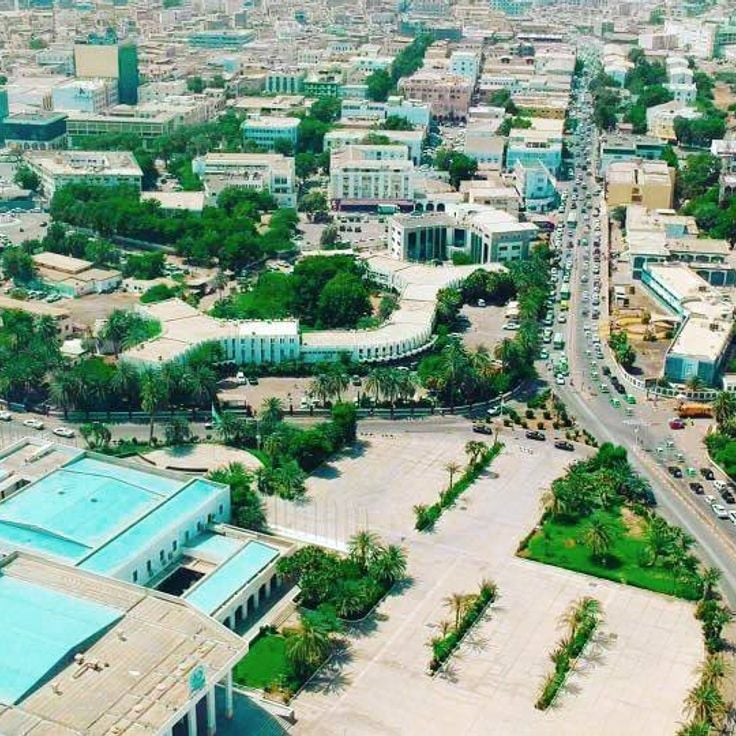
The Port of Djibouti is a major commercial harbor in Djibouti, located at the entrance to the Red Sea. It plays a key role in international maritime trade and connects shipping routes between Europe, Asia, and Africa. This port serves as a regional hub for cargo handling and is important for the maritime connection between the Indian Ocean and the Red Sea.
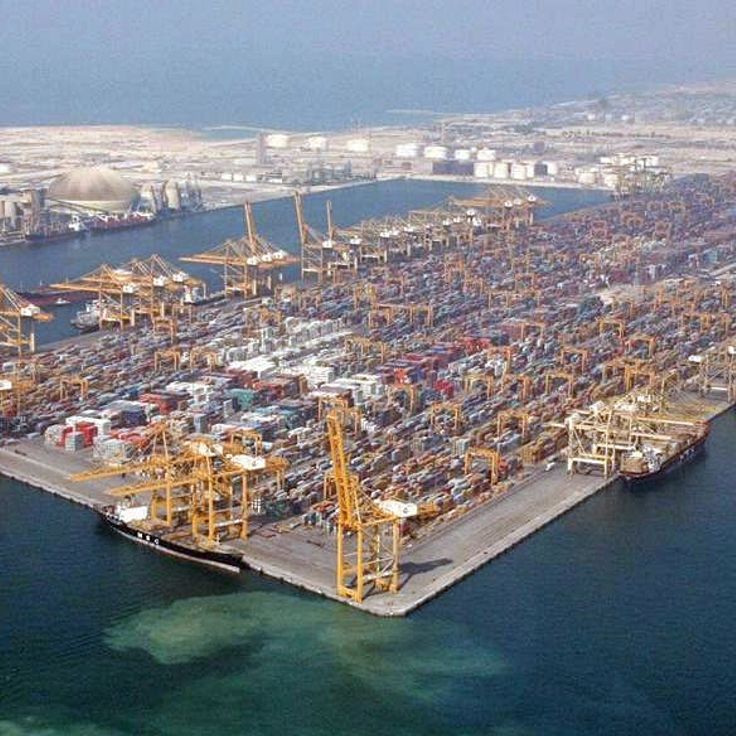
The Port of Jebel Ali in Dubai is one of the world's largest container ports. It serves as a key hub connecting trade routes between Europe, Asia, and Africa. The port handles massive volumes of cargo daily and plays a vital role in global maritime commerce and the region's economic importance.
Abu Dhabi Port is a major commercial port in the United Arab Emirates located in the Persian Gulf. It connects the region to global shipping routes and plays a role in moving goods between Asia, Europe, and Africa. The port handles different types of cargo and serves as a stop for international ships.
The port of Doha is a major commercial harbor on the Persian Gulf that has been fundamental to Qatar's economic development. This port connects the region to global trade routes and serves as a hub for cargo movement between the Middle East, Europe, and Asia.
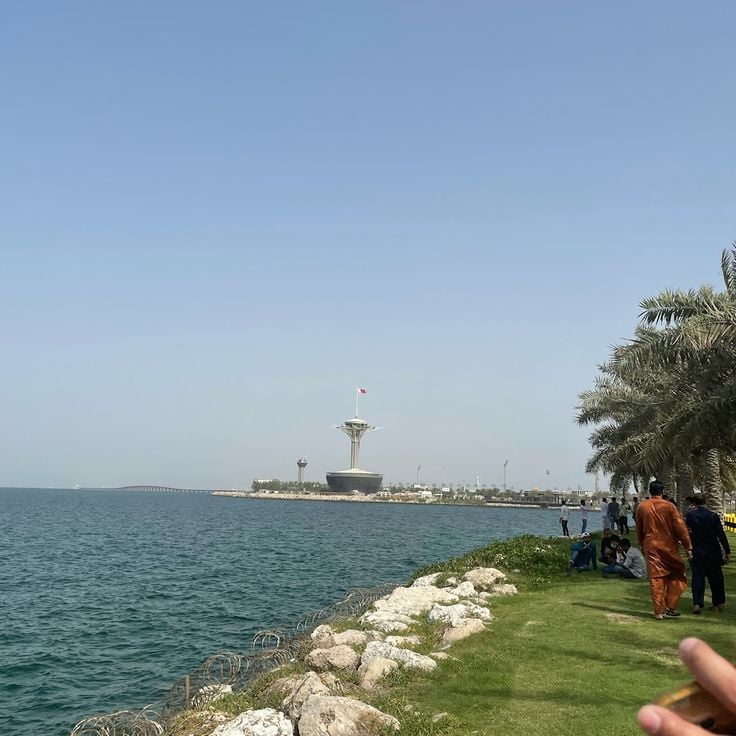
The Port of Manama is a major commercial port in the Persian Gulf and plays a key role in the region's maritime connections. It links Middle Eastern markets to global trade routes and serves as a hub for goods from around the world. The Port of Manama supports economic activity in the region and is a central point for international shipping in this strategic area.
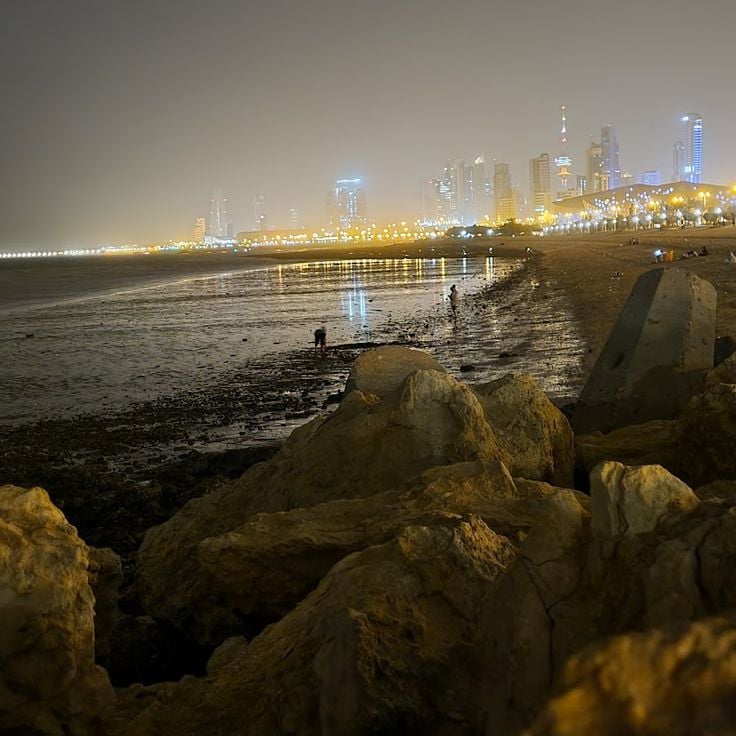
Kuwait Port is a major commercial harbor on the Persian Gulf. It serves as a key link in regional shipping networks and connects Kuwait to global trade routes. The port handles diverse cargo types and supports the country's economy through active maritime commerce.
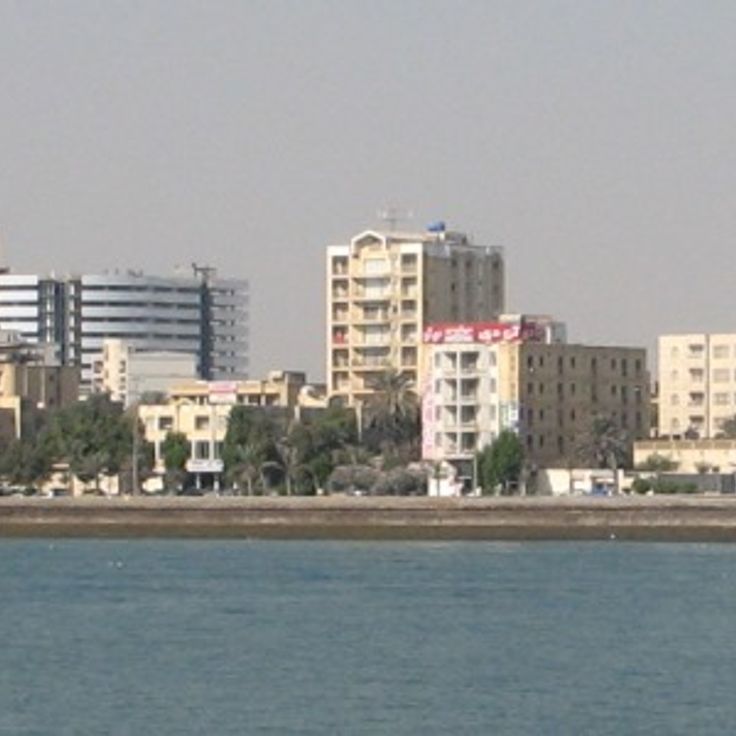
Bandar Abbas Port is a major commercial harbor on the Persian Gulf in Iran. It serves as a regional logistics hub and connects ships from around the world to the interior of the country. The port handles significant cargo volumes and functions as a key trading node for this region.
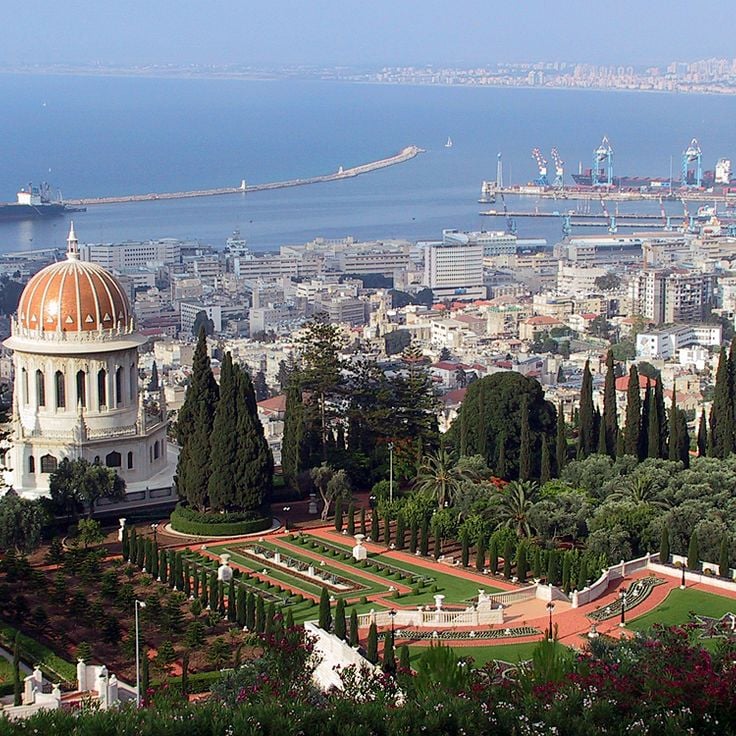
The Port of Haifa is a major commercial harbor on the Mediterranean coast of Israel. This facility links Israel to international maritime trade and plays a role in regional commerce. The port serves commercial vessels and contributes to the country's supply lines. Its location makes it a junction point for the exchange of goods in the eastern Mediterranean.
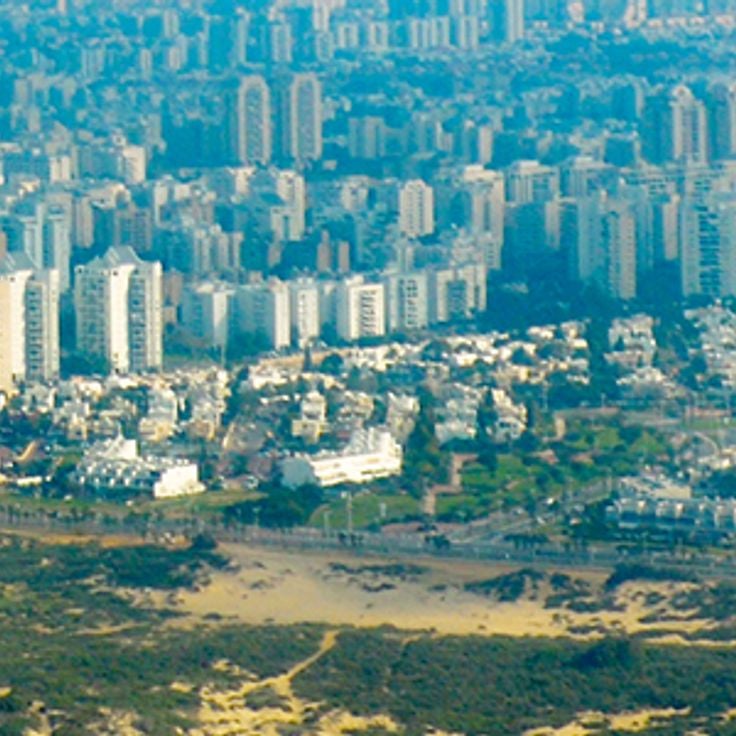
The port of Ashdod is a major commercial harbor on Israel's Mediterranean coast. It serves as a key point in the maritime infrastructure of the Near and Middle East, connecting the region to global trade routes. The port handles substantial container and cargo traffic and is vital to Israel's economy. As one of the strategic hubs in this area, the port of Ashdod supports regional shipping networks.
The Port of Aqaba is a major commercial harbor in Jordan located on the Gulf of Aqaba. It connects the country to international shipping routes and serves as a gateway to the Red Sea. The port plays a key role in regional maritime trade and handles the movement of goods between continents.
Socotra Island lies in the Gulf of Aden and serves as a strategic geographic point for navigation in this region. This Yemeni island controls access to one of the world's most important maritime passages. Its location makes it a key reference point for international trade and maritime navigation in the Middle East.
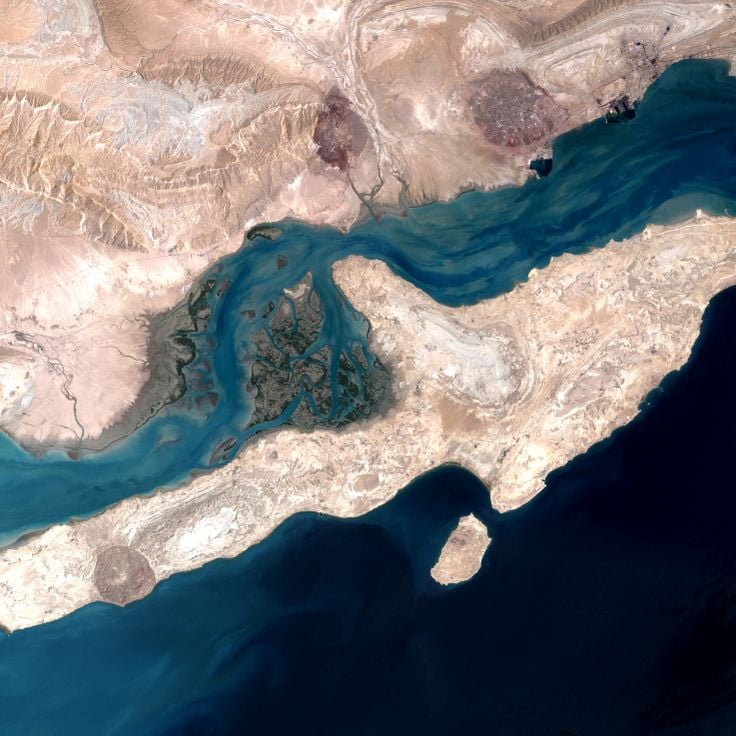
Qeshm Island is an Iranian island in the Persian Gulf that serves as a strategic geographic position. It sits along important shipping routes and holds significance for regional trade and the control of sea passages. The island connects the eastern and western parts of the Gulf and plays a role in the international shipping lanes of this region.
The Bahrain Archipelago is a group of islands in the Persian Gulf that form the state of Bahrain. These islands hold strategic importance in regional shipping and trade. Located between the coasts of Saudi Arabia and Iran, the archipelago influences shipping routes for international commerce in this part of the Middle East.
The Strait of Hormuz connects the Persian Gulf to the Sea of Oman. This waterway sits between Iran and Oman and serves as one of the most important passages for global maritime trade. Tankers and cargo ships pass through here daily, carrying oil and goods to ports around the world. The strait is relatively narrow, which makes it a critical point for international shipping.
The Strait of Bab el-Mandeb is a narrow passage connecting the Red Sea to the Gulf of Aden, situated between Djibouti and Yemen. This strait is one of the world's major shipping routes, used by merchant vessels traveling between Europe, Asia, and Africa. Every day, hundreds of ships pass through this waterway, making it critical for global trade and international navigation.
The Suez Canal is a navigable waterway in Egypt that connects the Mediterranean Sea to the Red Sea. It is one of the world's most important trade routes, allowing ships to travel between Europe and Asia without having to sail around Africa. The canal plays a central role in global shipping traffic and in economic relations between continents.
The Dardanelles is a strait in Turkey that connects the Aegean Sea to the Sea of Marmara. This waterway is important for ship traffic between the Mediterranean and the Black Sea. It separates European Turkey from Asian Turkey and has served as a major trade route for centuries. Today, ships pass through this narrow passage daily, making it strategically important for international shipping.
The Bosporus is the strait connecting the Sea of Marmara to the Black Sea, passing through Istanbul in Turkey. It is one of the world's most important shipping passages. Every day, cargo ships, tankers, and ferries navigate through this narrow waterway. The shores are densely populated, with the city of Istanbul on both sides. This passage links Europe and Asia and allows trade between the Black Sea and the Mediterranean.
The Persian Gulf is a major body of water in the Middle East surrounded by several countries. This marine region plays an important role in global trade and international shipping. The gulf connects various ports and straits and serves as a central point for the exchange of goods between Asia, Africa, and Europe. Many ships pass through these waters daily.
The Gulf of Oman connects the Persian Gulf to the Arabian Sea, situated between Iran and Oman. This waterway serves as a major passage for international shipping and global commerce. Commercial vessels and tankers traverse these waters daily on their routes between Asia, Africa, and Europe. The gulf forms a natural transition between two larger maritime zones and shapes the shipping lanes of the region.
The Red Sea is a body of water between Africa and the Arabian Peninsula, stretching about 1,240 miles (2,000 km). It connects the Mediterranean region to the Indian Ocean through the Suez Canal. This sea has served as an important trade route since ancient times, linking Europe, Africa, and Asia. Today it remains one of the world's busiest shipping lanes and a critical passage for international commerce. Its position makes it a key area for maritime transport and the movement of goods between continents.
The Gulf of Aqaba is a body of water in southern Jordan and Israel and forms the northern arm of the Red Sea. This waterway connects the Red Sea to the Mediterranean Sea through the Suez Canal and serves as a major shipping route for vessels traveling between Europe, Asia, and Africa. The gulf borders strategic coastal areas and ports that play a role in regional commerce.
The Gulf of Aden is a maritime zone between Yemen and Somalia that connects the Red Sea to the Arabian Sea. This passage is one of the world's most important shipping routes and serves as a critical hub for international trade. Daily, merchant vessels traverse these waters on their journey between Europe, Asia, and Africa.
The Port of Djibouti is a major commercial harbor in Djibouti, located at the entrance to the Red Sea. It plays a key role in international maritime trade and connects shipping routes between Europe, Asia, and Africa. This port serves as a regional hub for cargo handling and is important for the maritime connection between the Indian Ocean and the Red Sea.
The Port of Jebel Ali in Dubai is one of the world's largest container ports. It serves as a key hub connecting trade routes between Europe, Asia, and Africa. The port handles massive volumes of cargo daily and plays a vital role in global maritime commerce and the region's economic importance.
Abu Dhabi Port is a major commercial port in the United Arab Emirates located in the Persian Gulf. It connects the region to global shipping routes and plays a role in moving goods between Asia, Europe, and Africa. The port handles different types of cargo and serves as a stop for international ships.
The port of Doha is a major commercial harbor on the Persian Gulf that has been fundamental to Qatar's economic development. This port connects the region to global trade routes and serves as a hub for cargo movement between the Middle East, Europe, and Asia.
The Port of Manama is a major commercial port in the Persian Gulf and plays a key role in the region's maritime connections. It links Middle Eastern markets to global trade routes and serves as a hub for goods from around the world. The Port of Manama supports economic activity in the region and is a central point for international shipping in this strategic area.
Kuwait Port is a major commercial harbor on the Persian Gulf. It serves as a key link in regional shipping networks and connects Kuwait to global trade routes. The port handles diverse cargo types and supports the country's economy through active maritime commerce.
Bandar Abbas Port is a major commercial harbor on the Persian Gulf in Iran. It serves as a regional logistics hub and connects ships from around the world to the interior of the country. The port handles significant cargo volumes and functions as a key trading node for this region.
The Port of Haifa is a major commercial harbor on the Mediterranean coast of Israel. This facility links Israel to international maritime trade and plays a role in regional commerce. The port serves commercial vessels and contributes to the country's supply lines. Its location makes it a junction point for the exchange of goods in the eastern Mediterranean.
The port of Ashdod is a major commercial harbor on Israel's Mediterranean coast. It serves as a key point in the maritime infrastructure of the Near and Middle East, connecting the region to global trade routes. The port handles substantial container and cargo traffic and is vital to Israel's economy. As one of the strategic hubs in this area, the port of Ashdod supports regional shipping networks.
The Port of Aqaba is a major commercial harbor in Jordan located on the Gulf of Aqaba. It connects the country to international shipping routes and serves as a gateway to the Red Sea. The port plays a key role in regional maritime trade and handles the movement of goods between continents.
Socotra Island lies in the Gulf of Aden and serves as a strategic geographic point for navigation in this region. This Yemeni island controls access to one of the world's most important maritime passages. Its location makes it a key reference point for international trade and maritime navigation in the Middle East.
Qeshm Island is an Iranian island in the Persian Gulf that serves as a strategic geographic position. It sits along important shipping routes and holds significance for regional trade and the control of sea passages. The island connects the eastern and western parts of the Gulf and plays a role in the international shipping lanes of this region.
The Bahrain Archipelago is a group of islands in the Persian Gulf that form the state of Bahrain. These islands hold strategic importance in regional shipping and trade. Located between the coasts of Saudi Arabia and Iran, the archipelago influences shipping routes for international commerce in this part of the Middle East.
The Strait of Hormuz connects the Persian Gulf to the Sea of Oman. This waterway sits between Iran and Oman and serves as one of the most important passages for global maritime trade. Tankers and cargo ships pass through here daily, carrying oil and goods to ports around the world. The strait is relatively narrow, which makes it a critical point for international shipping.
The Strait of Bab el-Mandeb is a narrow passage connecting the Red Sea to the Gulf of Aden, situated between Djibouti and Yemen. This strait is one of the world's major shipping routes, used by merchant vessels traveling between Europe, Asia, and Africa. Every day, hundreds of ships pass through this waterway, making it critical for global trade and international navigation.
The Suez Canal is a navigable waterway in Egypt that connects the Mediterranean Sea to the Red Sea. It is one of the world's most important trade routes, allowing ships to travel between Europe and Asia without having to sail around Africa. The canal plays a central role in global shipping traffic and in economic relations between continents.
The Dardanelles is a strait in Turkey that connects the Aegean Sea to the Sea of Marmara. This waterway is important for ship traffic between the Mediterranean and the Black Sea. It separates European Turkey from Asian Turkey and has served as a major trade route for centuries. Today, ships pass through this narrow passage daily, making it strategically important for international shipping.
The Bosporus is the strait connecting the Sea of Marmara to the Black Sea, passing through Istanbul in Turkey. It is one of the world's most important shipping passages. Every day, cargo ships, tankers, and ferries navigate through this narrow waterway. The shores are densely populated, with the city of Istanbul on both sides. This passage links Europe and Asia and allows trade between the Black Sea and the Mediterranean.
The Persian Gulf is a major body of water in the Middle East surrounded by several countries. This marine region plays an important role in global trade and international shipping. The gulf connects various ports and straits and serves as a central point for the exchange of goods between Asia, Africa, and Europe. Many ships pass through these waters daily.
The Gulf of Oman connects the Persian Gulf to the Arabian Sea, situated between Iran and Oman. This waterway serves as a major passage for international shipping and global commerce. Commercial vessels and tankers traverse these waters daily on their routes between Asia, Africa, and Europe. The gulf forms a natural transition between two larger maritime zones and shapes the shipping lanes of the region.
The Red Sea is a body of water between Africa and the Arabian Peninsula, stretching about 1,240 miles (2,000 km). It connects the Mediterranean region to the Indian Ocean through the Suez Canal. This sea has served as an important trade route since ancient times, linking Europe, Africa, and Asia. Today it remains one of the world's busiest shipping lanes and a critical passage for international commerce. Its position makes it a key area for maritime transport and the movement of goods between continents.
The Gulf of Aqaba is a body of water in southern Jordan and Israel and forms the northern arm of the Red Sea. This waterway connects the Red Sea to the Mediterranean Sea through the Suez Canal and serves as a major shipping route for vessels traveling between Europe, Asia, and Africa. The gulf borders strategic coastal areas and ports that play a role in regional commerce.
The Gulf of Aden is a maritime zone between Yemen and Somalia that connects the Red Sea to the Arabian Sea. This passage is one of the world's most important shipping routes and serves as a critical hub for international trade. Daily, merchant vessels traverse these waters on their journey between Europe, Asia, and Africa.
The Port of Djibouti is a major commercial harbor in Djibouti, located at the entrance to the Red Sea. It plays a key role in international maritime trade and connects shipping routes between Europe, Asia, and Africa. This port serves as a regional hub for cargo handling and is important for the maritime connection between the Indian Ocean and the Red Sea.
The Port of Jebel Ali in Dubai is one of the world's largest container ports. It serves as a key hub connecting trade routes between Europe, Asia, and Africa. The port handles massive volumes of cargo daily and plays a vital role in global maritime commerce and the region's economic importance.
Abu Dhabi Port is a major commercial port in the United Arab Emirates located in the Persian Gulf. It connects the region to global shipping routes and plays a role in moving goods between Asia, Europe, and Africa. The port handles different types of cargo and serves as a stop for international ships.
The port of Doha is a major commercial harbor on the Persian Gulf that has been fundamental to Qatar's economic development. This port connects the region to global trade routes and serves as a hub for cargo movement between the Middle East, Europe, and Asia.
The Port of Manama is a major commercial port in the Persian Gulf and plays a key role in the region's maritime connections. It links Middle Eastern markets to global trade routes and serves as a hub for goods from around the world. The Port of Manama supports economic activity in the region and is a central point for international shipping in this strategic area.
Kuwait Port is a major commercial harbor on the Persian Gulf. It serves as a key link in regional shipping networks and connects Kuwait to global trade routes. The port handles diverse cargo types and supports the country's economy through active maritime commerce.
Bandar Abbas Port is a major commercial harbor on the Persian Gulf in Iran. It serves as a regional logistics hub and connects ships from around the world to the interior of the country. The port handles significant cargo volumes and functions as a key trading node for this region.
The Port of Haifa is a major commercial harbor on the Mediterranean coast of Israel. This facility links Israel to international maritime trade and plays a role in regional commerce. The port serves commercial vessels and contributes to the country's supply lines. Its location makes it a junction point for the exchange of goods in the eastern Mediterranean.
The port of Ashdod is a major commercial harbor on Israel's Mediterranean coast. It serves as a key point in the maritime infrastructure of the Near and Middle East, connecting the region to global trade routes. The port handles substantial container and cargo traffic and is vital to Israel's economy. As one of the strategic hubs in this area, the port of Ashdod supports regional shipping networks.
The Port of Aqaba is a major commercial harbor in Jordan located on the Gulf of Aqaba. It connects the country to international shipping routes and serves as a gateway to the Red Sea. The port plays a key role in regional maritime trade and handles the movement of goods between continents.
Socotra Island lies in the Gulf of Aden and serves as a strategic geographic point for navigation in this region. This Yemeni island controls access to one of the world's most important maritime passages. Its location makes it a key reference point for international trade and maritime navigation in the Middle East.
Qeshm Island is an Iranian island in the Persian Gulf that serves as a strategic geographic position. It sits along important shipping routes and holds significance for regional trade and the control of sea passages. The island connects the eastern and western parts of the Gulf and plays a role in the international shipping lanes of this region.
The Bahrain Archipelago is a group of islands in the Persian Gulf that form the state of Bahrain. These islands hold strategic importance in regional shipping and trade. Located between the coasts of Saudi Arabia and Iran, the archipelago influences shipping routes for international commerce in this part of the Middle East.
The Strait of Hormuz connects the Persian Gulf to the Sea of Oman. This waterway sits between Iran and Oman and serves as one of the most important passages for global maritime trade. Tankers and cargo ships pass through here daily, carrying oil and goods to ports around the world. The strait is relatively narrow, which makes it a critical point for international shipping.
These places have shaped the routes of worldwide trade for centuries. When you look at them on a map, you see why so many ships pass through each day. If you travel in the region, take time to learn how these passes work before visiting the nearby ports and coasts.