See the monuments around you in AROpen chests in the app
Around Us is built for your phone — point your camera at the streets and discover the monuments and places around you in augmented reality.Around Us is built for your phone — chests unlock when you walk, explore and capture nearby places.
Around the world, small alleys tell about old cities where every centimeter was important.
A selection of about thirty of the narrowest streets in the world, spread across the five continents. This selection balances confirmed records, famous places, and less known spots. From European medieval alleys to Asian labyrinths and historic American passages, explore urban areas where building density reaches its limits and walking side by side is a challenge. These streets tell the story of old cities where space was precious and every inch was used.
Around the world, small alleys tell about old cities where every centimeter was important.
A selection of about thirty of the narrowest streets in the world, spread across the five continents. This selection balances confirmed records, famous places, and less known spots. From European medieval alleys to Asian labyrinths and historic American passages, explore urban areas where building density reaches its limits and walking side by side is a challenge. These streets tell the story of old cities where space was precious and every inch was used.
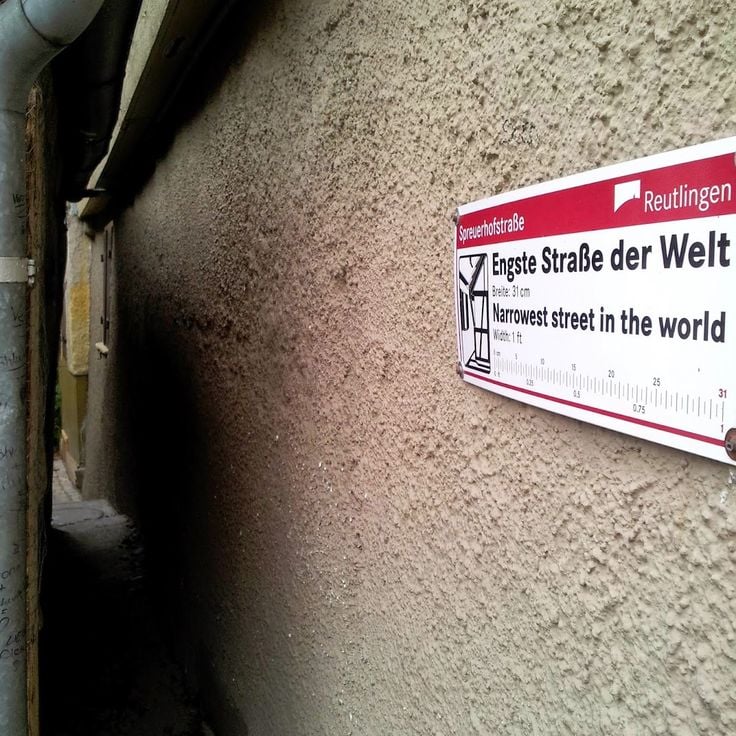
Spreuerhofstraße in Reutlingen is recognized as the narrowest street in the world. At its tightest point, it measures just 12 inches (31 cm) wide, meaning most people have to turn sideways to get through. The passage was created after a fire in the 18th century, when the gap between two rebuilt houses was left open and officially registered as a street. Walking through it is a strange experience, with the walls pressing in on both sides.
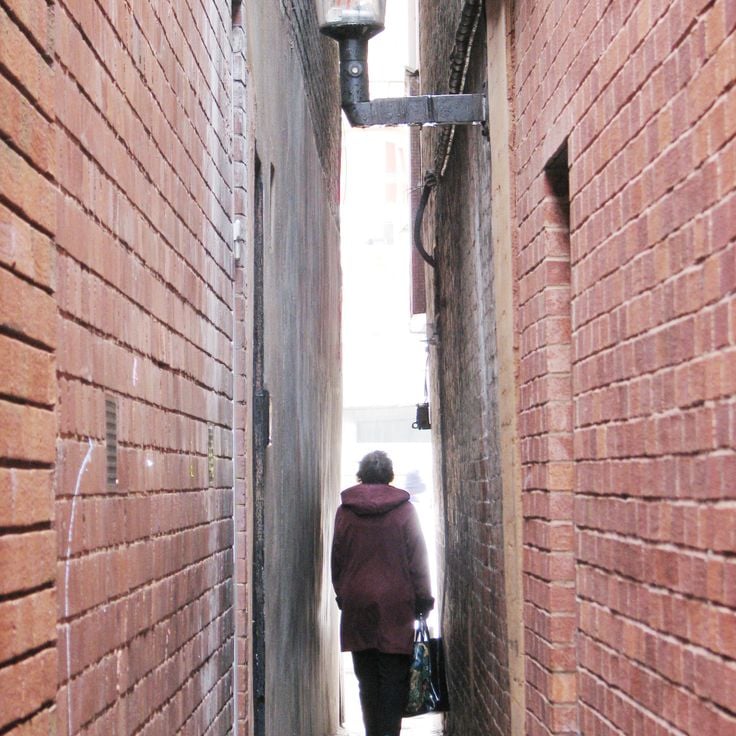
Parliament Street in Exeter is one of the narrowest streets in England. At its tightest point, it measures just about 25 in (64 cm) wide, which means two people cannot walk side by side. It sits right in the city center and has been part of daily life there for centuries. Walking through it gives a real sense of how dense the medieval city once was.
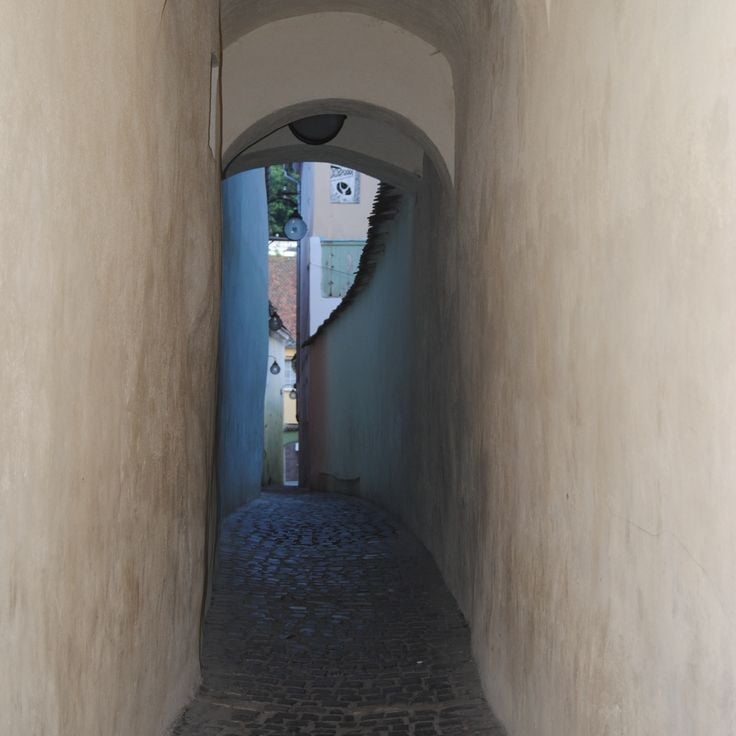
Strada Sforii in Brașov is one of the narrowest streets in Europe. It is just wide enough for one person to pass through and connects two streets in the old city center. The walls on either side date back to medieval times, when every bit of space in the city was used. Walking through it gives a real sense of how tightly packed life once was in this old Transylvanian town.
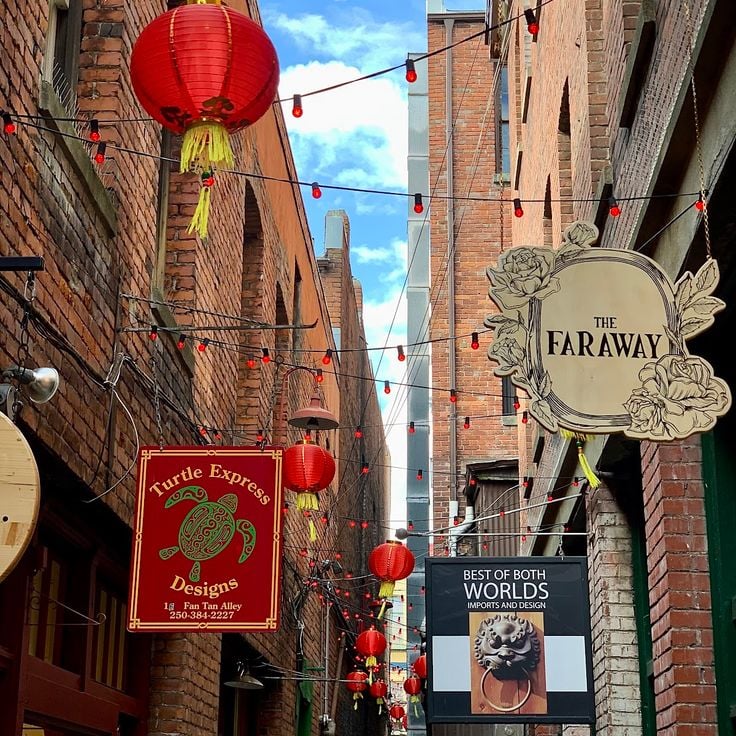
Fan Tan Alley sits in the heart of Victoria's Chinatown and is one of the narrowest alleys in North America, barely 3 feet (90 cm) wide in places. Two people cannot walk side by side. For much of the early 20th century, this passage was full of small shops, gambling dens, and workshops. Today it still has independent boutiques and galleries tucked behind its narrow storefronts.
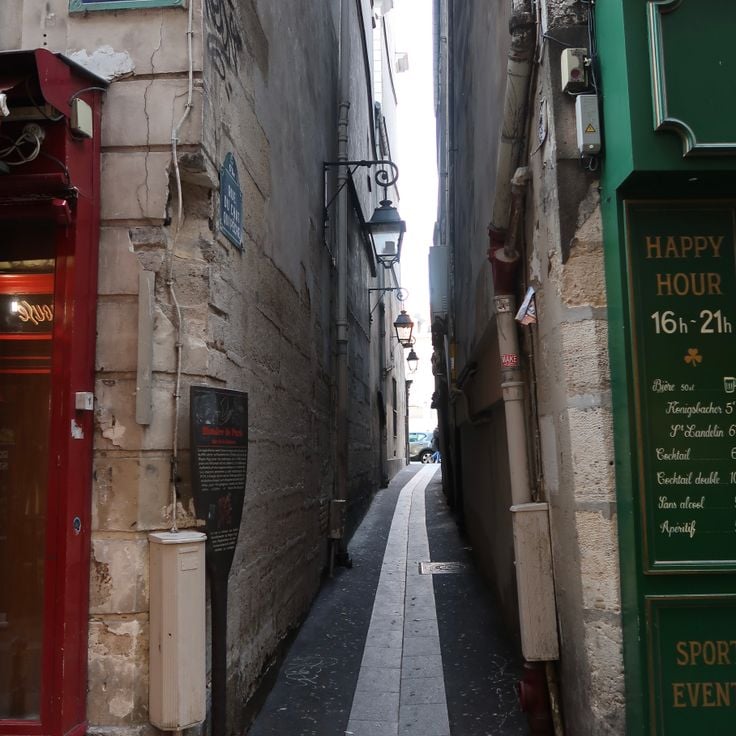
The Rue du Chat-qui-Pêche is one of the narrowest streets in Paris. It runs through the Latin Quarter, close to the Seine. The alley is so narrow that two people can barely pass each other. Walking through it gives a sense of how the city was built when space was scarce and every inch (every centimeter) was put to use.
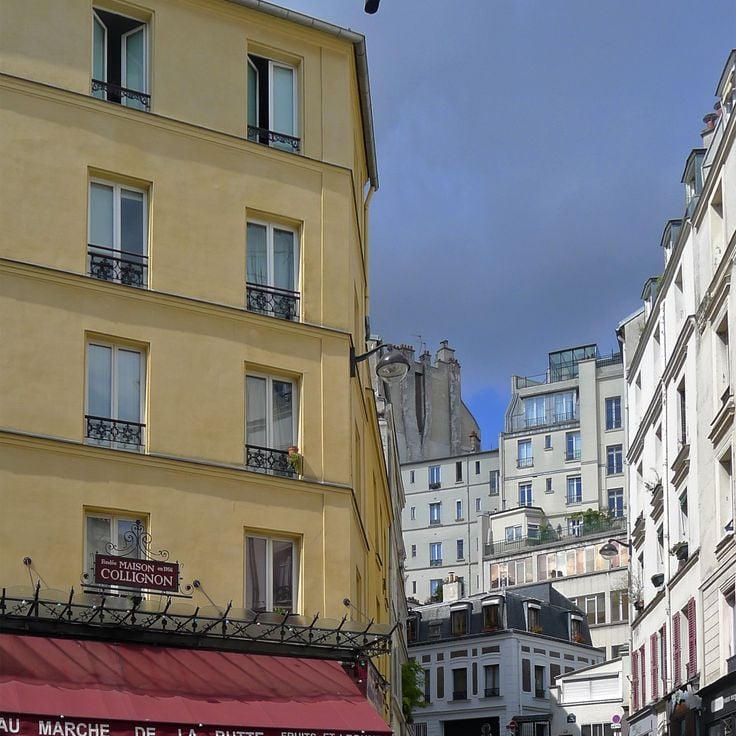
Androuet Street is a very narrow alley in the heart of Montmartre, one of the oldest neighborhoods in Paris. The buildings on either side stand so close together that only one person can pass at a time. Walking through it gives a sense of what the city looked like before wide boulevards reshaped it. The alley is a reminder that space in old Paris was scarce, and every bit of ground was used.
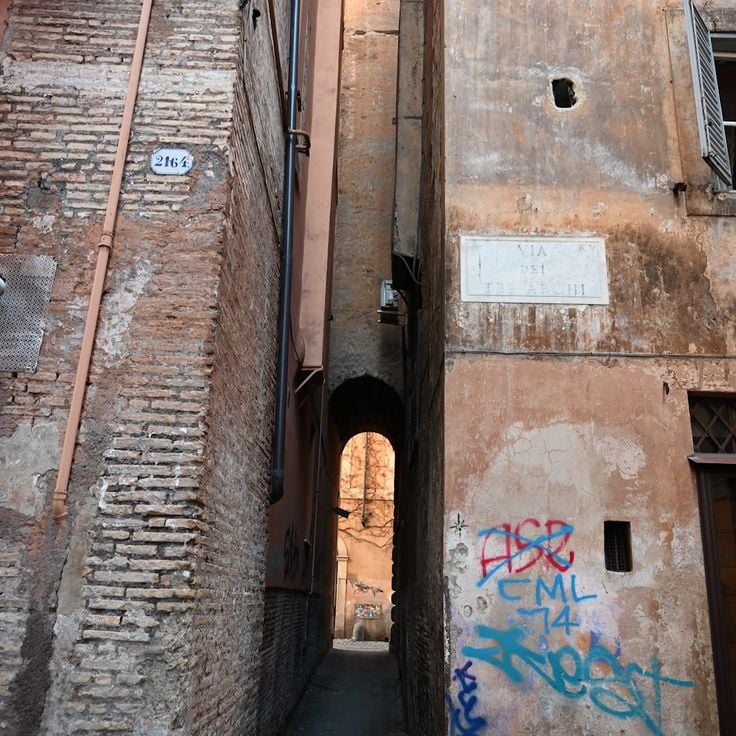
Vicolo dello Scorticato is a very narrow medieval alley in the historic center of Rome. It is so tight that only one person can walk through at a time. The old stone walls on either side rise closely together, leaving little room for light to reach the ground. Walking through it gives a sense of how densely the city was built in the Middle Ages, when space was scarce.
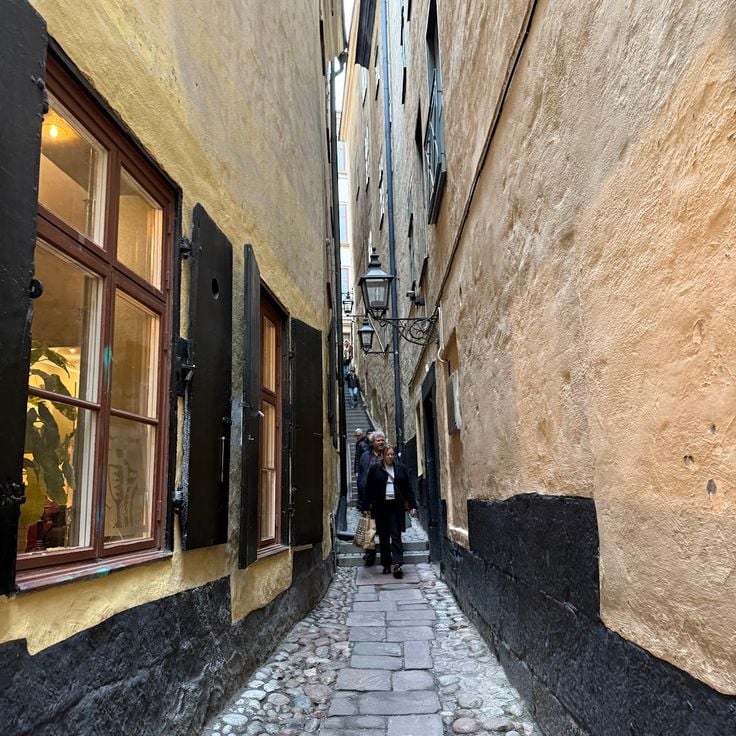
Mårten Trotzigs Gränd is one of the narrowest passages in Stockholm. It sits in the old town of Gamla Stan and measures only about 35 inches (90 cm) at its tightest point. Walking through it means moving between old stone walls so close together that sunlight barely reaches the ground. Two people cannot pass side by side. A steep staircase runs along its length, offering a view of the tightly packed facades of the medieval city around it.
Talaa Kebira is one of the main streets running through the historic medina of Fès, but the alleyways branching off it are so narrow that two people can barely pass each other. The walls of the earthen houses stand so close together that daylight hardly reaches the ground. Donkeys, traders, and passersby share the same tight path, as they have done here for centuries.
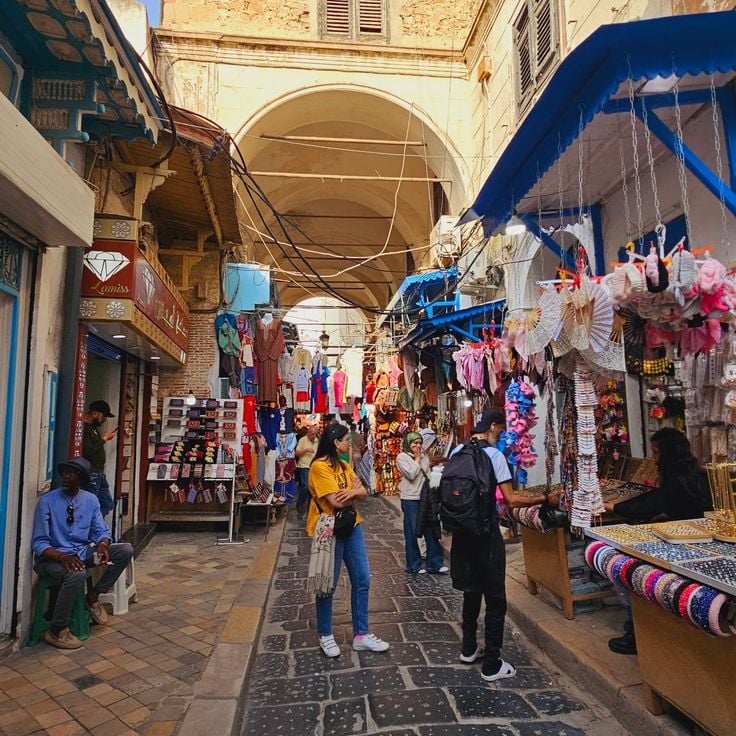
The medina of Tunis holds some of the narrowest streets found in any old Arab city. Deep inside, the alleys are so tight that you have to walk single file. The walls rise on both sides, blocking out most of the sunlight. These passages follow a logic built over centuries: they keep heat out, separate neighborhoods, and wind through a dense mix of workshops, mosques, and homes.
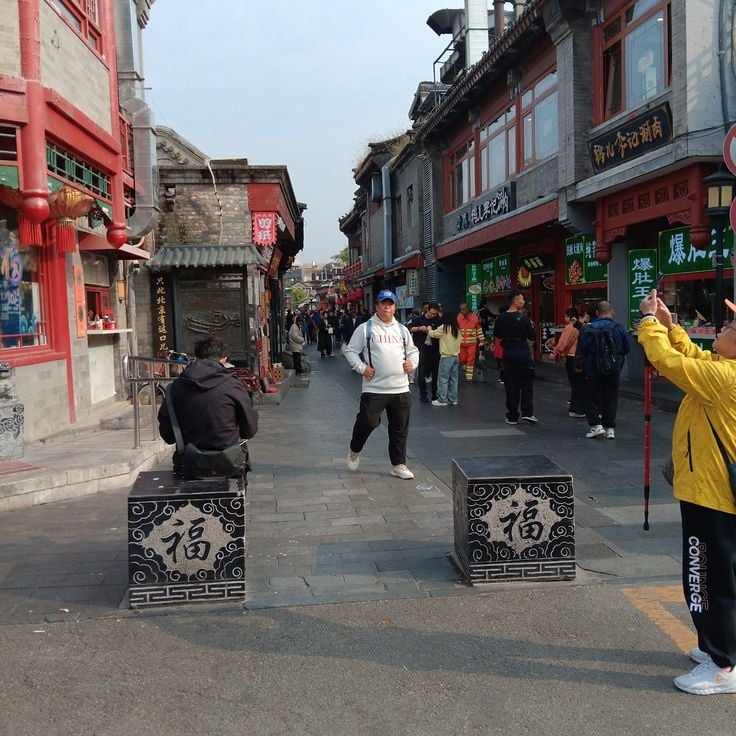
Qianshi Hutong in Beijing is barely 16 inches (40 cm) wide at its narrowest point. This old alley belongs to the hutong neighborhoods of the city, where tight passages between residential courtyards have shaped daily life for centuries. To get through, you have to turn sideways.
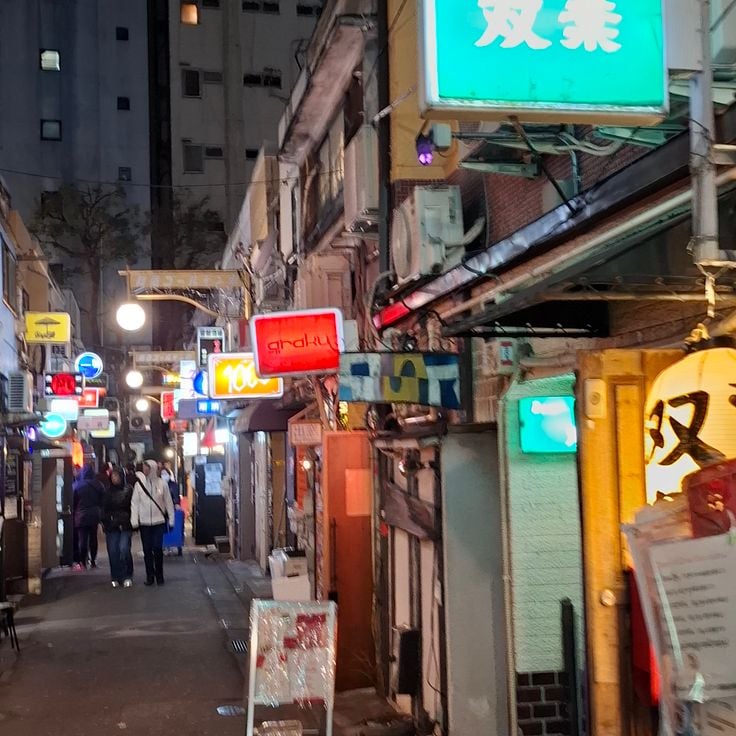
Golden Gai in Tokyo is a network of narrow alleys tucked into the Shinjuku district. The lanes are so tight that two people can barely pass each other. On either side, tiny bars and small restaurants follow one after another, most with only a handful of seats. In the evening, people gather here, and the glow of the signs lights up the wet pavement. It is one of the few corners of Tokyo that still looks the way it did decades ago.
The lanes of Varanasi, known as galis, run through the old city like a tight web. The walls of the houses stand so close together that two people can barely walk side by side. Light only reaches the ground for a short time each day. In these lanes, daily life plays out: traders, pilgrims, cows, and children all share the same narrow path.
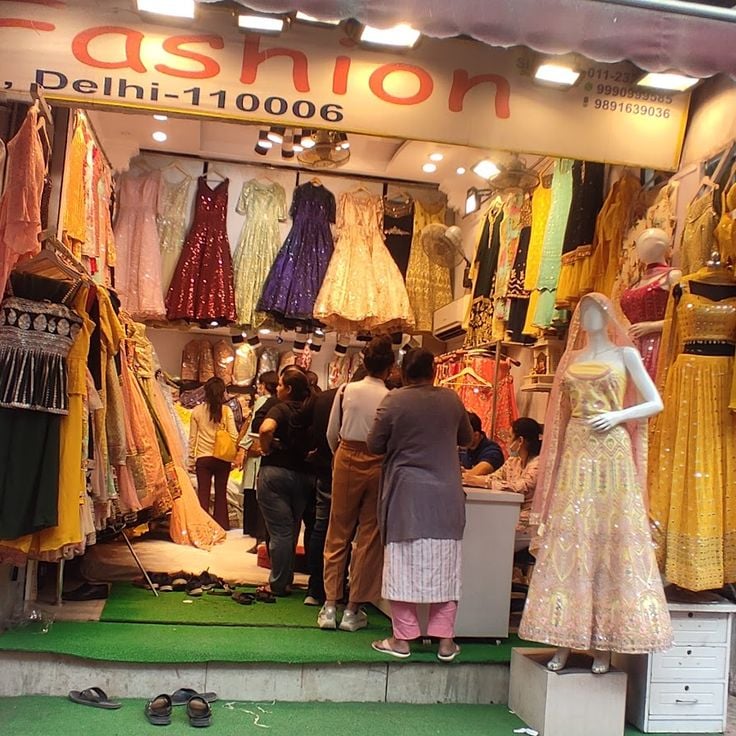
The alleyways of Chandni Chowk in Old Delhi are so narrow that two people can barely pass each other. This is one of the oldest parts of Delhi, where traders, rickshaws, and pedestrians share lanes that were laid out centuries ago. The buildings press so close together that sunlight barely reaches the ground. Walking through here gives a clear sense of how every inch of space was used when the city was being built.
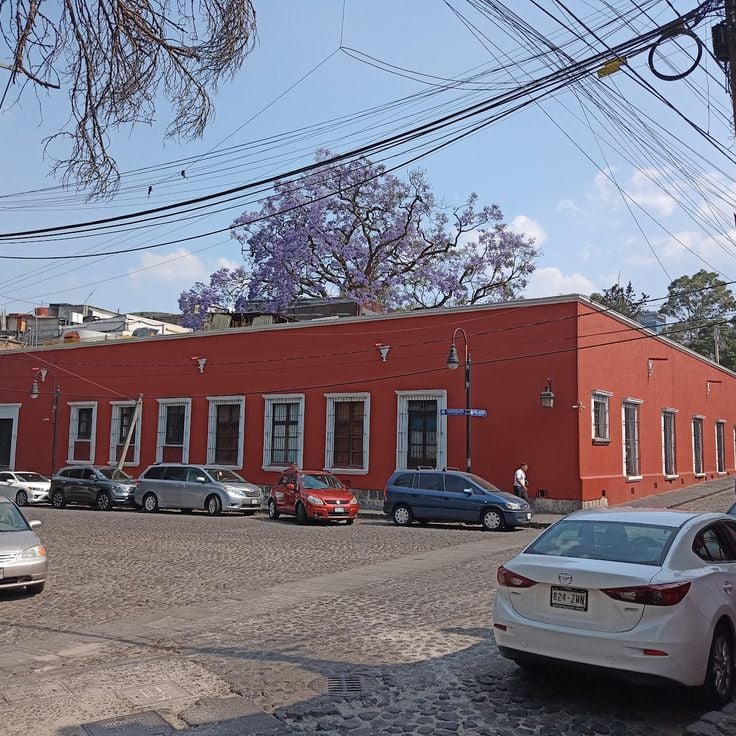
The Callejón de la Amargura is a narrow alley in Mexico, typical of colonial urban planning. The walls close in so tightly that you can almost touch both sides at once. Only one person at a time can walk through it. Walking here gives a real sense of how tight city life was during the colonial era, when every inch (or centimeter) of space mattered.
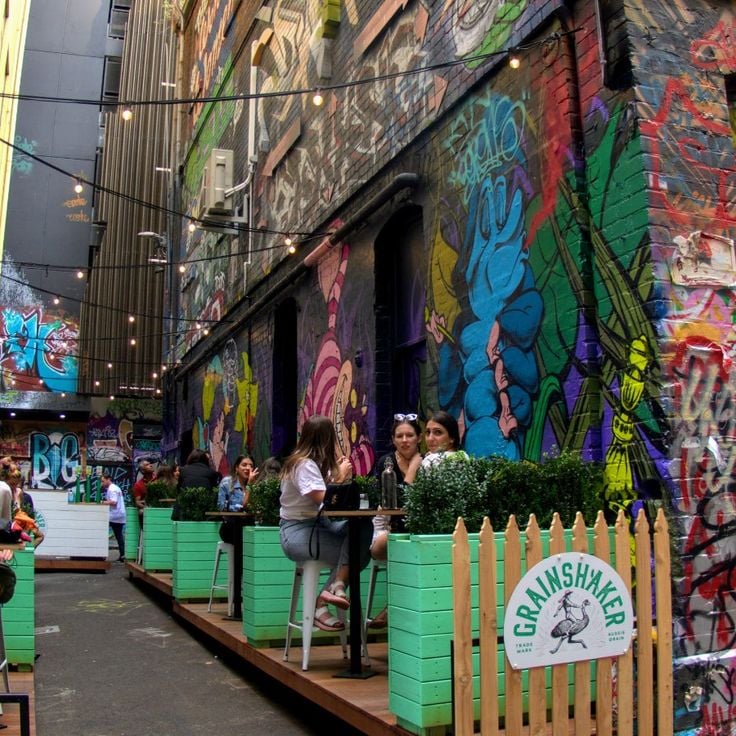
AC/DC Lane is a narrow alley in the heart of Melbourne, named after the Australian rock band. In some spots, it is so tight that only one person can pass at a time. The walls are covered in graffiti from top to bottom, and small bars and music clubs line the passage, making it a gathering place for music fans.
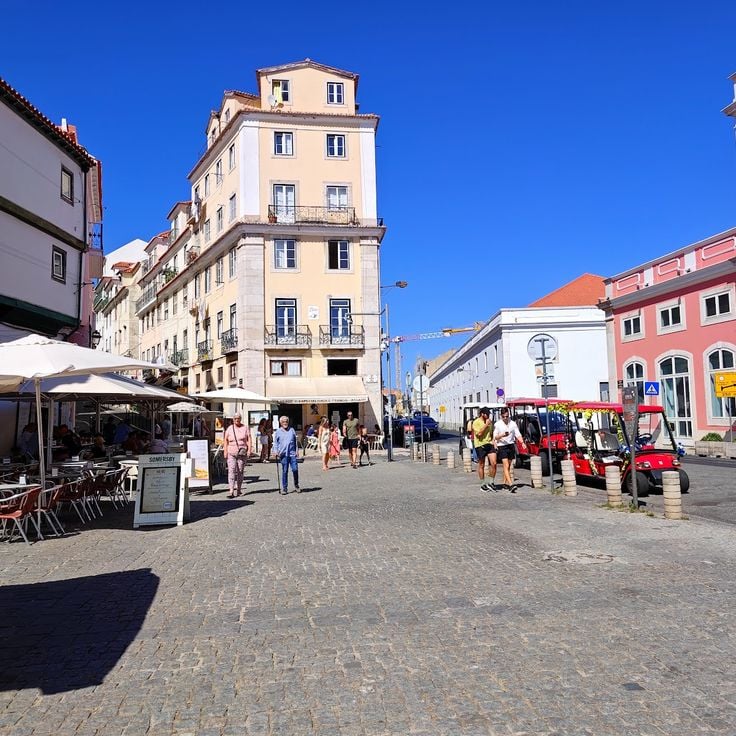
The alleyways of Alfama in Lisbon are among the narrowest in the city. In this old neighborhood, paths wind between whitewashed walls, often so tight that you have to walk single file. The stone pavement runs under your feet while the walls on either side stand just an arm's length apart. Music drifts from open windows, cooking smells fill the air, and daily life unfolds in spaces that leave little room to spare.
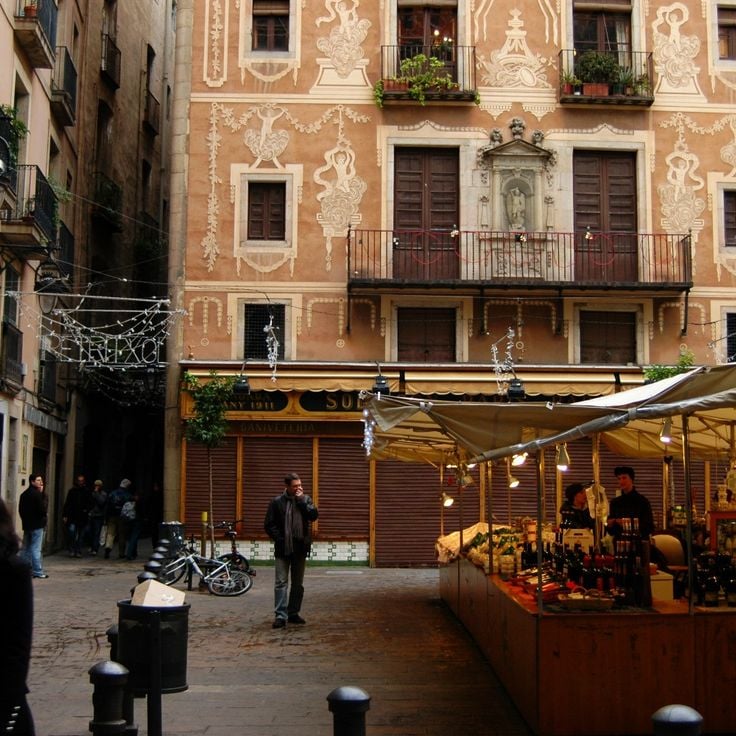
The alleys of the Barrio Gótico in Barcelona are so narrow that two people can barely pass each other. The old stone walls rise on both sides, leaving only a thin strip of sky overhead. Walking through them feels like stepping into a medieval city where space was never wasted and every passage had a purpose.
The streets of Mdina wind between tall limestone walls that seem to almost touch overhead. In this hilltop city, the cobbled paths are so narrow that two people can barely pass each other. The low light filtering between the walls gives these lanes a quality that is hard to find anywhere else. Walking through them, you get a real sense of how precious space was in this old city.
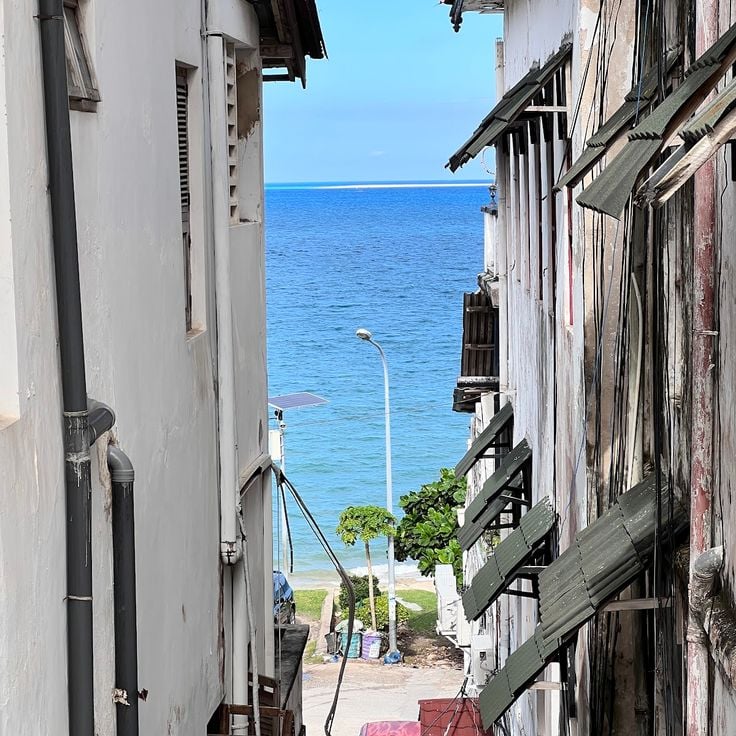
The alleys of Stone Town in Zanzibar twist through the old city like a maze of stone and shadow. Walkers often have to turn sideways to pass one another. The walls of the old buildings stand so close together that little light reaches the ground. These narrow passages tell the story of a city where space has always been scarce.
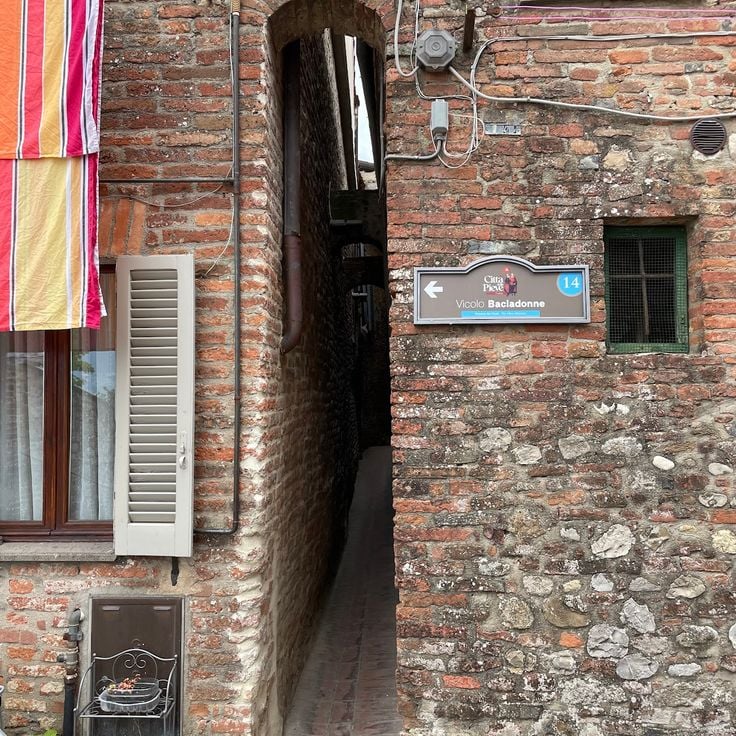
Via Baciadonne in Città della Pieve is one of the narrowest lanes in Italy. It is barely 20 to 24 inches (50 to 60 cm) wide, roughly the width of a single shoulder. Walking through it means turning sideways. The medieval town was built this way because space was precious and every inch counted.
Spreuerhofstraße in Reutlingen is recognized as the narrowest street in the world. At its tightest point, it measures just 12 inches (31 cm) wide, meaning most people have to turn sideways to get through. The passage was created after a fire in the 18th century, when the gap between two rebuilt houses was left open and officially registered as a street. Walking through it is a strange experience, with the walls pressing in on both sides.
Parliament Street in Exeter is one of the narrowest streets in England. At its tightest point, it measures just about 25 in (64 cm) wide, which means two people cannot walk side by side. It sits right in the city center and has been part of daily life there for centuries. Walking through it gives a real sense of how dense the medieval city once was.
Strada Sforii in Brașov is one of the narrowest streets in Europe. It is just wide enough for one person to pass through and connects two streets in the old city center. The walls on either side date back to medieval times, when every bit of space in the city was used. Walking through it gives a real sense of how tightly packed life once was in this old Transylvanian town.
Fan Tan Alley sits in the heart of Victoria's Chinatown and is one of the narrowest alleys in North America, barely 3 feet (90 cm) wide in places. Two people cannot walk side by side. For much of the early 20th century, this passage was full of small shops, gambling dens, and workshops. Today it still has independent boutiques and galleries tucked behind its narrow storefronts.
The Rue du Chat-qui-Pêche is one of the narrowest streets in Paris. It runs through the Latin Quarter, close to the Seine. The alley is so narrow that two people can barely pass each other. Walking through it gives a sense of how the city was built when space was scarce and every inch (every centimeter) was put to use.
Androuet Street is a very narrow alley in the heart of Montmartre, one of the oldest neighborhoods in Paris. The buildings on either side stand so close together that only one person can pass at a time. Walking through it gives a sense of what the city looked like before wide boulevards reshaped it. The alley is a reminder that space in old Paris was scarce, and every bit of ground was used.
Vicolo dello Scorticato is a very narrow medieval alley in the historic center of Rome. It is so tight that only one person can walk through at a time. The old stone walls on either side rise closely together, leaving little room for light to reach the ground. Walking through it gives a sense of how densely the city was built in the Middle Ages, when space was scarce.
Mårten Trotzigs Gränd is one of the narrowest passages in Stockholm. It sits in the old town of Gamla Stan and measures only about 35 inches (90 cm) at its tightest point. Walking through it means moving between old stone walls so close together that sunlight barely reaches the ground. Two people cannot pass side by side. A steep staircase runs along its length, offering a view of the tightly packed facades of the medieval city around it.
Talaa Kebira is one of the main streets running through the historic medina of Fès, but the alleyways branching off it are so narrow that two people can barely pass each other. The walls of the earthen houses stand so close together that daylight hardly reaches the ground. Donkeys, traders, and passersby share the same tight path, as they have done here for centuries.
The medina of Tunis holds some of the narrowest streets found in any old Arab city. Deep inside, the alleys are so tight that you have to walk single file. The walls rise on both sides, blocking out most of the sunlight. These passages follow a logic built over centuries: they keep heat out, separate neighborhoods, and wind through a dense mix of workshops, mosques, and homes.
Qianshi Hutong in Beijing is barely 16 inches (40 cm) wide at its narrowest point. This old alley belongs to the hutong neighborhoods of the city, where tight passages between residential courtyards have shaped daily life for centuries. To get through, you have to turn sideways.
Golden Gai in Tokyo is a network of narrow alleys tucked into the Shinjuku district. The lanes are so tight that two people can barely pass each other. On either side, tiny bars and small restaurants follow one after another, most with only a handful of seats. In the evening, people gather here, and the glow of the signs lights up the wet pavement. It is one of the few corners of Tokyo that still looks the way it did decades ago.
The lanes of Varanasi, known as galis, run through the old city like a tight web. The walls of the houses stand so close together that two people can barely walk side by side. Light only reaches the ground for a short time each day. In these lanes, daily life plays out: traders, pilgrims, cows, and children all share the same narrow path.
The alleyways of Chandni Chowk in Old Delhi are so narrow that two people can barely pass each other. This is one of the oldest parts of Delhi, where traders, rickshaws, and pedestrians share lanes that were laid out centuries ago. The buildings press so close together that sunlight barely reaches the ground. Walking through here gives a clear sense of how every inch of space was used when the city was being built.
The Callejón de la Amargura is a narrow alley in Mexico, typical of colonial urban planning. The walls close in so tightly that you can almost touch both sides at once. Only one person at a time can walk through it. Walking here gives a real sense of how tight city life was during the colonial era, when every inch (or centimeter) of space mattered.
AC/DC Lane is a narrow alley in the heart of Melbourne, named after the Australian rock band. In some spots, it is so tight that only one person can pass at a time. The walls are covered in graffiti from top to bottom, and small bars and music clubs line the passage, making it a gathering place for music fans.
The alleyways of Alfama in Lisbon are among the narrowest in the city. In this old neighborhood, paths wind between whitewashed walls, often so tight that you have to walk single file. The stone pavement runs under your feet while the walls on either side stand just an arm's length apart. Music drifts from open windows, cooking smells fill the air, and daily life unfolds in spaces that leave little room to spare.
The alleys of the Barrio Gótico in Barcelona are so narrow that two people can barely pass each other. The old stone walls rise on both sides, leaving only a thin strip of sky overhead. Walking through them feels like stepping into a medieval city where space was never wasted and every passage had a purpose.
The streets of Mdina wind between tall limestone walls that seem to almost touch overhead. In this hilltop city, the cobbled paths are so narrow that two people can barely pass each other. The low light filtering between the walls gives these lanes a quality that is hard to find anywhere else. Walking through them, you get a real sense of how precious space was in this old city.
The alleys of Stone Town in Zanzibar twist through the old city like a maze of stone and shadow. Walkers often have to turn sideways to pass one another. The walls of the old buildings stand so close together that little light reaches the ground. These narrow passages tell the story of a city where space has always been scarce.
Via Baciadonne in Città della Pieve is one of the narrowest lanes in Italy. It is barely 20 to 24 inches (50 to 60 cm) wide, roughly the width of a single shoulder. Walking through it means turning sideways. The medieval town was built this way because space was precious and every inch counted.
Spreuerhofstraße in Reutlingen is recognized as the narrowest street in the world. At its tightest point, it measures just 12 inches (31 cm) wide, meaning most people have to turn sideways to get through. The passage was created after a fire in the 18th century, when the gap between two rebuilt houses was left open and officially registered as a street. Walking through it is a strange experience, with the walls pressing in on both sides.
Parliament Street in Exeter is one of the narrowest streets in England. At its tightest point, it measures just about 25 in (64 cm) wide, which means two people cannot walk side by side. It sits right in the city center and has been part of daily life there for centuries. Walking through it gives a real sense of how dense the medieval city once was.
Strada Sforii in Brașov is one of the narrowest streets in Europe. It is just wide enough for one person to pass through and connects two streets in the old city center. The walls on either side date back to medieval times, when every bit of space in the city was used. Walking through it gives a real sense of how tightly packed life once was in this old Transylvanian town.
Fan Tan Alley sits in the heart of Victoria's Chinatown and is one of the narrowest alleys in North America, barely 3 feet (90 cm) wide in places. Two people cannot walk side by side. For much of the early 20th century, this passage was full of small shops, gambling dens, and workshops. Today it still has independent boutiques and galleries tucked behind its narrow storefronts.
The Rue du Chat-qui-Pêche is one of the narrowest streets in Paris. It runs through the Latin Quarter, close to the Seine. The alley is so narrow that two people can barely pass each other. Walking through it gives a sense of how the city was built when space was scarce and every inch (every centimeter) was put to use.
Androuet Street is a very narrow alley in the heart of Montmartre, one of the oldest neighborhoods in Paris. The buildings on either side stand so close together that only one person can pass at a time. Walking through it gives a sense of what the city looked like before wide boulevards reshaped it. The alley is a reminder that space in old Paris was scarce, and every bit of ground was used.
Vicolo dello Scorticato is a very narrow medieval alley in the historic center of Rome. It is so tight that only one person can walk through at a time. The old stone walls on either side rise closely together, leaving little room for light to reach the ground. Walking through it gives a sense of how densely the city was built in the Middle Ages, when space was scarce.
Mårten Trotzigs Gränd is one of the narrowest passages in Stockholm. It sits in the old town of Gamla Stan and measures only about 35 inches (90 cm) at its tightest point. Walking through it means moving between old stone walls so close together that sunlight barely reaches the ground. Two people cannot pass side by side. A steep staircase runs along its length, offering a view of the tightly packed facades of the medieval city around it.
Talaa Kebira is one of the main streets running through the historic medina of Fès, but the alleyways branching off it are so narrow that two people can barely pass each other. The walls of the earthen houses stand so close together that daylight hardly reaches the ground. Donkeys, traders, and passersby share the same tight path, as they have done here for centuries.
The medina of Tunis holds some of the narrowest streets found in any old Arab city. Deep inside, the alleys are so tight that you have to walk single file. The walls rise on both sides, blocking out most of the sunlight. These passages follow a logic built over centuries: they keep heat out, separate neighborhoods, and wind through a dense mix of workshops, mosques, and homes.
Qianshi Hutong in Beijing is barely 16 inches (40 cm) wide at its narrowest point. This old alley belongs to the hutong neighborhoods of the city, where tight passages between residential courtyards have shaped daily life for centuries. To get through, you have to turn sideways.
Golden Gai in Tokyo is a network of narrow alleys tucked into the Shinjuku district. The lanes are so tight that two people can barely pass each other. On either side, tiny bars and small restaurants follow one after another, most with only a handful of seats. In the evening, people gather here, and the glow of the signs lights up the wet pavement. It is one of the few corners of Tokyo that still looks the way it did decades ago.
The lanes of Varanasi, known as galis, run through the old city like a tight web. The walls of the houses stand so close together that two people can barely walk side by side. Light only reaches the ground for a short time each day. In these lanes, daily life plays out: traders, pilgrims, cows, and children all share the same narrow path.
The alleyways of Chandni Chowk in Old Delhi are so narrow that two people can barely pass each other. This is one of the oldest parts of Delhi, where traders, rickshaws, and pedestrians share lanes that were laid out centuries ago. The buildings press so close together that sunlight barely reaches the ground. Walking through here gives a clear sense of how every inch of space was used when the city was being built.
The Callejón de la Amargura is a narrow alley in Mexico, typical of colonial urban planning. The walls close in so tightly that you can almost touch both sides at once. Only one person at a time can walk through it. Walking here gives a real sense of how tight city life was during the colonial era, when every inch (or centimeter) of space mattered.
AC/DC Lane is a narrow alley in the heart of Melbourne, named after the Australian rock band. In some spots, it is so tight that only one person can pass at a time. The walls are covered in graffiti from top to bottom, and small bars and music clubs line the passage, making it a gathering place for music fans.
The alleyways of Alfama in Lisbon are among the narrowest in the city. In this old neighborhood, paths wind between whitewashed walls, often so tight that you have to walk single file. The stone pavement runs under your feet while the walls on either side stand just an arm's length apart. Music drifts from open windows, cooking smells fill the air, and daily life unfolds in spaces that leave little room to spare.
The alleys of the Barrio Gótico in Barcelona are so narrow that two people can barely pass each other. The old stone walls rise on both sides, leaving only a thin strip of sky overhead. Walking through them feels like stepping into a medieval city where space was never wasted and every passage had a purpose.
The streets of Mdina wind between tall limestone walls that seem to almost touch overhead. In this hilltop city, the cobbled paths are so narrow that two people can barely pass each other. The low light filtering between the walls gives these lanes a quality that is hard to find anywhere else. Walking through them, you get a real sense of how precious space was in this old city.
The alleys of Stone Town in Zanzibar twist through the old city like a maze of stone and shadow. Walkers often have to turn sideways to pass one another. The walls of the old buildings stand so close together that little light reaches the ground. These narrow passages tell the story of a city where space has always been scarce.
Via Baciadonne in Città della Pieve is one of the narrowest lanes in Italy. It is barely 20 to 24 inches (50 to 60 cm) wide, roughly the width of a single shoulder. Walking through it means turning sideways. The medieval town was built this way because space was precious and every inch counted.
Visiting these alleys requires flexibility, both literally and figuratively. Be prepared to turn sideways to let someone pass, or stop to navigate traffic. Come without strict plans and follow your curiosity. These narrow passages give up their secrets to those willing to slow down.