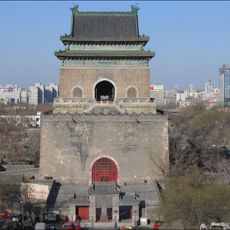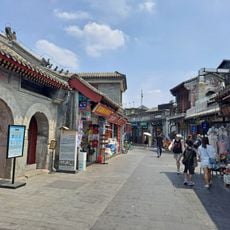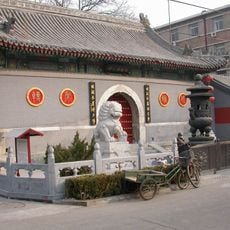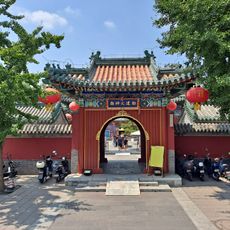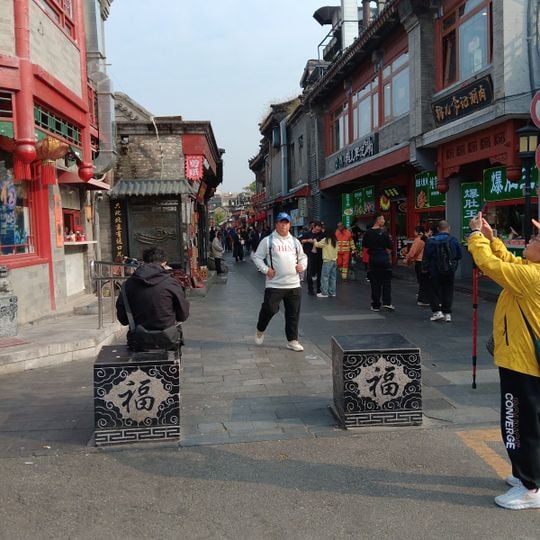
Hutong, Alley in Beijing, China
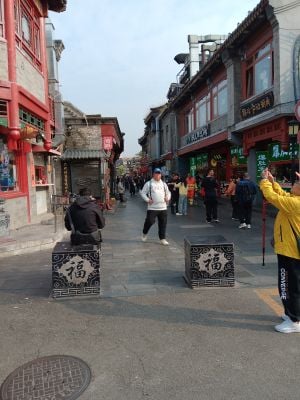
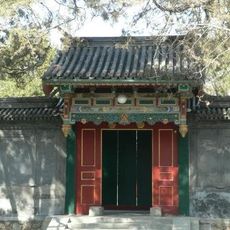
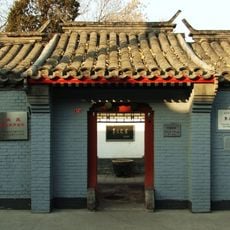
A hutong is a narrow alley in Beijing running between rows of traditional single-story courtyard homes known as siheyuan. The lanes follow a mostly east-to-west orientation so that the courtyard houses face south and receive as much sunlight as possible.
Hutongs first appeared during the Yuan dynasty, when Mongol rulers reorganized the city and laid out the alleys as passages between residential compounds. They grew in number through the Ming and Qing dynasties before large parts of the network were torn down during urban redevelopment in the 20th century.
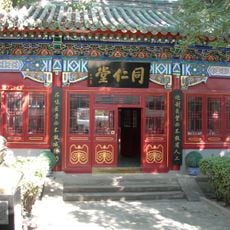
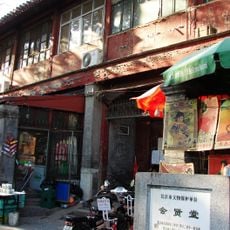
The word hutong comes from a Mongolian word for water well, a reminder that these alleys were once built around shared water sources. Many lanes still carry names tied to old temples, local trades, or former residents, so walking through them feels like reading the neighborhood's story.
Many hutongs are within easy walking distance of subway stations, and bicycles or rickshaws work well for the narrower lanes. Comfortable shoes are a good idea, and it is worth respecting residents by not entering unmarked courtyard doors without an invitation.
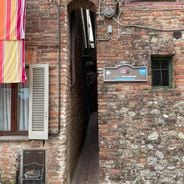
The narrowest known hutong in Beijing is so tight that two people can barely pass side by side. Some lanes were once used as sites for official exams or as trading exchanges, a history that is now invisible in the plain brick walls lining the street.
The community of curious travelers
AroundUs brings together thousands of curated places, local tips, and hidden gems, enriched daily by 90,798 contributors worldwide.