慶親王府, Historical residence in Xicheng District, China
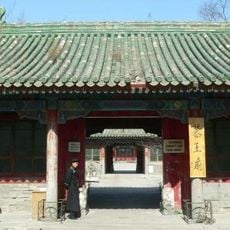
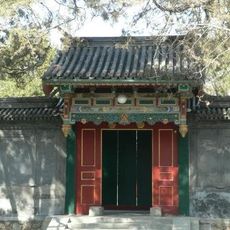
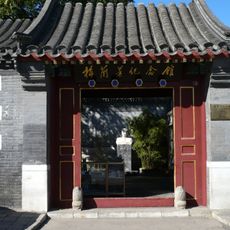
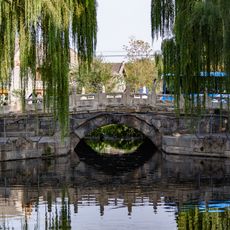
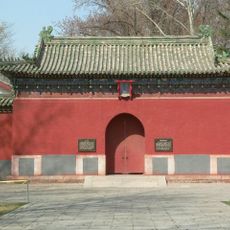
The Prince Qing Mansion is a traditional Chinese compound with multiple courtyards and halls arranged along a central axis in Beijing's western district. The buildings connect through symmetrically planned passages and open onto different interior courtyards with mature trees and stone structures.
The compound was built during the Qing Dynasty and served as the residence of Prince Qing, who held significant influence over imperial politics in the late 1800s. His importance grew during a time of major change in China, when reformers like him tried to modernize imperial governance.
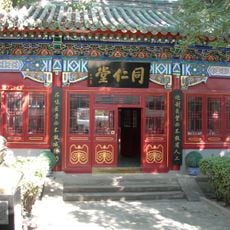
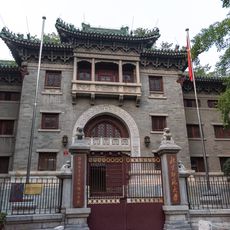
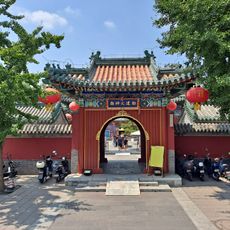
The mansion displays traditional Chinese architectural details like painted beams, carved windows, and ornamental roof tiles that reflect the high social status of its residents. These crafted elements appear throughout every courtyard and room, telling a story of the artistry and skill of that era.
The residence is accessible by Beijing subway Line 2 through Fuchengmen Station, which provides quick connections to central Beijing. Access is well marked, and the pathways inside are easy to explore on foot.
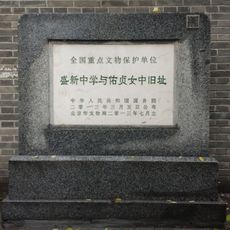
The northern courtyard holds stone tablets with imperial edicts and calligraphy from the Qing period, showing how important the prince was in court affairs. These inscriptions are evidence of the resident's closeness to the highest power structures of that era.
The community of curious travelers
AroundUs brings together thousands of curated places, local tips, and hidden gems, enriched daily by 91,838 contributors worldwide.