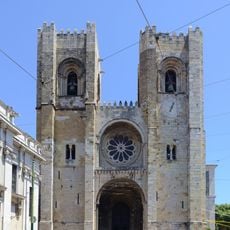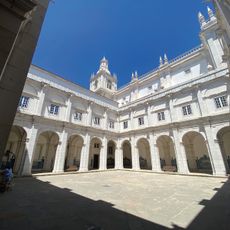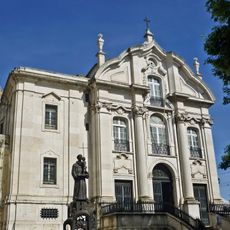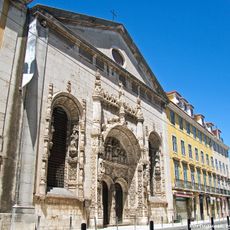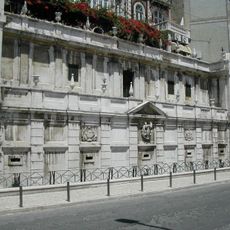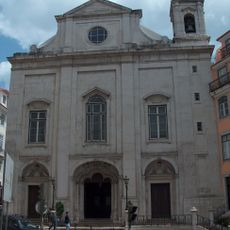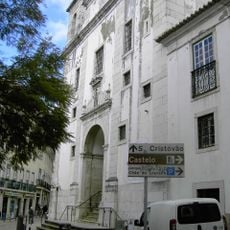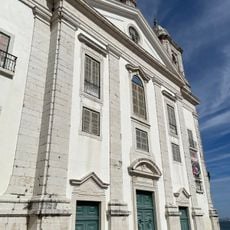
Alfama, Neighborhood and alleys in Santa Maria Maior, Lisbon, Portugal
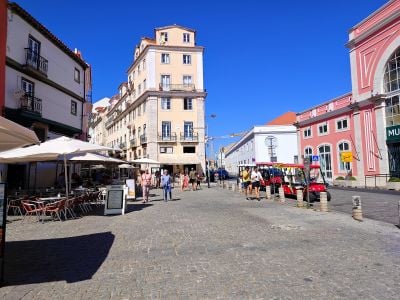
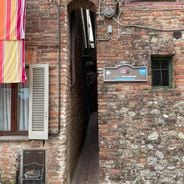
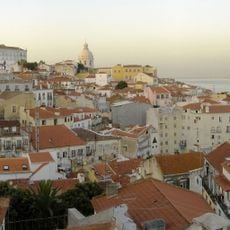
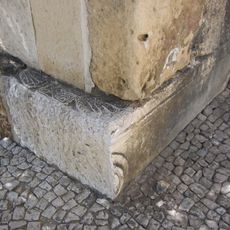
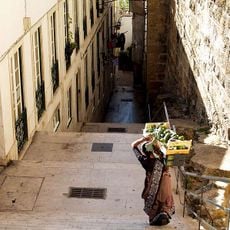
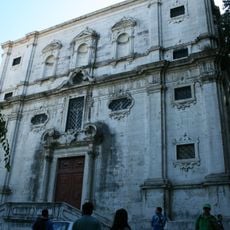
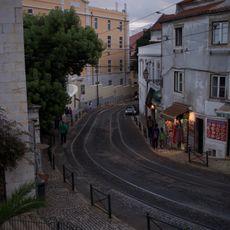
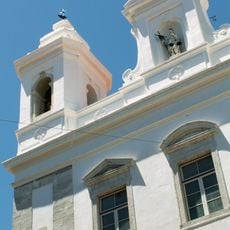
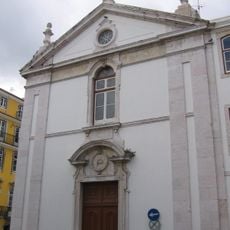
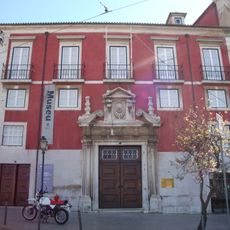
Alfama is an old neighborhood in the Santa Maria Maior district of Lisbon, made up of steep cobbled streets and narrow alleys that wind up a hillside above the river. The buildings stand close together, their facades layered with painted tiles, carved ironwork, and peeling paint.
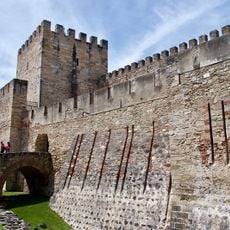
Alfama is one of the oldest surviving parts of Lisbon, with roots going back to Moorish settlement before the Portuguese reconquest in the 12th century. The great earthquake of 1755 destroyed much of the city, but Alfama largely survived, which is why its street pattern still feels so old and irregular today.
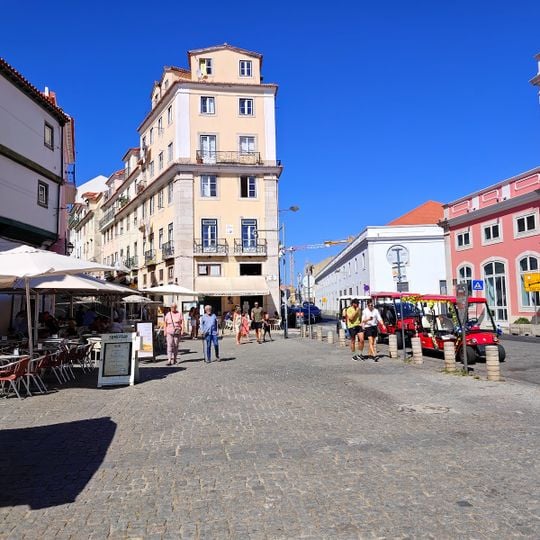
The walls of many buildings in Alfama are covered in painted ceramic tiles, known as azulejos, showing patterns and scenes that have been there for generations. Sitting at a small street-side cafe, it is easy to see locals and visitors sharing the same narrow space, as the alleys double as both passage and meeting point.
Because the alleys are too narrow for cars, walking is the only real way to explore Alfama, so comfortable shoes with a good grip are worth wearing given the steep and often wet cobblestones. Those who prefer not to walk the full route can take the historic tram line 28, which passes through the neighborhood, though walking allows for stops in the smaller side streets.
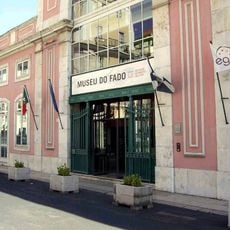
Alfama is considered the birthplace of fado, the Portuguese song form that grew in its taverns and courtyards in the 1820s before spreading across the city. Although fado can now be heard all over Lisbon, the small taverns of Alfama still carry the closest version to how the music was first sung.
The community of curious travelers
AroundUs brings together thousands of curated places, local tips, and hidden gems, enriched daily by 92,633 contributors worldwide.