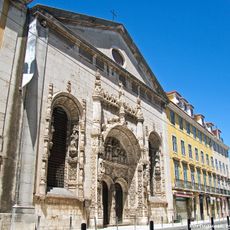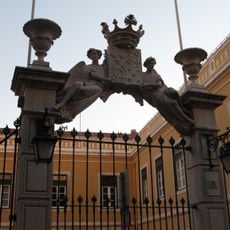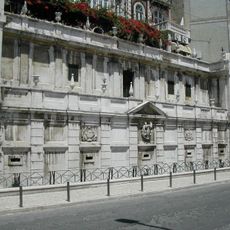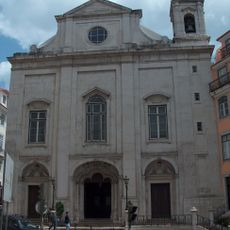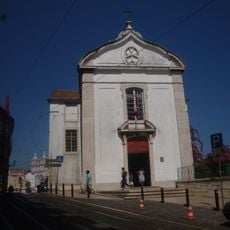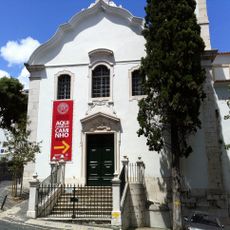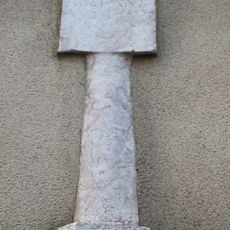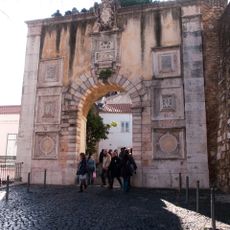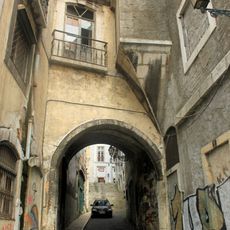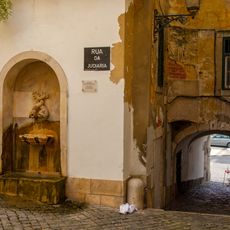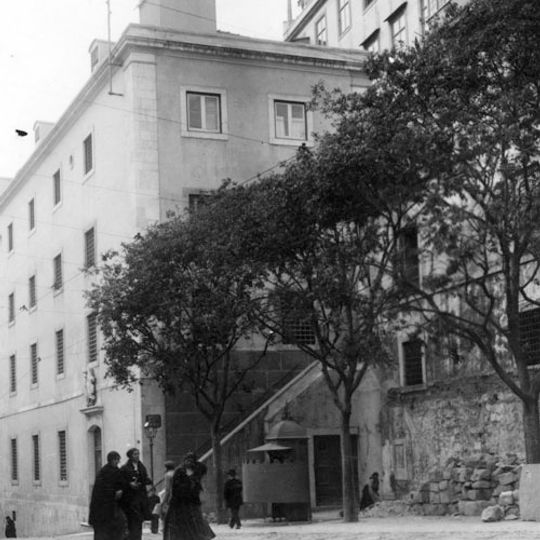
Cadeia do Aljube, Political resistance museum near Sé Cathedral, Lisbon, Portugal
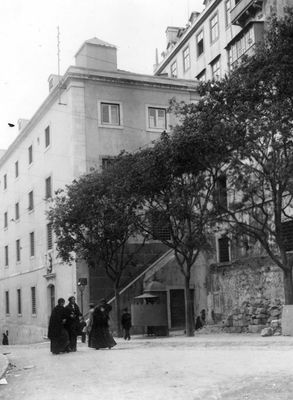
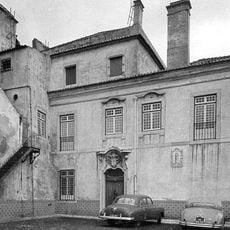
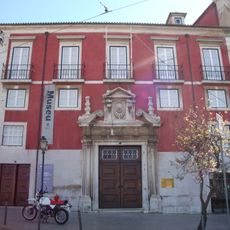
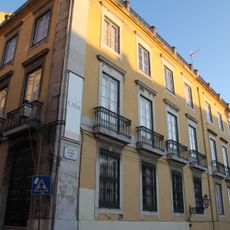
Cadeia do Aljube is a former prison near Lisbon Cathedral now operating as a museum, displaying exhibits about political oppression across multiple floors. The building preserves its original structure with cells and corridors that give direct insight into the conditions people faced inside.
The building began as a prison in medieval times and became a site of political imprisonment during the Estado Novo regime from 1928 to 1965. Following Portugal's democratic transition, it was transformed into a museum in 2015 to preserve this history.
The name Aljube comes from an Arabic word meaning prison, reflecting the site's long past in the city's memory. Today visitors encounter personal objects and artworks that show how imprisoned people lived and resisted.
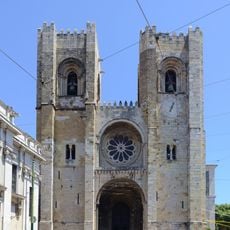
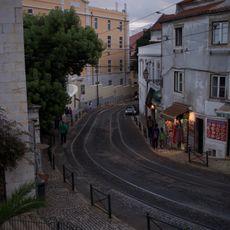
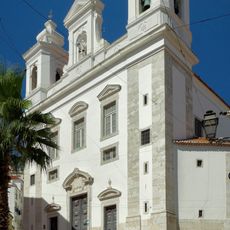
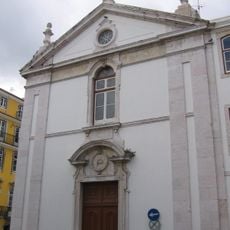
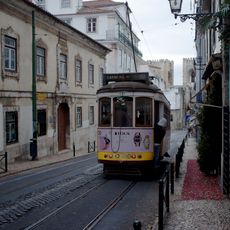
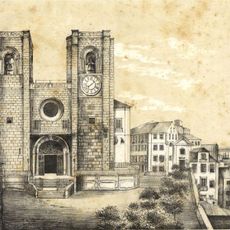
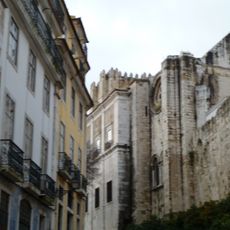
The museum is located in Lisbon's old town close to the cathedral and is easily reached on foot. The stairs between floors require good mobility since elevators are limited.
The walls contain inscriptions and graffiti left by prisoners during their time here, which remain visible today. These marks offer moving personal traces of the people who lived through this place.
The community of curious travelers
AroundUs brings together thousands of curated places, local tips, and hidden gems, enriched daily by 90,758 contributors worldwide.