Ancient Roman theatre, Roman archaeological site in Santa Maria Maior, Portugal.
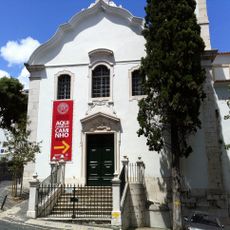
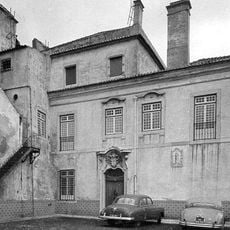
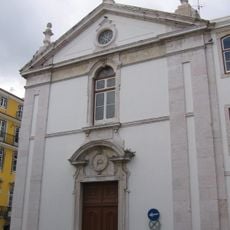
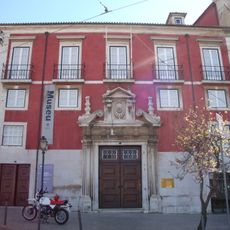
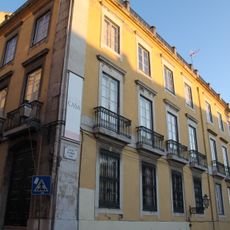
The Ancient Roman theatre is a museum built around the excavated ruins of a first-century theatre on the south slope of Castelo de São Jorge in Lisbon. The theatre was built under Augustus, rebuilt under Nero and partly dismantled under Constantine. Visitors see sections of the seating tiers, the orchestra, the stage front and the stage, plus many decorative elements. The museum occupies a 17th-century building near Pátio do Aljube, 5, off Rua Augusto Rosa.
The theatre was first built under Emperor Augustus and later expanded under Nero, reflecting the Roman habit of using public buildings to display imperial power. Over the centuries, it was gradually buried under the growing city, and its remains only came to light again after the 1755 earthquake destroyed much of Lisbon.
The theatre was built under Augustus (r. 27 BC–14 AD) and rebuilt in Nero's time, so its name links it to the emperor Nero. The museum occupies a 17th-century building, probably over one of the theatre's old entrances, next to Pátio do Aljube at Rua Augusto Rosa. Excavations since 1967 have recovered part of the seating, the orchestra, the stage front and many decorative elements.
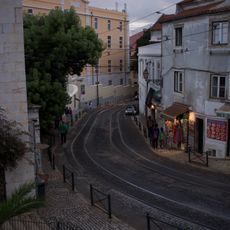
The museum is on Rua de São Mamede, a short walk from Lisbon Cathedral and the edge of the Alfama district. The ruins span several levels on sloping ground, so sturdy footwear makes the visit more comfortable.
The ruins lay buried for centuries and only came to light in 1798, after the 1755 earthquake. The first excavations were directed by the Italian architect Francisco Xavier Fabri, and systematic archaeological campaigns have continued since 1967, the year the site was classified as a Public Interest Property.
The community of curious travelers
AroundUs brings together thousands of curated places, local tips, and hidden gems, enriched daily by 94,530 contributors worldwide.