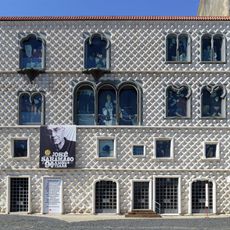
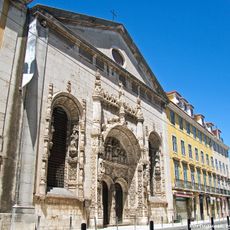
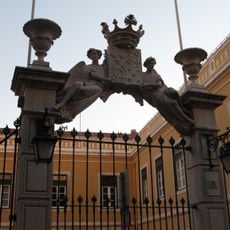
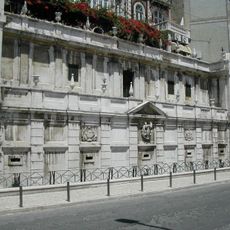
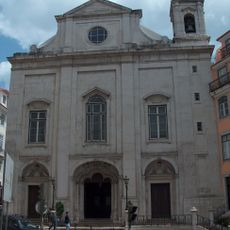
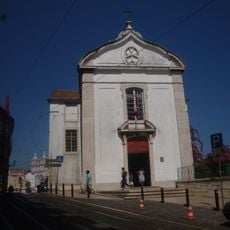
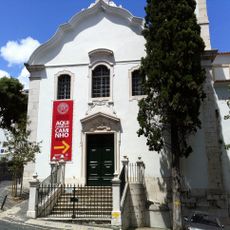
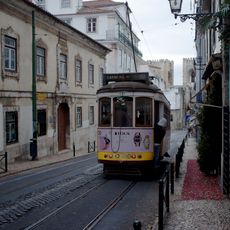
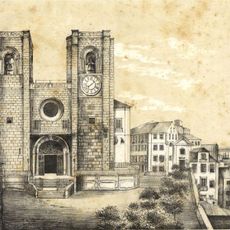
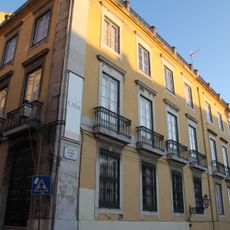
Museu do Aljube - Resistência e Liberdade, Museum of resistance in Santa Maria Maior, Portugal
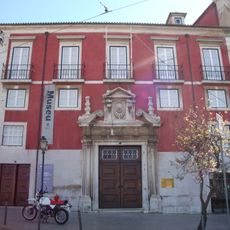
The Museu do Aljube - Resistência e Liberdade documents Portuguese opposition against dictatorship from 1926 to 1974 through exhibitions featuring objects, documents, and accounts from that era. The collection shows different aspects of resistance through personal items and written records.
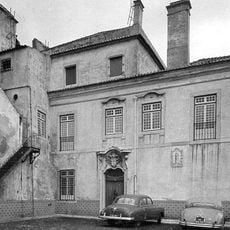
The building functioned as a political prison from 1928 to 1965, where the Estado Novo regime detained and oppressed its opponents. After the dictatorship ended in 1974, this place was converted into a museum to preserve the memory of that period.
The museum preserves testimonies from former political prisoners and their families, showing how people resisted oppression during difficult times. These personal stories help visitors understand what daily life was like under authoritarian rule.
Visitors should expect the exhibitions to address emotionally challenging content, so it is important to allow enough time for reading and reflection. The museum provides information in multiple languages, making it easier for international visitors to understand the displays.
The name Aljube comes from an Arabic word meaning cistern, reflecting the building's origins from the Moorish period. This repurposed water reservoir later became a detention facility and now serves as a place of remembrance.
The community of curious travelers
AroundUs brings together thousands of curated places, local tips, and hidden gems, enriched daily by 60,000 contributors worldwide.