Alfama, Medieval district in Lisbon, Portugal.
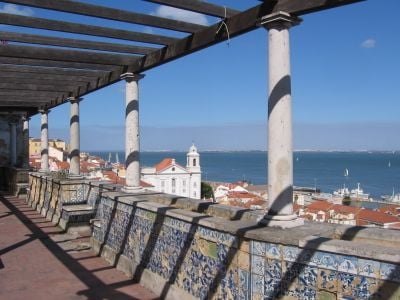
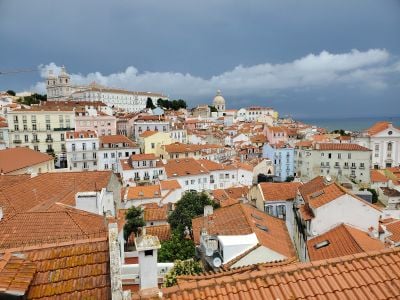
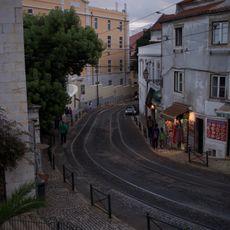
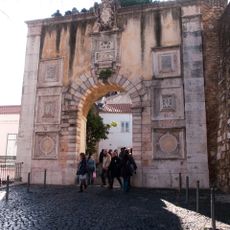
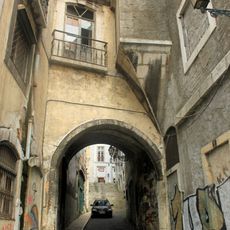
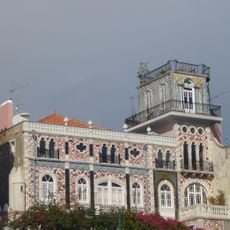
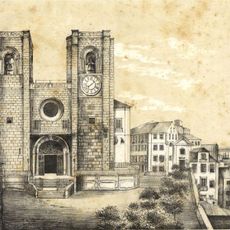
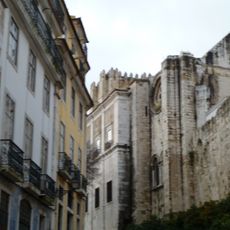
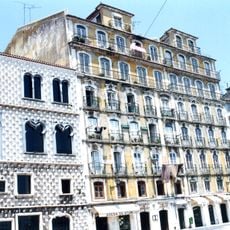
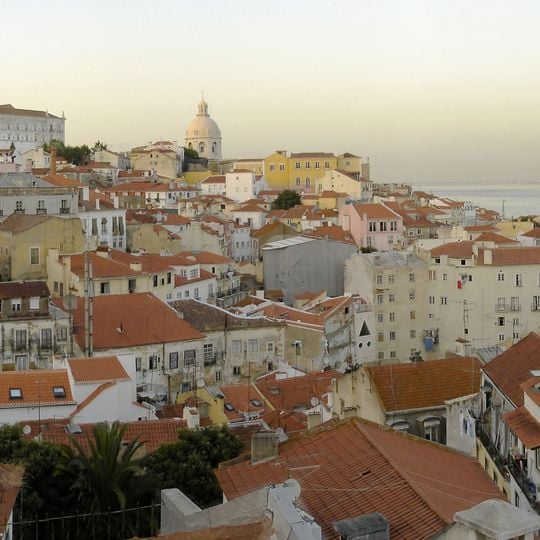
Alfama is a medieval neighborhood in Lisbon composed of steep, narrow streets lined with whitewashed buildings topped with terracotta tiles that descend toward the Tagus River. The buildings cluster together on hillsides, creating a tangled maze of passageways and small squares throughout the district.
The neighborhood survived the devastating 1755 earthquake that destroyed most of Lisbon, preserving its original medieval street layout and buildings from centuries earlier. This survival made it one of the few places where the city's pre-earthquake character remained visible.
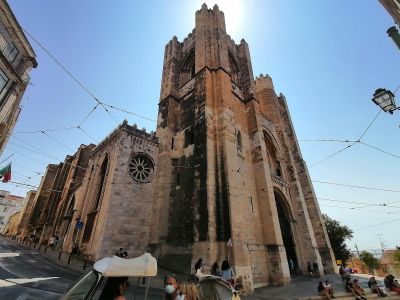
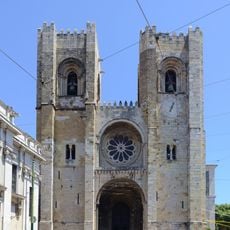
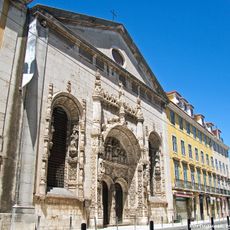
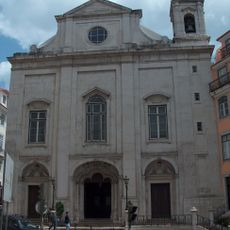
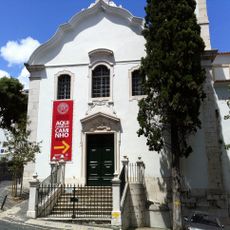
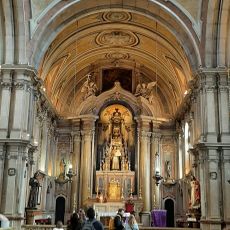
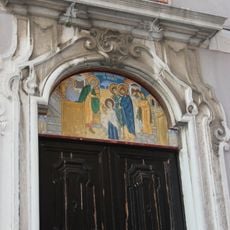
Alfama is where traditional Lisbon life unfolds in the streets, with the sound of fado music rising from small bars and residents sitting in their doorways. The neighborhood's religious buildings serve as gathering places that connect people to centuries of local devotion.
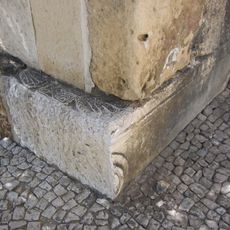
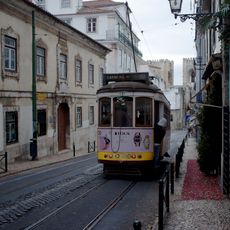
Tram 28 travels through the neighborhood's narrowest streets and brings visitors to the upper areas without climbing the steep passages on foot. The stone-paved streets are uneven in places, so sturdy shoes are essential for walking comfortably.
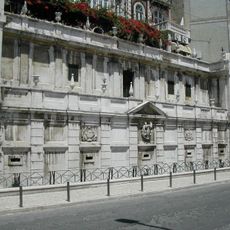
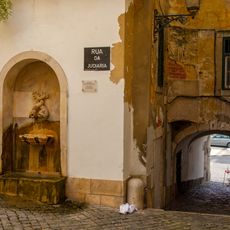
The neighborhood contains several public fountains, including the d'elRei Fountain, which once served as Lisbon's first public water source. These fountains became gathering places where residents collected water for daily use.
The community of curious travelers
AroundUs brings together thousands of curated places, local tips, and hidden gems, enriched daily by 90,872 contributors worldwide.