See the monuments around you in AROpen chests in the app
Around Us is built for your phone — point your camera at the streets and discover the monuments and places around you in augmented reality.Around Us is built for your phone — chests unlock when you walk, explore and capture nearby places.
Lisbon connects Moorish fortifications with structures from the Age of Discoveries and contemporary architecture. The city evolved from its medieval hilltop castle through the 16th-century Manueline monasteries to modern cultural buildings along the Tagus waterfront. This route passes through neighborhoods and periods that document Lisbon's architectural development.
In Belém, the Tower of Belém and the Jerónimos Monastery represent the Manueline style, which combines maritime motifs with Gothic and Renaissance elements. The Castle of São Jorge stands above Alfama, the city's oldest district with narrow streets and viewpoints such as the Miradouro de Santa Luzia. In the city center, Rossio Square marks the start of Baixa, the district rebuilt systematically after the 1755 earthquake.
The collection also includes religious buildings such as the Basilica da Estrela and the Church of São Roque with its gilded chapels, the Pantheon of Santa Engrácia with its dome, and the ruins of the Convento do Carmo. More recent projects like the MAAT Museum and the Oceanário show Lisbon's approach to contemporary architecture. Historic Tram 28 connects many of these sites and runs through Chiado, Bairro Alto and Graça. Outside the city, the National Palace of Sintra and the Moorish Castle complete the picture.
Lisbon connects Moorish fortifications with structures from the Age of Discoveries and contemporary architecture. The city evolved from its medieval hilltop castle through the 16th-century Manueline monasteries to modern cultural buildings along the Tagus waterfront. This route passes through neighborhoods and periods that document Lisbon's architectural development.
In Belém, the Tower of Belém and the Jerónimos Monastery represent the Manueline style, which combines maritime motifs with Gothic and Renaissance elements. The Castle of São Jorge stands above Alfama, the city's oldest district with narrow streets and viewpoints such as the Miradouro de Santa Luzia. In the city center, Rossio Square marks the start of Baixa, the district rebuilt systematically after the 1755 earthquake.
The collection also includes religious buildings such as the Basilica da Estrela and the Church of São Roque with its gilded chapels, the Pantheon of Santa Engrácia with its dome, and the ruins of the Convento do Carmo. More recent projects like the MAAT Museum and the Oceanário show Lisbon's approach to contemporary architecture. Historic Tram 28 connects many of these sites and runs through Chiado, Bairro Alto and Graça. Outside the city, the National Palace of Sintra and the Moorish Castle complete the picture.
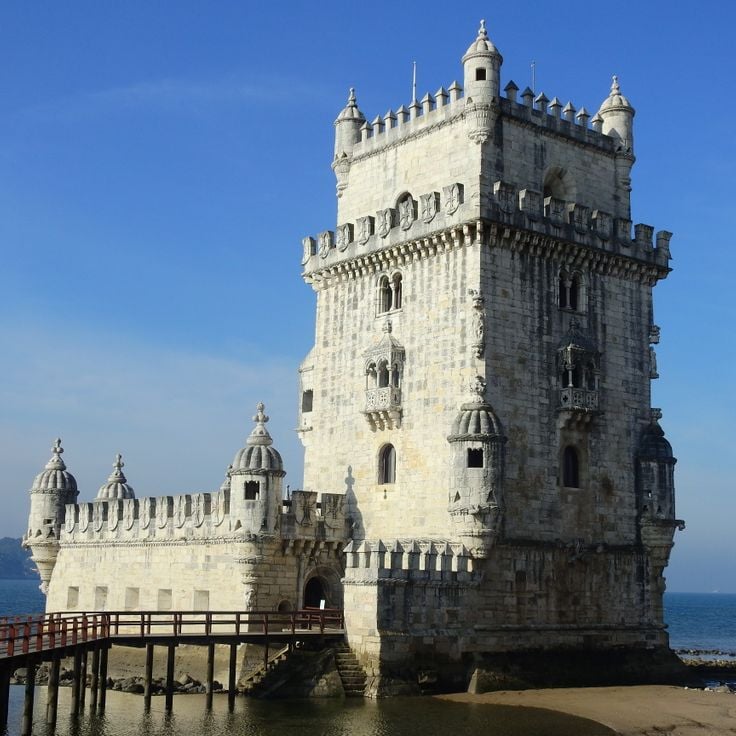
This 16th-century military tower marks a key point in Lisbon's history, combining Manueline architecture with Gothic elements that recall Portugal's age of exploration, when the structure guarded the harbor and greeted sailors on the Tagus River.
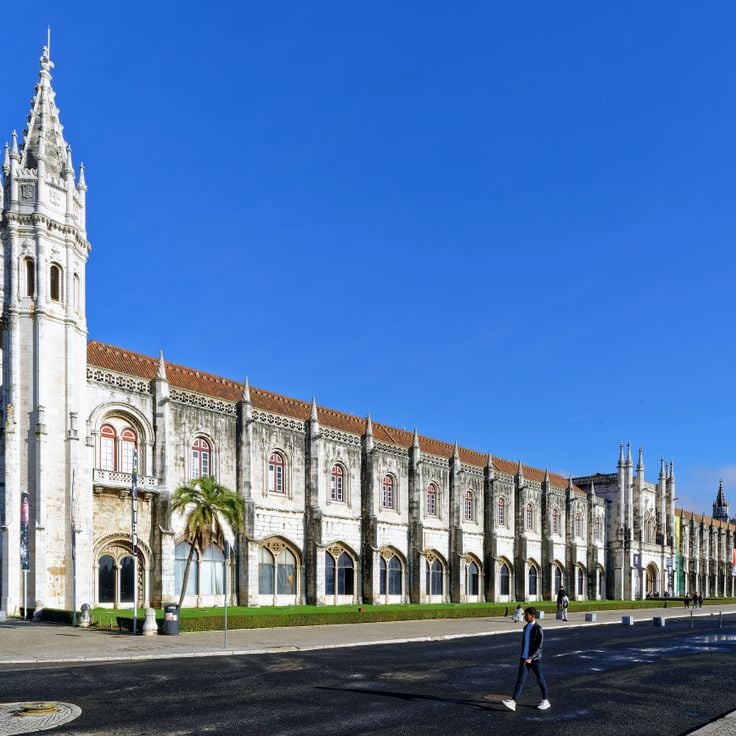
This monastery was built in the 16th century and stands as an architectural achievement of the Manueline period, when Portuguese navigators reached new continents. The facade extends over 1,000 feet (300 meters) along the waterfront, while inside, decorated columns and vaulted ceilings adorn the church and cloister. The stonework displays maritime motifs including ropes, coral and nautical instruments that reference the Age of Discovery. The complex houses the tombs of several Portuguese monarchs and the navigator Vasco da Gama. Construction was financed through revenues from the spice trade.
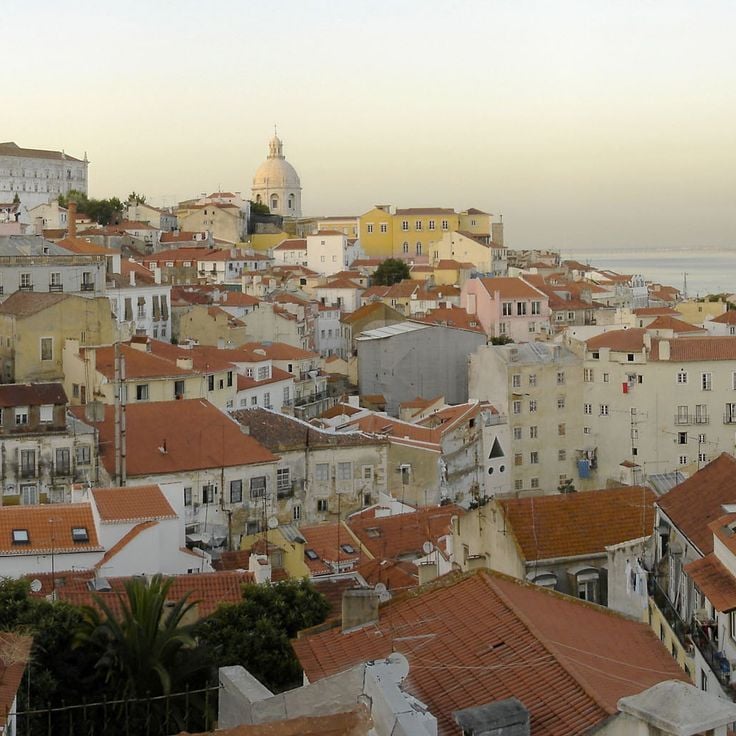
This viewpoint in the old Alfama district provides views across the red rooftops of the lower town, the Tagus River and several historic buildings. The azulejo-decorated square with its arcades and pergolas has served as a public lookout since the 19th century. From here you can survey the steep alleyways of the neighborhood, the Igreja de São Vicente de Fora and the harbor. Miradouro de Santa Luzia sits on the route between São Jorge Castle and the riverfront and ranks among Lisbon's principal viewpoints.
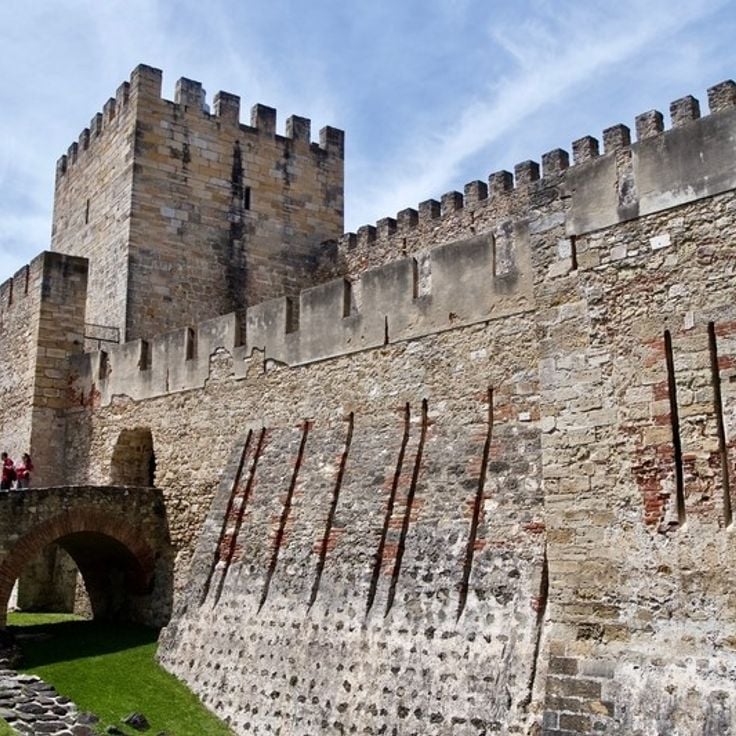
This medieval fortress stands on Lisbon's highest hill and documents the military architecture of both Moorish and Christian periods. The Château de São Jorge includes eleven defensive towers and fortified walls that secured the city's defenses for several centuries. The complex shows the transition from Moorish military architecture to later Portuguese expansions and illustrates the strategic importance of fortified high ground in European history.
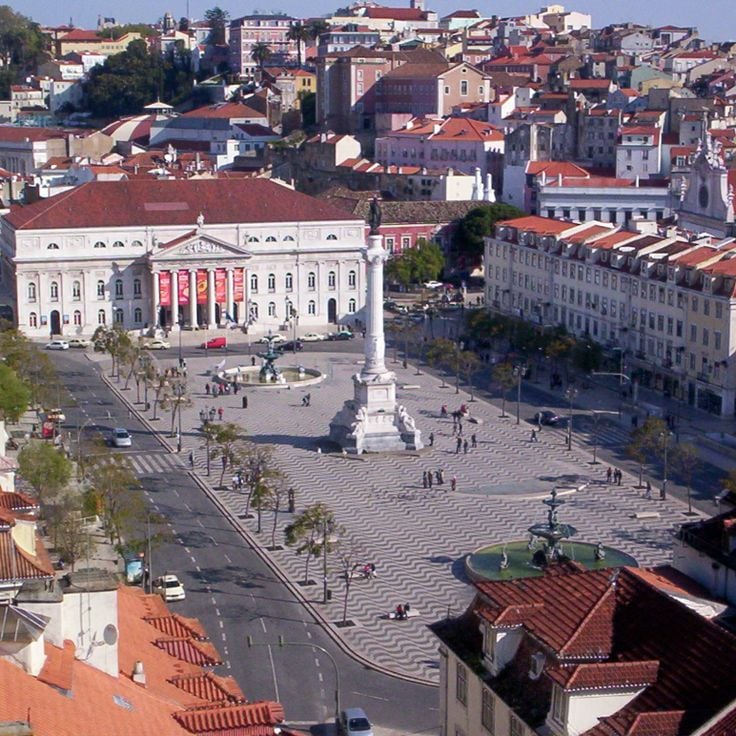
This central square in Lisbon's Baixa district has served as a civic gathering point for centuries. Two 19th-century bronze fountains mark the northern and southern halves of the plaza, while distinctive wave-patterned pavement in black and white stone covers the entire surface. Historic buildings frame the space, including the National Theater at the north end. The square functions as a major transit hub, connecting different parts of the city and providing access to surrounding commercial streets.
This Gothic church was founded in 1389 and displays the effects of the 1755 earthquake through its roofless arches and columns. The Convento do Carmo stands as testimony to one of Europe's most devastating natural disasters and was deliberately left as a ruin to commemorate the historic event. Today the complex houses an archaeological museum with collections spanning from prehistory to the 19th century.
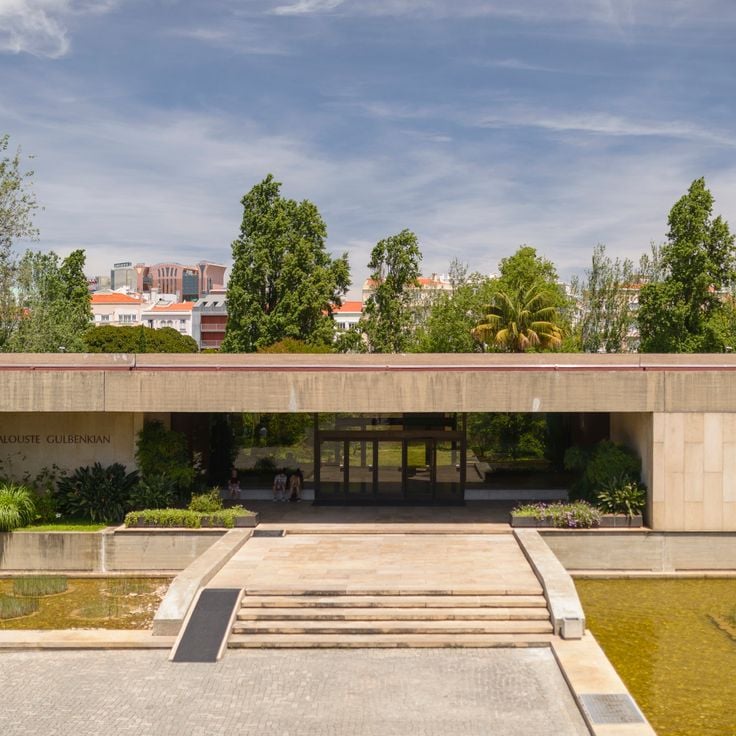
This museum houses extensive collections of Egyptian, Greco-Roman, Oriental and European art assembled by Calouste Gulbenkian. The exhibition spaces in a 1960s building display works from ancient Egypt to the early 20th century, including paintings, sculptures, ceramics and decorative arts. The adjacent park with native plants and water features connects the gallery buildings and provides space for contemporary art exhibitions in the modern wing.
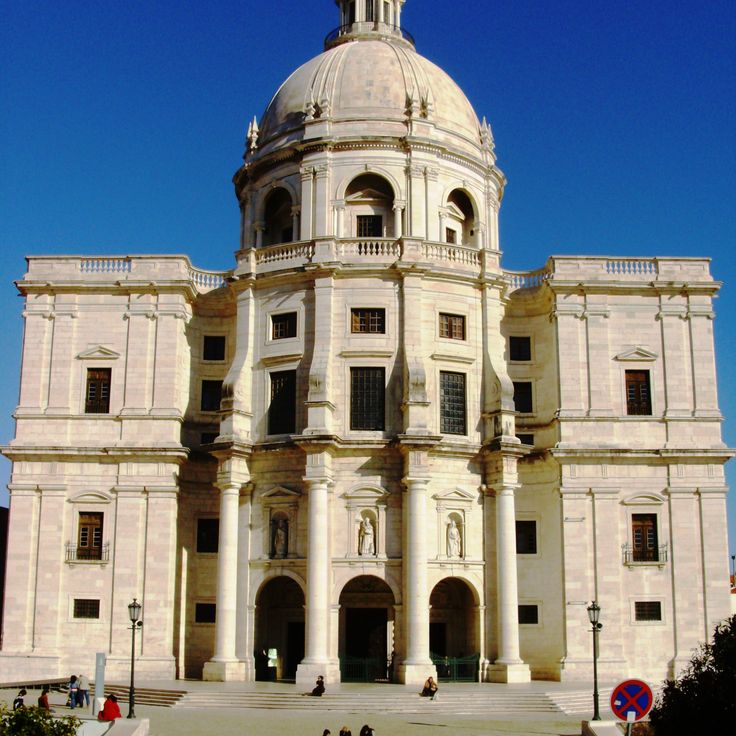
The Pantheon of Santa Engrácia dates from the 17th century and displays Baroque architecture with a central dome. The church was completed only in the 20th century and now serves as a national memorial. It houses the tombs of prominent Portuguese figures, including writers, presidents and fado singer Amália Rodrigues. The dome offers views over Alfama and the Tagus River.
The Oceanário de Lisboa presents over 8,000 marine animals in tanks that recreate different oceanic ecosystems from around the world. Located in Parque das Nações, this facility illustrates Lisbon's evolution from its historic center to a modern waterfront district and complements the city's architectural diversity with contemporary infrastructure dating from the late 1990s.
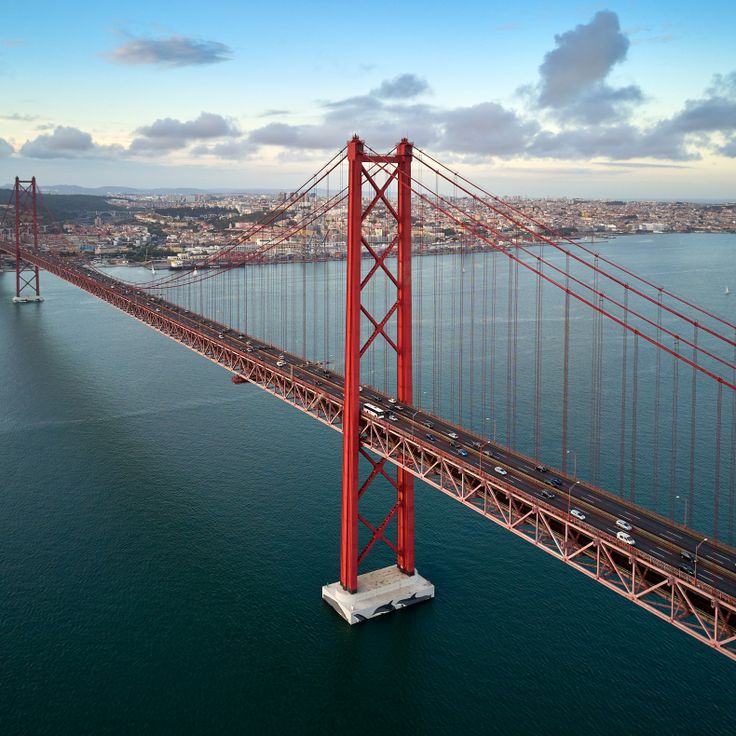
This red steel bridge connects the Alcântara and Almada districts across the Tagus River. The structure spans 7,480 feet (2,278 meters) and features two levels, with the upper deck carrying road traffic and the lower one serving trains. Opened in 1966, the bridge was renamed after the Carnation Revolution and resembles San Francisco's Golden Gate Bridge.
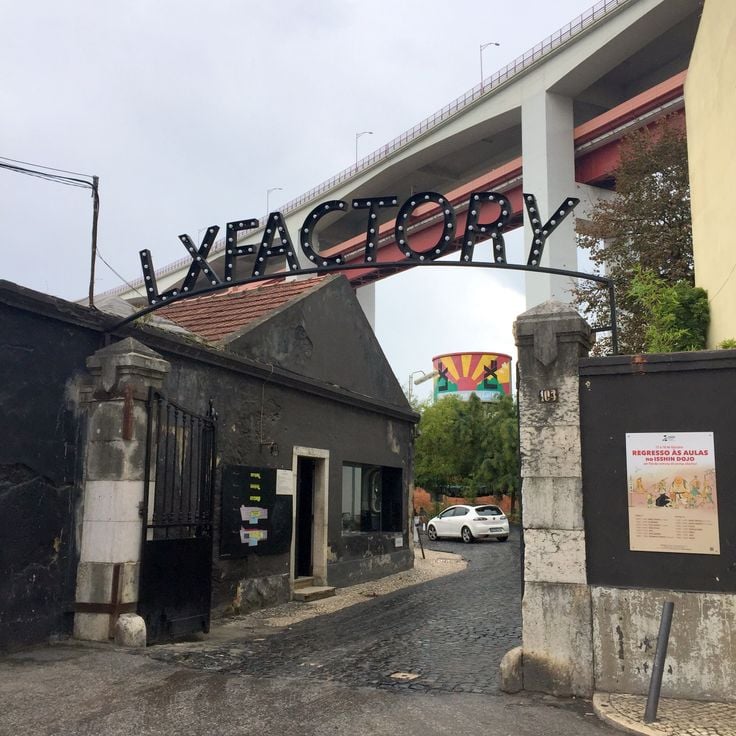
The LX Factory occupies a converted industrial complex in Alcântara that now houses boutiques, restaurants, artist studios and galleries. The site of a former 19th-century textile factory was transformed starting in 2008 into a creative hub that draws visitors with its alternative shops, cafés and exhibition spaces. The buildings retain their brick facades and industrial character while serving as venues for cultural events and providing insight into Lisbon's contemporary creative scene.
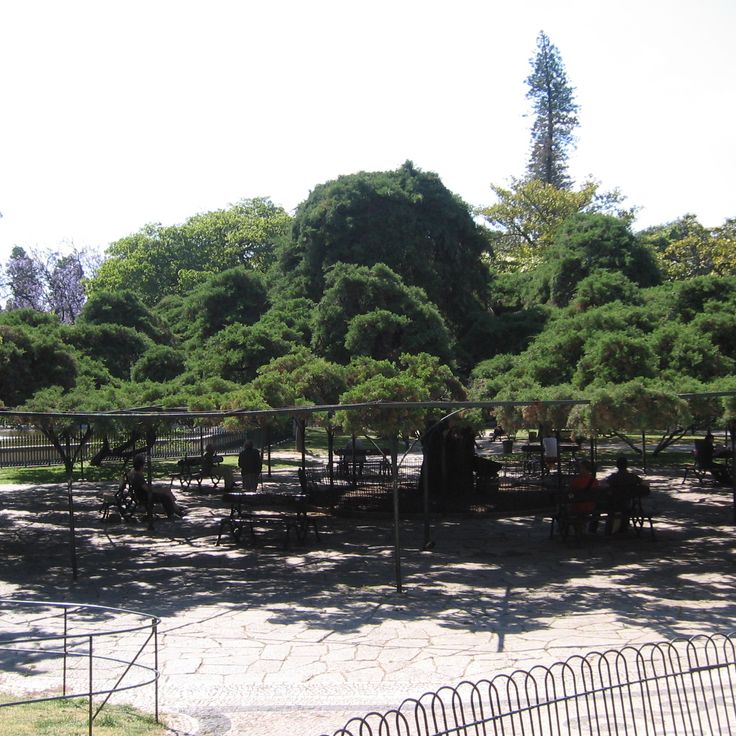
The Jardin do Príncipe Real is a 19th century public park in the heart of Lisbon, designed in the romantic style. The layout centers on an impressive old cedar tree whose spreading canopy forms a natural pavilion. Visitors will find historic kiosks and fountains dating from the park's creation, along with shaded pathways that invite relaxation and respite from the surrounding neighborhoods.
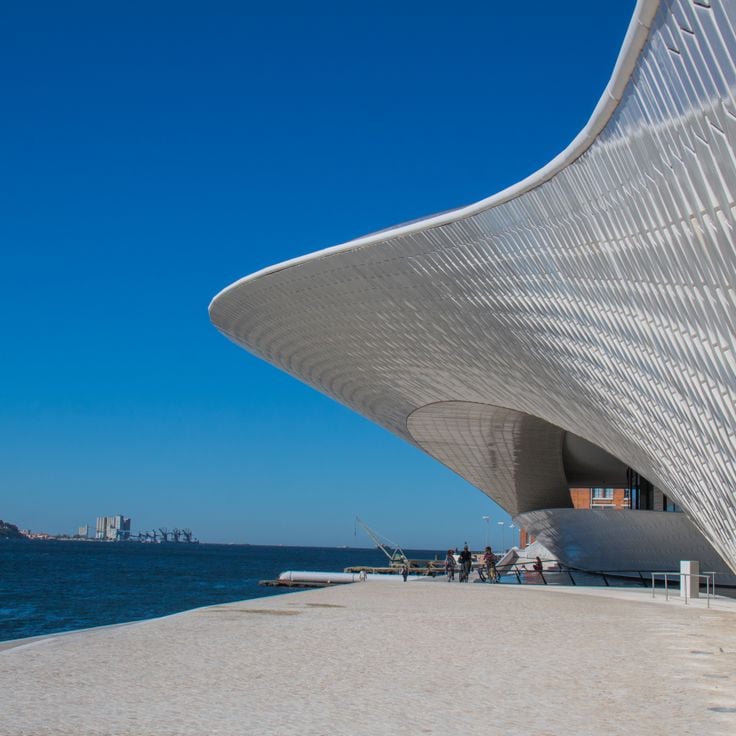
This museum of art, architecture and technology on the Tagus presents contemporary works in a white tile-clad building, combining modern exhibitions with architectural design that reflects Lisbon's commitment to cultural innovation.
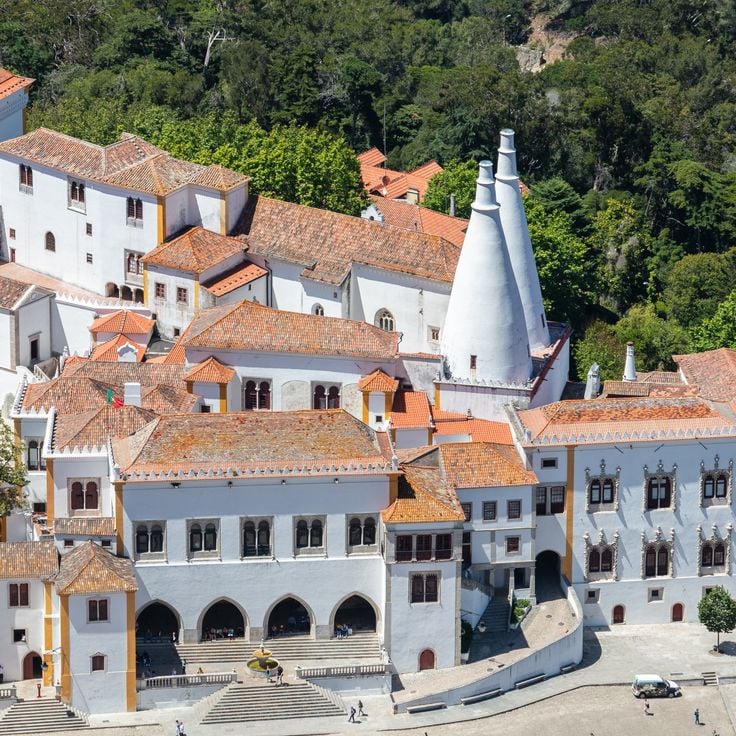
The National Palace of Sintra served as a royal residence for over eight centuries, combining Moorish, Gothic and Manueline architectural elements. Two distinctive white conical chimneys rise above the palace kitchens and define the town's skyline. Inside, 15th and 16th century azulejos tiles decorate the walls of numerous halls, including the Sala dos Brasões with its heraldic displays and the Sala das Pegas with its magpie motifs.
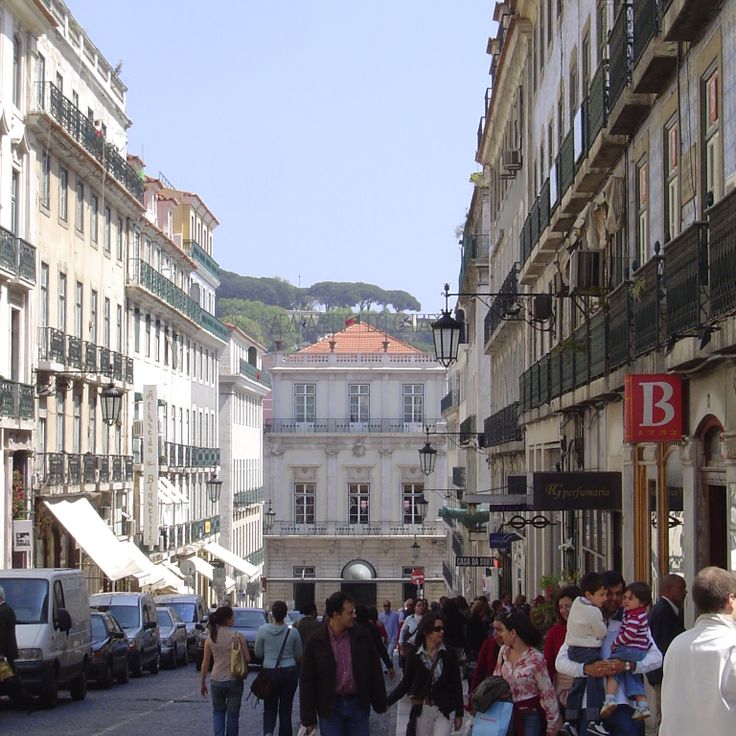
The Chiado district serves as Lisbon's cultural and commercial center since the 18th century. The area contains centuries-old bookstores, fashion shops, 18th-century churches and the São Carlos national theater. This historic quarter demonstrates the city's commercial and artistic development across multiple eras.
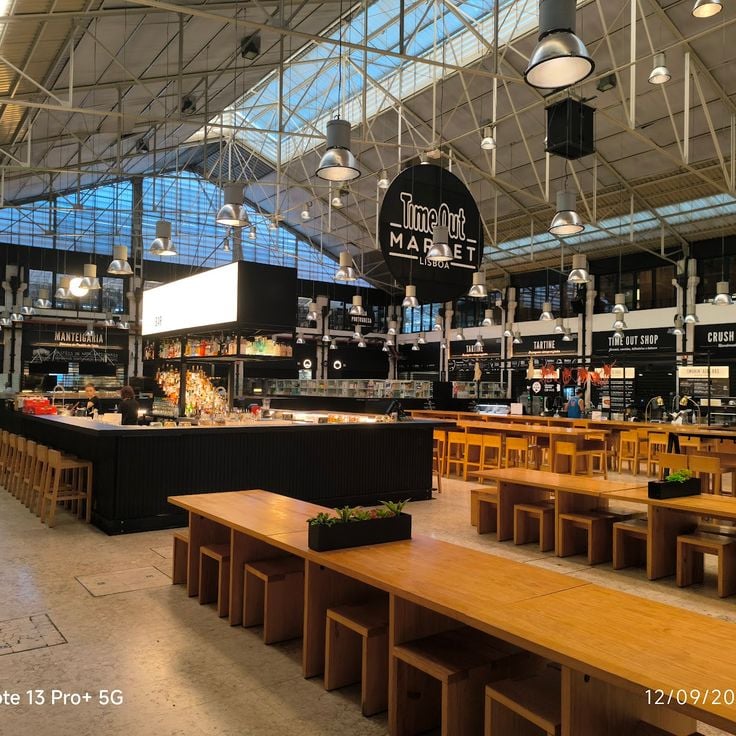
This covered market from the 19th century combines stalls selling fresh produce with restaurants serving traditional Portuguese dishes. The Mercado da Ribeira functions as a meeting point for locals and visitors looking to discover regional products or sample local specialties. The market hall connects the historic role of a food market with a modern dining offer, demonstrating Lisbon's culinary range. Its location in Misericórdia makes the market a practical stop when exploring the capital.
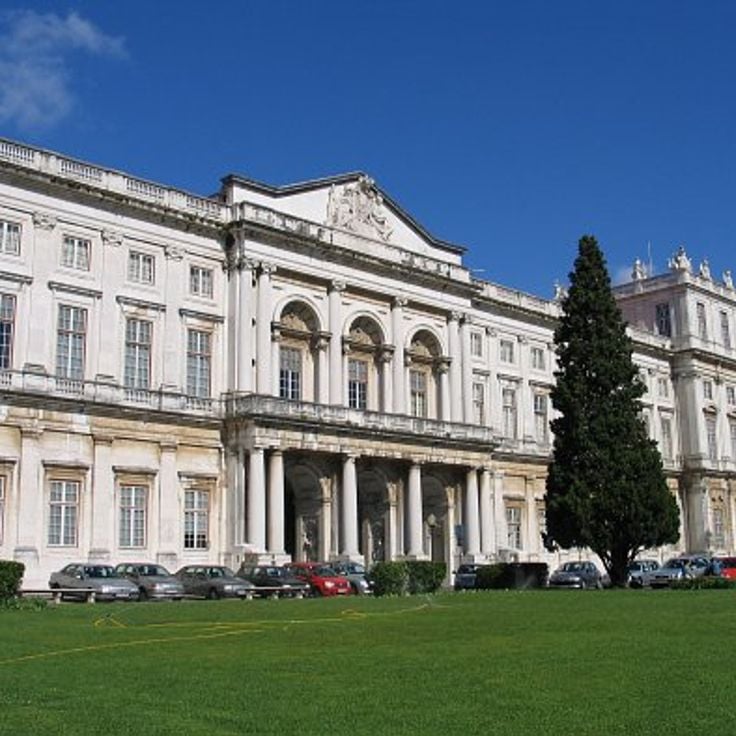
The Ajuda Palace was built in the 19th century as the official residence of the Portuguese monarchy following the 1755 earthquake. Its rooms display period furnishings, tapestries, sculptures and paintings from the state collection, documenting courtly life under Portugal's last kings. Construction was never fully completed, which remains evident in the unusual facade design.
The Alfama district spreads across Lisbon's oldest hillside slopes, preserving a network of cobblestone lanes, traditional fado venues and the tile-and-iron-balcony architecture that defines centuries of urban development in the Portuguese capital.
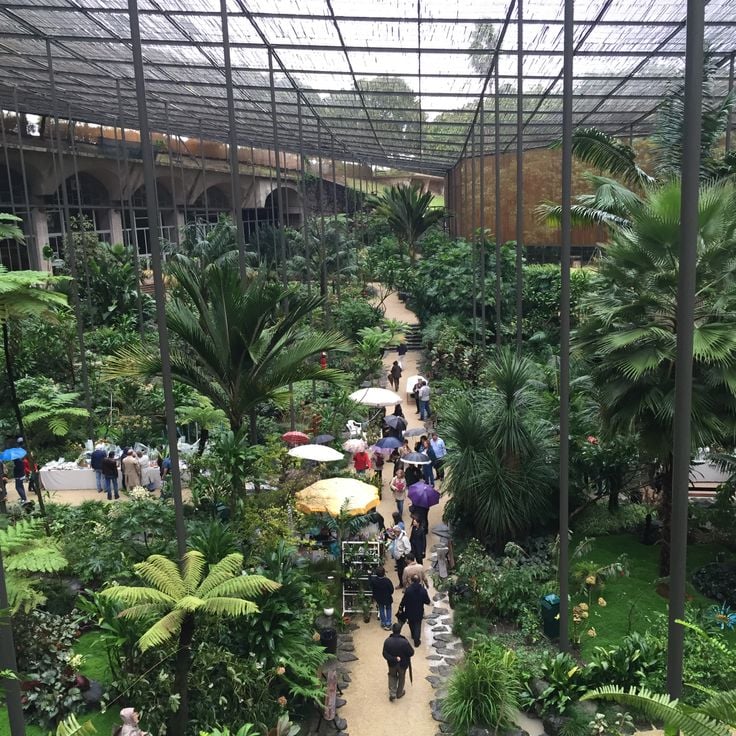
This 3,900 square foot (1,500 square meter) natural greenhouse in Parque Eduardo VII houses tropical plants, artificial lakes and paved paths winding between rock formations. The wooden slat system filters sunlight and creates a controlled microclimate for plant collections from different continents. The complex also includes an Estufa Quente for heat-loving species and an Estufa Doce for subtropical vegetation.
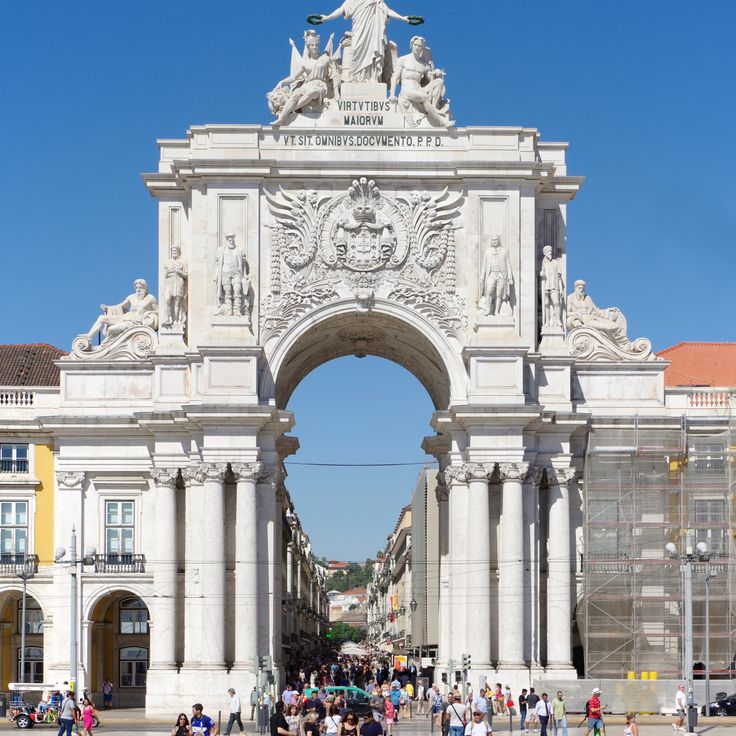
This limestone triumphal arch completed in 1873 links Praça do Comércio to Rua Augusta in the heart of the Baixa, marking the renewal of Lisbon after the 1755 earthquake. The facade displays allegorical figures and historical Portuguese personalities, while the accessible viewing terrace provides views over the rooftops of the lower city, the Tagus and the hills beyond.
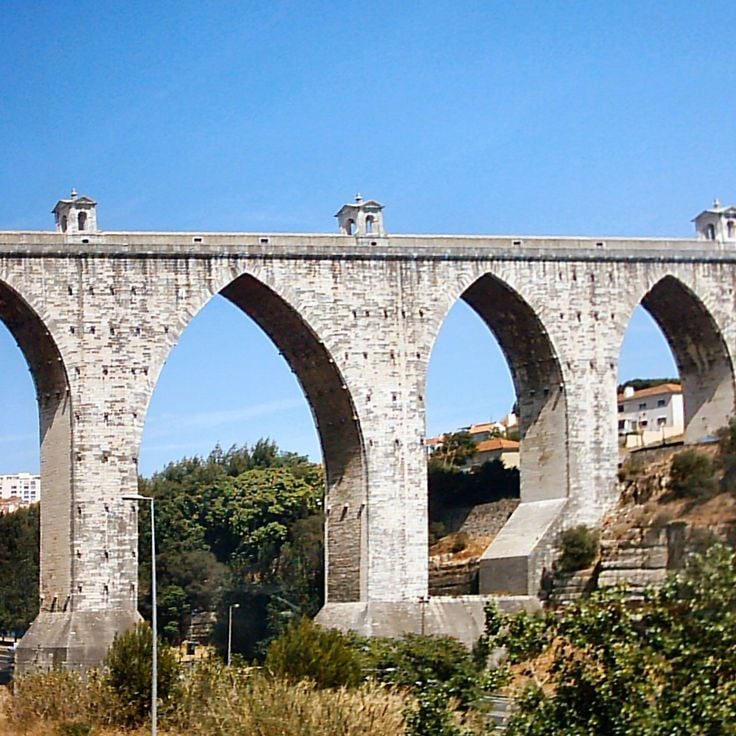
This 18th-century aqueduct transported water across 9 miles (14 kilometers) to Lisbon. The stone arches reach a height of 213 feet (65 meters) and demonstrate the hydraulic engineering of the period. The structure reflects the historical necessity of urban water supply.
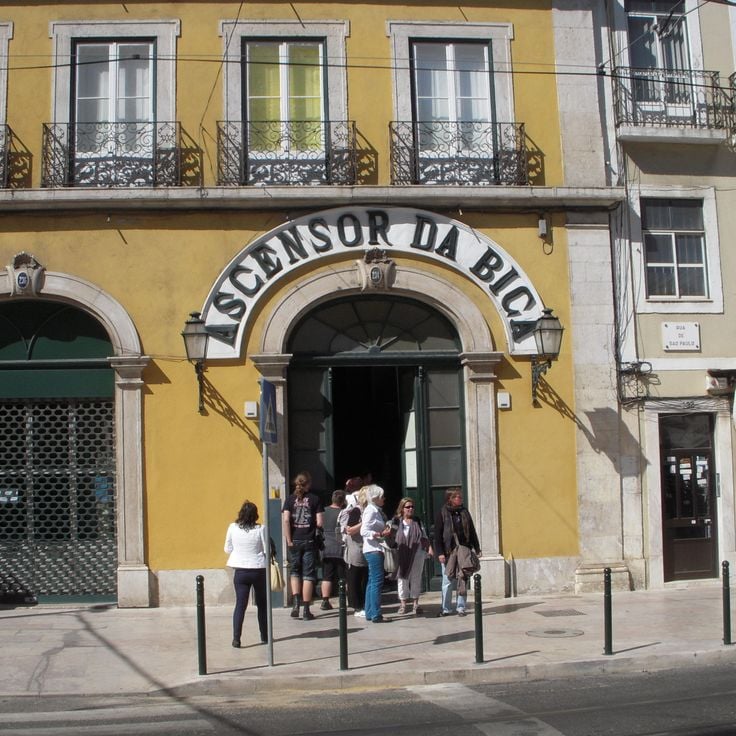
This 1892 funicular climbs 150 feet (45 meters) along Rua da Bica de Duarte Belo, connecting the Misericórdia neighborhood to the upper city through one of Lisbon's characteristic steep streets.
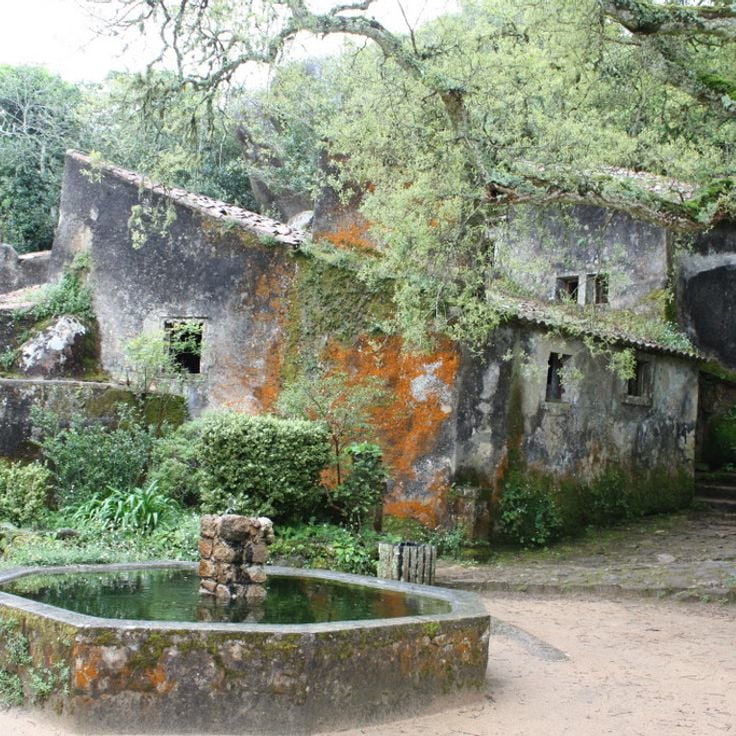
The Convento dos Capuchos is a 16th-century Franciscan monastery distinguished by its plain stone walls, narrow corridors and a small chapel. The complex sits in the forest and reflects the austere way of life practiced by the Capuchin monks. Cells were carved into the rock, and cork was used as insulation. This monastery forms a quiet contrast to the grander buildings of Lisbon and illustrates a different aspect of the region's religious architecture.
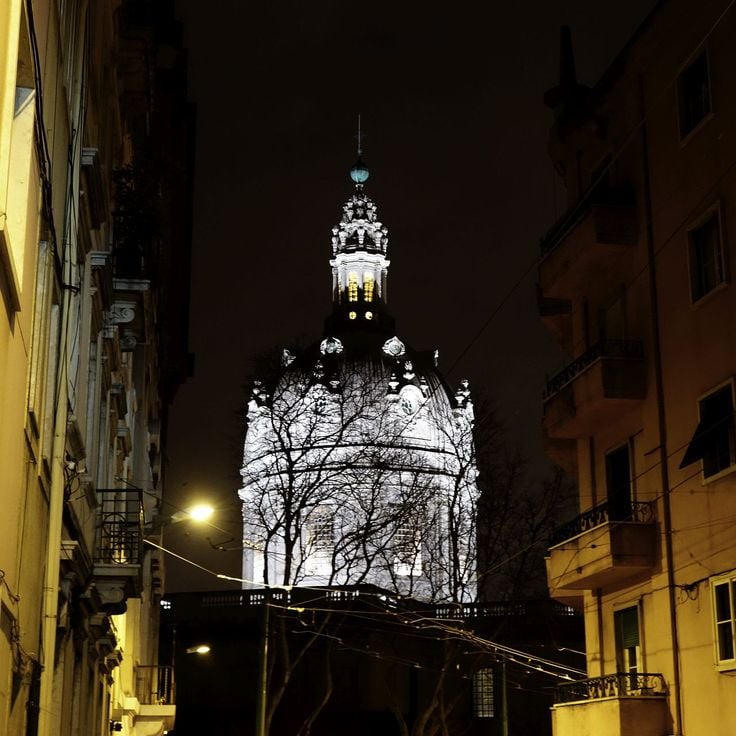
This neoclassical basilica was built in the 18th century and represents one of the examples of Lisbon's architectural development. It features a portal with two towers, two carillons and a large dome visible from various points across the city.
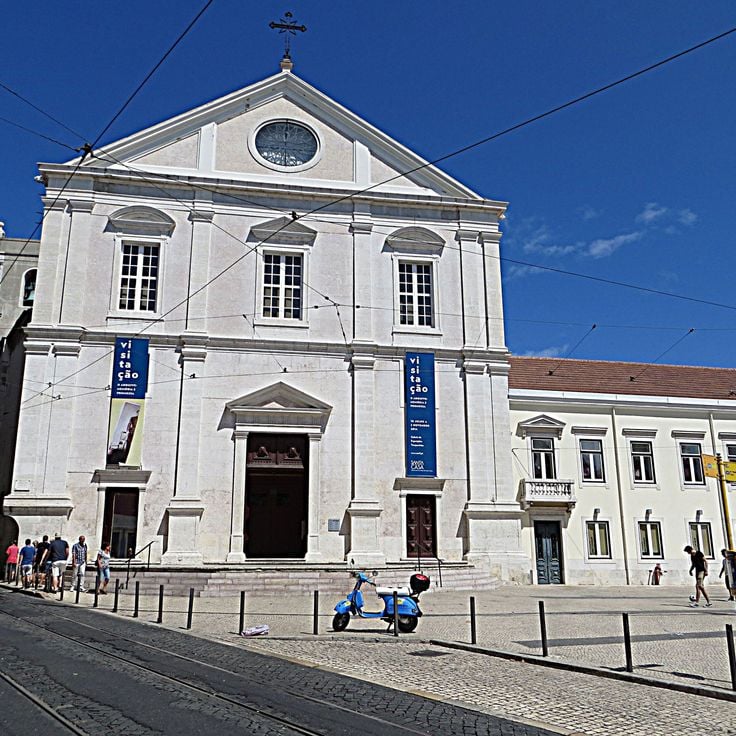
This church built in the 16th century houses several side chapels decorated with marble, gold and precious stones. The Chapel of Saint John the Baptist stands out as a particularly ornate space with liturgical objects. The plain exterior of the Church of São Roque contrasts with the interior splendor, where gilded woodwork and Portuguese tilework document Lisbon's architectural heritage and illustrate the evolution of religious art from Mannerism to Baroque.
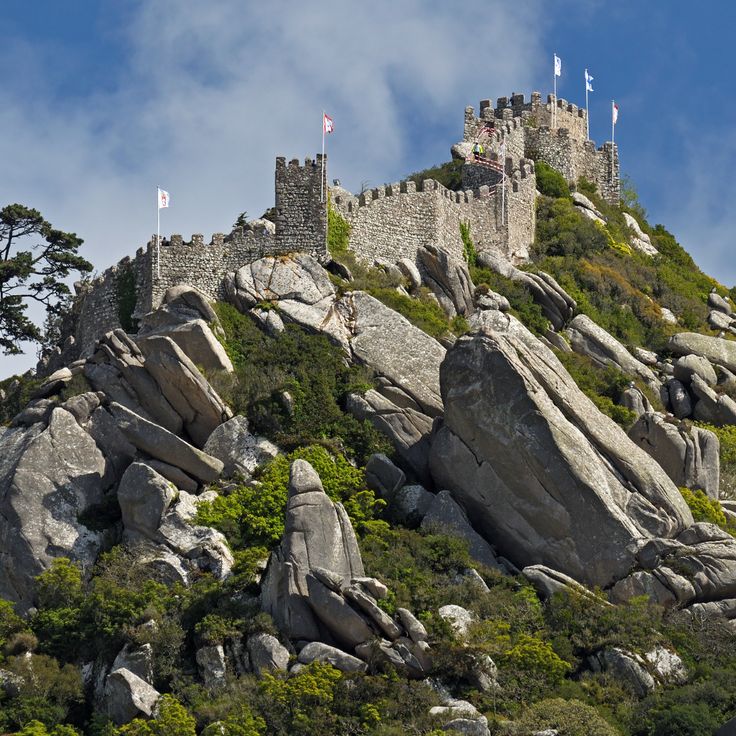
This ninth-century military fortress stands on the heights of Sintra, with ramparts, watchtowers and battlements that follow the mountainous terrain and overlook Lisbon and its surroundings.
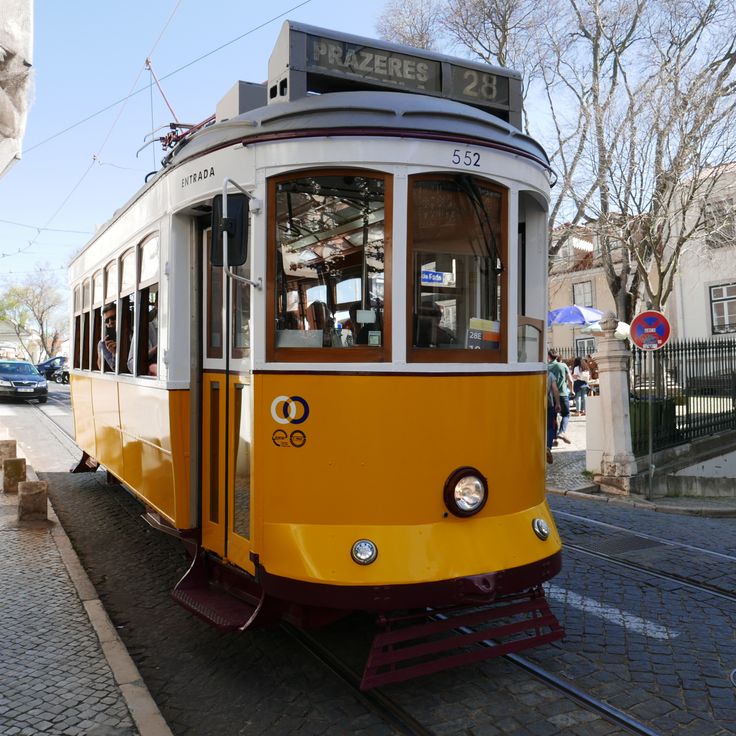
This streetcar line crosses the historic neighborhoods of Lisbon over 4.3 miles (7 kilometers). The yellow cars run between Martim Moniz and Campo de Ourique, connecting significant architectural sites throughout the city. The route passes through narrow streets, past monuments from different eras and provides access to numerous historic buildings along the way.
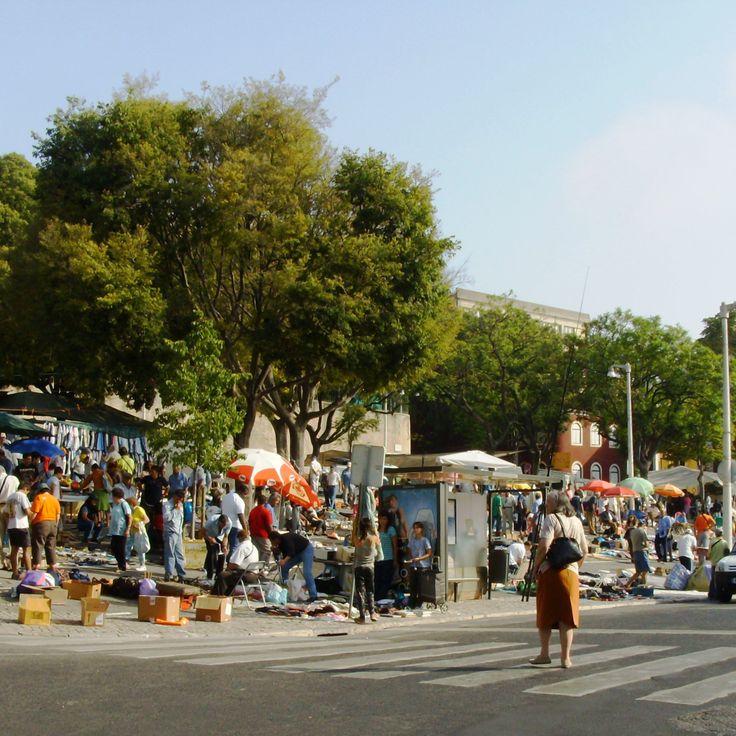
This flea market takes place every Tuesday and Saturday in the Alfama neighborhood, offering a wide selection of antique items, secondhand clothing, ceramics and handcrafted goods sold by local vendors that provide insights into Lisbon's longstanding tradition of street markets and secondhand trade.
This 16th-century military tower marks a key point in Lisbon's history, combining Manueline architecture with Gothic elements that recall Portugal's age of exploration, when the structure guarded the harbor and greeted sailors on the Tagus River.
This monastery was built in the 16th century and stands as an architectural achievement of the Manueline period, when Portuguese navigators reached new continents. The facade extends over 1,000 feet (300 meters) along the waterfront, while inside, decorated columns and vaulted ceilings adorn the church and cloister. The stonework displays maritime motifs including ropes, coral and nautical instruments that reference the Age of Discovery. The complex houses the tombs of several Portuguese monarchs and the navigator Vasco da Gama. Construction was financed through revenues from the spice trade.
This viewpoint in the old Alfama district provides views across the red rooftops of the lower town, the Tagus River and several historic buildings. The azulejo-decorated square with its arcades and pergolas has served as a public lookout since the 19th century. From here you can survey the steep alleyways of the neighborhood, the Igreja de São Vicente de Fora and the harbor. Miradouro de Santa Luzia sits on the route between São Jorge Castle and the riverfront and ranks among Lisbon's principal viewpoints.
This medieval fortress stands on Lisbon's highest hill and documents the military architecture of both Moorish and Christian periods. The Château de São Jorge includes eleven defensive towers and fortified walls that secured the city's defenses for several centuries. The complex shows the transition from Moorish military architecture to later Portuguese expansions and illustrates the strategic importance of fortified high ground in European history.
This central square in Lisbon's Baixa district has served as a civic gathering point for centuries. Two 19th-century bronze fountains mark the northern and southern halves of the plaza, while distinctive wave-patterned pavement in black and white stone covers the entire surface. Historic buildings frame the space, including the National Theater at the north end. The square functions as a major transit hub, connecting different parts of the city and providing access to surrounding commercial streets.
This Gothic church was founded in 1389 and displays the effects of the 1755 earthquake through its roofless arches and columns. The Convento do Carmo stands as testimony to one of Europe's most devastating natural disasters and was deliberately left as a ruin to commemorate the historic event. Today the complex houses an archaeological museum with collections spanning from prehistory to the 19th century.
This museum houses extensive collections of Egyptian, Greco-Roman, Oriental and European art assembled by Calouste Gulbenkian. The exhibition spaces in a 1960s building display works from ancient Egypt to the early 20th century, including paintings, sculptures, ceramics and decorative arts. The adjacent park with native plants and water features connects the gallery buildings and provides space for contemporary art exhibitions in the modern wing.
The Pantheon of Santa Engrácia dates from the 17th century and displays Baroque architecture with a central dome. The church was completed only in the 20th century and now serves as a national memorial. It houses the tombs of prominent Portuguese figures, including writers, presidents and fado singer Amália Rodrigues. The dome offers views over Alfama and the Tagus River.
The Oceanário de Lisboa presents over 8,000 marine animals in tanks that recreate different oceanic ecosystems from around the world. Located in Parque das Nações, this facility illustrates Lisbon's evolution from its historic center to a modern waterfront district and complements the city's architectural diversity with contemporary infrastructure dating from the late 1990s.
This red steel bridge connects the Alcântara and Almada districts across the Tagus River. The structure spans 7,480 feet (2,278 meters) and features two levels, with the upper deck carrying road traffic and the lower one serving trains. Opened in 1966, the bridge was renamed after the Carnation Revolution and resembles San Francisco's Golden Gate Bridge.
The LX Factory occupies a converted industrial complex in Alcântara that now houses boutiques, restaurants, artist studios and galleries. The site of a former 19th-century textile factory was transformed starting in 2008 into a creative hub that draws visitors with its alternative shops, cafés and exhibition spaces. The buildings retain their brick facades and industrial character while serving as venues for cultural events and providing insight into Lisbon's contemporary creative scene.
The Jardin do Príncipe Real is a 19th century public park in the heart of Lisbon, designed in the romantic style. The layout centers on an impressive old cedar tree whose spreading canopy forms a natural pavilion. Visitors will find historic kiosks and fountains dating from the park's creation, along with shaded pathways that invite relaxation and respite from the surrounding neighborhoods.
This museum of art, architecture and technology on the Tagus presents contemporary works in a white tile-clad building, combining modern exhibitions with architectural design that reflects Lisbon's commitment to cultural innovation.
The National Palace of Sintra served as a royal residence for over eight centuries, combining Moorish, Gothic and Manueline architectural elements. Two distinctive white conical chimneys rise above the palace kitchens and define the town's skyline. Inside, 15th and 16th century azulejos tiles decorate the walls of numerous halls, including the Sala dos Brasões with its heraldic displays and the Sala das Pegas with its magpie motifs.
The Chiado district serves as Lisbon's cultural and commercial center since the 18th century. The area contains centuries-old bookstores, fashion shops, 18th-century churches and the São Carlos national theater. This historic quarter demonstrates the city's commercial and artistic development across multiple eras.
This covered market from the 19th century combines stalls selling fresh produce with restaurants serving traditional Portuguese dishes. The Mercado da Ribeira functions as a meeting point for locals and visitors looking to discover regional products or sample local specialties. The market hall connects the historic role of a food market with a modern dining offer, demonstrating Lisbon's culinary range. Its location in Misericórdia makes the market a practical stop when exploring the capital.
The Ajuda Palace was built in the 19th century as the official residence of the Portuguese monarchy following the 1755 earthquake. Its rooms display period furnishings, tapestries, sculptures and paintings from the state collection, documenting courtly life under Portugal's last kings. Construction was never fully completed, which remains evident in the unusual facade design.
The Alfama district spreads across Lisbon's oldest hillside slopes, preserving a network of cobblestone lanes, traditional fado venues and the tile-and-iron-balcony architecture that defines centuries of urban development in the Portuguese capital.
This 3,900 square foot (1,500 square meter) natural greenhouse in Parque Eduardo VII houses tropical plants, artificial lakes and paved paths winding between rock formations. The wooden slat system filters sunlight and creates a controlled microclimate for plant collections from different continents. The complex also includes an Estufa Quente for heat-loving species and an Estufa Doce for subtropical vegetation.
This limestone triumphal arch completed in 1873 links Praça do Comércio to Rua Augusta in the heart of the Baixa, marking the renewal of Lisbon after the 1755 earthquake. The facade displays allegorical figures and historical Portuguese personalities, while the accessible viewing terrace provides views over the rooftops of the lower city, the Tagus and the hills beyond.
This 18th-century aqueduct transported water across 9 miles (14 kilometers) to Lisbon. The stone arches reach a height of 213 feet (65 meters) and demonstrate the hydraulic engineering of the period. The structure reflects the historical necessity of urban water supply.
This 1892 funicular climbs 150 feet (45 meters) along Rua da Bica de Duarte Belo, connecting the Misericórdia neighborhood to the upper city through one of Lisbon's characteristic steep streets.
The Convento dos Capuchos is a 16th-century Franciscan monastery distinguished by its plain stone walls, narrow corridors and a small chapel. The complex sits in the forest and reflects the austere way of life practiced by the Capuchin monks. Cells were carved into the rock, and cork was used as insulation. This monastery forms a quiet contrast to the grander buildings of Lisbon and illustrates a different aspect of the region's religious architecture.
This neoclassical basilica was built in the 18th century and represents one of the examples of Lisbon's architectural development. It features a portal with two towers, two carillons and a large dome visible from various points across the city.
This church built in the 16th century houses several side chapels decorated with marble, gold and precious stones. The Chapel of Saint John the Baptist stands out as a particularly ornate space with liturgical objects. The plain exterior of the Church of São Roque contrasts with the interior splendor, where gilded woodwork and Portuguese tilework document Lisbon's architectural heritage and illustrate the evolution of religious art from Mannerism to Baroque.
This ninth-century military fortress stands on the heights of Sintra, with ramparts, watchtowers and battlements that follow the mountainous terrain and overlook Lisbon and its surroundings.
This streetcar line crosses the historic neighborhoods of Lisbon over 4.3 miles (7 kilometers). The yellow cars run between Martim Moniz and Campo de Ourique, connecting significant architectural sites throughout the city. The route passes through narrow streets, past monuments from different eras and provides access to numerous historic buildings along the way.
This flea market takes place every Tuesday and Saturday in the Alfama neighborhood, offering a wide selection of antique items, secondhand clothing, ceramics and handcrafted goods sold by local vendors that provide insights into Lisbon's longstanding tradition of street markets and secondhand trade.
This 16th-century military tower marks a key point in Lisbon's history, combining Manueline architecture with Gothic elements that recall Portugal's age of exploration, when the structure guarded the harbor and greeted sailors on the Tagus River.
This monastery was built in the 16th century and stands as an architectural achievement of the Manueline period, when Portuguese navigators reached new continents. The facade extends over 1,000 feet (300 meters) along the waterfront, while inside, decorated columns and vaulted ceilings adorn the church and cloister. The stonework displays maritime motifs including ropes, coral and nautical instruments that reference the Age of Discovery. The complex houses the tombs of several Portuguese monarchs and the navigator Vasco da Gama. Construction was financed through revenues from the spice trade.
This viewpoint in the old Alfama district provides views across the red rooftops of the lower town, the Tagus River and several historic buildings. The azulejo-decorated square with its arcades and pergolas has served as a public lookout since the 19th century. From here you can survey the steep alleyways of the neighborhood, the Igreja de São Vicente de Fora and the harbor. Miradouro de Santa Luzia sits on the route between São Jorge Castle and the riverfront and ranks among Lisbon's principal viewpoints.
This medieval fortress stands on Lisbon's highest hill and documents the military architecture of both Moorish and Christian periods. The Château de São Jorge includes eleven defensive towers and fortified walls that secured the city's defenses for several centuries. The complex shows the transition from Moorish military architecture to later Portuguese expansions and illustrates the strategic importance of fortified high ground in European history.
This central square in Lisbon's Baixa district has served as a civic gathering point for centuries. Two 19th-century bronze fountains mark the northern and southern halves of the plaza, while distinctive wave-patterned pavement in black and white stone covers the entire surface. Historic buildings frame the space, including the National Theater at the north end. The square functions as a major transit hub, connecting different parts of the city and providing access to surrounding commercial streets.
This Gothic church was founded in 1389 and displays the effects of the 1755 earthquake through its roofless arches and columns. The Convento do Carmo stands as testimony to one of Europe's most devastating natural disasters and was deliberately left as a ruin to commemorate the historic event. Today the complex houses an archaeological museum with collections spanning from prehistory to the 19th century.
This museum houses extensive collections of Egyptian, Greco-Roman, Oriental and European art assembled by Calouste Gulbenkian. The exhibition spaces in a 1960s building display works from ancient Egypt to the early 20th century, including paintings, sculptures, ceramics and decorative arts. The adjacent park with native plants and water features connects the gallery buildings and provides space for contemporary art exhibitions in the modern wing.
The Pantheon of Santa Engrácia dates from the 17th century and displays Baroque architecture with a central dome. The church was completed only in the 20th century and now serves as a national memorial. It houses the tombs of prominent Portuguese figures, including writers, presidents and fado singer Amália Rodrigues. The dome offers views over Alfama and the Tagus River.
The Oceanário de Lisboa presents over 8,000 marine animals in tanks that recreate different oceanic ecosystems from around the world. Located in Parque das Nações, this facility illustrates Lisbon's evolution from its historic center to a modern waterfront district and complements the city's architectural diversity with contemporary infrastructure dating from the late 1990s.
This red steel bridge connects the Alcântara and Almada districts across the Tagus River. The structure spans 7,480 feet (2,278 meters) and features two levels, with the upper deck carrying road traffic and the lower one serving trains. Opened in 1966, the bridge was renamed after the Carnation Revolution and resembles San Francisco's Golden Gate Bridge.
The LX Factory occupies a converted industrial complex in Alcântara that now houses boutiques, restaurants, artist studios and galleries. The site of a former 19th-century textile factory was transformed starting in 2008 into a creative hub that draws visitors with its alternative shops, cafés and exhibition spaces. The buildings retain their brick facades and industrial character while serving as venues for cultural events and providing insight into Lisbon's contemporary creative scene.
The Jardin do Príncipe Real is a 19th century public park in the heart of Lisbon, designed in the romantic style. The layout centers on an impressive old cedar tree whose spreading canopy forms a natural pavilion. Visitors will find historic kiosks and fountains dating from the park's creation, along with shaded pathways that invite relaxation and respite from the surrounding neighborhoods.
This museum of art, architecture and technology on the Tagus presents contemporary works in a white tile-clad building, combining modern exhibitions with architectural design that reflects Lisbon's commitment to cultural innovation.
The National Palace of Sintra served as a royal residence for over eight centuries, combining Moorish, Gothic and Manueline architectural elements. Two distinctive white conical chimneys rise above the palace kitchens and define the town's skyline. Inside, 15th and 16th century azulejos tiles decorate the walls of numerous halls, including the Sala dos Brasões with its heraldic displays and the Sala das Pegas with its magpie motifs.
The Chiado district serves as Lisbon's cultural and commercial center since the 18th century. The area contains centuries-old bookstores, fashion shops, 18th-century churches and the São Carlos national theater. This historic quarter demonstrates the city's commercial and artistic development across multiple eras.
This covered market from the 19th century combines stalls selling fresh produce with restaurants serving traditional Portuguese dishes. The Mercado da Ribeira functions as a meeting point for locals and visitors looking to discover regional products or sample local specialties. The market hall connects the historic role of a food market with a modern dining offer, demonstrating Lisbon's culinary range. Its location in Misericórdia makes the market a practical stop when exploring the capital.
The Ajuda Palace was built in the 19th century as the official residence of the Portuguese monarchy following the 1755 earthquake. Its rooms display period furnishings, tapestries, sculptures and paintings from the state collection, documenting courtly life under Portugal's last kings. Construction was never fully completed, which remains evident in the unusual facade design.
The Alfama district spreads across Lisbon's oldest hillside slopes, preserving a network of cobblestone lanes, traditional fado venues and the tile-and-iron-balcony architecture that defines centuries of urban development in the Portuguese capital.
This 3,900 square foot (1,500 square meter) natural greenhouse in Parque Eduardo VII houses tropical plants, artificial lakes and paved paths winding between rock formations. The wooden slat system filters sunlight and creates a controlled microclimate for plant collections from different continents. The complex also includes an Estufa Quente for heat-loving species and an Estufa Doce for subtropical vegetation.
This limestone triumphal arch completed in 1873 links Praça do Comércio to Rua Augusta in the heart of the Baixa, marking the renewal of Lisbon after the 1755 earthquake. The facade displays allegorical figures and historical Portuguese personalities, while the accessible viewing terrace provides views over the rooftops of the lower city, the Tagus and the hills beyond.
This 18th-century aqueduct transported water across 9 miles (14 kilometers) to Lisbon. The stone arches reach a height of 213 feet (65 meters) and demonstrate the hydraulic engineering of the period. The structure reflects the historical necessity of urban water supply.
This 1892 funicular climbs 150 feet (45 meters) along Rua da Bica de Duarte Belo, connecting the Misericórdia neighborhood to the upper city through one of Lisbon's characteristic steep streets.
The Convento dos Capuchos is a 16th-century Franciscan monastery distinguished by its plain stone walls, narrow corridors and a small chapel. The complex sits in the forest and reflects the austere way of life practiced by the Capuchin monks. Cells were carved into the rock, and cork was used as insulation. This monastery forms a quiet contrast to the grander buildings of Lisbon and illustrates a different aspect of the region's religious architecture.
This neoclassical basilica was built in the 18th century and represents one of the examples of Lisbon's architectural development. It features a portal with two towers, two carillons and a large dome visible from various points across the city.
This church built in the 16th century houses several side chapels decorated with marble, gold and precious stones. The Chapel of Saint John the Baptist stands out as a particularly ornate space with liturgical objects. The plain exterior of the Church of São Roque contrasts with the interior splendor, where gilded woodwork and Portuguese tilework document Lisbon's architectural heritage and illustrate the evolution of religious art from Mannerism to Baroque.
This ninth-century military fortress stands on the heights of Sintra, with ramparts, watchtowers and battlements that follow the mountainous terrain and overlook Lisbon and its surroundings.
This streetcar line crosses the historic neighborhoods of Lisbon over 4.3 miles (7 kilometers). The yellow cars run between Martim Moniz and Campo de Ourique, connecting significant architectural sites throughout the city. The route passes through narrow streets, past monuments from different eras and provides access to numerous historic buildings along the way.
This flea market takes place every Tuesday and Saturday in the Alfama neighborhood, offering a wide selection of antique items, secondhand clothing, ceramics and handcrafted goods sold by local vendors that provide insights into Lisbon's longstanding tradition of street markets and secondhand trade.