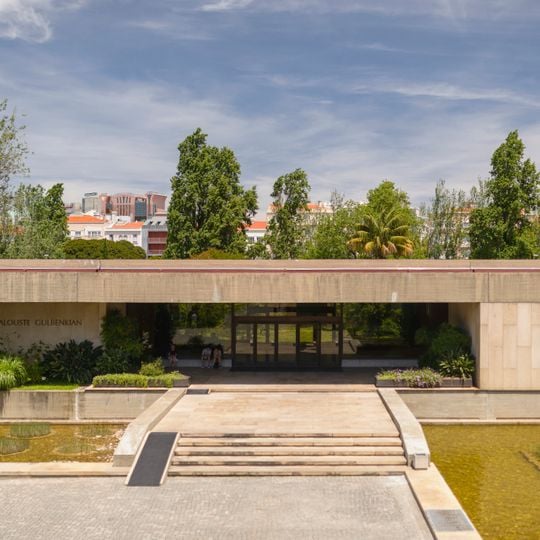
Calouste Gulbenkian Museum, Art museum in Avenidas Novas, Portugal.
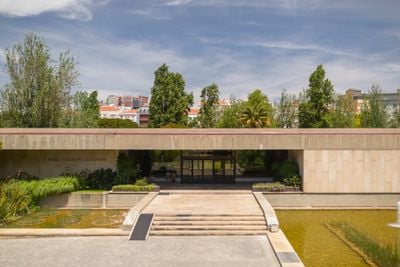
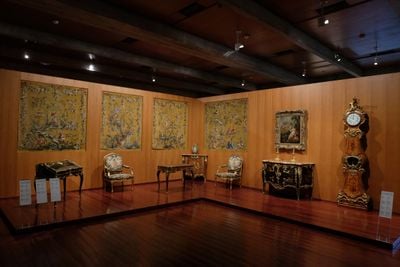
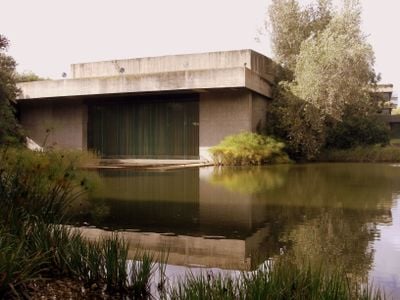
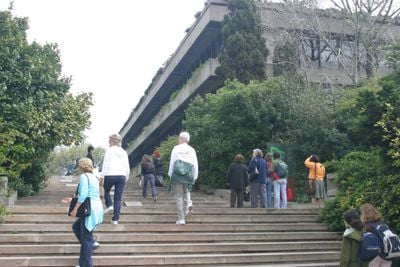
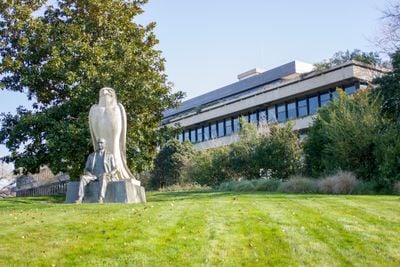
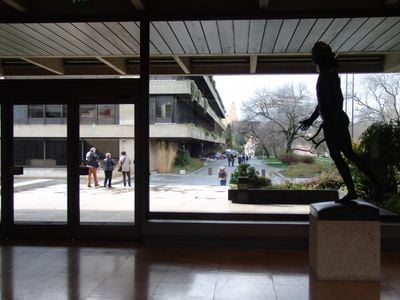
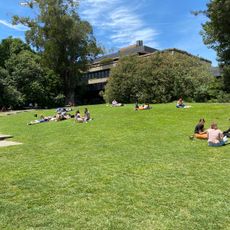
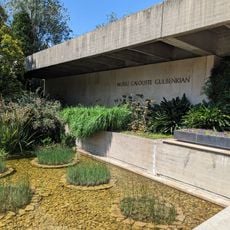
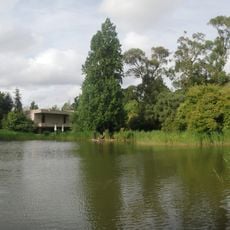
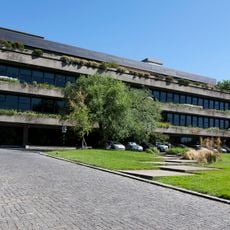
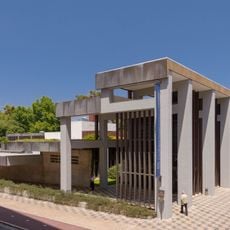
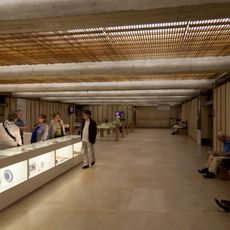
The Calouste Gulbenkian Museum is an art museum in Lisbon housing over 6,000 works from different periods and regions, including Egyptian sculptures, Persian carpets, and European oil paintings. The galleries occupy a single-story building surrounded by a garden, with large windows that bring natural light into the exhibition rooms.
The Gulbenkian Foundation built the structure in the 1960s to house the private collection of oil magnate Calouste Gulbenkian, who died in Lisbon in 1955. The architects designed the galleries to follow the slope of the land and open views toward the surrounding park.
The museum honors an Armenian-Turkish businessman who left his collection to Lisbon, and his personal taste shaped the choice of every object on display. Visitors today notice how Western paintings and Eastern artworks placed in neighboring galleries create a bridge between Europe and Asia.
Admission is free on Wednesday afternoons and Sundays, while other days require a fee. A café and museum shop are located on the ground floor, and the galleries are accessible for wheelchair users.
Gulbenkian acquired many works during the Russian Revolution, when noble families sold artworks at low prices to flee abroad. His collection also includes a series of Art Nouveau jewelry pieces by French goldsmith René Lalique, which he commissioned directly from the artist.
The community of curious travelers
AroundUs brings together thousands of curated places, local tips, and hidden gems, enriched daily by 90,741 contributors worldwide.