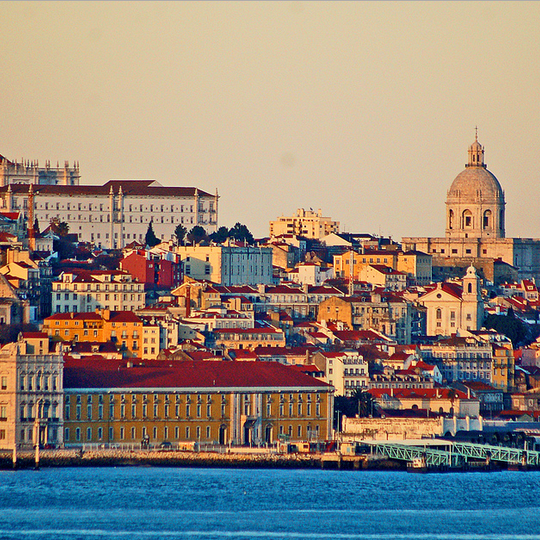
Lisbon, Capital city in Portugal.
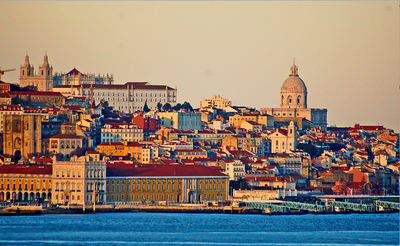
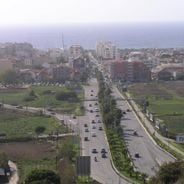
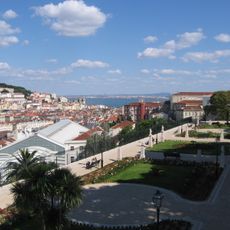
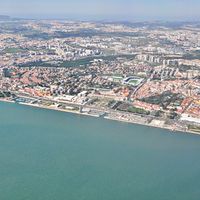
Lisbon is the national capital of Portugal, sitting where the Tagus River meets the Atlantic Ocean. The city spreads over seven hills, with narrow lanes climbing steep slopes in older neighborhoods and wider streets running through newer areas.
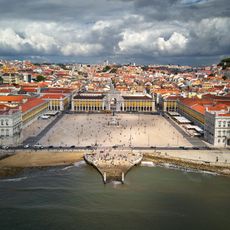
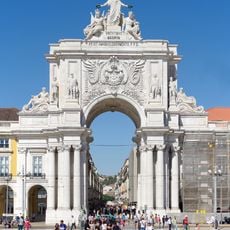
The earthquake of 1755 destroyed large sections of the city and prompted the reconstruction of the Baixa district with straight streets arranged in a grid. This rebuilding gave the downtown area a planned layout that remains at the center of daily life.
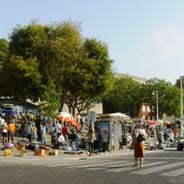
In the evening, neighborhood taverns fill with Fado singers whose voices carry the Portuguese sense of longing through slow, emotional melodies. Daily life revolves around small bakeries, open-air markets, and sidewalk cafes where locals gather for coffee and conversation.
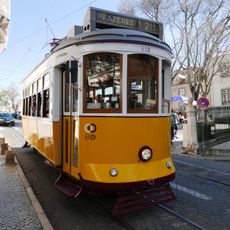
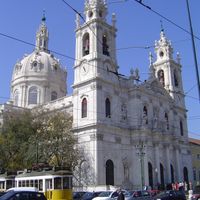
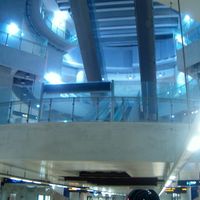
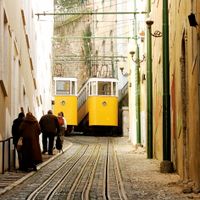
Public transport includes old trams, modern metro lines, buses, and ferries crossing the river to the south bank. Walking in hilly neighborhoods requires comfortable shoes, while the flat downtown area is easier to explore on foot.
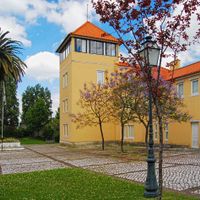
Sidewalks and squares are decorated with black and white limestone mosaics known as calçada portuguesa, laid by hand using hammer and chisel. This technique gives public spaces a traditional appearance that has survived in many neighborhoods.
The community of curious travelers
AroundUs brings together thousands of curated places, local tips, and hidden gems, enriched daily by 60,000 contributors worldwide.