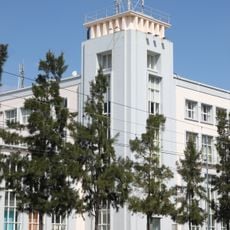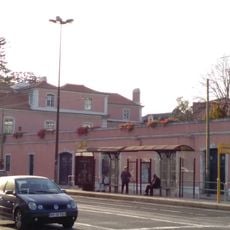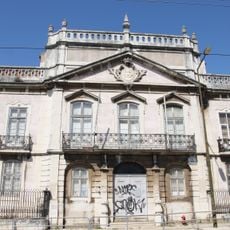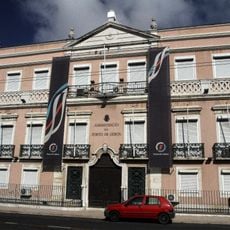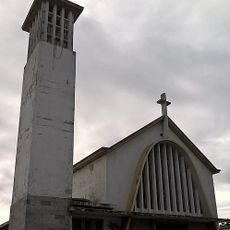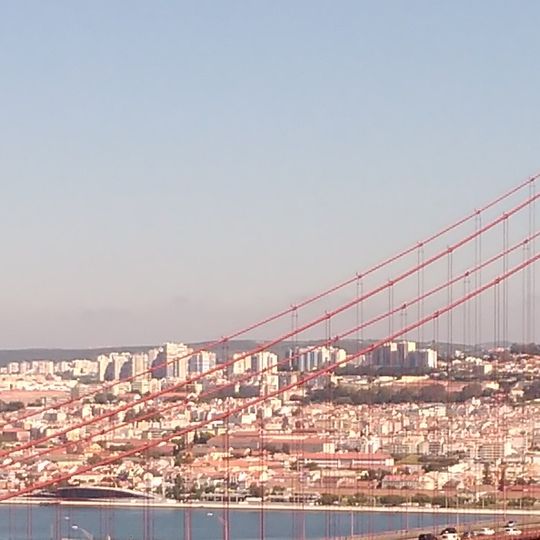
Grande Lisboa Subregion, sub-region of Portugal
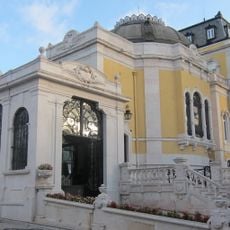
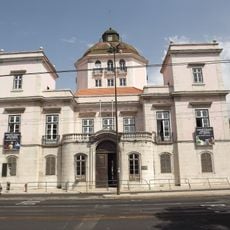
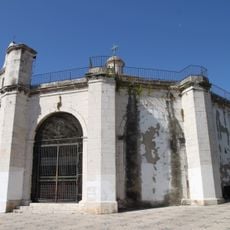
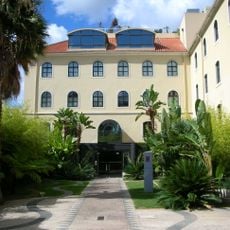
The Greater Lisbon Subregion is a large and varied zone encompassing most of the Lisbon metropolitan area with a mix of urban and suburban environments featuring different lifestyles and landscapes. It stretches across the northern side of the Tagus river mouth where it meets the Atlantic Ocean, incorporating historic towns, seaside resorts, and natural areas.
The city of Lisbon spans more than two thousand years of history that shaped its buildings and streets while playing a key role as a major port during Portuguese expansion across distant lands. A severe earthquake in the 18th century destroyed much of it, yet the city was rebuilt and grew again after surviving difficult times during the 20th century under authoritarian rule.
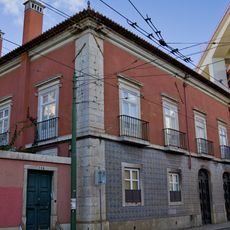
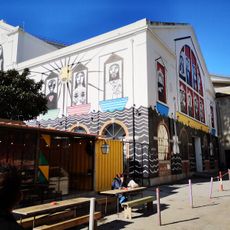
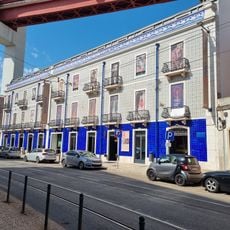
The neighborhoods display blue and white azulejo tiles decorating old buildings, a visual signature of the region that reflects local craftsmanship traditions. These ceramic tiles are woven into daily life, visible on storefronts, homes, and street corners throughout the area.
Getting around the region is possible through trains, buses, ferries, and a metro system that connects the city to suburbs like Cascais, Sintra, and Oeiras. Two main airports serve arrivals, with Lisbon Portela Airport very close to the city, while Porto Airport offers an alternative option requiring a longer journey.
The famous Tram 28 runs through many of the historic neighborhoods, taking visitors on a route that shows how varied the area can be. This streetcar line is itself a tourist draw and offers a unique way to experience the old quarters and their shifting topography.
The community of curious travelers
AroundUs brings together thousands of curated places, local tips, and hidden gems, enriched daily by 92,042 contributors worldwide.