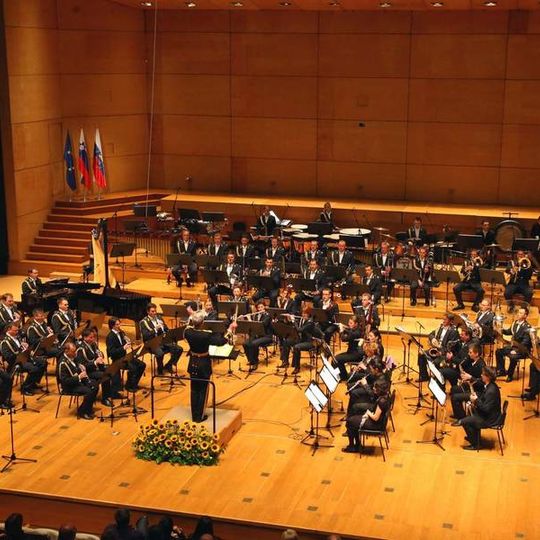
Cankar Hall, Concert hall in Ljubljana, Slovenia
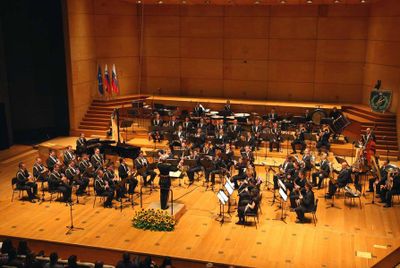
Cankar Hall is a cultural and congress centre on the southern edge of Republic Square in Ljubljana, designed by Edvard Ravnikar and built between 1977 and 1982. It has five halls named after Slovene artists: Gallus (1545 seats), Linhart (562 seats), Kosovel, Štih and Duša Počkaj. Most halls lie underground, linked by foyers; the facade is clad in white Carrara marble panels.
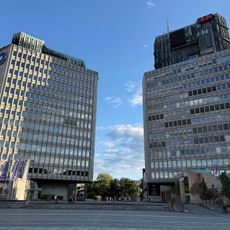
Edvard Ravnikar designed Cankar Hall as the last building on Republic Square, constructed between 1977 and 1982 and funded entirely by the Socialist Republic of Slovenia. The land, with orchards and gardens, belonged to the Ljubljana Ursuline monastery until nationalization in 1960. Excavations for the foundations uncovered remains of Roman Emona; the Roman wall was dynamited to clear the site, and most finds went to the National Museum of Slovenia.
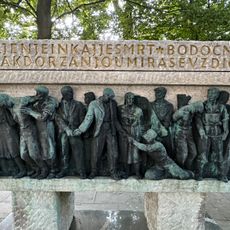
The five halls carry the names of Slovene artists: composer Jacobus Gallus, playwright Anton Tomaž Linhart, poet Srečko Kosovel, writer Bojan Štih and actress Duša Počkaj. The large entrance foyer hosts exhibitions, dances, book fairs and a careers fair. On the square in front stands Slavko Tihec's cube-shaped monument to Ivan Cankar, placed there in 1982.
Located at the southern edge of Republic Square, the hall features a spacious foyer that hosts exhibitions and cultural events alongside performances. Multiple entrances serve the different performance spaces, so visitors should check ahead for their specific event location.
During construction in 1977, workers unearthed remains of the ancient Roman city of Emona beneath the building site. The discoveries, now displayed at the National Museum of Slovenia, reveal an earlier chapter of the location's long past.
The community of curious travelers
AroundUs brings together thousands of curated places, local tips, and hidden gems, enriched daily by 94,177 contributors worldwide.