Great Mosque of Hama, Religious monument in Hama, Syria
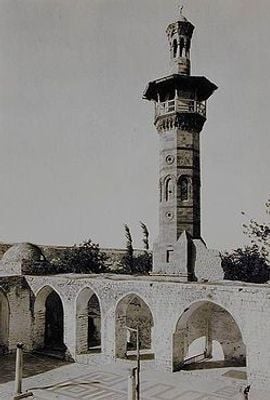
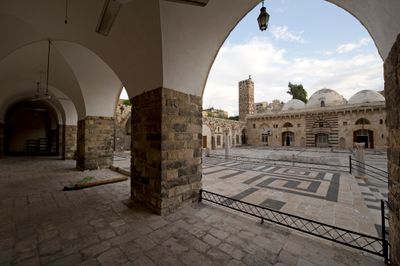
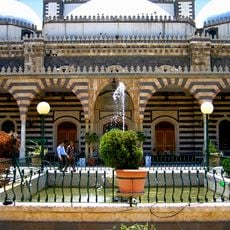
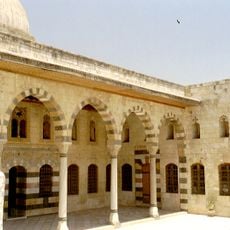
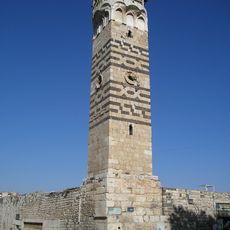
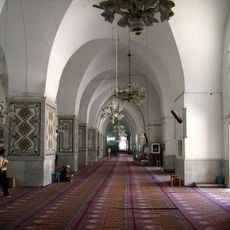
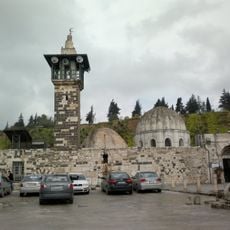
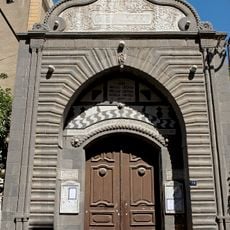
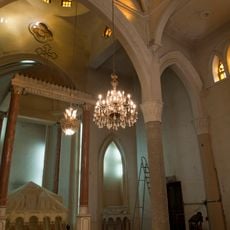
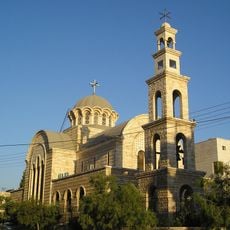
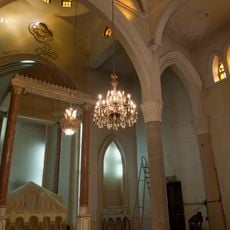
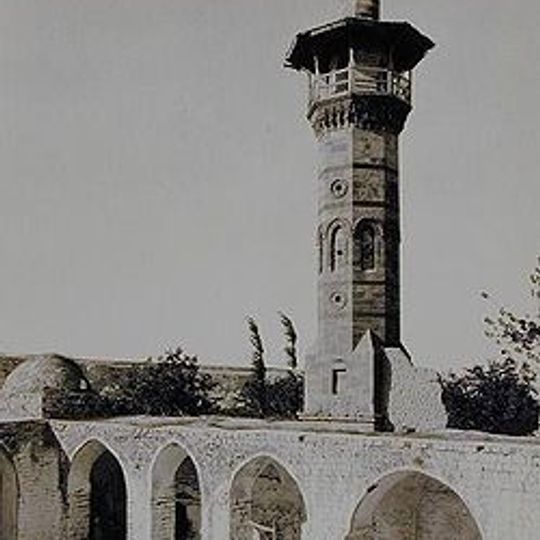
The Great Mosque of Hama is a mosque in the center of Hama, Syria, with two minarets built in different periods: a square tower from the 12th century and an octagonal tower from the 15th century. The prayer hall sits beneath five domes, and the overall structure combines Roman, Byzantine, and Islamic building traditions in a single complex.
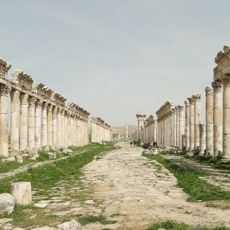
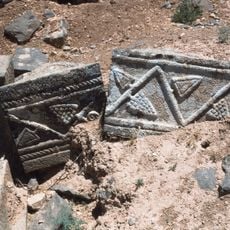
The site was first occupied by a Roman temple in ancient times, then converted into a Byzantine church after Christianity spread through the region. Following the Arab conquest in the 7th century, the building became a mosque and was gradually expanded over the following centuries.
The mosque is sometimes called al-Nuri, a name linked to the ruler Nur ad-Din Zengi who ordered major building work in the 12th century. Visitors today can watch worshippers gather in the open courtyard, which continues to be a natural meeting point during prayer times.
The mosque is in the center of Hama and can be reached on foot from most parts of the old city. Visitors should dress modestly, covering shoulders and knees, and check local conditions before planning a visit.
In the northern part of the sanctuary, two rulers from the 13th century were buried, and their tombs are still visible today. This made the building not only a place of prayer but also a site tied to local political memory for generations.
The community of curious travelers
AroundUs brings together thousands of curated places, local tips, and hidden gems, enriched daily by 60,000 contributors worldwide.