Lystra, Archaeological site in Meram, Turkey
Lystra is an archaeological site in Meram, Turkey, whose remains spread across gentle hills in the central Anatolian highlands. Stone walls rise from the ground, ancient roads run between fields, and foundations of houses and larger buildings show through the grass.
The settlement was founded in the early Bronze Age and later flourished under Roman rule from 6 BCE as a fortified colony to control mountain peoples. Christian communities settled here in the first century and shaped religious life over several generations.
This place takes its name from an ancient Anatolian root that was later adapted during Roman times and survives today as Hatunsaray in the local Turkish dialect. Visitors walking among the remains can see how Greek building methods and Christian meeting places existed side by side, shaping the daily lives of people over many centuries.
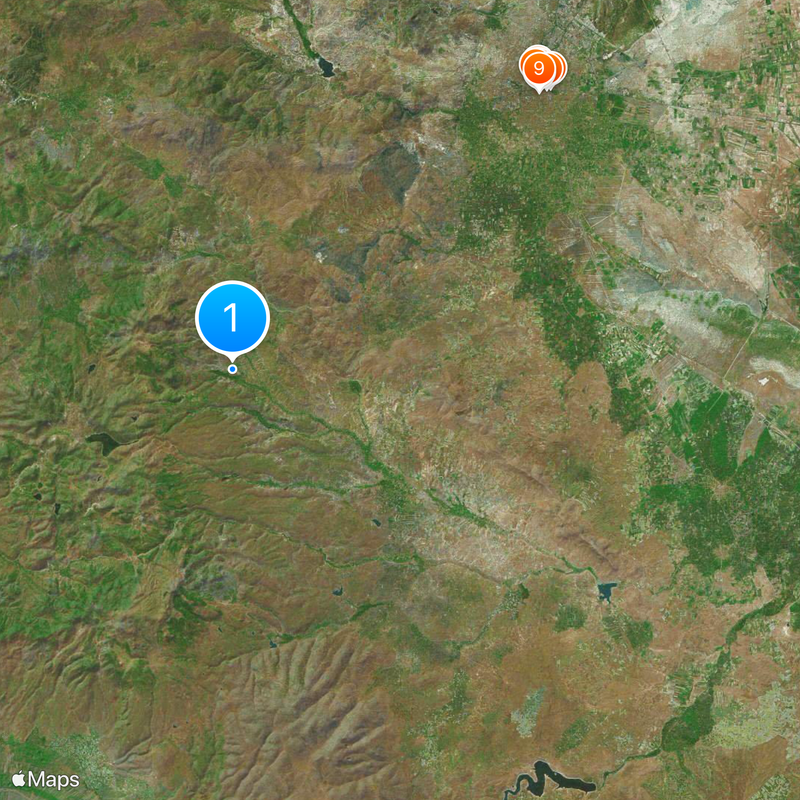
The site is reached through the village of Hatunsaray, located about 30 kilometers south of Konya and accessible by car or public transport. The area is open to walk through, but paths can be uneven and sturdy shoes are recommended for moving between the ruins.
The hill called Alusumas holds unexplored sections of the settlement where structures were built to offer protection to residents from attacks in the region. These parts are now covered by scrub and are rarely reached by visitors.
The community of curious travelers
AroundUs brings together thousands of curated places, local tips, and hidden gems, enriched daily by 92,304 contributors worldwide.