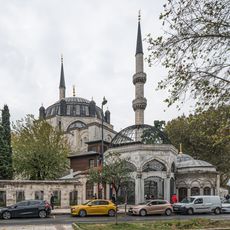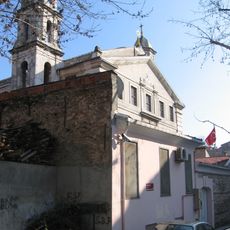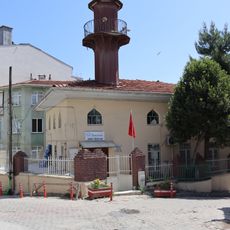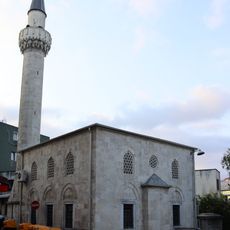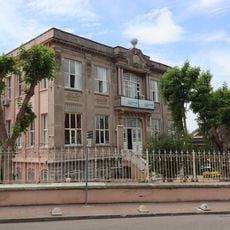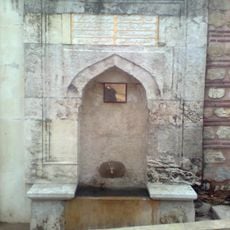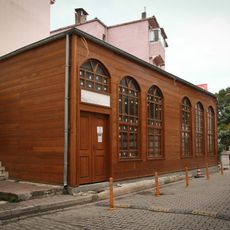
Karacaahmet Cemetery, Historic cemetery in Üsküdar, Turkey.
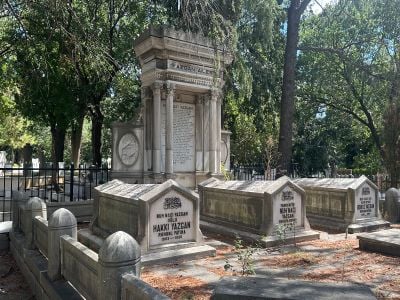
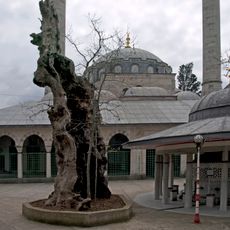
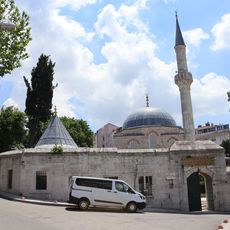
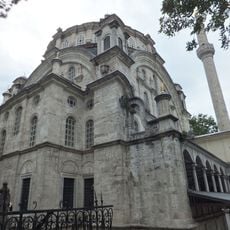
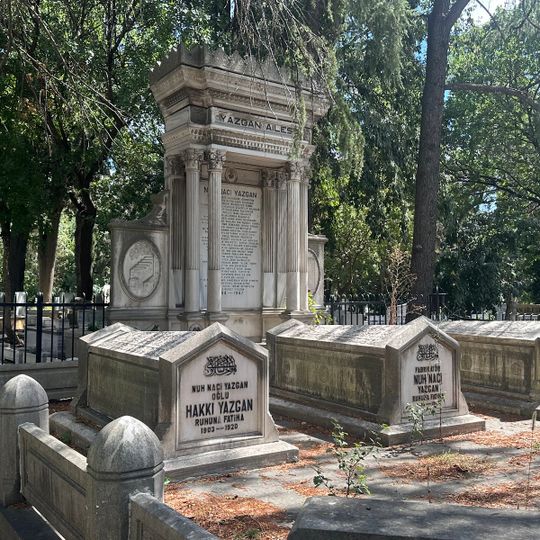
Karacaahmet is an extensive burial ground in the Üsküdar district on Istanbul's Asian side featuring Ottoman architecture. The site includes five sections with different burial fields, crossed by winding pathways and shaded by rows of trees.
Karacaahmet takes its name from Karaca Ahmet, a companion of Orhan sent by Hacı Bektaş-ı Veli. Historians agree the cemetery took shape in the mid-14th century, after Orhan conquered Byzantine Üsküdar and Turks settled the area. It expanded under Sultan Murad I and again after the 1453 conquest. In 1582 Nurbanu Sultan, mother of Murad III, donated 124 hectares of her own land and had cypresses planted, appointing 13 guards and 24 gravediggers.
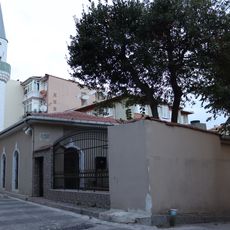
The cemetery is named after Karaca Ahmet, a 13th-century physician and Bektashi saint sent to Istanbul by Hacı Bektaş-ı Veli; his shrine stands within the grounds. In the Seyitahmet section, Iranian and Caferi Shiites bury their dead, and the İranlılar Mescidi there still hosts Ashura mourning rites on the tenth day of Muharrem.
The sprawling grounds can be entered through several gates from central Üsküdar, with mostly unpaved paths that can become slippery after rain. Weekdays tend to be quiet, while weekends draw more visitors.
Around two million graves lie scattered across the grounds, making it one of the world's largest resting places. At the same time, the trees and open spaces provide habitat for many bird species that can be observed while walking.
The community of curious travelers
AroundUs brings together thousands of curated places, local tips, and hidden gems, enriched daily by 94,670 contributors worldwide.