Second Avenue, avenue in Manhattan
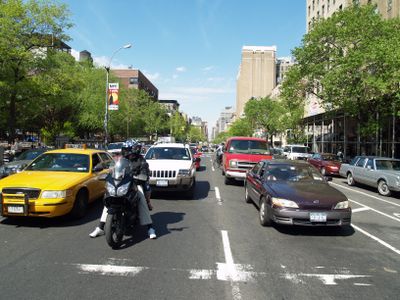
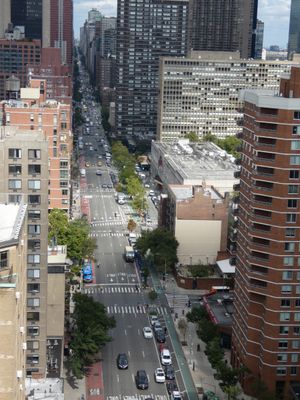
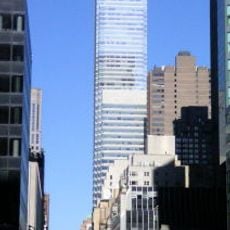
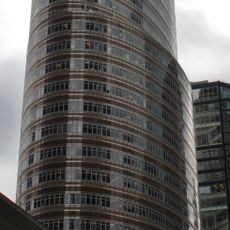
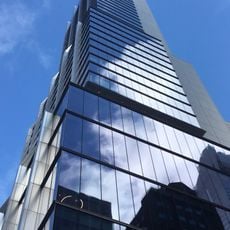
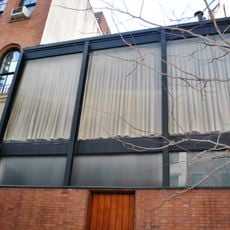
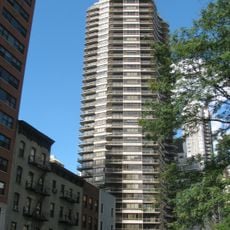
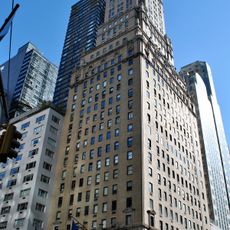
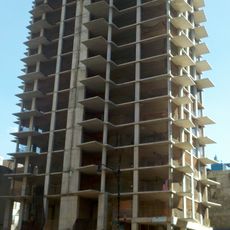
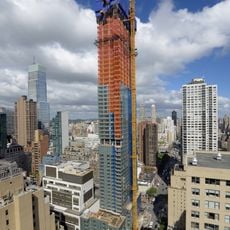
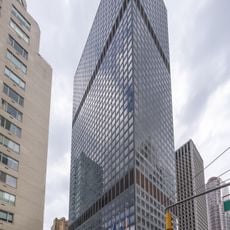
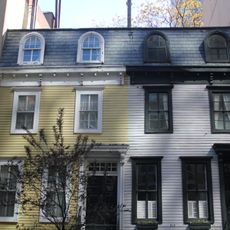
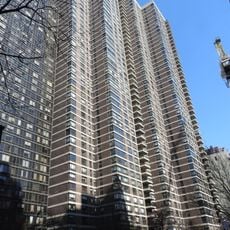
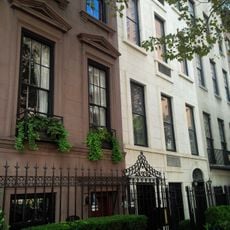
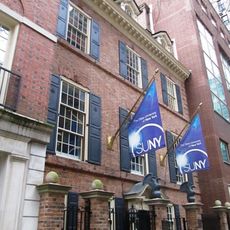
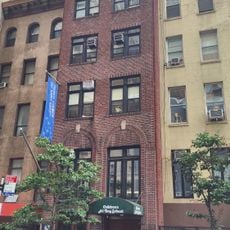
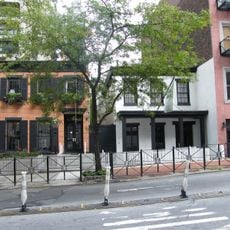
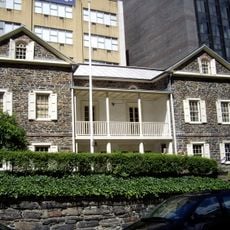
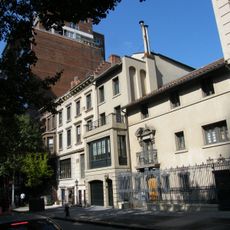
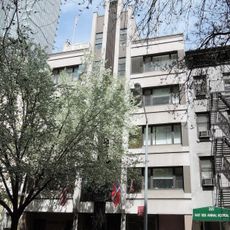
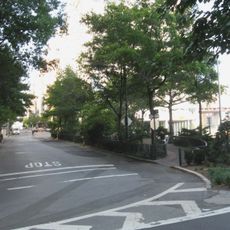
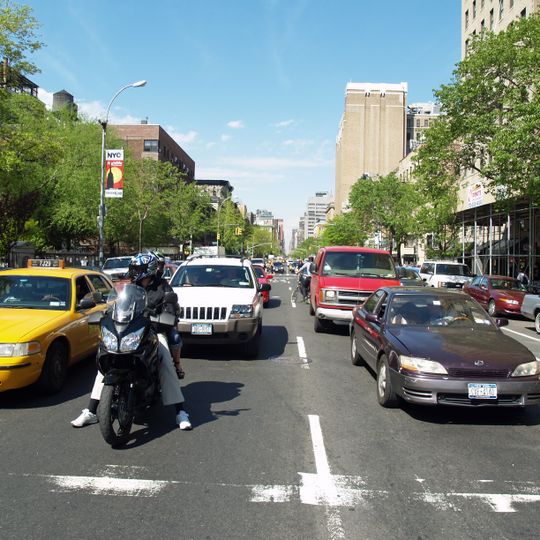
Second Avenue is a north-south thoroughfare in Manhattan that runs from Houston Street in the East Village to Harlem River Drive, spanning roughly 6 miles. It passes through diverse neighborhoods and mixes modern office buildings with older residential structures, small shops, tree-lined sidewalks, and transit infrastructure.
Second Avenue followed a grid plan from 1811 designed to organize the growing city. In the early 20th century, the Lower East Side section became the center of Yiddish theater, while an elevated train running from 1880 connected neighborhoods and shaped the street's character.
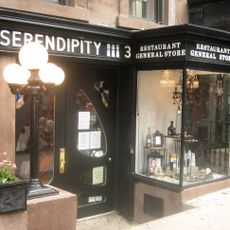
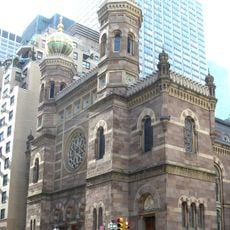
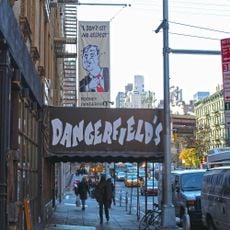
Second Avenue was the heart of Yiddish theater and Jewish culture in the Lower East Side during the early 20th century. Today, old bakeries and delis still line the street, reminding visitors of the immigrant communities who shaped this neighborhood.
The avenue is served by bus routes and a new subway line that partially opened in 2017, improving access to northern areas. A bike lane runs along the street, and you can explore different neighborhoods on foot by simply walking the avenue's length.
The elevated train was torn down between 1942 and 1955, which damaged many local businesses but later allowed the street to transform into an arts center. In the 1960s and 70s, old theaters became punk clubs and art spaces, breathing new life into the area.
The community of curious travelers
AroundUs brings together thousands of curated places, local tips, and hidden gems, enriched daily by 92,641 contributors worldwide.